Lisa McGee’s mystery-comedy earns our time through three convincing friends and a welcome lack of dignity. The plotting wanders and some silliness feels compulsory, but the company is good enough to keep us watching.
How to Get to Heaven from Belfast is good company, though its mystery sometimes makes rather too much work for everyone involved. Lisa McGee sends three lifelong friends into an investigation of a suspicious death, testing how far familiar comic company can carry a more complicated story. Across eight episodes, there is room for affection, irritation and plenty of foolishness. The difficulty is that the investigation keeps demanding attention just when the women have become interesting enough without it.
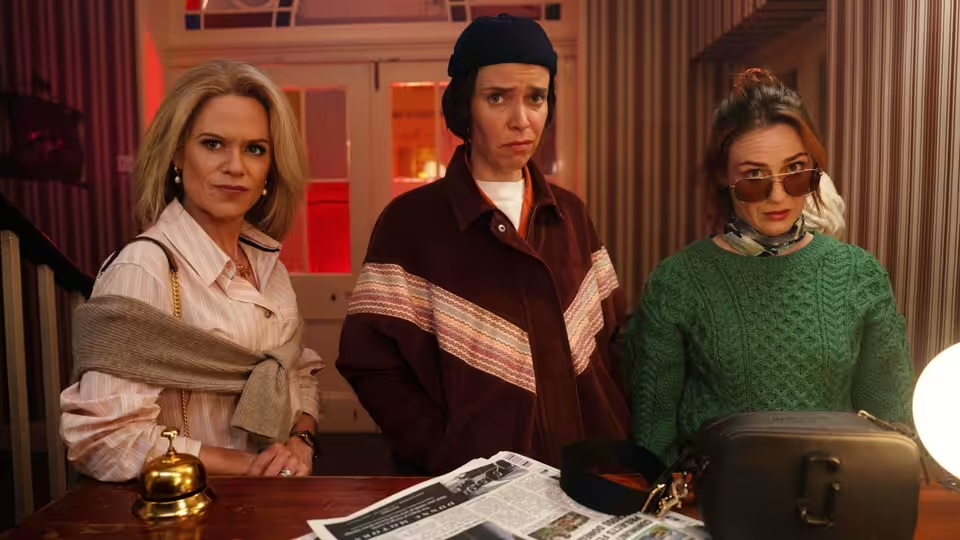
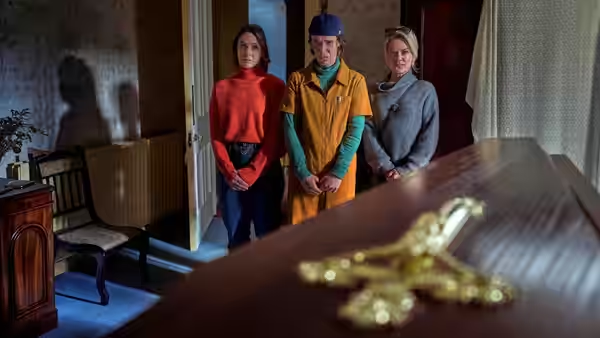
Roisin Gallagher’s Saoirse, Sinéad Keenan’s Robyn and Caoilfhionn Dunne’s Dara are the reason to stay. Their ease together makes the long friendship credible before the series asks us to care about its history. We believe that these women can find each other exhausting and still prefer each other to almost anyone else, which matters when the plot becomes difficult to believe. McGee’s Northern Irish humour depends on people being blunt without making their affection doubtful, and all three actors manage that.
The flashbacks give us a reason to care when the investigation becomes cumbersome. We were more moved than we expected by seeing the friendship at different ages, because the women’s shared past makes their present-day loyalty feel earned. McGee lets growing older matter without treating silliness as a youthful failing everyone should have outgrown. These are adult lives in which being sensible remains an occasional achievement.
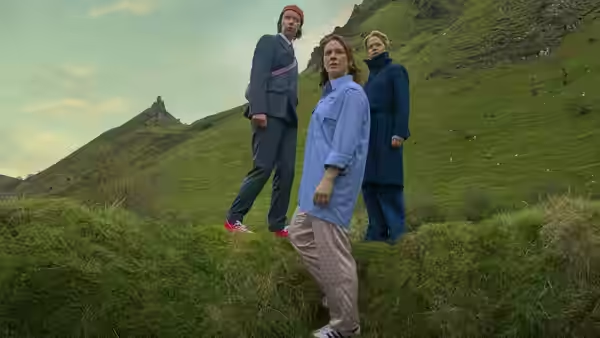
Directors George Kane, Michael Lennox and Rachna Suri oversee a series with plenty of competing demands, from a rural Irish chase to scenes built around friendship. The dance scenes offer welcome relief from the business of following the mystery. They also suggest how enjoyable the programme can be when movement and performance are allowed to do more of the work. Those passages feel less strained than some of the more outlandish situations, where the effort to be entertaining becomes noticeable.
The main reservation is how much McGee asks the plot to accommodate. The two timelines, the suspicious death and the comic detours do not always help one another, and the pacing suffers when another diversion postpones what we want to know. Some of the absurdity feels imposed on the characters, making them serve a joke rather than giving them something funny to do. Nothing here needed to become solemn, but a few complications could have been left out.
McGee’s Derry Girls makes an obvious comparison, but expecting the same programme with older characters would miss what she is attempting. Here, the humour has to share space with regret and suspicion, and that is a worthwhile change of subject. The central performances make the adjustment more comfortably than the elaborate plotting does. As a mystery-comedy, it gets an important thing right: we care who is doing the investigating before we start counting clues. Try it for the friendship, and expect to be occasionally impatient with the case.