Todd Haynes films James M. Cain’s novel slowly, in honeyed light, without the murder the 1945 film added, and Kate Winslet earns every frame. It is handsome and often moving; it is also five hours long, and the daughter at its centre never adds up.
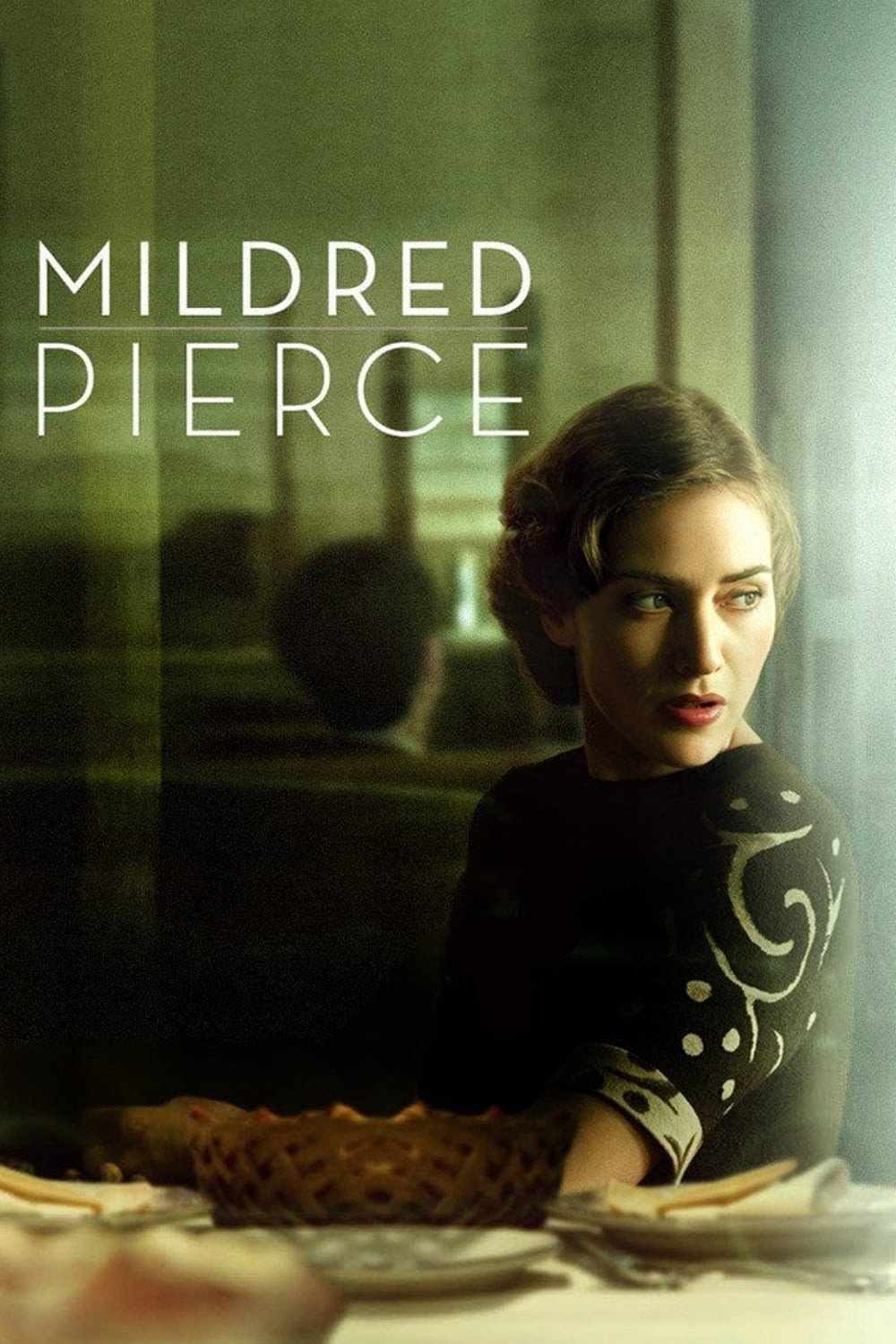
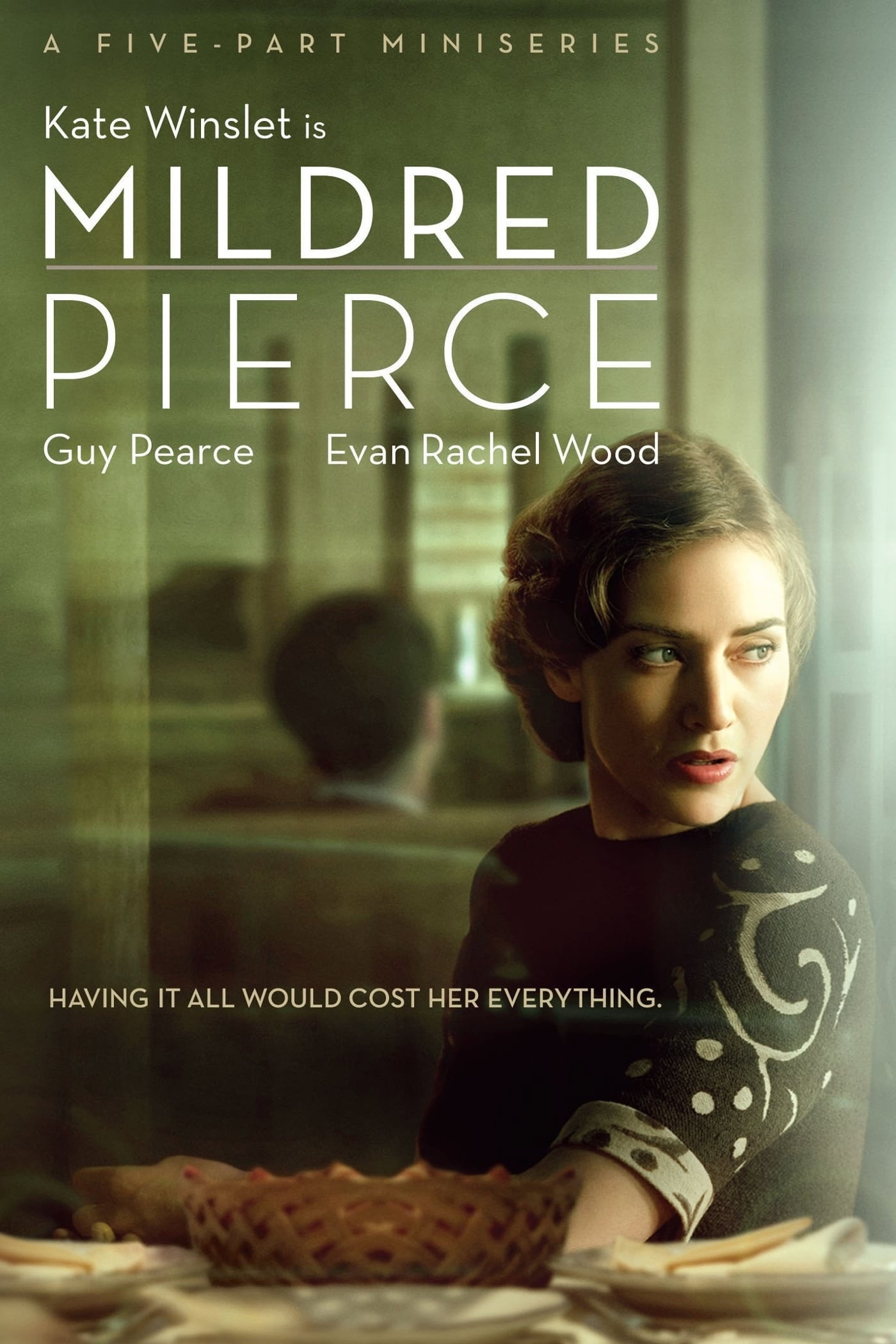
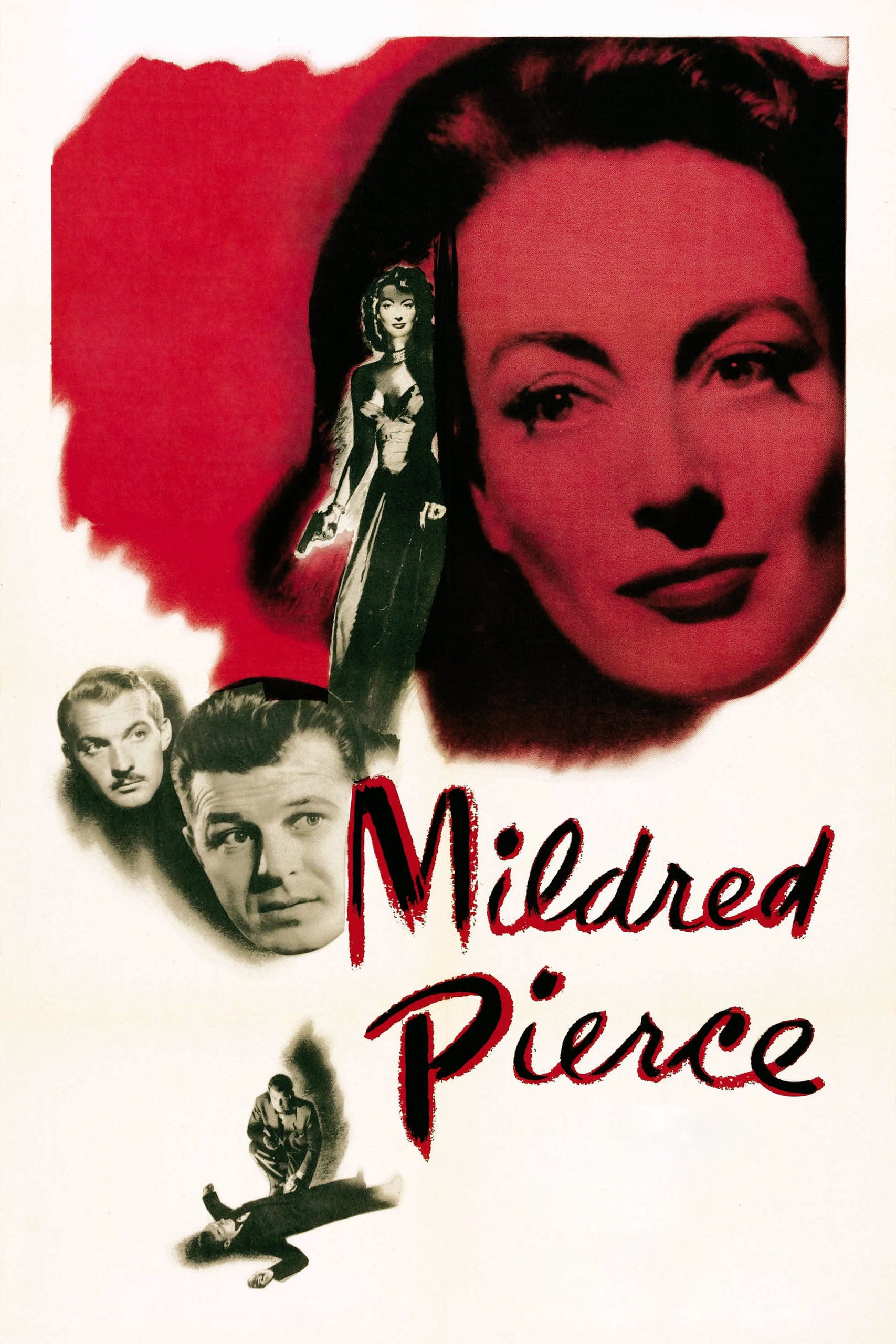
Todd Haynes has gone back to James M. Cain’s novel and taken the murder out. The 1945 film with Joan Crawford put a shooting at the front and told the rest in flashback; Cain never wrote one, and Haynes and his co-writer Jonathan Raymond leave it out. What remains is five episodes, roughly five hours, about a woman in Glendale, California, who bakes pies for money in 1931, turns the pies into a restaurant, and spends everything she makes trying to be loved by a daughter who cannot stand her. It is handsome, it is slow, and it is worth the time if you have it. Anyone waiting for the gun will wait all week.
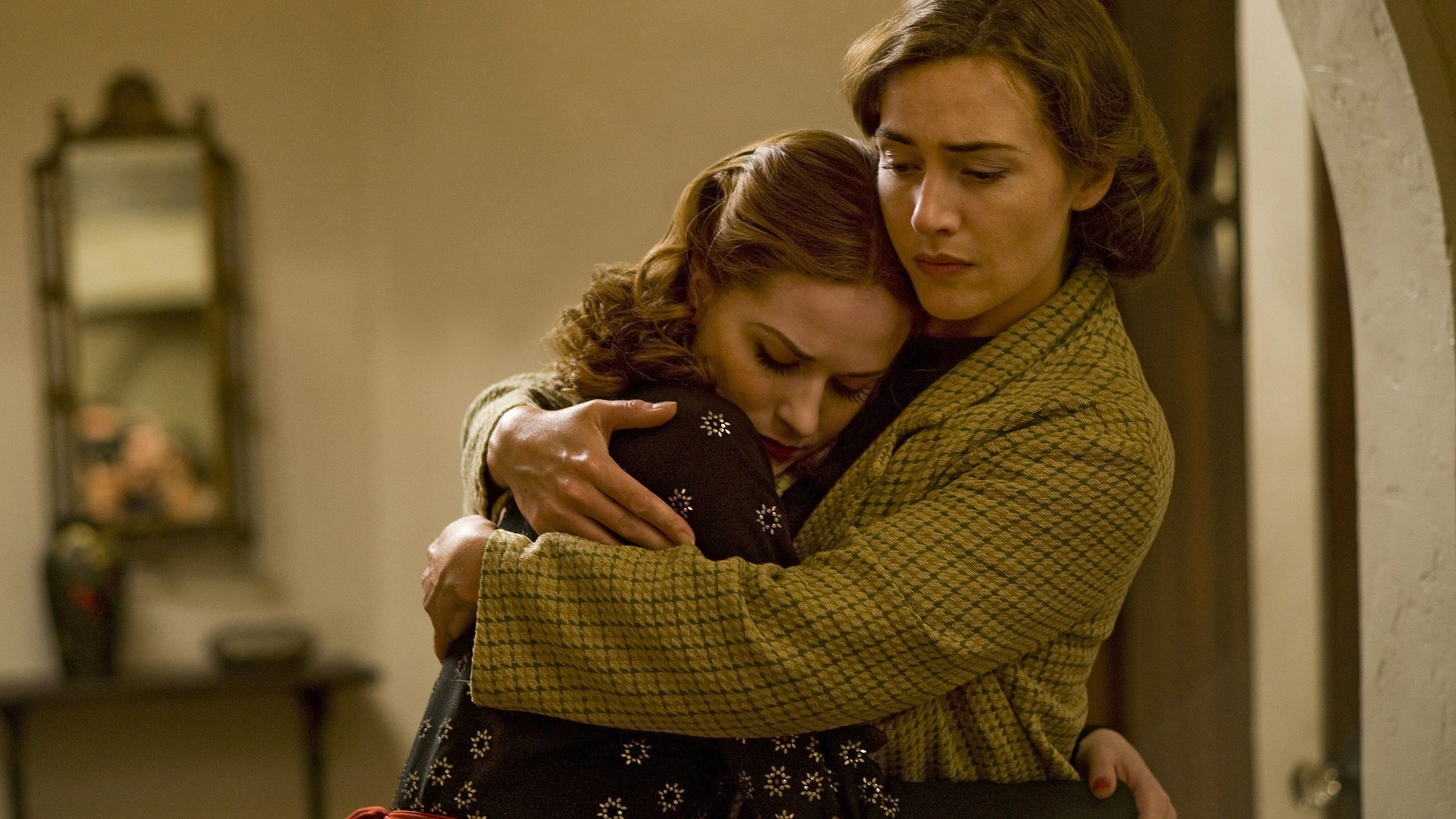
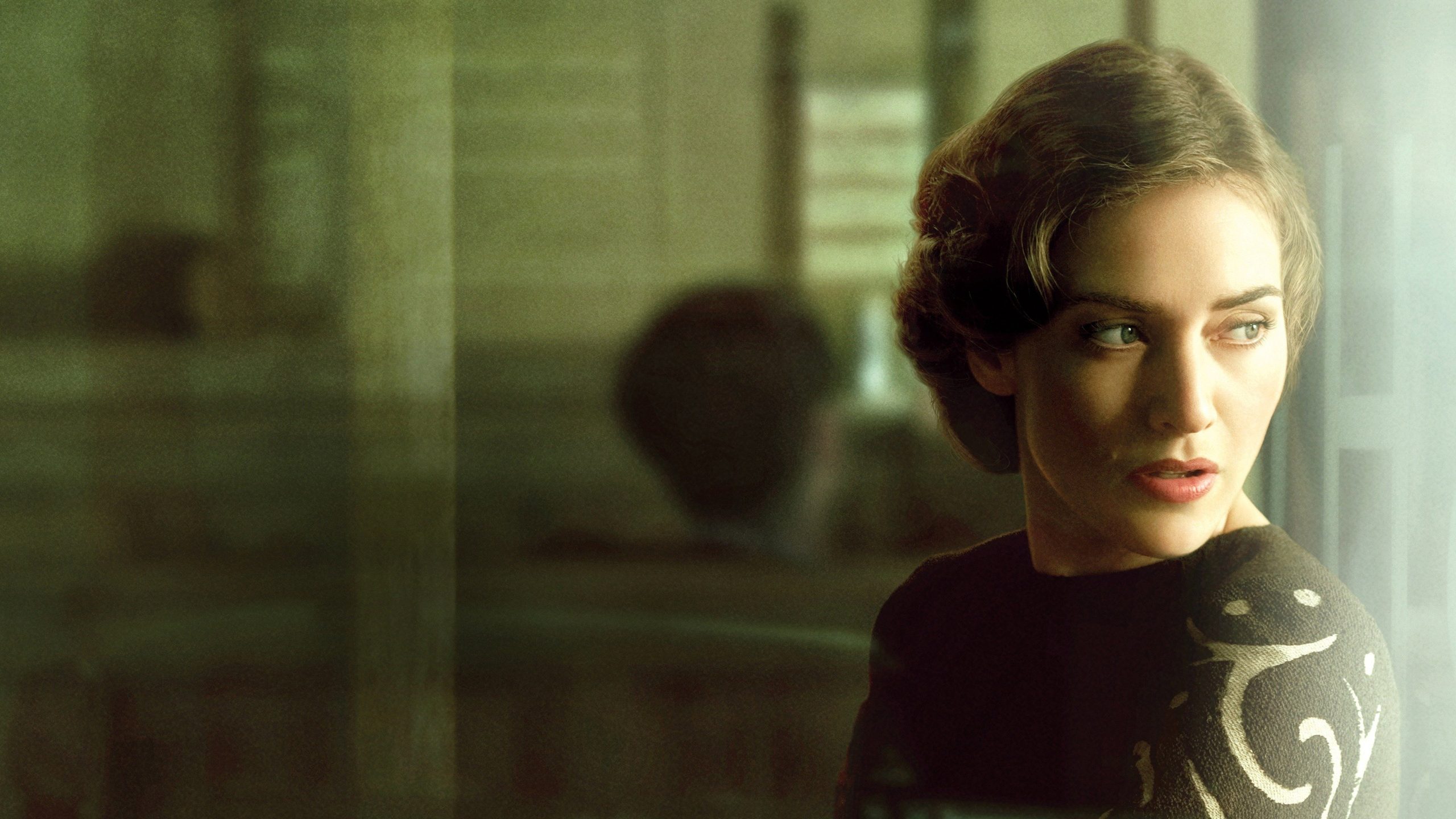
Kate Winslet plays Mildred without a flattering angle in sight. She is filmed rolling dough, scrubbing counters, counting change and carrying four plates at once; her hands are never idle and her face is always working out a sum. Mildred would rather be seen dead than seen in a waitress’s uniform, and when the job is the only one going she takes it and hides the uniform in a drawer. Winslet lets us see the humiliation go in, and then goes back to carrying plates.
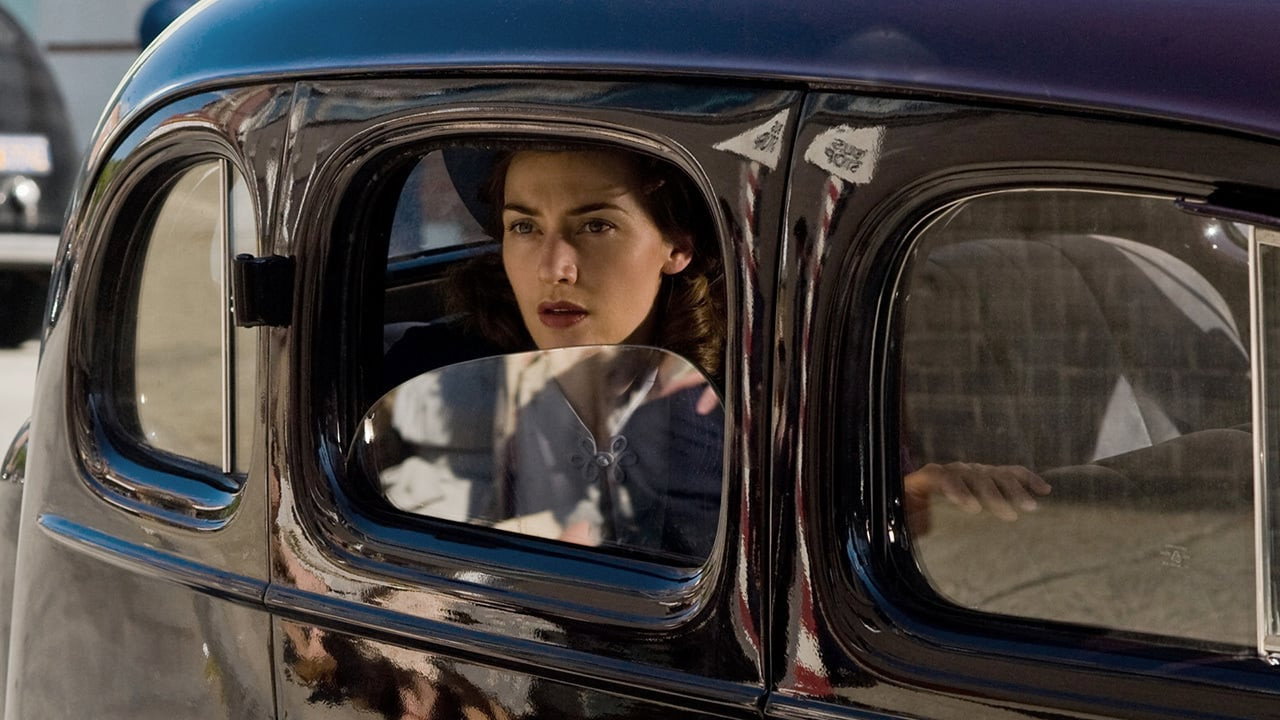
Edward Lachman shoots it as if the sun had been set at four in the afternoon and left there. Everything is amber, dust and pale green, and he keeps putting the camera on the far side of a window or a screen door, so that we watch Mildred through glass as often as not. Mark Friedberg’s Glendale is a row of small stucco houses with the paint going, and Monte Beragon’s place in Pasadena is large, dark and half empty. Ann Roth puts Mildred in housedresses washed too often and then, when the money comes, in furs that fit slightly wrong.
It is slow, and we should be plain about how slow. Camilla Toniolo and Affonso Gonçalves let scenes run to their natural stop, and Carter Burwell’s score, a few spare notes of piano and strings, is held back for such long stretches that when it arrives it feels like the weather changing. The second episode closes on a sequence we will not describe, played almost without music, and we sat through the credits without moving. Then the third hour came and we caught ourselves looking at the clock, and we were bored, and we resented it. Haynes has earned the right to take his time; he has not always earned the time he takes.
The trouble, and every version of this story has had it, is Veda. Morgan Turner plays the child with a chilly correctness, tidying her mother’s grammar and sneering at the neighbours, and she is frightening in the way clever children are. Evan Rachel Wood takes over for the final two episodes and plays the grown Veda’s cruelty as boredom. But we are asked to believe this girl was made by that woman in that house, and across five hours we kept looking for the moment it happened and never found it. On screen she is simply there, awful and unexplained, and the series does not seem to think it owes us a reason.
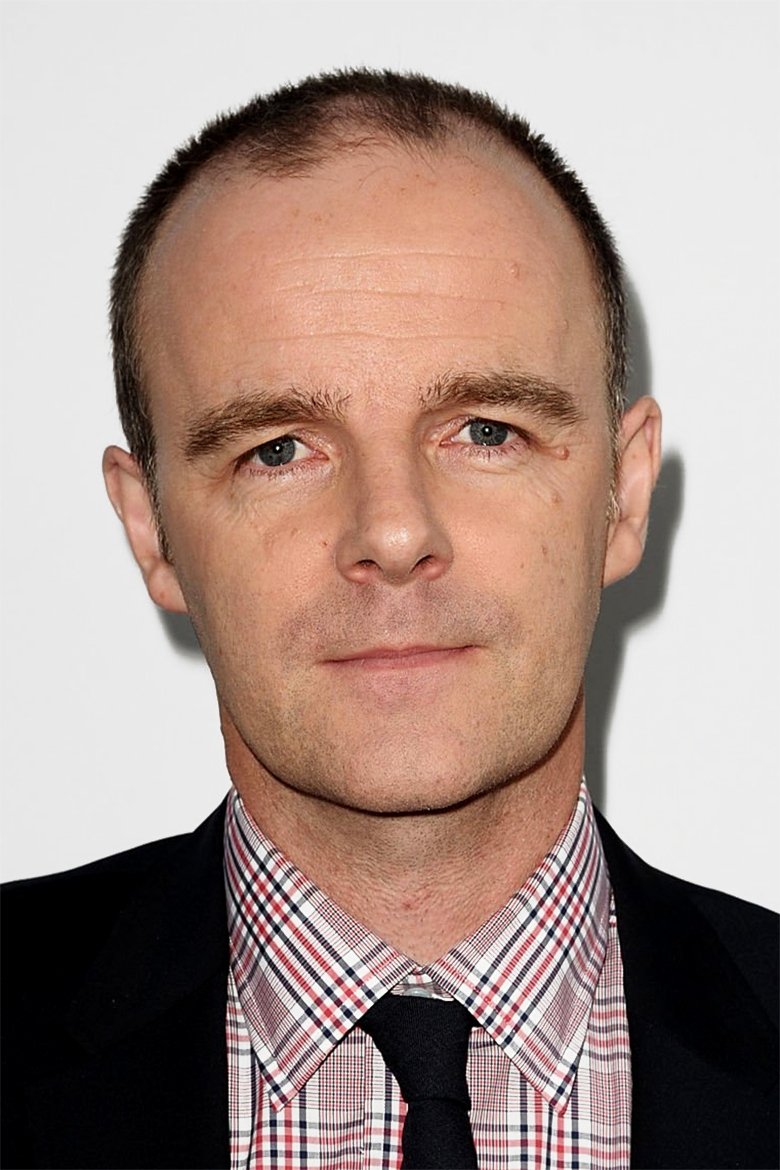
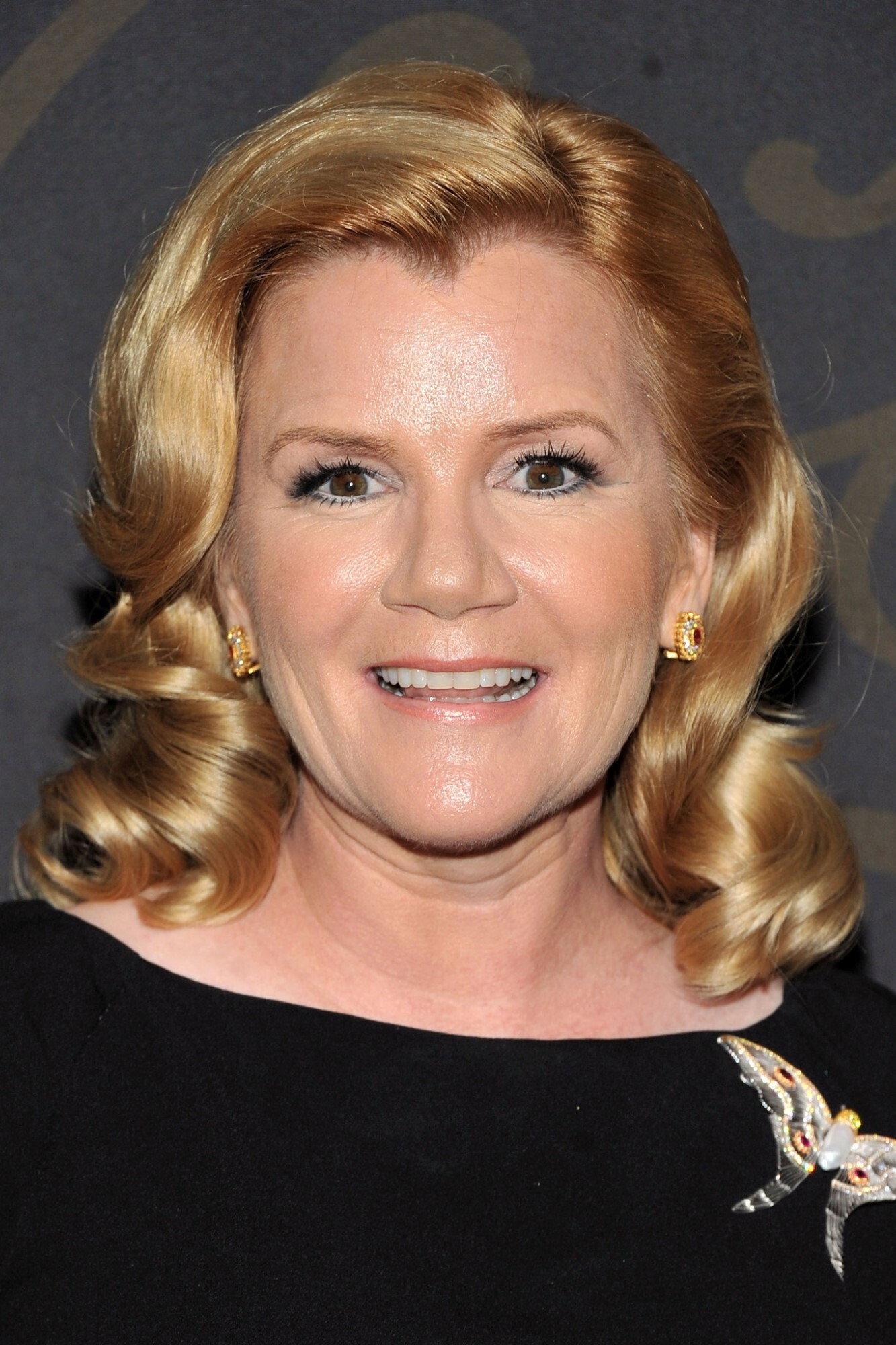
The men are written better than usual. Guy Pearce gives Monte, a Pasadena heir with an old name and no income, a lazy charm that goes sour the moment Mildred picks up the bill. Brían F. O’Byrne’s Bert, the husband she throws out in the first episode, is decent and beaten and keeps turning up. James LeGros’s Wally Burgan is always in the kitchen when there is something to be had, Melissa Leo, as the neighbour Lucy Gessler, gets the best lines, and Mare Winningham, running the restaurant floor as Ida, is in fewer scenes than she deserves.
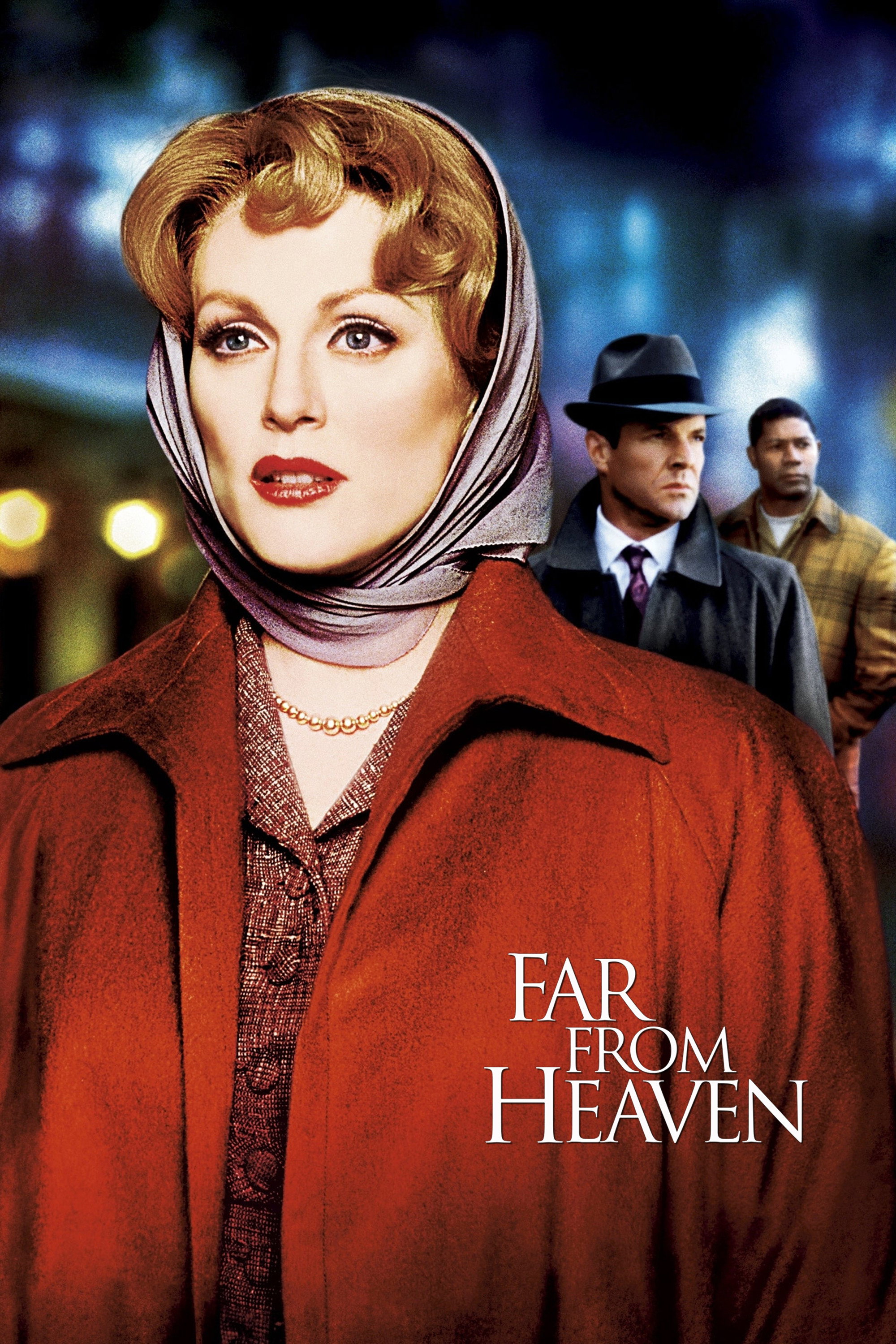
Against Haynes’s own work it sits below Far from Heaven (2002), which Lachman also shot and which did in under two hours what this does in five: put a woman in a carefully made house and let the furniture tell us what she was not permitted to want. Watch this one in two or three sittings, on winter evenings, when the light on screen will be the warmest thing in the house. If by the fourth hour you want to shake Mildred, you have understood the series; so does everyone in it.