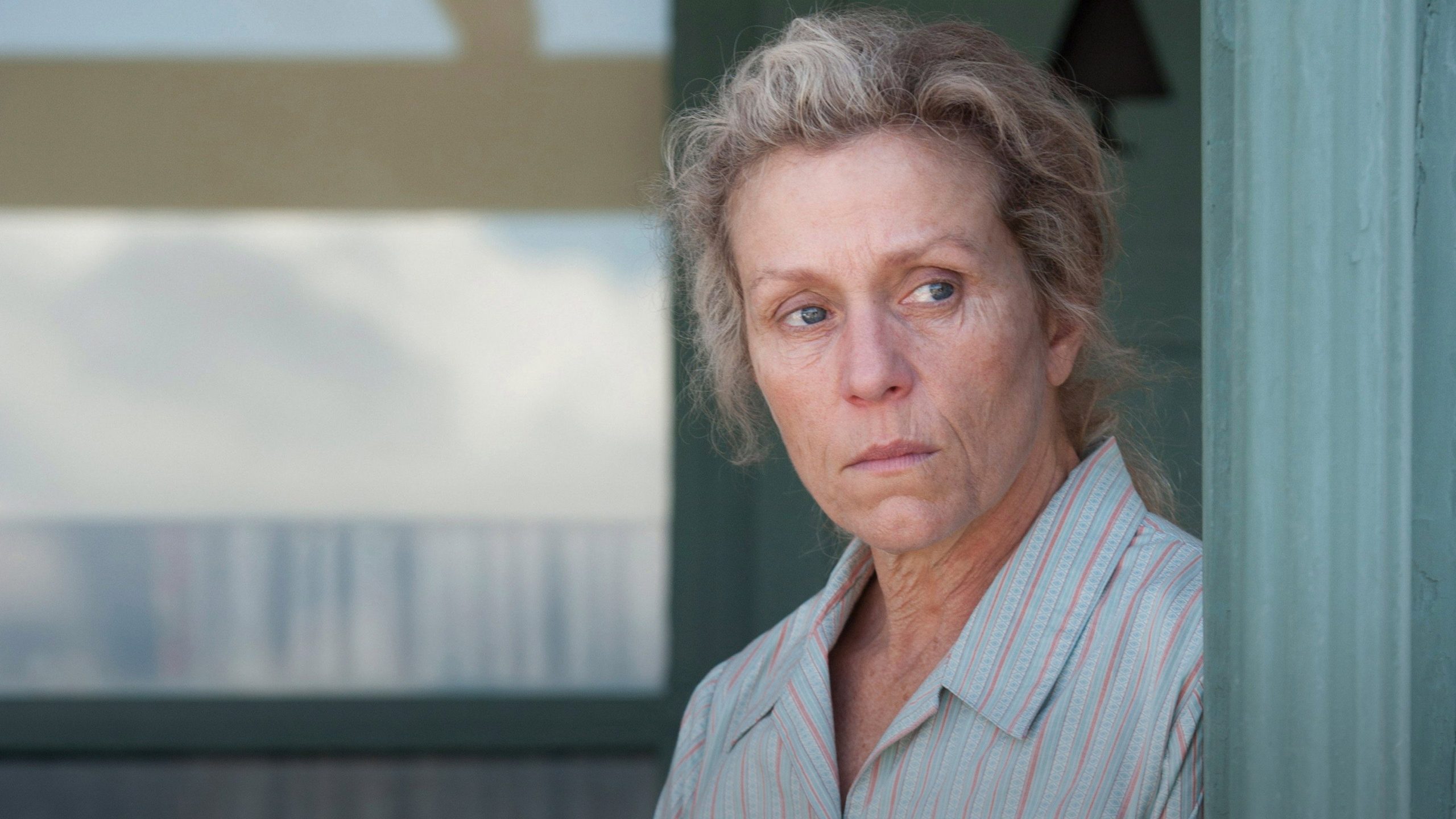
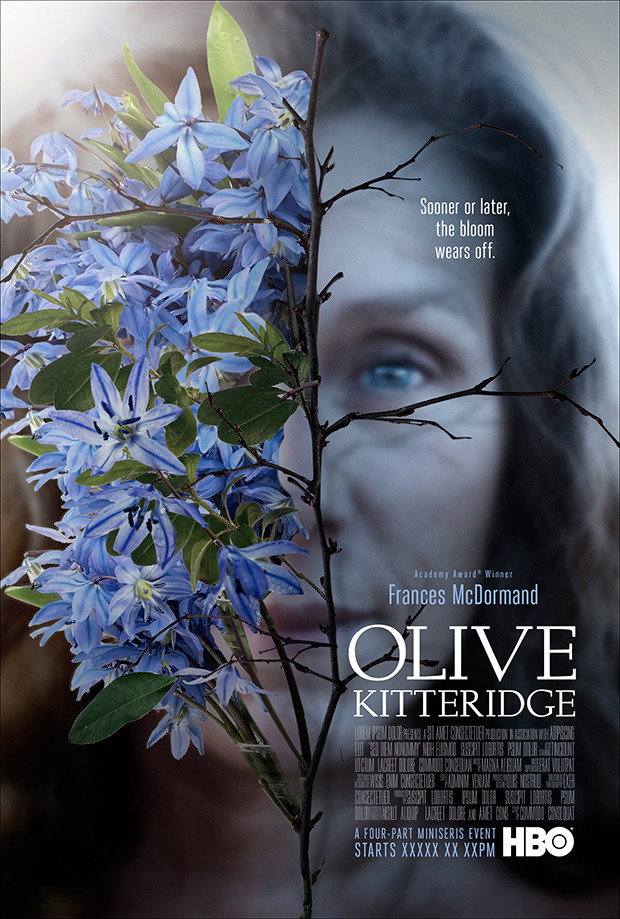
Lisa Cholodenko’s four-part adaptation of Elizabeth Strout’s novel follows a sharp-tongued Maine woman and her mild husband across twenty-five years. Frances McDormand and Richard Jenkins are as good as you have heard; the later hours drift, but we recommend it warmly.
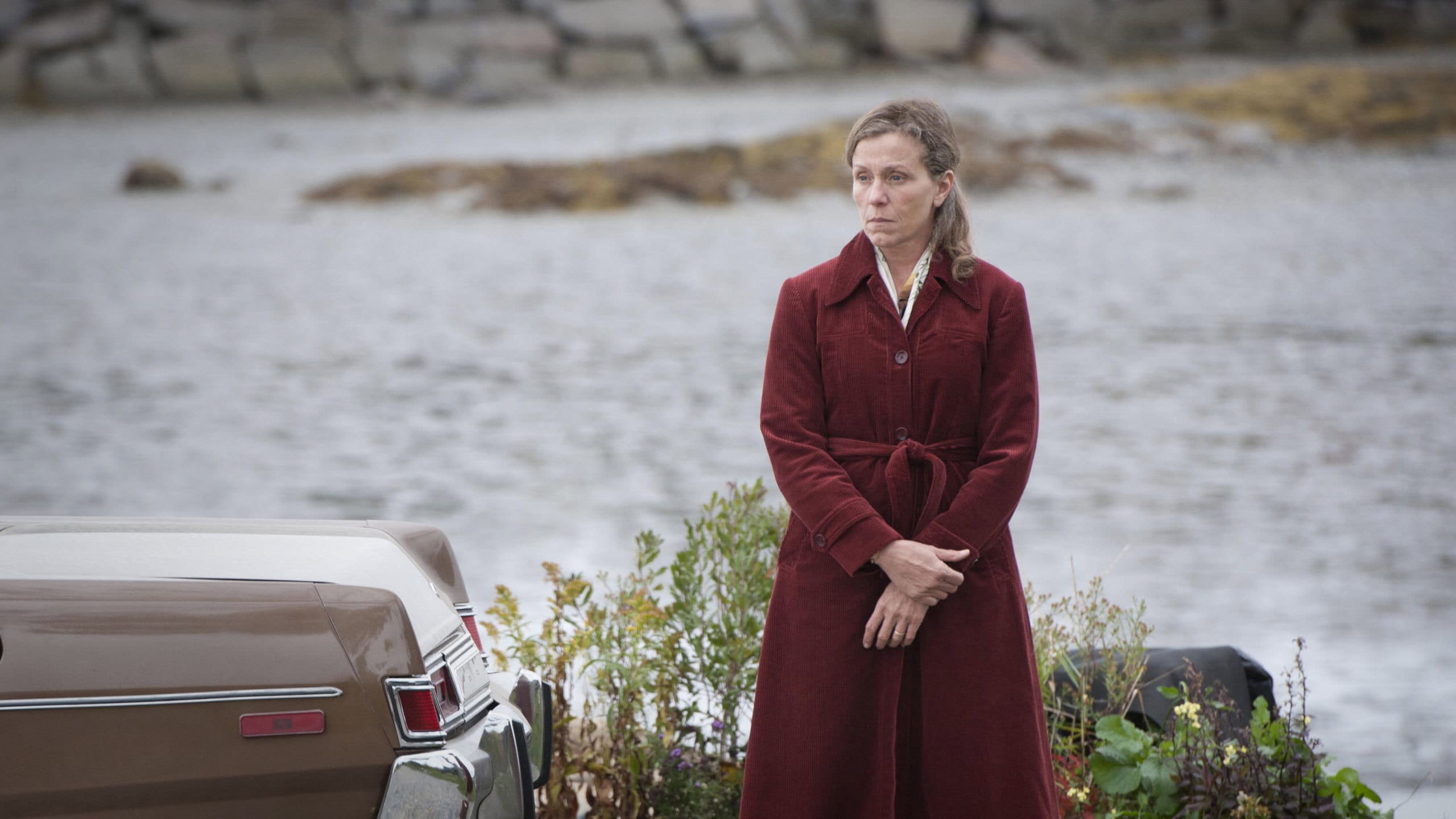
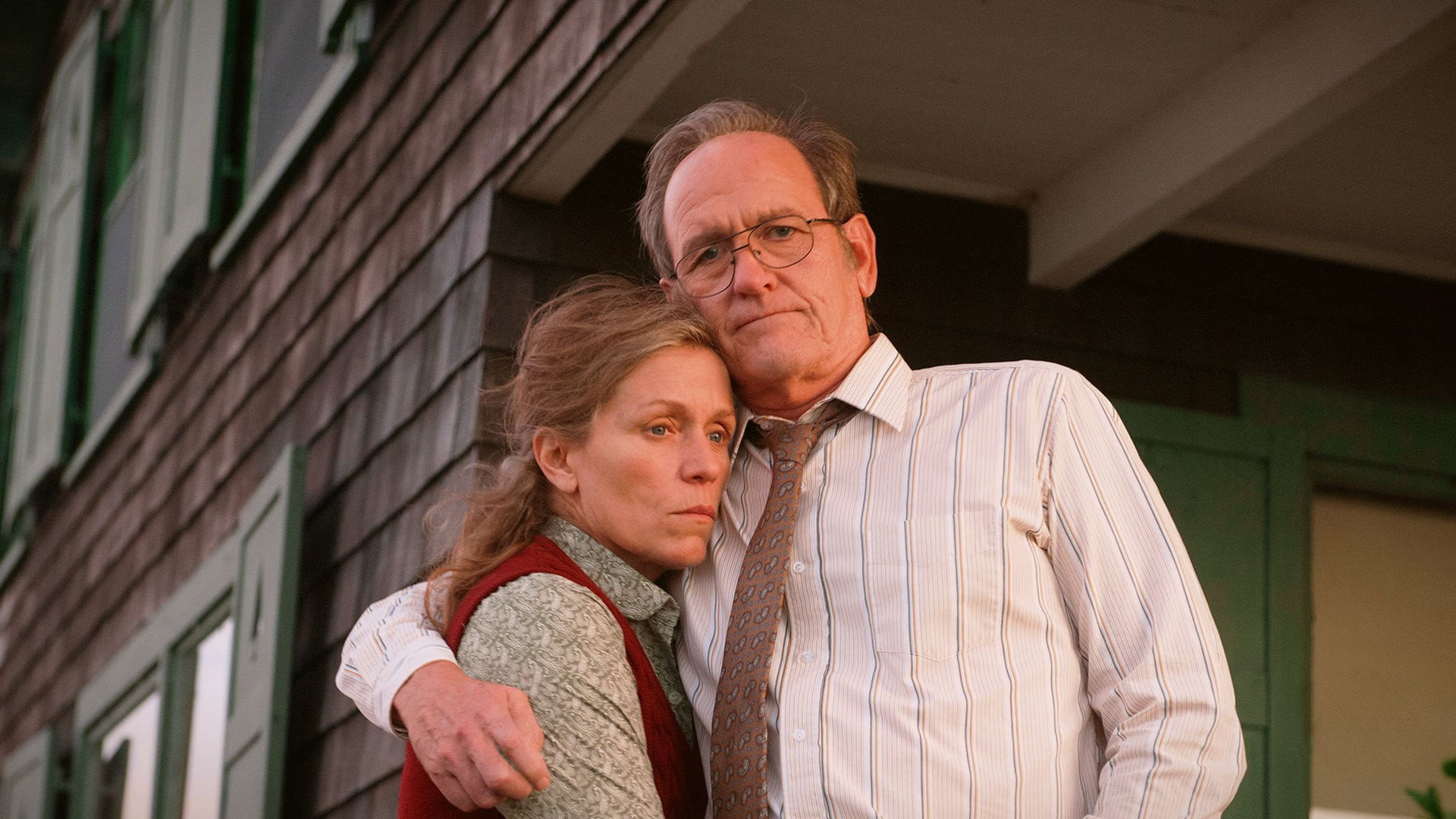
Olive Kitteridge (Frances McDormand) lives in Crosby, a small town on the coast of Maine, and has never in her life softened a sentence to spare anyone. Her husband Henry (Richard Jenkins) runs the pharmacy and softens all of his. Jane Anderson’s four-part adaptation of Elizabeth Strout’s novel, directed by Lisa Cholodenko, follows the two of them for twenty-five years, and takes a marriage in which neither party would say the word love out loud and makes it the whole story. For a stretch of its second half it is slower than it needs to be. We recommend it warmly, over two evenings rather than one.
The first hour is mostly Henry’s. He takes on a new assistant at the shop, Denise Thibodeau (Zoe Kazan), a shy newlywed in thick glasses, and something in her gratitude for ordinary courtesies undoes him. Jenkins plays this without a single thing Olive could point to, and that is the point: Henry is not planning anything, he is simply happier at work than at home. Olive knows it before he does. McDormand gives her the flat look of a woman doing a sum, then says something true and unforgivable across the dinner table. Their son Christopher, who grows up to be played by John Gallagher Jr., learns to eat in silence.
Frederick Elmes, who shot Blue Velvet for David Lynch, films the town in cold clear light, greens and greys, the look of a resort after the visitors have gone. Julie Berghoff’s production design gives the Kitteridges a house nobody ever decided to decorate and Henry a pharmacy of brown bottles and a bell over the door. Jenny Eagan puts Olive in shapeless coats and Henry in cardigans and barely changes either across the decades, which is right; these are people who found their clothes and stopped. Carter Burwell’s score is mostly a piano, a few notes at a time, and it knows when to stop.
The series is built from Strout’s linked stories, and the town fills in round the edges. Rosemarie DeWitt plays Rachel Coulson, a neighbour whose troubles Olive alone seems able to look at directly. Peter Mullan is Jim O’Casey, a man Olive looks at differently from everyone else; he and McDormand share a car for a few minutes and suggest a whole other life. Martha Wainwright, as Angela O’Meara, sings at the piano bar where the Kitteridges eat, Jesse Plemons is Jerry McCarthy, the delivery boy, and Ann Dowd is a neighbour called Bonnie Newton. None of these parts is large. All of them are cast as if they were.
The performance we keep thinking about is Jenkins doing almost nothing. Henry, alone in the shop after a customer has gone, holds a look on his face he would never let Olive see, and Cholodenko keeps the camera on him longer than most directors would, until we understand what he is not saying. Anderson gives him no speech to carry it. Jeffrey M. Werner’s editing works the same way across the whole four hours, jumping years at a time and trusting us to read the gap from a face rather than a caption. We were moved more than we had expected by a man weighing out pills.
The trouble comes later. The second half moves into losses we will not describe, and Anderson has less to work with once the marriage has settled into its shape. Christopher’s adult strand is thin: Gallagher is asked to carry a lifetime of grievance in a handful of scenes, and the script has shown us the causes without the accumulation, so they play as summary. Bill Murray arrives late, as Jack Kennison, in a part we will not spoil beyond saying the series is a little too pleased to have him.
Most critics have praised it, and one or two have found it miserable. It is not miserable. Olive is funny, often on purpose, and McDormand times the insults like a comic who has stopped needing the laugh. What the series is, mostly, is slow, and the slowness is where McDormand and Jenkins do their work.
It is a series about people who cannot say what they feel, and it says it for them. Olive would tell you that sentence was soft.