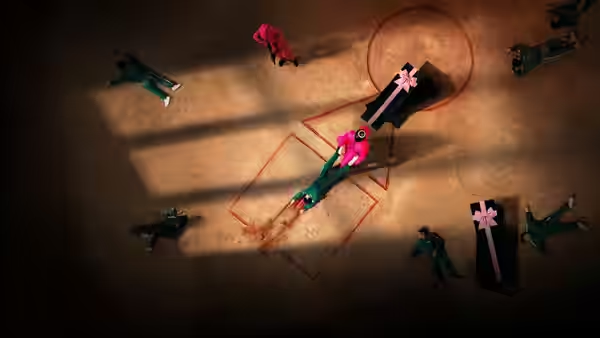
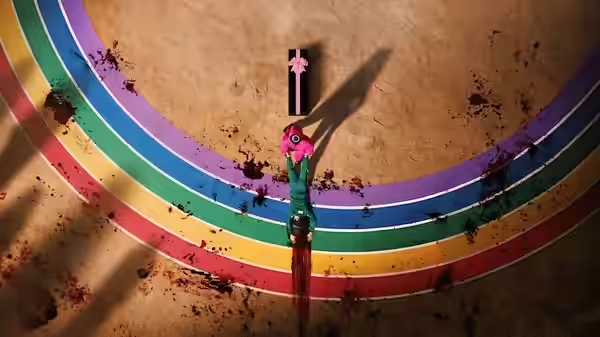
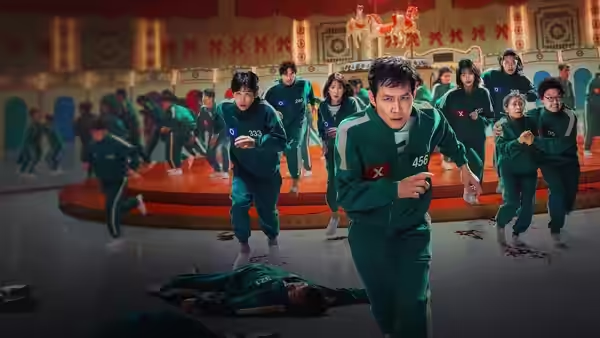
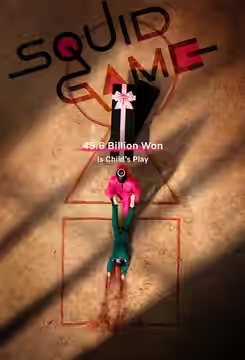
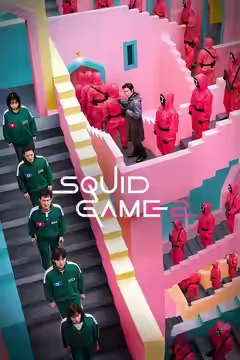
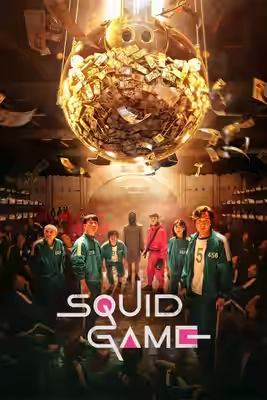
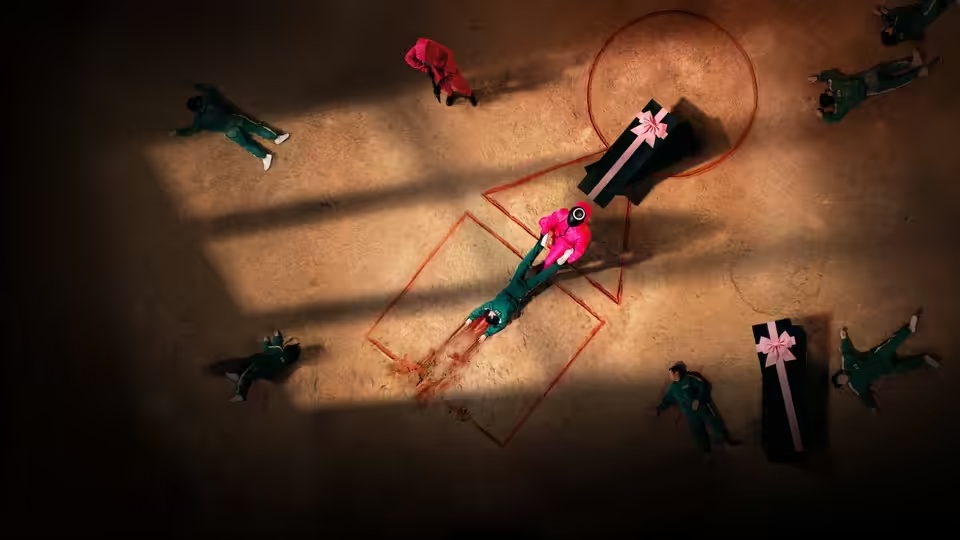
A pink-suited player drags a black box across a blood-marked sandy arena ringed by fallen players
Series review

Squid Game

2021 · Created by Hwang Dong-hyeok · Series

In a sentenceA children’s game with a cash prize and an appalling amount of cleaning up

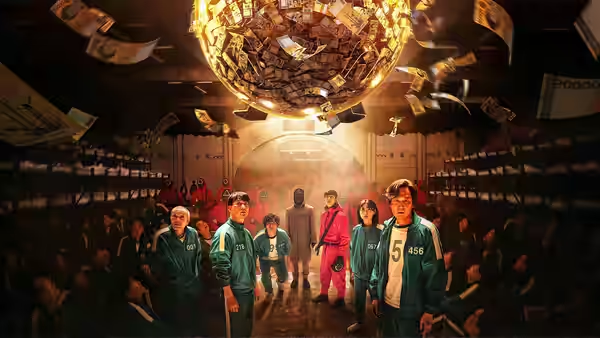
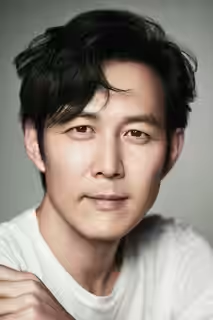
Seong Gi-hun (Lee Jung-jae) is Player 456 in a contest with a single promise: only one can win. Among his fellow players are Cho Sang-woo (Park Hae-soo), Player 218, and Kang Sae-byeok (Hoyeon), Player 067. Gi-hun’s aim puts him in competition with both: whatever else connects these three people, there is no shared victory on offer. Their player numbers distinguish them, but each faces the same restriction: a place among the contestants is not a place among the winners.

Plays from YouTube when you press play; nothing loads from them until then.

Fi1m review

Hwang Dong-hyuk’s deadly competition drama earns its shocks through the desperation of its players and the cruelty of its children’s games. The speeches can be blunt, but the fear and fellow feeling are hard to shake.

Squid Game is a gripping, sometimes over-explained drama about people who cannot afford to walk away from a terrible offer. Writer-director Hwang Dong-hyuk puts financially desperate contestants into lethal children’s games, then makes the prospect of winning money disturb every relationship between them. The cruelty has a purpose, and for much of the series it is enough to watch what people will accept when their alternatives have narrowed. We recommend it, with a warning that neither its violence nor its speeches are used sparingly.

The opening Red Light, Green Light sequence establishes how well this can work. We were horrified, because a game built around a rule children can understand becomes a means of killing adults who badly need the prize. Lee Hyung-deok’s cinematography keeps the danger from becoming an invitation to admire the violence, and Nam Na-young’s editing makes waiting for the next punishment exhausting. Hwang allows the horror of applying those rules to desperate people to do much of the work.

Chae Kyoung-sun’s production design keeps the association with childhood uncomfortably present during the violence. The reminder of play makes the killing harder to dismiss as ordinary action spectacle, even when the competition has us absorbed. The music credited to Jung Jae-il, Park Min-joo and Kim Sung-soo adds to that unease, although the contests are frightening enough without musical persuasion. More telling still is the attention paid to the practical work behind the violence, the routine organisation required to keep this entertainment functioning.

Lee Jung-jae gives Seong Gi-hun enough vulnerability to make his financial desperation painful to watch. We care how he fares, because the performance makes needing the money credible even when accepting the risks seems unthinkable. Park Hae-soo as Cho Sang-woo and Hoyeon as Kang Sae-byeok make the questions of trust feel personal, giving us reasons to follow the alliances beyond their usefulness in the competition. Hwang is persuasive when he lets these relationships carry the pressure of the prize money.

The writing is less assured when Hwang pauses to tell us what the competition means. Dialogue about inequality can become so direct that the characters sound as though they are delivering speeches, after the games have already made the point. Some character development is thin enough that the actors have to supply complexity the script has not earned. The material about shifting alliances is usually stronger, because there is a specific person to lose faith in and an immediate cost to getting that judgement wrong.

There is also a fair objection to the pleasure the series takes in devising ordeals while condemning the people who organise them. We do not think it entirely escapes that problem, but the dreary business of running the games matters. By attending to the work behind the killing, Hwang shows how many ordinary tasks are needed to keep the cruelty going. Within the deadly-competition genre, that is a useful emphasis, giving us something to consider beyond which contestant might survive the next round. Choose it for the people under pressure, and be prepared for how much punishment accompanies them.
Critical consensus AI synthesised

74
Positive
6
Mixed
0
Negative
1

Most critics like it, and the praise gathers around the games themselves: inventive, brutal set pieces that several reviews say grip from the first episode, with the Red Light, Green Light sequence picked out for the plainness of its horror. Hwang Dong-hyuk’s script is credited with keeping the thriller tight and giving the contestants enough life that the deaths land rather than pass. The class allegory, desperate people gambling their lives inside a rigged system, is read by most as sharp, and The Ringer argues the critique works because the series never makes the killing look cool.

The reservations are about subtlety. Empire finds the message unsubtle, if riveting, and Variety alone breaks ranks, calling the series thin on ideas, its talk of inequality and goodness banal, and its violence closer to fetish than critique. That one review pulls the spread wide; the other six sit close together at the warm end.

The Guardian
28 September 2021
80*

The critic praises the tightly written horror thriller for its inventive set pieces, eclectic cast and bingeworthy cliffhangers, while noting its sharp commentary on real-world wealth inequality in South Korea. The show is singled out for its relatable characters and emotional depth amid the violence.

Read the full review →
Vulture
8 October 2021 · Kathryn VanArendonk
80*

The series excels as a bleak portrait of financial despair and the exploitation of nostalgia rather than hopeful resilience. It stands out for its precise depiction of how the end times already feel present in everyday economic struggle.

Read the full review →
Empire
5 October 2021 · Beth Webb
70*

The critic finds Squid Game an unsubtle but riveting class-warfare thriller that becomes a global phenomenon through its brutal premise and inventive games. Hwang Dong-hyuk's taut script and the show's visual flair are singled out for praise alongside its emotional heart.

Read the full review →
Variety
8 October 2021 · Daniel D'Addario
40*

The series is thin on development and ideas, amplifying violence and inhumanity while offering only banal philosophizing about inequality and goodness. It revels in gruesomeness and fetishizes death in a having-it-both-ways manner that flatters viewers for enjoying it.

Read the full review →
Den of Geek
16 September 2021 · ★★★★½ · Kayti Burt
90

The series makes strong use of its familiar deadly competition premise and executes its tropes effectively from the start. It singles out the visceral impact of the opening Red Light, Green Light sequence for its unflinching horror.

Read the full review →
The Ringer
30 September 2021 · Brian Phillips
85*

The critic finds the series terrifically compelling as both entertainment and moral allegory, praising its refusal to glamorize the violence or make the action look cool. It singles out the show's attention to the mundane logistics and drudgery behind the murders as what makes the critique effective.

Read the full review →

Straight answers AI written, from our review

Is Squid Game worth watching?
Squid Game is worth watching for anyone who can stomach a lethal children's game played by desperate adults, and we scored it 81. Hwang Dong-hyuk's series is gripping when the alliances and the fear of the next round carry it, less so when the characters stop to make speeches about inequality. Come for the people under pressure, and expect a great deal of punishment alongside them.
Where can I watch Squid Game in Slovenia?
Squid Game is streaming on Netflix in Slovenia. Availability is checked daily; the links above go straight to each service.
How violent or frightening is Squid Game, and is it suitable for children?
Squid Game is a 15 in the UK and TV-MA in the US, and it is not suitable for children. The killing is frequent and frightening, and the horror is deliberate: adults are shot for failing games any child would recognise, and the series makes waiting for the next punishment exhausting. Older teenagers who can take that will manage; the squeamish should give it a wide berth.
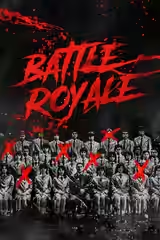
How does Squid Game compare to Battle Royale?
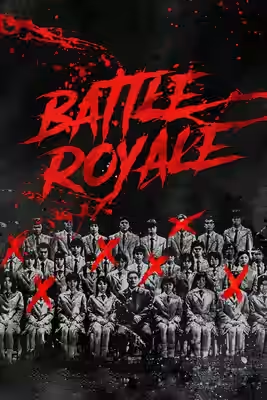
Squid Game is the longer and more talkative of the two, while Battle Royale is a single film about teenagers forced to kill one another, with less patience for explaining itself. The series has more room for shifting alliances and the dreary work behind the games, but it lectures where the film simply shows. We recommend both; the film is the blunter shock, the series the more absorbing company.
What should I watch after Squid Game?
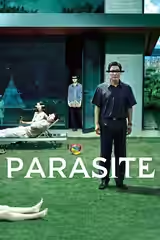
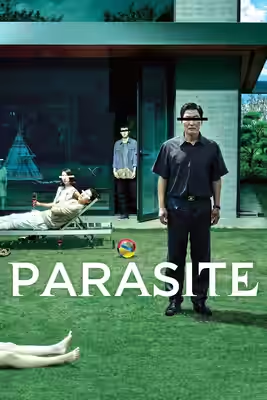
After Squid Game, try Battle Royale (2000, Fi1m 83): Another lethal contest, with younger competitors and less patience for polite explanations. Then Parasite (2019, Fi1m 91): For class resentment expressed through domestic arrangements and increasingly difficult moral choices.

Cast

If you liked this, try…

  1. Battle Royale (2000, Fi1m 83)Another lethal contest, with younger competitors and less patience for polite explanations.

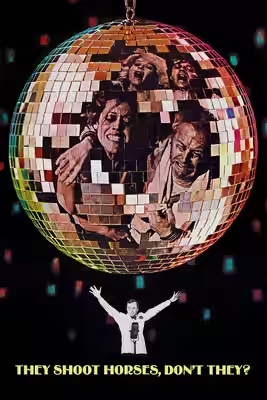
  2. They Shoot Horses, Don't They? (1969) · not reviewed yetFinancial desperation turns public entertainment into an endurance test nobody should accept.

  3. 13 Tzameti (2005) · not reviewed yetA harsher, leaner encounter with people who organise terror for their own pleasure.

  4. Parasite (2019, Fi1m 91)For class resentment expressed through domestic arrangements and increasingly difficult moral choices.

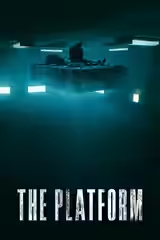
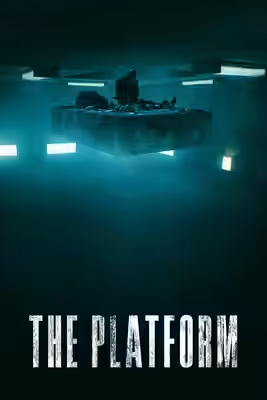
  5. The Platform (2019) · not reviewed yetAnother blunt social allegory that makes inequality a matter of physical survival.

Free account

Know what to watch tonight

Two lists that know where things are streaming, collections you can share, your own score beside ours, and Discover that remembers what you have seen.

  • Want to see, sorted by what is streaming now
  • Seen, with your score out of ten
  • No adverts, ever