Rose Matafeo’s half-hour comedy takes the oldest romcom daydream, the ordinary person and the star, and plays it for embarrassment rather than glamour. It is quick, kind and funny, and slight in ways it mostly manages to turn into virtues.
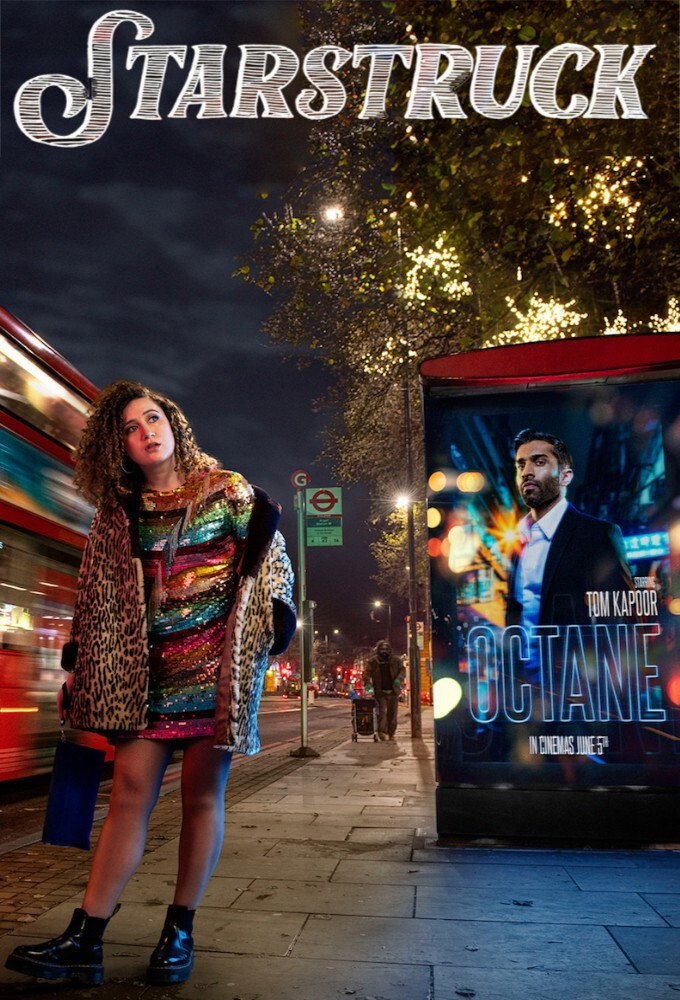
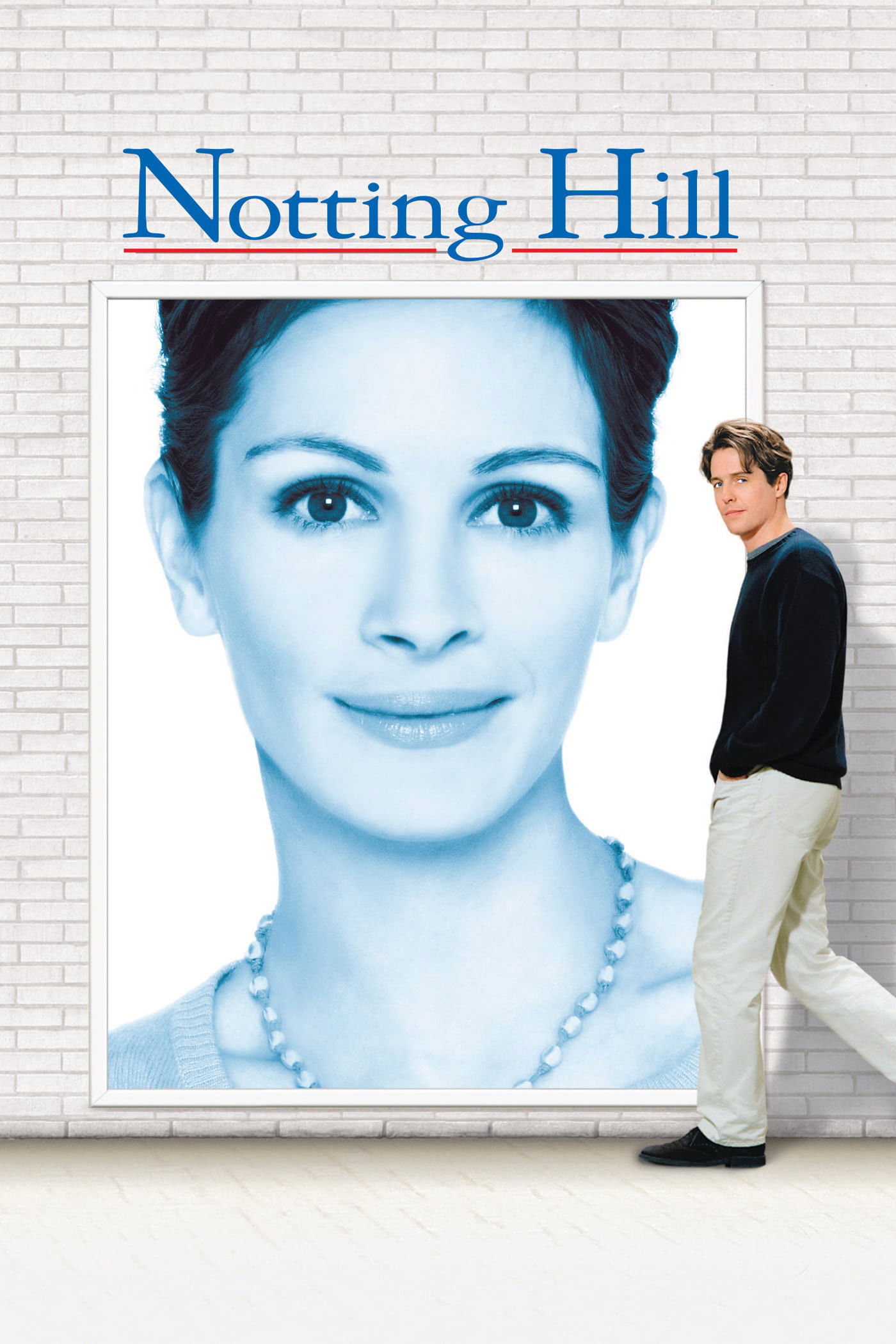
Rose Matafeo’s Starstruck begins with the oldest daydream the romantic comedy owns. An ordinary woman meets a film star, and he likes her. Notting Hill built a whole film on it in 1999, from the man’s side, and made the star a visitor from another planet. Matafeo, who created the series and writes it with Alice Snedden and Nic Sampson, turns it round and shrinks it. Her Jessie is the ordinary one, the star is a pleasant man called Tom who would rather nobody made a fuss, and the fantasy is treated as an embarrassment to be got through rather than a prize to be won. It is a quick, kind and funny programme, and we liked it a good deal more than its premise led us to expect.
The first episode does the set-up in a few minutes. A night out, a stranger, a flat the next morning that is much nicer than Jessie’s own, and a slow dawning about who she has spent the night with. Then she goes back to her own life and her flatmate Kate (Emma Sidi), and the series settles into its real shape. Six episodes of 22 minutes are spread across a year, so a season passes between meetings, and each time the two of them have had long enough to pretend the last one did not matter. The gaps do a lot of the work.
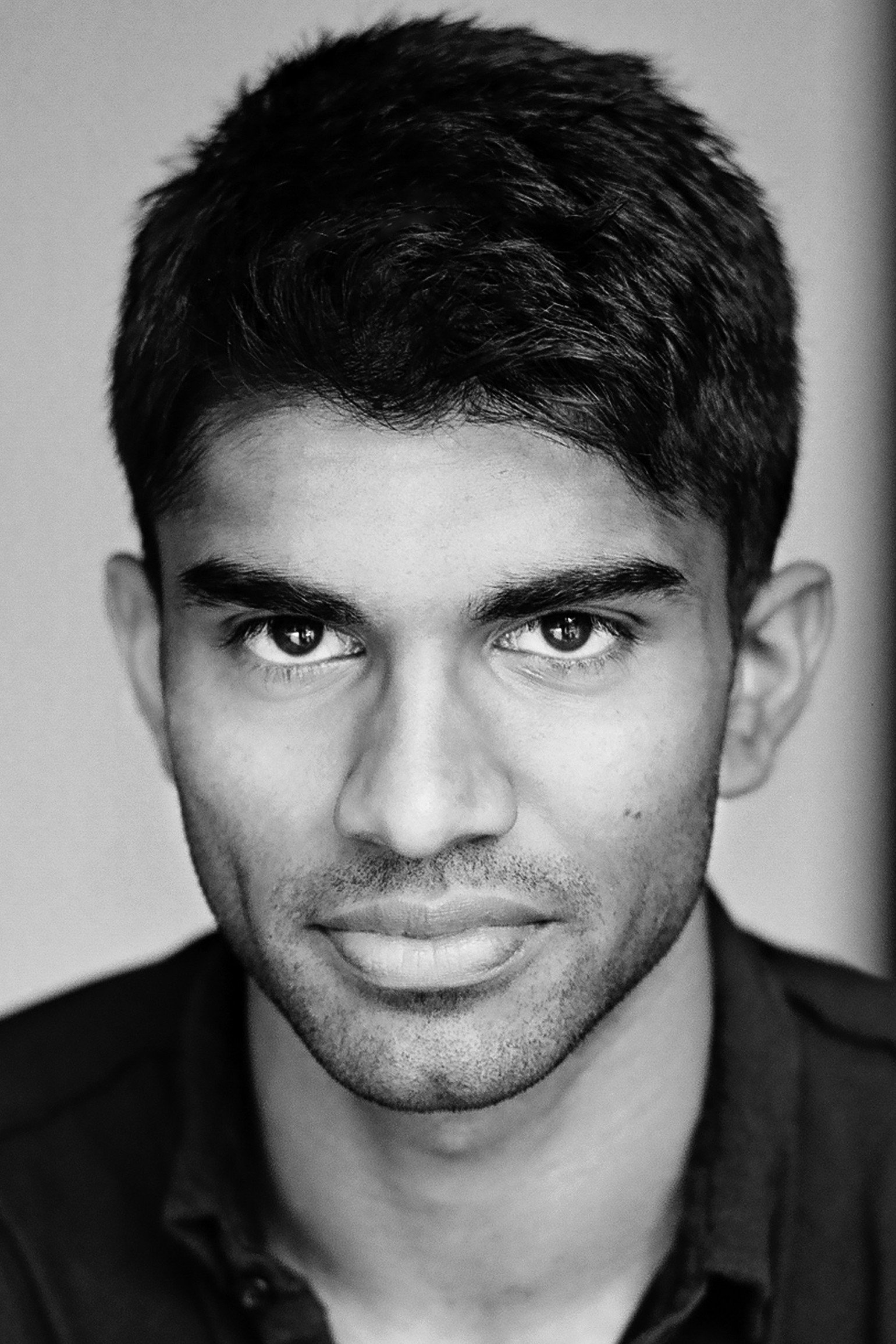
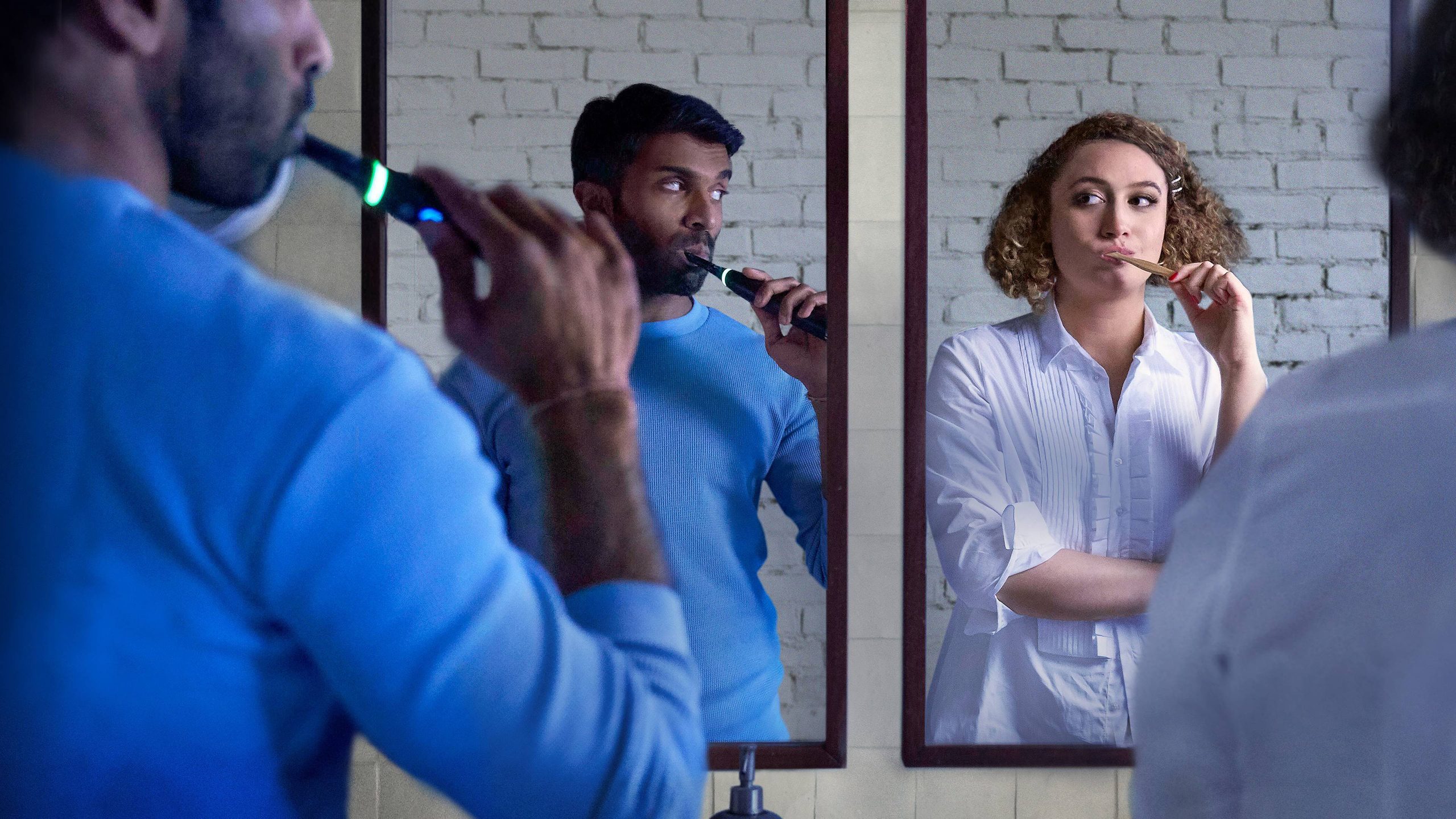
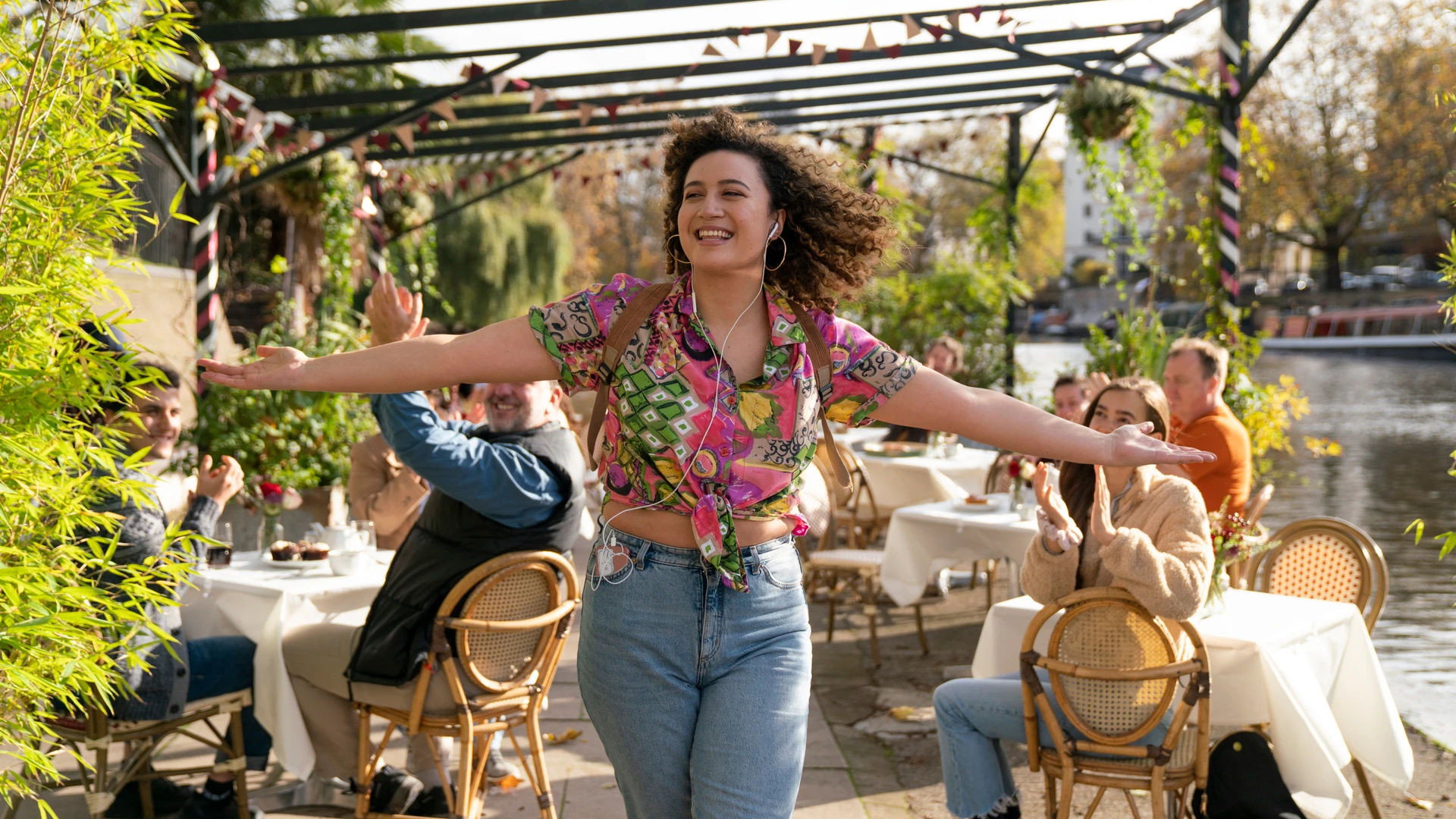
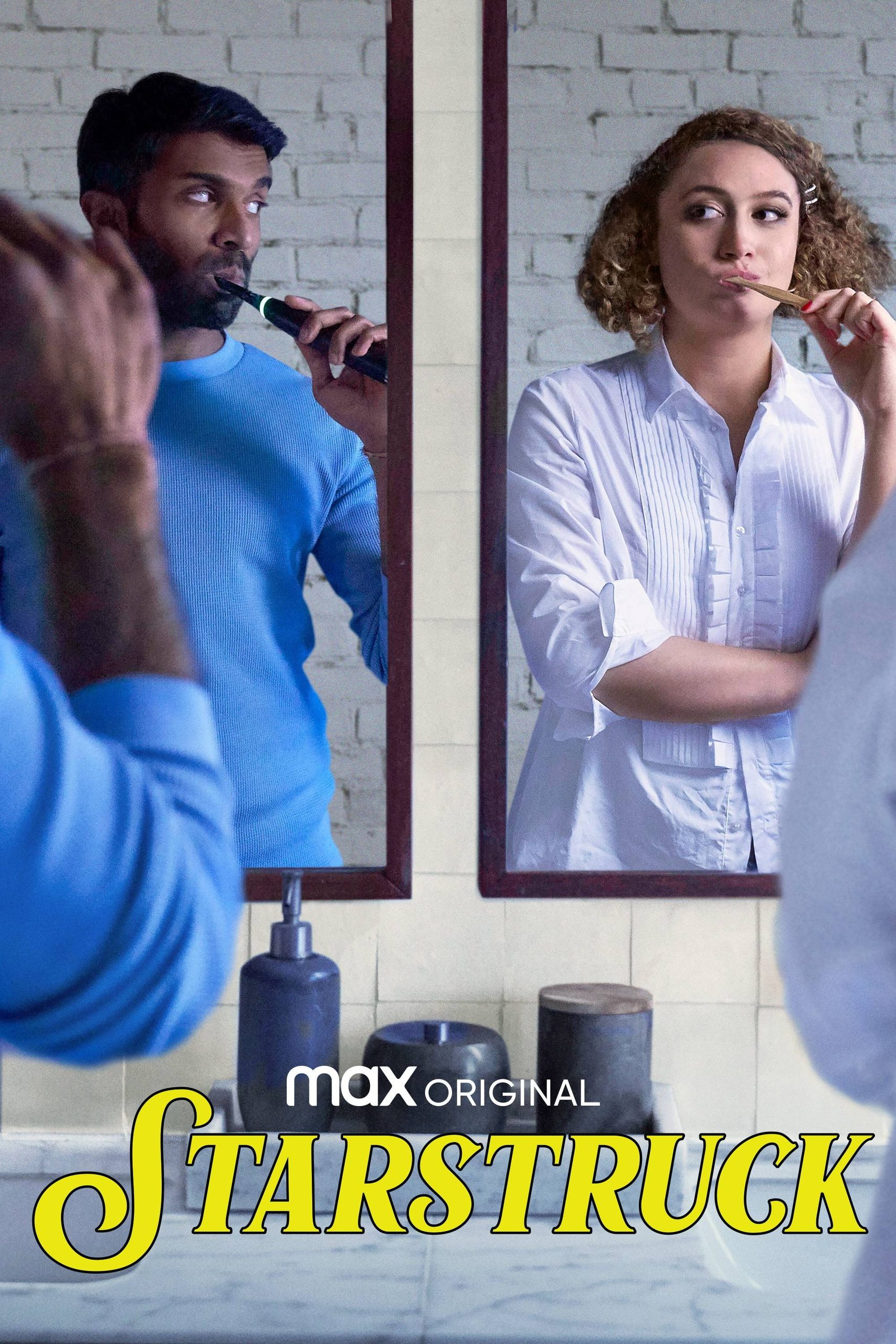
Matafeo is the reason to watch. Jessie talks too much, fills every silence with a bit, and commits to bad ideas in full, and the series’ best running joke is that she is funnier than everyone around her and it does her no good at all. Matafeo can deliver a line, hear how it landed and start regretting it inside the same breath. Nikesh Patel plays Tom as a man who has been handsome for so long he has stopped noticing, and who is baffled and then quietly pleased to be treated as a nuisance. In their scenes she does most of the talking and he does most of the listening, and Patel makes listening look like a decision.
It is a plain-looking show, on purpose. Will Hanke shoots London in flat daylight, without the honeyed glow the genre usually borrows; Jessie’s flat looks like a place that needs hoovering, and Tom’s world is bigger without being prettier. Four editors, André Rodrigues, Christopher Watson, Robbie Morrison and Nik Hindson, are credited across the three series, and the house style holds: scenes end on the reaction rather than the line, and 22 minutes never feels padded. Karen Maine, Alice Snedden, Jamie Jay Johnson and Matafeo herself direct, and none of them gets in the way of the two faces.
We laughed out loud, more than once, at Jessie’s refusal to abandon a joke once it has died. Then, some way into the first series, we noticed we minded quite badly whether these two would sort themselves out, which took us by surprise, because the show had not asked for it. It got there by never once letting Tom rescue her from anything. Every good thing that happens to Jessie she does herself, usually badly, and Sidi’s Kate is on hand to say so.
The flaws are the flaws of its size. The supporting cast in the first series is thin next to what the leads are doing, and one or two episodes rest a whole half-hour on a single misunderstanding and stretch it. Tom’s fame is sketched in the barest strokes, a photographer here and a fan there, and the series is not much interested in what a film star’s life actually costs him. A second series came in 2022 and a third in 2023; the third changes the arrangement in a way we will not describe, and is the least funny and, for stretches, the most honest.
Against the half-hour romantic comedies of the last decade it sits with the good ones, less bruised than Catastrophe and warmer than Fleabag, and it never pretends to be about more than two people who like each other and keep getting the timing wrong. Watch the first series in one sitting, which takes a little over two hours, and see whether you want the second. We did.