A superbly acted, disturbing account of the British Raj’s decline, with Tim Pigott-Smith making Ronald Merrick difficult to dismiss. Its fourteen episodes reward patience, though the slow pace sometimes leaves the drama stranded.
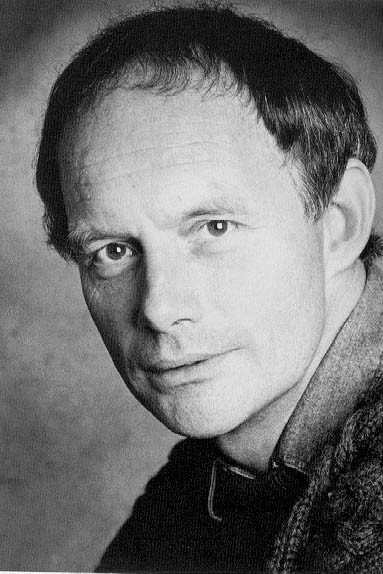
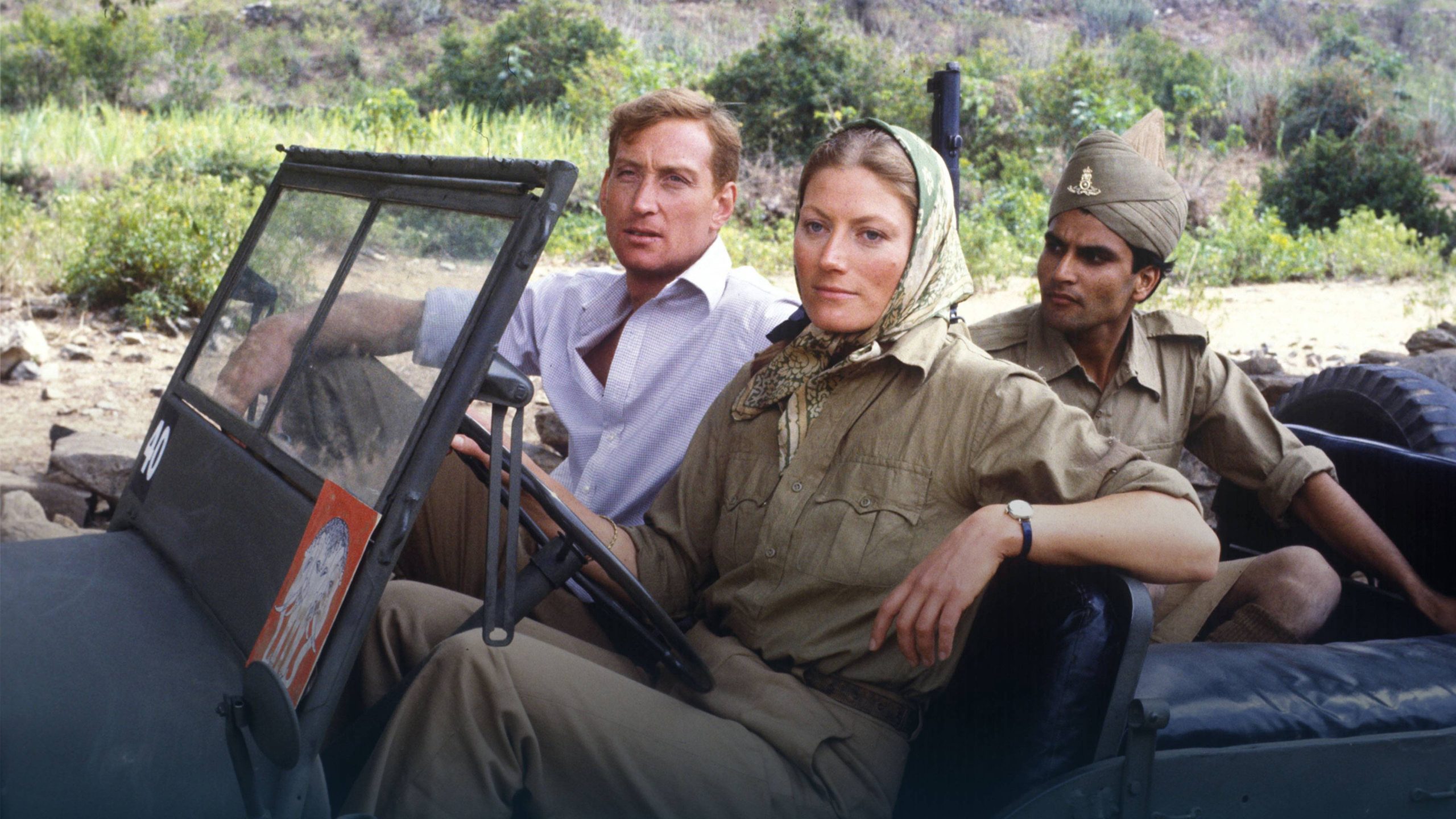
The Jewel in the Crown is a fine, disturbing drama whose patience mostly pays off. Adapted from Paul Scott’s novels, it spends fourteen episodes examining the decline of the British Raj through the people caught up in it. Directors Christopher Morahan and Jim O’Brien take individual relationships seriously enough to let them develop without hurrying towards the next historical point. There are passages we would shorten, but the length gives the actors time to make these people matter beyond their place in the story.
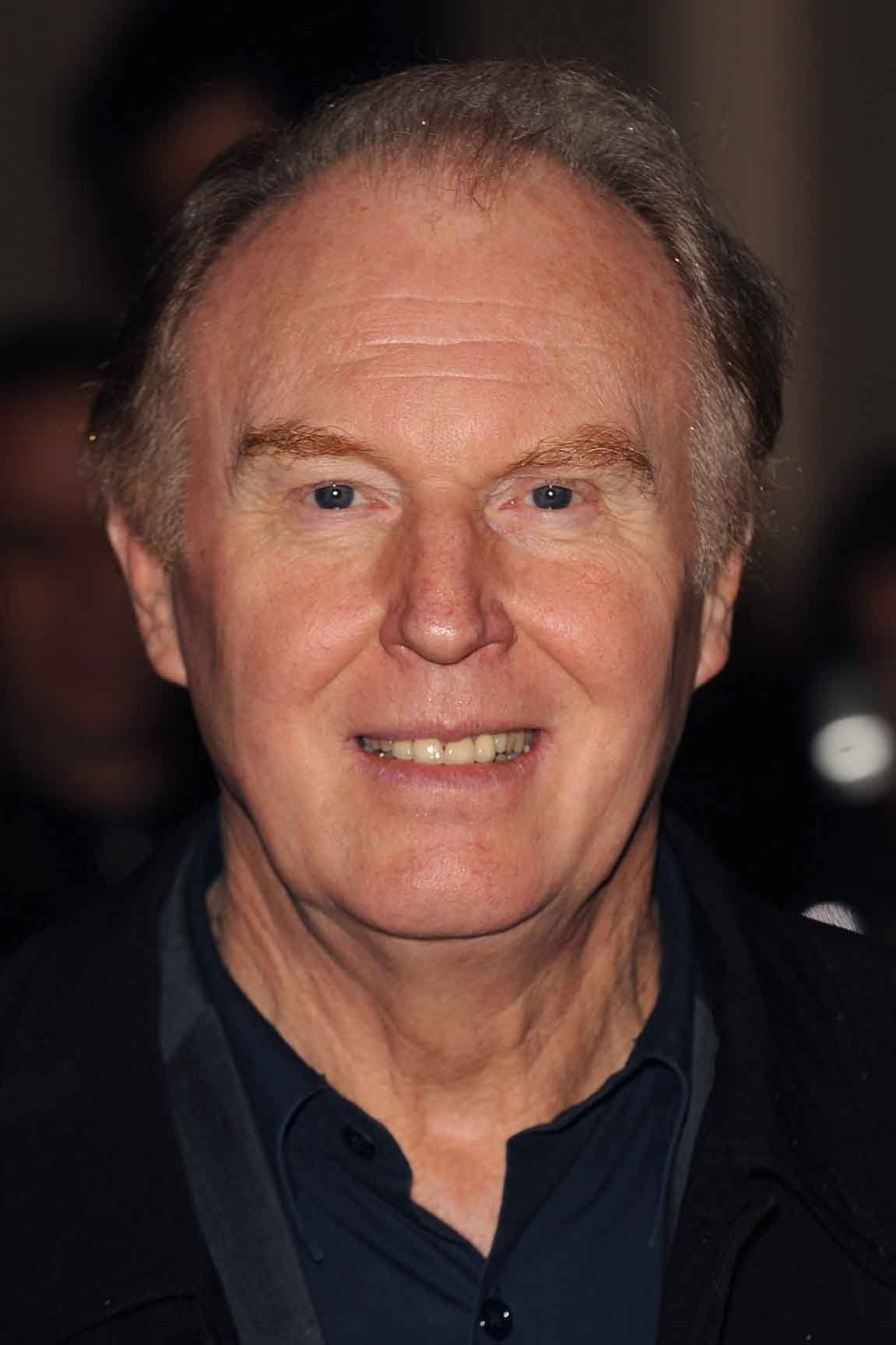
Tim Pigott-Smith’s Ronald Merrick is the strongest reason to commit. We found him unsettling: the cruelty is clear, yet the performance keeps drawing our attention back to the complicated person responsible for it. Simply writing him off as a villain would be comfortable, and Tim Pigott-Smith makes that difficult. The character holds our attention through some of the slower stretches, when the pace elsewhere begins to drag.
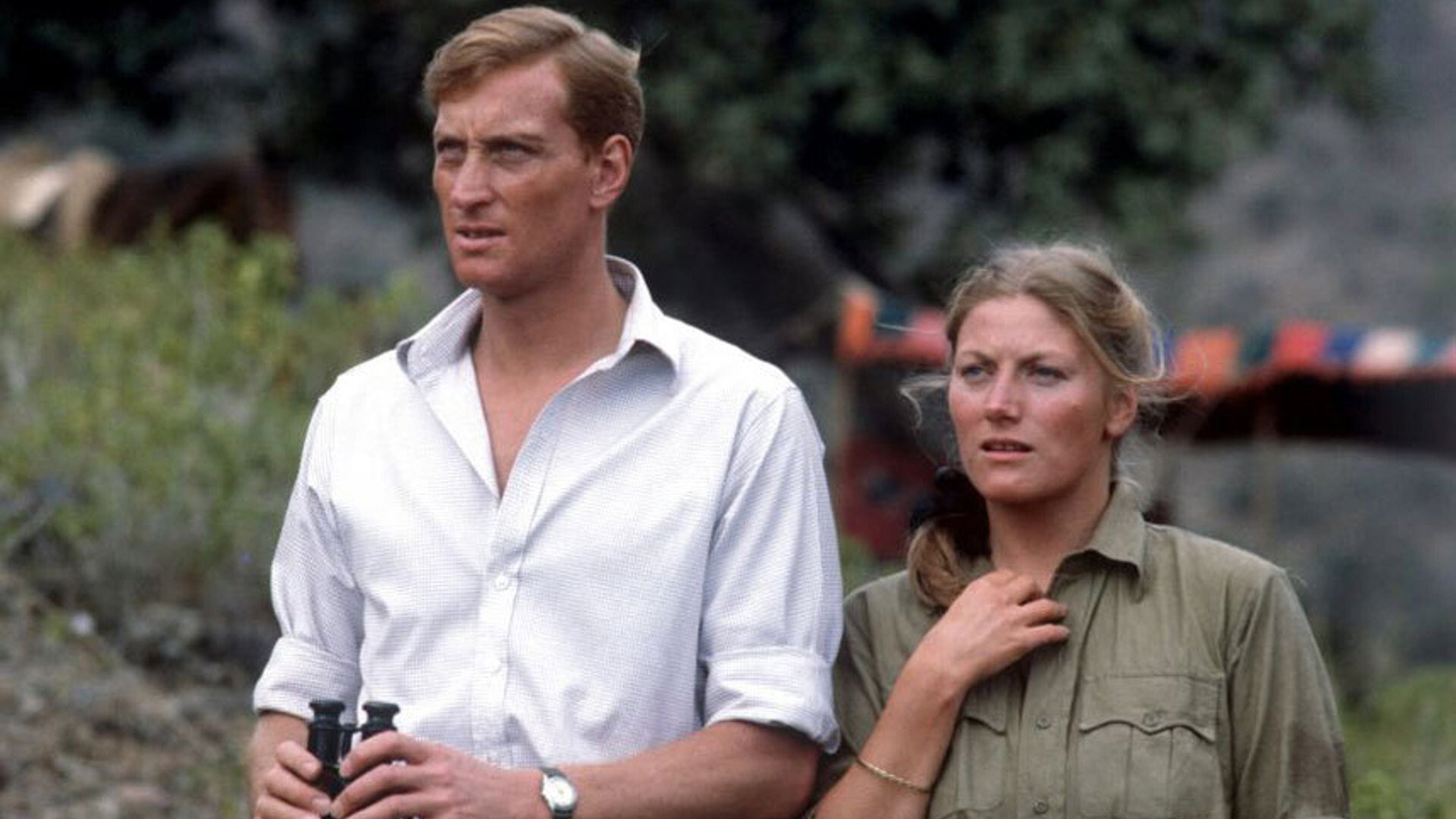
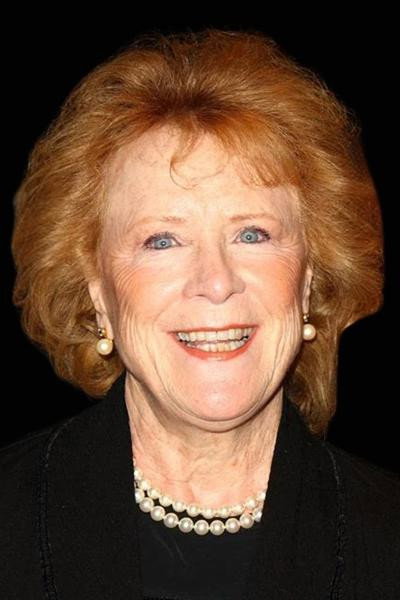
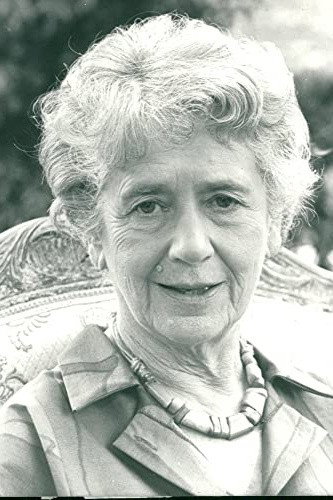
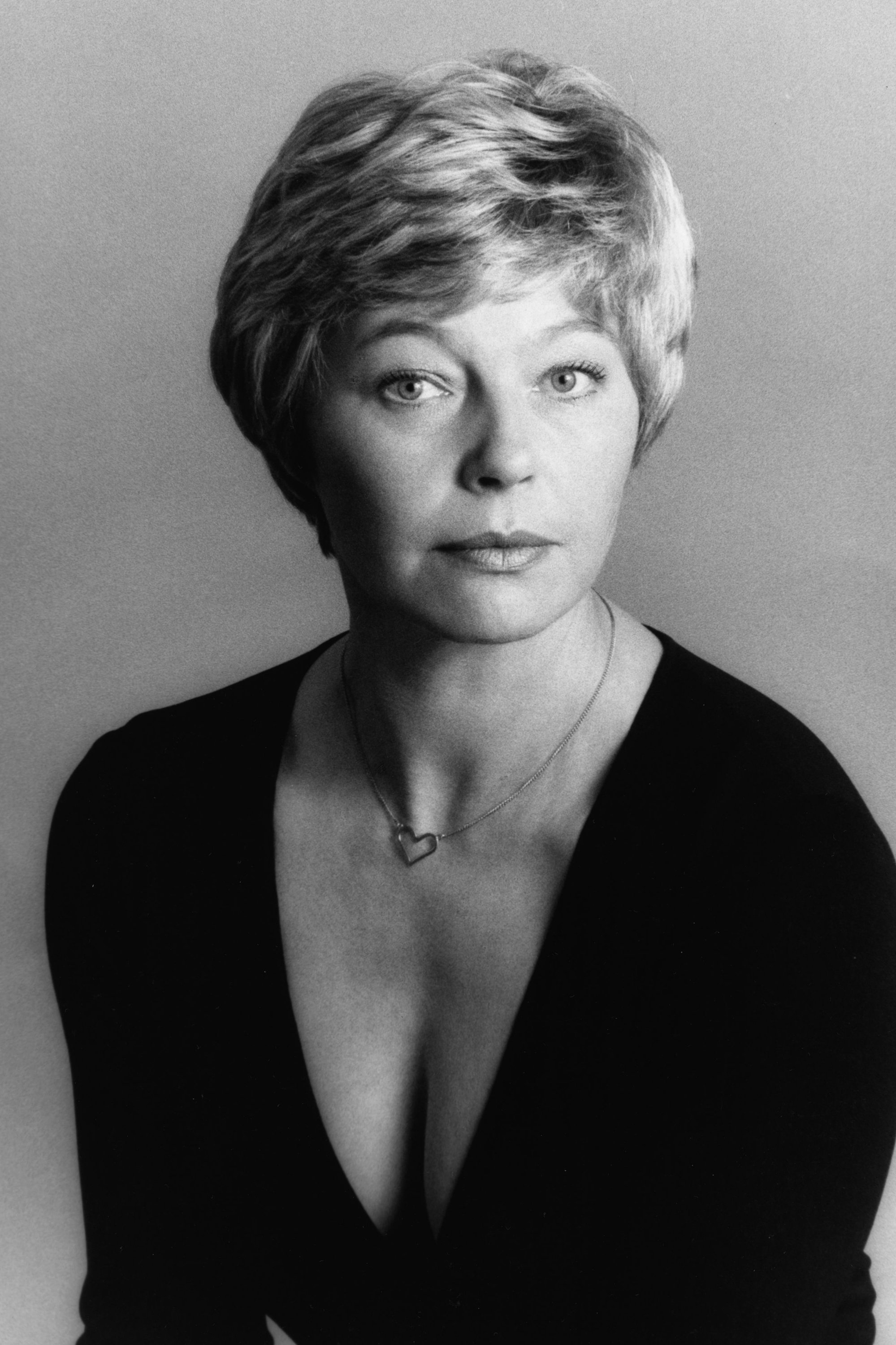
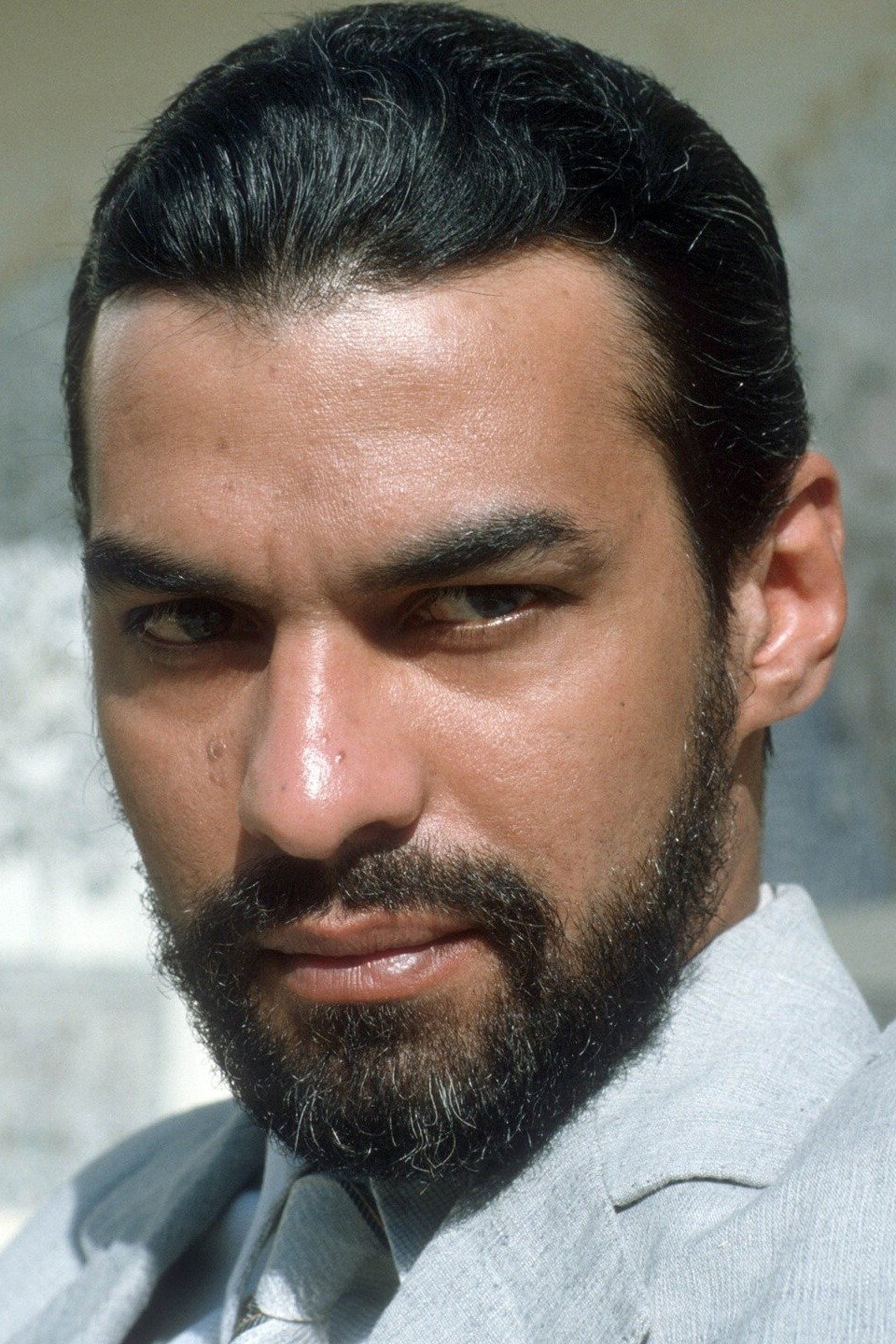
The wider casting matters because a series this long cannot survive on one compelling character. Art Malik as Hari Kumar, Geraldine James as Sarah Layton and Peggy Ashcroft as Barbie Batchelor help give the drama a life beyond its historical subject. Their performances make following these individual stories worthwhile, even when the writing becomes formal. With so many names to hold in mind, it helps that the actors make us interested in people before we start sorting out their significance.
Ray Goode’s cinematography makes the period handsome, and that beauty contributes to the unease. It would be easy to enjoy the elegant images and pay less attention to the cruelty; the drama makes that a difficult habit to maintain. Christopher Morahan and Jim O’Brien give the unpleasantness sufficient weight to prevent the series becoming a comfortable excursion into the past. The visual pleasure remains considerable, even in passages where the storytelling loses momentum.
Edward Mansell’s editing allows a measured pace, giving the performances room to register. That works well when a character remains difficult to read, but less well when a scene has already made its point. The slowness can become frustrating, and calling it stately does not make every pause necessary. George Fenton’s music suits the production’s composure, though it cannot supply the urgency that some passages need.
The screenplay, credited to Irene Shubik, Paul Scott and Ken Taylor, is elegant enough to make those reservations worth stating precisely. The problem is occasional stiffness, when the language feels too prepared and the hurt becomes less immediate. The formality puts distance between the characters and us just when their difficulties should be pressing hardest. A sharper exchange or a shorter scene would sometimes help more than another opportunity to appreciate the phrasing.
Among period dramas, this stands out for how uncomfortable it makes the business of admiring the past. The attention to human weakness gives it more to offer than fine acting and attractive surroundings, although those are considerable pleasures in themselves. We recommend it warmly, with the proviso that its deliberate pace occasionally becomes an obstacle rather than a benefit. Begin it when there is time to pay attention; this is poor company for a distracted evening.