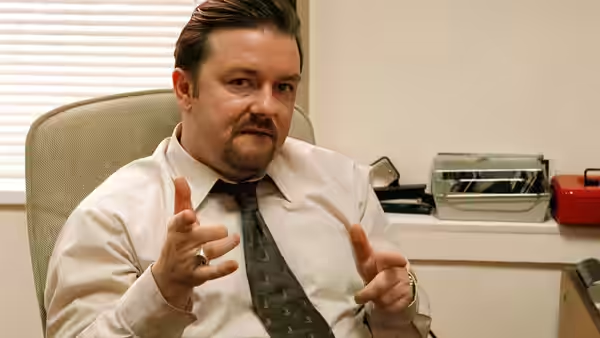
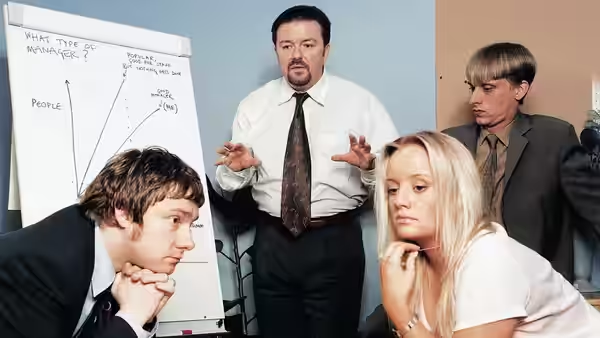
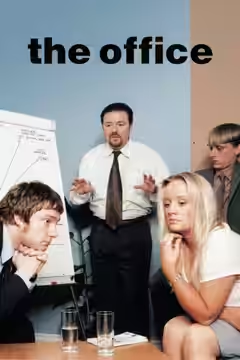
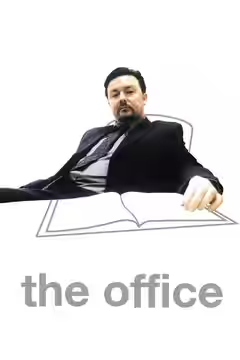
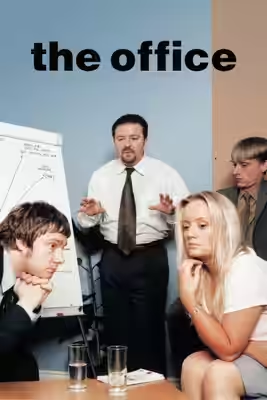
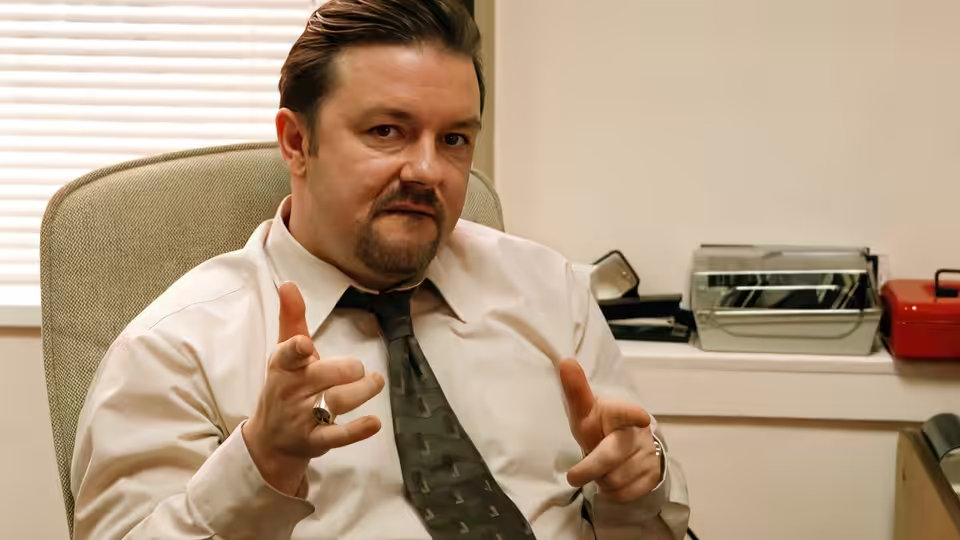
David Brent (Ricky Gervais) gesturing with both hands while seated in an office chair
Series review

The Office

2001 · Created by Stephen Merchant, Ricky Gervais · Series

In a sentenceDavid Brent would be easier to forgive if he ever let somebody else change the subject

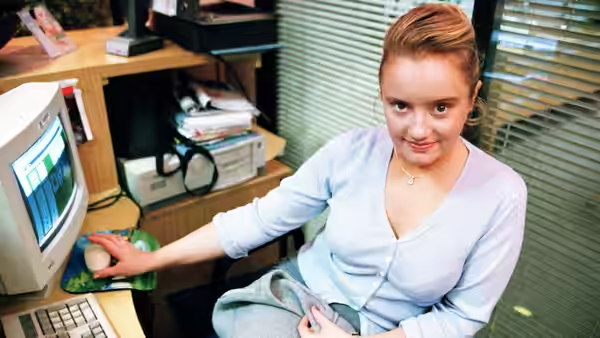
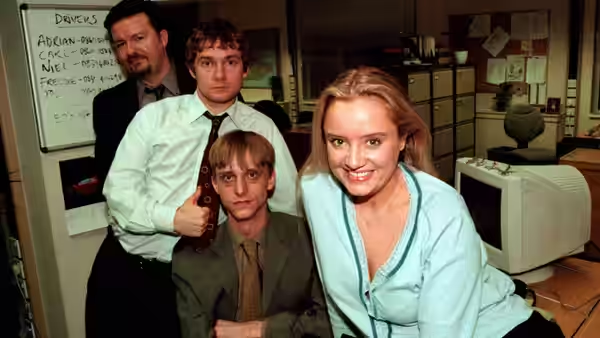
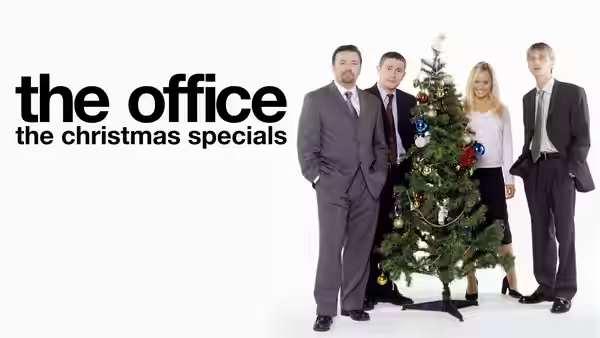
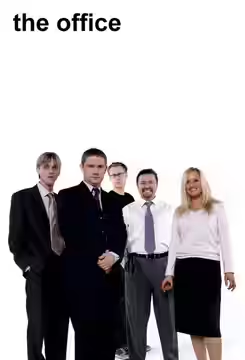
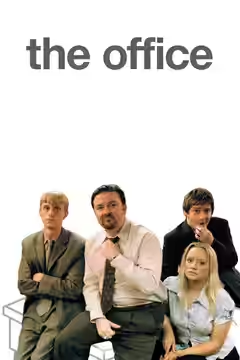
A documentary camera observes office life, where David Brent (Ricky Gervais) tries to make an impression with his jokes. Around him, Tim Canterbury (Martin Freeman), Gareth Keenan (Mackenzie Crook) and Dawn Tinsley (Lucy Davis) face the routines of the working day and the complications of sharing it with one another. Tim and Dawn’s growing attachment runs alongside Brent’s efforts to be entertaining. Written and directed by Gervais and Stephen Merchant, the comedy follows a group whose everyday encounters take place with an audience watching, and whose looks towards the camera become part of the conversation.

Plays from YouTube when you press play; nothing loads from them until then.

Fi1m review

Ricky Gervais and Stephen Merchant make office embarrassment painfully funny, helped by an ensemble alert to every uncomfortable pause. Brent’s persistence can become wearing, but the affection for the people around him makes the discomfort worthwhile.

The Office is an excellent comedy about the effort of being liked, and how unpleasant that effort can become for everyone nearby. Ricky Gervais and Stephen Merchant give David Brent an audience he can neither win over nor leave alone. Their mockumentary lets him keep trying while the people around him register what it costs to listen. The discomfort occasionally becomes repetitive, but the ensemble gives us good reason to stay.

Brent’s joke-telling is central to his opinion of himself, and Gervais plays that self-satisfaction without protecting him from looking foolish. The writing by Gervais and Merchant is alert to how long a person can carry on believing an encounter is going well. The others do not have to deliver a better line to undermine him; their glances towards the camera are enough. We found ourselves laughing at Brent and then feeling mean about it, because those looks make us accomplices in watching him fail.

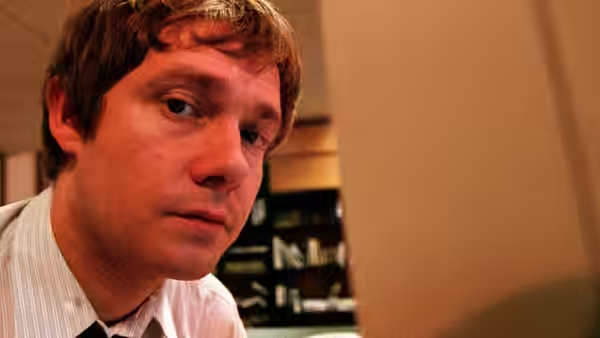
Martin Freeman’s Tim Canterbury and Lucy Davis’s Dawn Tinsley are essential to keeping that embarrassment bearable. Their romance gives us something to hope for beyond the next humiliation, and both actors make that hope seem reasonable without demanding a sudden change of tone. Freeman is particularly good at letting amusement become a small retreat from the people around him. Davis keeps Dawn sufficiently distinct that she never seems to exist simply to give Tim somebody to care about.

Mackenzie Crook’s Gareth Keenan makes the ensemble less comfortable to sort into sensible people and David Brent. Crook brings enough awkwardness of his own to prevent the comedy becoming a simple exercise in everyone else being right. That matters in a programme so dependent on reactions, where agreement between the viewer and the characters could become rather cosy. The company remains prickly enough that escaping Brent does not necessarily promise an agreeable conversation.

Gervais and Merchant’s direction makes the camera feel like another person whose opinion counts. Those fourth-wall glances offer an escape from the office conversation, but they also expose the people using them: somebody is watching their behaviour too. The documentary pretence gives the performances room to look unprepared, and the directors resist making every reaction equally conspicuous. A glance held too long would announce a joke; the cast generally finds the point at which a look still passes for an involuntary response.

The weakness is that Brent’s appetite for attention can become wearing even after we have accepted that this is part of the pleasure. Gervais sometimes presses an awkward passage beyond the point at which it tells us anything new about him, and Merchant’s shared writing and direction do not always check that impulse. We start waiting for the next person to speak. Deliberately prolonging our discomfort does not make each extra beat equally funny, particularly when the quieter relationships have become more interesting.

A workplace comedy has a useful advantage: nobody needs an elaborate reason to remain in the same room. The Office makes good use of that arrangement, allowing people to be bored, irritated or embarrassed while still having to listen. A shared look or a tentative romance matters more when the working day offers so little else to look forward to. Watch it with someone who knows when a joke is finished.
Critical consensus AI synthesised

87
Positive
7
Mixed
0
Negative
0
The Guardian
17 October 2002 · Jonathan Freedland
90*

The critic hails David Brent as a masterful comic creation embodying modern management and workplace dynamics. The show is praised for its sociological accuracy, satire of docu-soaps and management speak, and its blend of comedy with melancholy and pathos.

Read the full review →
The Independent
6 July 2021 · Gerard Gilbert
90*

The feature marks the 20th anniversary, noting the show's immense influence on later comedies and its capture of modern office ennui and anxiety. It highlights the redemptive arc of David Brent and the innovative Tim-Dawn romance.

Read the full review →
The Telegraph
9 July 2026 · Joe Burgis
90*

The piece celebrates The Office as a glorious throwback to pre-home-working office life, full of petty politics, awkward romances and embarrassing moments. It positions the series as an ultimate advert for returning to the office.

Read the full review →
The Times
8 July 2026
90*

The review of the anniversary special praises it as full of amusing anecdotes from the cast, celebrating the sitcom's comedy gold 25 years on.

Read the full review →
The Hollywood Reporter
23 January 2003 · Michael R. Farkash
85*

The subversive mockumentary offers crass, ghastly realism and laugh-out-loud lines about office drudgery, with Ricky Gervais's David Brent as a smug, joke-telling misfit whose antics and the ensemble's fourth-wall breaks make for a wonderful, unromanticized comedy.

Read the full review →
Variety
25 January 2004 · Mark Adams
80*

The Christmas specials provide a perfect mix of belly laughs and pathos, wrapping up storylines for David Brent and the Tim-Dawn romance while showcasing strong ensemble performances in the fly-on-the-wall mockumentary format.

Read the full review →

Straight answers AI written, from our review

Is The Office worth watching?
The Office is worth watching for anyone who can bear comedy built on embarrassment, and we scored it 89. Ricky Gervais and Stephen Merchant make David Brent's efforts to be liked painfully funny, while Martin Freeman and Lucy Davis give you a romance to hope for between the humiliations. Brent's persistence can become wearing, but the ensemble earns the discomfort.
Where can I watch The Office in Greece?
The Office is not on any streaming or rental service in Greece at the moment. It is available in 14 other countries; change your country at the top of the page to see where. Availability is checked daily.
How violent or frightening is The Office, and is it suitable for children?
The Office is not violent or frightening; its UK 15 certificate reflects adult language and humour rather than anything alarming. The discomfort is social, watching a man press a joke long after it has stopped working, which younger children will find dull rather than upsetting. Teenagers who can sit through a cringe are likely to enjoy it.
How does The Office compare to Fawlty Towers?
The Office and Fawlty Towers both follow a man who mistakes being in charge for being good with people, but the newer programme is quieter and the older one louder. Basil Fawlty's disasters escalate; David Brent's unfold in silences and glances at the camera. Fawlty Towers is the sharper farce, The Office the more uncomfortable and the more affectionate.
What should I watch after The Office?
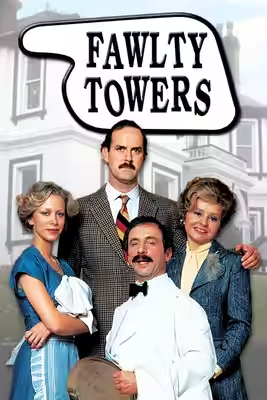
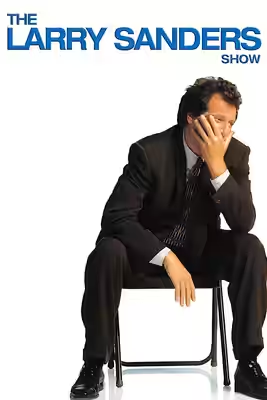
After The Office, try Fawlty Towers (1975, Fi1m 90): Another man mistakes being in charge for being good at handling people. Then The Larry Sanders Show (1992, Fi1m 91): For more performers whose need for approval makes everybody else’s job harder; and People Just Do Nothing (2014, Fi1m 84): Another camera crew observes men whose confidence survives almost any available evidence.

Cast

If you liked this, try…

  1. Fawlty Towers (1975, Fi1m 90)Another man mistakes being in charge for being good at handling people.

  2. The Larry Sanders Show (1992, Fi1m 91)For more performers whose need for approval makes everybody else’s job harder.

  3. People Just Do Nothing (2014, Fi1m 84)Another camera crew observes men whose confidence survives almost any available evidence.

  4. Toni Erdmann (2016, Fi1m 86)Workplace discomfort and unwanted performance, with a warmer interest in family.

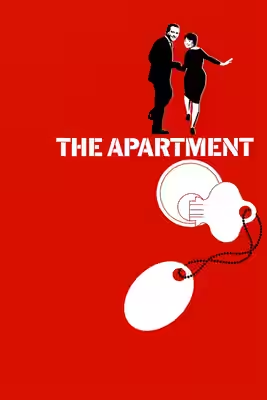
  5. The Apartment (1960, Fi1m 91)Office compromise and tentative affection, with more room for outright romance.

Free account

Know what to watch tonight

Two lists that know where things are streaming, collections you can share, your own score beside ours, and Discover that remembers what you have seen.

  • Want to see, sorted by what is streaming now
  • Seen, with your score out of ten
  • No adverts, ever