Series review

The Plot Against America

2020 · Created by Ed Burns, David Simon · Series · 1h 01m · MPA TV-MA

In a sentenceFascism arrives in Newark by radio, one reasonable-sounding speech at a time

Sci-Fi & FantasyDrama

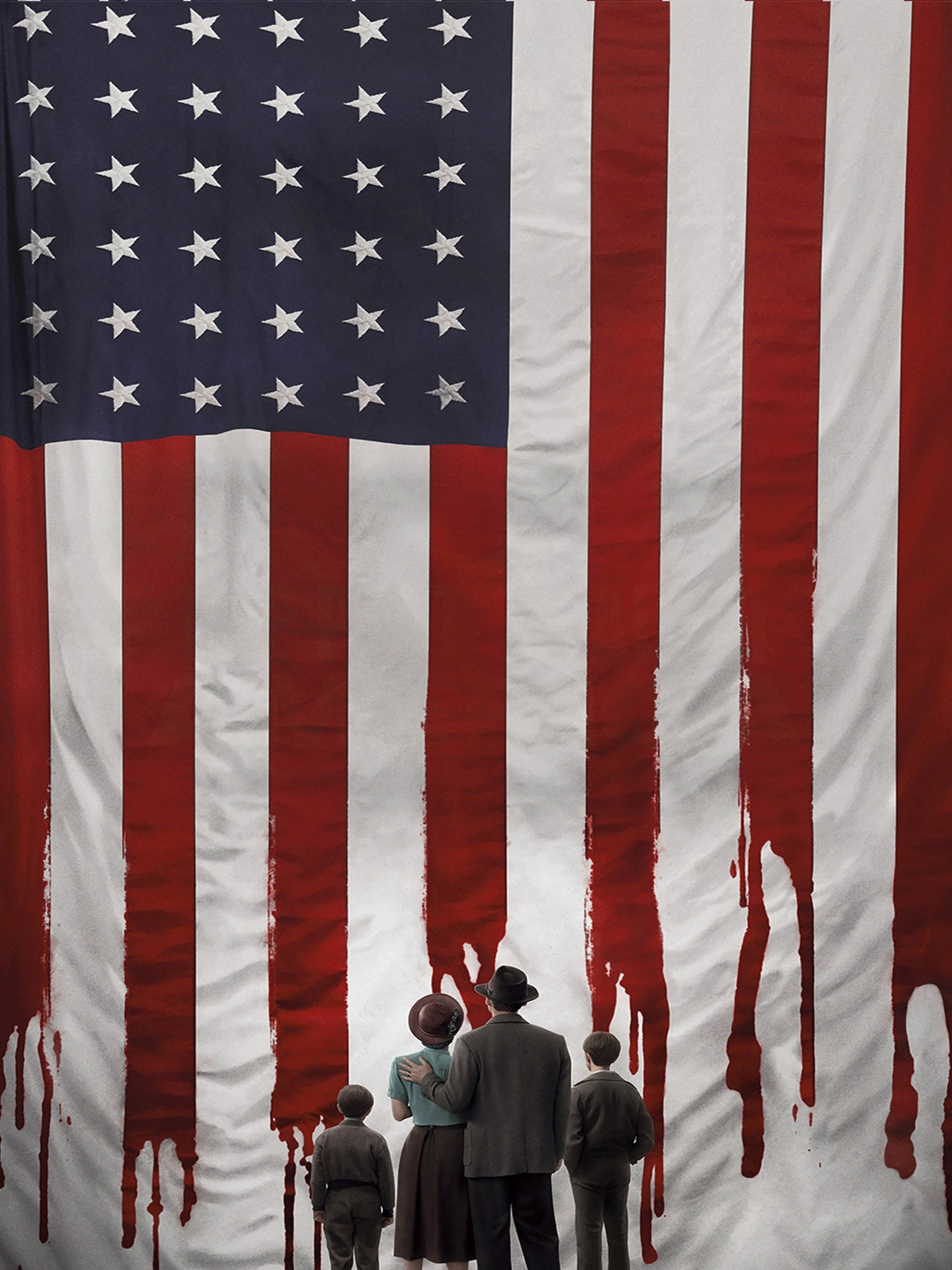
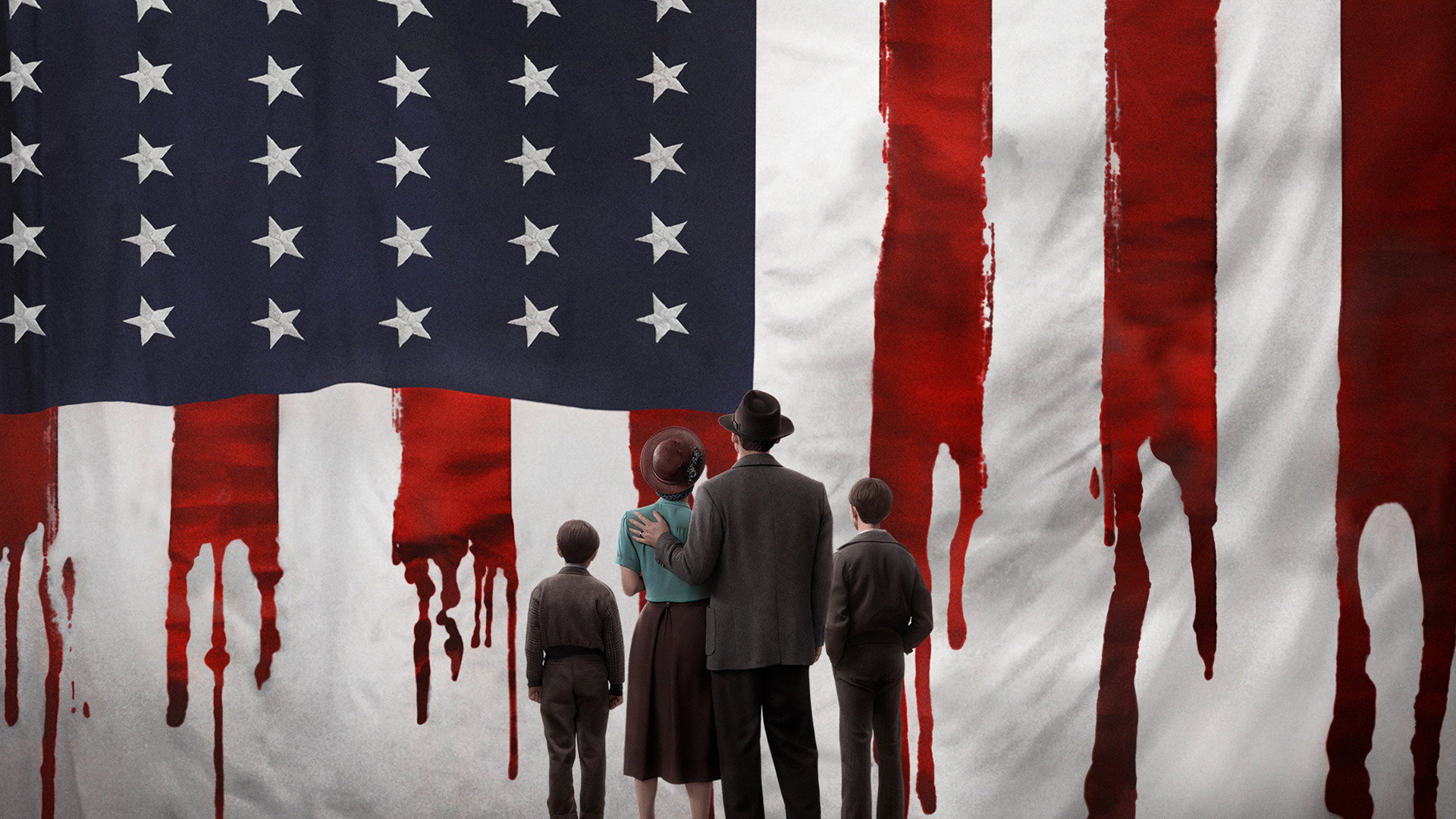
Newark, New Jersey, 1940. Herman Levin (Morgan Spector) sells insurance, argues with the radio and believes in his country. His wife Bess Finkel (Zoe Kazan) keeps the house and the accounts and wants to move somewhere quieter. Their sons Sandy Levin (Caleb Malis) and Philip Levin (Azhy Robertson) draw aeroplanes and collect stamps, and Herman’s nephew Alvin Levin (Anthony Boyle) wants to fight the Germans. Then the aviator Charles Lindbergh runs for president against Roosevelt on a promise to keep America out of the war. Bess’s sister Evelyn Finkel (Winona Ryder) falls in with Rabbi Lionel Bengelsdorf (John Turturro), who speaks for Lindbergh from the pulpit, and the Levins find their street, their family and their radio taking sides.

Plays from YouTube when you press play; nothing loads from them until then.

Fi1m review

Simon and Burns’s adaptation of Roth is slow, exact and quietly frightening, and Morgan Spector and Zoe Kazan give it the best marriage on screen in a good while. It is thin in the middle and hurried at the end, and worth six evenings anyway.

David Simon and Ed Burns, who made The Wire, have turned Philip Roth’s novel The Plot Against America into six hour-long episodes, and the result is the quietest television about fascism we have seen. Charles Lindbergh runs for president in 1940 promising to keep the United States out of the war, and wins. For a long while nothing much happens to the Levins of Newark, and that is the method. Their radio gets louder, their neighbours get politer, and then a letter arrives. It is a fine, patient piece of work, and it runs out of time at the end.

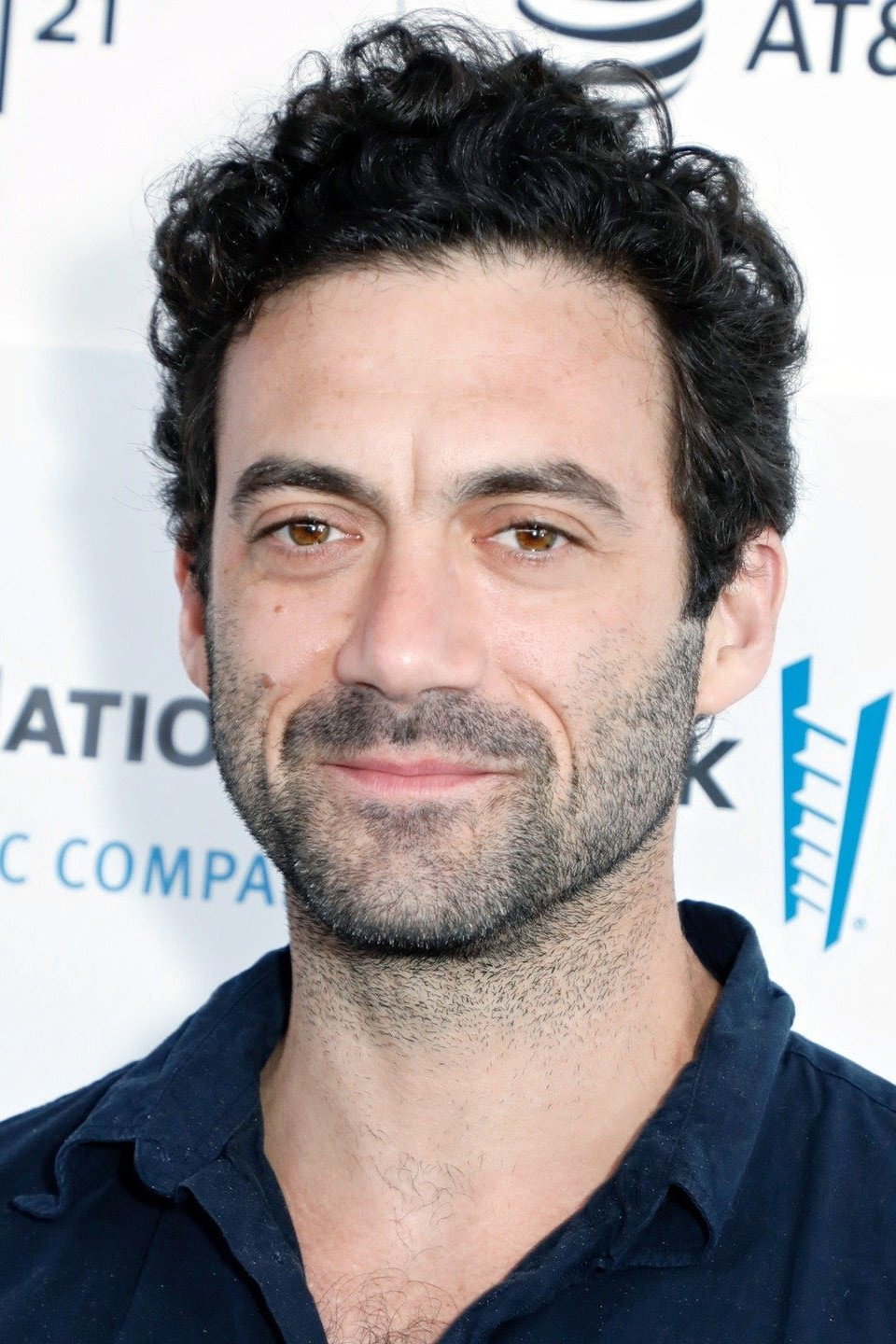
Herman Levin (Morgan Spector) is an insurance man who reads the paper aloud and argues with it. Spector plays him as someone whose confidence in his country is total and has never been examined, and the performance is in how that confidence comes apart in stages: a shout at the wrong moment, a silence at dinner. Zoe Kazan’s Bess Finkel sees it coming first and cannot make him listen. Their kitchen scenes, some of them about nothing more than whether to look at a house in another neighbourhood, are the best marriage on screen in a good while. A scene in which Bess counts money at the table and says nothing moved us more than we expected, because Kazan shows you the whole calculation on her face.

Winona Ryder plays Evelyn Finkel, Bess’s sister, as a woman who has spent her life waiting to be asked into a better room, and when Rabbi Lionel Bengelsdorf (John Turturro) asks her, she goes. Turturro gives the rabbi a soft Southern drawl and a fondness for his own sentences, and the series takes him seriously rather than mocking him. He believes what he says. So does Evelyn, mostly, and Ryder plays the mostly. Anthony Boyle’s Alvin Levin, the nephew who wants to fight, is all elbows and grievance, and he changes in the second half in ways we will leave you to find.

Martin Ahlgren shoots almost everything indoors, in brown light from table lamps, so the outside world arrives as sound: a broadcast, a newsreel, a neighbour’s voice through an open window. Dina Goldman-Kunin and Richard Hoover’s Newark is a street of clapboard houses with porches close enough to hear the next family’s rows, and the period detail sits there without being pointed at. Brian A. Kates and Joe Hobeck cut to the length of a conversation rather than the length of a beat, so the episodes are slow, and meant to be. Minkie Spiro and Thomas Schlamme direct with the same restraint; nobody swings a camera to tell you something is wrong.

The scene that stayed with us is a family trip to Washington, midway through, in which a hotel does something small, legal and unforgivable, and Herman discovers that shouting no longer works. We felt our jaw set. There is no violence in it. There is a desk clerk, a manager, a policeman who is perfectly civil, and a man in a suit being told in front of his children that he is not who he thought he was. The series is full of scenes like that, and they are why it frightens; we recognised every one of the civil faces.

The method has a cost. Six hours is a long time to spend on foreboding, and the middle episodes, which follow Sandy Levin (Caleb Malis) into a government programme that sends Jewish boys to farms far from home, are thinner than the rest. Malis is asked to stand for a generation being lured away and is not given much of a boy to play. Azhy Robertson’s Philip Levin, the youngest and Roth’s narrator, watches a great deal and does less. Then the final hour, having spent five on slowness, has an enormous amount of history to get through and does it by bulletin and newsreel. It departs from Roth in ways we will not describe, and it does not give itself the time to earn them.

Set beside The Wire and Show Me a Hero, this is Simon in his usual mode, institutions seen from the kitchen table, in a period he did not live through, and the period suits him. Watch it two episodes at a time, on quiet evenings, and do not expect it to comfort you. Certificate 12, which seems low for something this bleak, though there is barely a raised fist in it.

Critical consensus AI synthesised

77
Positive
14
Mixed
1
Negative
1

Most critics like it, and the praise falls in the same two places. The first is the pacing: review after review describes a slow accumulation of dread, with fascism arriving through small acts rather than set pieces, and several credit David Simon and Ed Burns for adapting Philip Roth without pushing the contemporary parallels too hard. The second is the Levin family. Zoe Kazan, Anthony Boyle and Winona Ryder are singled out repeatedly, and the recreation of pre-war Newark is thought detailed enough to make the whole thing plausible.

The spread is narrow, with two outliers. Variety is the one outright dissenter, arguing that the series treats its characters as history’s protagonists rather than ordinary people, which flattens the performances and loses the novel’s uncertainty. Collider is more equivocal, calling it gripping prestige television that arrives too late to work as a warning, and finding the ending hard to credit. A few of the warmer reviews also call it flawed.

The AV Club
9 March 2020 · A · Arielle Bernstein
95

The series is the most artful recent depiction of rising fascism, focusing on characters' slow-building anxieties rather than cheap shocks or torture porn. It portrays a nuanced Jewish American experience and the emotional toll of isolation and fear on families.

Read the full review →
Empire
14 July 2020 · Ian Freer
90*

The six-episode run is completely absorbing, building a tangible sense of mounting anxieties and helplessness in an increasingly rancid country. It has superb production values and powerful imagery without sacrificing substance, making compelling historical drama with clear parallels to today.

Read the full review →
Vulture
16 March 2020
90*

The miniseries is a superb, devastating alt-history drama that resonates with contemporary events while staying true to its source. Strong performances, especially from Zoe Kazan and Anthony Boyle, ground the personal impact of political upheaval.

Read the full review →
The Guardian
14 July 2020
80*

The critic praises the expert adaptation by David Simon and Ed Burns of Philip Roth’s novel, highlighting its intimate sense of foreboding as a Jewish family in New Jersey experiences the gradual rise of fascism under President Lindbergh. The review singles out the slow-burn accumulation of political danger and the cast’s performances for effectively conveying how such threats can take hold.

Read the full review →
IndieWire
16 March 2020 · Jude Dry
70*

The premiere episode delivers a gorgeous, understated adaptation of Philip Roth's novel that feels eerily prescient. It establishes the Levin family's world with care before the alternate-history shifts begin to unsettle it.

Read the full review →
The Hollywood Reporter
9 March 2020 · Daniel Fienberg
70*

David Simon and Ed Burns deliver a flawed but finely crafted and chillingly timely adaptation. These six hours should freak you out; if they don’t, that demands introspection too.

Read the full review →

Cast

If you liked this, try…

The Wire poster

The Wire

2002 · Simon’s Baltimore: institutions failing people, watched from the kerb over five slow seasons

It Happened Here poster

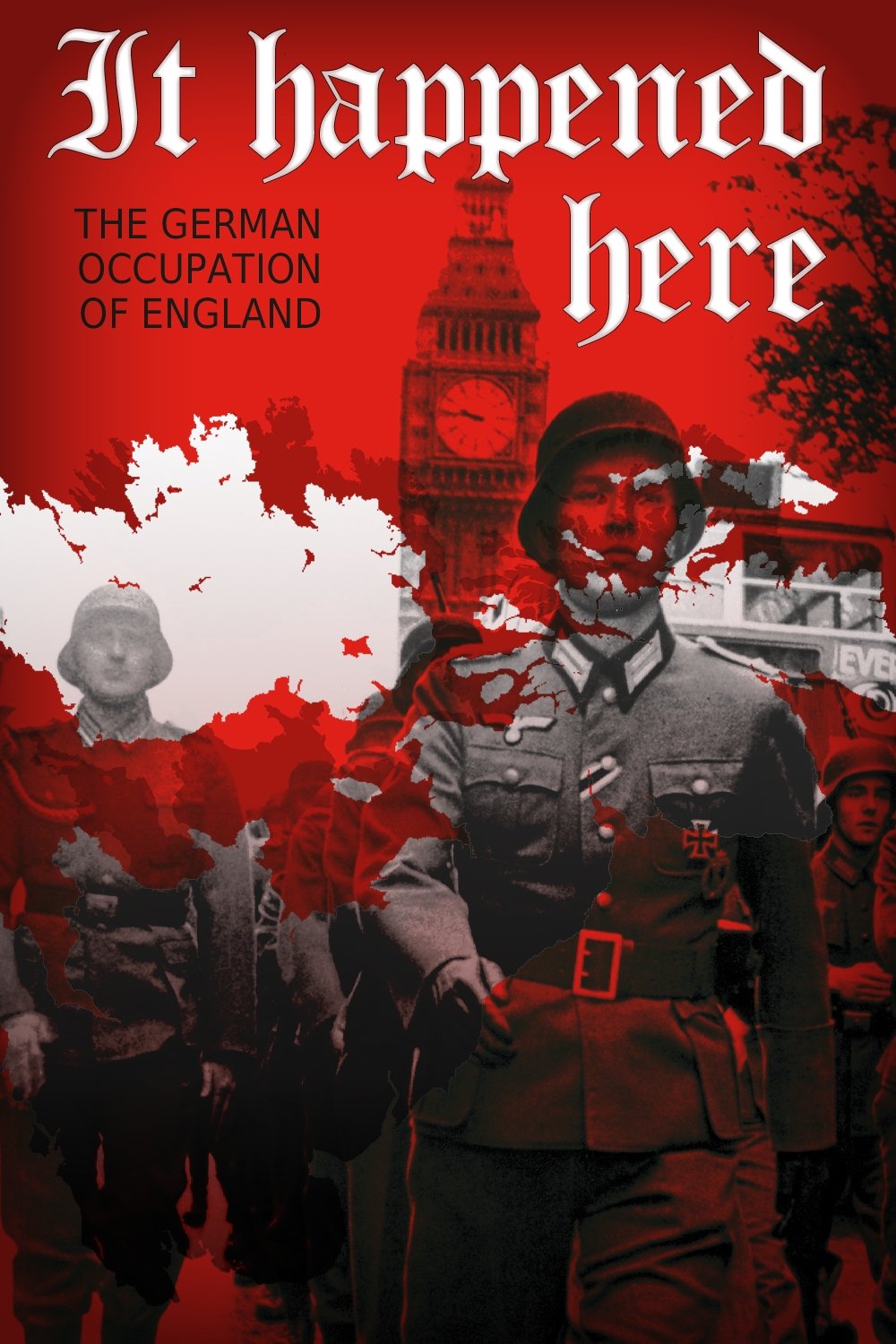
It Happened Here

1964 · Occupied England on no money, with collaborators who sound entirely reasonable

The Garden of the Finzi-Continis poster

The Garden of the Finzi-Continis

1970 · A wealthy Jewish family in Ferrara plays tennis while the laws close in

Cabaret poster

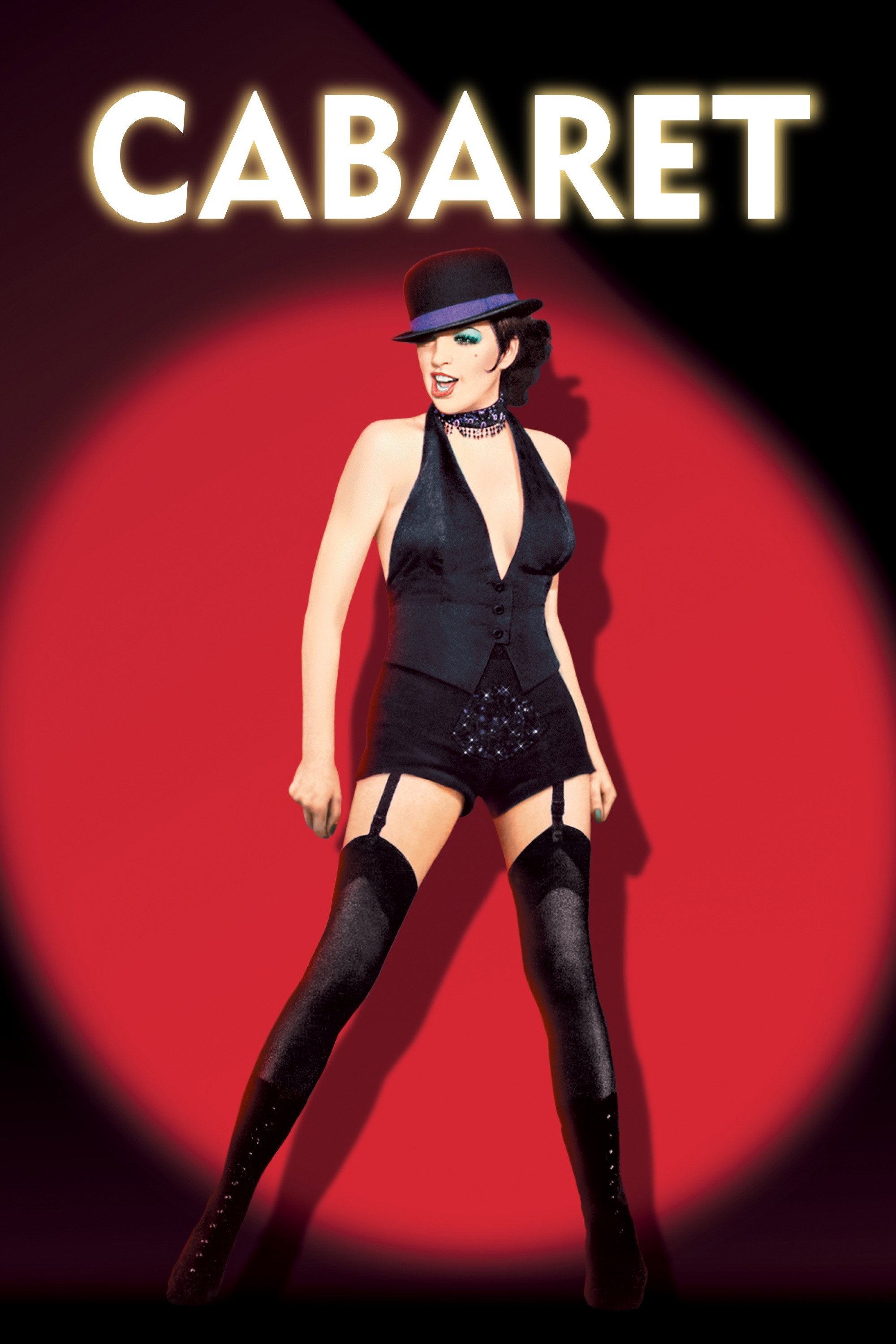
Cabaret

1972 · Berlin dances as the brownshirts arrive; the songs get worse for it, deliberately

Years and Years poster

Years and Years

2019 · A Manchester family lives through Britain’s next fifteen years, one bad broadcast at a time