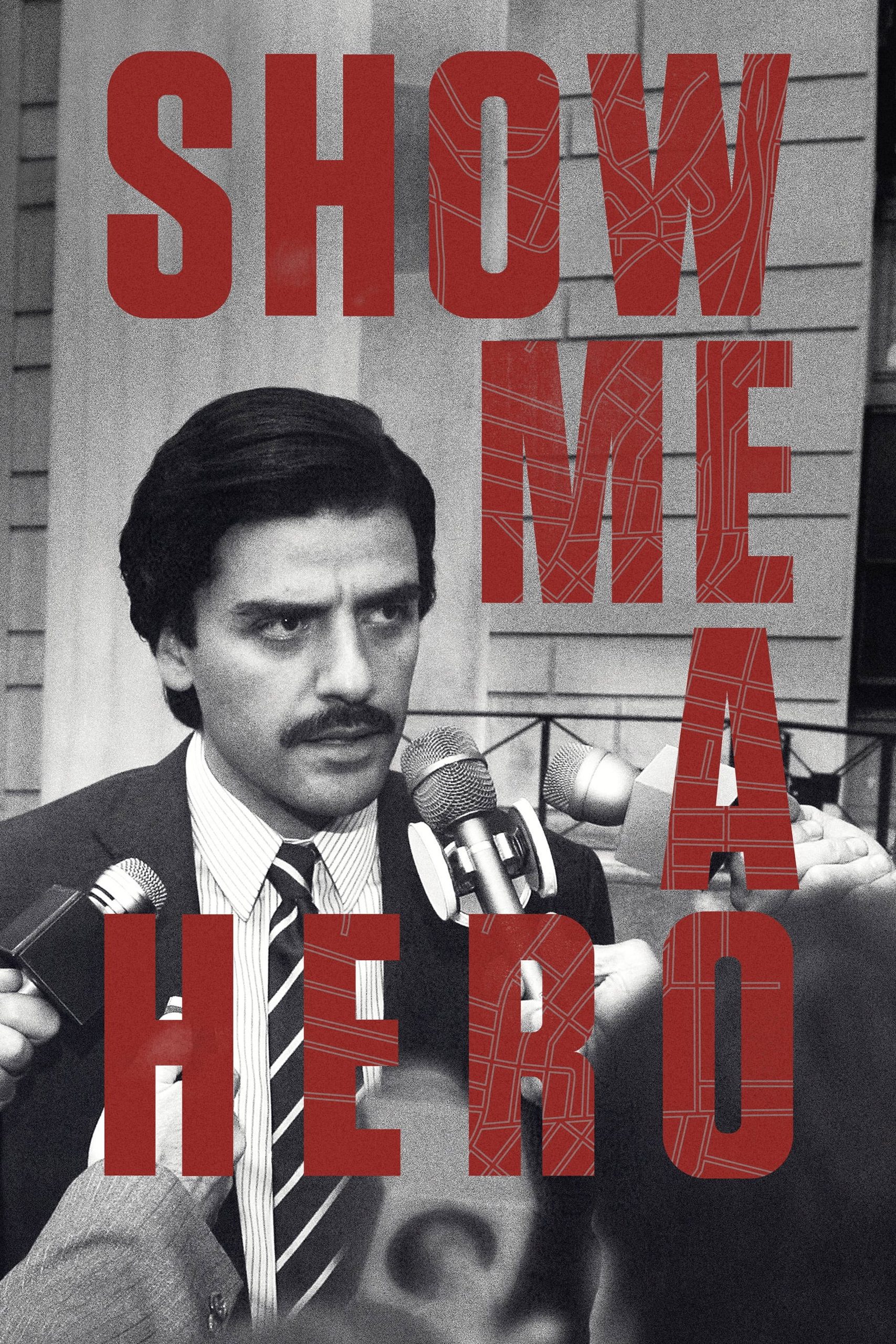
David Simon’s six-part account of a housing fight in 1980s Yonkers is patient, well acted and, in Oscar Isaac’s young mayor, has a lead performance worth six hours of anyone’s time. Paul Haggis directs as if he does not trust the writing, and the Springsteen songs say everything twice.
In 1987 the city of Yonkers, New York, had been ordered by a federal court to build a few hundred homes of public housing on its white east side, and had decided it would rather be fined into bankruptcy than do it. David Simon and William F. Zorzi have made six hours of television out of what happened next. It sounds like a council meeting, and a good deal of it is one. We were not bored for a minute.
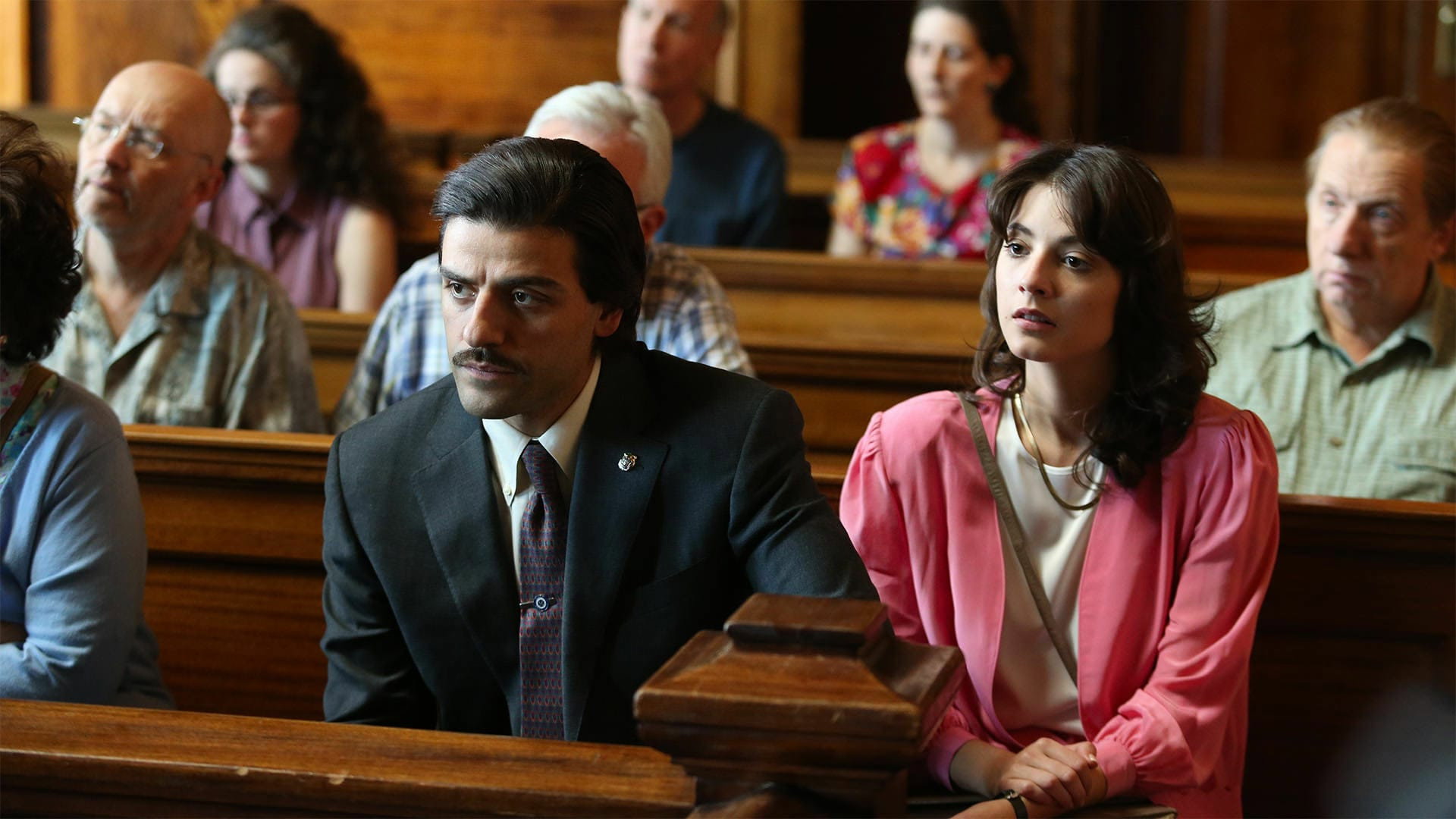
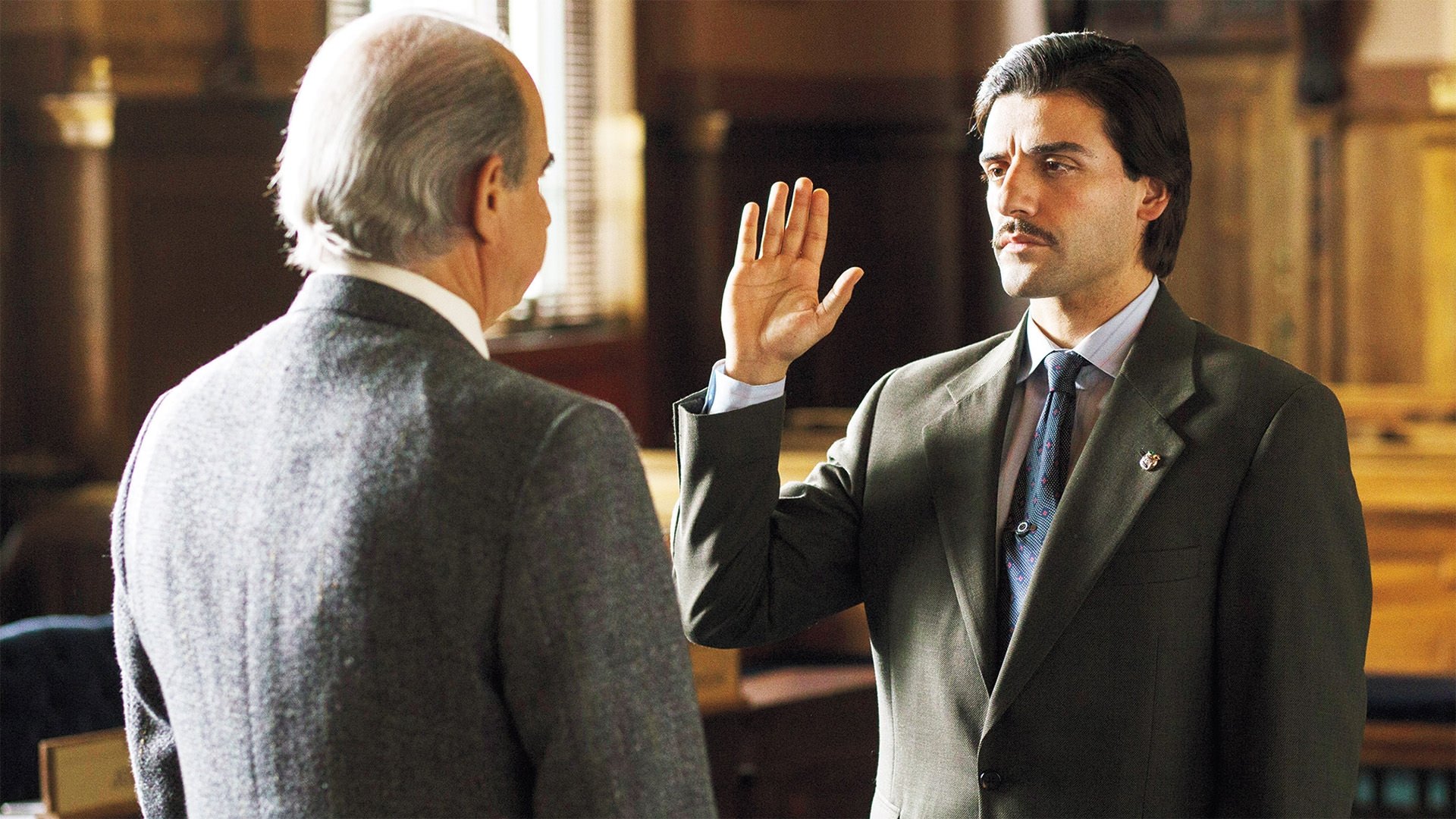
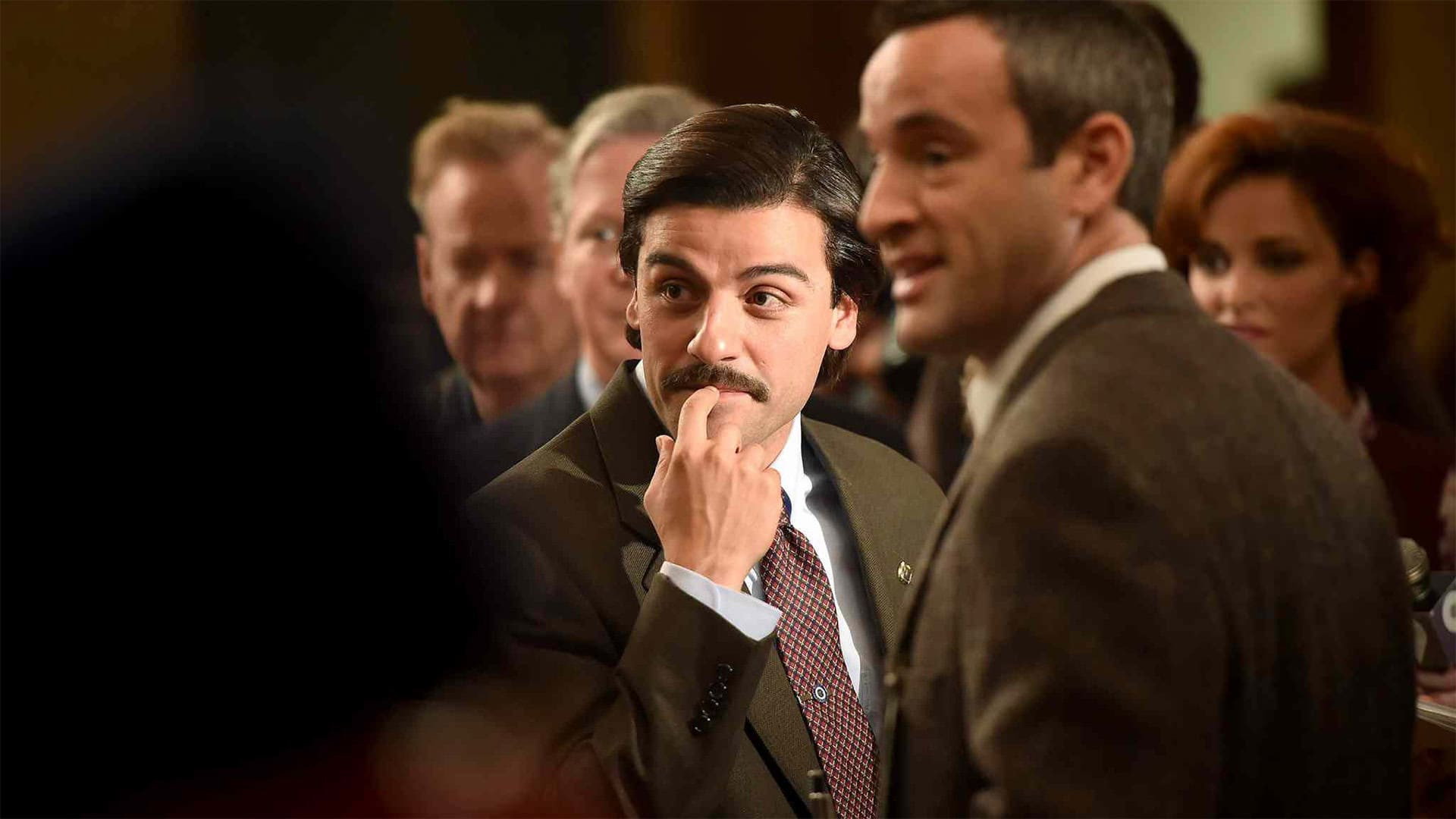
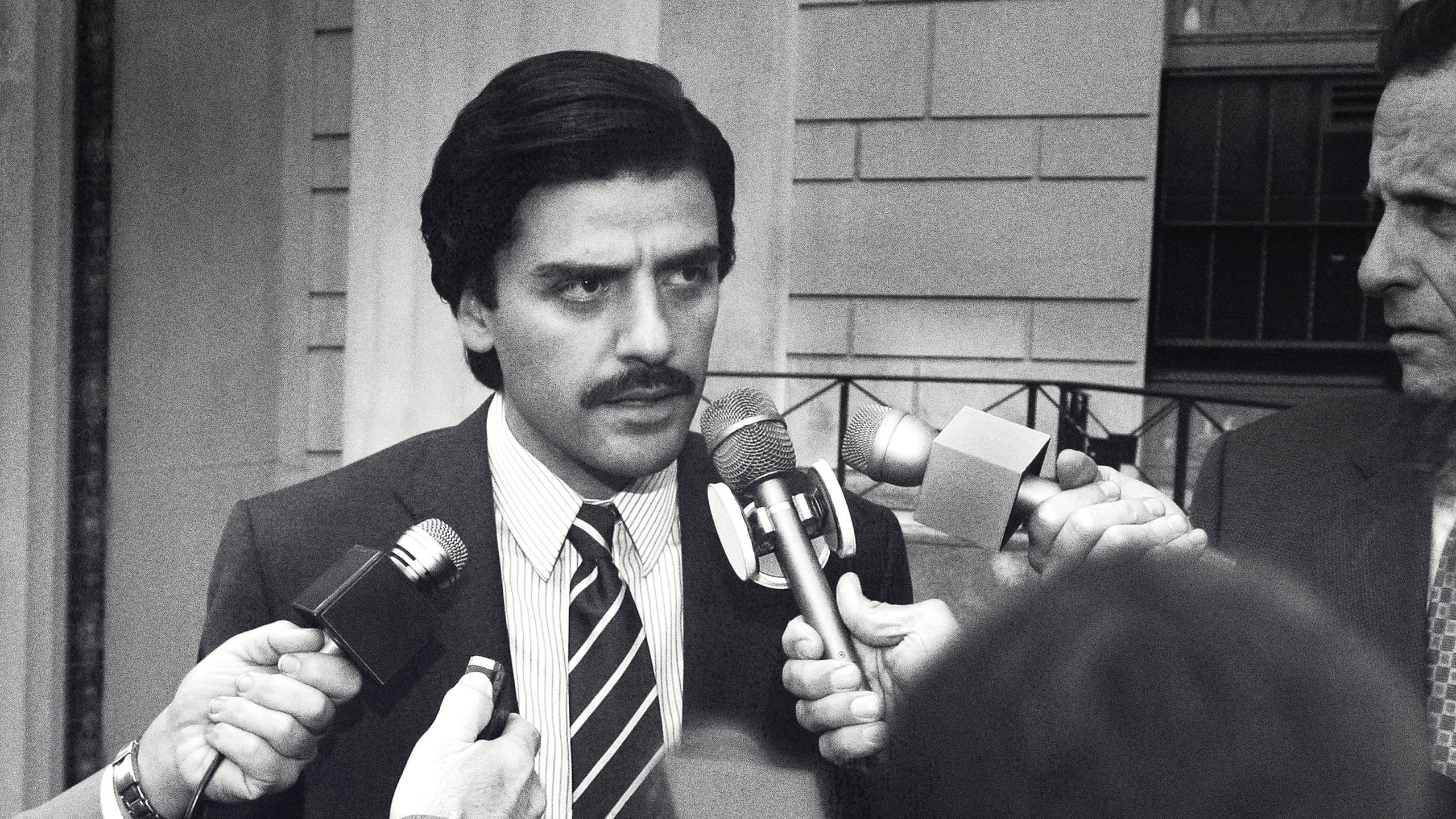
We recommend it, with one caveat. The reason is Oscar Isaac. Nick Wasicsko runs for mayor promising to fight the court order because that is what wins, and within weeks he is the man who has to carry it out. Isaac plays him as someone who wants to be liked far more than he wants to be right, who does the right thing anyway, half by accident, and then cannot understand why nobody thanks him. Watch his face at the back of the chamber when a vote goes against him: hurt first, then arithmetic, then the smile for the cameras. Carla Quevedo, as Nay Noe Wasicsko, gives him somebody to lie to about how well it is going.
The council meetings are where the series lives, and they made us angry in a way we had not budgeted for. Alfred Molina’s Henry J. Spallone plays to a gallery of hundreds of homeowners screaming at the mayor and at Bob Balaban’s Judge Leonard B. Sand, who is not even in the building. Jo Francis and Kate Sanford cut these scenes long, holding on the shouting until it stops being exciting and starts being frightening. Catherine Keener is in that gallery as Mary Dorman, a homeowner who believes every word she is yelling, and the series follows her home. Keener plays her slow change without a scene announcing it.
Across town, in the towers where the housing already is, Simon gives equal time to the people a political drama would usually skip. LaTanya Richardson Jackson’s Norma O’Neal is a home help losing her sight, trying to get anyone to come to a building the agencies are frightened of. Natalie Paul’s Doreen Henderson and Ilfenesh Hadera’s Carmen Febles are younger women looking for a way out. For two episodes these strands sit alongside the politics rather than tying to them. Then Norma’s story tightens into a plain account of what it is to be poor and going blind in a place nobody visits, and it moved us more than the shouting did.
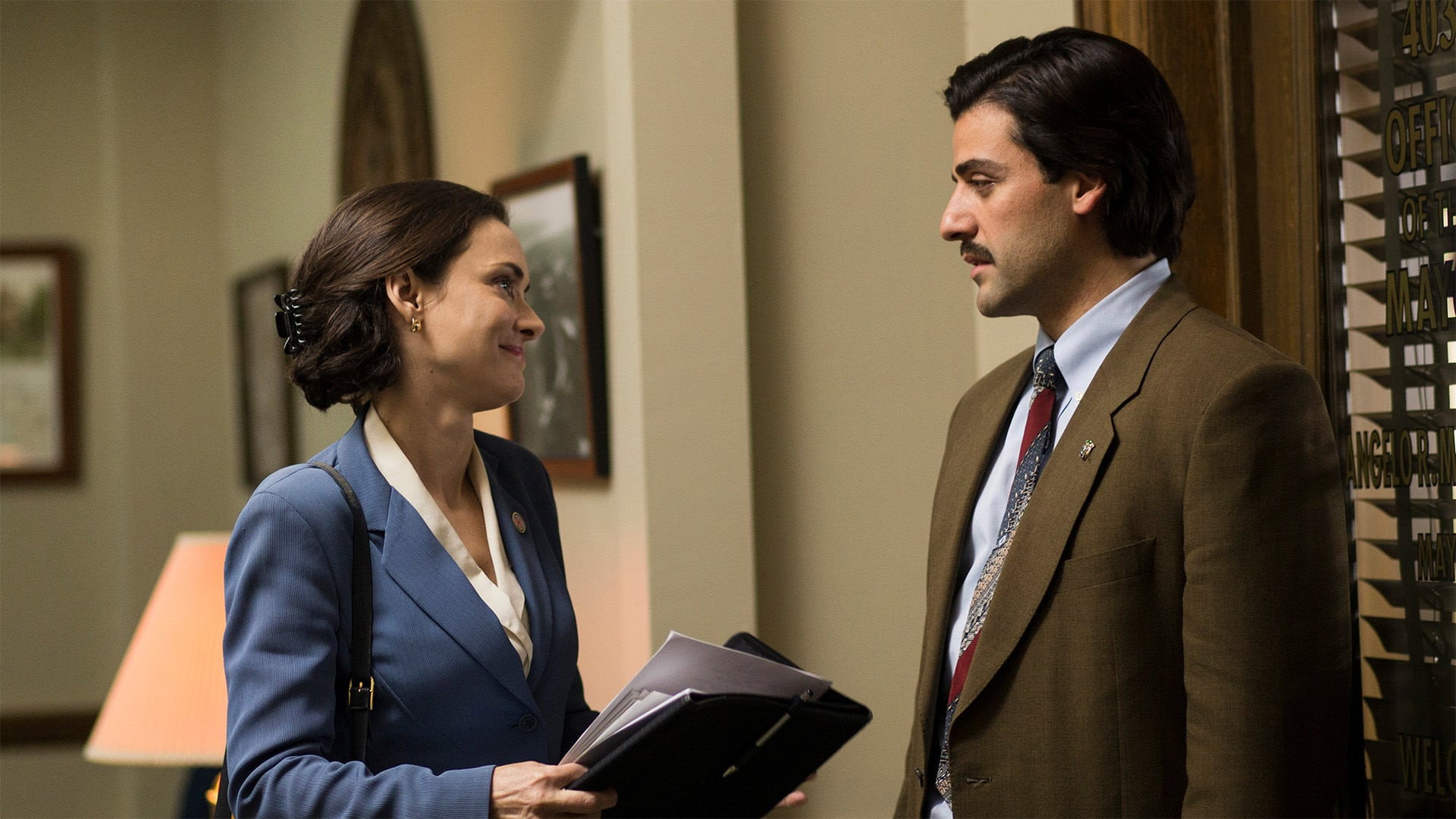
Peter Riegert’s Oscar Newman, the consultant who wants the homes scattered rather than stacked, and Jon Bernthal’s Michael H. Sussman, the lawyer who brought the case, are the two calm men in it, and Winona Ryder is sharp as councilwoman Vinni Restiano. Andrij Parekh photographs both halves of the city in the same flat, cold light, so the east side’s lawns look no warmer than the west side’s concrete. Laurence Bennett’s chamber has panelled walls and cheap chairs. Abigail Murray’s boxy suits and shoulder pads are of the period without being a joke. Nathan Larson’s score is spare and stays out of the way.
The caveat is Paul Haggis. Haggis does not trust a scene to have landed. He cuts to the reaction that tells us what we have just seen, he holds on a tear a beat too long, and above all he reaches for Bruce Springsteen. There is a great deal of Springsteen, over driving, over moving in, over a man sitting alone in a car, and each time the song says what the scene had already said, only louder.
Against Simon’s own The Wire, this is shorter, tidier and easier to follow, partly Zorzi’s doing and partly the subject’s: a court order has an end in a way a city does not. Most critics have liked it as much as we do, and the one serious dissent complains that the residents are written thinner than the politicians. For the first two hours that is fair. After that it is not.
Watch two episodes a night rather than six in a row. The council meetings are better with a break between them, and so is Nick.