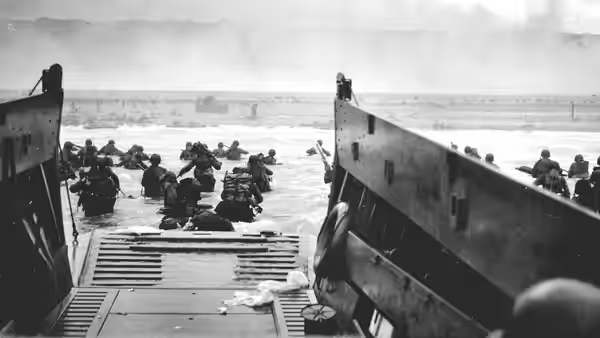
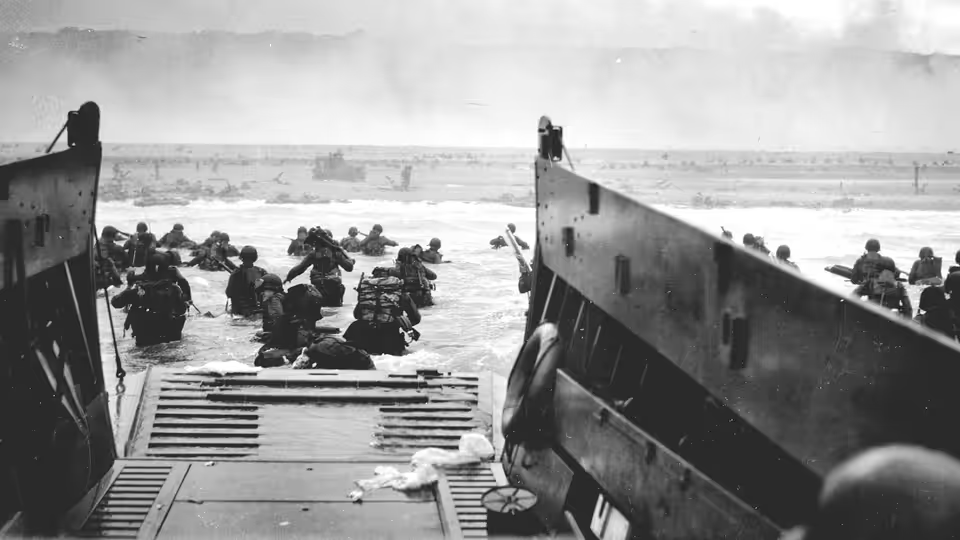
Soldiers wading from a landing craft into shallow surf toward shore
Series review

The World at War

1973 · Series · 1h 00m

In a sentenceThe eyewitnesses finish speaking and we still need a minute

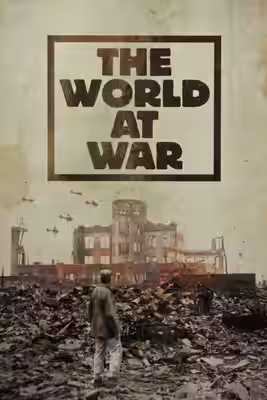
Narrator Laurence Olivier guides this 26-episode account of the Second World War, produced by Jeremy Isaacs and Martin Smith. Archive footage and eyewitness accounts provide its material, with personal stories taking precedence over a history organised solely around battles. The people who lived through the conflict describe their experiences, while the archive records the war they are remembering. The series brings those two kinds of evidence together, placing individual recollections within a wider account of the conflict. Each episode runs for an hour, allowing the history to unfold across a series rather than condensing it into a single film.

Fi1m review

The World at War is absorbing, distressing television that deserves the time it asks for. Its archive footage and eyewitness accounts make the Second World War difficult to regard as a safely distant subject.

We would recommend The World at War even to someone who usually avoids war documentaries. This 1973 series gives the Second World War 26 episodes, with producers Jeremy Isaacs and Martin Smith allowing individual experience to occupy much of that space. Battles are part of the subject, but the personal accounts give us a reason to keep listening. The length seems less forbidding once we stop expecting it to be dispatched in a few sittings.

The eyewitness testimony is the strongest reason to watch. We were upset by these accounts, because hearing someone describe their own experience makes the suffering harder to file away as history. Listening takes an effort that a straightforward account of military events does not always require: we have to consider what living through those events meant. The series gives personal recollection enough room for that discomfort to settle, without requiring us to hurry towards the next battle.

The archive footage benefits from that company. It is easy to become accustomed to images of war, especially when they arrive already labelled as history, and to look without paying much attention. Alongside the eyewitness accounts, the footage becomes harder to regard with that automatic recognition. We are watching records of events that people had to live through, and hearing recollections alongside them makes us less willing to settle for simply recognising what is on screen.

Laurence Olivier’s narration is a substantial part of the effect. The authority of the voice suits the scale of the subject, though a voice this assured can encourage us to accept an account before we have thought about it. That is worth resisting, however much we admire the delivery. The eyewitness material helps: individual recollections require a different kind of attention from a narrator guiding us through the history.

Martin Smith’s editing brings archive and testimony into an absorbing account, although the accumulation of detail can be demanding. Carl Davis’s music adds solemnity; we appreciate its weight, even when the people speaking scarcely need help to move us. These are important contributions to a programme that asks us to absorb so much. The arrangement of the material, and the gravity with which we hear it, encourage sustained attention rather than a quick survey of the subject.

The density is also the reservation. Individual episodes run for 60 minutes, and there is a limit to how much detail we can hold before new information starts displacing what we have just heard. The series sometimes asks for more concentration than we can usefully give in one sitting. We would take breaks rather than treat endurance as proof that we are taking the subject seriously.

For a war documentary, the emphasis on personal stories is a considerable virtue: military events remain connected to the people who experience them. We would not mistake even 26 episodes for the last word on the subject, and the commanding narration makes that caution worth keeping in mind. This is television worth making time for, with some quiet left afterwards. Give it an episode, then decide whether there is room for another.

Critical consensus AI synthesised

3 of 6
Positive
3
Mixed
0
Negative
0
Empire
8 October 2010 · William Thomas
90*

The Blu-ray box set remains the ultimate World War II documentary. It combines astonishing archive footage with eyewitness accounts in hypnotic detail across its 26 episodes.

Read the full review →
The Guardian
4 September 2009
90*

The critic calls the 26-part 1973 series stupendous and still the essential starting point for grasping the narrative of the Second World War and its geopolitical struggles. They single out its operatic conception, with archive footage, Carl Davis's score and Laurence Olivier's narration creating emotional weight and perfect pacing without overloading information.

Read the full review →
The Telegraph
11 November 2020
90*

The critic praises the 1970s series as one of the most profound historical documents of its time and TV's ultimate act of remembrance, highlighting its focus on personal stories over battles and its enduring impact.

Read the full review →

Straight answers AI written, from our review

Is The World at War worth watching?
The World at War is worth watching for anyone prepared to give the Second World War 26 hours of attention, and we scored it 90. Its eyewitness accounts and archive footage make the conflict hard to treat as safely distant, and even people who usually avoid war documentaries should try an episode. Take breaks; the detail is dense and does not reward endurance for its own sake.
How long is The World at War, and what is it rated?
The World at War has episodes of about 1h 00m. It is a documentary and war & politics series.
Where can I watch The World at War in Romania?
The World at War is not on any streaming or rental service in Romania at the moment. It is available in 5 other countries; change your country at the top of the page to see where. Availability is checked daily.
How violent or frightening is The World at War, and is it suitable for children?
The World at War carries a UK 15 certificate, and its archive footage and eyewitness accounts of the Second World War are distressing rather than frightening in a dramatic sense. We were upset by hearing people describe what they lived through, and the footage records real suffering. It is not for younger children; older teenagers studying the period should be able to take it, with an adult nearby.
How does The World at War compare to Shoah?
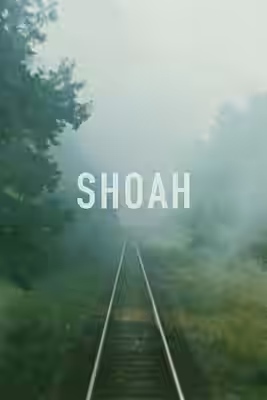
The World at War is the broader and more approachable of the two, covering the whole Second World War in hour-long episodes with archive footage, testimony and Laurence Olivier's narration, while Shoah is a 566-minute oral history of the death camps built from testimony alone. The Isaacs and Smith series is the one to start with; Lanzmann's film is harder, sometimes bullying, and in our view unmatched in documentary.
What should I watch after The World at War?
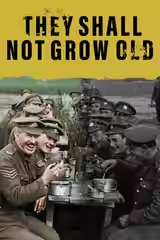
After The World at War, try Shoah (1985, Fi1m 93): Eyewitness testimony demands sustained attention, with little room for comfortable distance. Then The Battle of Algiers (1966, Fi1m 93): A dramatised conflict that keeps civilians painfully close to the fighting; and They Shall Not Grow Old (2018, Fi1m 81): Restored wartime footage brings unfamiliar faces close, though the treatment invites questions.

Cast

If you liked this, try…

  1. Shoah (1985, Fi1m 93)Eyewitness testimony demands sustained attention, with little room for comfortable distance.

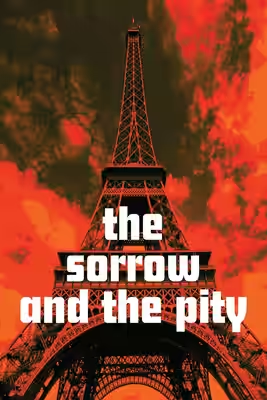
  2. The Sorrow and the Pity (1969) · not reviewed yetWartime recollections complicate the reassuring stories a country tells about itself.

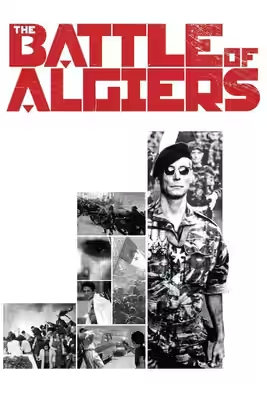
  3. The Battle of Algiers (1966, Fi1m 93)A dramatised conflict that keeps civilians painfully close to the fighting.

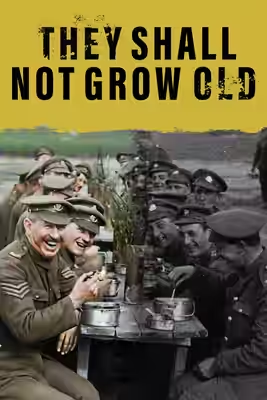
  4. They Shall Not Grow Old (2018, Fi1m 81)Restored wartime footage brings unfamiliar faces close, though the treatment invites questions.

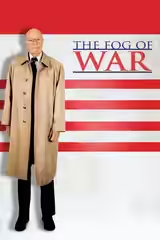
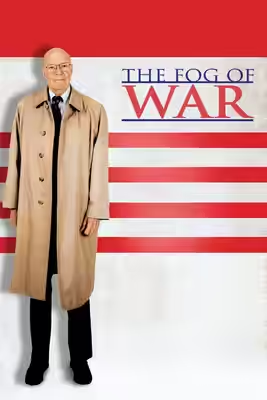
  5. The Fog of War (2003, Fi1m 84)One man’s recollections expose the limits of confidence in military judgement.

Free account

Know what to watch tonight

Two lists that know where things are streaming, collections you can share, your own score beside ours, and Discover that remembers what you have seen.

  • Want to see, sorted by what is streaming now
  • Seen, with your score out of ten
  • No adverts, ever