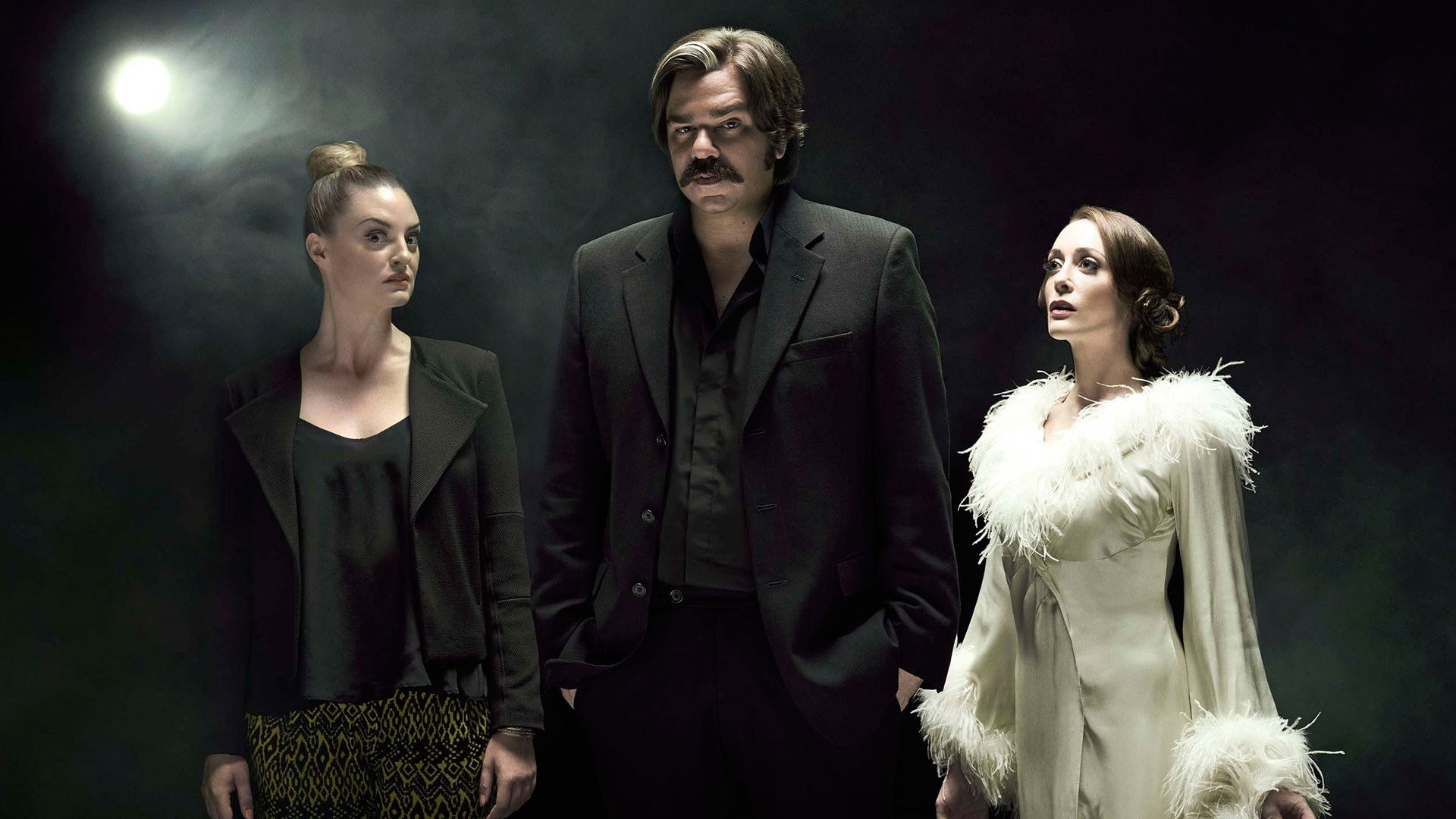
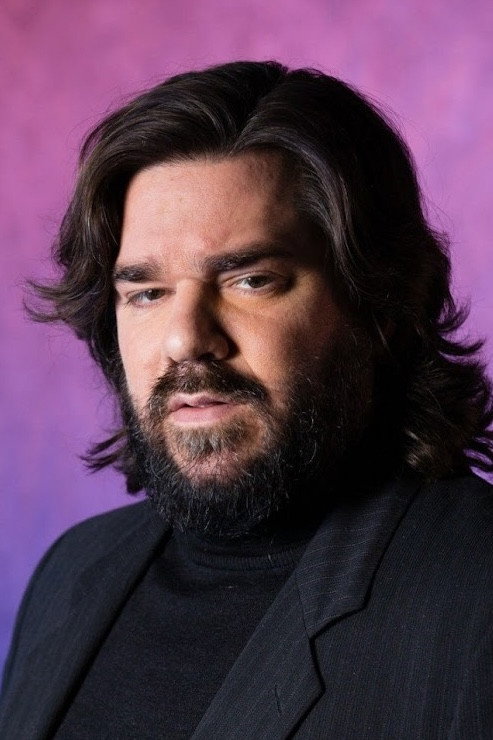
Matt Berry and Arthur Mathews build a whole sitcom around one vain, furious, magnificently spoken failure, and Berry plays him as if his life depended on it. It is loud, silly and often very funny; it is also assembled from sketches, and the joins show.
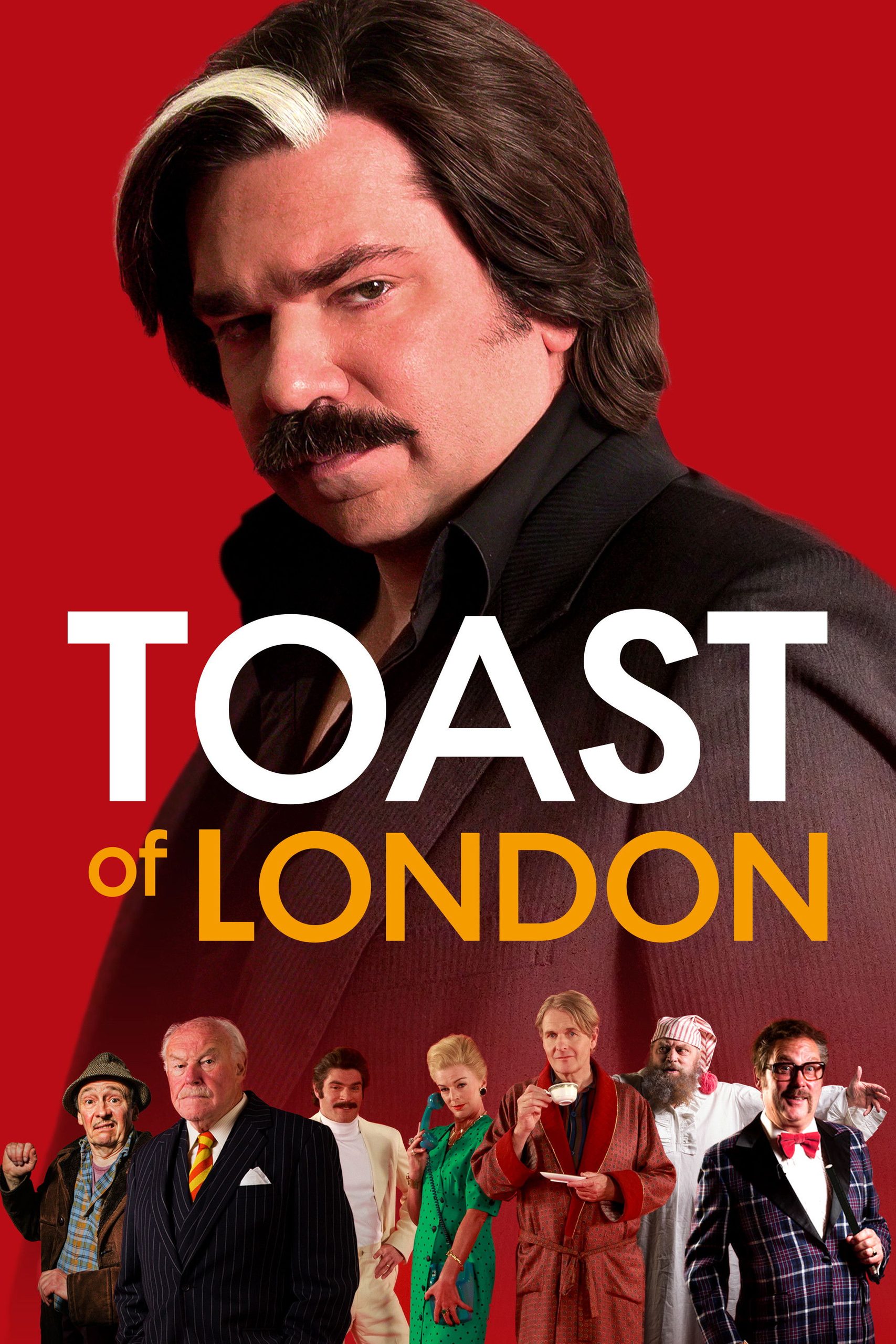
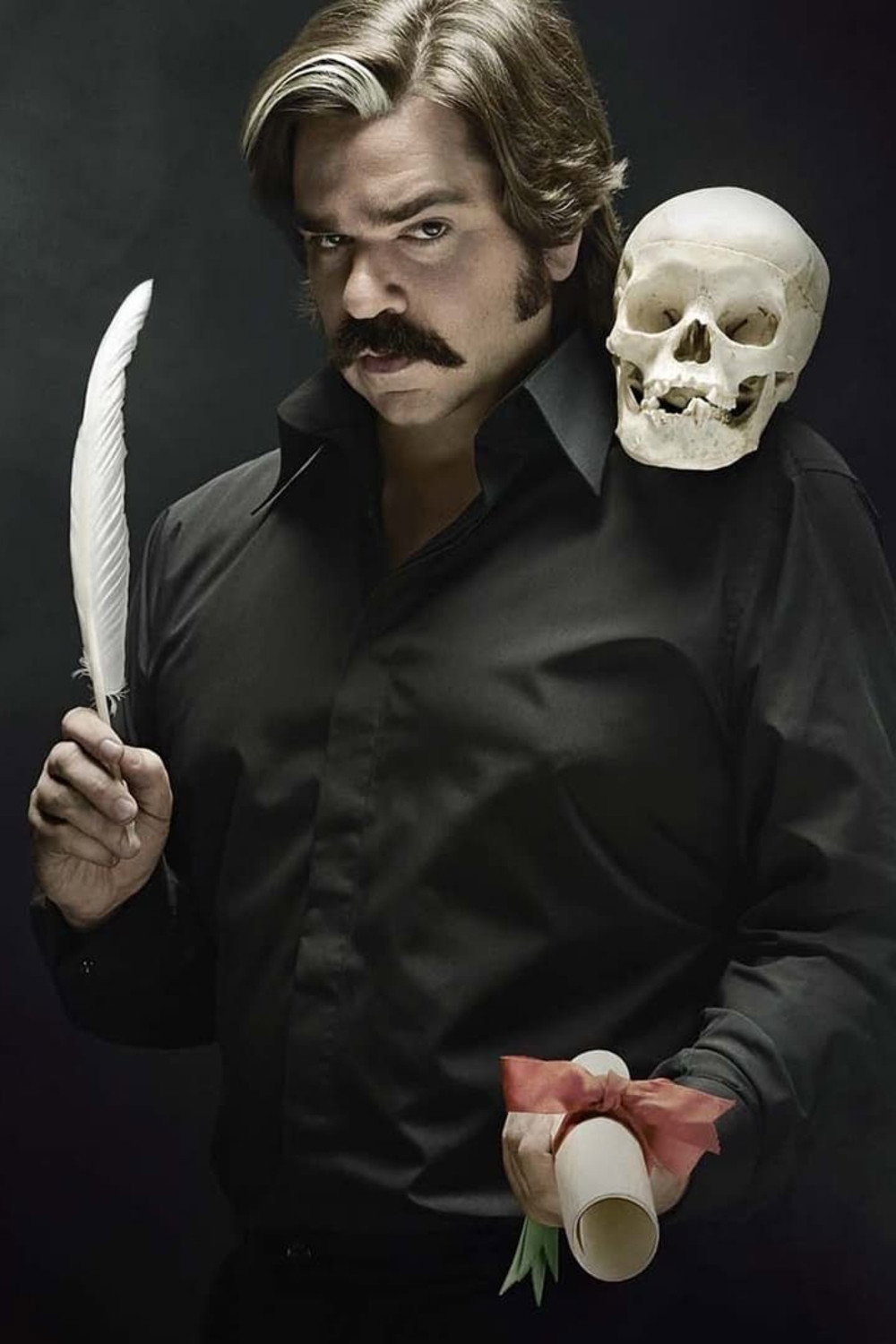
Steven Toast is an actor of a kind the British theatre used to produce in quantity: florid, self-regarding, forever on the edge of a comeback that will not arrive. Matt Berry and Arthur Mathews, who co-created Father Ted, have written him a sitcom in which he is paid, over and over, to say one word into a microphone, and treats each session as an insult to his art. That is the whole engine of Toast of London, and it runs for three series of six half-hours without ever quite running out of fuel. It is a good deal funnier than most British comedy of its decade. It is also, by design or by accident, a collection of bits, and some episodes are four unfinished ideas wearing a coat.
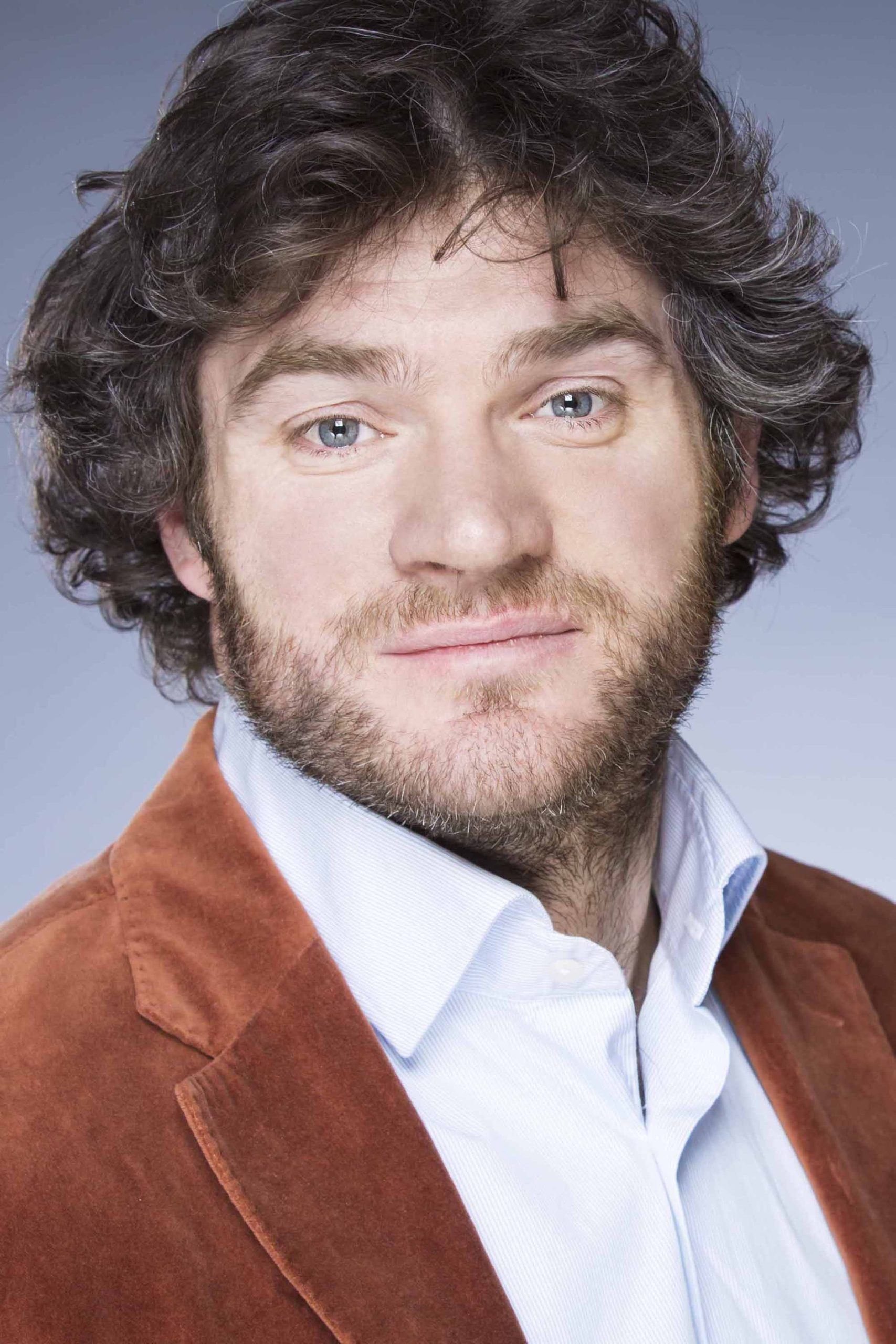
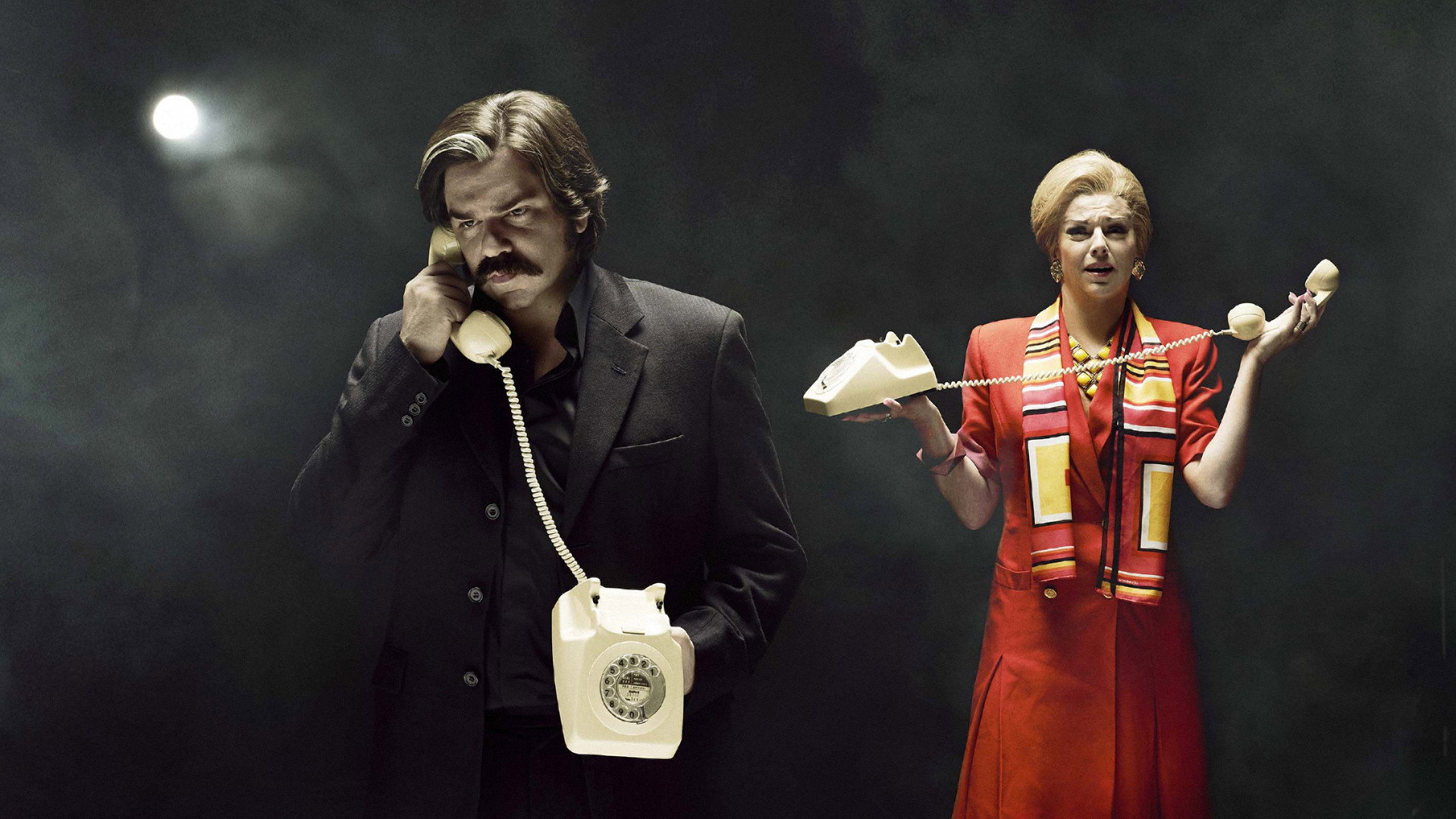
The recording booth is where the show lives. Clem Fandango (Shazad Latif) and Danny Bear (Tim Downie) sit behind the glass, young, patient and faintly baffled, and ask Toast to do it again. Toast, who cannot hear the word “again” without hearing an accusation, drops his voice an octave and refuses. We laughed out loud, on a weeknight, alone, at a man saying “yes” in slightly the wrong way, and then felt we had been had by something very simple. That is Berry’s trick. He has a voice that sounds like a cathedral organ played by someone who has been drinking, and he knows precisely how much of it to use. Toast’s rage is always a size too large for what has provoked it, and the gap is the joke.
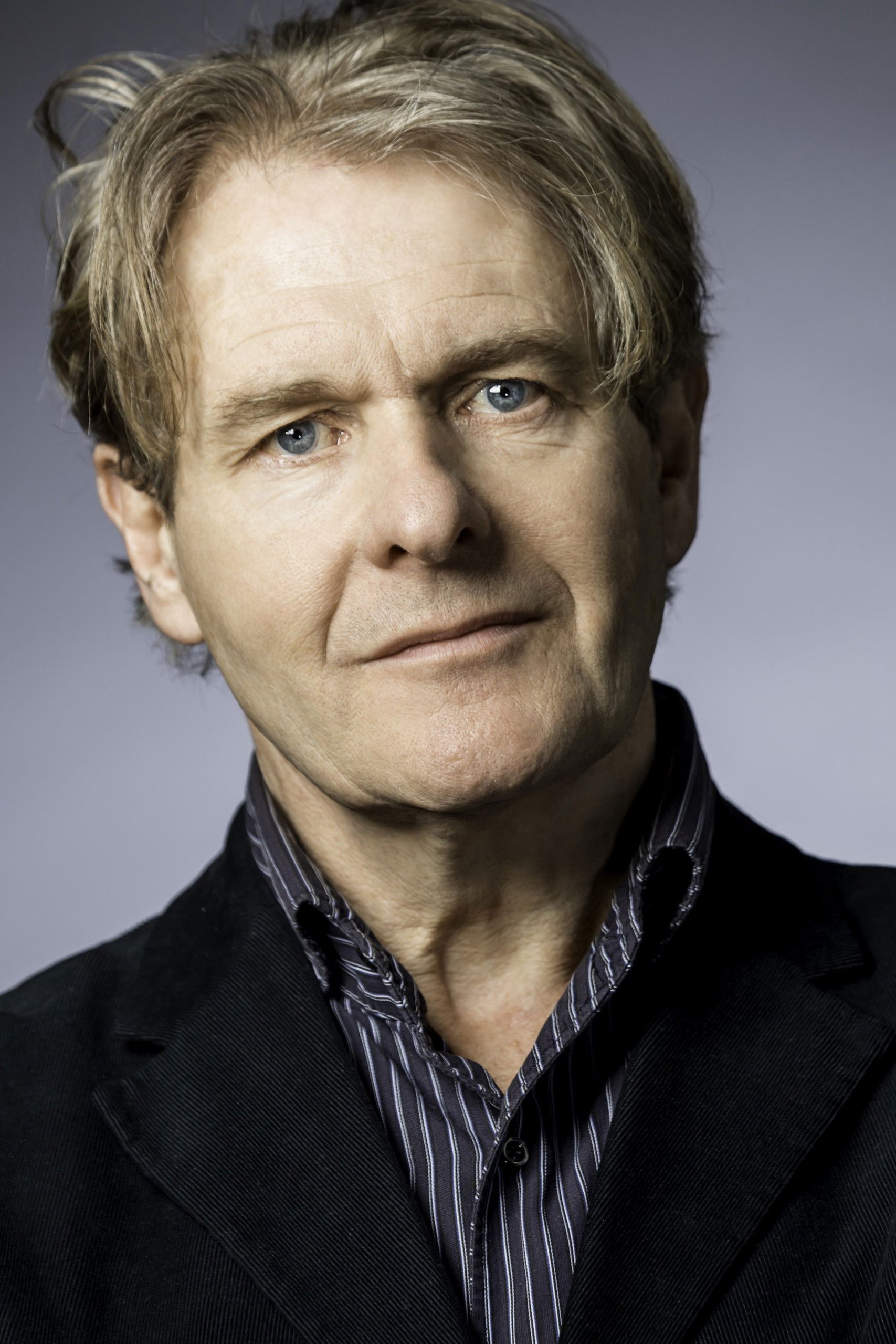
Around him the cast plays it dead straight, which is the only way this material works. Robert Bathurst’s Ed Howzer-Black is the flatmate, an actor of the same age who has made his peace with obscurity and spends his days in a dressing gown offering advice nobody asked for. Bathurst underplays so thoroughly that Berry seems louder by contrast. Doon Mackichan’s Jane Plough, the agent, treats Toast as a mildly disappointing pet. Ray Purchase, the rival, is played as a walking sneer in a good coat, and the two men’s hatred of each other is the closest thing the show has to a love story. Real people wander through as themselves, among them Lorraine Kelly, Peter Davison and Jon Hamm, and the show does not bother to explain why.
Michael Cumming directs it to look cheap on purpose. The flat is brown and over-furnished, the studio is a box, and the outside world seems to have been built from whatever was left in the Channel’s props cupboard. Then every so often the show stops, the lights go saturated and Berry sings, a full song in a lounge that appears to exist nowhere, and the whole thing is suddenly handsome. Those interludes are the best-looking thing in it and the strangest, and they tell you the show has more ambition than its sets admit to. Rachel Springett produces, and the half-hours are cut tight; nothing outstays its welcome by more than a minute.
The complaint is the one the show invites. Mathews and Berry write in sketches, and the connecting tissue is thin. An episode will set up a plot about a play, wander off into a surreal digression involving a fear therapist (Alan Ford, wonderfully dour), and forget to come back. Some of the sillier names and voices are asked to carry more weight than a name or a voice can. A handful of the gags depend on a certificate-15 bluntness that lands the first time and not the third. The Telegraph found the opening episode tipped from promising into merely odd, and while we disagree, we can see the moment they mean.
Set against the shows it obviously descends from, it sits comfortably. It has Father Ted’s rhythm, men who are certain and wrong, arguing in a room, and it has the deliberate shoddiness of Berry’s earlier work, though with a lead character who is a person rather than a costume. Toast, unlike most sitcom monsters, is occasionally allowed to be sad, and Berry can do that too, briefly, before the shouting resumes.
Watch two episodes at a sitting rather than six. Toast is best in doses, like most people who talk that loudly.