Toni Collette and Steven Mackintosh make Wanderlust worth the time it takes. This frank, humane marriage drama is often funny and affecting, though its slower conversations and predictable subplots test that patience.
Nick Payne’s Wanderlust makes an unusually frank subject for domestic comedy out of a marriage whose partners are considering other people. We recommend it for Toni Collette and Steven Mackintosh, who give the awkward conversations enough affection to keep the programme from becoming a seminar on how couples ought to behave. Across six episodes, it takes their dissatisfaction seriously and finds room for humour without treating desire as a symptom of stupidity. Its patience sometimes becomes a problem.
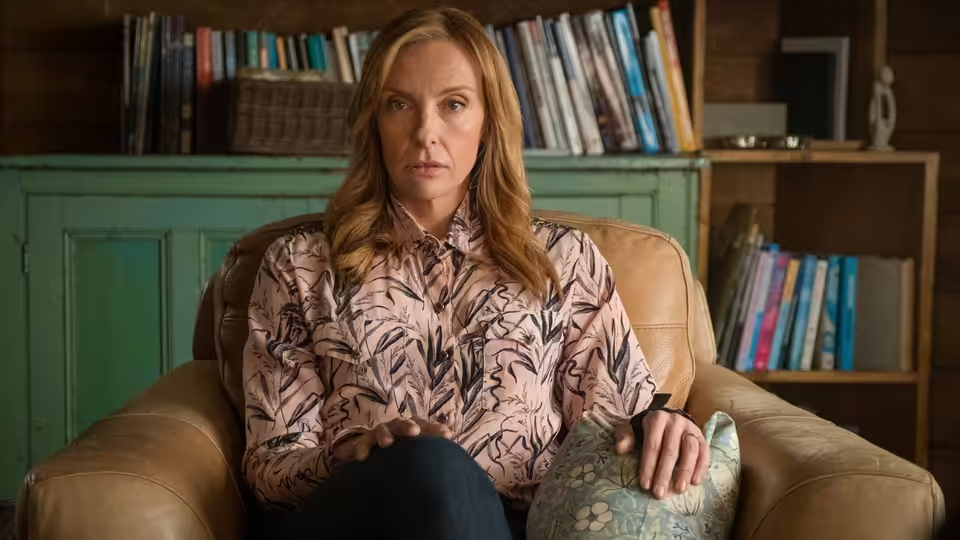
As Joy Richards, Toni Collette makes frankness engaging without making it evidence that Joy understands everything she feels. Her performance grows more vulnerable, and the change matters because the sexual comedy has already encouraged us to enjoy this woman’s company. We were moved by the therapy session, where Toni Collette makes the pain beneath Joy’s frankness difficult to shrug off. Even when the writing becomes self-conscious, she keeps the hurt recognisable.
Steven Mackintosh gives Alan Richards enough humour and emotional uncertainty to make him a partner worth listening to. That is important in a programme whose strongest performance could easily reduce everyone else to an audience. Nick Payne writes conversations about sex that sound sufficiently natural for the hesitations and awkwardness to be funny, rather than merely demonstrations of how frank television can be. The humour is kind enough to let both actors remain vulnerable.
Directors Lucy Tcherniak and Luke Snellin give these conversations a degree of visual restlessness, and Ben Wheeler’s camera angles can feel overconsidered for such intimate material. Editors Gary Dollner and Johnny Rayner use intercutting to keep the talk moving, though it cannot always disguise how long the series spends over a point. Melanie Allen’s production design wisely avoids competing with the performers for attention. Some scenes would benefit from less fuss around them.
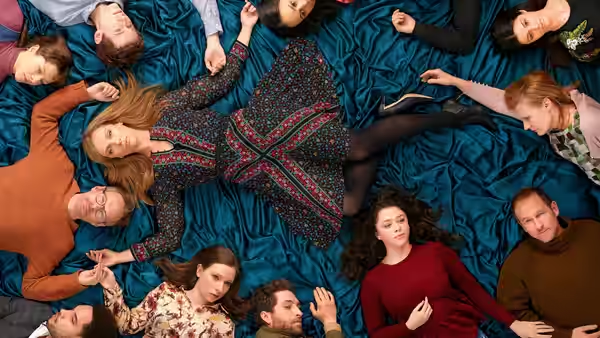
The weaker material is easier to anticipate. The children’s romantic subplots bring more people and more desires into view, but too often their direction is evident before the scenes have earned their length. Some developments also ask for more belief than the writing has prepared us to give. Good acting keeps these passages watchable, though they remain distractions from the marriage.
As relationship drama, this is most persuasive when people are allowed to be funny and wounded in the same conversation. The frankness about sex helps because it makes embarrassment available for comedy without making embarrassment the whole subject. There is also enough uncertainty in the performances to stop the discussion becoming a set of instructions for living. The slower passages can feel affected, especially once a conversation has made its point and keeps going.
Anyone looking for a brisk comedy about sexual freedom will need to adjust their expectations. There are laughs, but the series is prepared to remain with discomfort for longer than is always useful, and its interest in people explaining themselves can be tiring. Give Wanderlust time if troubled marriages and unfinished conversations are your sort of drama; Toni Collette makes a persuasive case for staying.