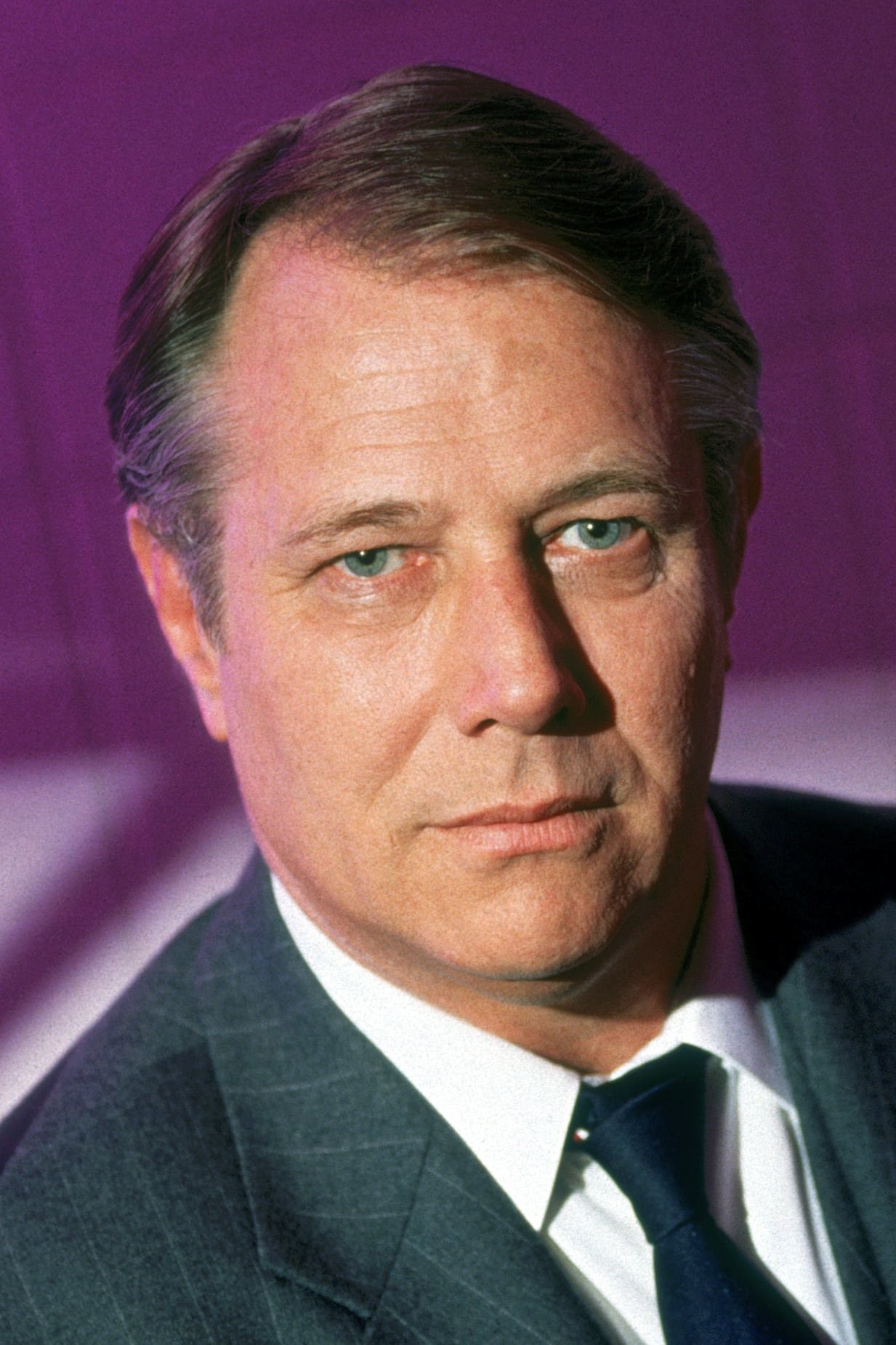
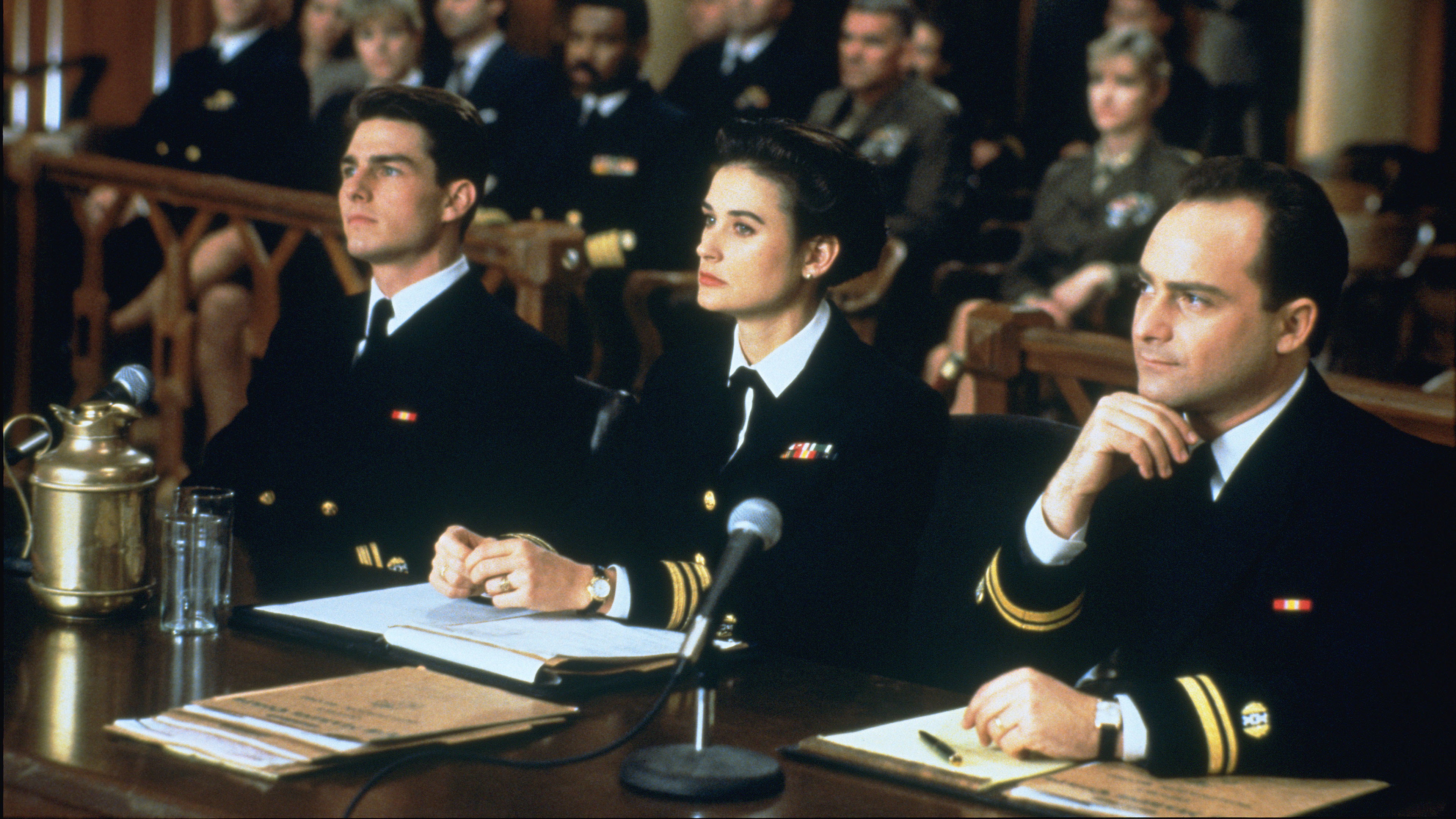
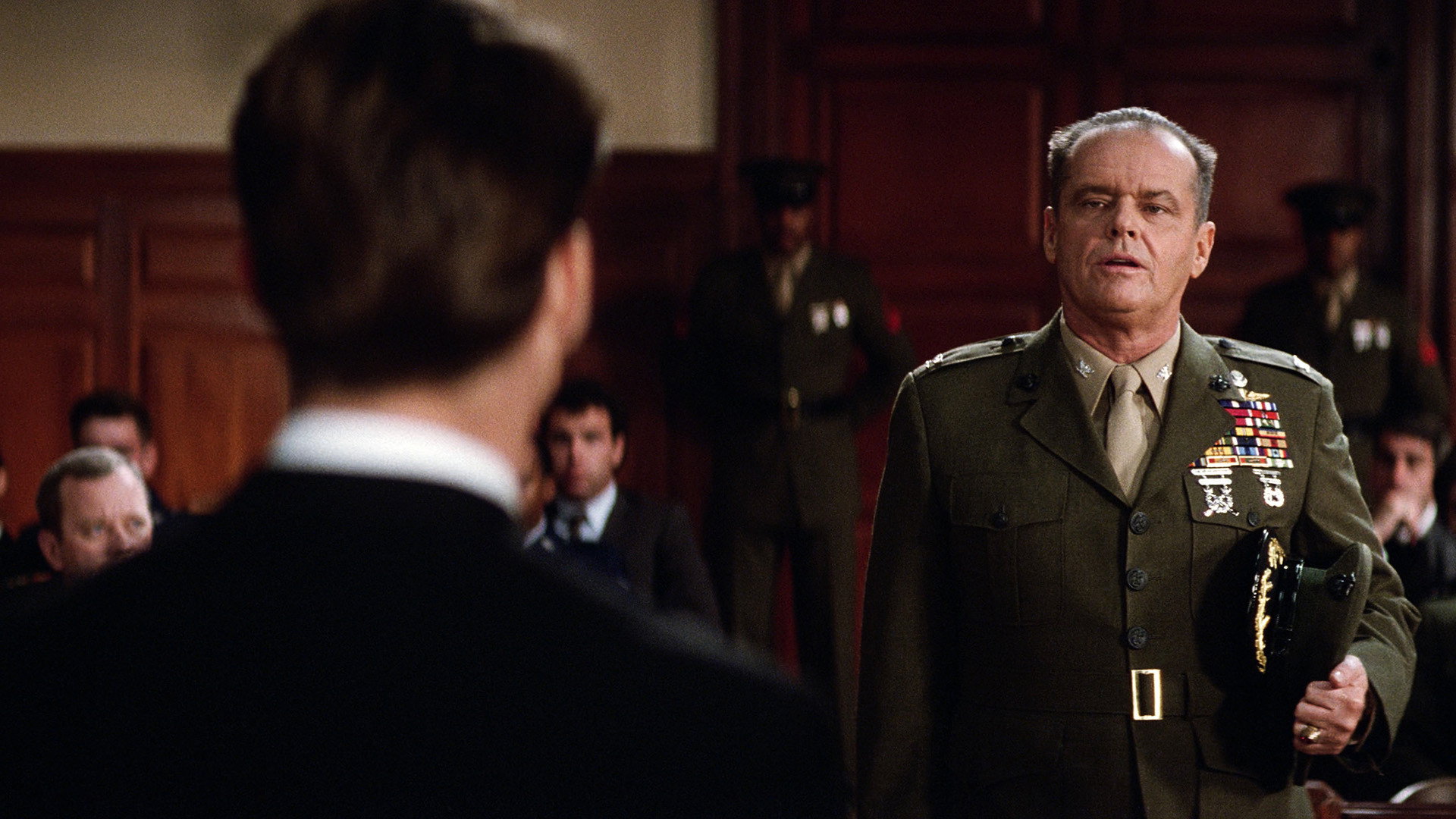
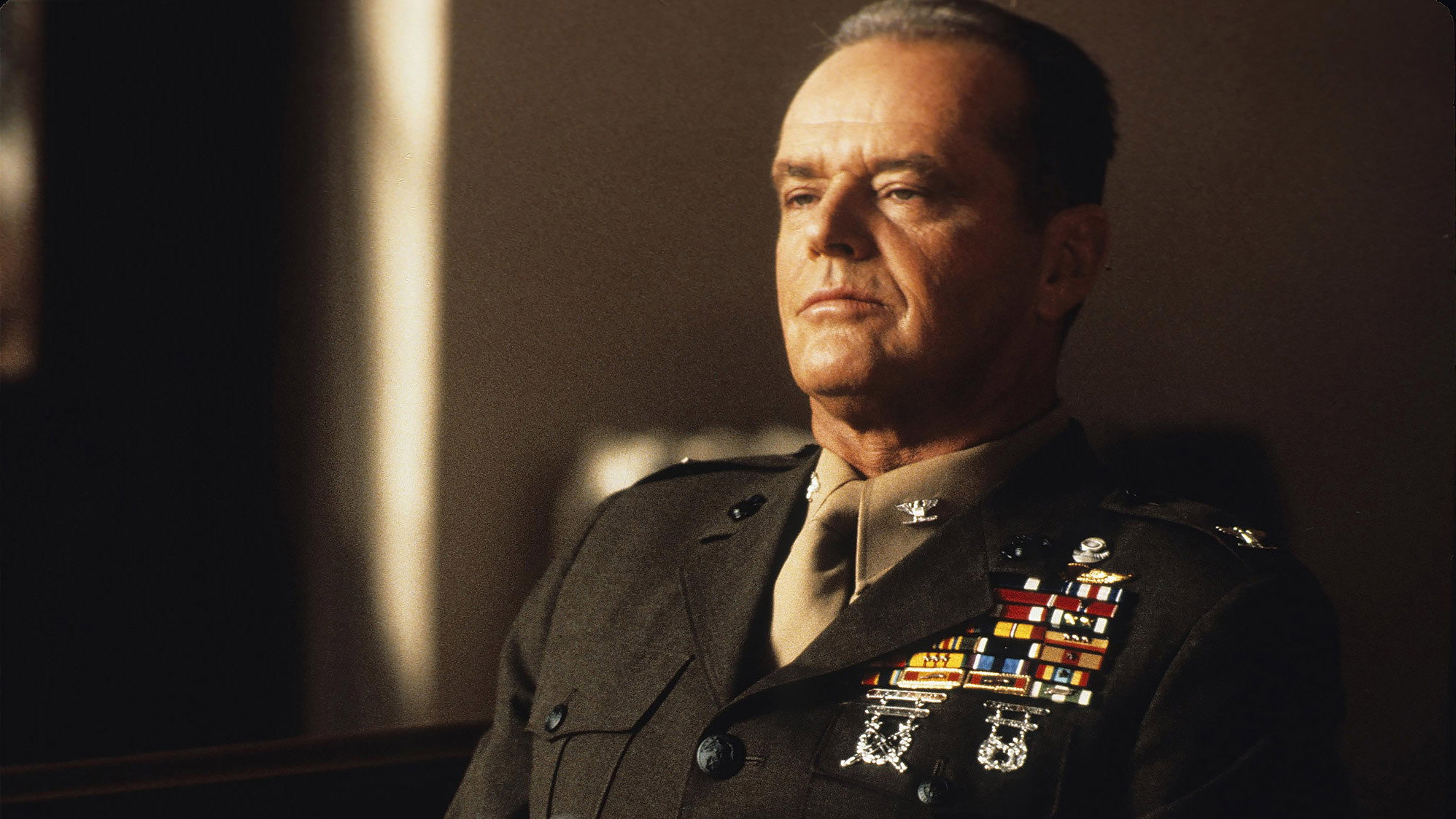
Rob Reiner’s courtroom drama is gripping, sharply acted and occasionally too pleased with its own moral seriousness. Tom Cruise holds the centre, but Jack Nicholson makes every challenge to authority feel personally hazardous.
Rob Reiner’s A Few Good Men is a gripping courtroom drama with a tidier conscience than its arguments deserve. Aaron Sorkin writes exchanges that make us listen closely and reconsider whom we believe, and the actors understand how much can be done before anybody raises a voice. It takes military honour seriously enough to question what the phrase permits people to do. Its weakness is a tendency to announce the moral importance of what is already interesting.
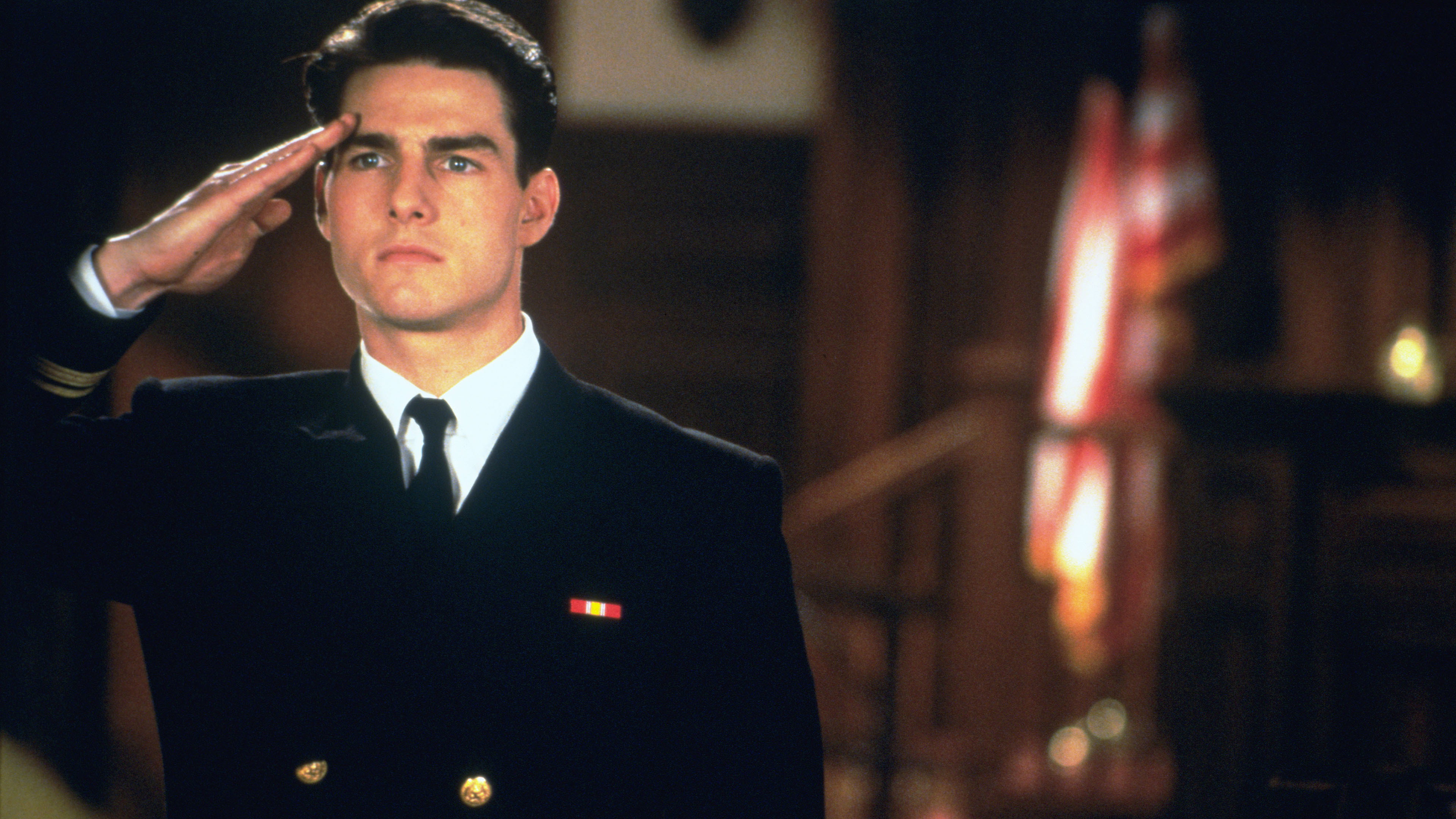
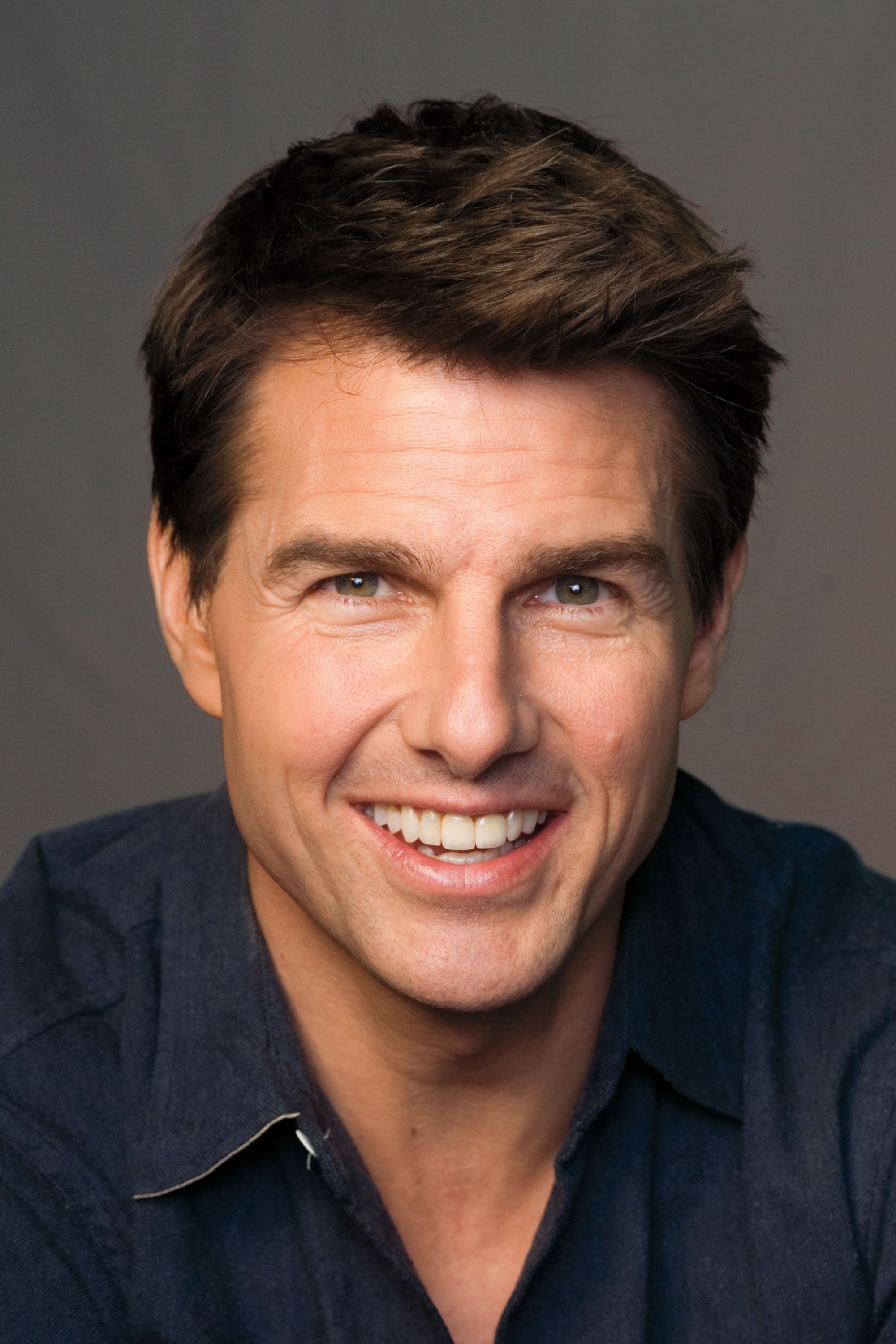
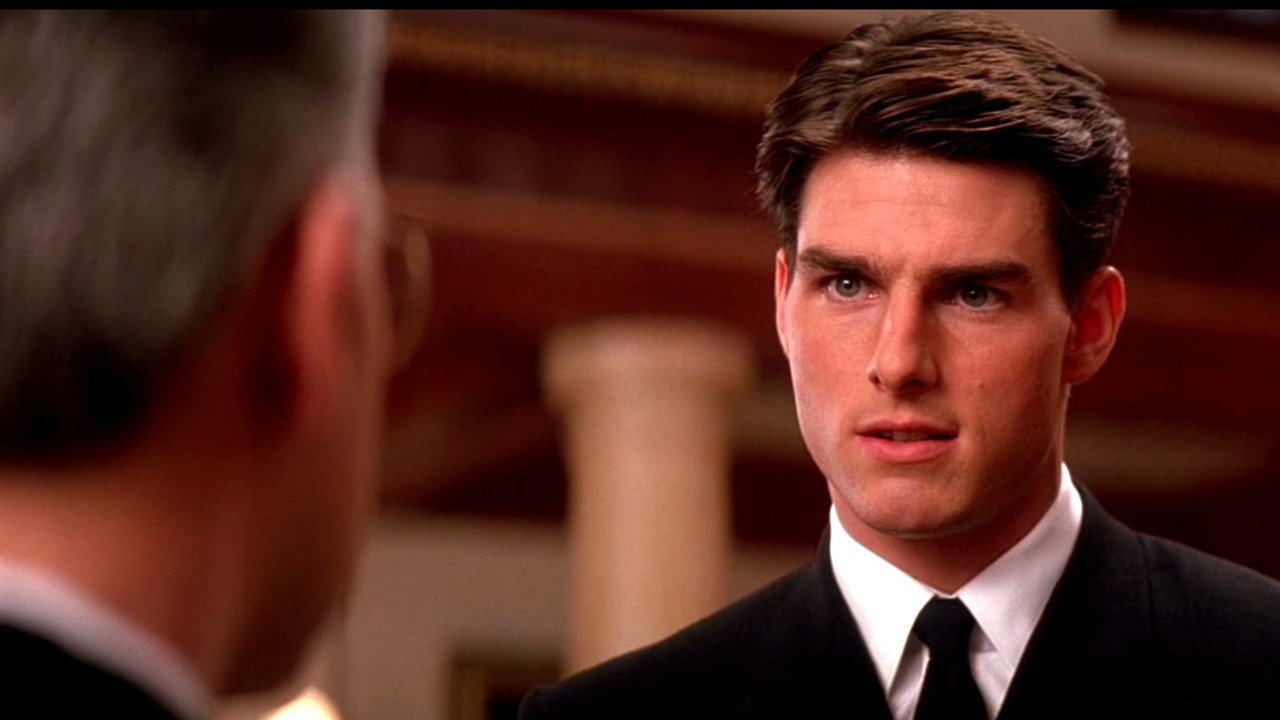
Tom Cruise gives Lieutenant Daniel Kaffee enough charm to make his confidence attractive, even when we are not sure it is justified. He handles Sorkin’s dialogue briskly, with an impatience that saves the clever lines from sounding rehearsed. The casting works because Cruise can make someone seem accustomed to getting his way without making us assume he deserves to. We want Kaffee to keep asking questions, and Cruise sustains that interest through the talkier passages.
Jack Nicholson’s Colonel Nathan R. Jessep is the principal reason those questions feel dangerous. Nicholson makes the rank sound like a personal achievement for which everyone else owes him thanks, and his contempt is unpleasantly persuasive. We felt intimidated by him; his dismissive delivery makes questioning a superior officer seem like a punishable offence. It is a broad performance, certainly, but the breadth belongs to a man accustomed to having his opinions treated as orders.
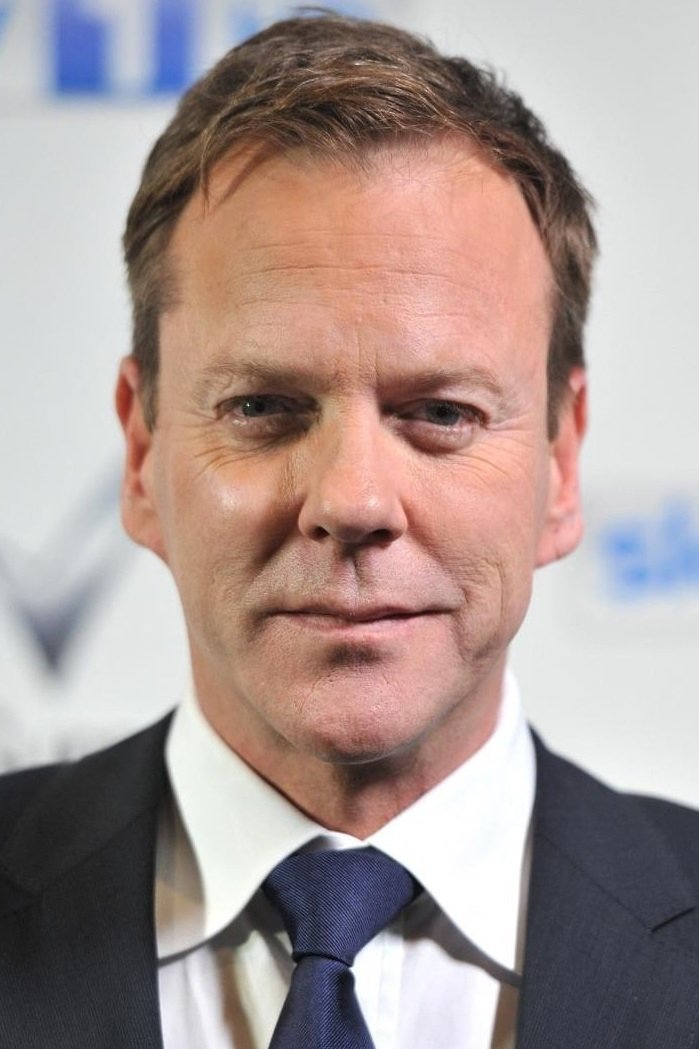
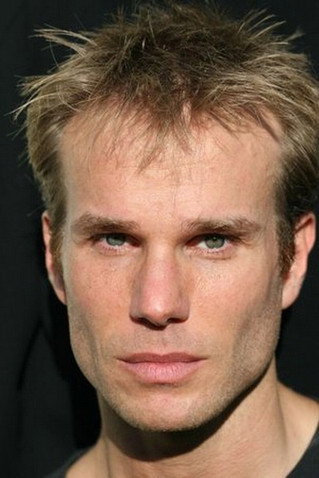
Demi Moore’s Lieutenant Commander JoAnne Galloway supplies a firm, unglamorous sense that the work matters. Sorkin could have given her more than professional conviction to play, but Moore’s directness is valuable among so many people who enjoy the sound of their own case. Kevin Bacon’s Captain Jack Ross is especially good at making composure interesting, suggesting intelligence without advertising it. Kevin Pollak, as Lieutenant Sam Weinberg, brings a lighter touch without making the company seem frivolous.
Reiner directs these actors with enough restraint to let their different temperaments establish the tension. Robert Richardson’s cinematography gives Nicholson’s face considerable force; the pleasure is in studying how little effort the intimidation seems to cost him. J. Michael Riva’s production design makes the courthouse feel orderly and impersonal, a useful setting for such conspicuous egos. The surroundings give the proceedings weight without competing with the people speaking, and Reiner is sensible enough to leave the performances in charge.
Editors Steven Nevius and Robert Leighton are crucial to making so much talk feel urgent. Their clean rhythm keeps our attention on who has gained ground in an exchange, though even their work cannot disguise every passage of explanation. Marc Shaiman’s music is less consistently helpful; its solemnity can underline a seriousness the cast has already established. At 138 minutes, the film occasionally seems to be pausing for us to appreciate the size of its subject. The actors are more persuasive when they are allowed to get on with it.
The reservation is familiar in courtroom dramas: Sorkin makes questions about duty and responsibility depend a little too neatly on who can win an exchange. His writing understands why authority can be seductive, but simplifies moral choices that might have rewarded more uncertainty. That limits how deeply the film troubles us, without spoiling the considerable pleasure of watching these actors face one another and refuse to yield. Choose it for an evening of forceful performances and difficult questions; expect rather more certainty from the answers.