Robert Bresson’s prison thriller makes painstaking preparation engrossing, with sound carrying much of the danger. The restraint can keep the other prisoners at a distance, but we recommend it warmly, and with the telephone out of reach.
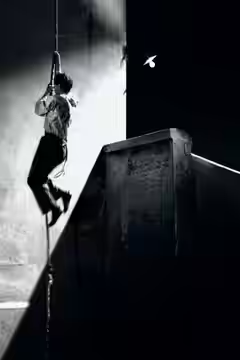
Robert Bresson’s A Man Escaped makes the practical work of getting out of prison absorbingly tense, and we would recommend it even to people who think they dislike prison films. At 101 minutes, it gives ingenuity and waiting the attention usually reserved for a confrontation. The interest lies in how a confined man learns to use what little is available to him, and how much concentration that requires. We come to care about the work because the film makes us understand its difficulty.
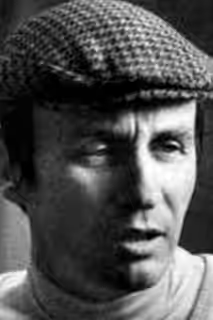
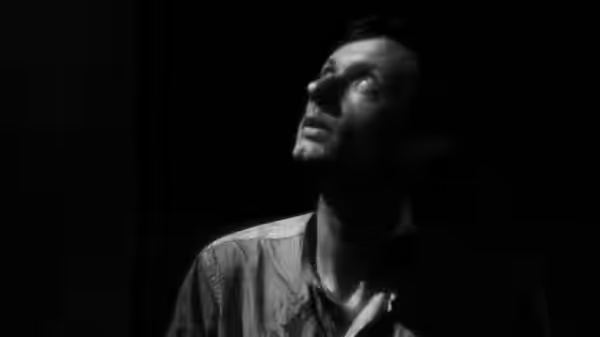
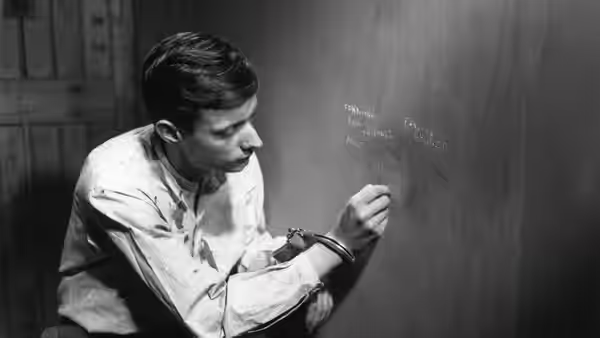
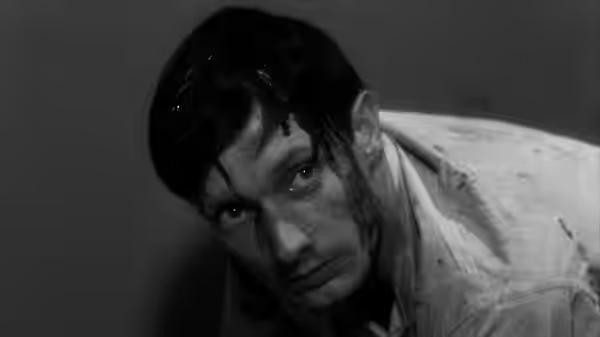
François Leterrier plays Fontaine with a restraint that suits this attention to practical matters. We do not need a display of anguish to register the strain; his concentration is enough. The performance can seem remote at first, particularly if we expect a prisoner to explain himself or make an appeal for our sympathy. Gradually, we stop asking for that and become absorbed in watching him think about what he must do next.
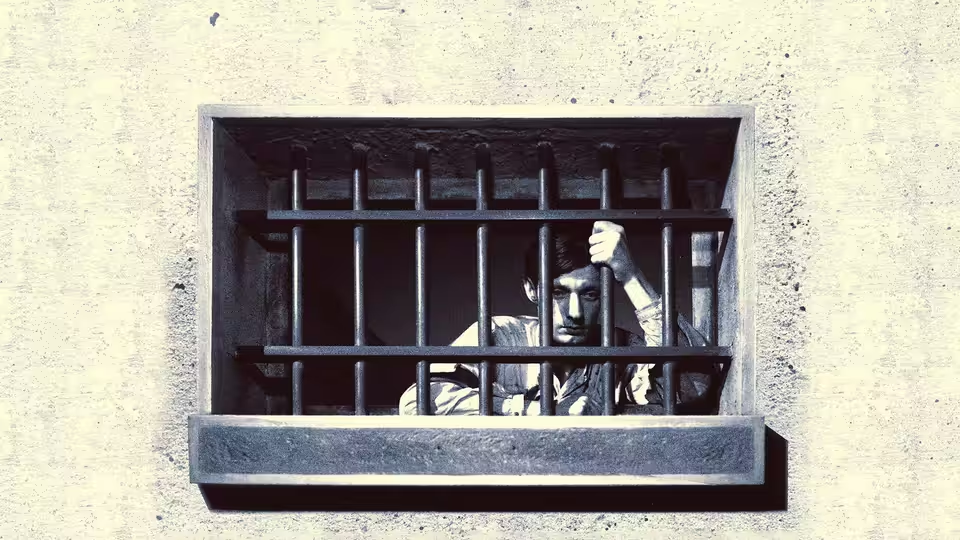
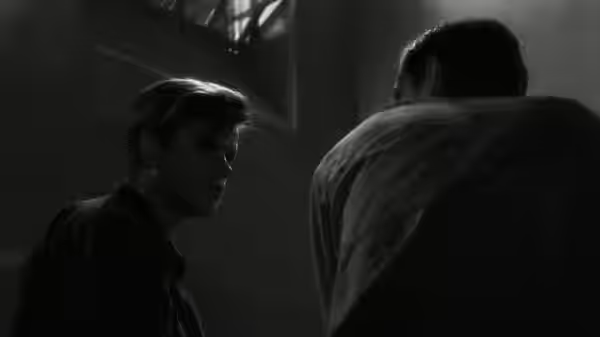
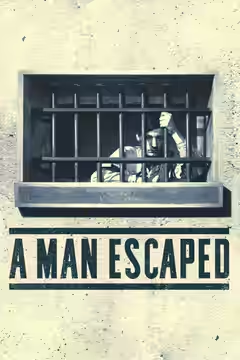
Léonce-Henri Burel’s cinematography and Pierre Charbonnier’s production design make the confinement physically convincing. The steel bars look solid and unremarkable, which is just what they need to be. The prison never becomes picturesque enough to distract us from the problem of being stuck inside it. That matters to the suspense, because the ingenuity of the preparations would count for less if the building felt like a collection of conveniently soluble problems.
We felt trapped by the sounds of incarceration. Their prominence makes it hard to relax, even when our attention wants to stay with the preparations, and that divided attention becomes exhausting. Robert Bresson makes listening feel necessary, involving us in the effort of staying alert while there is work to be done. We begin attending to what might interrupt that work, and the smallest possibility of interruption acquires an unreasonable importance.
Raymond Lamy’s editing gives the preparations enough time for their difficulty to register. Hurrying through them would lose the effort involved, and much of the anxiety comes from understanding how much patient work an interruption might undo. The use of Mozart’s music brings warmth into this restrained film without making the imprisonment feel any less severe. It allows a fuller expression of feeling than the performances generally permit, and the relief of hearing it matters.
There is a limitation to this concentration on the task. The other prisoners can feel held at a distance, and we sometimes wanted a fuller sense of them beyond their place in Fontaine’s ordeal. Anyone hoping for a broad account of prison life will find less of that here than the setting might promise. This is a real cost of the restraint, though it never weakened our concern for the preparations or our apprehension about their risks.
Within the prison-break thriller, this is an unusually patient account of the work involved. It takes ingenuity seriously enough to let us appreciate the thought and effort behind it, without needing to congratulate its central character. There is spiritual weight in that endurance too, though we need not settle its meaning before responding to the strain on screen. Give it a quiet room; this is a film we would hate to have talked over.