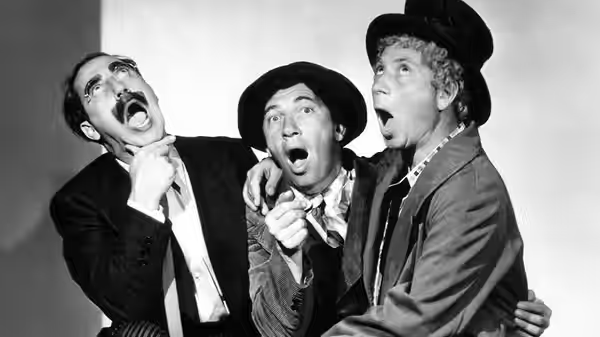
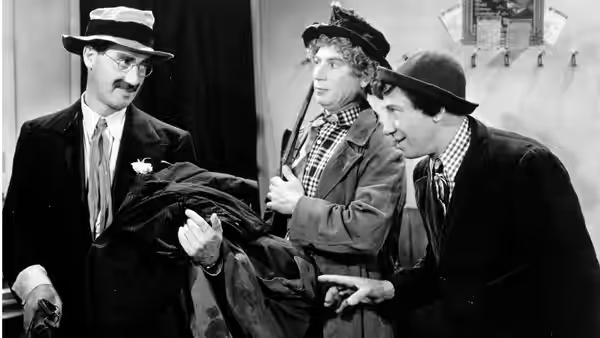
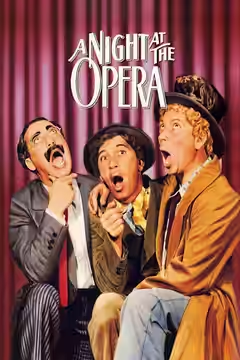
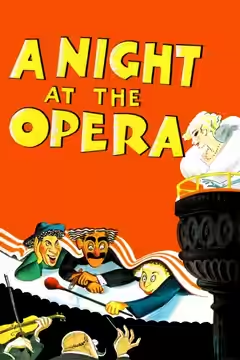
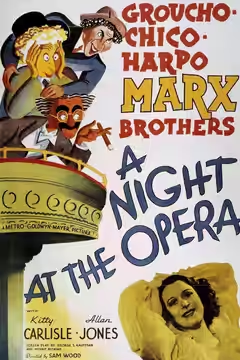
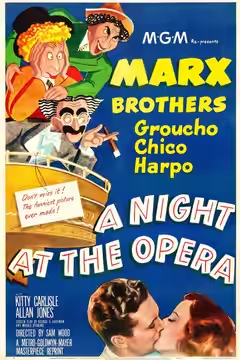
Sam Wood’s comedy earns its reputation through the contract routine, the stateroom and three performers who know how to prolong trouble. The musical pauses are less rewarding, but the laughter comfortably justifies them.
A Night at the Opera is a richly funny comedy whose musical passages sometimes make its 91 minutes feel longer than necessary. Sam Wood gives Groucho Marx, Chico Marx and Harpo Marx room to wreck the formalities, then periodically asks everyone to settle down again. The routines are patient enough to let a ridiculous idea develop beyond its first good laugh. We recommend it warmly, with a little tolerance for the interruptions.
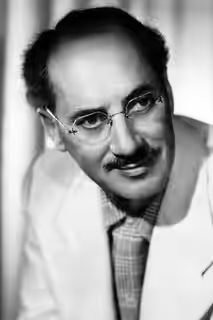
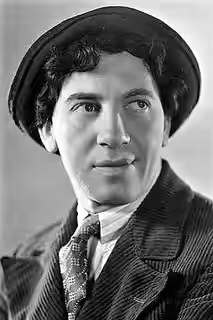
George S. Kaufman and Morrie Ryskind’s screenplay is sharpest when somebody tries to conduct a little business. The contract-tearing routine keeps finding fresh comedy in the attempt to get an agreement into an acceptable form. We laughed hardest here: the more attention the document receives, the less useful it becomes. Groucho Marx and Chico Marx make the exchanges sound like a conversation neither man has any intention of ending sensibly, and each objection has time to register before the next arrives.
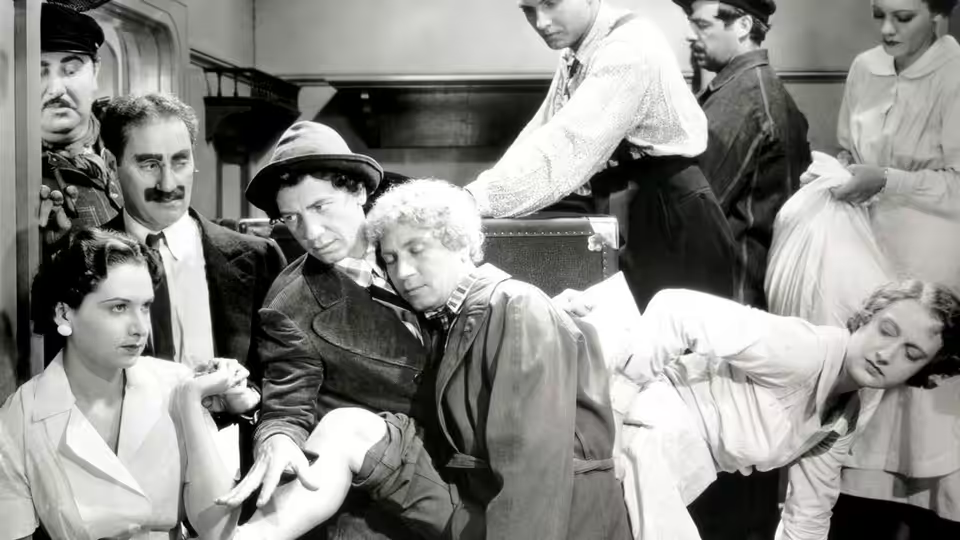
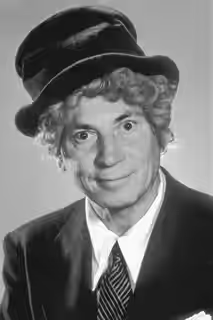
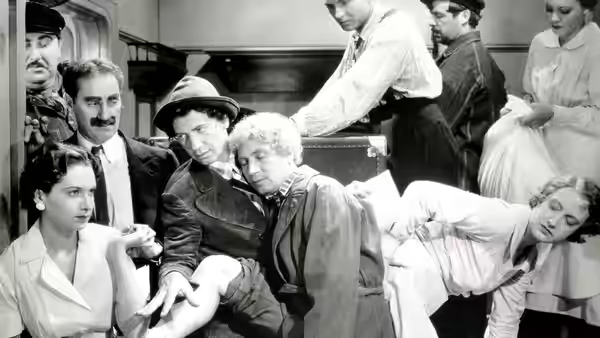
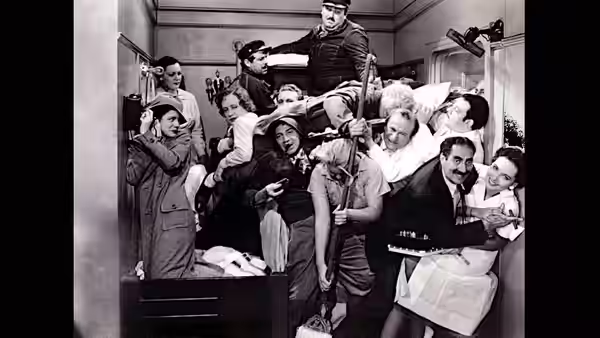
The stateroom sequence works by different means, giving Harpo Marx’s physical comedy a setting that seems designed to resist it. Merritt B. Gerstad’s photography keeps the confined space readable, so that the eye can follow the disturbance rather than merely accept that something frantic is happening. William LeVanway’s editing preserves the accumulation of the joke. We need to feel the routine growing, and the film gives us that time instead of trying to manufacture excitement with constant changes of view.
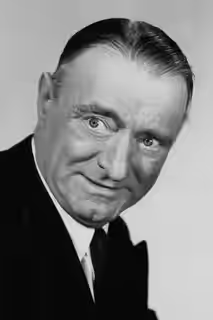
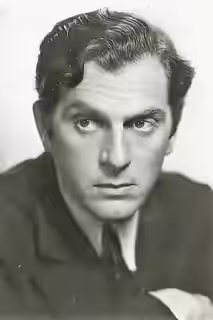
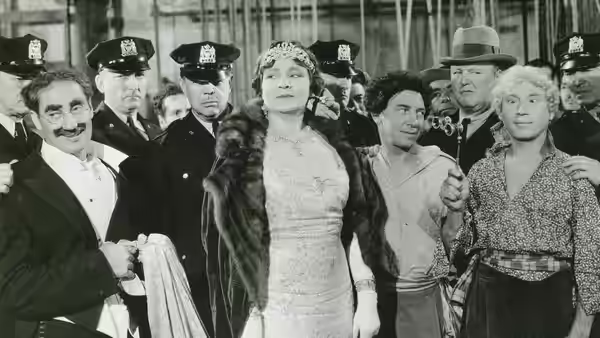
Margaret Dumont, as Mrs. Claypool, is essential to the tone. She gives Groucho Marx something firmer to work against than an obliging smile; his lines are funnier because she does not behave as though she has been hired to enjoy them. Sig Ruman’s Gottlieb and Walter Woolf King’s Lassparri also help give the disorder something to push against. The film needs people who take proceedings seriously. Dolly Tree’s costumes reinforce the ceremony, giving the comic interruptions a suitably dressed company to offend.
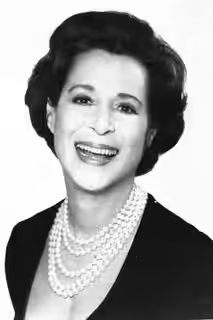
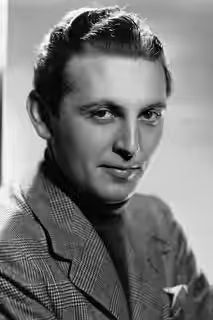
The reservations concern the stretches that ask us to settle down and enjoy the music. Herbert Stothart’s musical contribution gives the film polish, and Kitty Carlisle and Allan Jones are assured performers, but the change of pace repeatedly costs it comic momentum. The music deserves a place; some of the time given to it feels less easily justified. We began waiting for the comedians to get back to work.
A comedy this dependent on individual routines risks feeling like a collection of turns, and there are stretches when the joins show. Yet Sam Wood generally knows when to stand back, allowing the performers’ different speeds and methods to hold our attention without dressing every exchange up as an event. The verbal jokes need close listening, while the physical comedy remains easy to follow. That balance helps the film recover whenever the pace slackens.
That unevenness is worth accepting, though we would not pretend every passage earns its place. There is considerable pleasure in watching skilled comedians pursue a ridiculous idea longer and more patiently than seems sensible. Watch it in company, and resist the temptation to repeat a line while the next one is arriving.