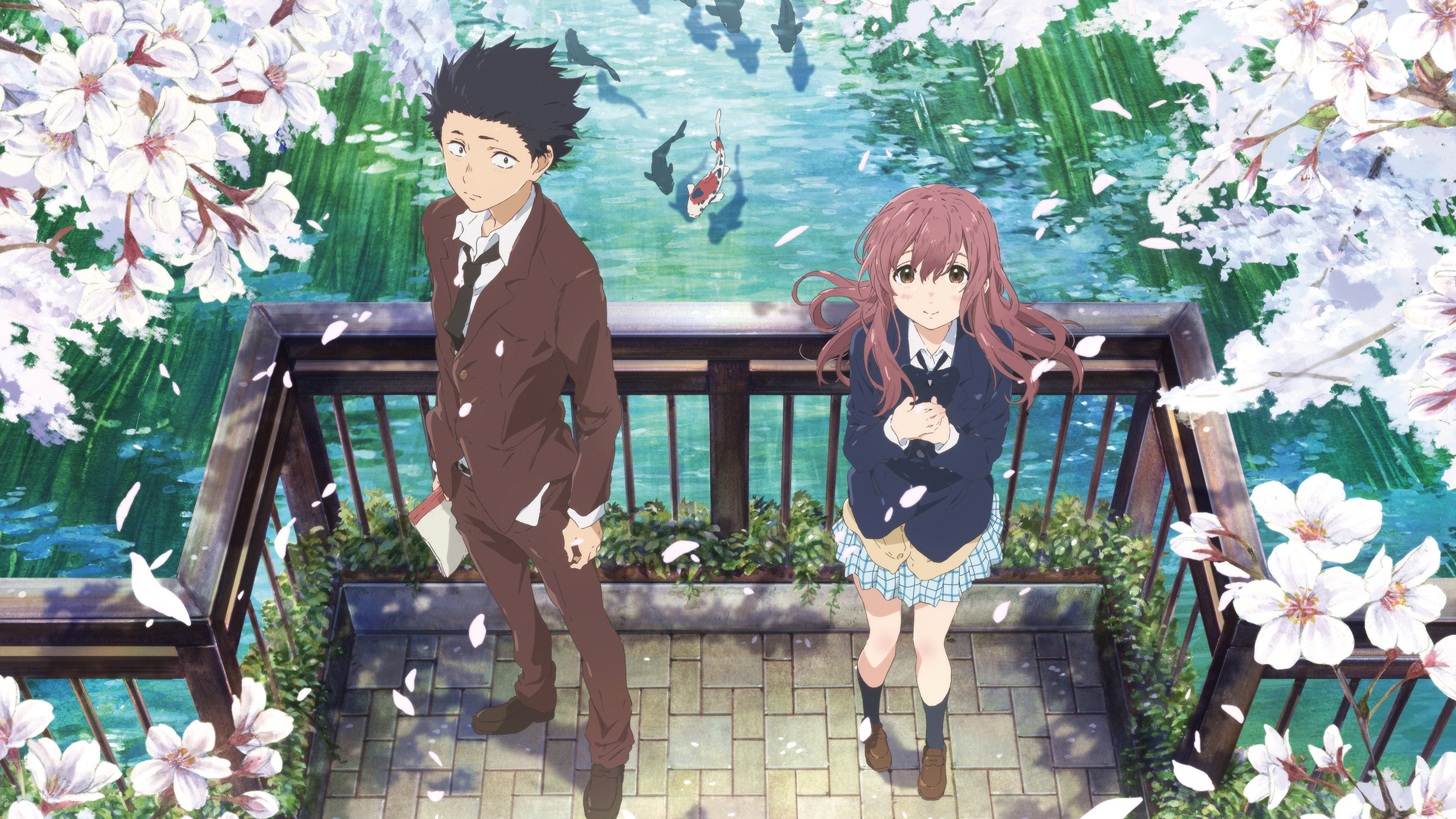
Film review

A Silent Voice: The Movie

2016 · Directed by Naoko Yamada · 2h 09m · MPA NR

In a sentenceA school bully discovers that an apology is going to take considerably longer than he hoped

AnimationDramaRomance

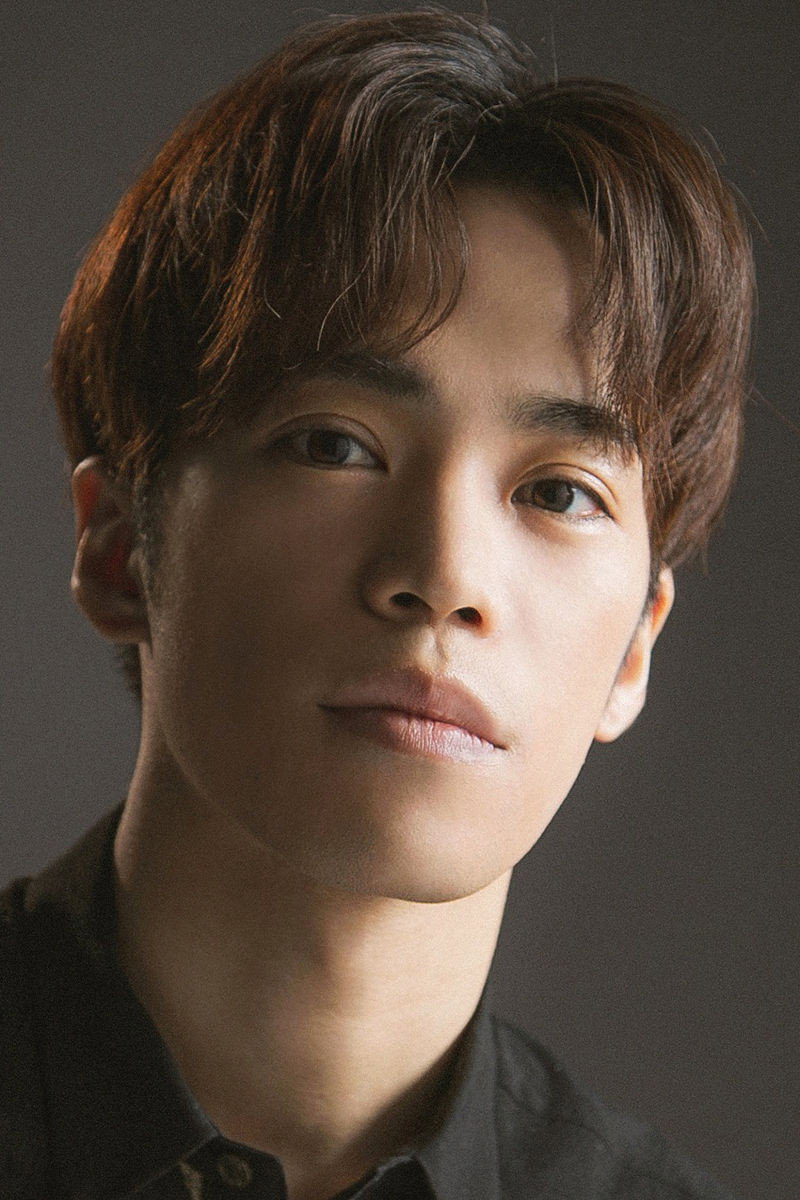
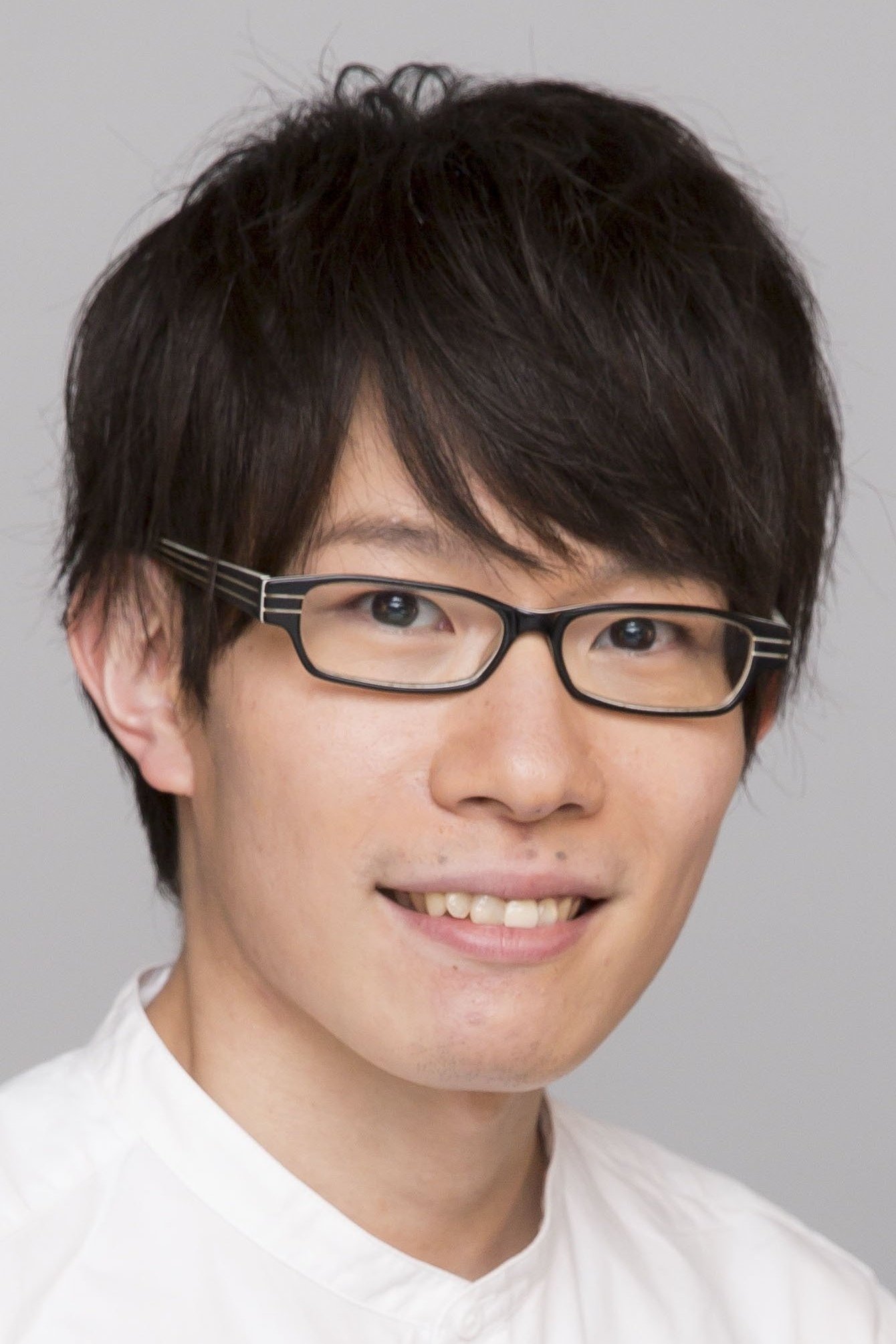
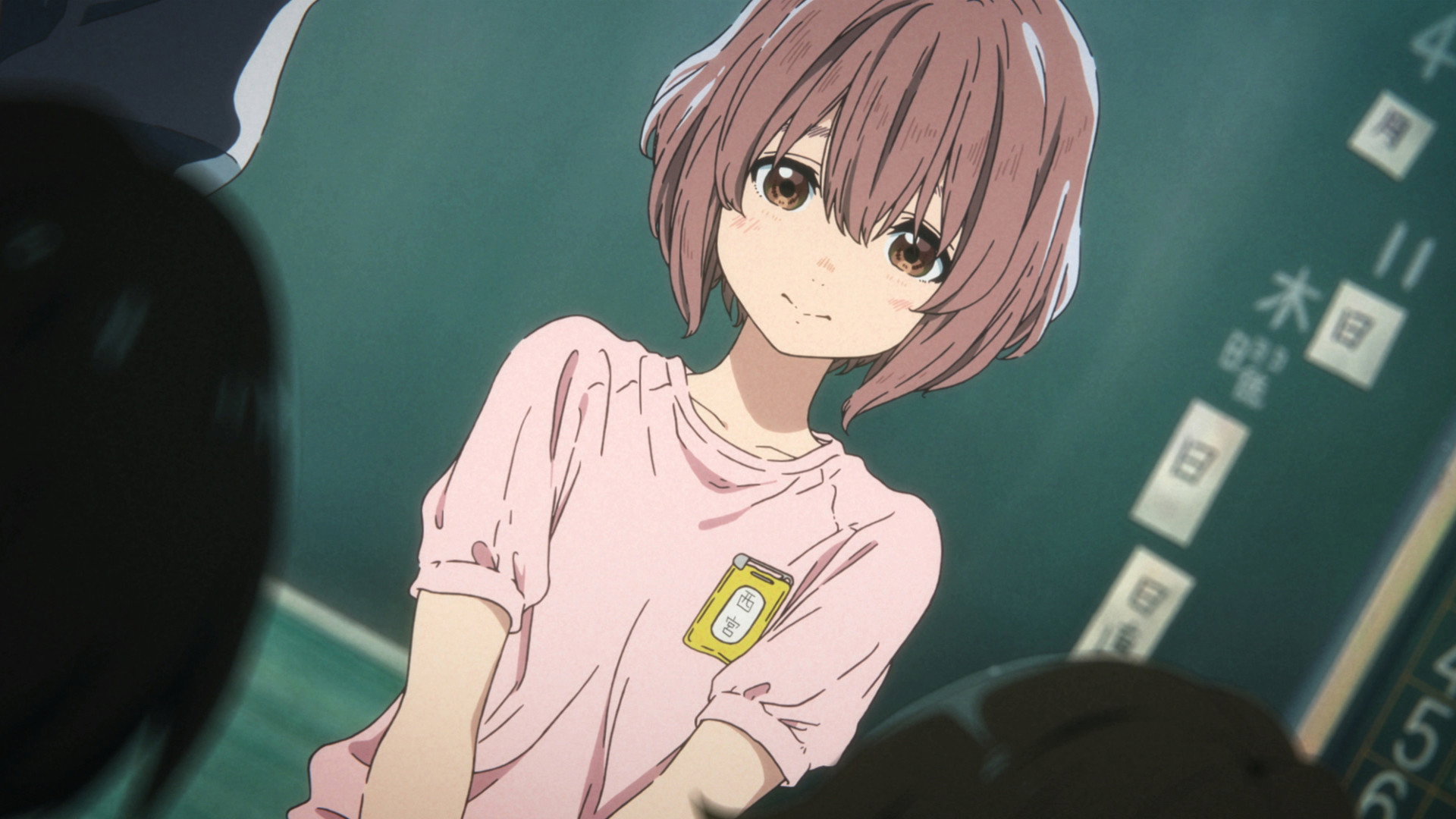
Shouya Ishida seeks forgiveness from Shouko Nishimiya, the deaf classmate he bullied as a child. As teenagers, they face the effects of that cruelty on their relationship and on the people around them. School friendships, shifting loyalties and the need to be accepted complicate his attempt to make amends. Shouya has to confront his own self-loathing as he tries to understand the harm he caused. Directed by Naoko Yamada, this animated drama features Miyu Irino as the voice of Shouya and Saori Hayami as Shouko.

Plays from YouTube when you press play; nothing loads from them until then.

Fi1m review

Naoko Yamada’s animated drama takes a school bully’s remorse seriously without letting him off easily. We recommend it for its tenderness and close attention to adolescent behaviour, with patience required for an overcrowded middle.

A Silent Voice asks how much attention we owe a boy who has made another child’s life miserable. Naoko Yamada’s animated school drama follows Shouya Ishida as he seeks forgiveness from Shouko Nishimiya, the deaf classmate he bullied. It is a patient, moving film, well worth the evening, though the crowded middle would benefit from a firmer cut. Its hardest task is to make us care about Shouya without making his unhappiness an excuse.

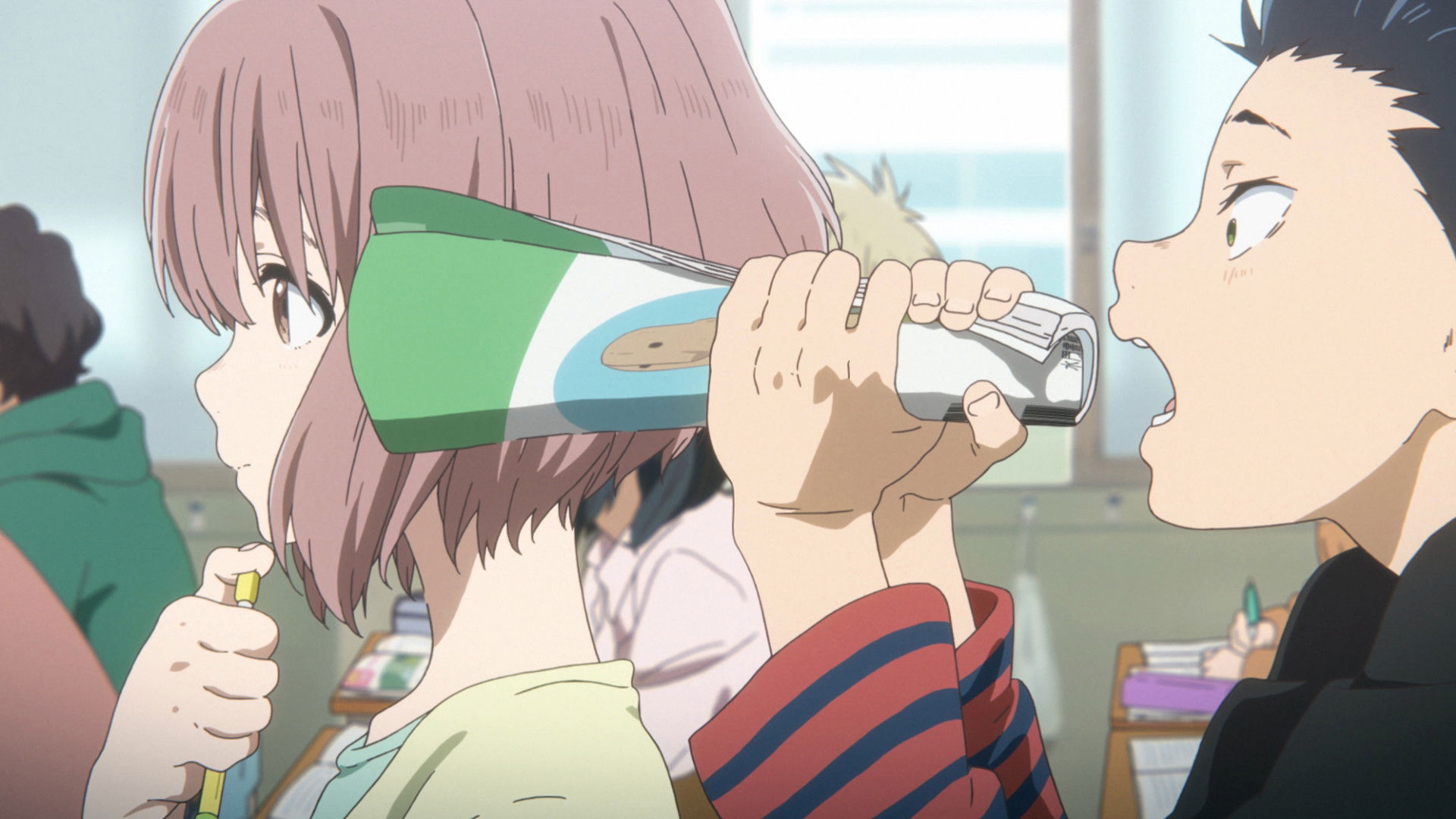
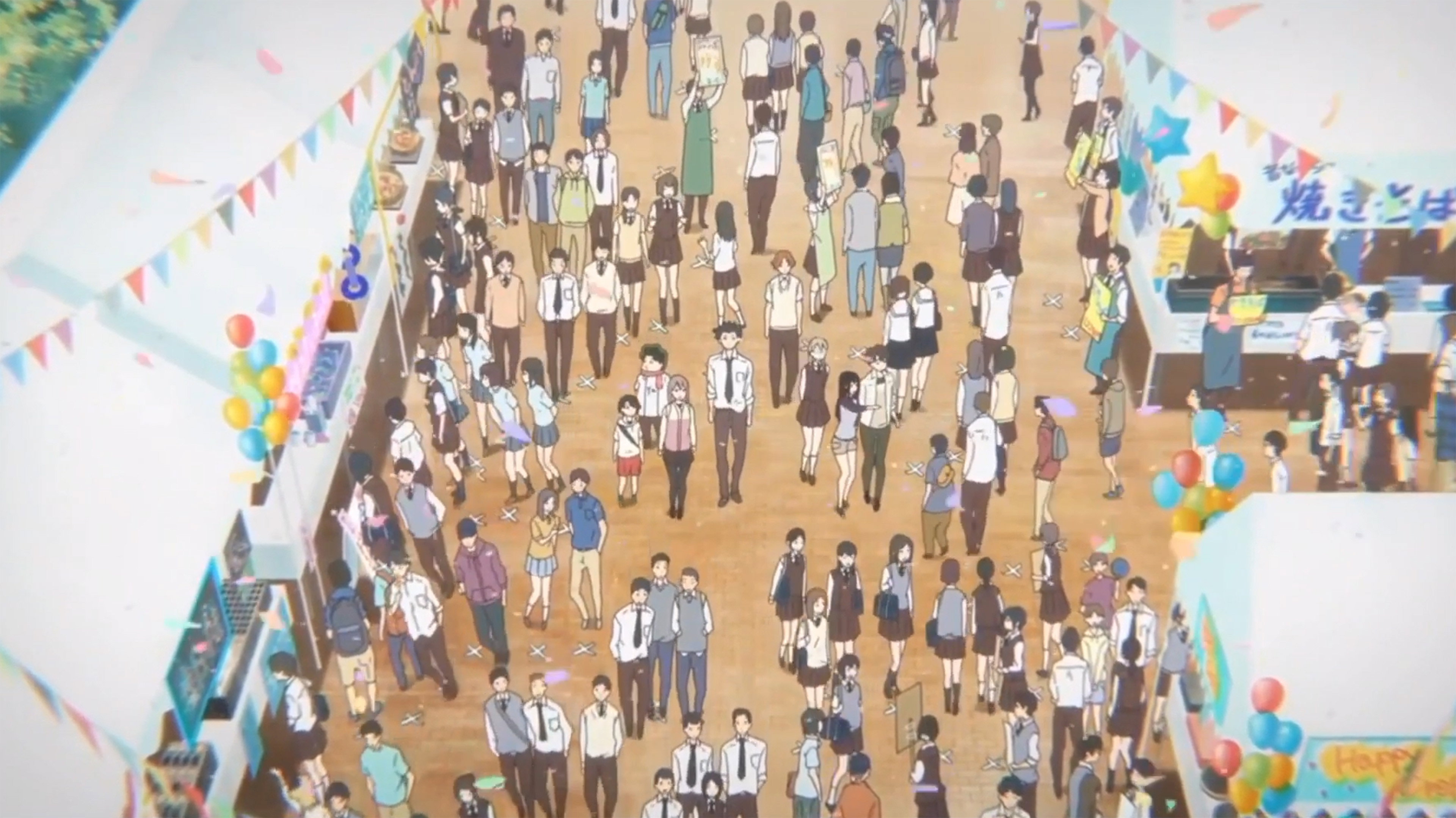
The childhood bullying establishes why a simple apology cannot settle things. Yamada watches the relationships around the two children as closely as the cruelty itself, paying attention to the way school life makes other people’s opinions feel inescapable. We found the bullying hard to watch: the small expressions and awkward gestures keep the distress specific to the child enduring it. There is room for humour in these young people’s company, too. That helps them seem like people with lives beyond the worst things they have done or endured.

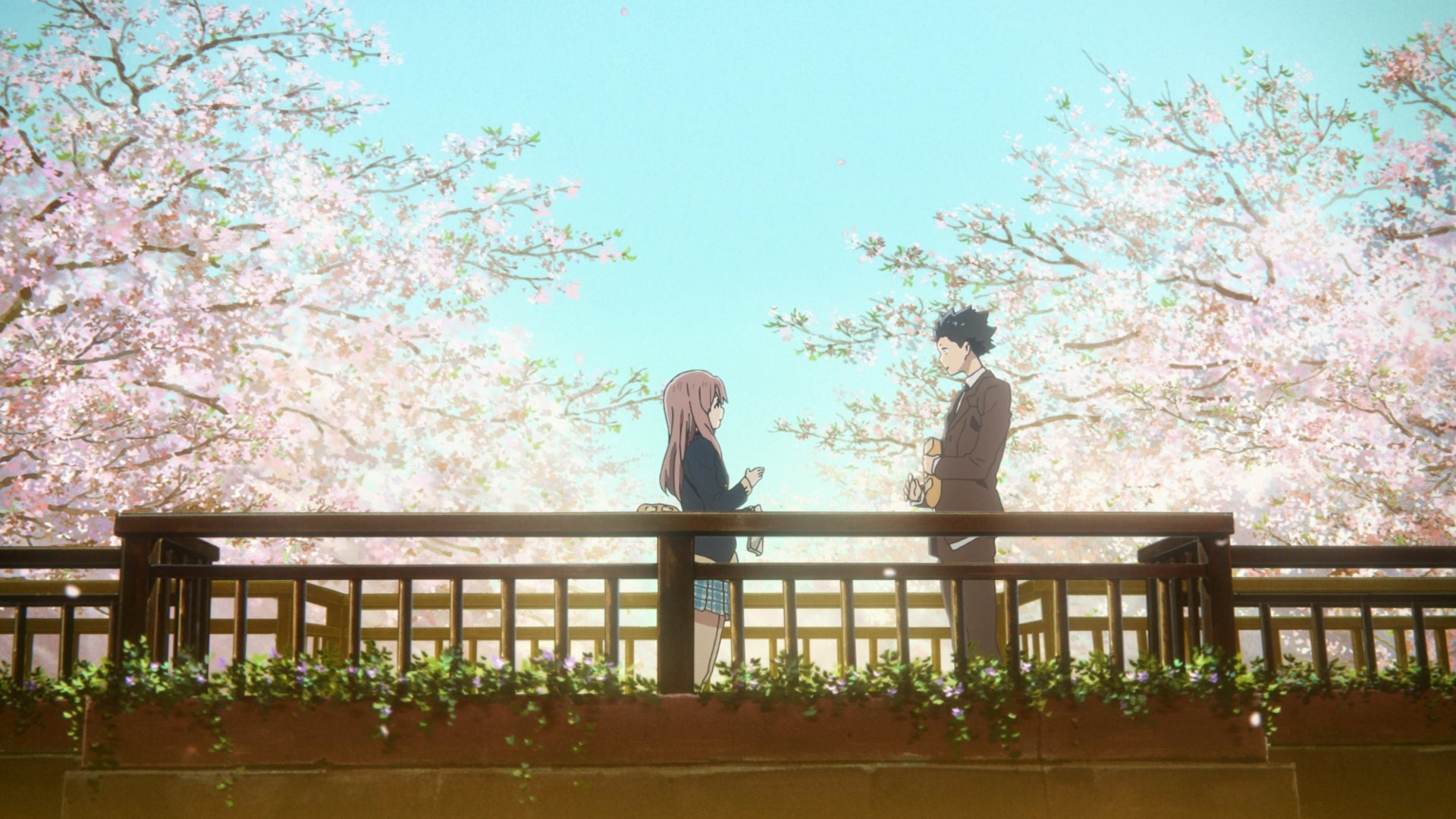
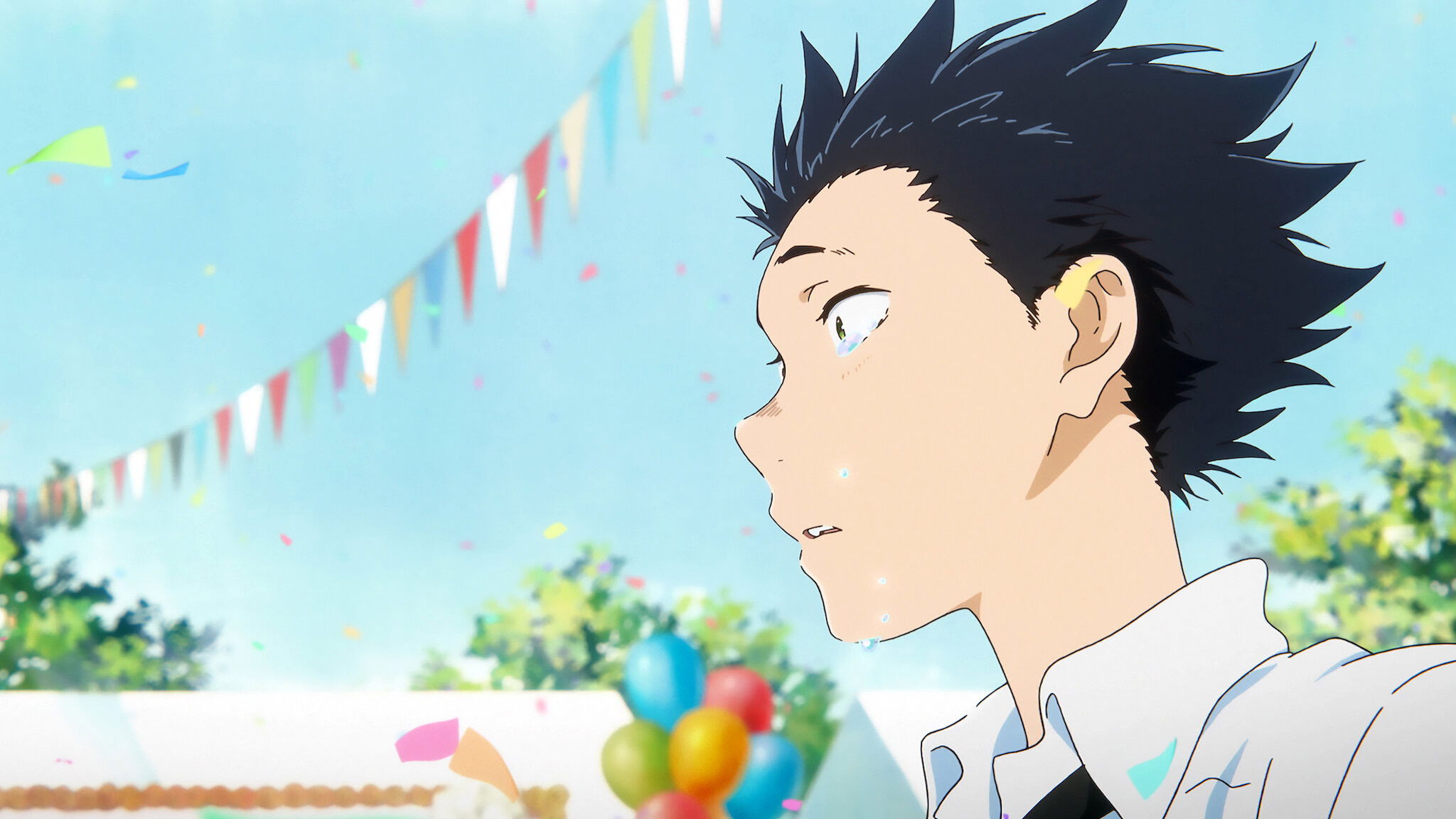
Cinematographer Kazuya Takao’s framing is particularly good at finding somewhere other than a face to look for a feeling. Details such as bruised knees matter here, and the off-centre compositions make an ordinary school encounter feel difficult. Yamada’s use of expressions and gestures rewards looking closely; the animation does not need a grand setting to hold our attention. The softness of the images also makes sense in a story where the memory of childhood cruelty keeps interfering with the present.

Kensuke Ushio’s music contributes to the film’s attention to feelings the characters cannot comfortably express, and the careful use of sound helps establish the distance between its two leads. The trouble comes when there are too many other relationships asking for equal attention. Reiko Yoshida’s screenplay has plenty of interest in the surrounding school politics, but some of those detours interrupt the more absorbing business between Shouya and Shouko. Kengo Shigemura’s editing does not quite solve that problem. At 129 minutes, the film has stretches where we are waiting for it to return to the people who matter most.

Miyu Irino’s Shouya is difficult company, as he ought to be. The boy’s self-loathing is treated seriously, and Yamada resists making regret an achievement for which he deserves immediate credit. Saori Hayami’s Shouko needs more room than Yoshida’s screenplay always gives her. Looking at bullying through the bully’s eyes brings a useful discomfort, but it also risks making the person he hurt chiefly important as someone who might forgive him. That imbalance occasionally weakens otherwise sensitive work.

Within the school drama, Yamada finds plenty worth taking seriously in behaviour that adults might dismiss as adolescent fuss. Being liked can seem urgent enough to make ordinary decency negotiable, and the shifting relationships give that pressure force. Shouya can recognise what he has done and still struggle to know how to behave around Shouko. That makes the slower, uncomfortable exchanges worth staying with, even when the surrounding story becomes busy. Give it an evening when nobody is expecting a light school romance.
Critical consensus AI synthesised

78
Positive
10
Mixed
1
Negative
0

Most critics respond warmly to A Silent Voice, praising its emotionally direct treatment of bullying, guilt and the difficulty of seeking forgiveness. Praise clusters around Naoko Yamada’s direction and animation that conveys distress through small gestures, expressions and carefully chosen details. The reviews value its attention to teenage social life and the lasting harm experienced by both victims and perpetrators, with several finding its treatment of regret unusually honest and affecting.

Reservations centre on pacing and how much story the film tries to accommodate. Some critics find the middle section loose or identify shortcomings in perspective; The Hollywood Reporter describes an ambitious but overstuffed adaptation while praising its precise visual and sonic detail. The spread is fairly narrow, with ten positive responses and one mixed. The Guardian offers the most restrained assessment, though it still appreciates the film’s emotional warmth and evocative framing.

Variety
13 June 2017 · festival review · Maggie Lee
85*

The review highlights the film's beguiling animation and fresh take on school bullying from the bully's perspective, praising its emotional depth and visual style, though noting some narrative tightening needed in the midsection.

Read the full review →
Little White Lies
15 March 2017 · 3/4/4 · Michael Leader
80

The critic calls it a quietly affecting coming-of-ager that broadens the definition of anime in the UK with its emotional, slice-of-life melodrama. They single out the film's awkward, off-centre animation style and its impact despite some narrative and perspective shortcomings.

Read the full review →
Los Angeles Times
19 October 2017 · Charles Solomon
80*

The critic praises the film's unflinching depiction of bullying and its honest exploration of atonement and regret, while noting some pacing issues in its long runtime. It stands out for its emotional depth compared to typical American animated features.

Read the full review →
Radio Times
★★★★ · Trevor Johnston
80

The critic views it as a cultural breakthrough for its positive portrayal of a deaf student and insights into bullying, self-esteem and despair. They single out female director Naoko Yamada's direction full of unexpected turns and images suggesting a fresh way of looking at the world.

Read the full review →
The Telegraph
18 March 2017 · ★★★★ · Robbie Collin
80

It is an intricate, romantic and jewel-bright high-school melodrama about the changing relationship between a deaf teenage girl and the boy who bullied her. The critic highlights its account of teenage politics and notes it as a rarity steered by three women.

Read the full review →
Time Out
6 March 2017 · ★★★★ · Trevor Johnston
80

The critic praises this insightful Japanese animated high-school drama as standing alongside the best of Studio Ghibli, highlighting its challenging take on bullying, guilt and redemption. They single out director Naoko Yamada's distinctive creative direction and fresh worldview.

Read the full review →

Cast

Stills

Awards

Annecy Cristal for a Feature Film, 2017

Nominated
Annecy Cristal for a Feature Film

If you liked this, try…

My Life as a Courgette poster

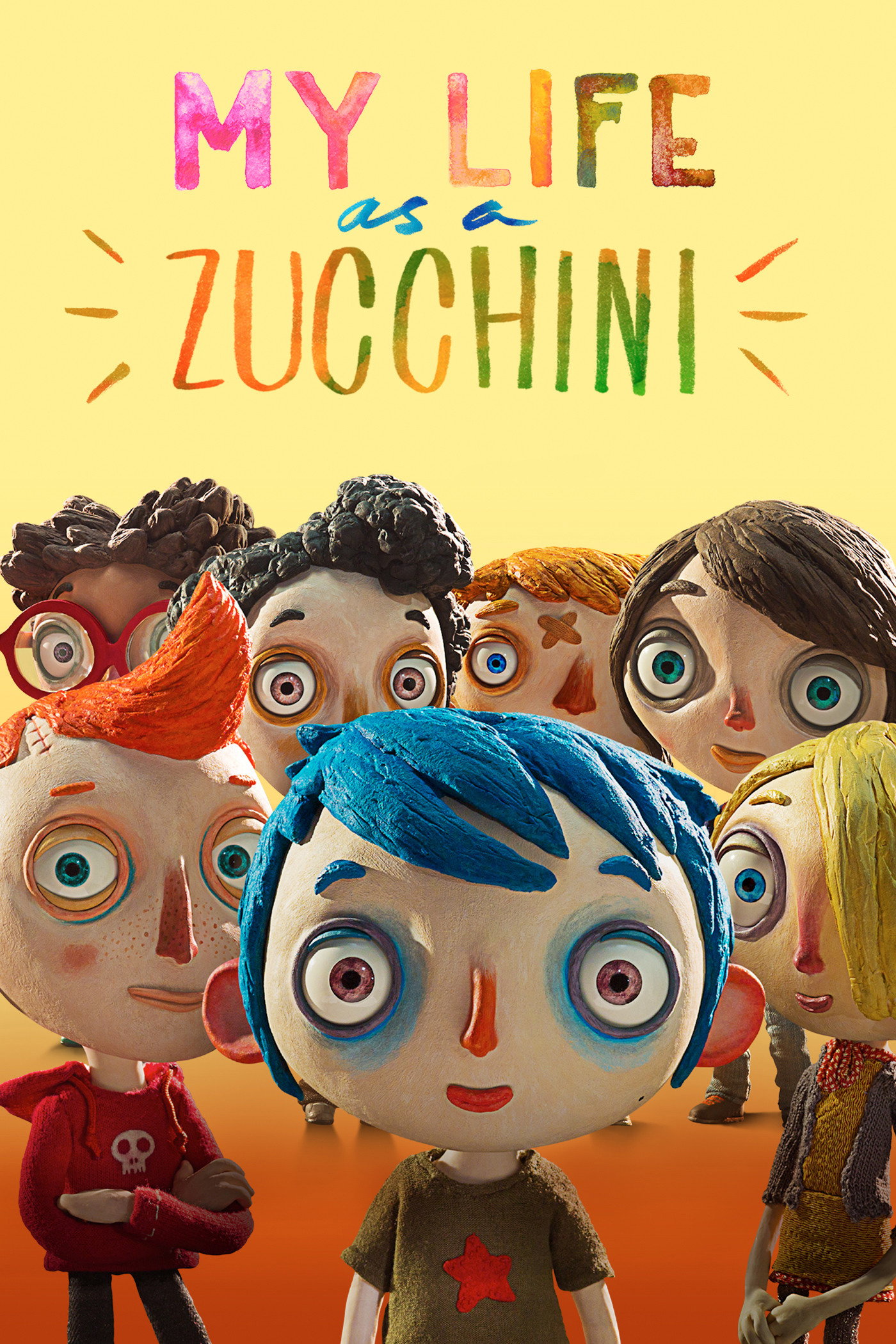
My Life as a Courgette

2016 · For another animated account of hurt children learning to trust.

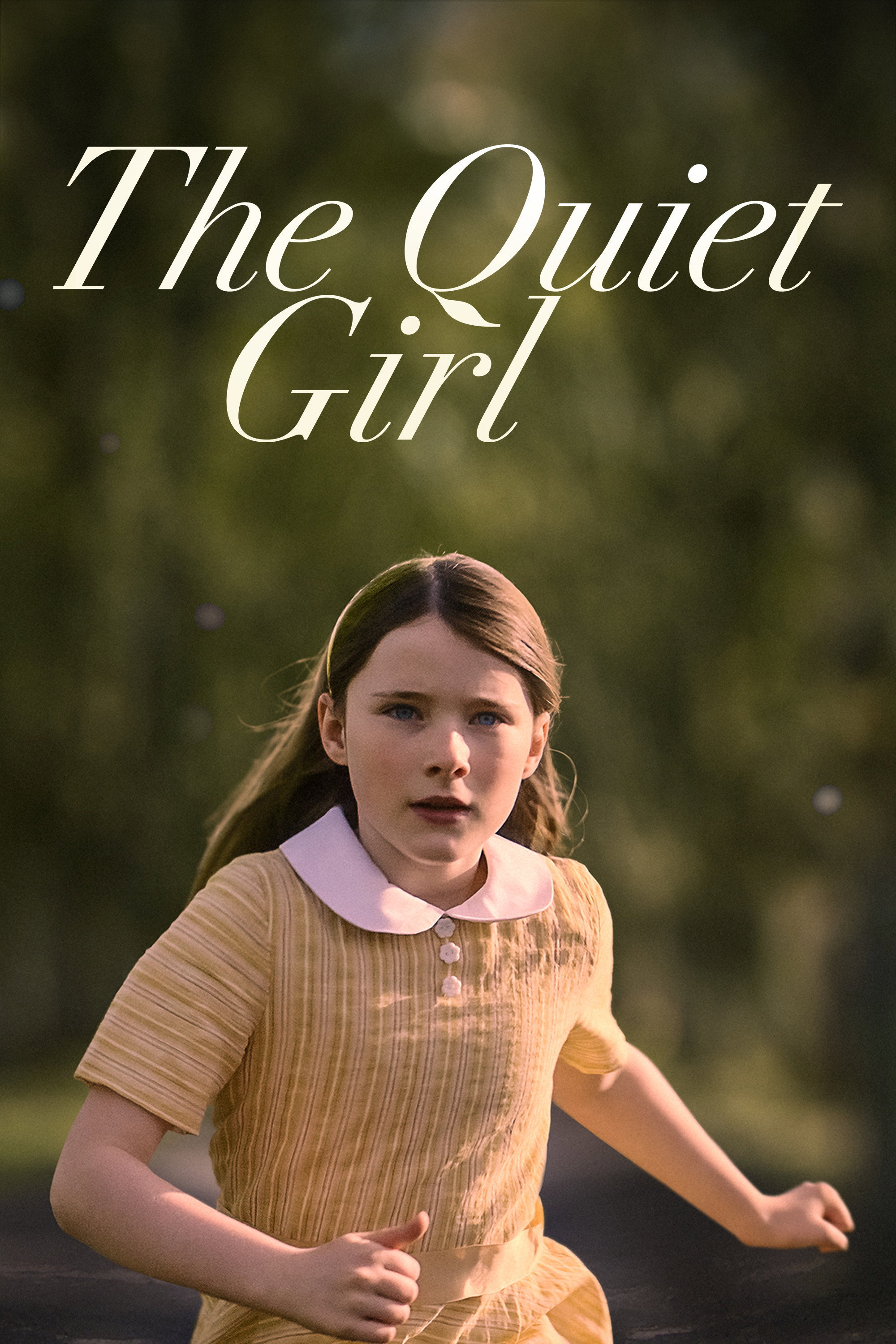
The Quiet Girl poster

The Quiet Girl

2022 · A withdrawn child’s small gestures receive the attention they deserve.

Mary and Max poster80

Mary and Max

2009 · Animation gives loneliness and an awkward friendship time to develop.

The Class poster

The Class

2008 · A classroom drama alert to how quickly authority becomes humiliation.

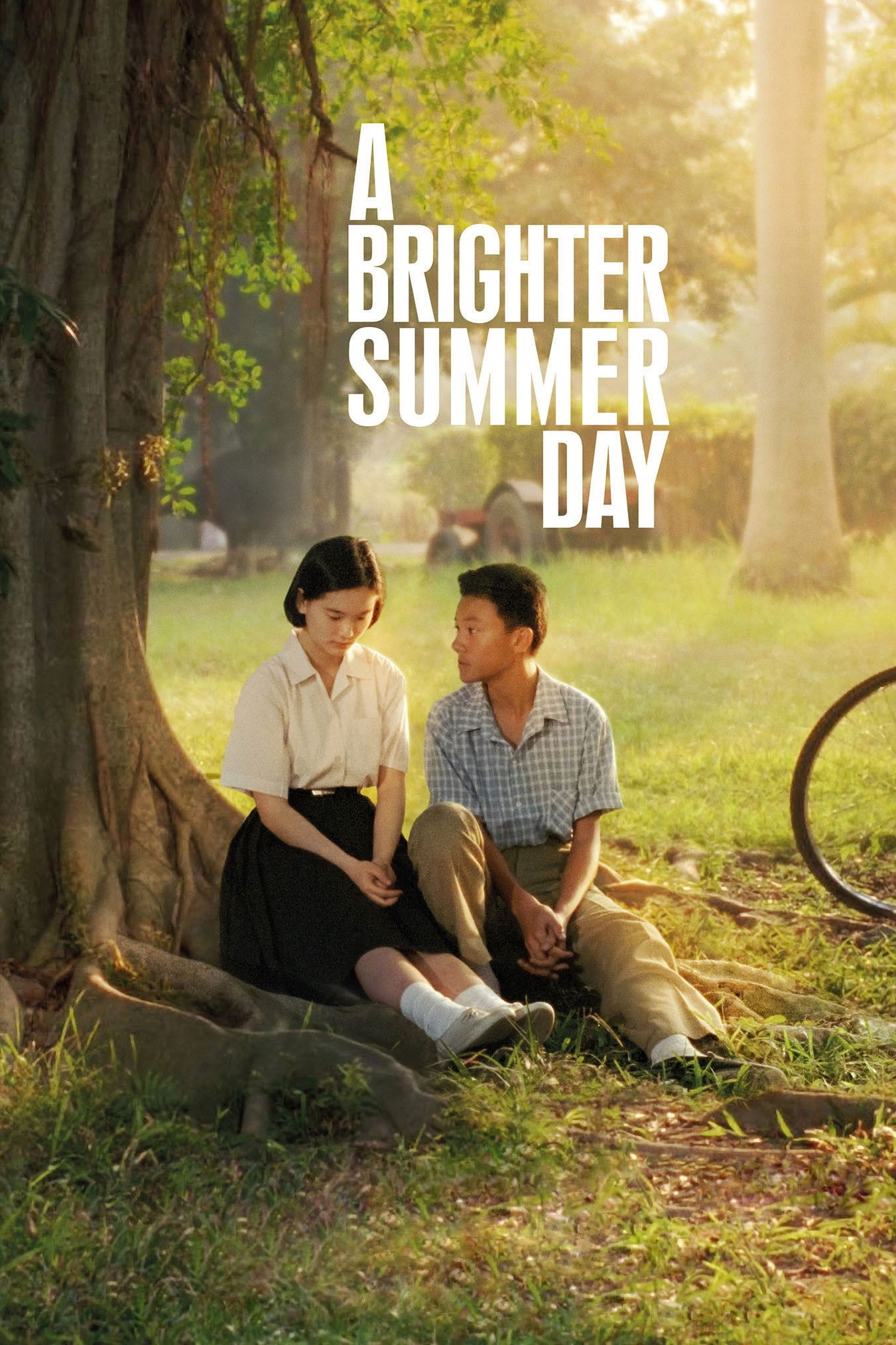
A Brighter Summer Day poster

A Brighter Summer Day

1991 · School friendships become dangerous in a demanding, patient account of adolescence.