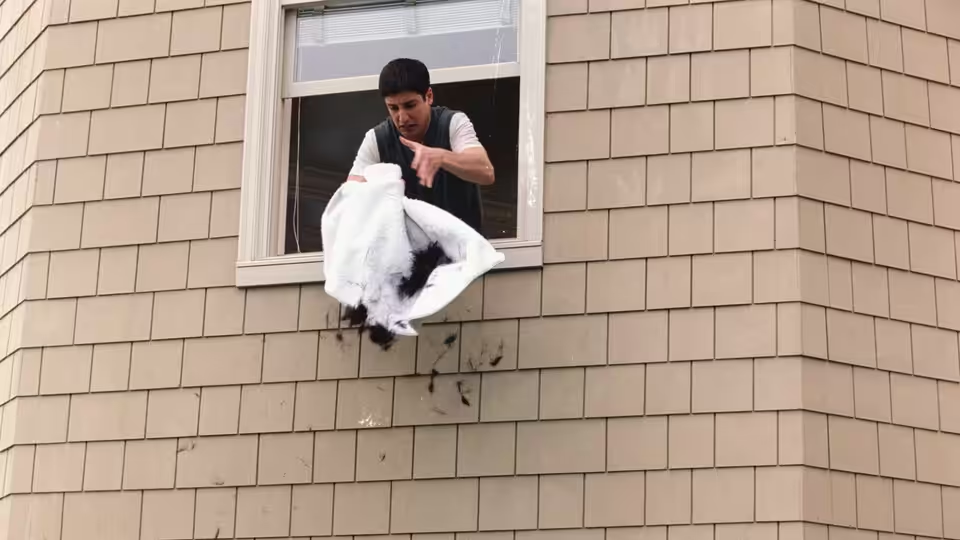
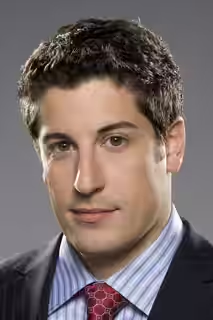
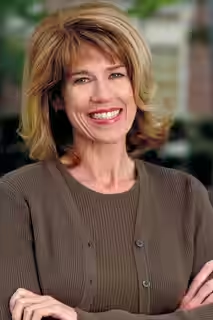
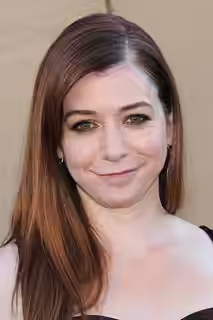
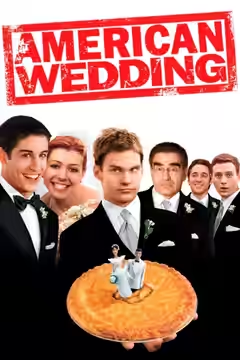
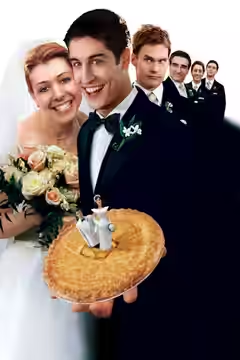
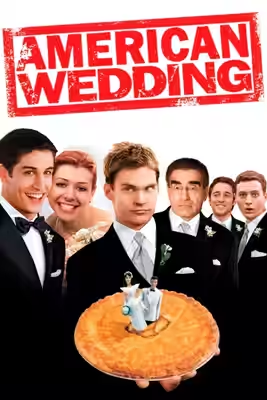
Eugene Levy supplies the warmth and Seann William Scott supplies more noise than the occasion needs. American Wedding has a few good laughs, but its tired humiliations make for a long reception.
American Wedding wants to let its characters grow up while keeping the sexual humiliations coming. Jesse Dylan directs Adam Herz’s screenplay as an amiable gathering repeatedly interrupted by somebody demanding a bigger laugh. We get a few, though not enough to justify spending an evening with them. The difficulty is that the film keeps asking us to care about these people, then reduces them to whatever embarrassing function the next joke requires.
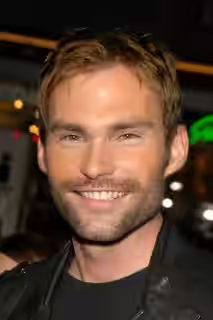
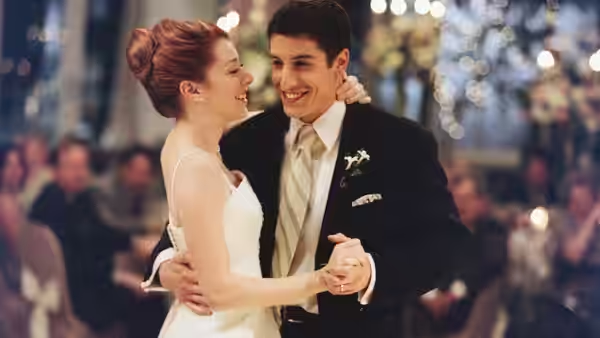
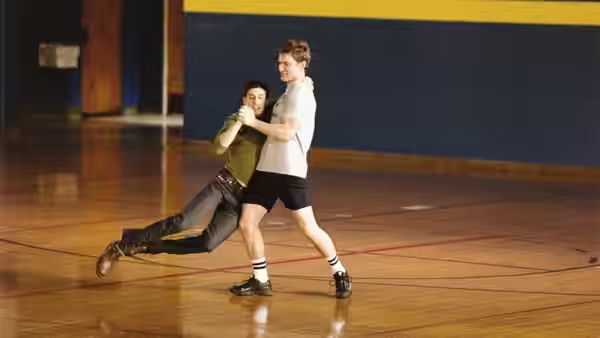
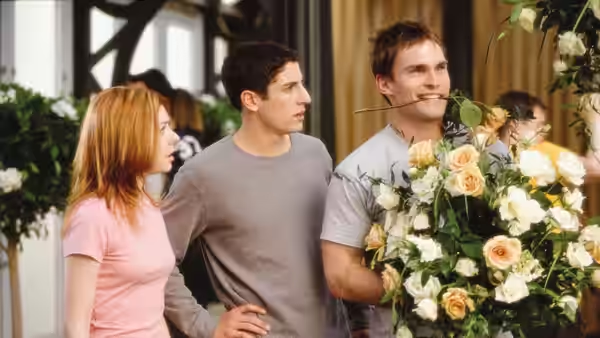
Jason Biggs and Alyson Hannigan give Jim Levenstein and Michelle Flaherty enough goodwill to make the wedding a plausible occasion for affection. Yet the couple too often feel like hosts obliged to stand aside while a guest takes over their party. Seann William Scott’s Steve Stifler gets the attention, and the performance has the physical commitment the material needs. The balance is poor: a character who can enliven a scene becomes exhausting when so much of the film depends on him.
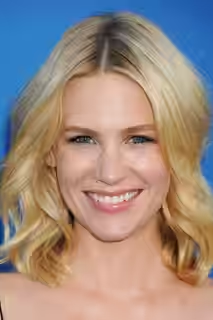
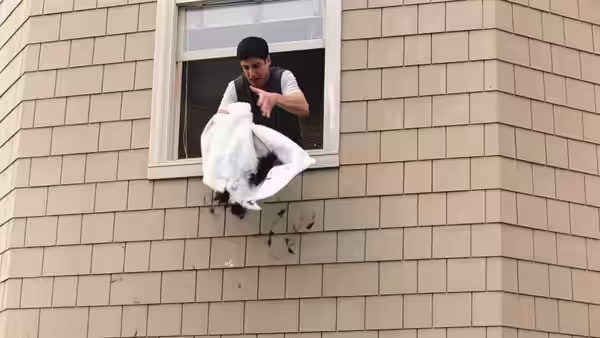
We laughed at Stifler trying to impress Cadence Flaherty, played by January Jones, because his struggle to appear acceptable gives the vulgarity a purpose. Seann William Scott is funny when we can see the effort involved in holding his character back. Too often, Adam Herz simply lets him carry on, as though persistence were enough to keep a joke alive. That also leaves the surrounding cast with too little to do once his antics have taken over.
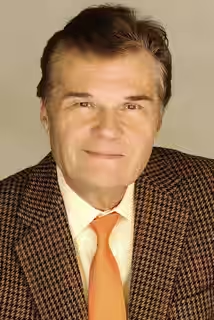
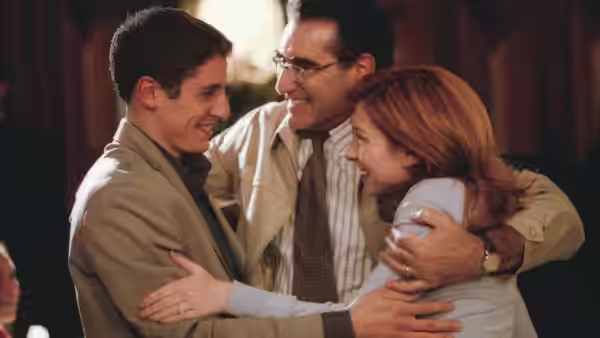
Eugene Levy, as Jim’s Dad, is more rewarding company. His warmth makes the parental concern worth something, and we never feel that the performance is asking us to despise Jim for being awkward. Fred Willard, playing Harold Flaherty, brings welcome comic assurance to material that needs the help. Neither can fix the screenplay, but they make its affection seem less like a compulsory pause between crude jokes, which matters in a film asking us to take a wedding seriously.
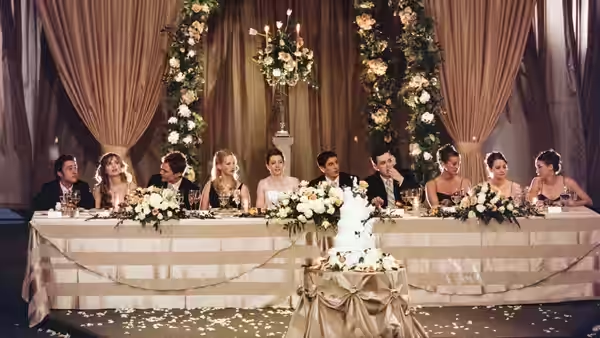
Lloyd Ahern II’s cinematography is serviceable, and Clayton Hartley’s production design gives the farce a respectable setting to disrupt. That contrast does useful work, although there is little visual wit to sustain a scene once the writing runs short. Stuart H. Pappé’s editing cannot make repetition feel like escalation, and the larger comic passages often outstay their supply of surprises. The performers have to do most of the work, with diminishing returns when a scene depends on Stifler alone.
Christophe Beck’s music supports the sweeter passages, but the shifts between affection and humiliation still feel abrupt. There is nothing inherently wrong with a romantic comedy being coarse; embarrassment can tell us plenty about what people want and how badly they want it. Here, too much of the gross-out humour merely delays the next attempt at tenderness. The jokes have become familiar without becoming better timed, and the romance has to keep starting again.
By the standards of this sort of wedding farce, the cast is capable and the comic complications are thin. At 103 minutes, there is more space than Adam Herz has fresh material to fill, even allowing for the occasional welcome burst of silliness. Existing affection for these characters may help, but we found it increasingly hard to share their enthusiasm for the occasion. Come for Eugene Levy, if that is enough; do not expect the other guests to know when to leave.