Mike Newell and Richard Curtis make a warm, sharply timed comedy out of ceremonial embarrassment. Hugh Grant and the supporting cast are a pleasure, though the central romance never quite earns the attention it receives.
Four Weddings and a Funeral is a funny, affectionate comedy whose friends are more persuasive than its lovers. Richard Curtis builds the story around weddings and a funeral, leaving the group to reveal itself through occasions when everyone is expected to behave. Mike Newell understands how much embarrassment that expectation can produce, especially when the best man cannot manage the rings. The pleasure lies in how quickly these people begin to feel familiar, despite the rather restricted circumstances in which we meet them.
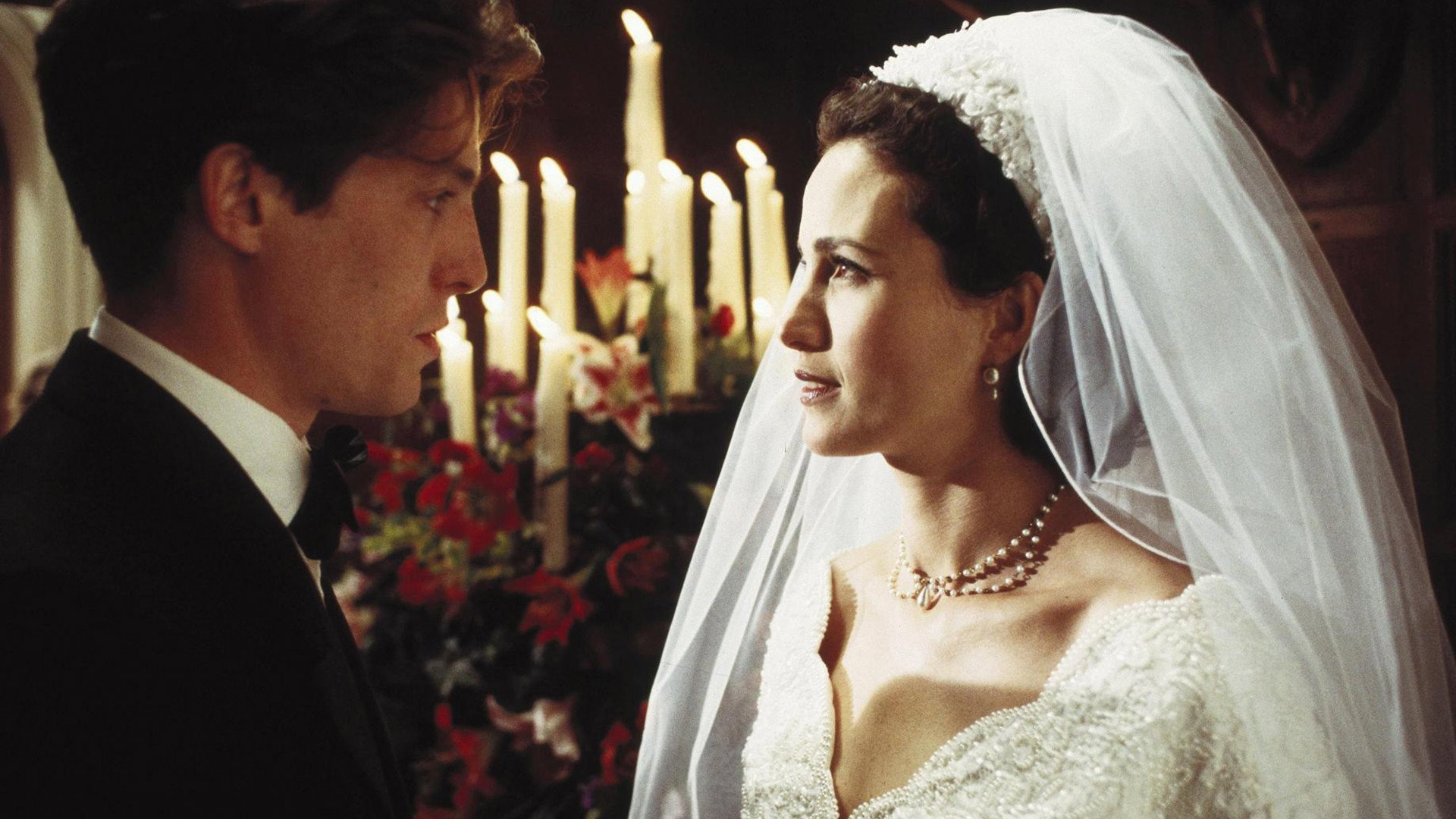
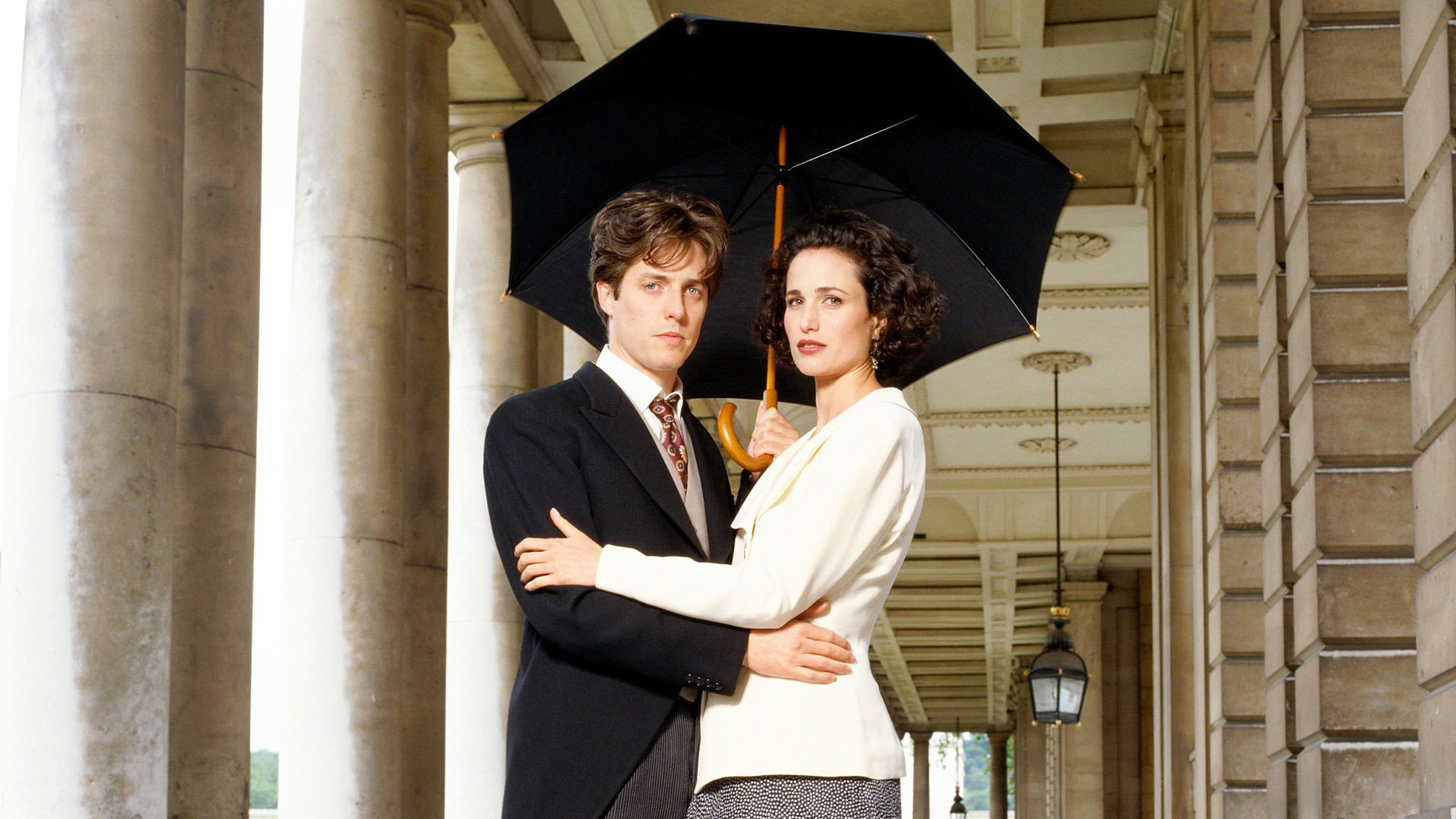
Hugh Grant’s Charles is particularly good company when he is being a poor best man. We laughed at him forgetting the rings, because Grant makes the embarrassment look harder to bear than the practical problem. He lets a hesitation last just long enough for us to see Charles searching for a respectable way out of looking foolish. Curtis supplies the predicament, but Grant’s timing keeps it from feeling like a sketch pasted into a romance.
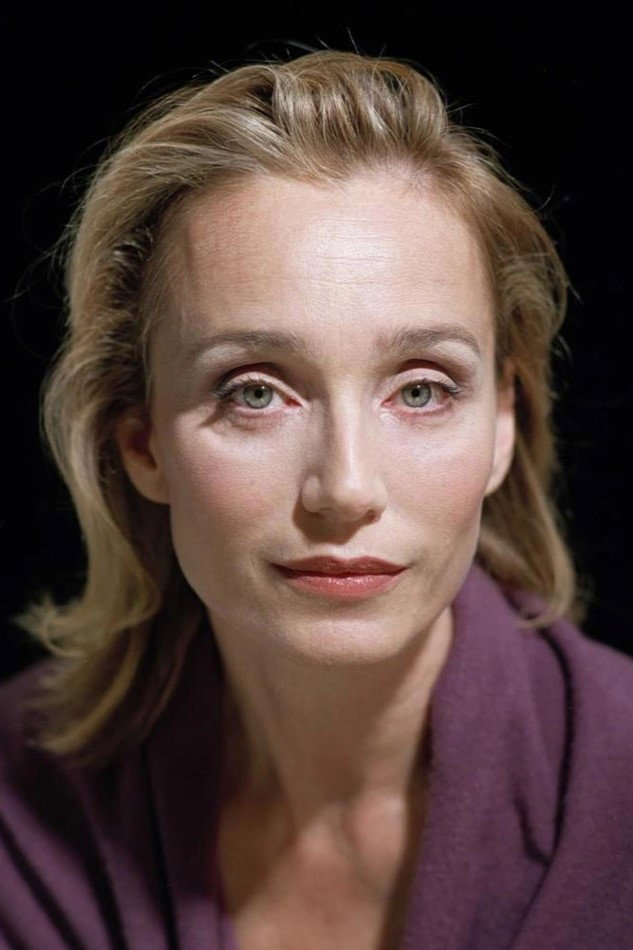
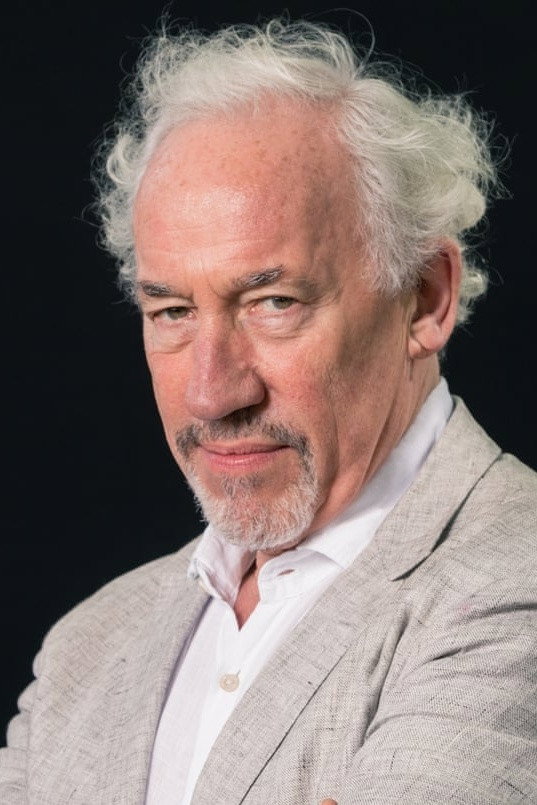
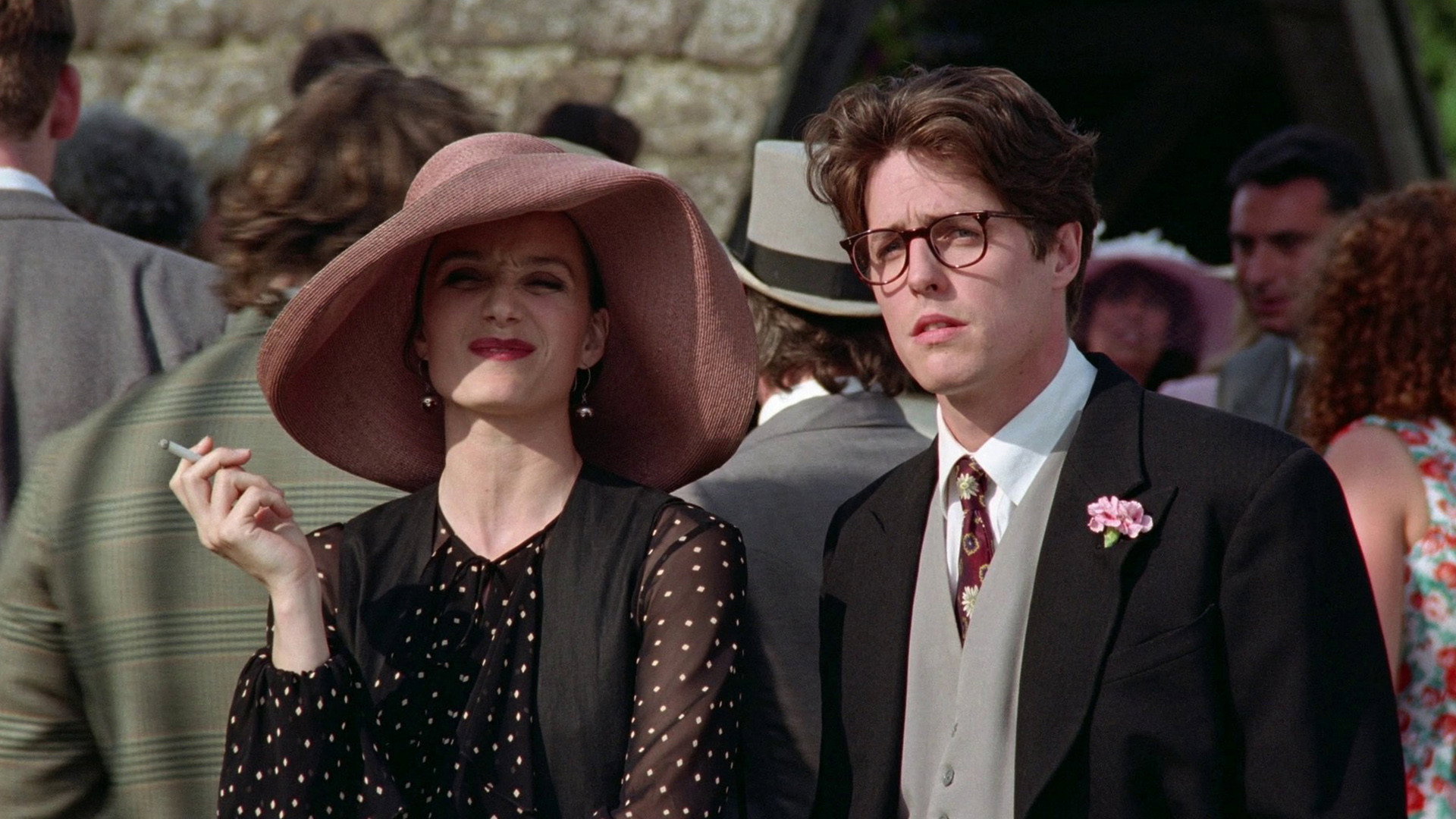
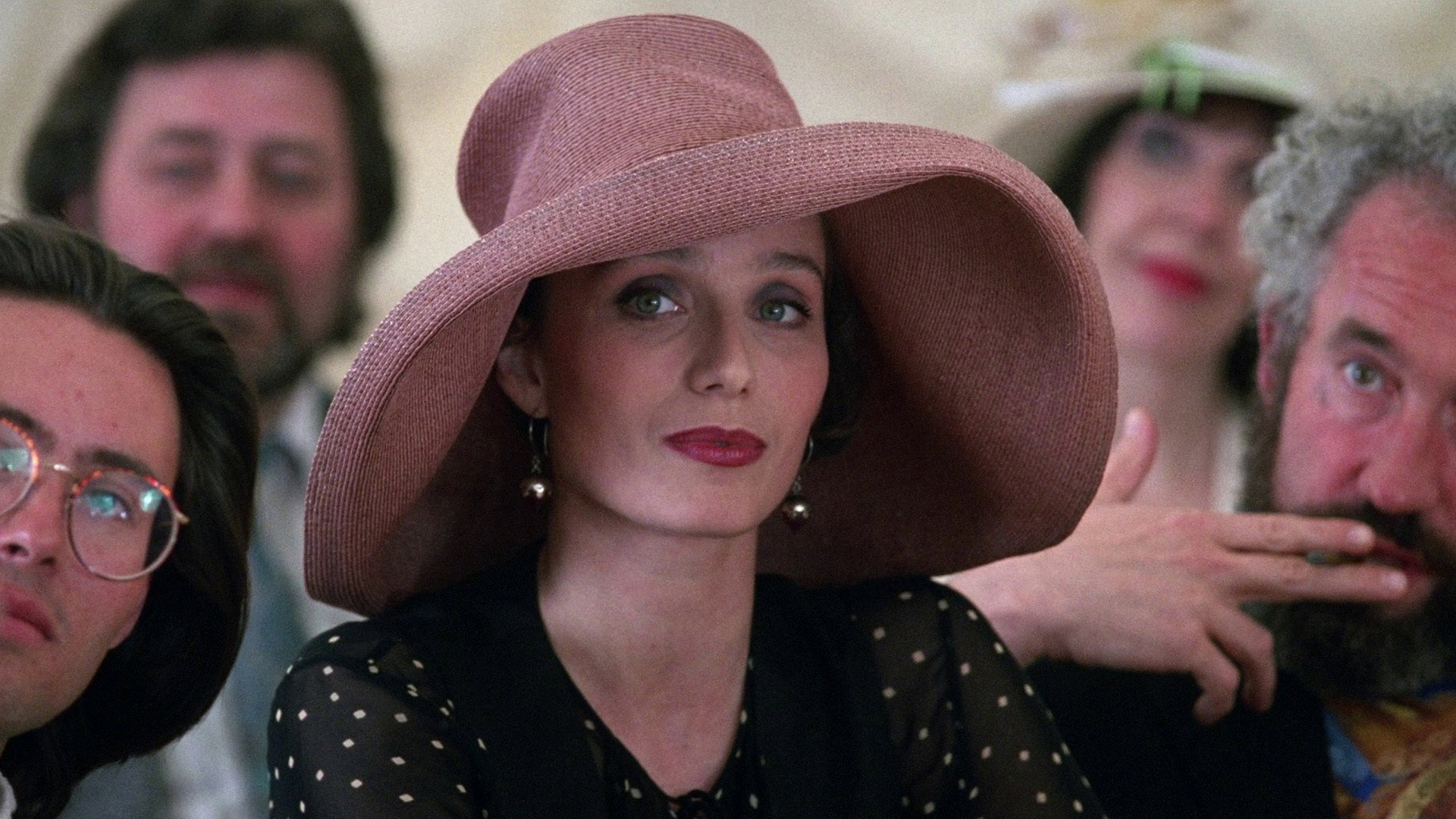
The supporting cast give Newell plenty of reasons to let our attention wander away from Charles. Kristin Scott Thomas gives Fiona a dry precision that makes his hesitancy look still more elaborate. Simon Callow’s Gareth brings welcome expansiveness, while James Fleet’s Tom is funny without seeming to know he is. John Hannah’s Matthew helps give the group emotional weight; the film can become serious without suggesting that we were wrong to enjoy their foolishness. These performances make the friendships feel established without requiring lengthy explanations.
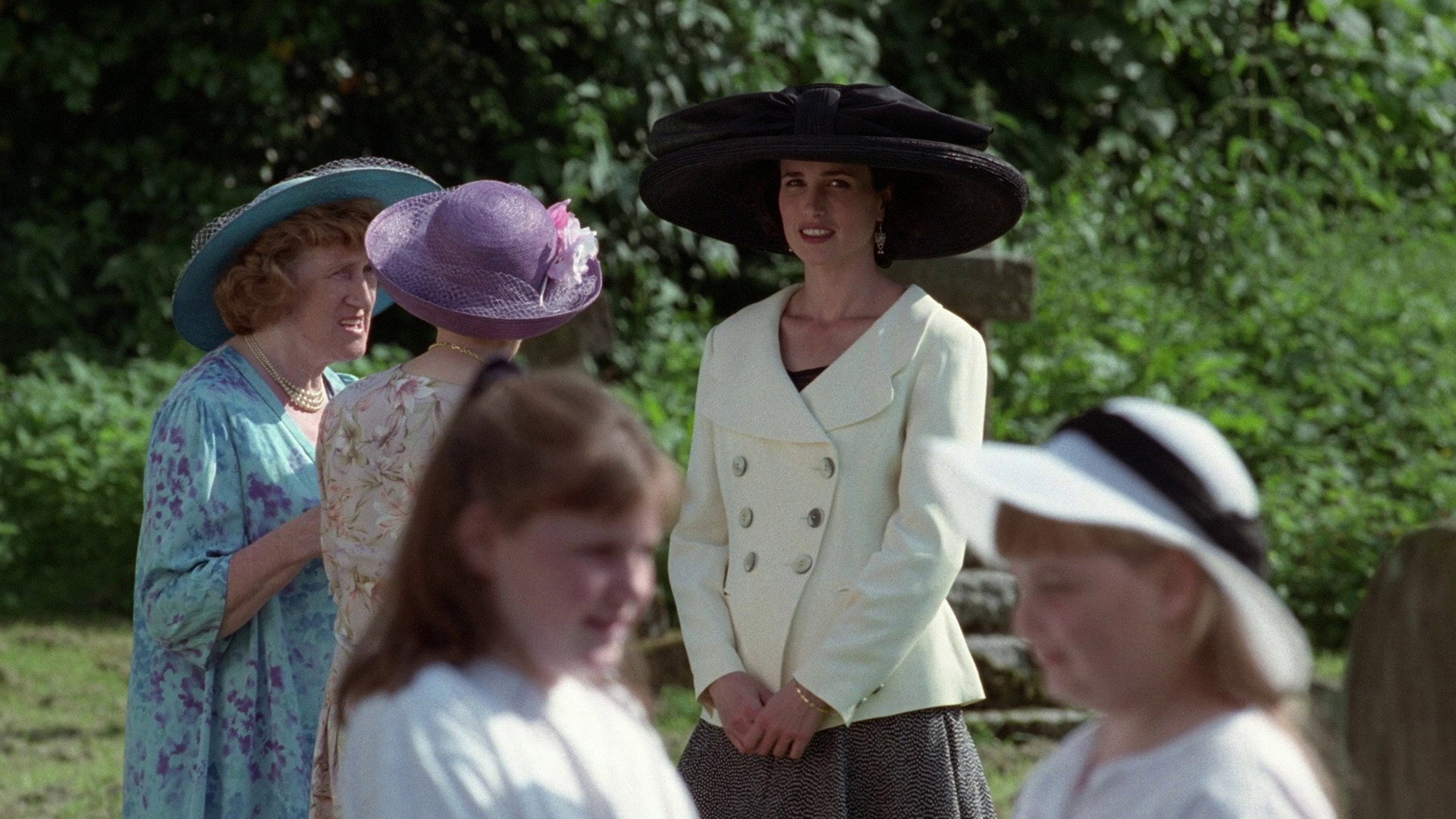
Newell wisely avoids making the weddings look as silly as the people attending them. The ceremonies need some dignity for the mistakes to matter. Michael Coulter’s cinematography keeps the proceedings clear and uncluttered, so a distracted face can hold our attention. Maggie Gray’s production design makes the wedding settings formal enough to explain everyone’s anxiety about misbehaving. Lindy Hemming’s costumes help the cast look as though they belong at the same functions without making them interchangeable guests.
Jon Gregory’s editing gives Grant room to hesitate while keeping the exchanges moving. Richard Rodney Bennett’s music is tactful about the changes of mood, allowing the actors to become serious without making every pause sound momentous. At 117 minutes, the film does occasionally linger over embarrassment after the joke has landed. Mostly, though, Newell and Gregory judge correctly how long we will enjoy watching someone struggle to get a sentence out, and when another character needs to interrupt.
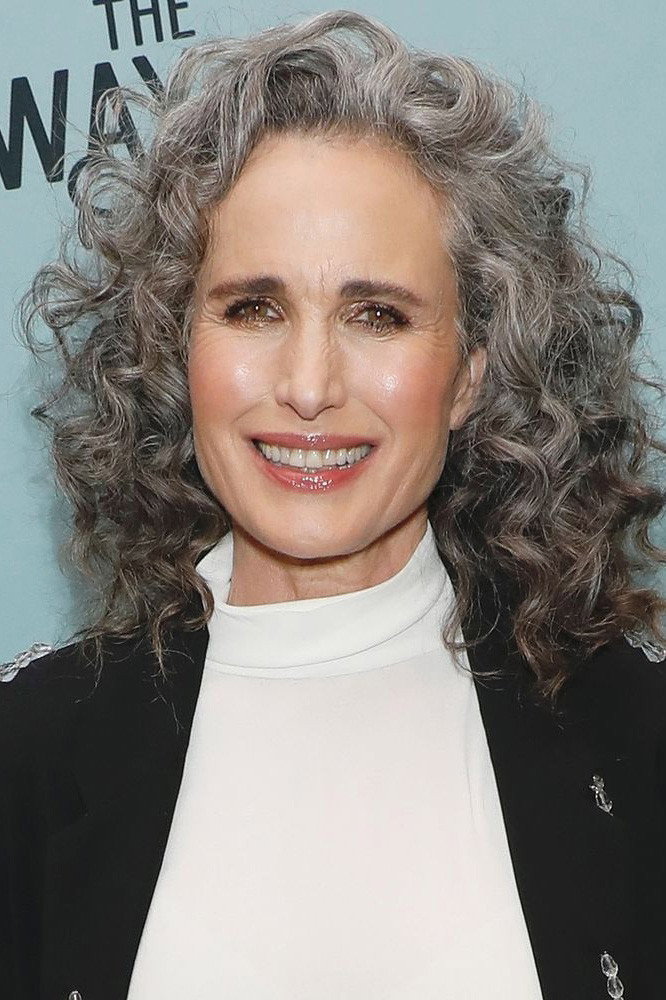
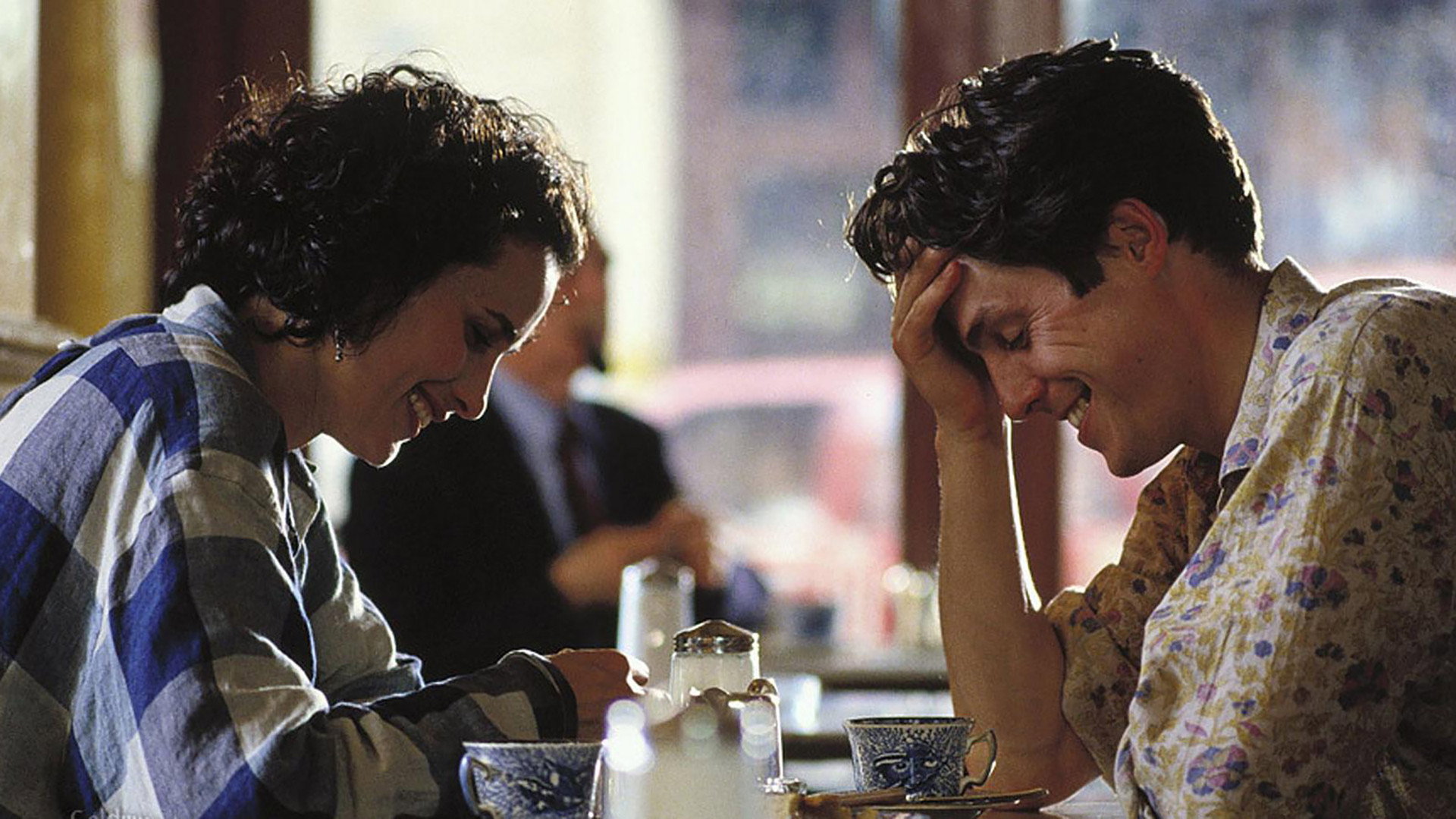
Andie MacDowell’s Carrie is the difficulty. Her composure provides a useful contrast to Charles’s fluster, but their scenes together do not give us enough reason to invest in the pairing. Curtis seems to assume that Charles’s interest will be sufficient to secure ours, and gives Carrie less comic detail than the people surrounding her. MacDowell has an ease that suits the part, yet the script offers too few opportunities for her to surprise us. The romance is pleasant enough until it asks us to care deeply.
As a comedy of manners, it pays welcome attention to the people a romantic comedy might leave in the background. These privileged friends have the leisure to make a crisis of embarrassment, and Newell does not pretend that their problems are everyone’s. That narrowness will be a barrier for some, but Curtis is shrewd about the discomfort of being watched while trying to appear at ease. Watch it with the people who will forgive you a bad wedding speech.