Kenneth Branagh’s Artemis Fowl makes its young hero too agreeable, then surrounds him with explanations. This is a poor family adventure, despite some lively supporting performances and a house worth exploring.
Artemis Fowl is a poor family fantasy that makes its precocious young troublemaker seem ordinary, then expects a crowded fairy world to supply the interest he lacks. Kenneth Branagh’s adaptation of Eoin Colfer’s novel has the ingredients for something mischievous: a clever boy, a fairy captive and a conflict that reaches his own home. It treats the boy with such caution that his behaviour rarely gives us anything to worry about. Much of the trouble comes to him at Fowl Manor, without putting his character under much pressure.
Conor McPherson and Hamish McColl’s screenplay keeps explaining the fairy world when it ought to be giving its inhabitants something revealing to do. Conversations are repeatedly taken up with information, leaving the characters little opportunity to surprise each other. We were bored by these explanations, because the people delivering them remained so thinly drawn. In a film running 94 minutes, that is time the relationships cannot afford to lose.
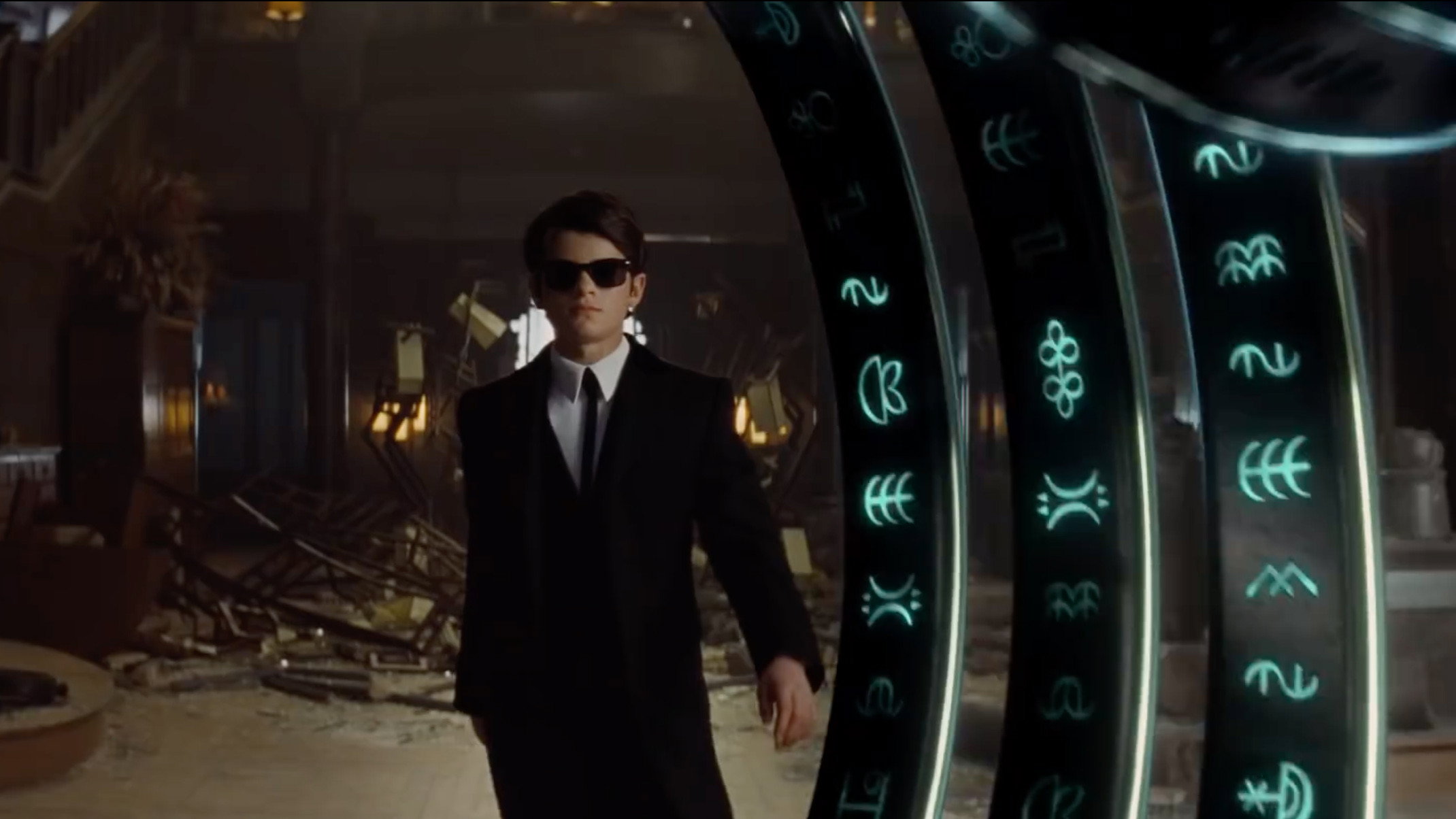
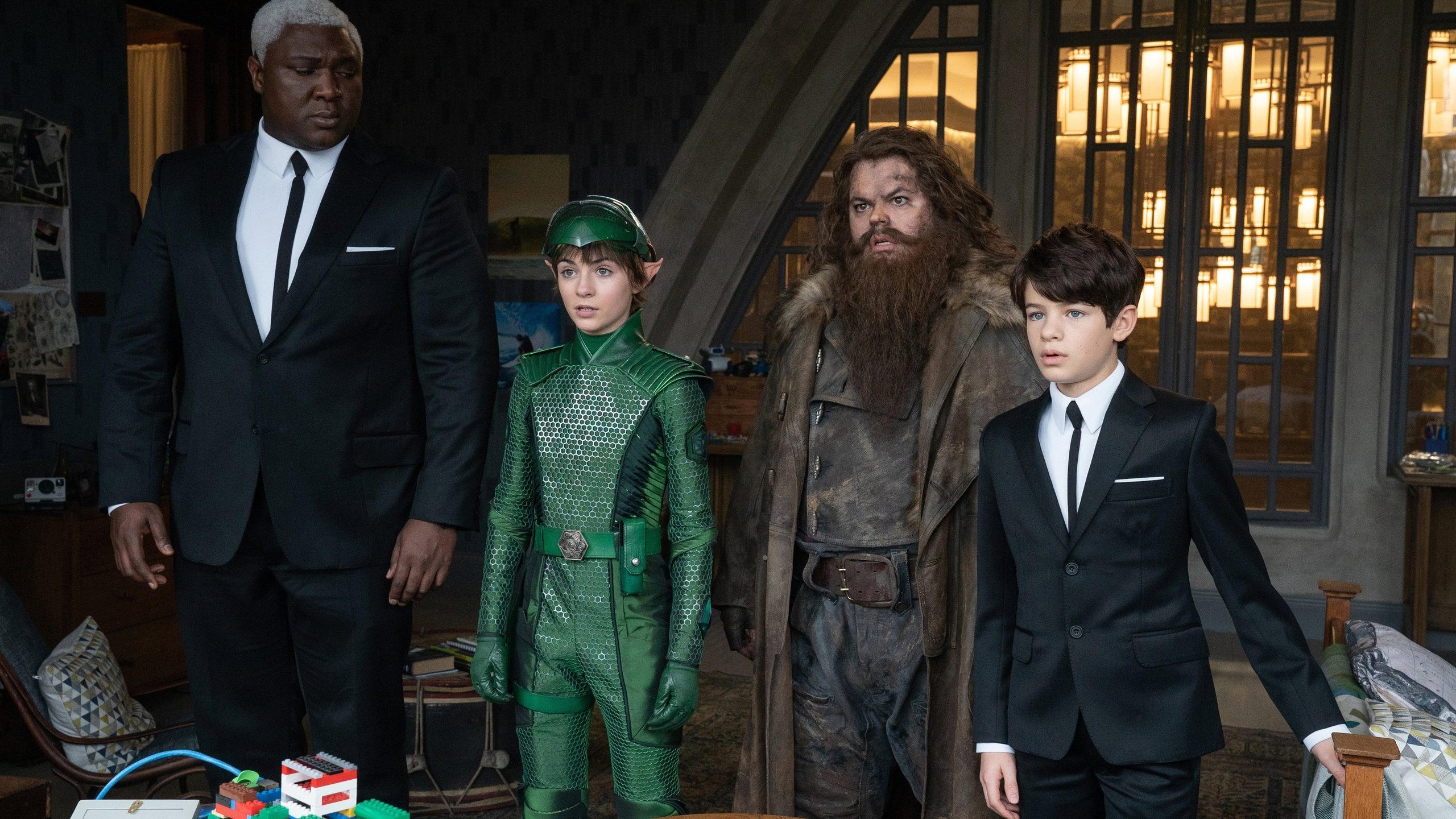
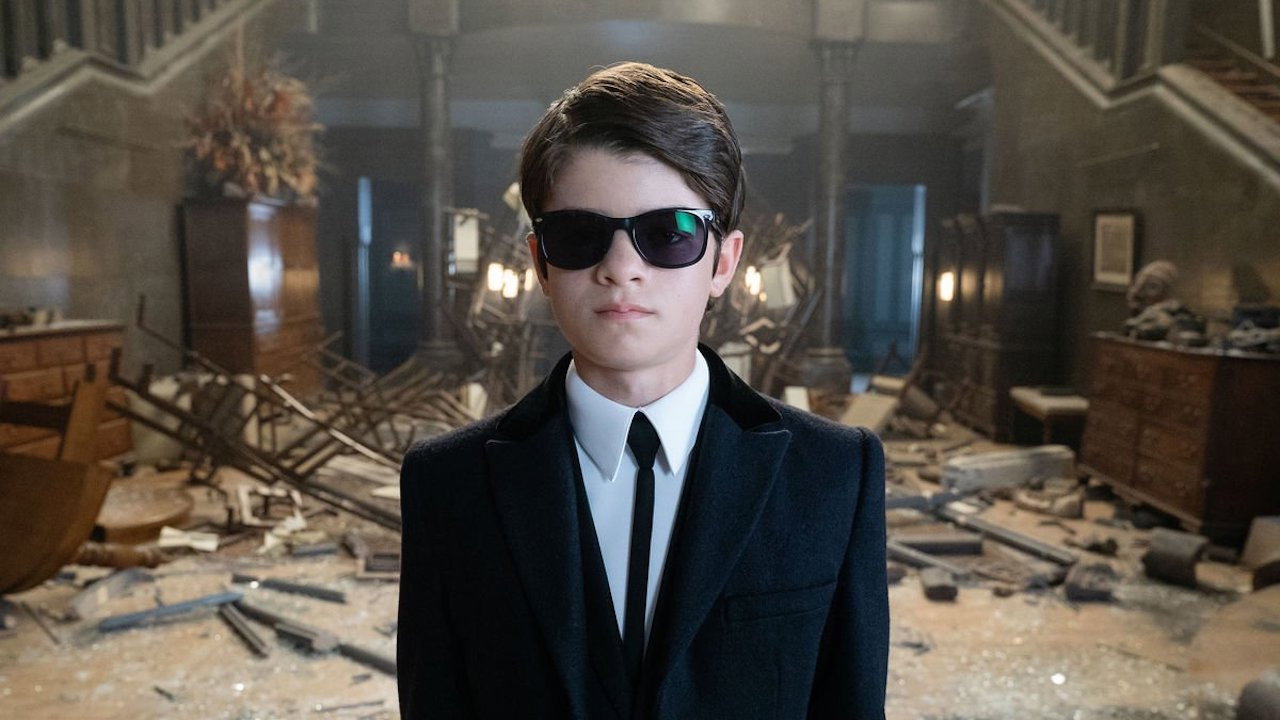
Ferdia Shaw plays Artemis Fowl II with an earnestness that sits awkwardly beside the character’s supposed cleverness. The film tells us to take him seriously without letting us see enough that is surprising or unsettling in his decisions. Lara McDonnell gives Captain Holly Short some welcome energy, although the writing leaves too little space for Holly’s own concerns to matter. Judi Dench, as Commander Root, gets a little humour out of her authority, while Josh Gad’s Mulch Diggums offers an unruliness that the central performance could use.
Haris Zambarloukos gives Fowl Manor a persuasive physical presence, an advantage the film loses whenever the digital effects take over. Jim Clay’s production design gives us something to look at during the explanations, and the house is one of the few places the film invites curiosity. Keeping much of the action there ought to help us understand the conflict. Instead, the effects and the crowded plotting make even this limited setting hard to follow.
Matthew Tucker’s editing gives the story too little breathing space, and the rush makes an already crowded screenplay harder to follow. There are moments when simply staying with a character would help more than moving the plot along. Patrick Doyle’s music has a gravity that briefly suggests stronger feelings than the script provides, but it cannot make these thinly written relationships convincing. Between the hurried storytelling and the insistent explanations, we are seldom allowed to settle into a scene.
Most critics have rejected the film, and the softened central character is a good reason to agree with them. An adaptation need not reproduce a book’s every decision, but making Artemis less morally troublesome leaves this version struggling to explain what makes him worth following. Family adventures can accommodate a selfish child, a frightening adult or a friendship that begins badly. Here, the determination to keep the hero agreeable makes him less interesting than the supporting characters around him.
The supporting cast and the solidity of Fowl Manor offer occasional relief, and there is care here that deserved a better story. Those pleasures are too scattered to make the film worth a family’s evening. Save the evening for an adventure that gives children more credit.