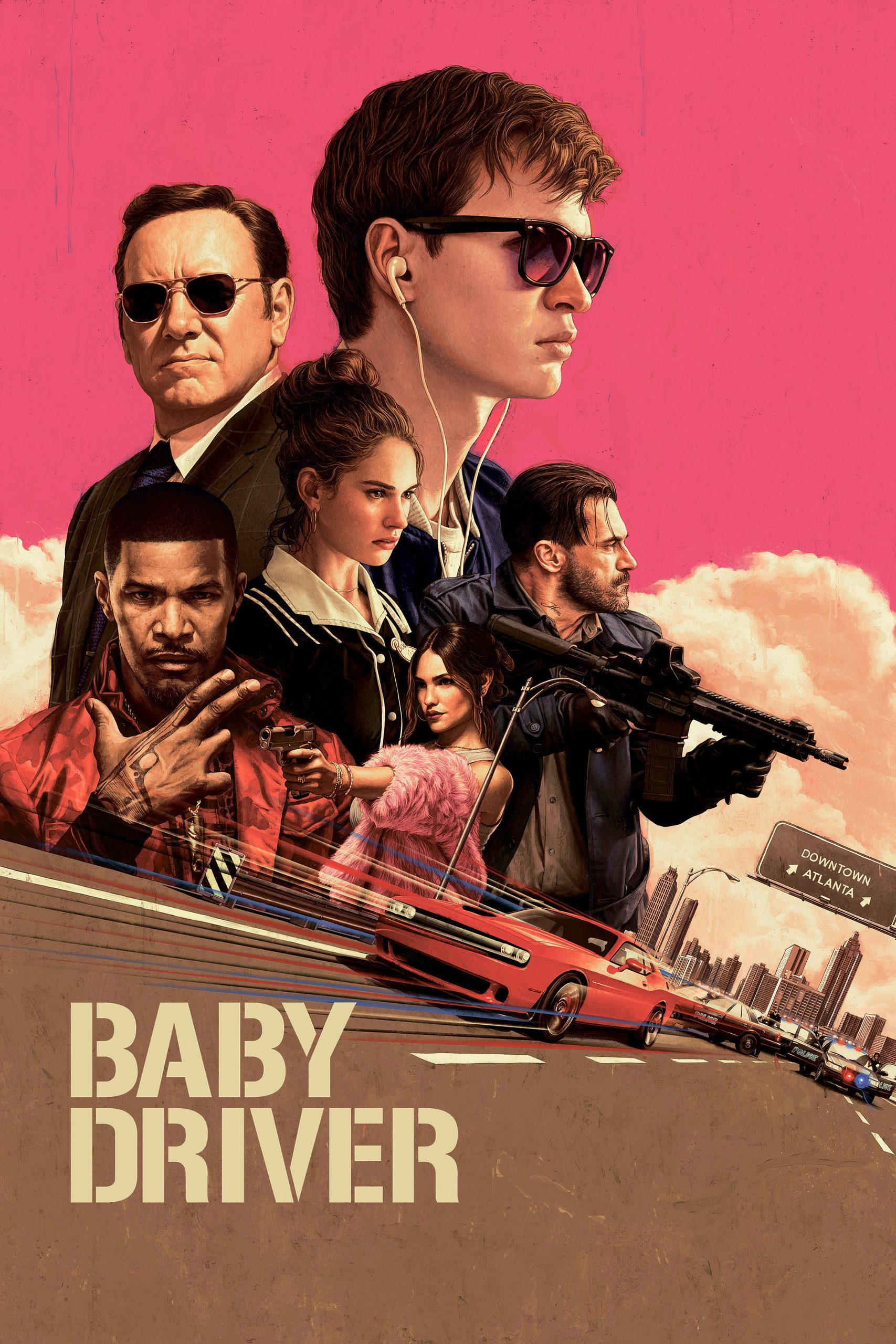
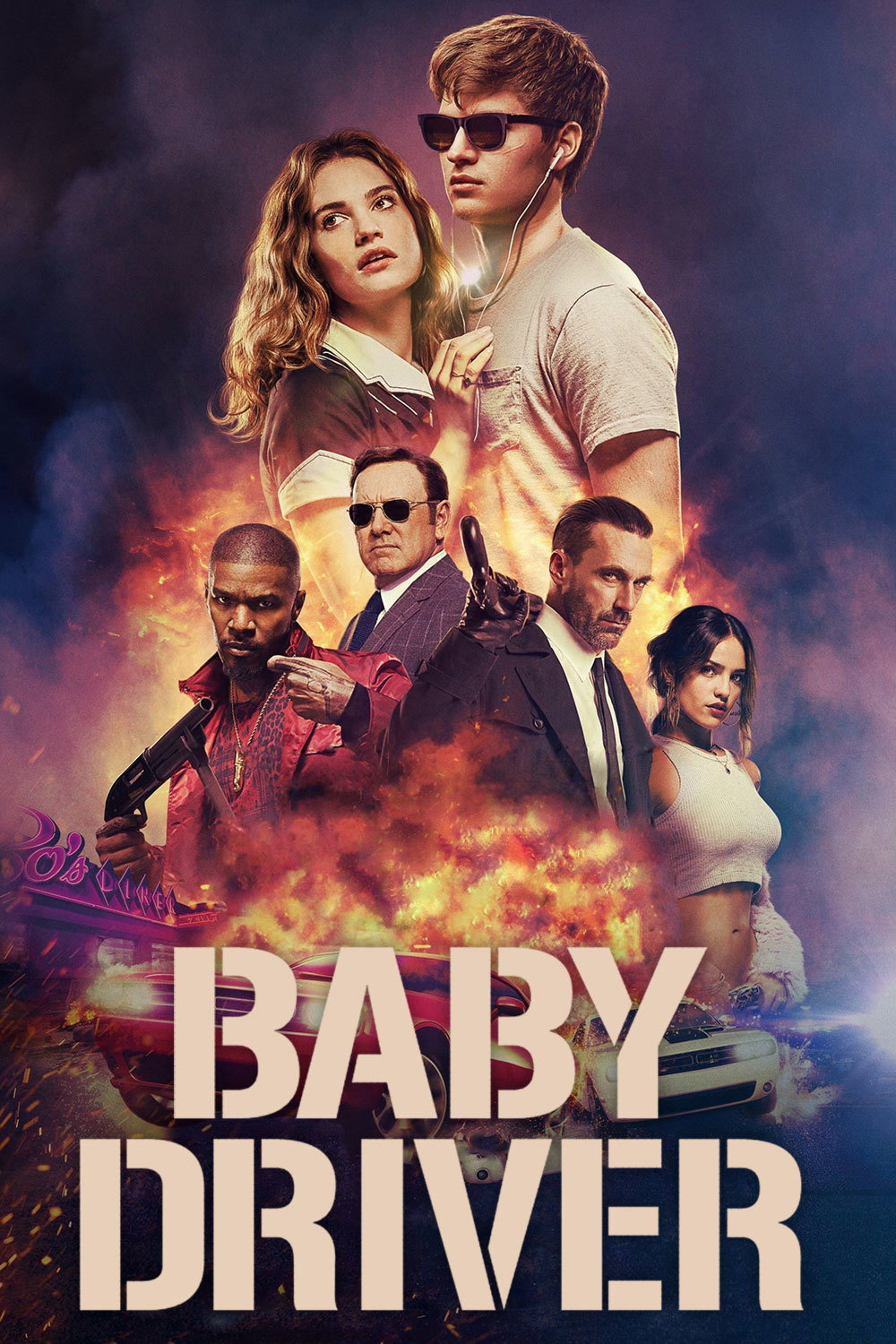
Edgar Wright’s music-timed heist film makes its car chases a particular pleasure, with Ansel Elgort an appealing driver. The romance is thin and the later stretches less nimble, but the craft earns our patience.
Edgar Wright has built Baby Driver around a simple pleasure: watching action land exactly where a song says it should. His heist film is funny, fast and unusually clear about how it wants to entertain us. We recommend it for the chases and the musical timing, with a warning that the romance gets far less careful attention. The familiar business of robberies and young love keeps things moving, though the director sometimes seems more interested in the next cue than the next conversation.
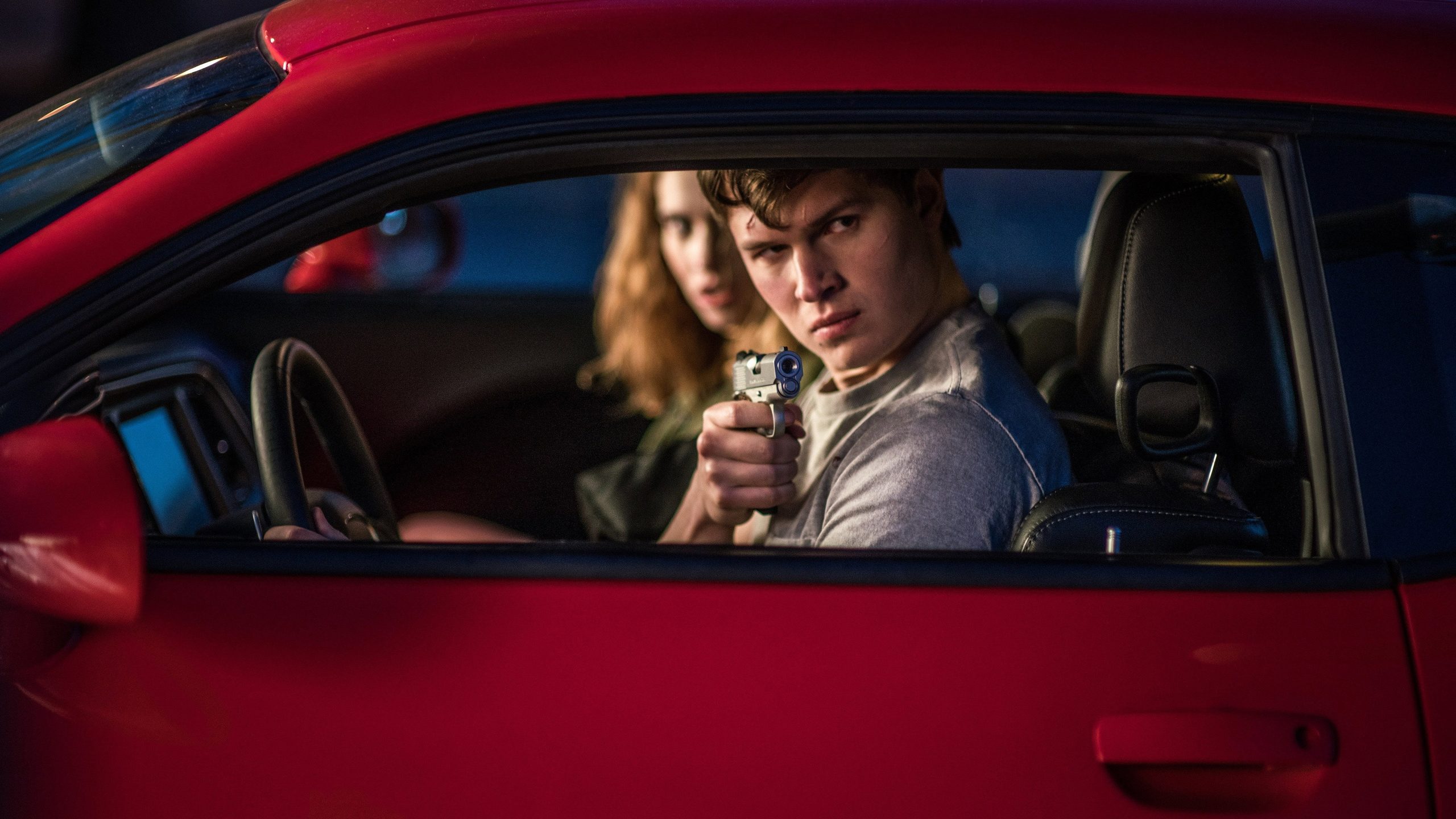
The opening bank getaway gives us the strongest reason to forgive him. Set to ‘Bellbottoms’, it arranges the driving around the track so precisely that the car chase has the pleasure of a dance number. We grinned through it, because each new piece of movement found its place in the music without making the danger seem less immediate. The film establishes its rules quickly, then gives us enough variation to enjoy seeing how long it can keep them going.
Bill Pope’s cinematography makes the chases easy to follow even while the music is competing for our attention. Jonathan Amos and Paul Machliss edit to the songs without losing the sense of where the cars are going. We can appreciate the driving and the timing at once, which is harder than making a succession of impacts seem exciting. The cutting deserves particular credit for keeping this much synchronised action legible; the musical precision would soon become tiresome if we were forever trying to work out what had happened.
Marcus Rowland’s production design is less memorable, though the robbery settings are quick to take in and do not clutter the action. The spaces let the movement register, and we rarely find ourselves distracted by anything around it. Steven Price’s score is similarly unobtrusive beside the songs. It leaves them to set the mood and supply most of the musical character, a sensible choice when each selected track has so much work to do.
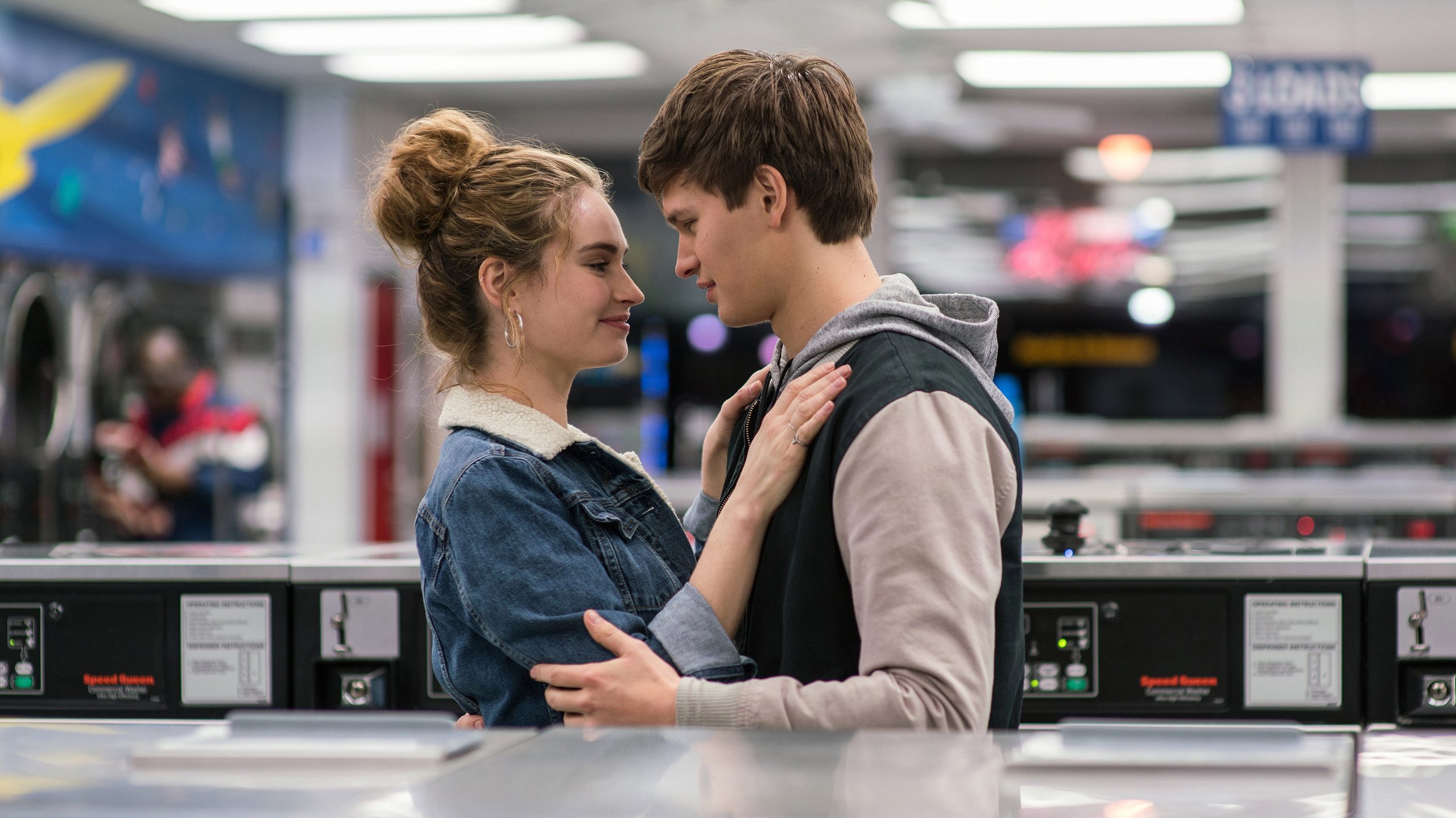
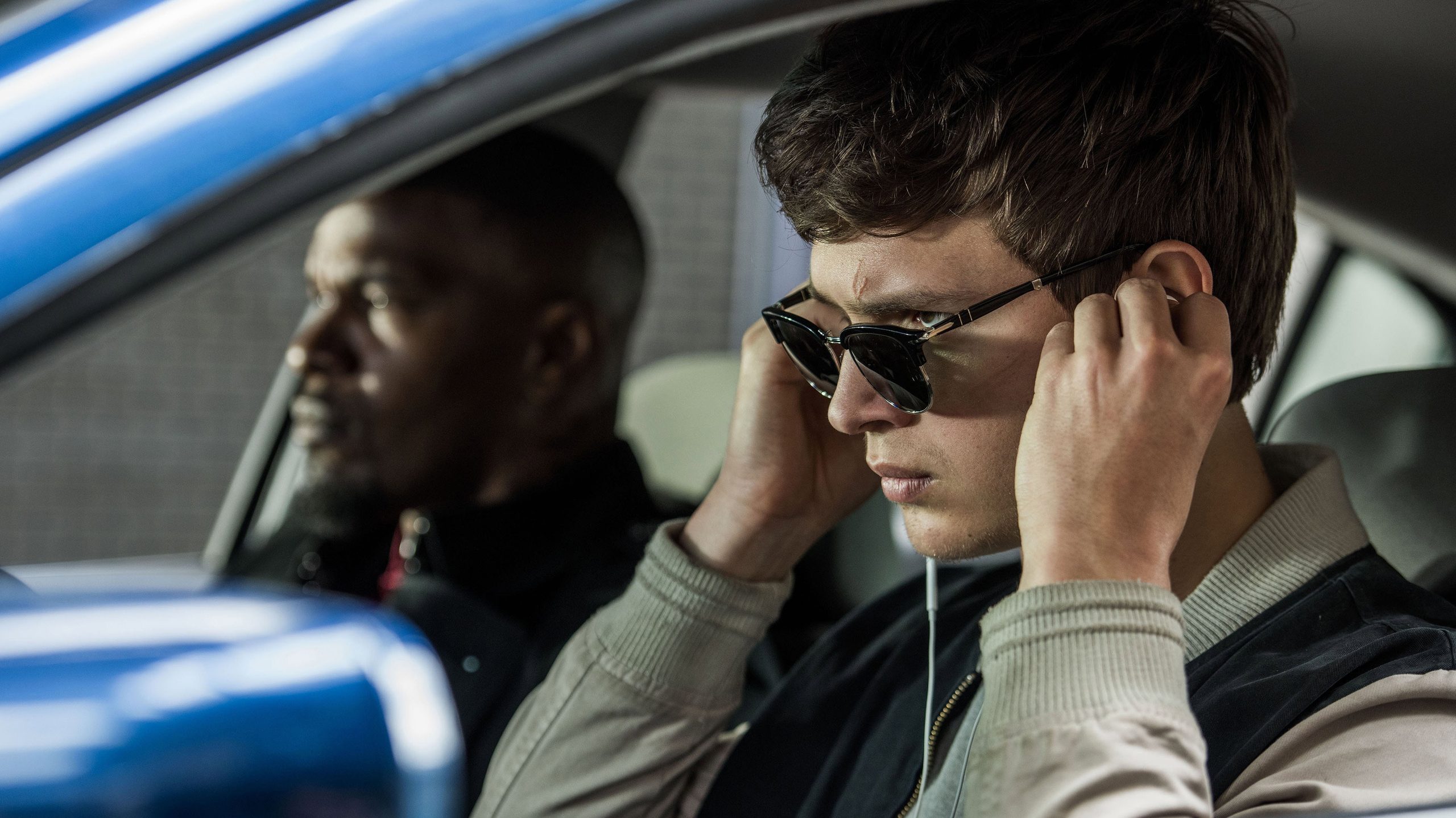
Ansel Elgort makes Baby sweet enough to hold our interest without asking too insistently for our affection. The suggestion of mischief helps keep him from disappearing into the choreography. Lily James is engaging as Debora, but Edgar Wright’s screenplay gives the romance more certainty than detail. We understand the attraction without learning enough about the people involved to share their confidence in it. A few more ordinary exchanges might have made the courtship less dependent on the songs.
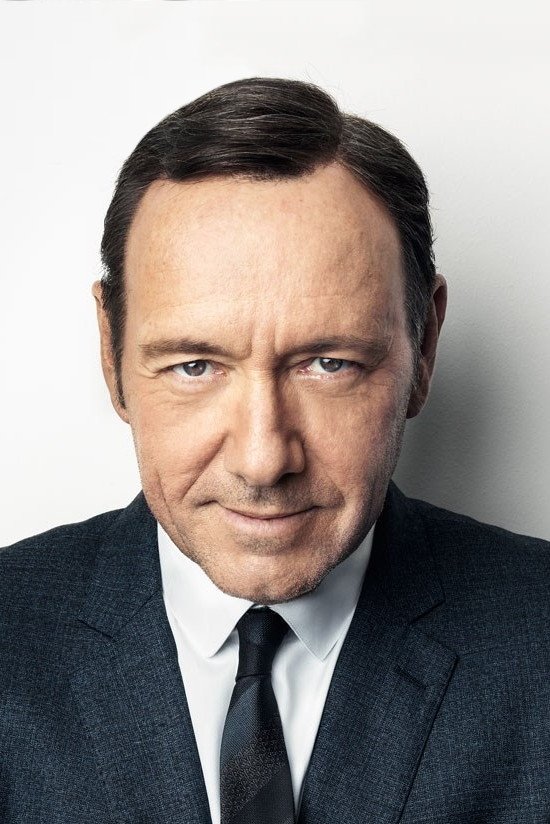
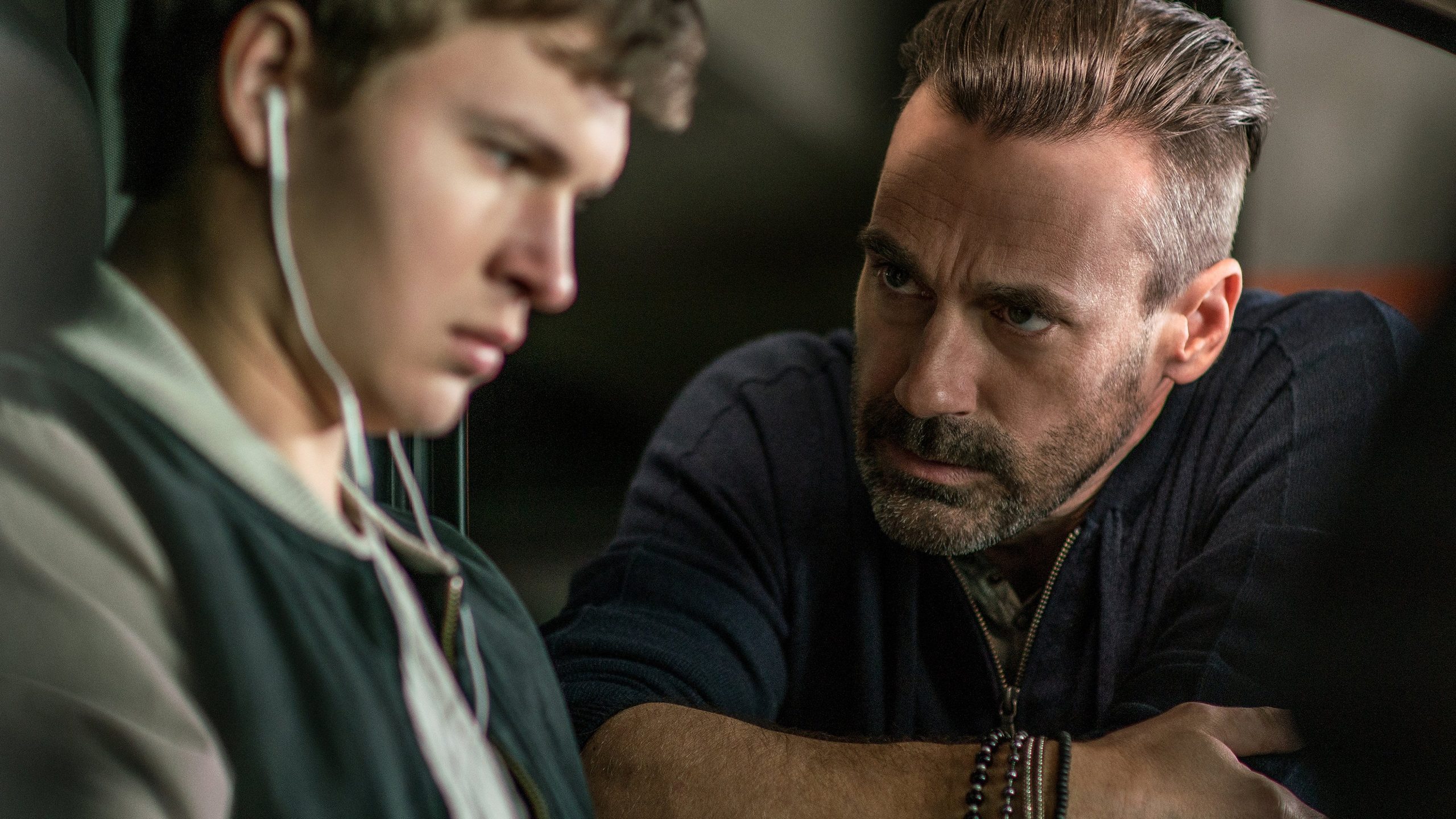
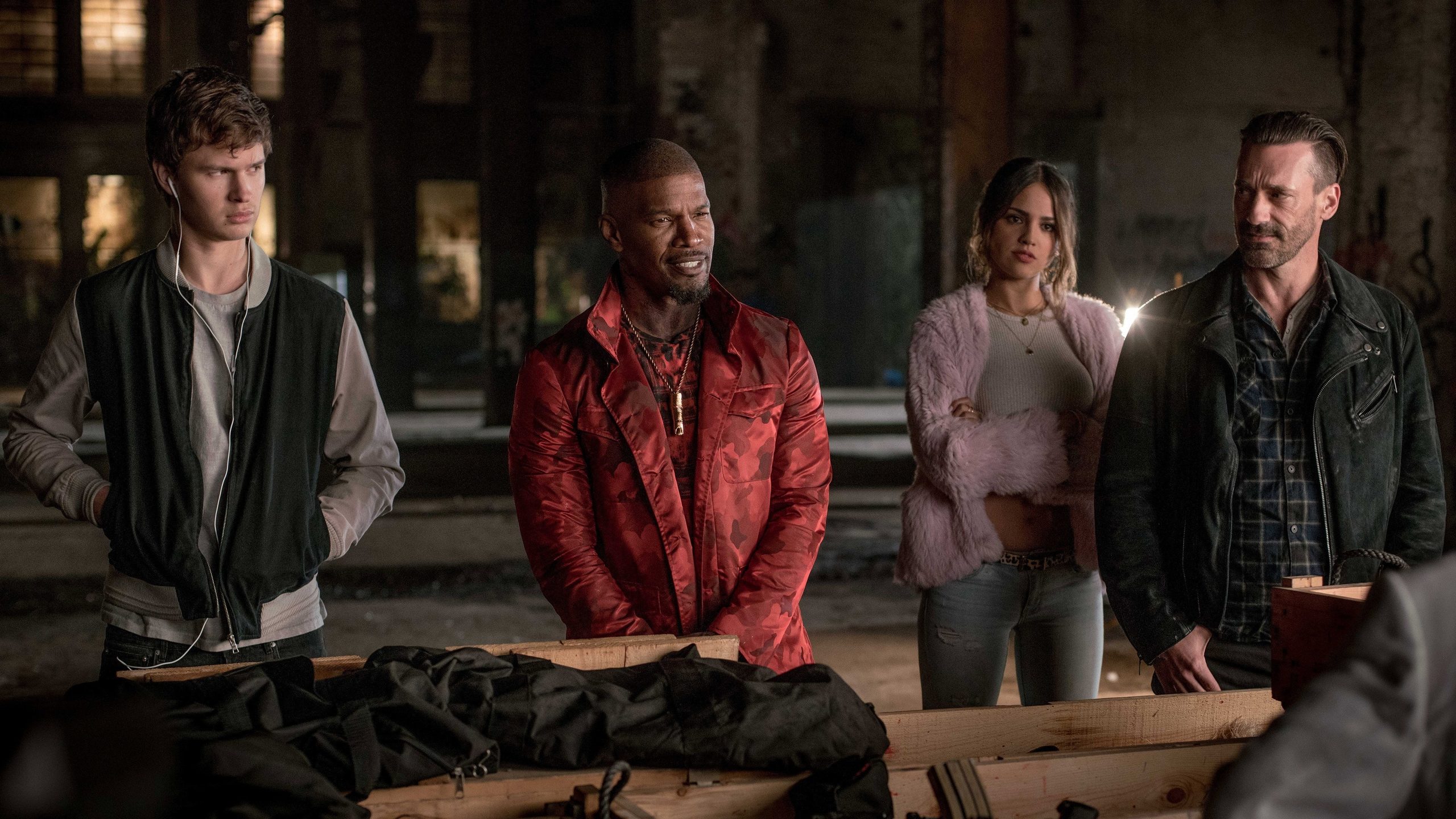
Kevin Spacey brings a useful dryness to Doc, and the wider criminal cast gives the familiar heist material enough bite to avoid seeming merely decorative. The trouble arrives when the film asks the plot to sustain the excitement for longer stretches. At 113 minutes, it begins to repeat pleasures it has already delivered more neatly, and the later scenes feel less assured than the opening. That costs it some of the easy enjoyment promised by the getaway, even when individual passages still work.
As heist films go, this does familiar things with unusual care whenever someone gets behind the wheel. The songs give the material enough bounce to make the weaker stretches tolerable, especially if car chases are already your idea of a good evening. Give it decent speakers, and save the questions about the relationship for afterwards.