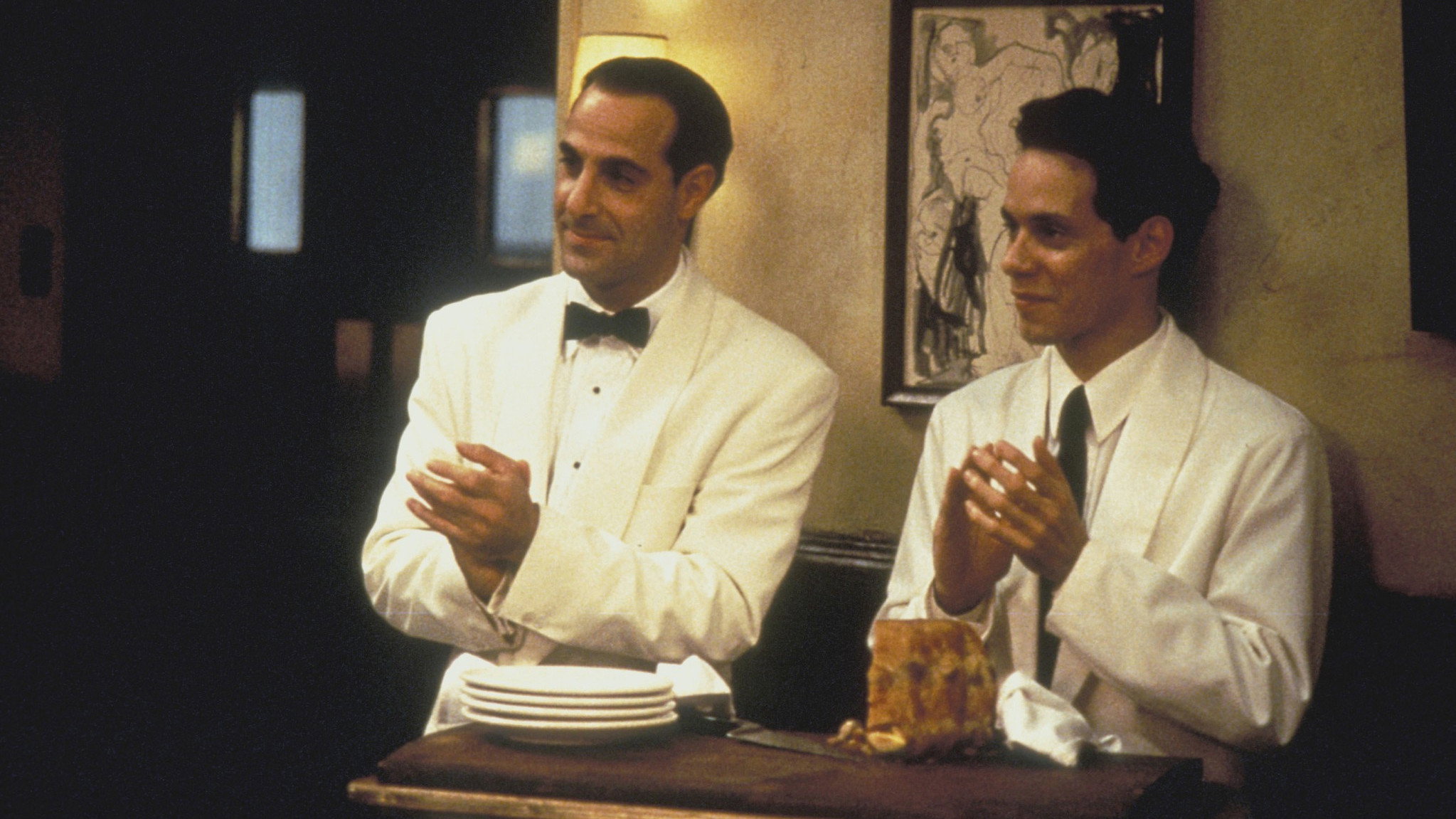
Stanley Tucci and Tony Shalhoub make this restaurant comedy worth lingering over. We warmly recommend its patient attention to food and brotherly friction, even when the writing makes artistic integrity seem a little too easy to defend.
Big Night is a warm, funny film about the strain of trying to earn a living from something worth doing properly. Co-directors Stanley Tucci and Campbell Scott give the brothers’ restaurant troubles enough weight that the food never becomes an excuse to stop thinking about the people. We recommend it for the performances and for its attention to work, with a reservation about how neatly it divides artistic conviction from commercial compromise. It is affectionate towards its characters without requiring them to be agreeable.
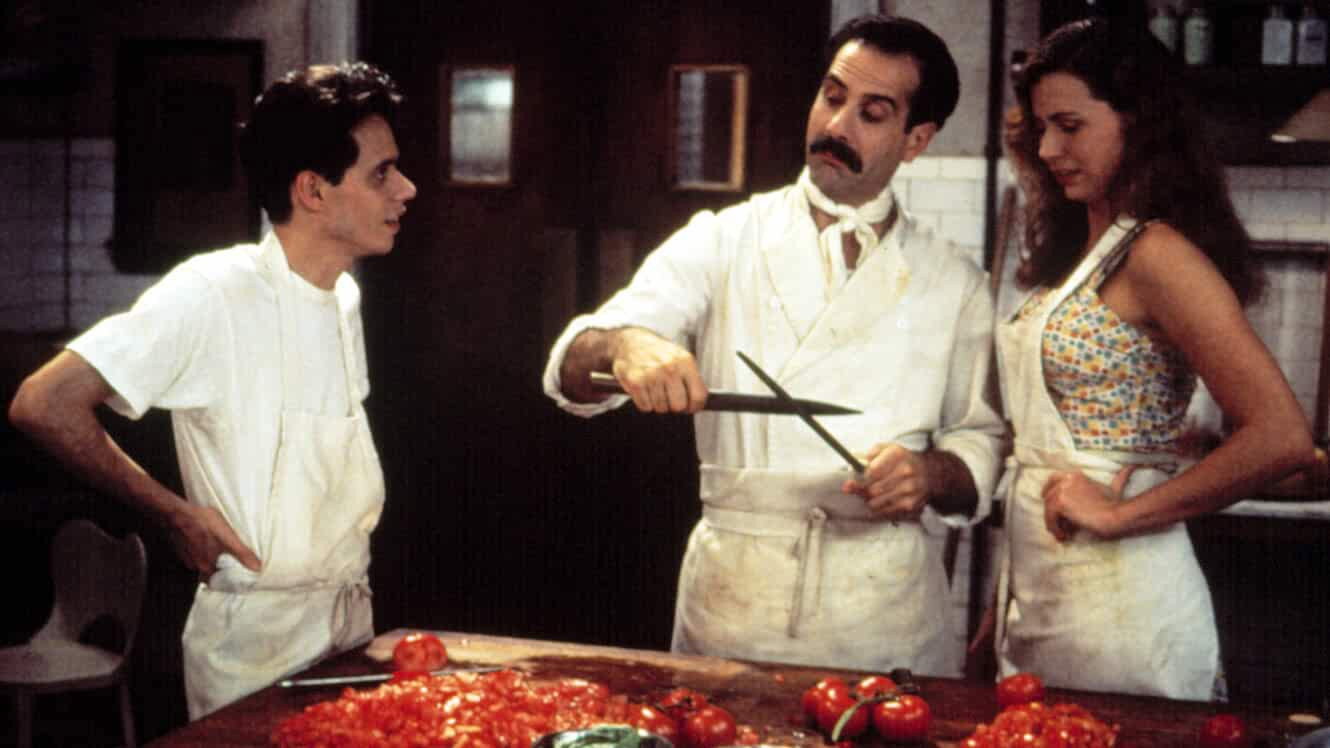
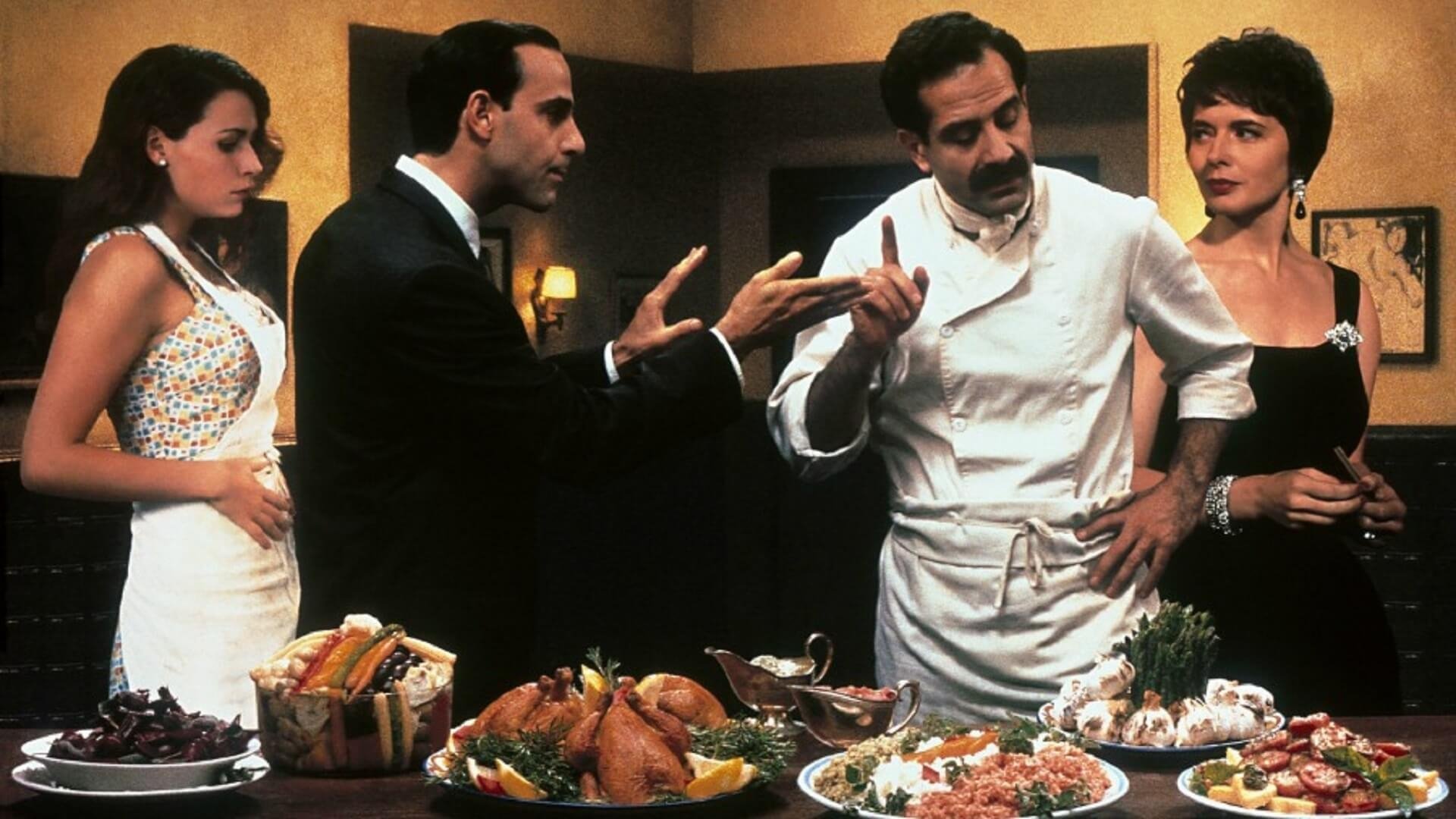
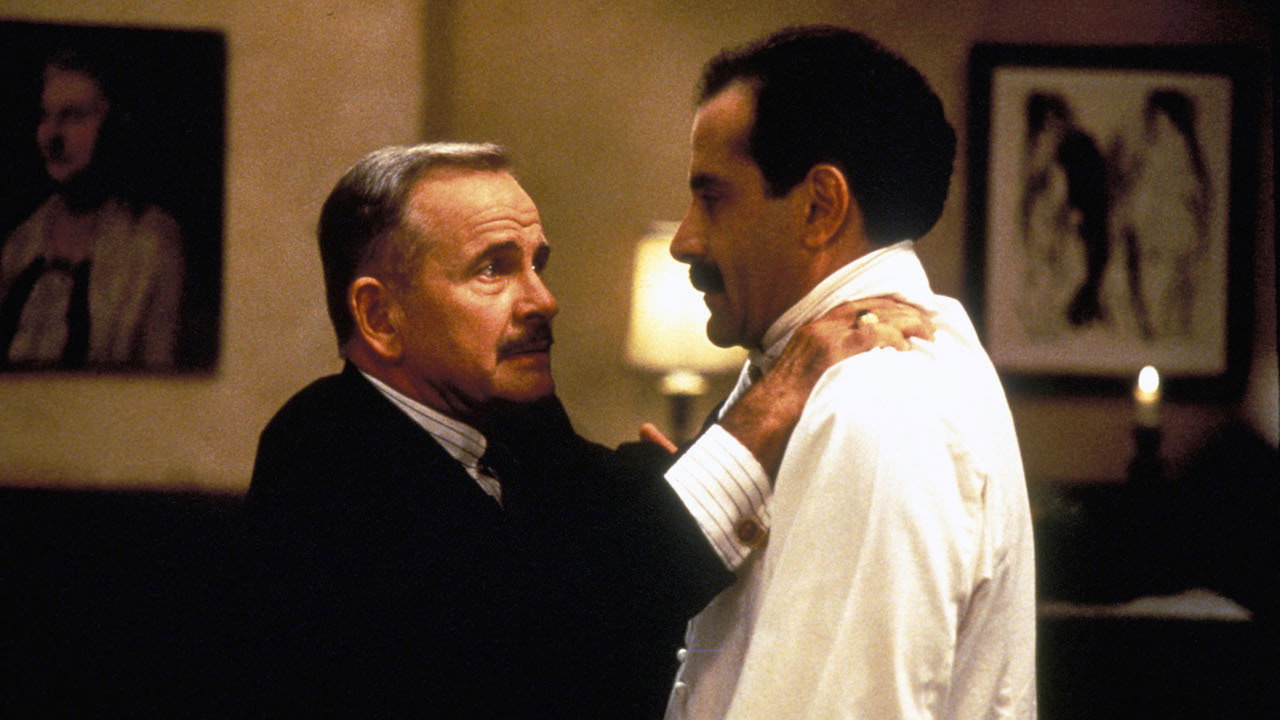
Tony Shalhoub’s Primo and Tucci’s Secondo make persuasive brothers because their shared concern for the restaurant does not make them easy company for each other. The actors leave room for affection without smoothing away the irritation of having to work together. We laughed at their quarrelling: each complaint sounds as though it has been heard and ignored for years. We believe in their affection even when they are making each other unhappy. The supporting cast, including Minnie Driver, Ian Holm and Isabella Rossellini, share that ability to hold our attention without making a conspicuous bid for it.
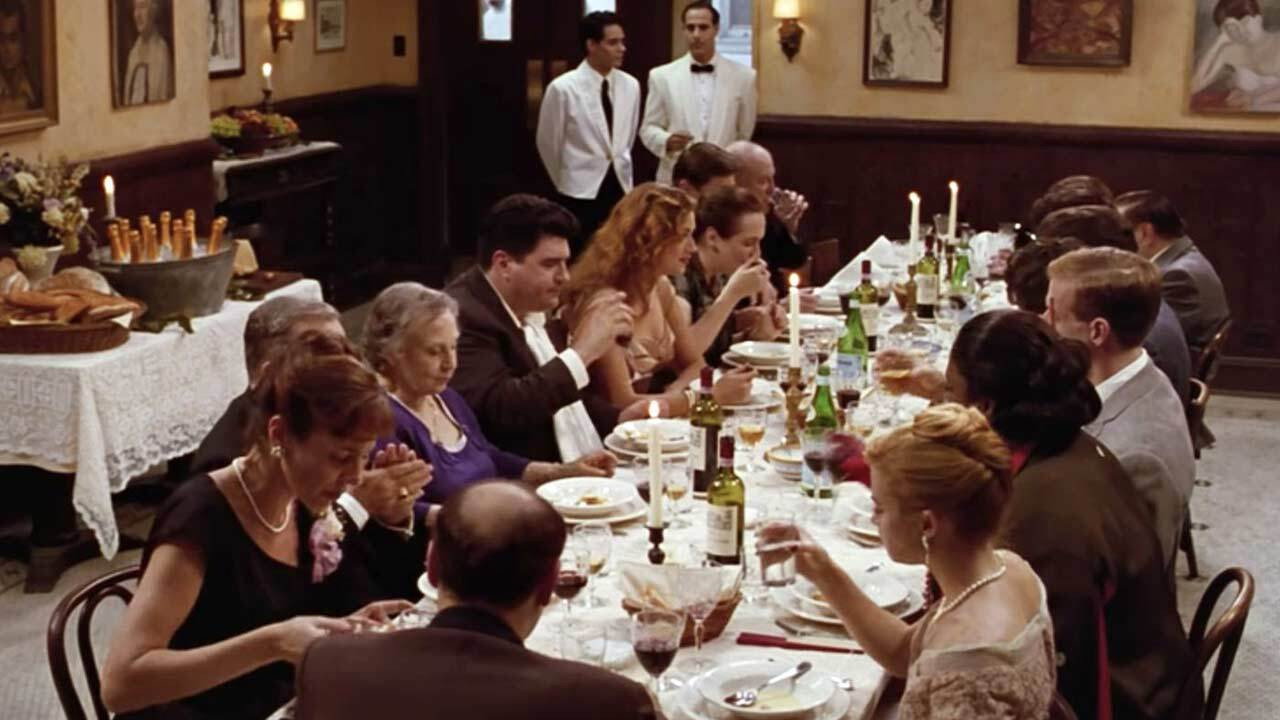
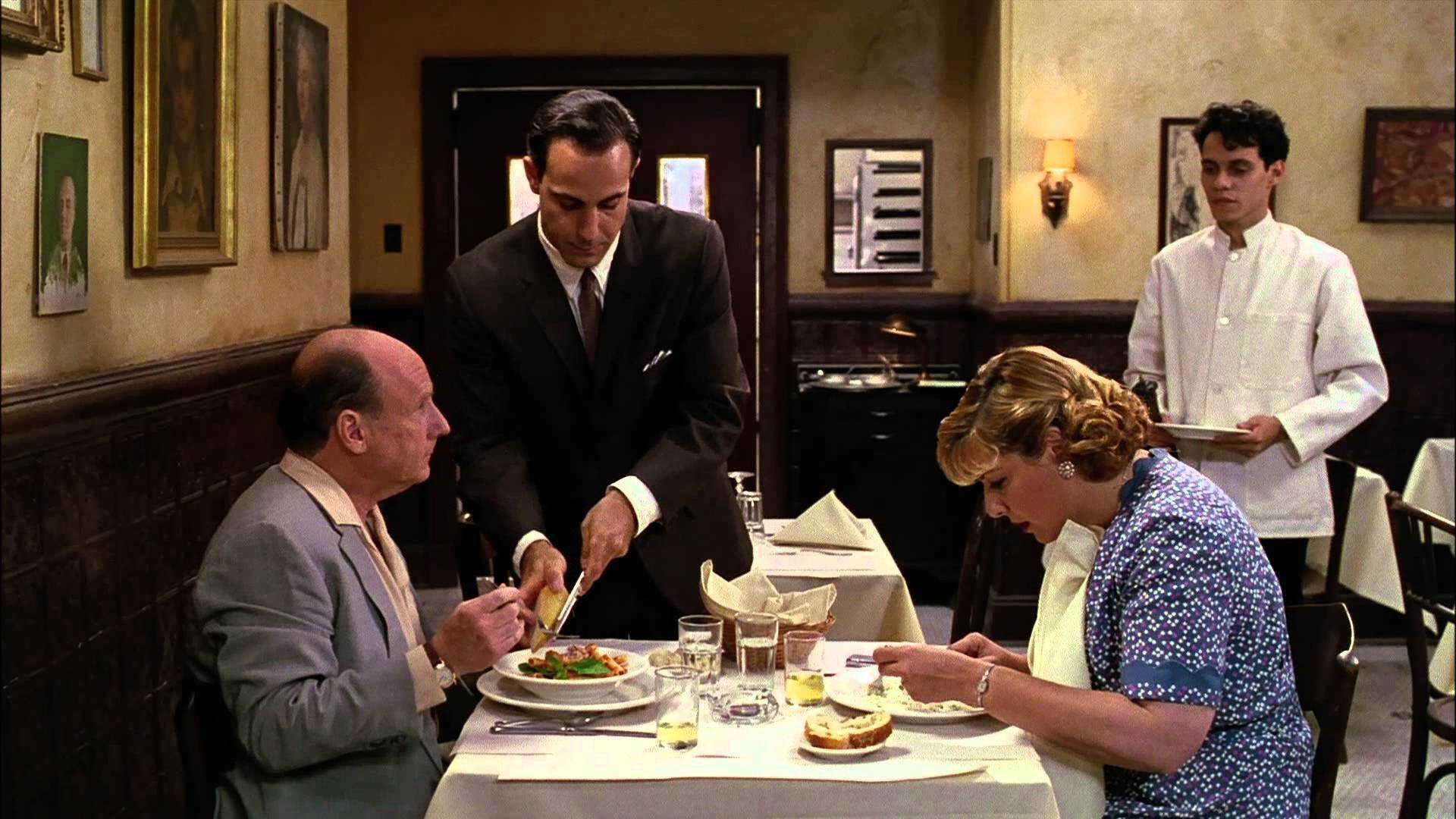
That care is equally important behind the camera. Cinematographer Ken Kelsch makes the preparation of food absorbing without losing sight of the people doing it, and Andrew Jackness’s production design gives the restaurant a persuasive elegance. It looks like a place these men have reason to defend, which matters more than making every dish desirable. The restaurant’s appearance helps explain why they persist when their business is struggling.
Editor Suzy Elmiger allows the preparations to occupy our attention rather than treating them as a pause before the story resumes. This is one of the film’s soundest decisions: watching the work gives us a reason to care about the business. Gary DeMichele’s music suits the comedy’s warmth, though the affection between the brothers is already clear in the acting. The pace leaves room to enjoy the company without making the preparations feel prolonged.
The reservation lies with the screenplay by Tucci and Joseph Tropiano. As a fable about art and commerce, it can make the choice feel too easy: we are invited to value cooking well, and hardly need persuading. The practical question of how to keep doing that while paying the bills deserves a little more force than the film’s fondness always allows. This does not undo the brothers’ complexity, but it does make the larger point less interesting than their quarrels.
As a comedy about food, Big Night understands that a meal becomes more interesting when we know who has worked to make it. Its 109 minutes are enough to make the restaurant’s survival matter without asking us to believe that cooking solves every difficulty between people. Tucci and Scott trust the preparation of a meal and the friction between its cooks to hold our attention, and the actors repay that trust. Have supper first, and allow time afterwards to disagree about which brother was right.