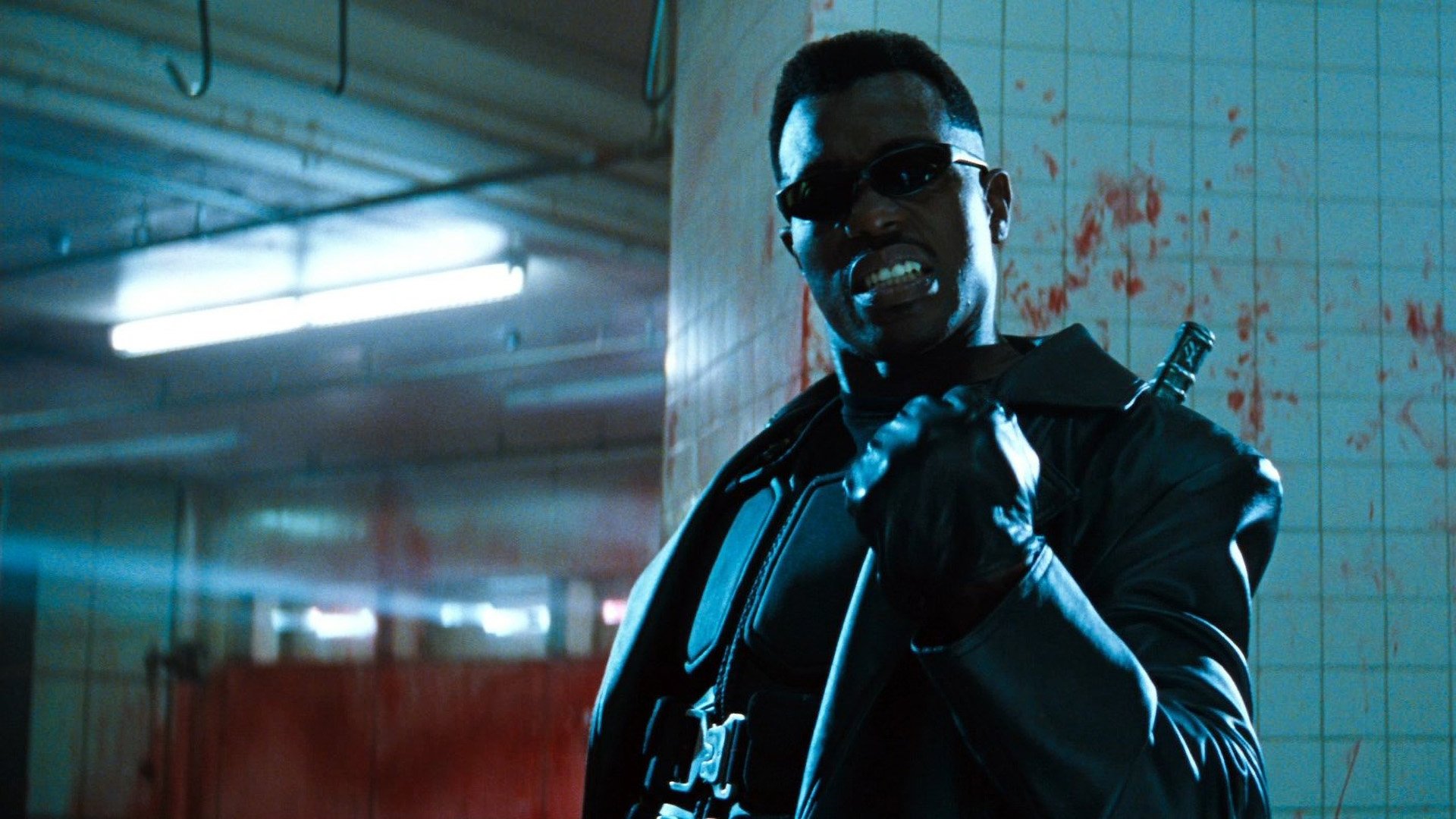
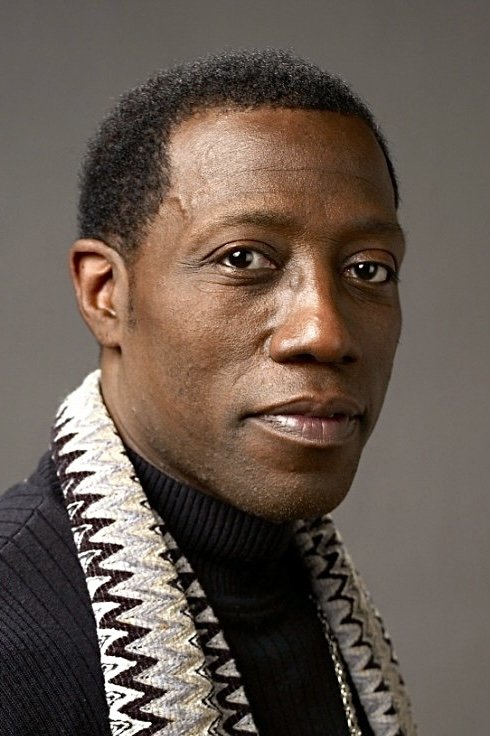
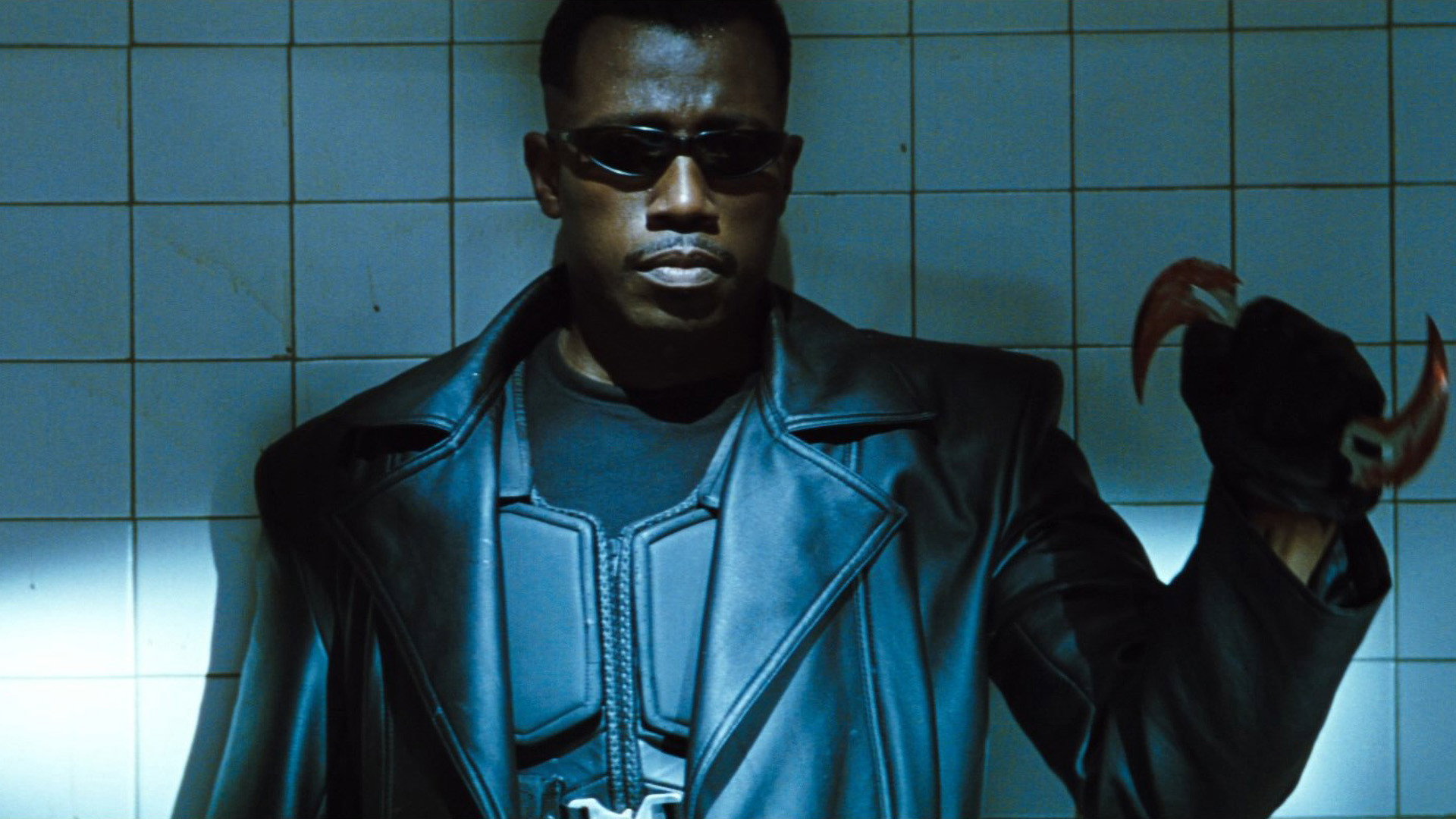
Wesley Snipes is commanding in Stephen Norrington’s violent vampire film, and the fights give him plenty to do. Thin storytelling and unconvincing effects matter, but action-horror enthusiasts should have a good evening.
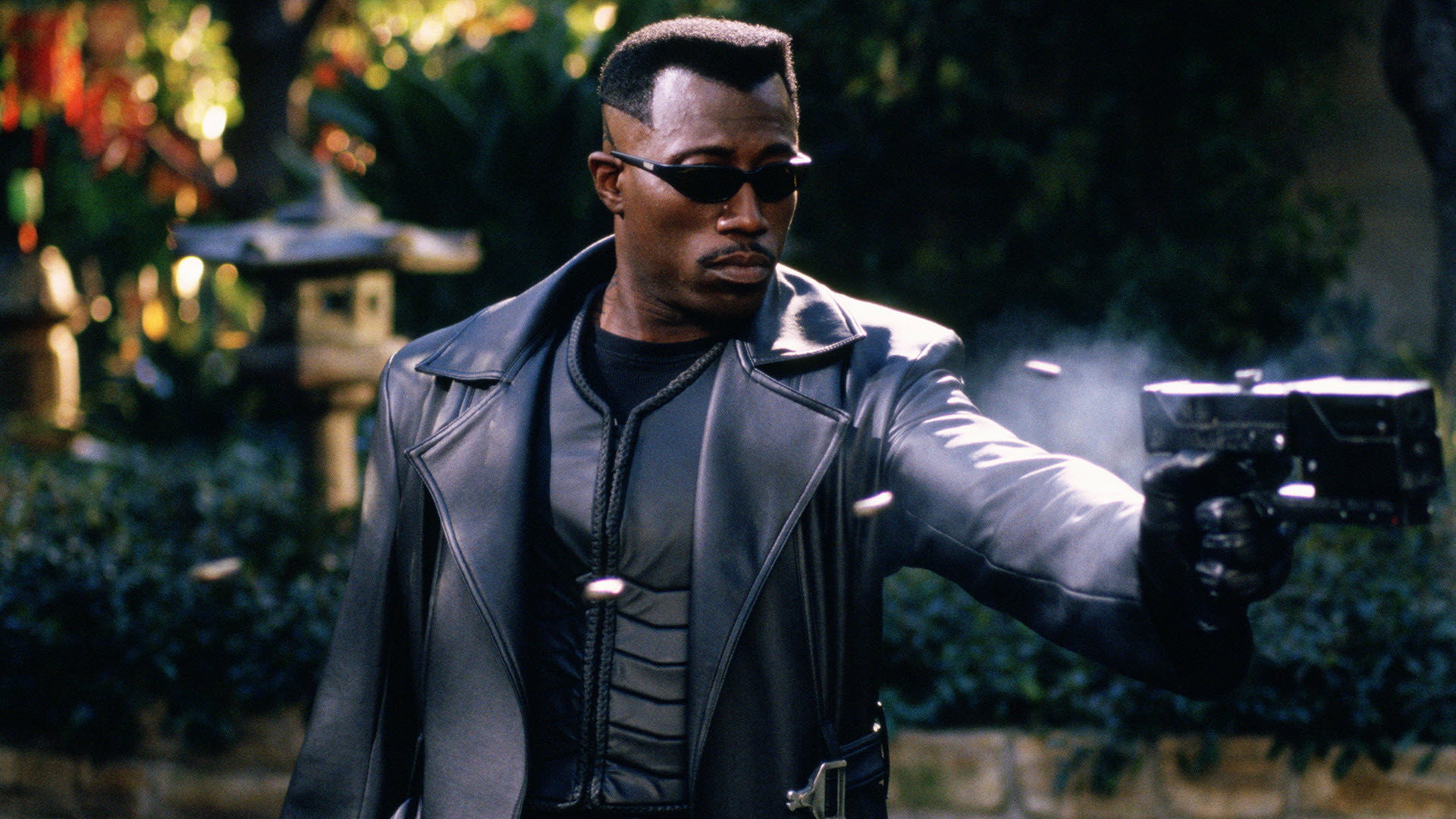
Blade is a good action film with a thin vampire story, and its success rests largely on Wesley Snipes. Stephen Norrington wants horror that can sustain repeated physical confrontations, with a hero strong enough to hold our attention when the writing runs out of things for him to say. That is a sensible approach to this material, and Snipes makes it work for longer than we might expect. At 121 minutes, though, it gives itself more time than the story can use.
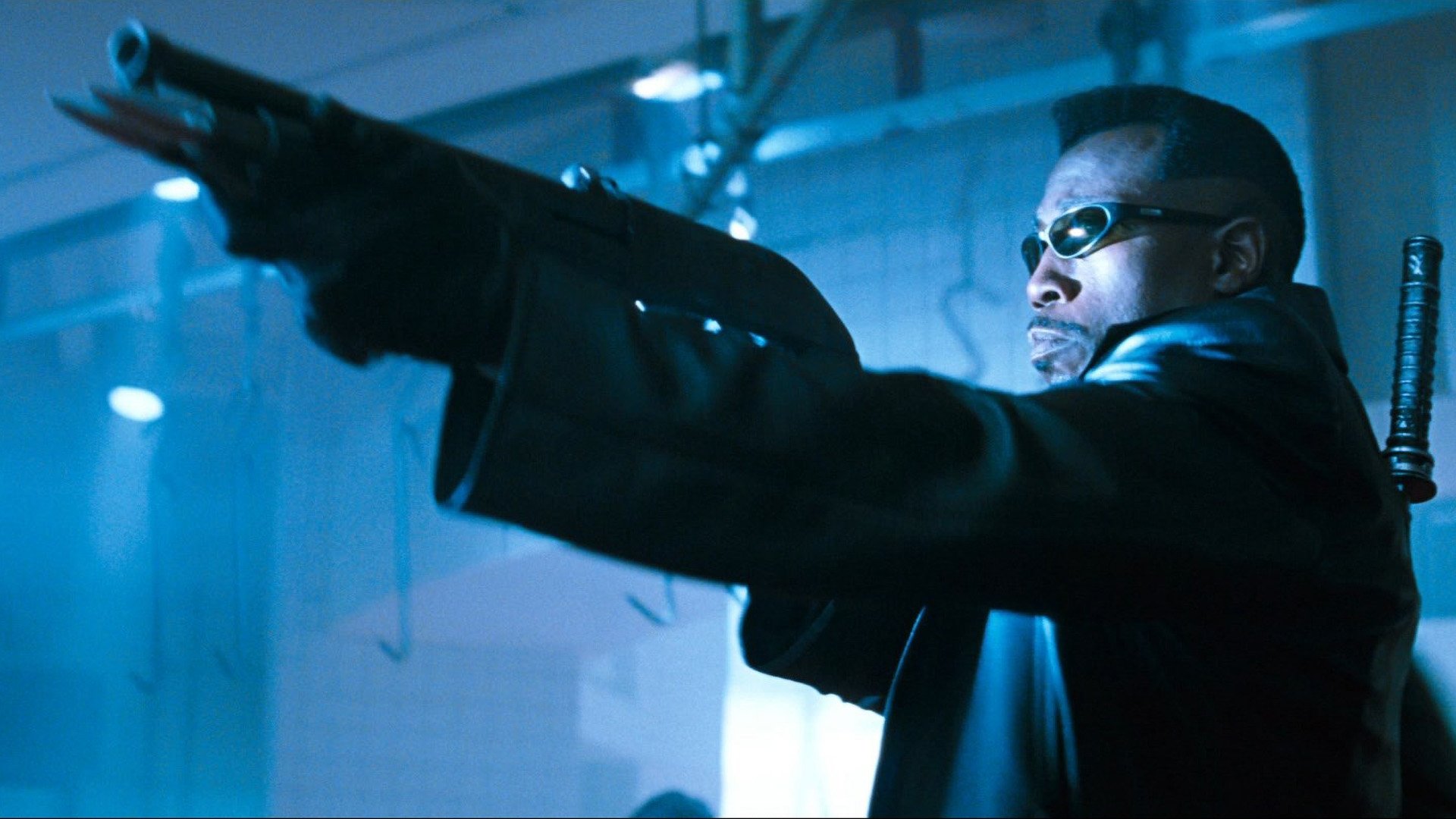
Snipes plays Blade with the sternness the role demands, but there is enough sadness in the performance to prevent the pose becoming tiresome. His control matters: he can suggest that violence costs this man something without stopping the action to insist on it. We wanted more of that vulnerability, which David S. Goyer’s screenplay leaves largely to the actor. The character stays interesting even when the film has little interest in developing him.
We were thrilled by the opening club sequence, where the harsh angles and heavy shadows make the violence feel unusually nasty. Cinematographer Theo van de Sande pushes those angles and shadows hard, and the pictures can stand the treatment. Kirk M. Petruccelli’s production design gives the club a theatrical feel that suits this much visual exaggeration. Norrington gives the sequence a confidence that makes the shakier passages later on more frustrating.
Paul Rubell’s editing is strongest when it keeps the stunts moving without making every encounter feel identical. There is enough energy in the fights to forgive some unevenness, although the film has difficulty sustaining interest between them. Mark Isham’s score helps maintain that aggressive mood, but makes less impression than the physical performances. The music cannot do much about the missing suspense, and the action becomes less involving when we stop worrying about what might happen next.
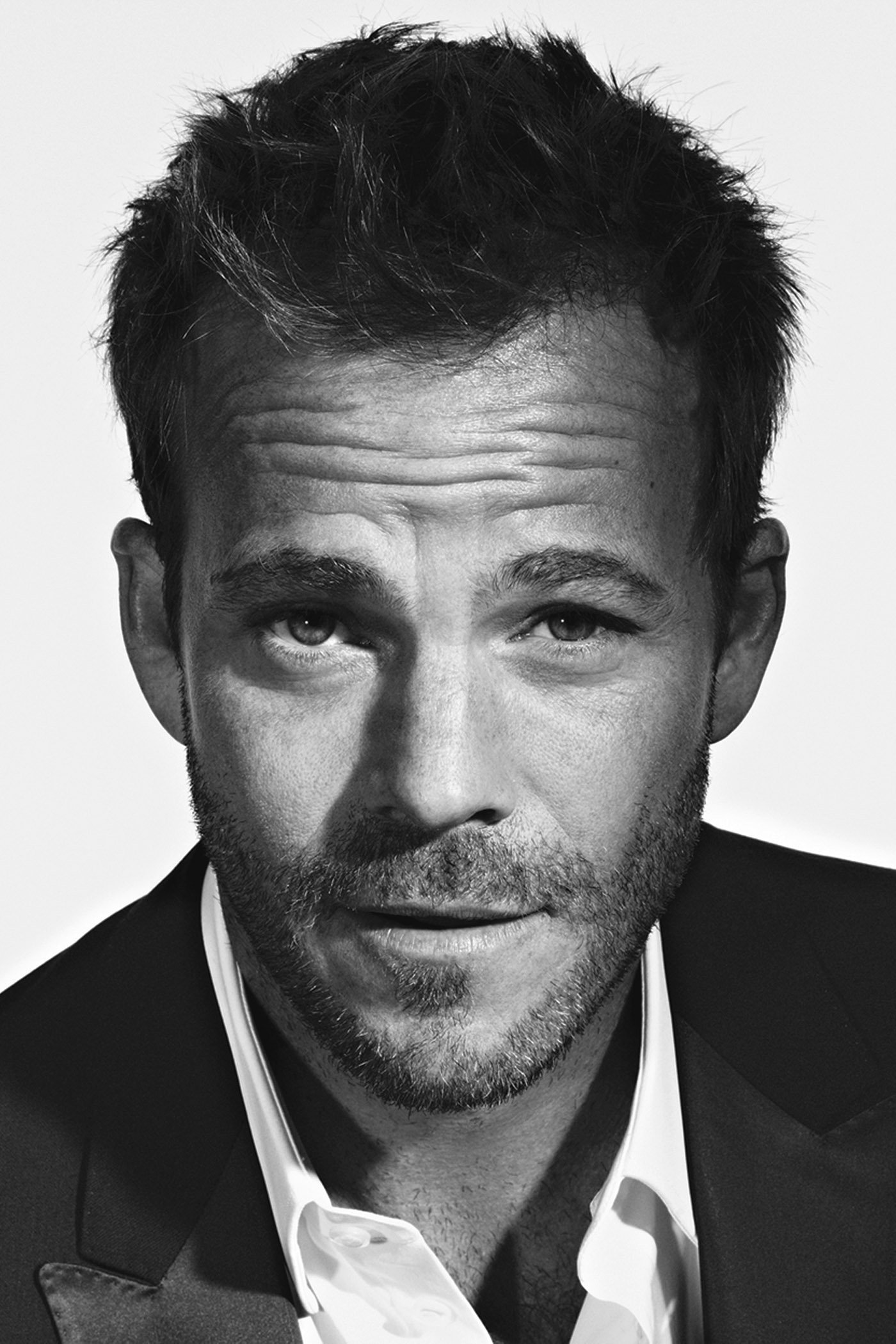
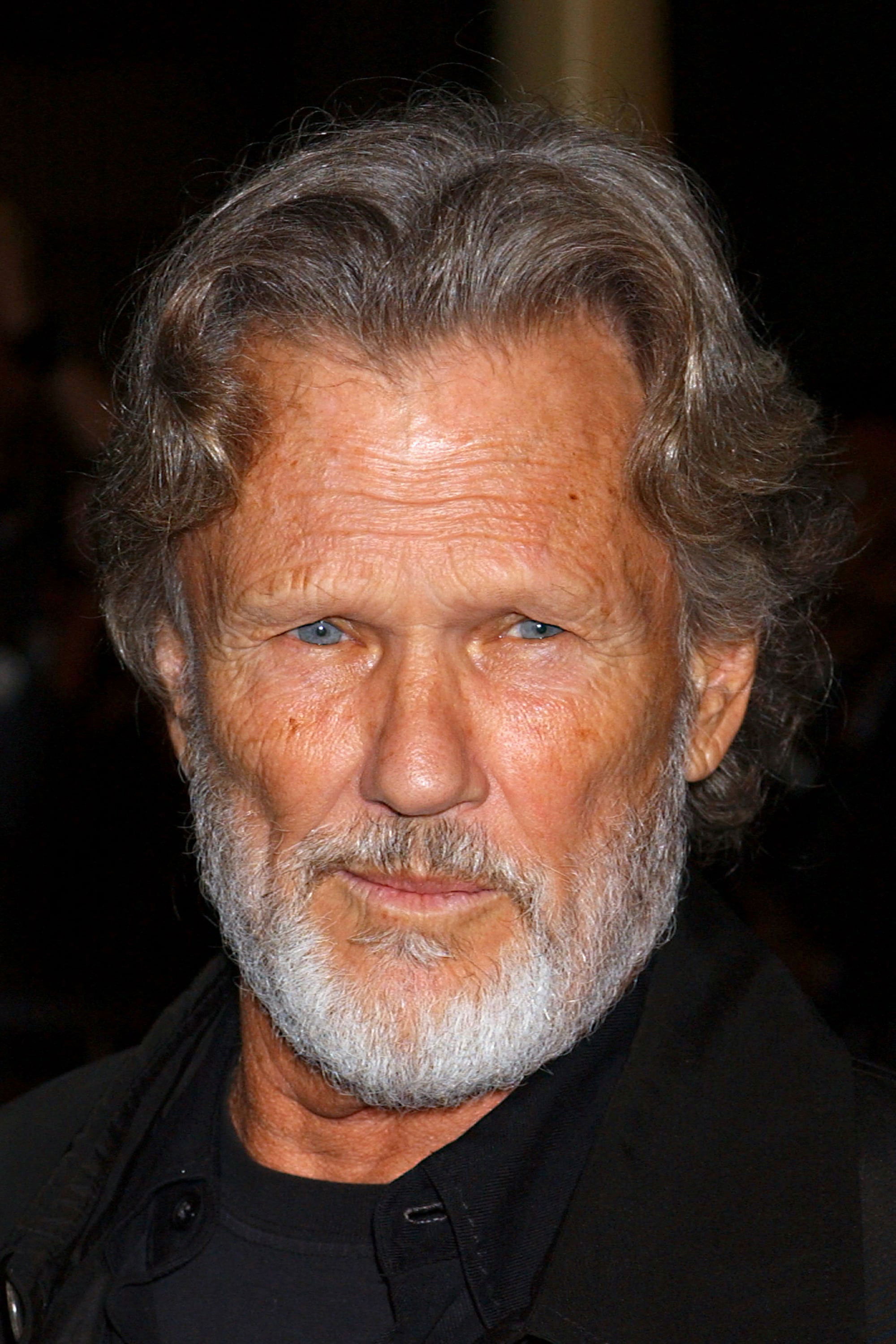
Stephen Dorff gives Deacon Frost enough assurance to keep Snipes from becoming the only person worth watching. Kris Kristofferson is welcome company as Whistler, and both actors make the film easier to enjoy than its unrelenting violence might suggest. Goyer does less well at connecting that violence to anything we can care about for long. The film keeps arranging another encounter when a little more attention to Blade himself would have helped.
The effects are the other substantial weakness, especially when the computer-generated work has to carry the excitement. Physical action has given the film a useful solidity, so the unconvincing images are hard to overlook. As horror, it offers too little suspense to make the violence frightening for long. The increasingly silly plotting would be easier to enjoy if the film did not depend so heavily on our taking its threats seriously.
Still, Snipes makes a persuasive reason to stay, and the early confidence is not wholly lost when the story falters. We would recommend Blade to anyone who wants vampire horror delivered through hard, energetic fights and can tolerate some unconvincing digital work. Its 18 certificate is worth taking seriously; the gore is not incidental. Anyone squeamish about blood should make other plans.