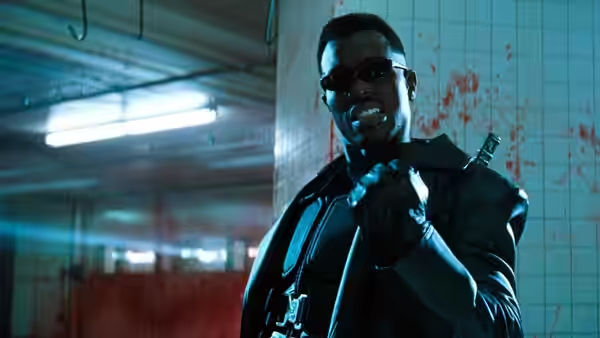
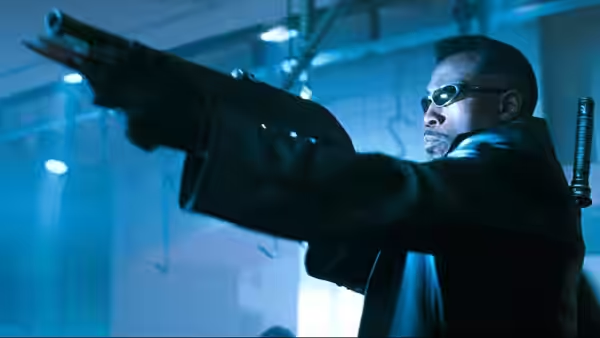
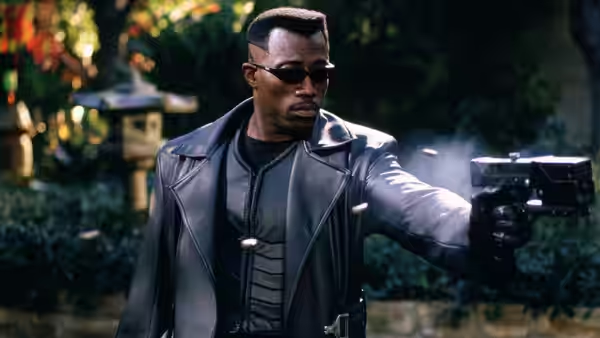
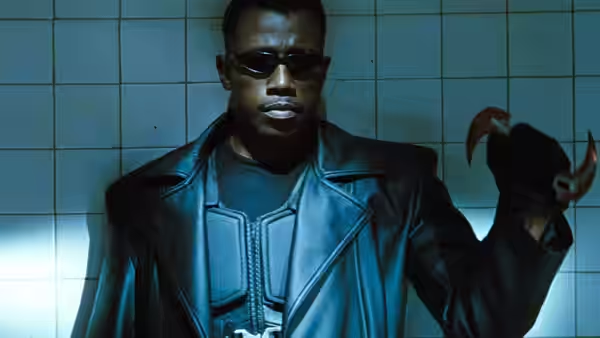
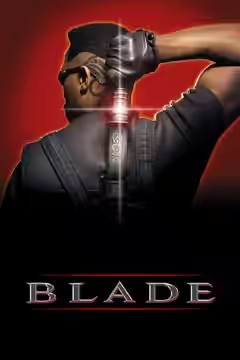
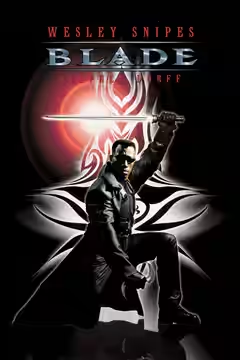
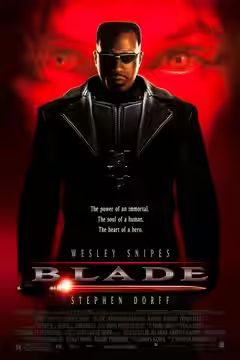
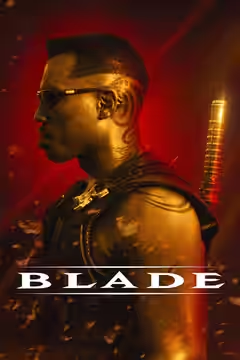
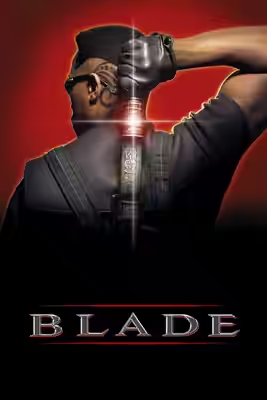
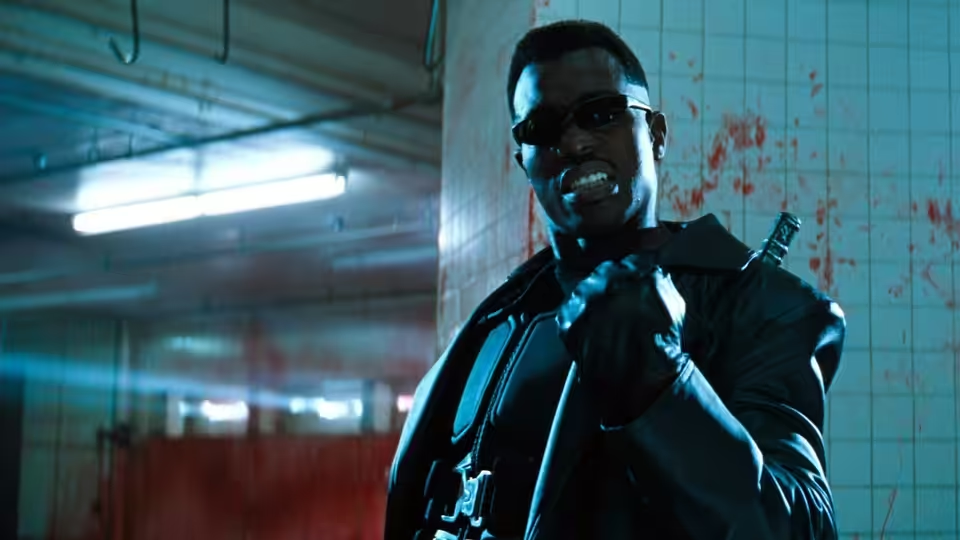
Blade (Wesley Snipes) gripping a weapon in a blood-splattered tiled room
Film review

Blade

1998 · Directed by Stephen Norrington · 2h 01m · RO 18

In a sentenceWesley Snipes gets more done in a nightclub than the script manages in two hours

Wesley Snipes plays Blade, a half-vampire who fights vampires while contending with the part of himself he shares with them. A nightclub provides the opening battleground for an action-horror story in which the vampire threat extends beyond individual victims. Stephen Dorff plays Deacon Frost, alongside Kris Kristofferson as Whistler and N’Bushe Wright as Karen. Blade’s encounters with his enemies unfold through fights and stunts, with his own nature complicating his place in the conflict. Stephen Norrington directs from David S. Goyer’s screenplay, with Donal Logue as Quinn and Udo Kier as Dragonetti.

Plays from YouTube when you press play; nothing loads from them until then.

Fi1m review

Wesley Snipes gives Blade enough presence and physical conviction to carry its thin story. Stephen Norrington’s vampire action film is worth an evening, provided the exposition and erratic computer effects do not spoil the fun.

Stephen Norrington’s Blade works because Wesley Snipes makes its half-vampire hero convincing before the screenplay has made much sense of him. It is a good, forceful action film with horror appetites and a story that needs less explaining than it receives. Norrington wants vampire horror to have the speed and aggression of an action film, and the nightclub opening makes a persuasive case. Blood and stunt work do most of the talking. Keeping that up proves harder.

We were thrilled by the nightclub opening, because the stunts give the bloodshed a weight that the digital effects struggle to match. Snipes is the reason the spectacle holds together: we believe that this man can deal with what is coming at him. His stillness matters as much as his movement. The sequence lets us enjoy his control without pretending that the violence is gentle, and the excess has a purpose here.

Theo van de Sande’s cinematography suits the comic-book exaggeration, making the bloody imagery something to look at even when it is unpleasant. Kirk M. Petruccelli’s production design helps make the nightclub a convincing place for this particular kind of horror. There is little interest in an ordinary world beyond the fighting, but the setting gives Norrington enough to work with. Paul Rubell’s editing drives the opening along; in the busier action, that urgency sometimes makes the fighting harder to follow.

Mark Isham’s score adds pressure, although it does less for Blade’s emotional life. The film’s techno emphasis is well suited to action that wants to keep pushing forward, and Norrington understands the pleasure of letting sound and movement do the work. The trouble comes when the momentum depends on computer imagery. The less convincing effects reduce the force of the action, and we start noticing how the images were made instead of worrying about the danger.

David S. Goyer’s screenplay is much less assured about how to keep us interested between confrontations. There is too much exposition about vampires and too little attention to what being partly one costs Blade. Snipes finds vulnerability in the character, but the writing gives him fewer chances to use it than he deserves. The supporting characters are thin, though Stephen Dorff gives Deacon Frost enough energy to keep his scenes from feeling like another wait for a fight.

For a vampire film, Blade has little patience with creeping dread. Its interest lies in the immediate shock of blood and the excitement of a body moving convincingly through a fight, which is a legitimate choice. Some of the gore is simply wearying, especially when the film seems to expect quantity to do the work of invention. Yet the action has enough physical conviction to stop the whole thing becoming a parade of unpleasant images. For an evening of bloody action, we would happily put up with the lectures again.

Critical consensus AI synthesised

64
Positive
10
Mixed
1
Negative
3

Most critics come down in favour, and the praise clusters in two places. The first is Wesley Snipes, whose physical, unsmiling turn as the half-vampire hunter is credited with defining the character. The second is Stephen Norrington’s action, above all the opening nightclub sequence with its blood sprinklers, which nearly everyone singles out as the high point. The more recent reviews go further and treat the film as an early template for the modern superhero picture, dated but still sharp.

The reservations cluster on the script and the finale. Several critics find the plotting thin and the second half increasingly silly, and more than one calls the CGI in the closing stretch ropy enough to spoil what came before. The spread is wide, and the dissent is mostly contemporary: The Hollywood Reporter and the Los Angeles Times in 1998 find it gruesome or brainless, and Time Out later faults the storytelling. The later reviews are kinder.

The Guardian
27 October 2021 · Peter Bradshaw
80*

The critic praises the 1998 film's energetic, macabre action-horror style and Wesley Snipes' charismatic performance as the daywalker vampire hunter. They single out its propulsive energy, inventive set pieces like the blood-sprinkler scene and early bullet-time effect, and its raw edge compared to later entries in the series.

Read the full review →
Empire
1 January 2000 · Darren Bignell
75*

The critic finds the film slick and energetic fun overall, with effective action sequences and a strong central performance from Wesley Snipes. They single out director Stephen Norrington's energetic handling of fights, stunts and the opening nightclub scene for praise, while noting some unevenness and ropy CGI.

Read the full review →
RogerEbert.com
21 August 1998 · ★★★/4 · Roger Ebert
75

The film delivers high visual style and visceral imagery drawn from comic-book aesthetics, ranking it among recent New Line efforts like Dark City. Wesley Snipes brings vulnerability and emotional edge to the half-vampire hero in a story built around spectacular action set pieces rather than coherent plotting.

Read the full review →
The New York Times
21 August 1998 · Stephen Holden
70*

The hyperkinetic comic-book adaptation drenches nearly every scene in fake blood while delivering cartoonish futuristic action-adventure thrills. It succeeds as low-rent Batman-style escapism driven by Wesley Snipes' enigmatic hero battling vampires intent on a hematological holocaust.

Read the full review →
Variety
20 August 1998 · Dennis Harvey
50*

The slick but increasingly silly film struggles to blend horror, superhero fantasy, and straight action into a satisfying whole, with hyperbolic sequences and a strong opening club setpiece undermined by sloppy plotting and thin characters. Production values and techno edge provide some diversion, but it lacks sustained excitement or emotional depth.

Read the full review →
Los Angeles Times
3 September 1998 · Mark Chalon Smith
30*

The critic calls it a brainless action flick that appeals mainly to kids and comic fans, with bim-bam-boom energy, colorful bloody images, and a plot that does not test anyone's smarts.

Read the full review →

Straight answers AI written, from our review

Is Blade worth watching?
Blade is worth watching for anyone who wants fast, bloody vampire action and can forgive a script that explains too much, and we scored it 76. Wesley Snipes carries the film with his stillness and physical conviction, above all in the nightclub opening. The exposition and the weaker computer effects are the price of admission.
How long is Blade, and what is it rated?
Blade runs 2h 01m and is rated 18 by the RO in Romania. It is a horror and action film.
Where can I watch Blade in Romania?
Blade is available to rent from Amazon Prime Video from lei 9.99. Availability is checked daily; the links above go straight to each service.
How violent or frightening is Blade, and is it suitable for children?
Blade is an 18 in the UK and R in the US, and it earns the certificate with heavy bloodshed rather than creeping dread. The violence is constant and some of the gore is wearying by design, so it is not for children or for anyone squeamish. Older teenagers who like comic-book action will find it exciting rather than frightening.
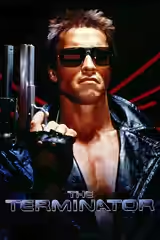
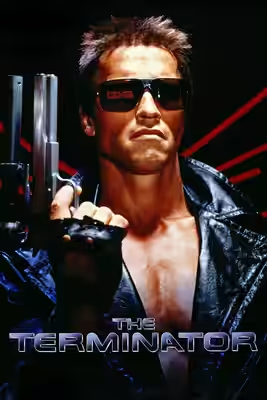
How does Blade compare to The Terminator?
Blade and The Terminator are both carried by a physically convincing lead who keeps an extravagant premise under control, but the earlier film is the tighter and more frightening of the two. Blade offers louder, bloodier spectacle with more exposition in between; The Terminator builds real pursuit tension. Choose Blade for stunts and gore, The Terminator for a thriller that grips throughout.
What should I watch after Blade?
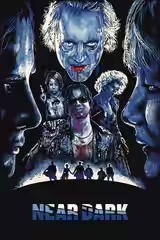
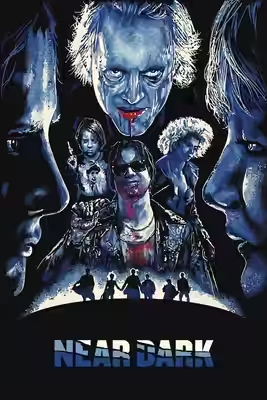
After Blade, try The Terminator (1984, Fi1m 88): Another physically convincing action lead keeps an extravagant premise firmly under control. Then Near Dark (1987, Fi1m 82): Vampires with rough edges, and more attention to the cost of belonging.

Cast

Awards

MTV Movie Award for Best Villain, 1999

Won
MTV Movie Award for Best Villain

If you liked this, try…

  1. The Terminator (1984, Fi1m 88)Another physically convincing action lead keeps an extravagant premise firmly under control.

  2. Near Dark (1987, Fi1m 82)Vampires with rough edges, and more attention to the cost of belonging.

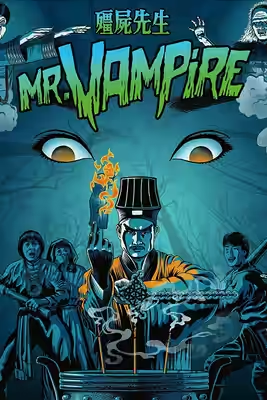
  3. Mr. Vampire (1985) · not reviewed yetMartial arts and supernatural trouble, with comic timing replacing the nightclub aggression.

  4. Dog Soldiers (2002) · not reviewed yetPractical creature work and combative humour keep the siege moving.

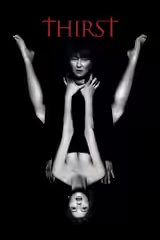
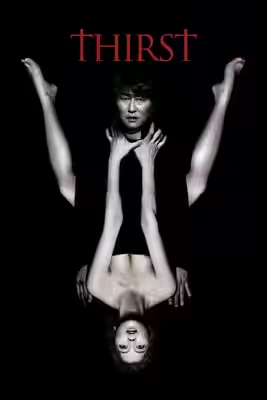
  5. Thirst (2009) · not reviewed yetFor the bodily disgust and divided loyalties that Blade only partly explores.

Free account

Know what to watch tonight

Two lists that know where things are streaming, collections you can share, your own score beside ours, and Discover that remembers what you have seen.

  • Want to see, sorted by what is streaming now
  • Seen, with your score out of ten
  • No adverts, ever