Film review

Bram Stoker's Dracula

1992 · Directed by Francis Ford Coppola · 2h 08m · MPA R

In a sentenceDracula has dressed for the occasion, and apparently for several other occasions as well

RomanceHorror

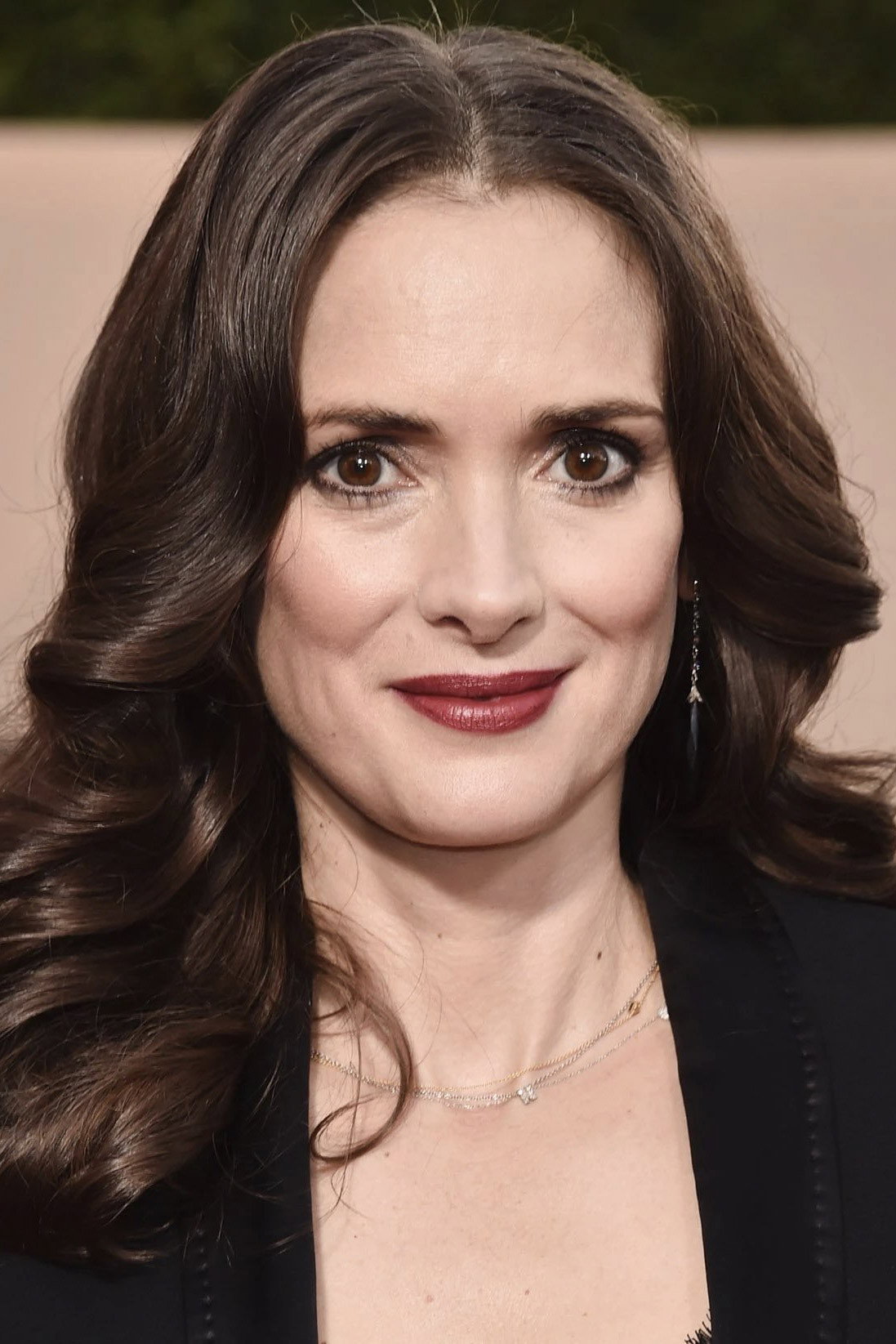
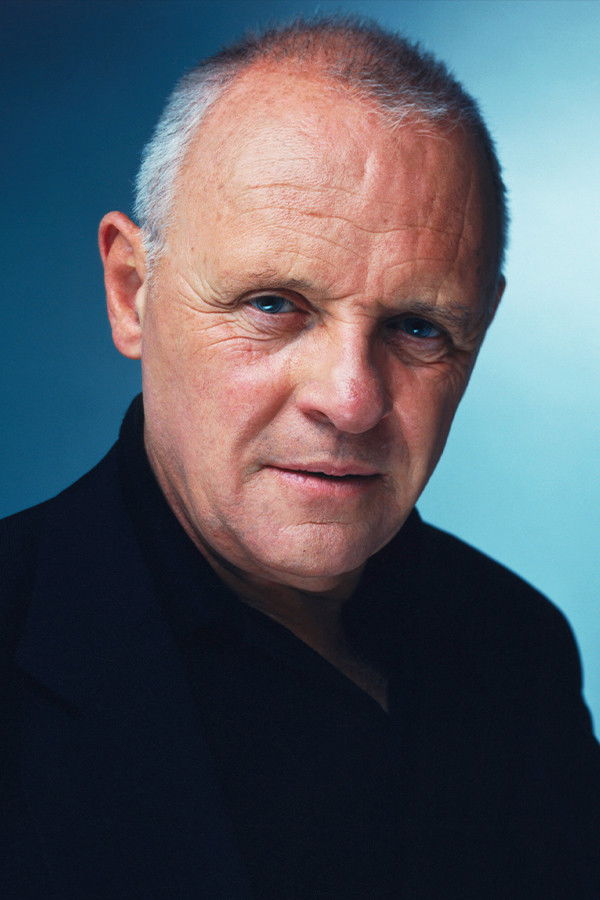
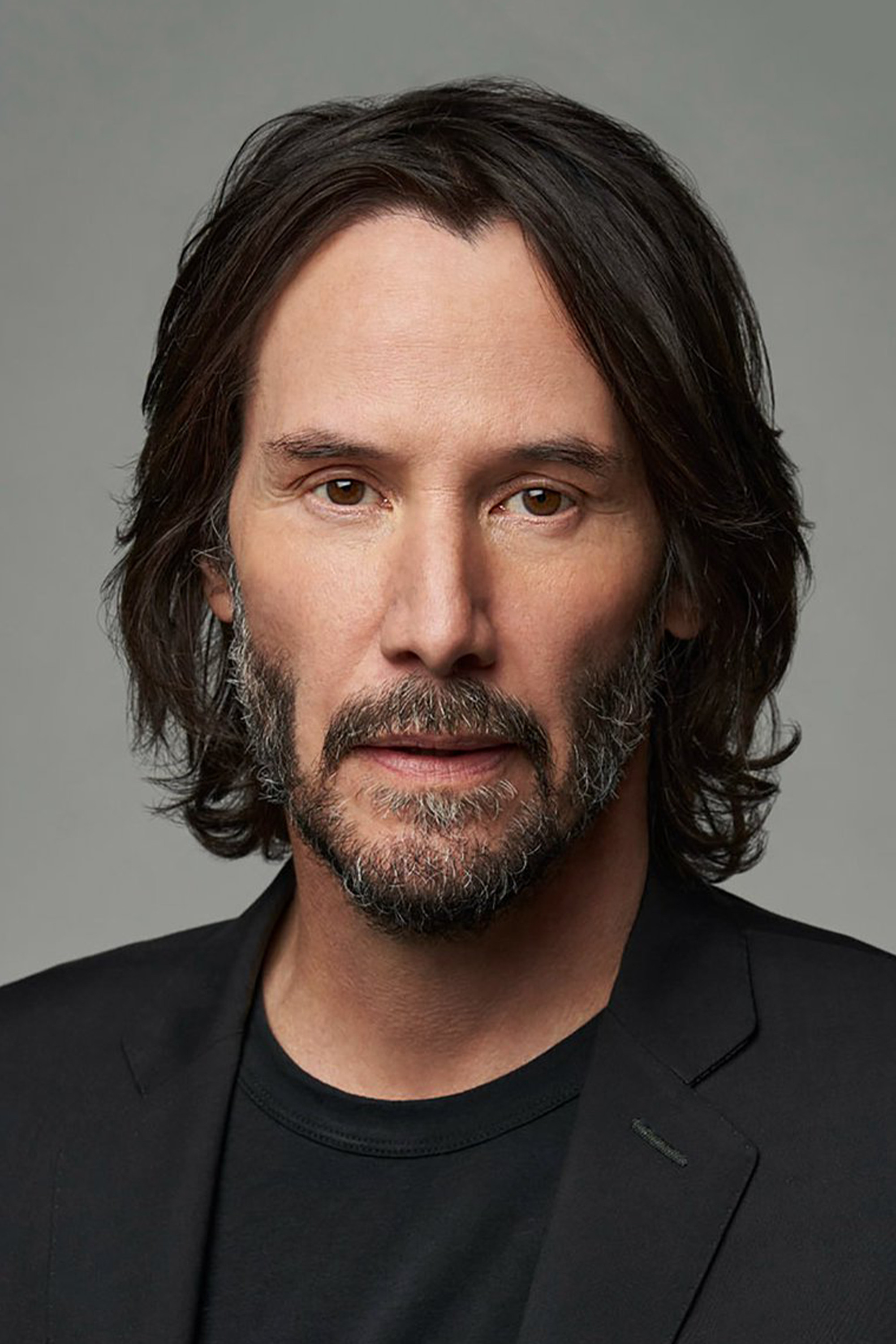
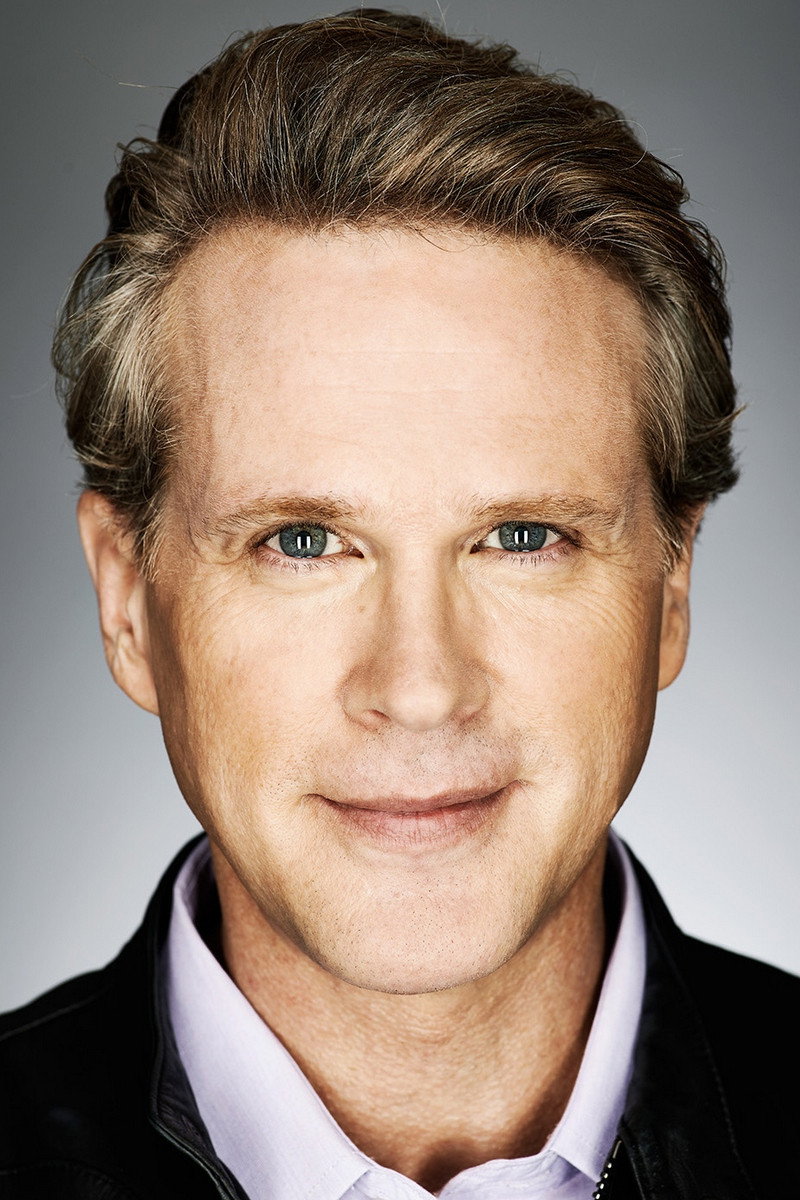
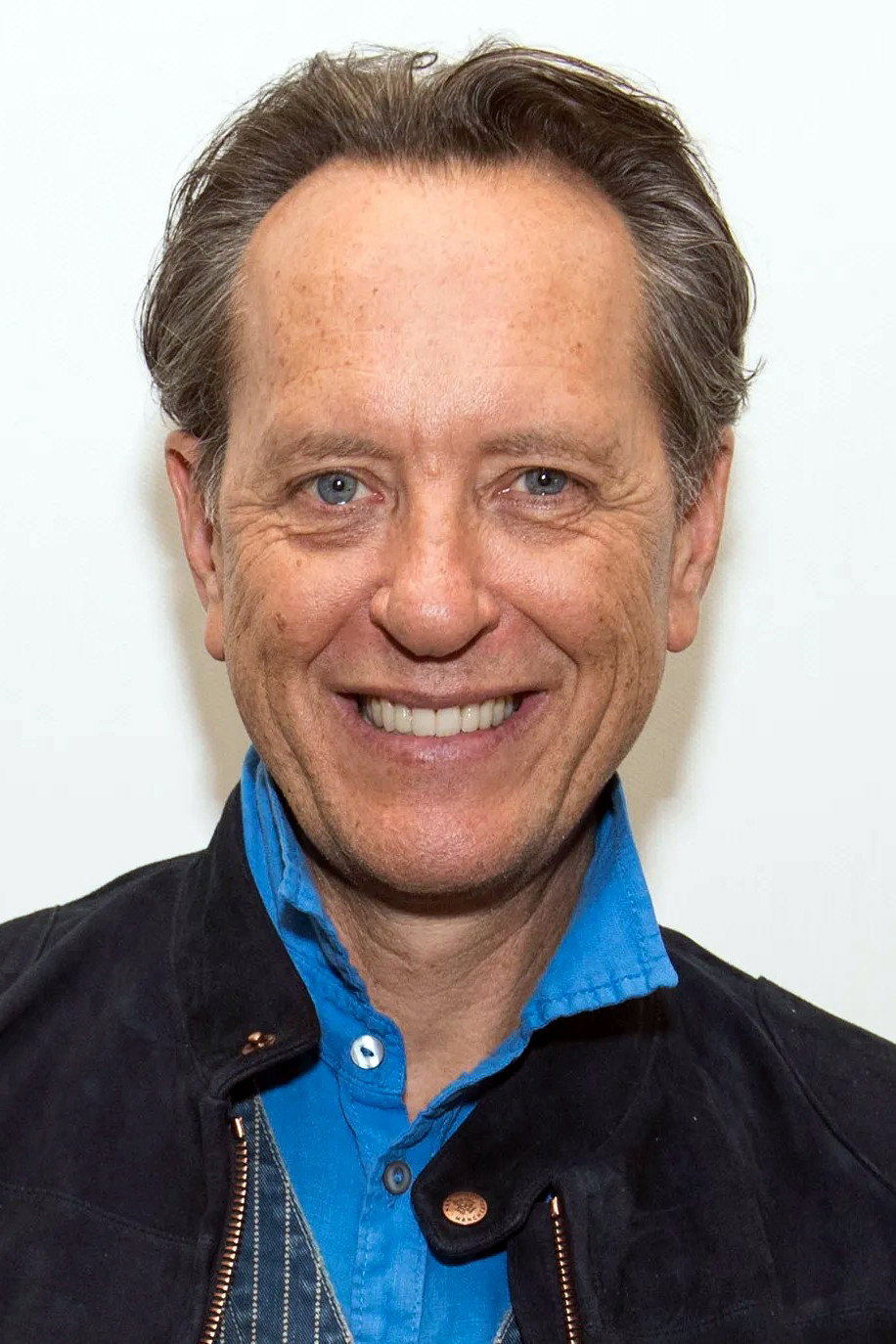
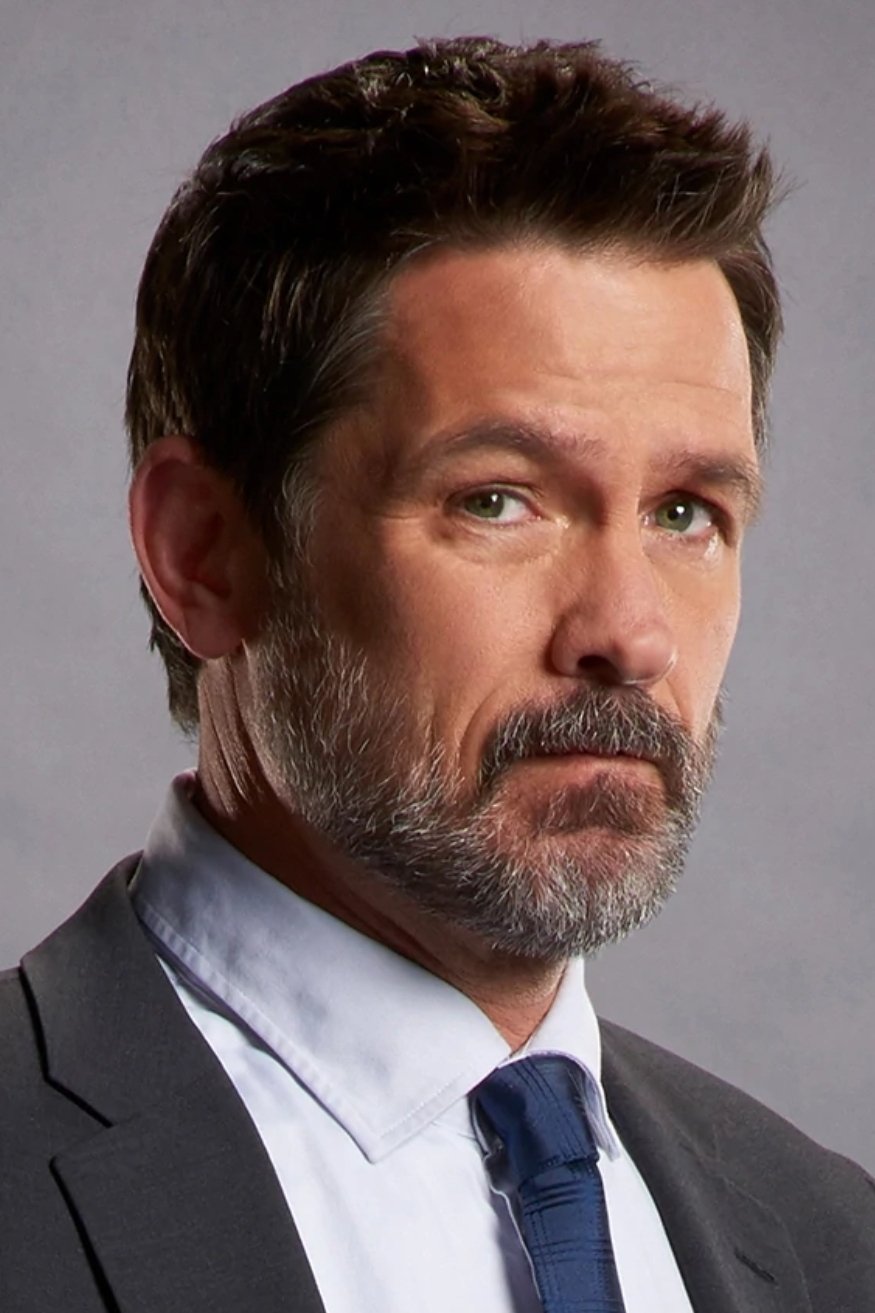
Francis Ford Coppola’s adaptation of Bram Stoker’s novel brings together horror and romance around the figure of Dracula. Gary Oldman plays Dracula, with Winona Ryder as Mina Murray and Elisabeta, Keanu Reeves as Jonathan Harker and Anthony Hopkins as Professor Abraham Van Helsing. Sadie Frost plays Lucy Westenra, while Tom Waits is Renfield. The characters also include Lord Arthur Holmwood (Cary Elwes), Dr. Jack Seward (Richard E. Grant) and Quincey P. Morris (Billy Campbell), with Monica Bellucci among Dracula’s brides.

Plays from YouTube when you press play; nothing loads from them until then.

Fi1m review

Francis Ford Coppola makes a persuasive case for an excessive Dracula, with Gary Oldman and the costumes doing much of the persuading. The storytelling is muddled and the performances uneven, but Gothic romantics should find plenty to enjoy.

Francis Ford Coppola’s Bram Stoker’s Dracula is a good Gothic romance with an unreliable supply of scares, and we would happily put up with its unevenness again. Working from James V. Hart’s adaptation of Bram Stoker’s novel, Coppola makes desire as important as the business of frightening us. The trouble starts when the film expects all that fervour to explain relationships which the script has not made clear enough. Still, there is conviction in its excess, especially when Gary Oldman is allowed to dominate.

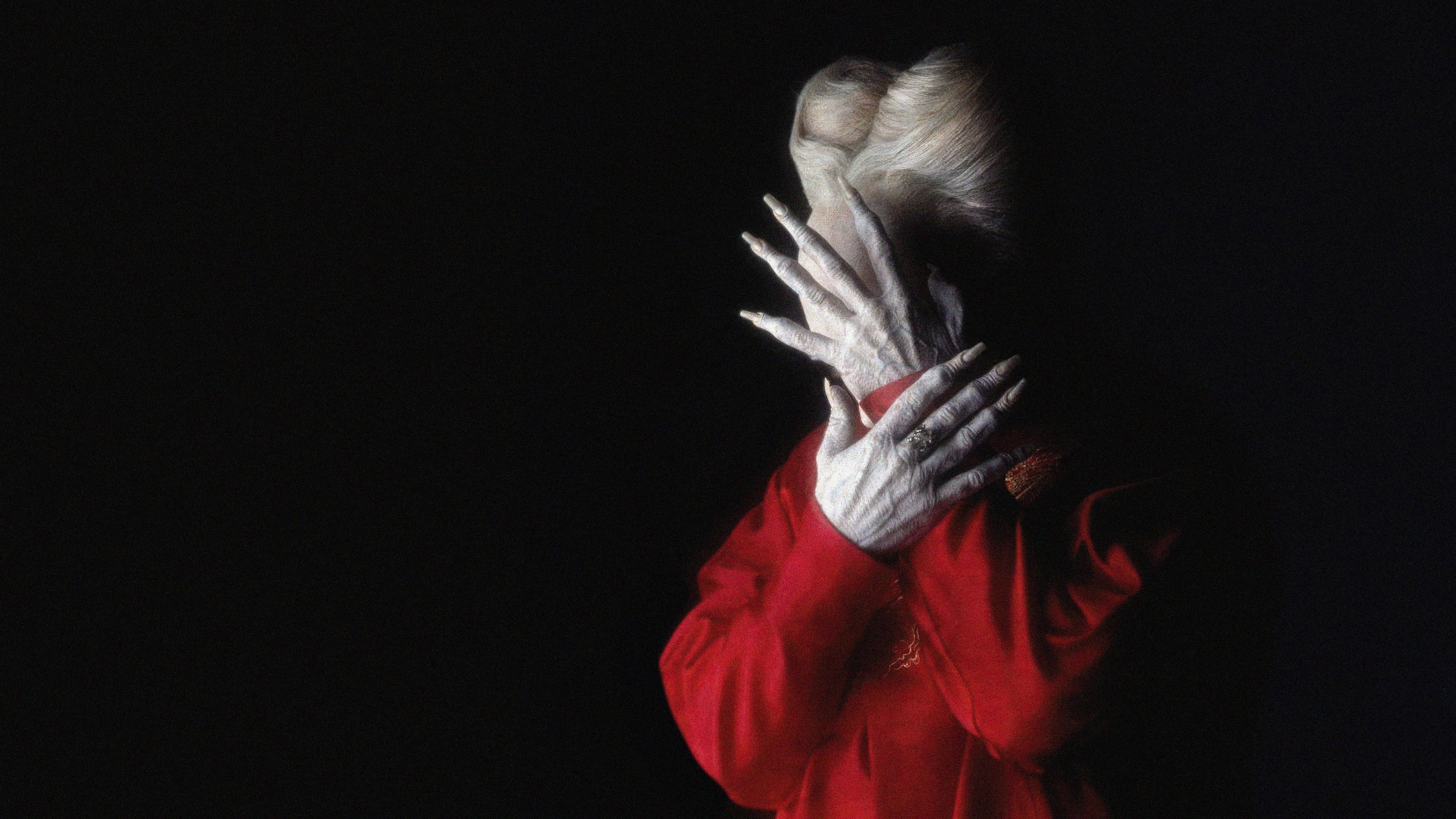
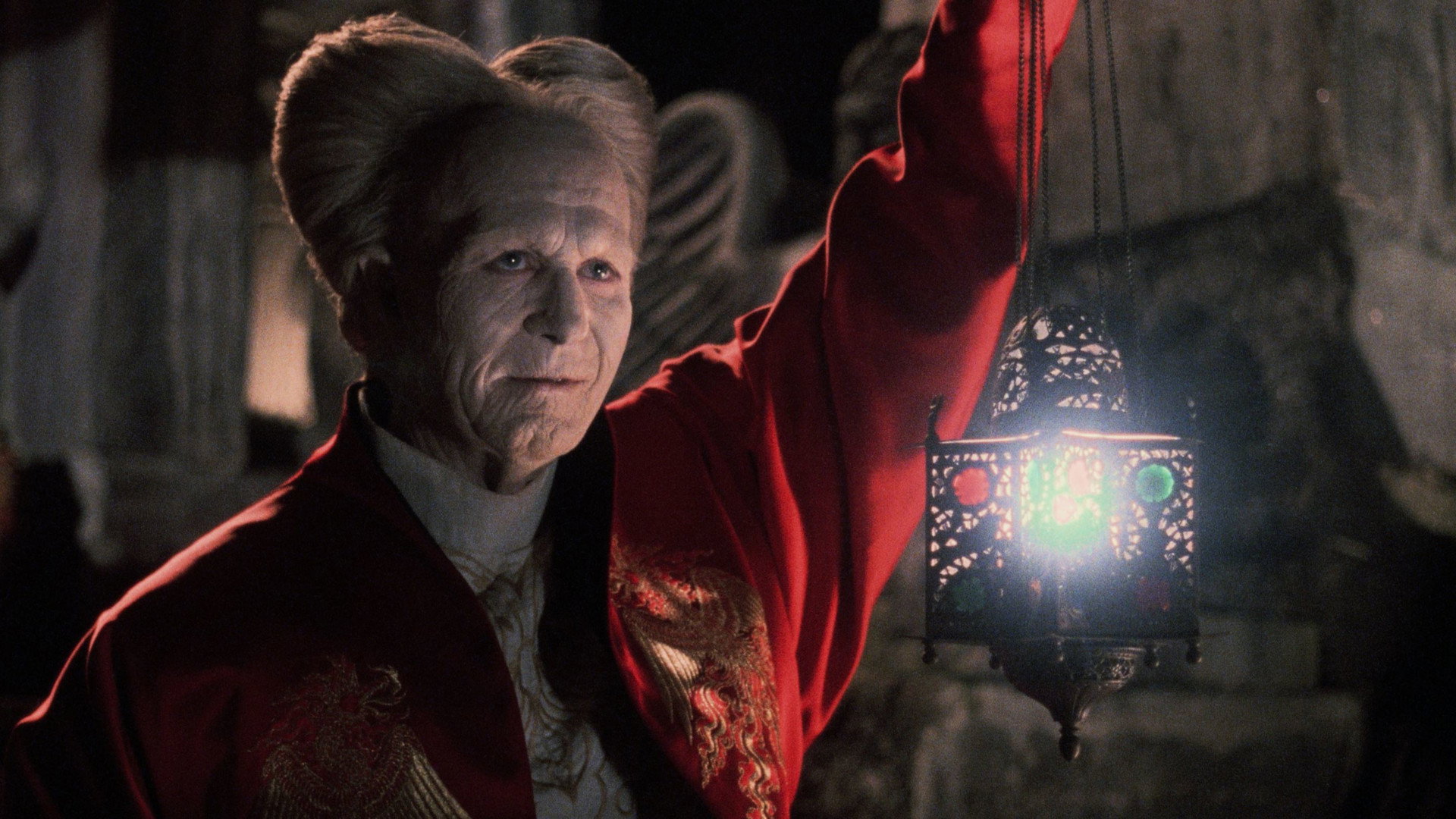
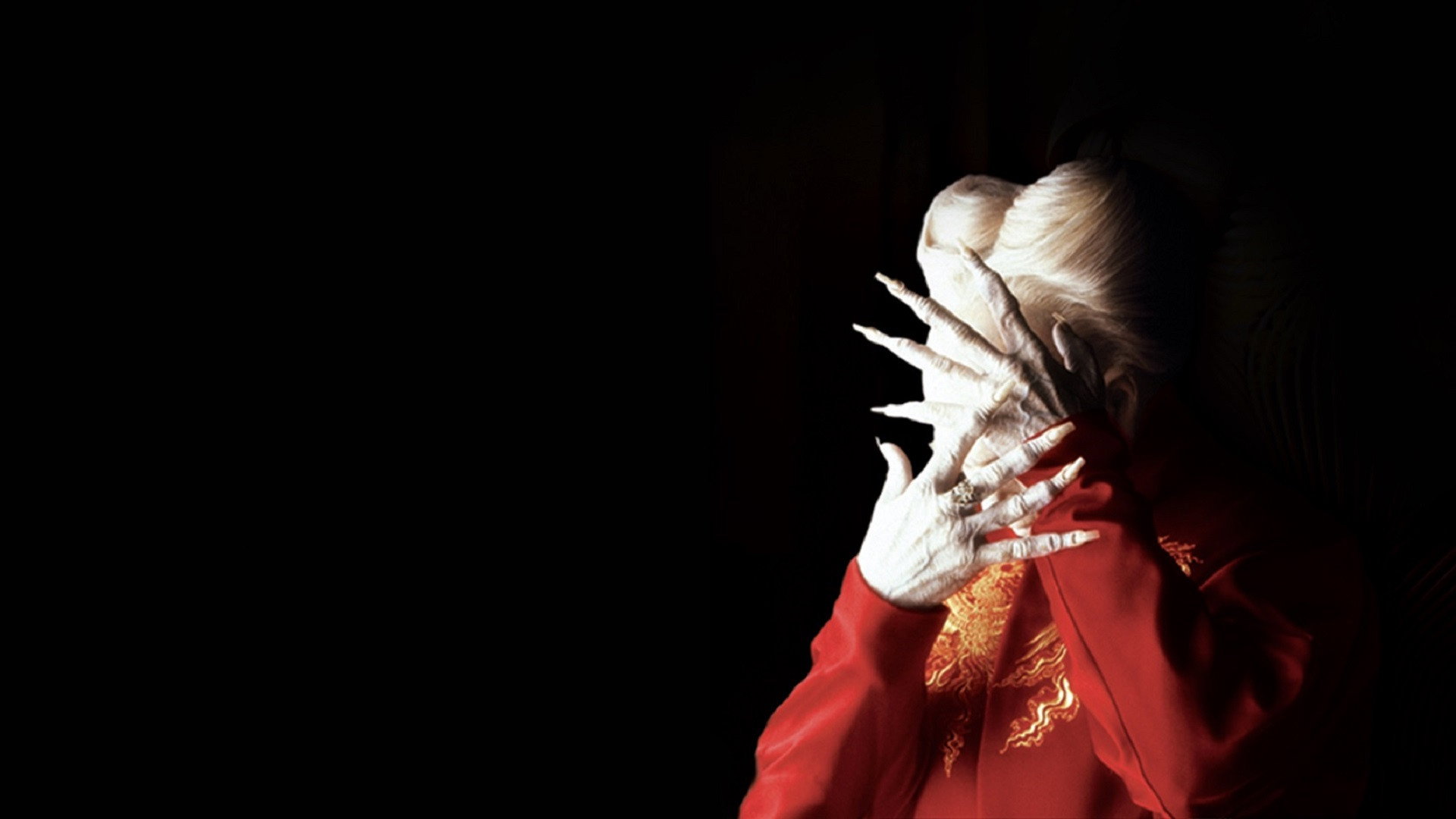
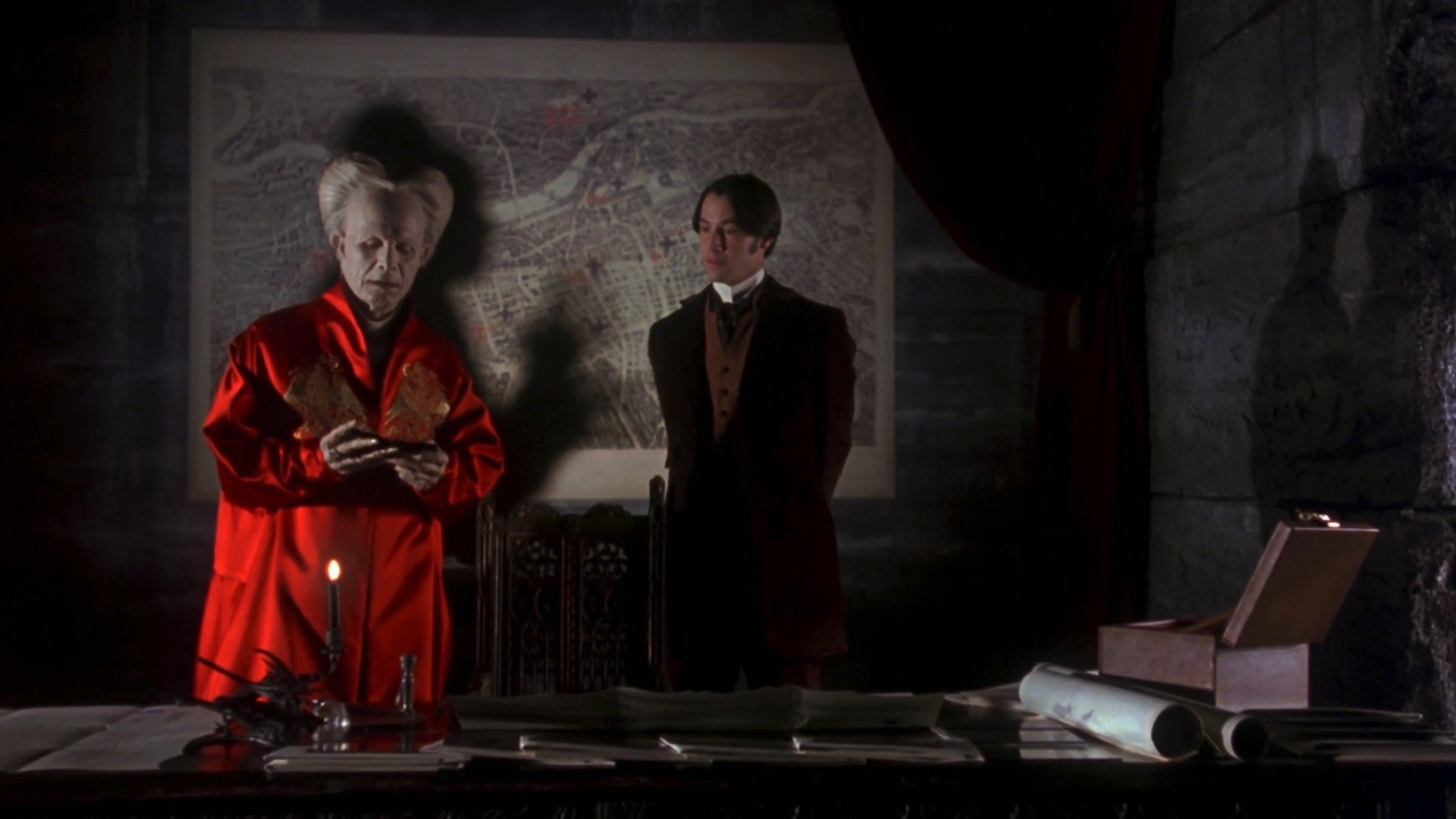
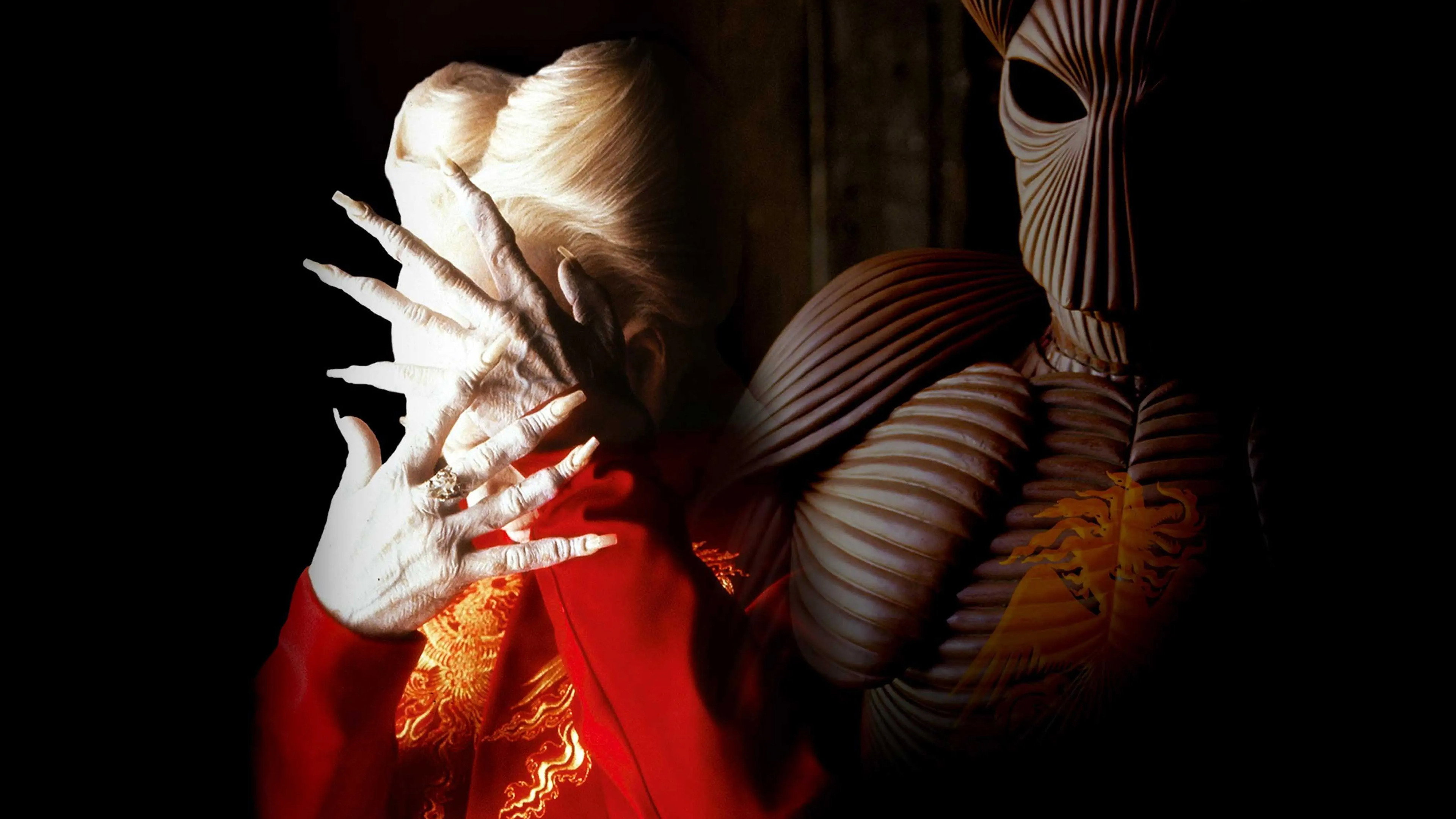
Oldman plays Dracula with enough seriousness to make the extravagance around him seem reasonable, at least while he is on screen. He gives the romance an urgency that the film cannot always get from its dialogue. There is a temptation with such a role to rely on the costume and wait for everyone else to react, but he keeps supplying the feeling himself. His count holds our attention even when Coppola has filled the image with things competing for it.

Michael Ballhaus’s photography gives the elaborate sets and clothes room to register, rather than treating them as background to the actors. Thomas E. Sanders’s production design works because the sets look as extravagant as the performances, keeping Oldman from seeming stranded in an otherwise sober film. Eiko Ishioka’s costumes go further, making the clothes central to how we read these people before they speak. We were delighted by their excess, especially the way they encourage us to accept Dracula’s grand manner.

The in-camera effects have a similar appeal, openly inviting us to enjoy the trick as well as the supernatural threat. Editors Anne Goursaud, Glen Scantlebury and Nicholas C. Smith assemble the images into busy montages that keep finding something new to look at. That gives the film momentum even when the story becomes hard to follow, although the cutting cannot supply the missing dramatic clarity. Wojciech Kilar’s music makes the romance sound enormous, which fits the acting even when the dialogue has not earned it.

The actors are less consistent. Keanu Reeves’s Jonathan Harker is stiff, and the accent makes the effort of the performance too audible. Tom Waits, as Renfield, understands how to be peculiar without seeming uncertain about what sort of film he is in. Coppola needed to bring the other performances closer to that confidence, particularly when the dialogue is doing the work of keeping the story comprehensible.

Most critics disagree with us, regarding the spectacle as silly and the lack of sustained fear as a failure. We think they give too little weight to the romance: Oldman’s performance and the pleasure of the effects provide ample reason to stay. Gothic horror benefits from suggestion and suppressed desire, and Coppola’s insistence on putting everything on display does cost him suspense. It also makes the film’s enthusiasm hard to resist, though anyone expecting a steady tightening of dread is likely to be frustrated.

The 128-minute running time is generous enough to make the muddle noticeable. A firmer script and more consistent cast would have helped, but we would not want Coppola to tidy away everything unruly here. Watch it for Oldman, and accept that the rest of the cast will not always keep up.
Critical consensus AI synthesised

5 of 6
Positive
2
Mixed
0
Negative
3
Radio Times
★★★★ · Alan Jones
80

Eerie, romantic and operatic, this exquisitely mounted revamp of the undead legend is a supreme artistic achievement. Coppola's film is grandiose in visual approach and uses every cinematic trick to accentuate the poetic sensuality of Bram Stoker's novel, with Gary Oldman's towering performance as the count holding centre stage.

Read the full review →
Los Angeles Times
13 November 1992 · Kenneth Turan
40*

Coppola’s retelling is under the influence of Monty Python’s absurd sensibility, resulting in a muddled film that is not particularly scary, not very sexy, and dramatically over the top. It gives off overstimulated energy and is anything but dull to look at, but a Dracula that is more silly than scary is doomed.

Read the full review →
The Independent
29 January 1993
40*

Coppola's film fails as Gothic horror because it turns terror entirely into beauty and visual spectacle, leaving no shudder or suspense. It praises the lavish design, costumes and in-camera effects but criticises the lack of repression, narrative coherence and strong performances beyond the production values.

Read the full review →
Empire
1 January 2000 · Tom Hibbert
20*

Coppola fails at Gothic horror, delivering a dull, calamitous muddle full of style but no content, with unmenacing Dracula, poor accents and no action. It singles out Tom Waits as Renfield for praise while directing viewers to better Hammer-style Dracula films instead.

Read the full review →
The New York Times
13 November 1992 · NYT Critic’s Pick · Vincent Canby

Coppola delivers a dizzying, extravagant vision of the story that transcends camp through its gorgeous sets, costumes, hallucinogenic effects, and mad montages. The film is surprising and entertaining, if always a little too much, with the nervy enthusiasm of a precocious film student who has mastered his craft.

Read the full review →
Polygon
23 October 2025 · Claire Lewis
90*

The critic declares Coppola’s 1992 film the pinnacle of Dracula adaptations for balancing fear and romance. She singles out Gary Oldman’s performance as Dracula and the film’s decadent visuals for praise.

Read the full review →

Cast

Stills

Awards

BAFTA Film Awards, 1994

Nominated
Best Makeup and Hair
Nominated
Best Special Visual Effects

Academy Awards, 1993

Nominated
Best Production Design
Won
Best Costume Design
Won
Best Makeup and Hairstyling
Won
Best Sound Editing

Hugo Awards, 1993

Nominated
Best Dramatic Presentation

MTV Movie Award for Best Kiss, 1993

Nominated
MTV Movie Award for Best Kiss

Saturn Awards, 1993

Won
Best Director

Saturn Awards, 1992

Won
Best Costume

If you liked this, try…

Nosferatu the Vampyre poster

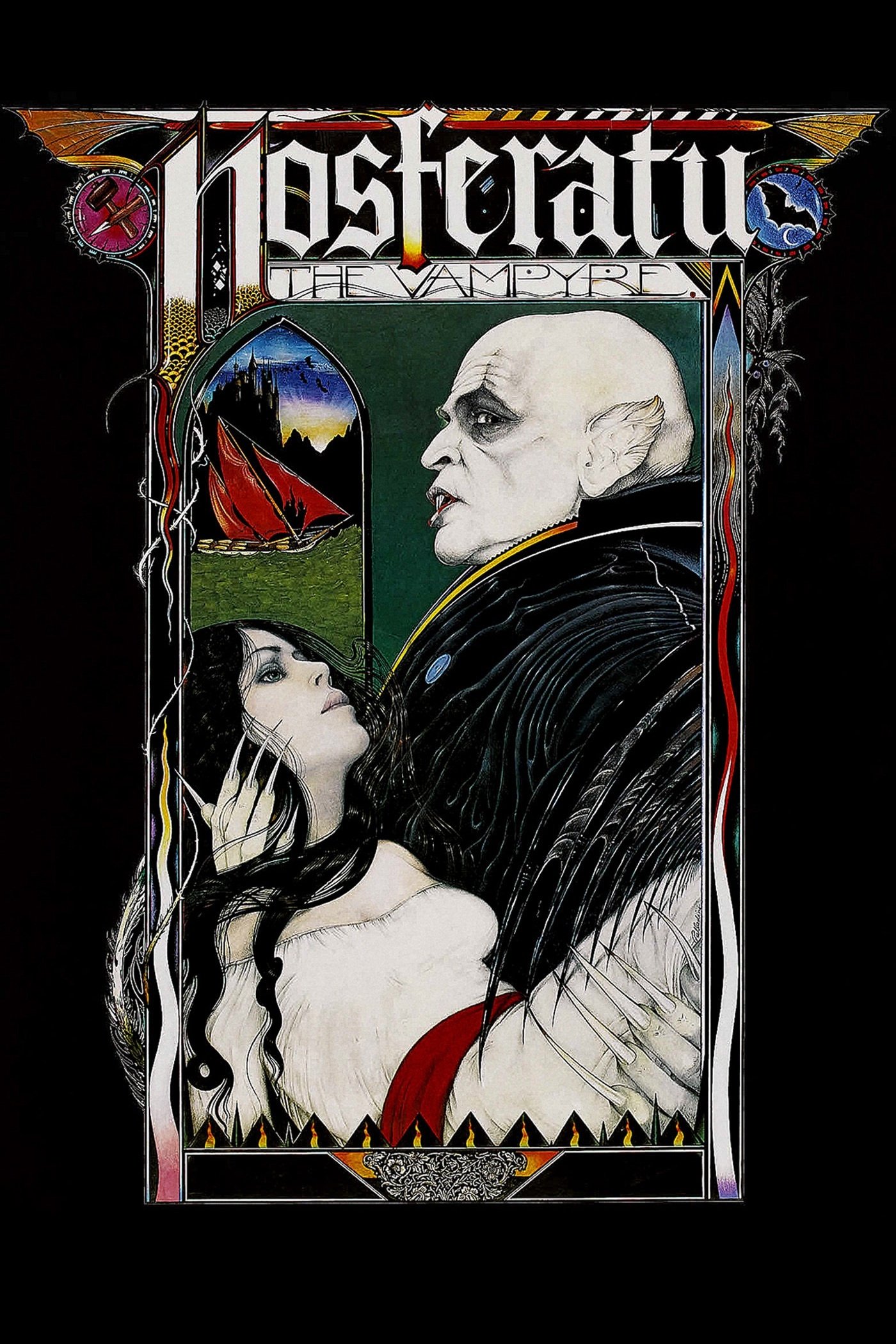
Nosferatu the Vampyre

1979 · For a Dracula whose melancholy makes the horror feel harder to escape.

Beauty and the Beast poster

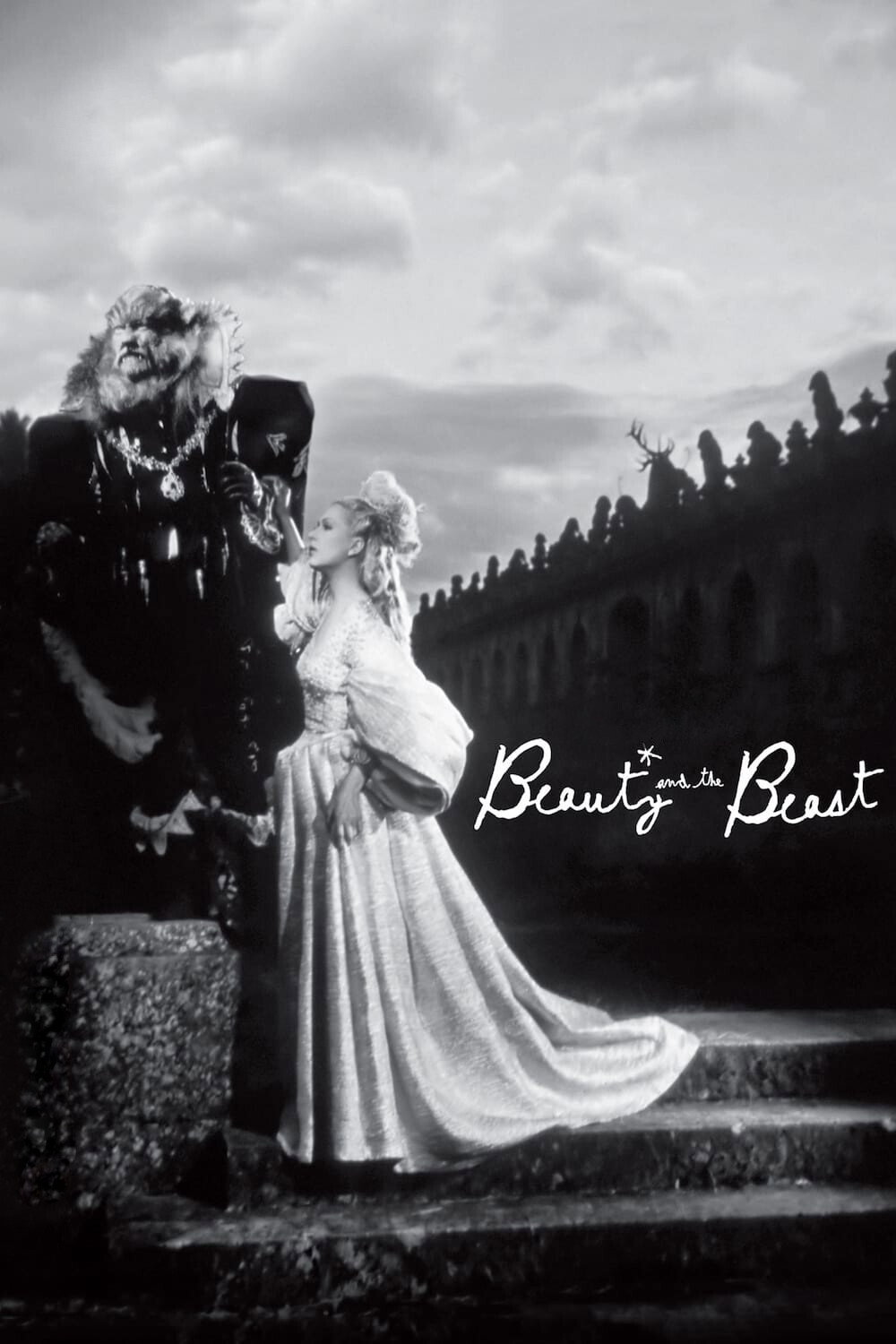
Beauty and the Beast

1946 · Another elaborate romance that takes its monster’s feelings seriously, with fewer distractions.

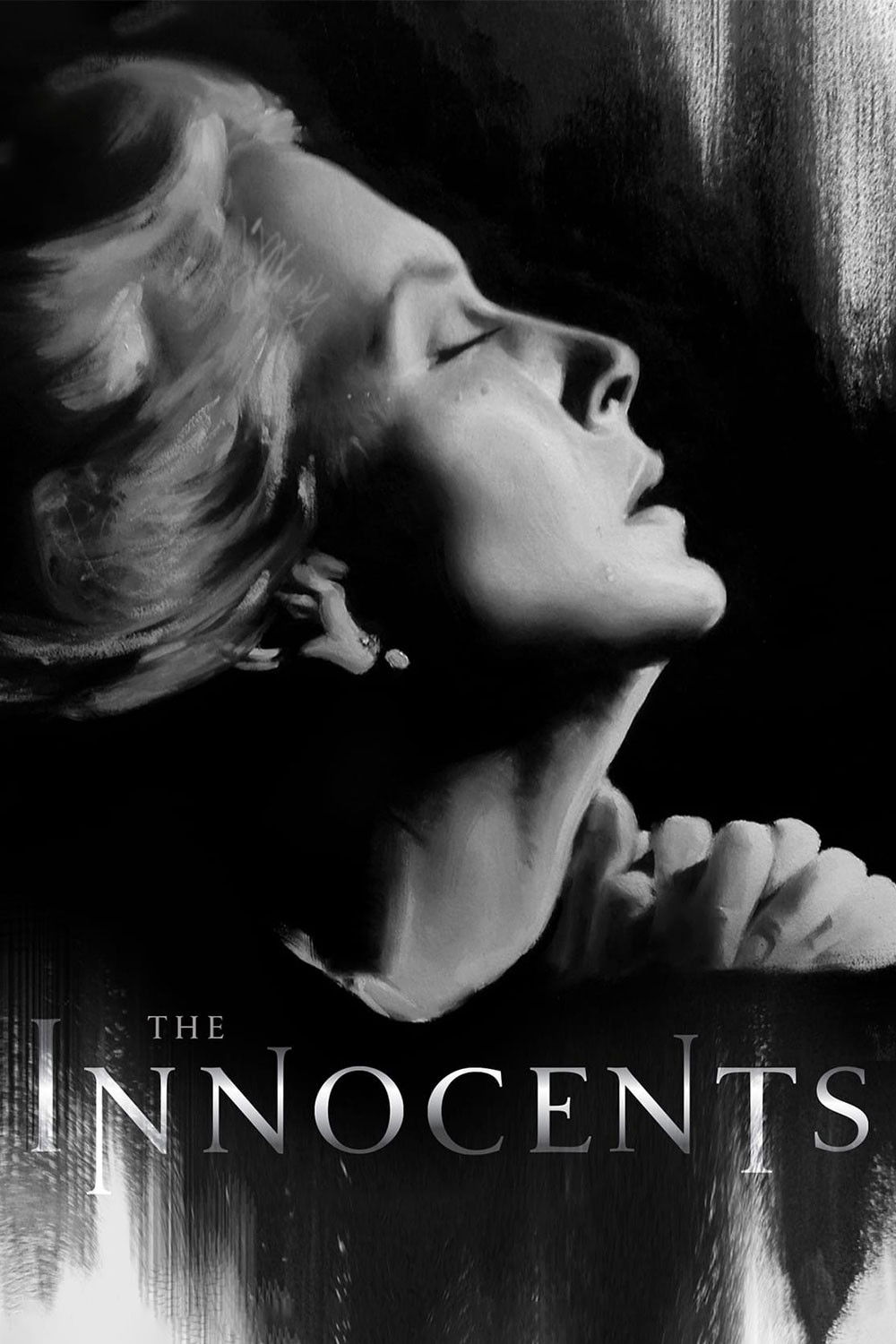
The Innocents poster

The Innocents

1961 · For the dread and restraint Coppola’s film is happy to go without.

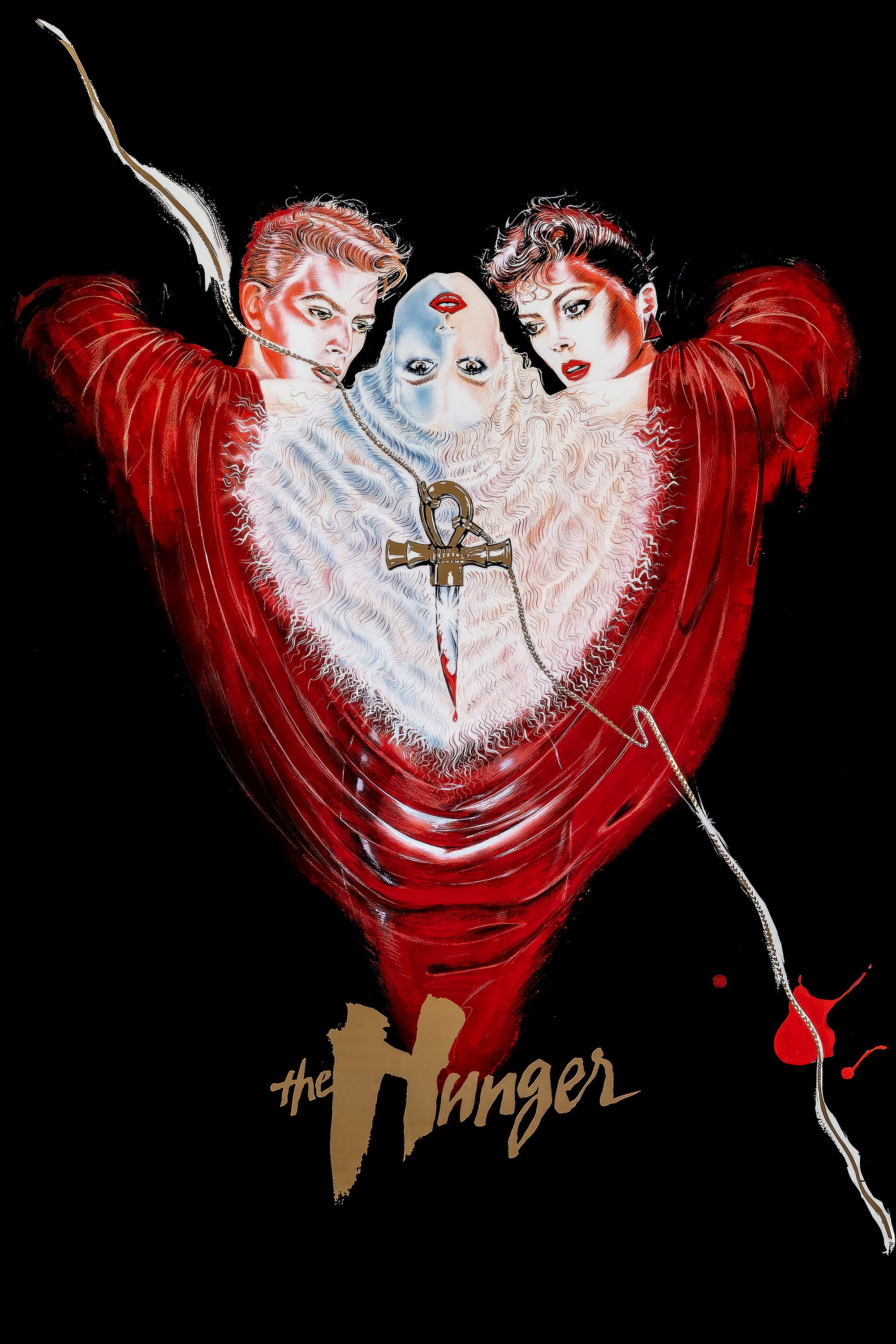
The Hunger poster

The Hunger

1983 · More vampires with excellent clothes and an uncertain grip on moderation.

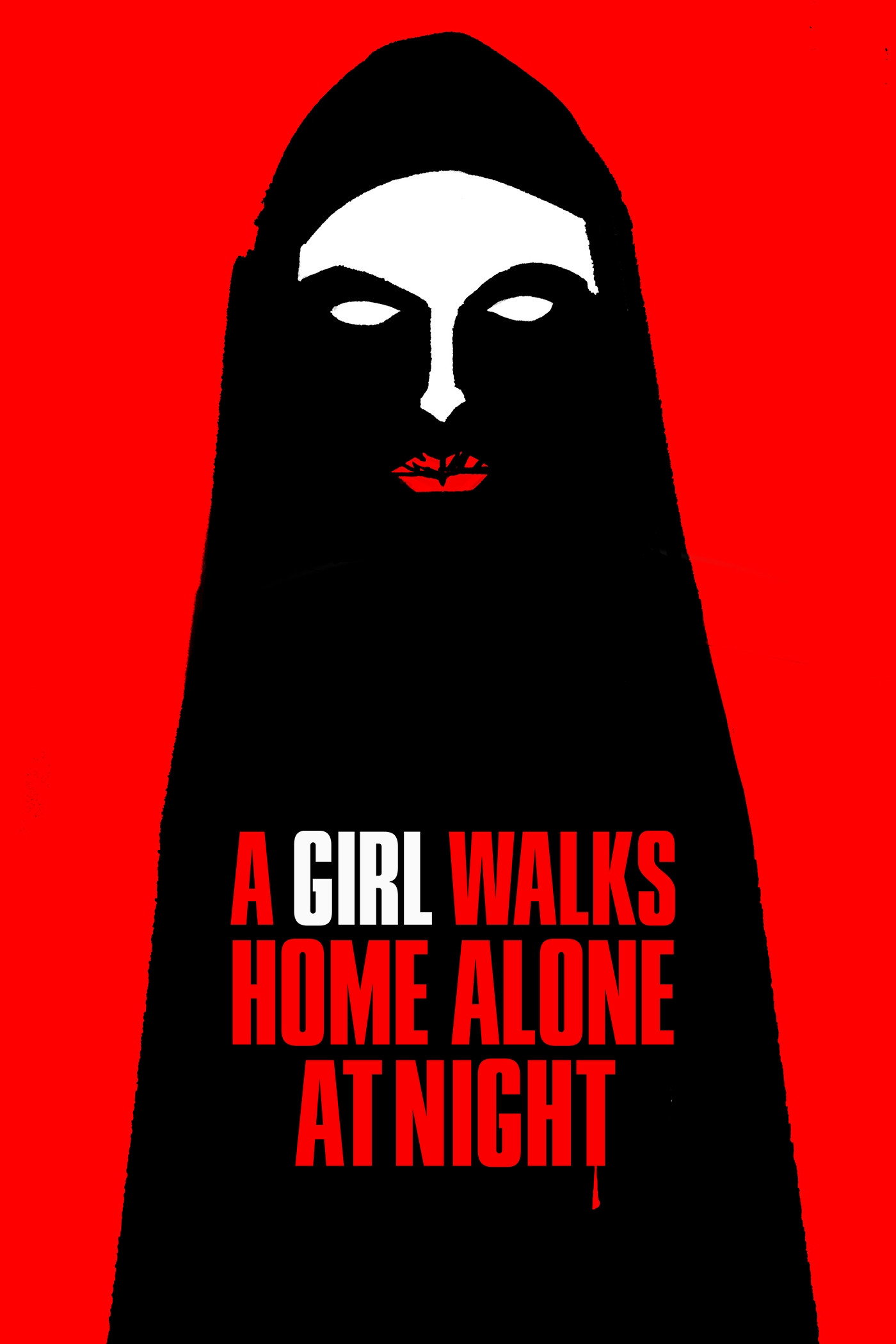
A Girl Walks Home Alone at Night poster

A Girl Walks Home Alone at Night

2014 · A quieter vampire romance, with loneliness given as much attention as hunger.