Casper Kelly’s murderous-unicorn comedy has an affection for children’s television that makes its ugliness amusing. The setting and voice work deserve a tighter film, but there is enough invention here for the curious.
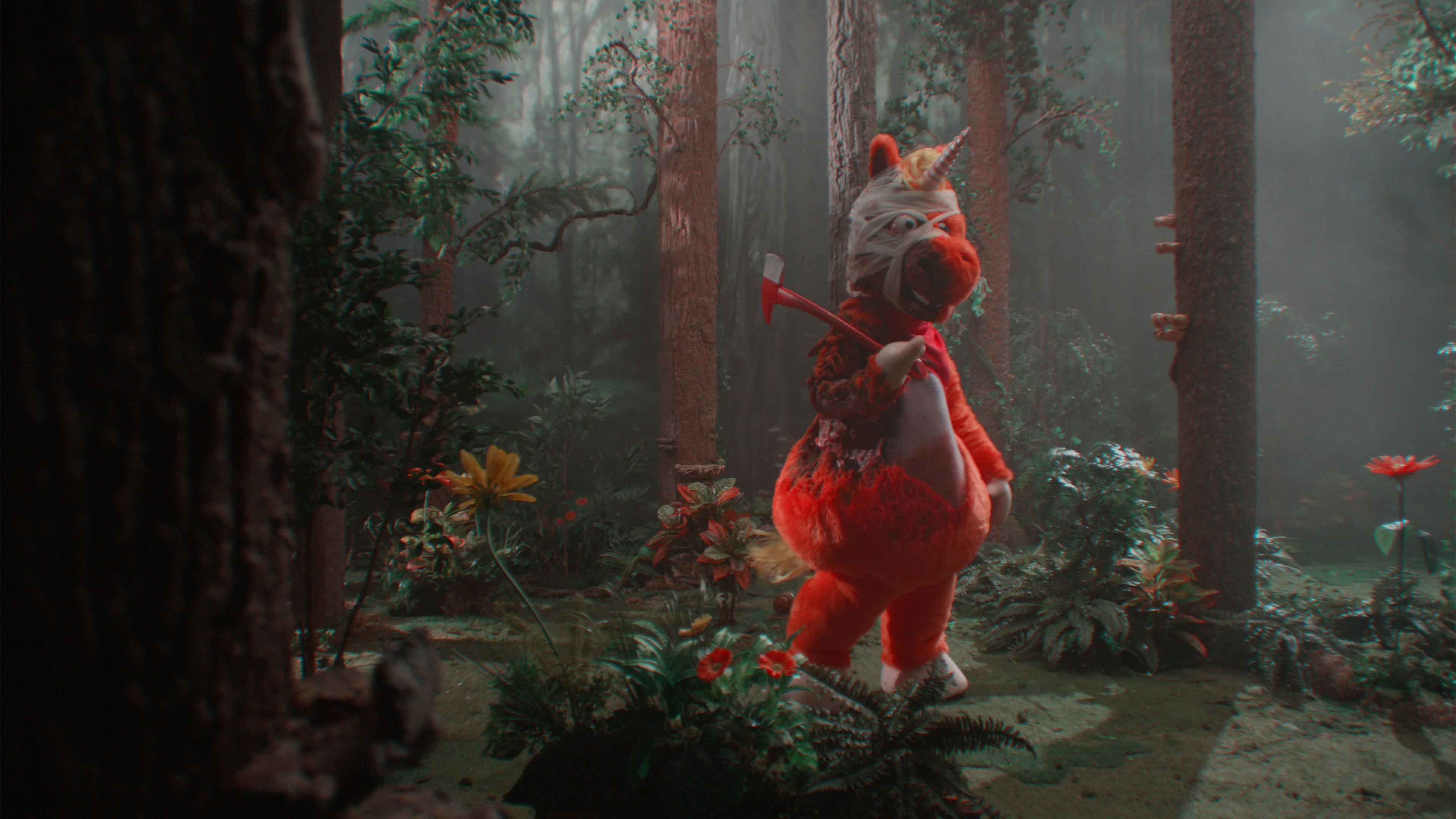
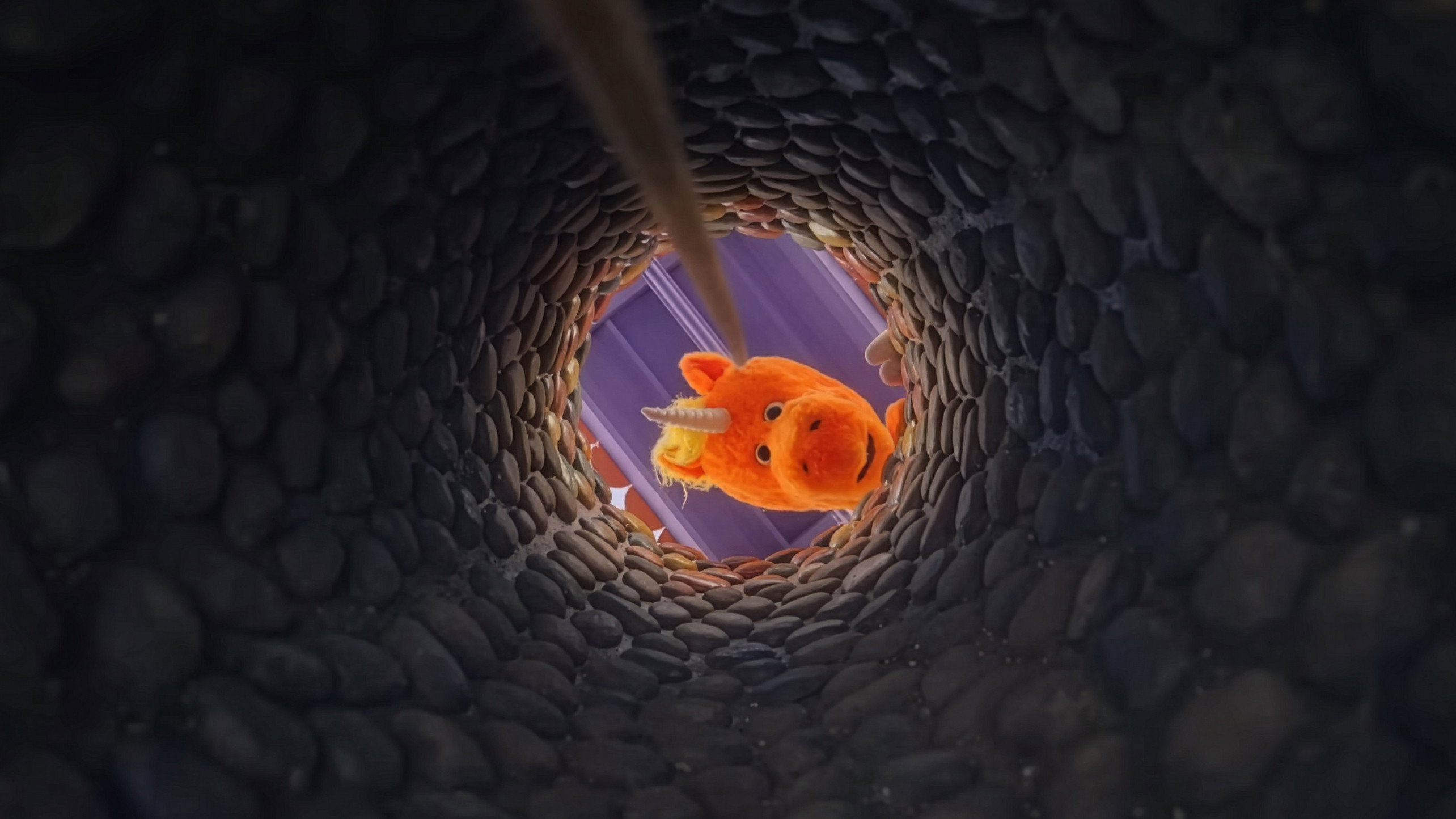
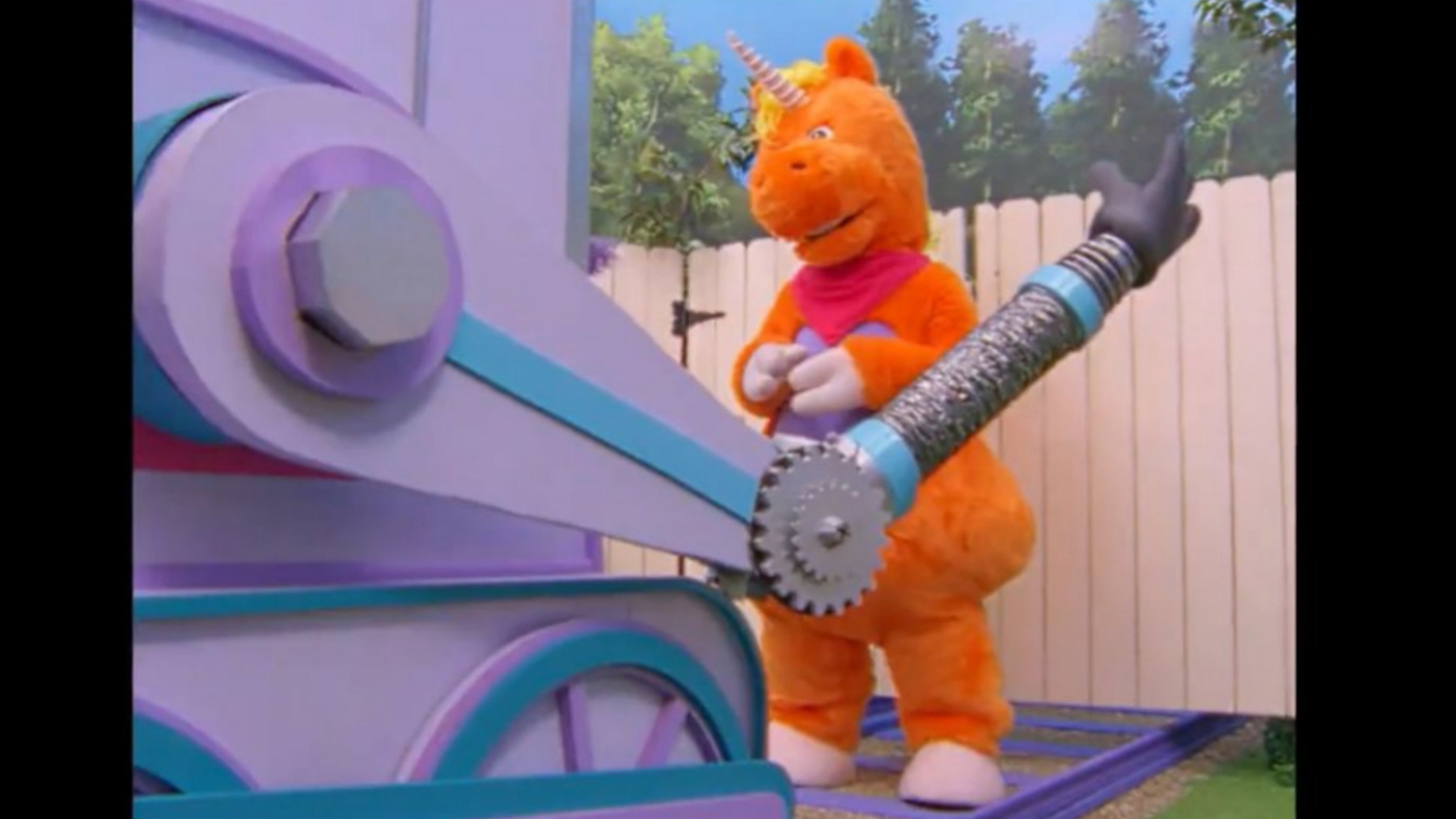
Buddy finds a fair amount of mischief in a children’s television mascot with murderous tendencies, though 95 minutes is more time than the joke needs. Director and co-writer Casper Kelly takes the reassuring habits of educational programming seriously enough to make their corruption unsettling. That care matters: a cuddly character behaving badly is a premise that could exhaust itself almost at once. This version has a convincing television world and some affection for the people caught in it, even when the writing starts to repeat itself.
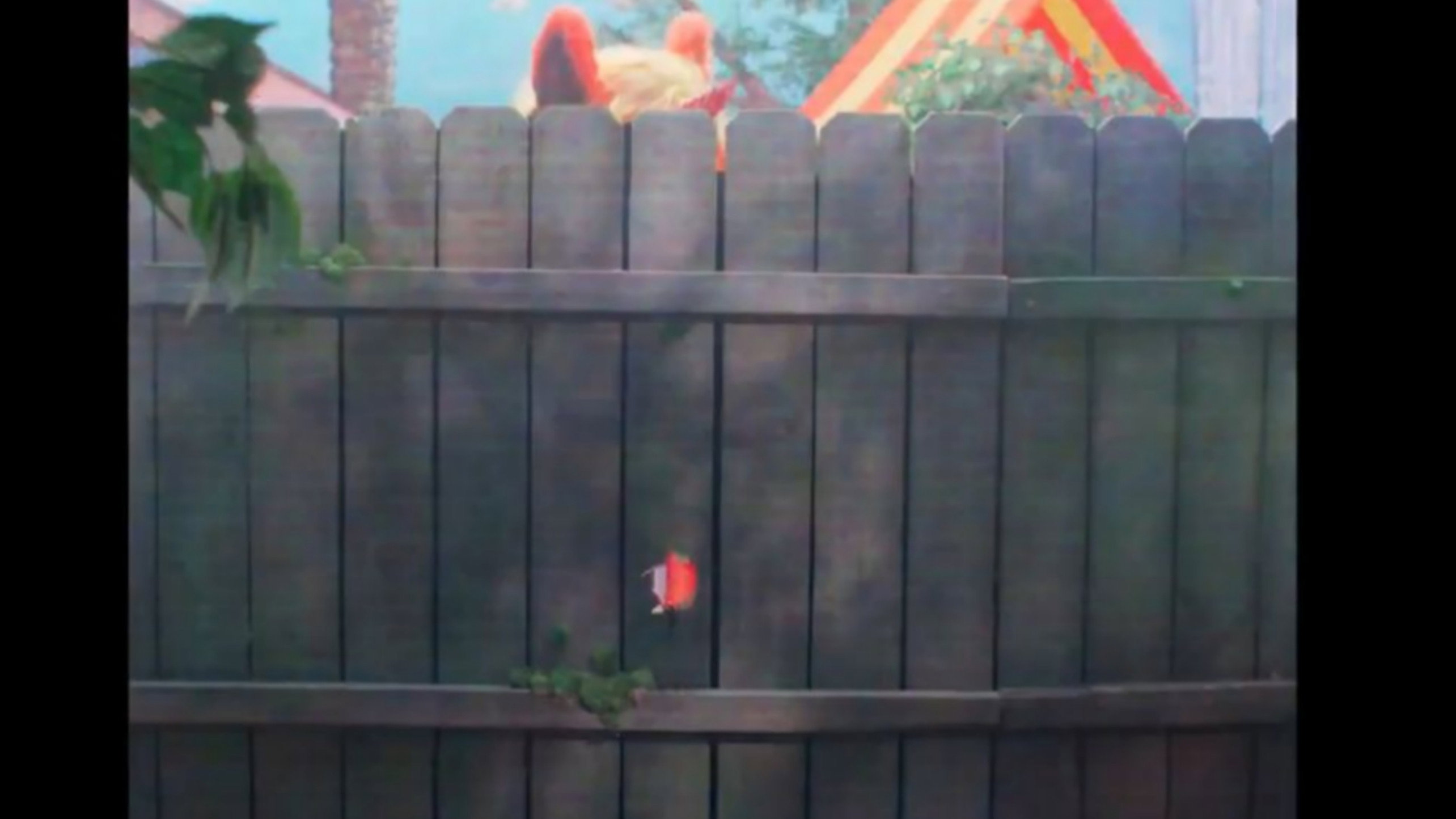
Production designer Anna Kathleen gives the film a persuasive approximation of low-rent 1990s children’s television, where cheerfulness seems to be part of the building regulations. The setting makes Buddy’s presence plausible before his behaviour becomes the problem. Zach Kuperstein’s cinematography helps preserve that recognisable television look, so the horror does not require the place to stop resembling children’s entertainment. We can see why the film spends so much time playing with this setting, long after we have understood the central joke.
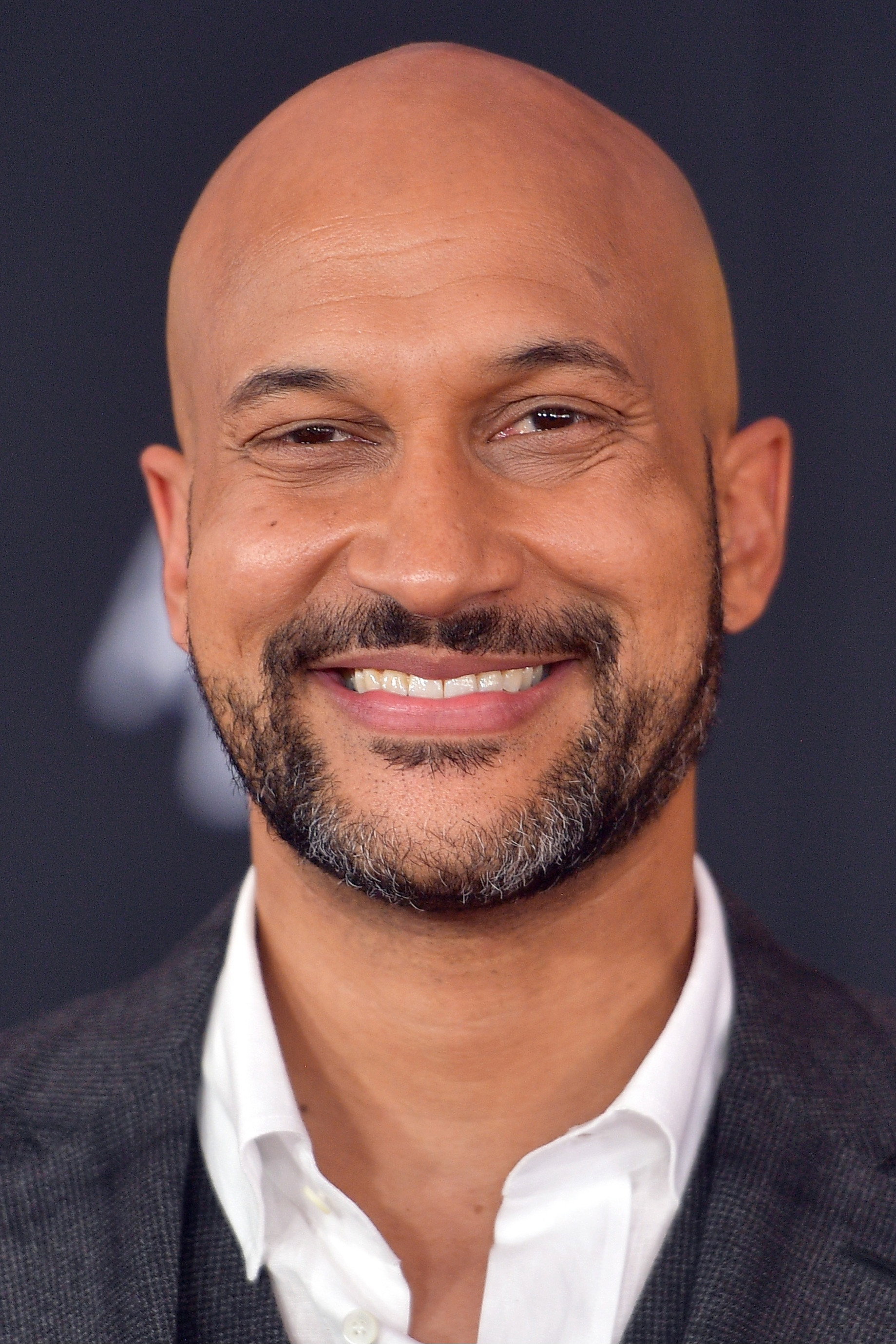
Keegan-Michael Key supplies Buddy’s voice, with Sergey Zhuravsky performing in the suit, and the voice is the strongest reason to stay. Key makes the mascot’s friendliness feel persistent enough to become unpleasant without sacrificing the comic appeal. We laughed at the mismatch between that reassuring manner and Buddy’s violence. The joke works because the performance remains recognisably suited to children’s television; Key gives us something more exact than an actor enjoying the chance to make a cuddly creature sound wicked.
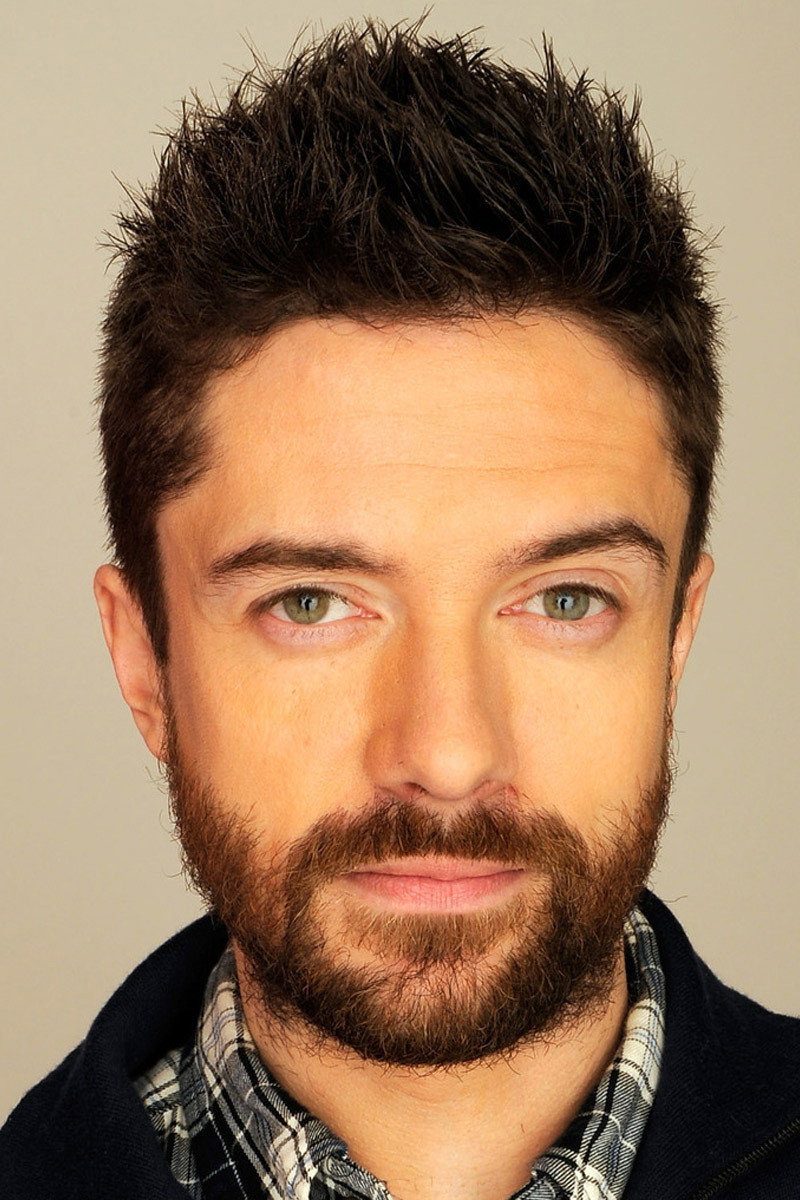
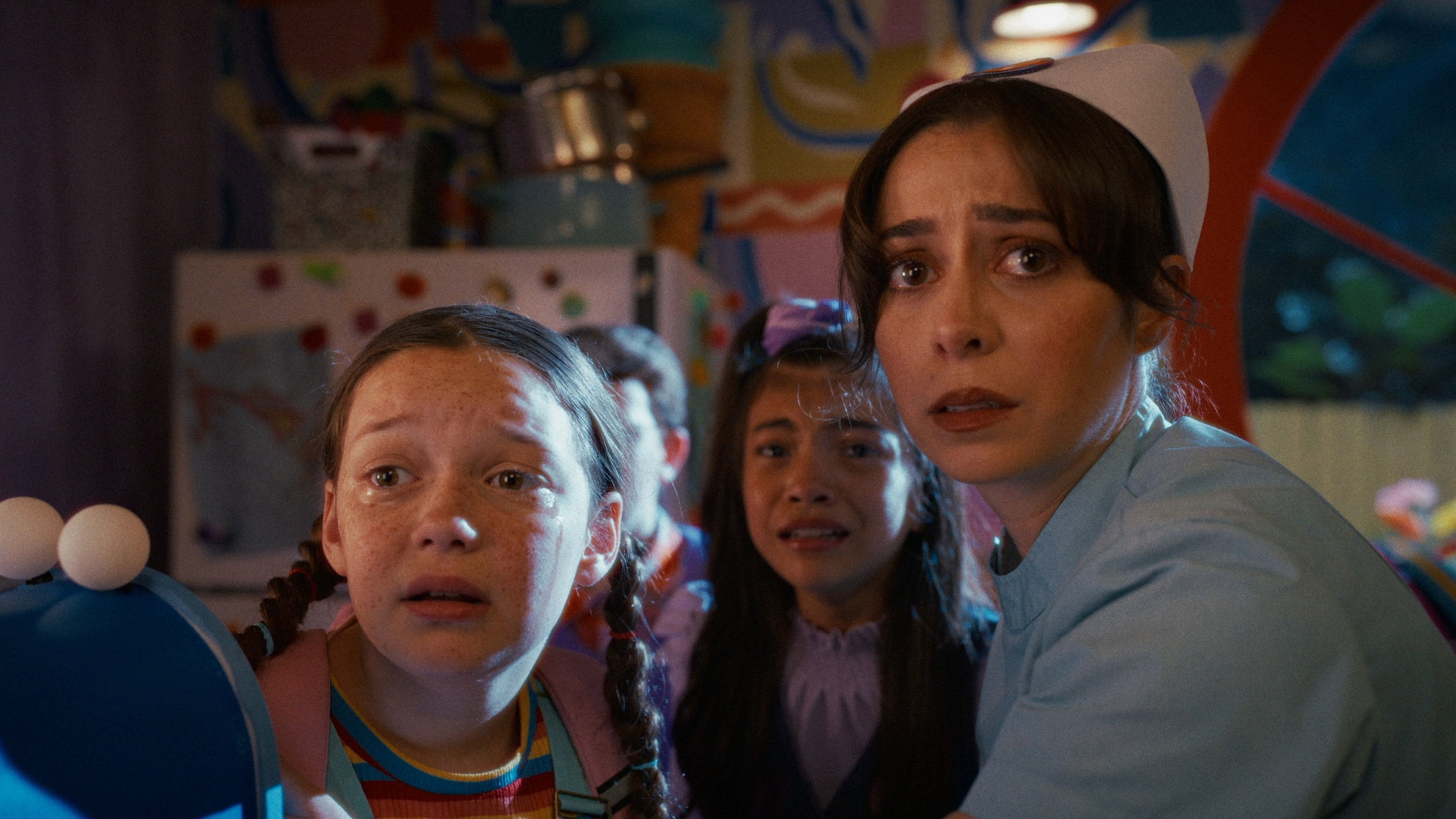
Cristin Milioti, as Grace, and Delaney Quinn, as Freddy, give the film enough emotional weight to keep the gore from becoming the only attraction. Kelly and fellow writer Jamie King show a welcome interest in the children rather than treating them as accessories to the mascot. That kindness is important to the comedy, since relentless contempt would make the whole business tiresome. The more earnest dramatic writing is less securely handled, asking for a change of feeling the surrounding absurdity does not always prepare us for.
Josh Ethier’s editing handles the switches between comedy and horror more comfortably than the stretches in which the film needs to get somewhere. Individual collisions of the harmless and the nasty land, but their accumulation starts to feel repetitive. Michael Yezerski’s music helps carry the changes of tone without solving that larger problem. Once we have understood what sort of programme this is, another violation of its good manners needs to offer a better joke or a stronger scare, and too often it offers much the same one.
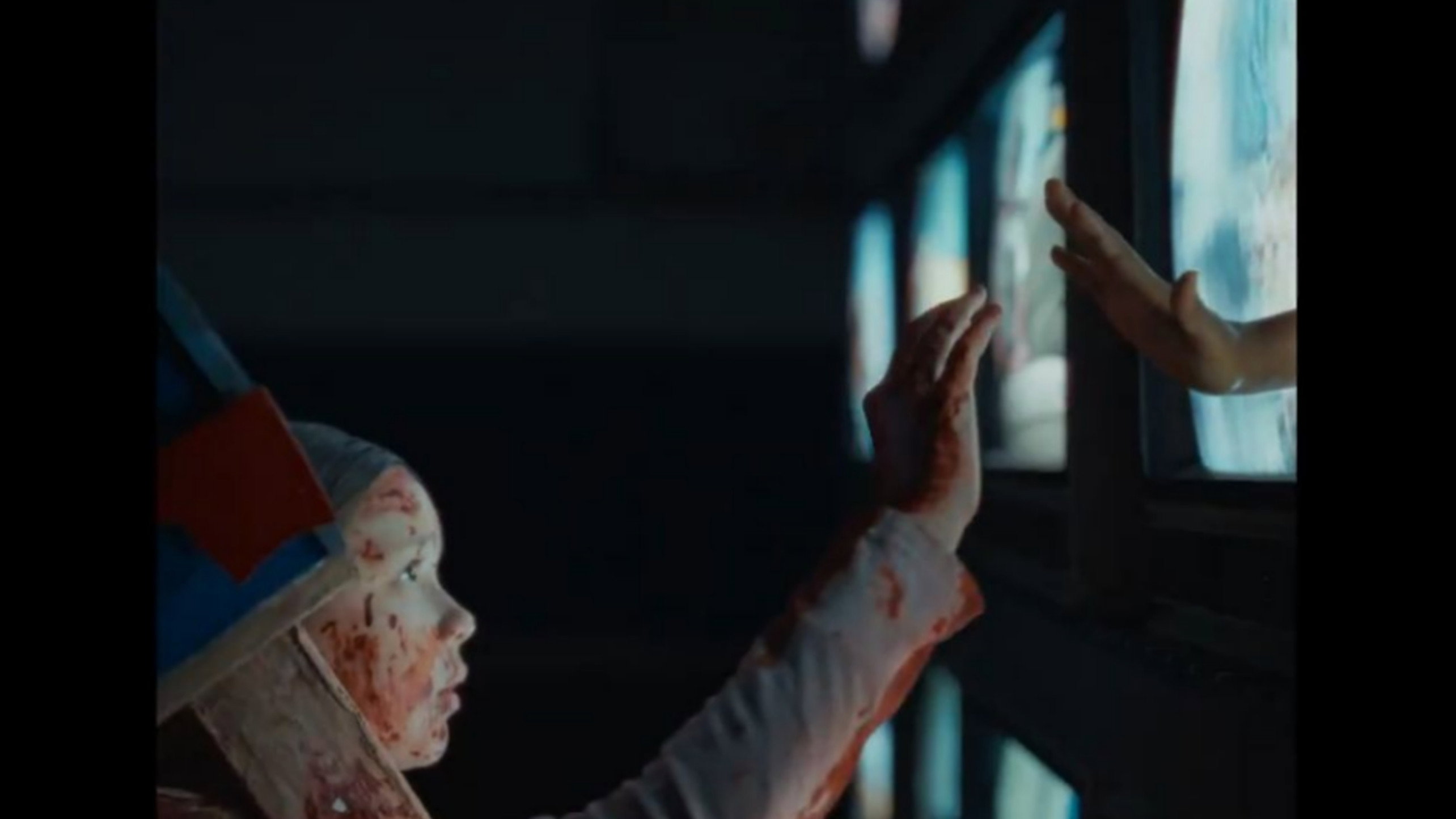
As horror comedy, Buddy is better at sustaining an odd atmosphere than at building fear. Its references to children’s programmes give it plenty to play with, but recognition only accounts for some of the amusement. Kelly’s enthusiasm for this material is clear, and the film avoids the nastiest trap of such spoofs: assuming that anyone who loved the original entertainment was an idiot. We still wanted the script to be more selective about which jokes deserved another outing.
There is enough here for viewers drawn to the idea of educational television turning bloodthirsty, particularly in Key’s performance and Kathleen’s sets. The uneven pace is a material weakness, even at this running time, and the occasional sweetness cannot disguise it. Approach it for the peculiar setting and the cast’s commitment, rather than a sustained fright. Choose company with a high tolerance for children’s television; the unicorn is only part of the test.