Joe Dante’s Gremlins is a funny, nasty Christmas horror comedy whose creatures deserve most of the attention they steal. The humans can seem underwritten, but the film’s delight in bad behaviour is difficult to resist.
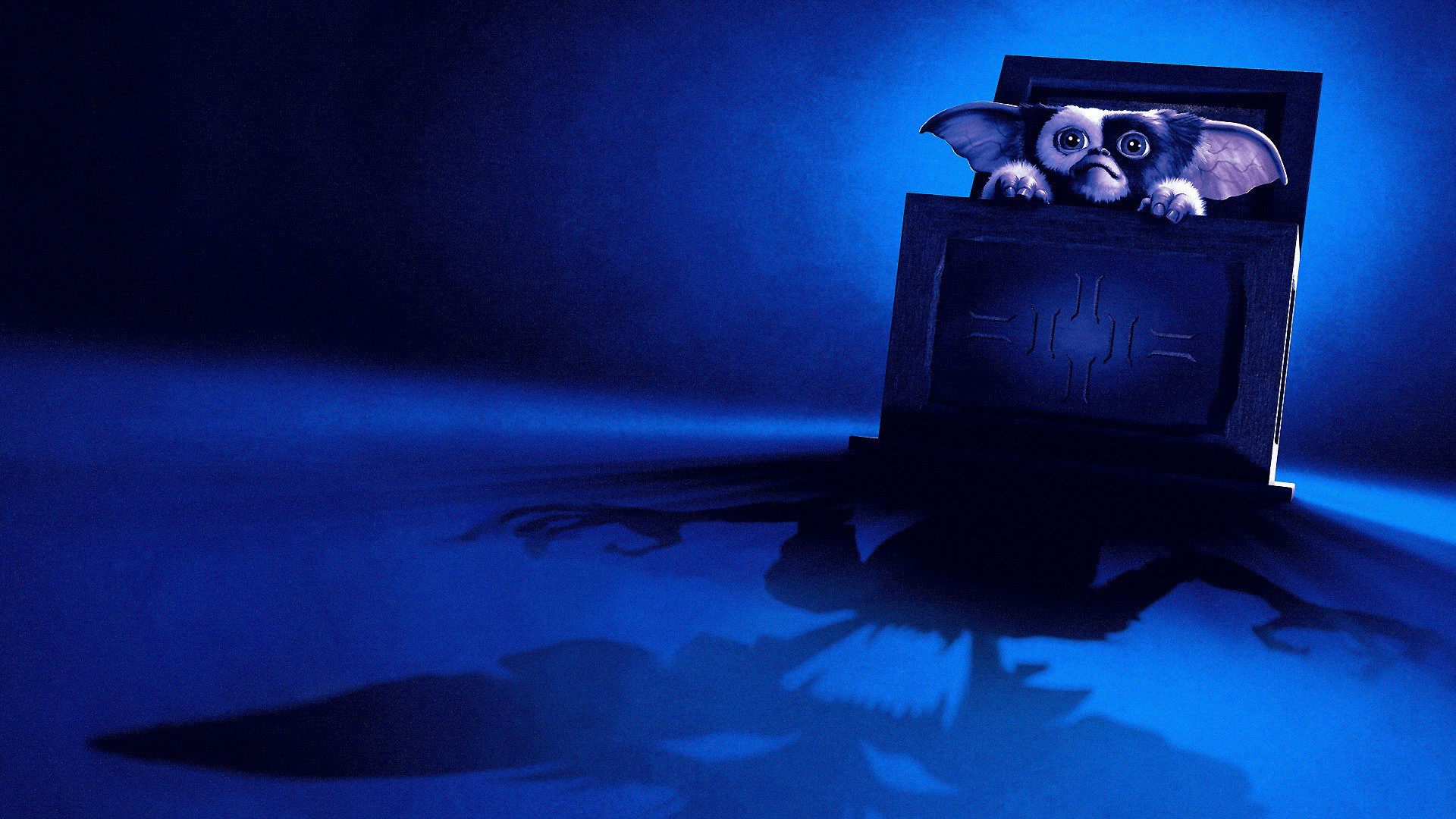
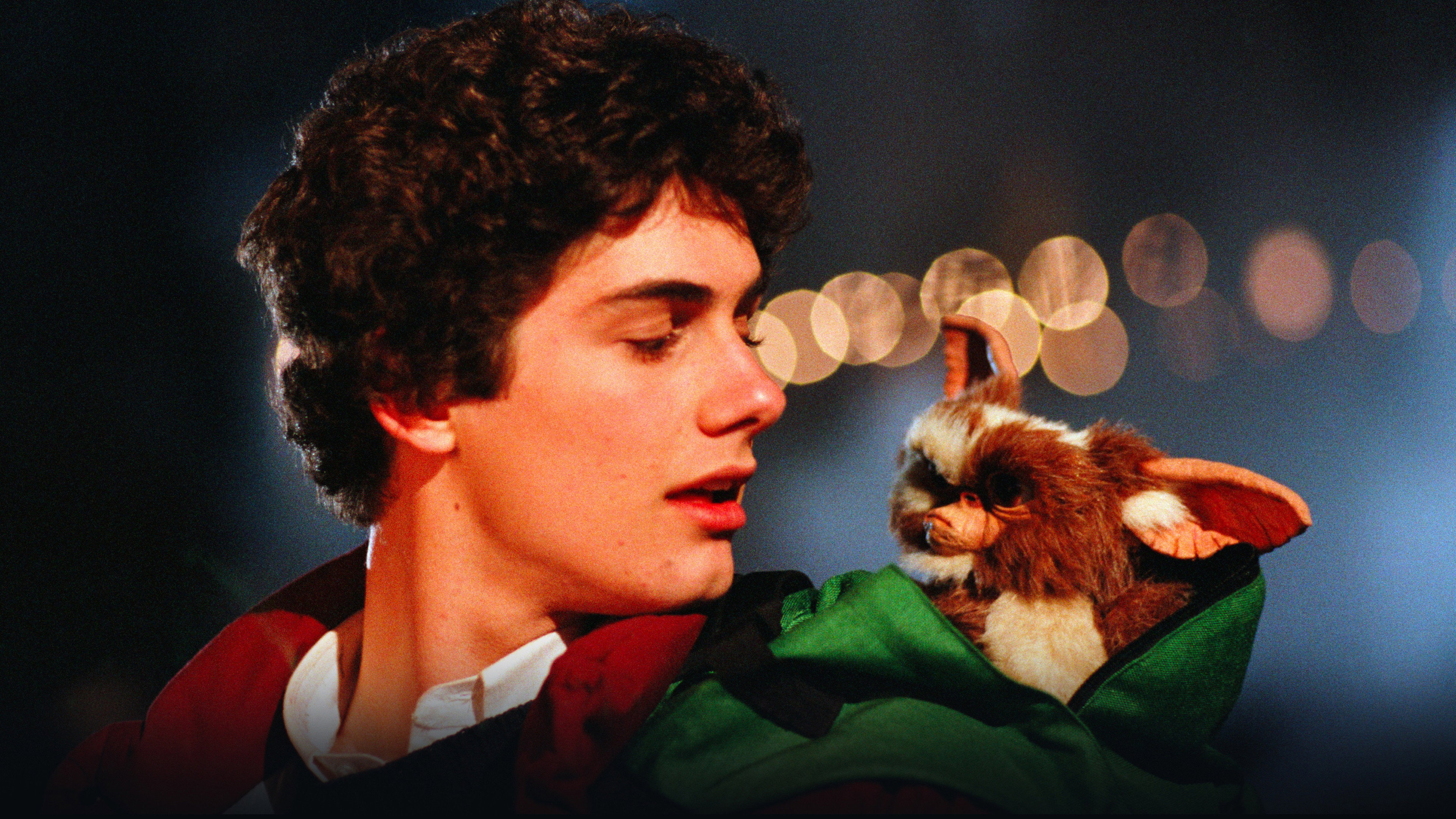
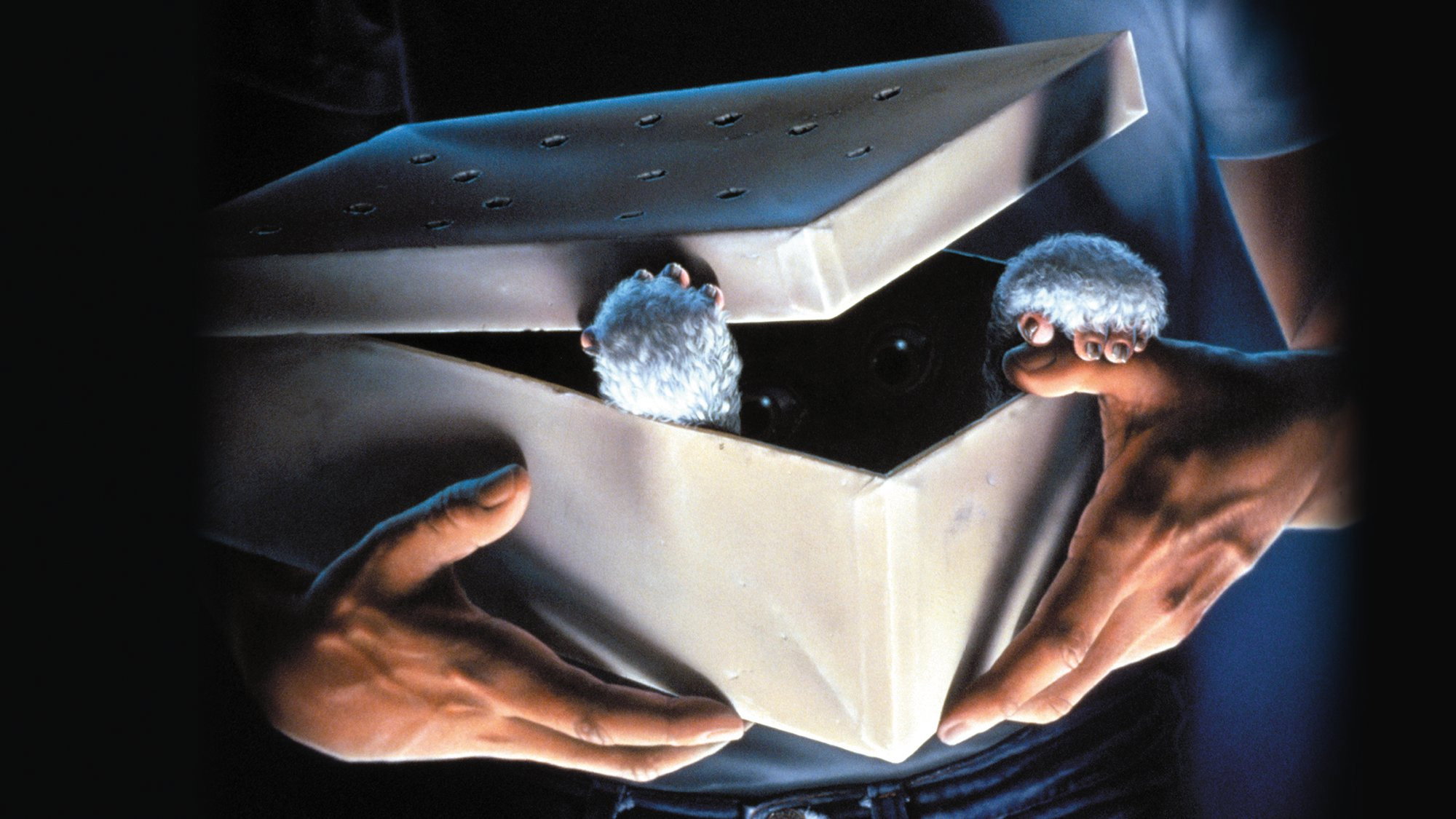
Gremlins is funny, nasty and worth an evening for the pleasure Joe Dante takes in spoiling a wholesome Christmas. A mysterious creature is bought as a present, rules are broken and a small American town finds itself under attack from gremlins. Chris Columbus’s script makes the trouble feel avoidable by giving the gift conditions that require careful attention. For a while, we want the creature and understand the temptation. The early sweetness does useful work in preparing us for the nastiness.
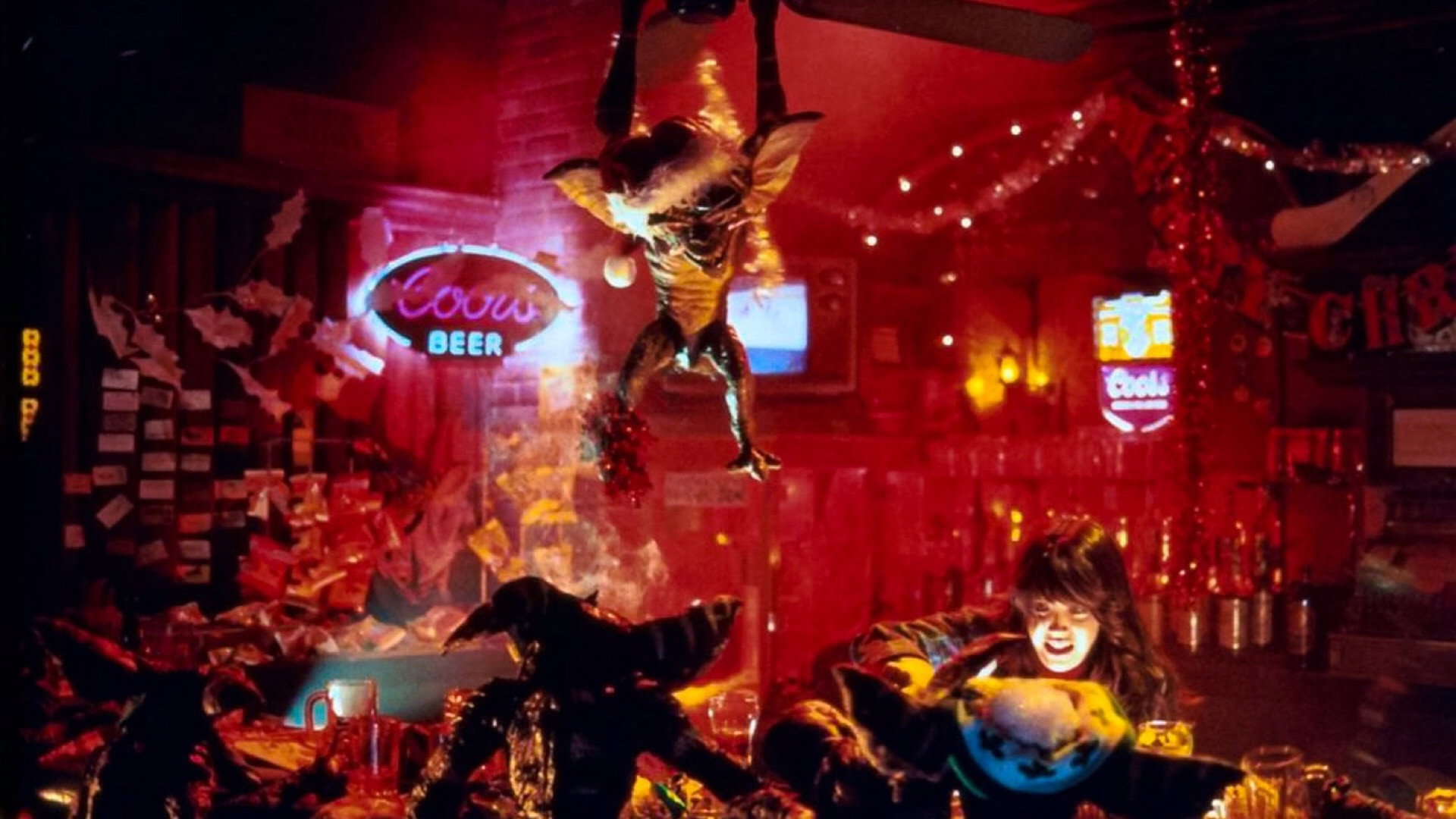
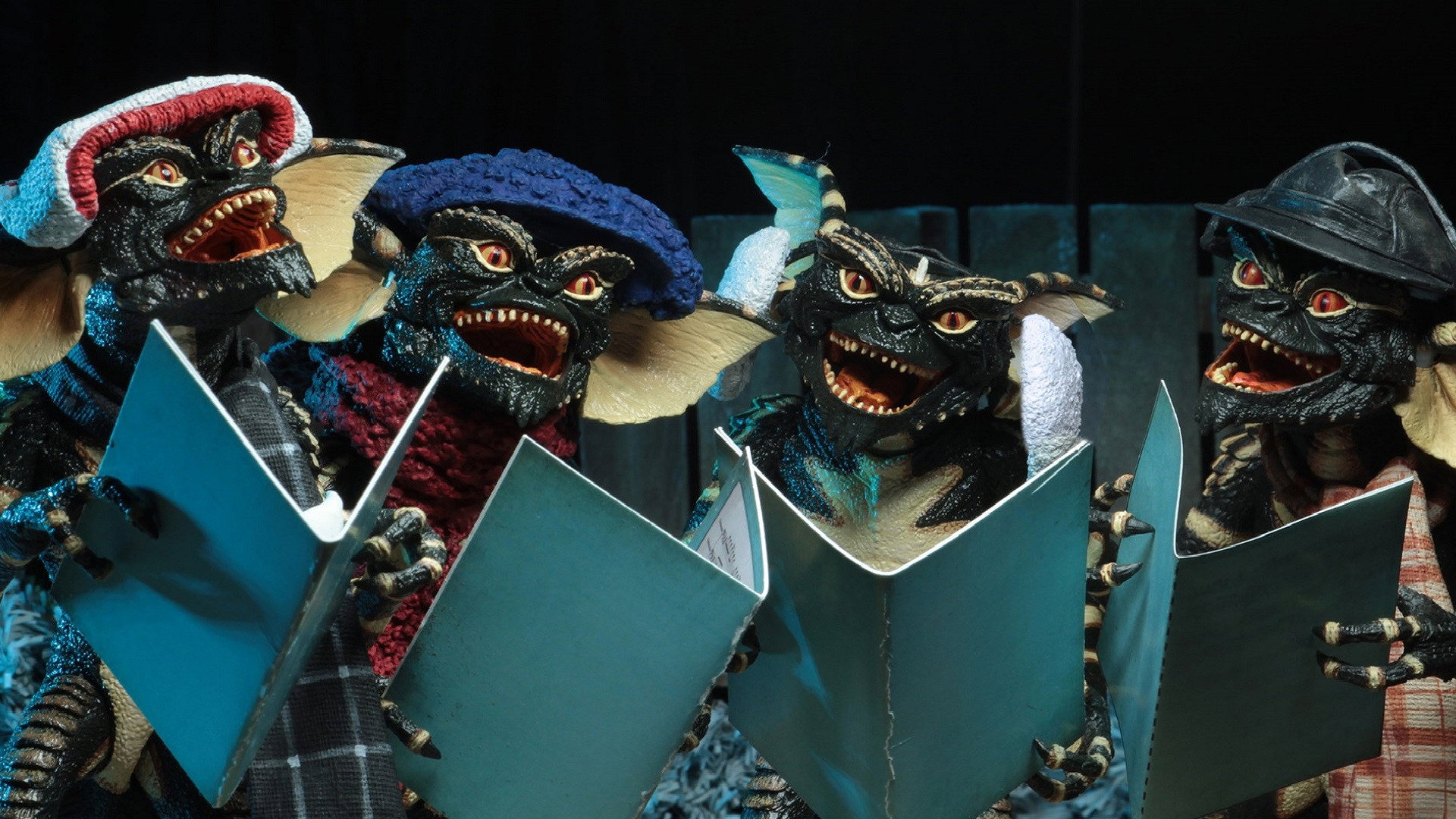
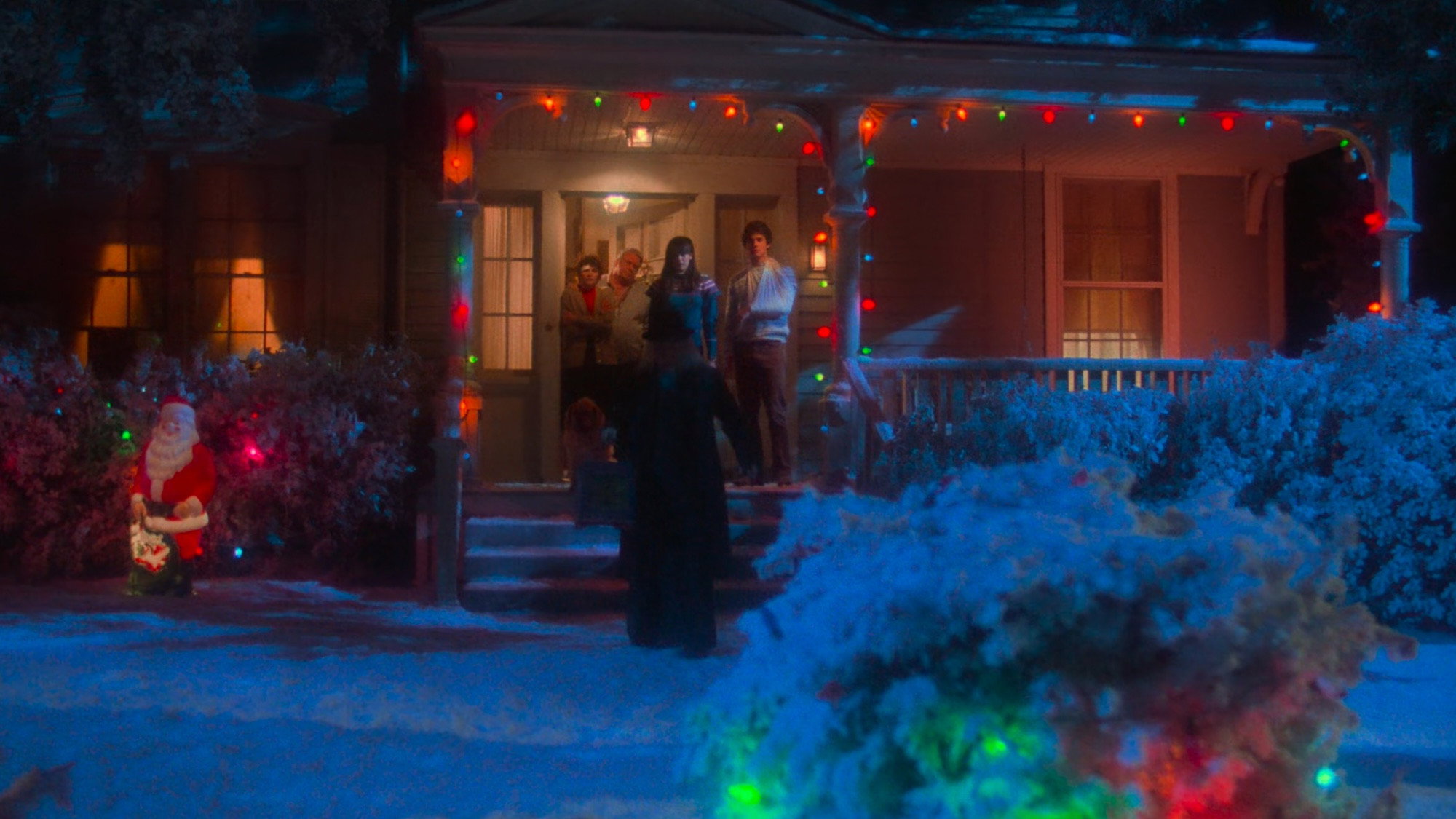
Production designer James H. Spencer gives the mayhem a reassuring small-town setting, and the Christmas cheer is persuasive enough to make its disruption feel rude. John Hora’s cinematography helps establish that warmth without making the creatures look as though they belong in a different film. Their cuteness and their ugliness both survive being available for inspection. The effects work because the creatures are worth watching even before they do anything. Dante allows them more personality than several of the people around them.
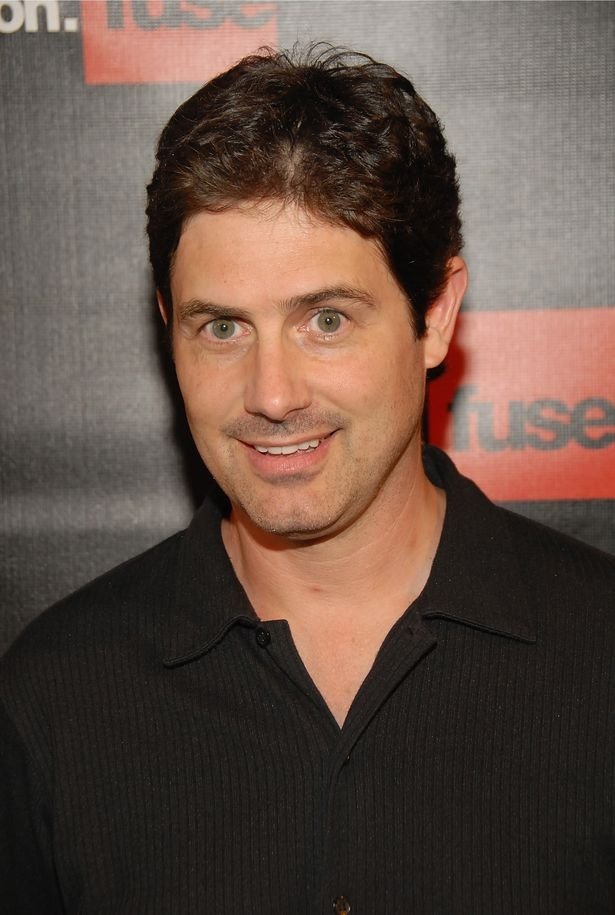
Zach Galligan’s Billy Peltzer gives us a mild, approachable human centre, which is useful when the film starts testing our loyalties. Galligan does not compete with the creatures for attention, though the writing could have given him more to work with. Phoebe Cates, as Kate Beringer, makes a stronger impression when the film allows her to disturb its seasonal cheer. Her Christmas speech is a difficult change of mood, and she makes it count.
We laughed at the creatures’ attack on the town, then felt slightly ashamed of ourselves. Dante gives their destructiveness such energy that we briefly forget to worry about the people in their way. The creatures are funny because they appear to enjoy themselves without any interest in being forgiven. The violence has enough bite to make the laughter awkward, and Dante does not soften every unpleasant moment with a reassuring joke.
Tina Hirsch’s editing is especially useful in keeping the comic interruptions from stopping the threat altogether. There is room to register the creatures’ misbehaviour before the next burst of trouble, so the jokes remain legible. Jerry Goldsmith’s music gives that trouble a jaunty momentum, encouraging us to enjoy what we ought to deplore. The combination becomes less effective when the mayhem begins repeating itself. Once the rules have done their work, the script relies too often on another creature attack.
The other limitation is that Columbus gives the human story too little force once the creatures take charge. We need not like everybody in a horror comedy, but somebody’s predicament should matter beyond providing the next opportunity for a joke. Here, the human scenes can feel like waiting for the creatures to return. The film is better whenever a performer’s reaction gets as much attention as the effects, as Cates demonstrates when she has the opportunity.
As a horror comedy, though, Gremlins gets something important right: the monsters are entertaining enough to make us uneasy about enjoying them. Its treatment of Christmas gives the destruction a particular target, and the joke lasts beyond the initial shock of seeing seasonal cheer treated so badly. At 106 minutes, it accommodates a few indulgences without exhausting the pleasure of its creatures. See it for them, but take the 15 certificate seriously.