Michael Mann’s Collateral is a tense, absorbing thriller that gives Jamie Foxx as much room as Tom Cruise. The later action is more conventional, but the performances and night photography deserve the attention.
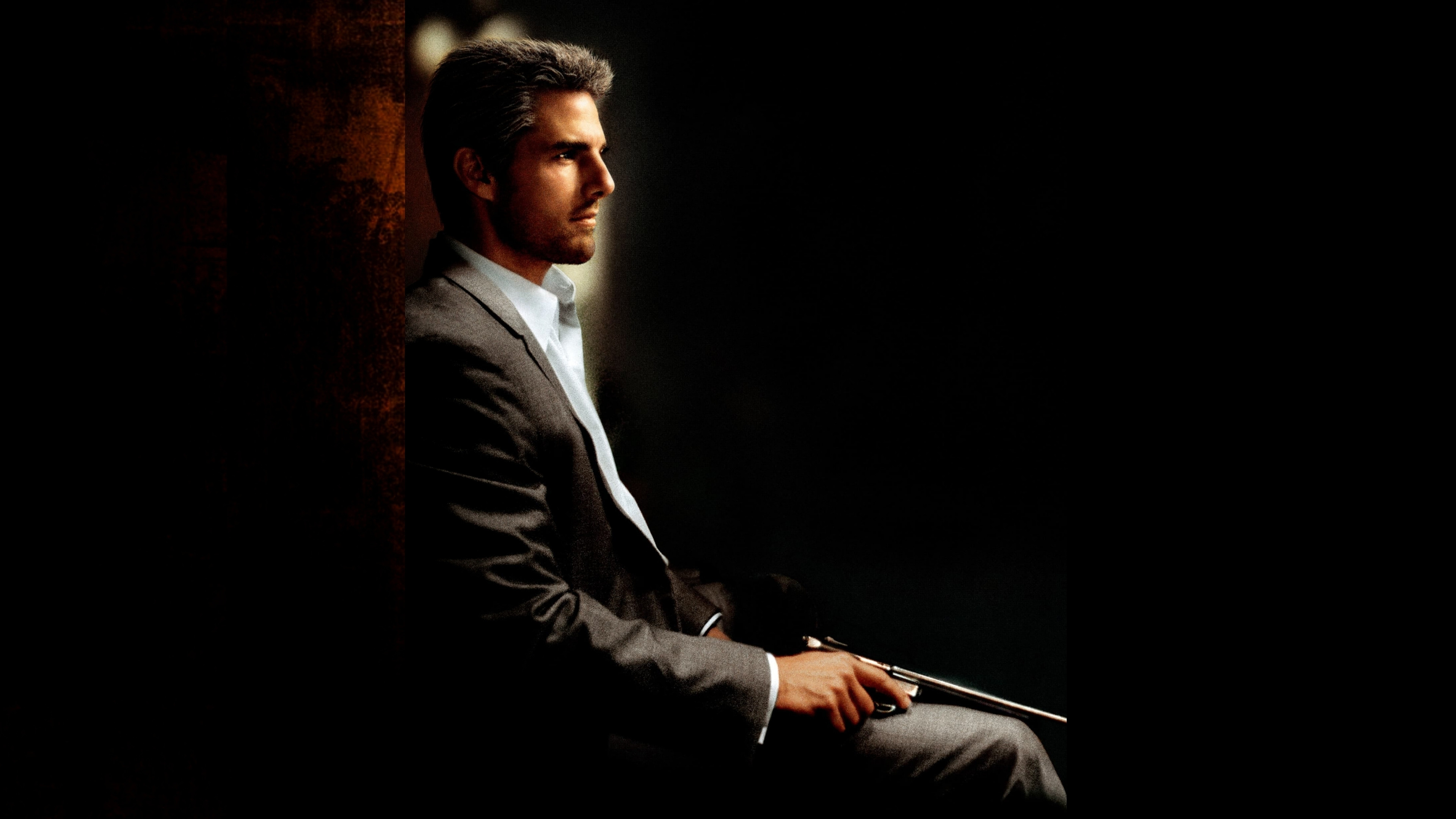
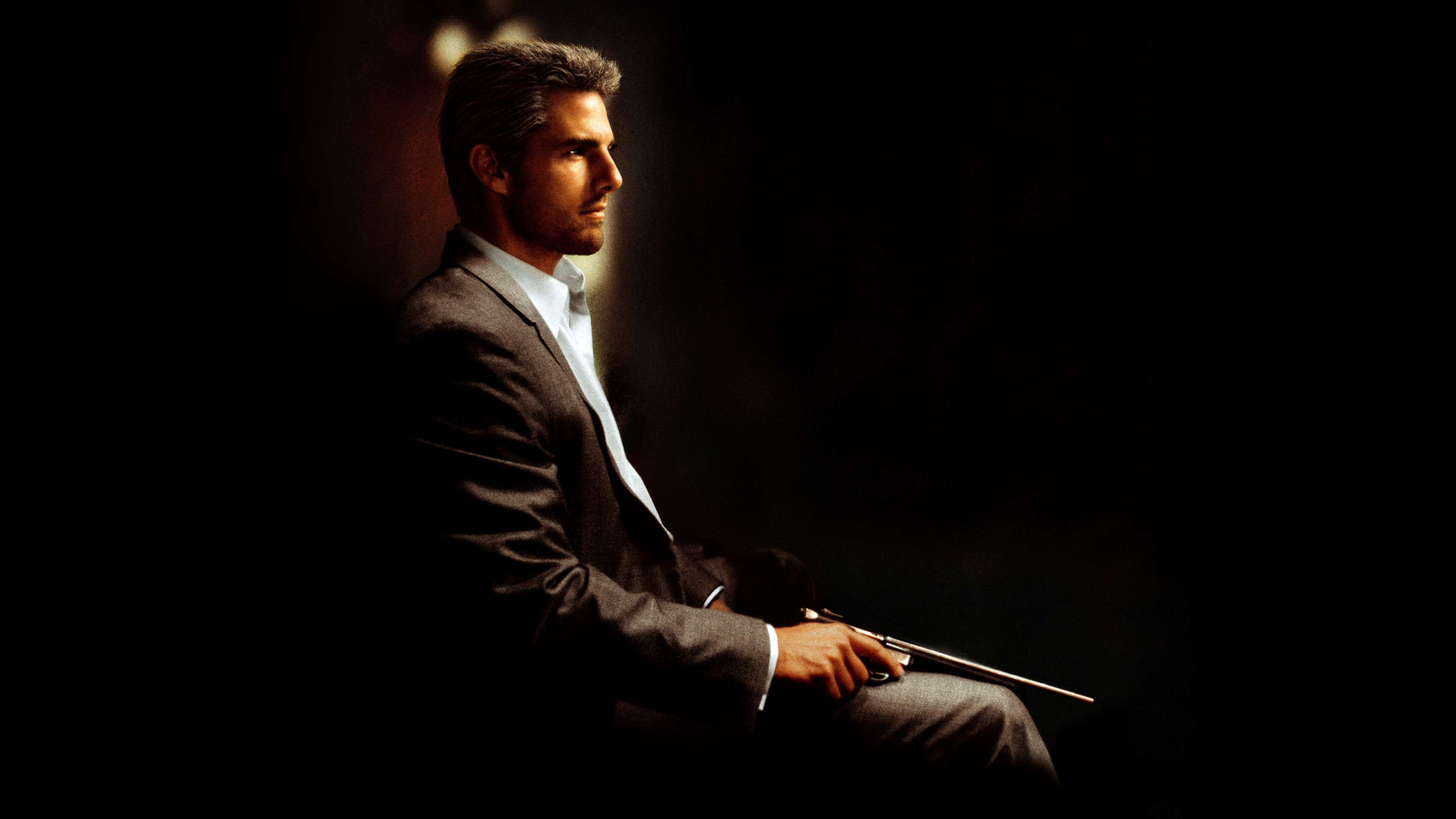
Collateral is a tense, unusually absorbing thriller, and its chief advantage is the time it gives two men to talk. Michael Mann puts cab driver Durocher (Jamie Foxx) at the mercy of contract killer Vincent (Tom Cruise) during a night in Los Angeles. Stuart Beattie’s screenplay makes their conversation about work and responsibility as important as the journey between stops. The danger keeps changing how we hear what they say.
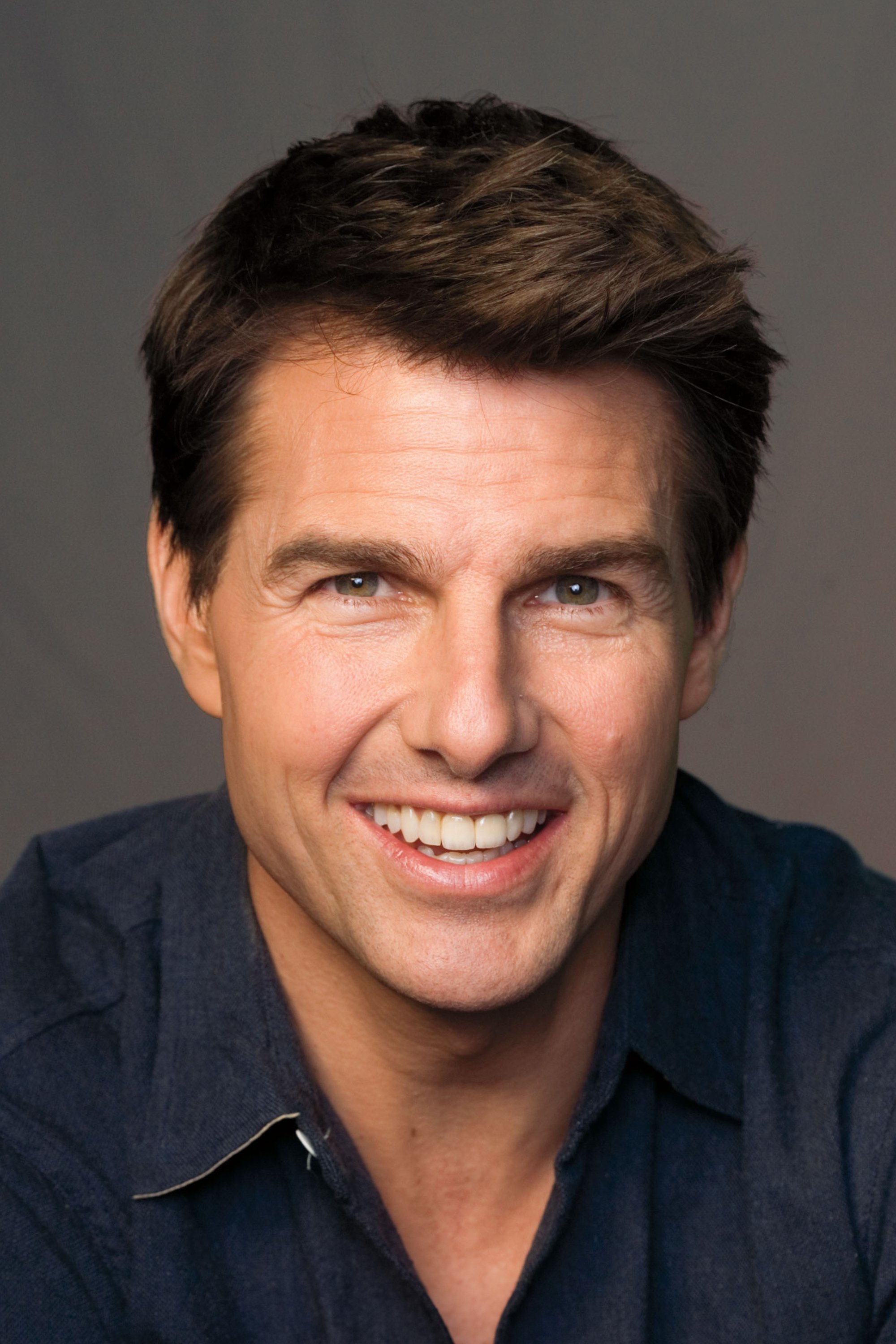
Cruise is persuasive because Vincent behaves as though being good at his job settles any question about doing it. His confidence makes even an apparently reasonable remark uncomfortable. We felt trapped during the cab conversations, because Durocher has to listen and answer a man who has taken away his freedom to leave. Cruise makes that enforced intimacy frightening without needing every sentence to sound like a threat.
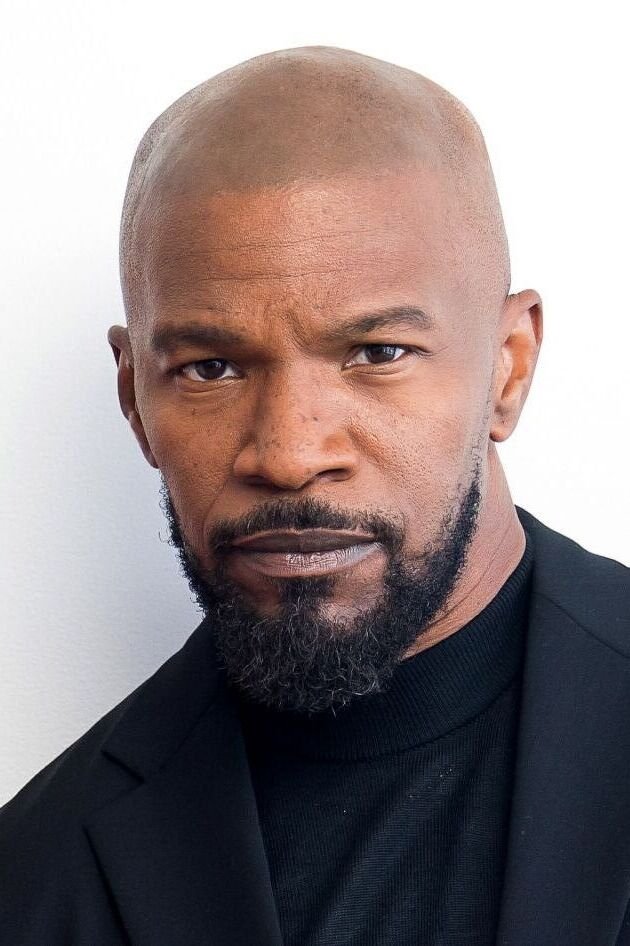
Foxx gives the better performance, though it would be easy to miss how much he is doing while Cruise talks. Durocher’s caution makes sense: he is trying to work out what this passenger wants from him and how far he can safely disagree. Beattie gives the men enough to discuss that Durocher remains a participant in the conversation, even as a hostage. Foxx makes hesitation interesting, giving Durocher time to consider what an answer might cost him.
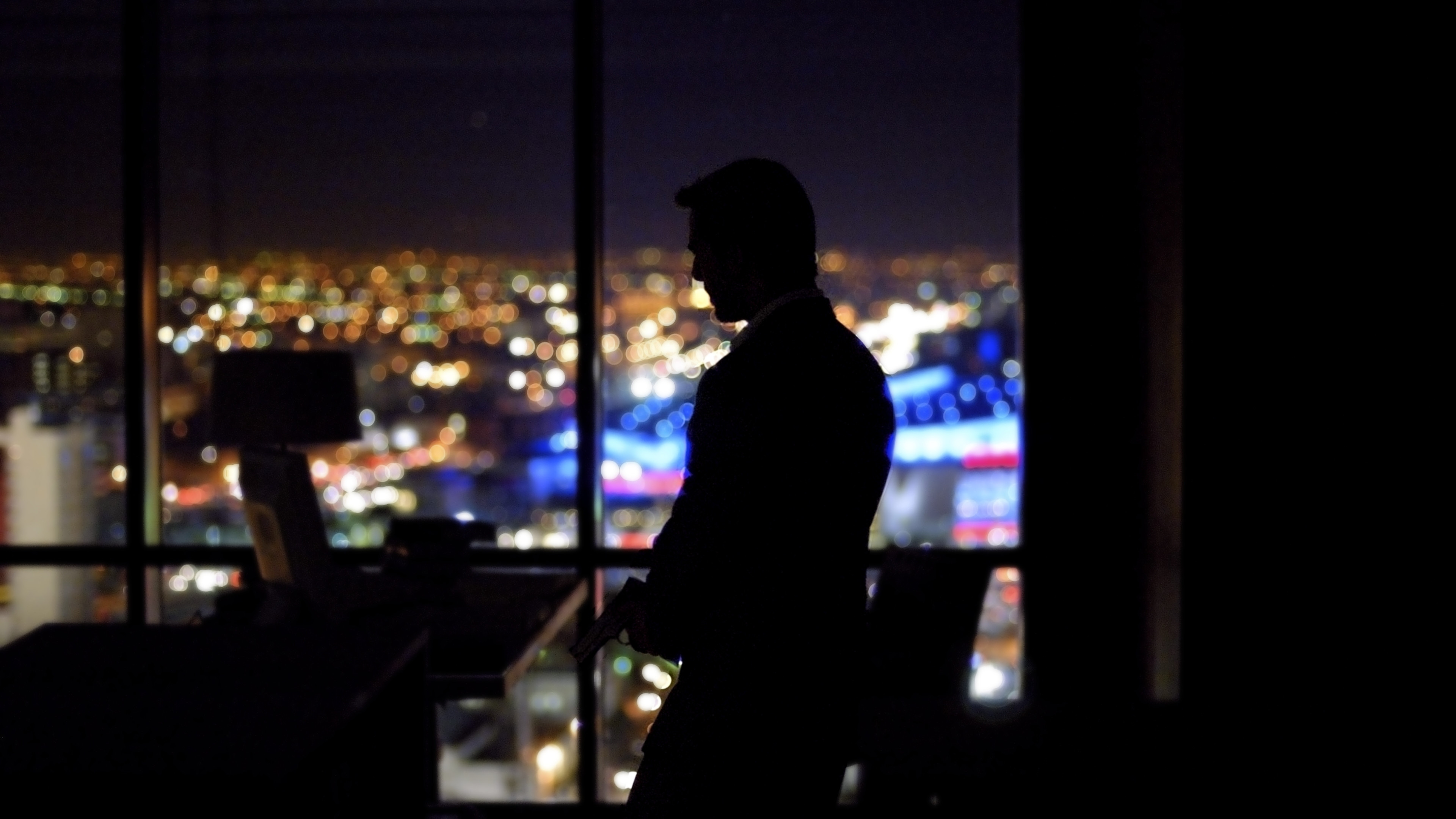
Dion Beebe and Paul Cameron’s digital night photography makes Los Angeles feel inhabited even when our attention is fixed on the cab. The city remains visible around the men, with enough architectural detail to keep it from becoming a vague collection of lights. That matters to the unease: Durocher is a hostage in a place where other lives are continuing. David Wasco’s production design makes the taxi convincing as a working space, cramped enough to make conversation feel compulsory.
Editors Paul Rubell and Jim Miller give the exchanges room, and their handling of the two performances keeps the talk from feeling like a pause between incidents. Attention to Durocher’s responses is crucial when Vincent has so much to say. António Pinto and James Newton Howard’s music helps sustain the threat, though the actors need little assistance inside the taxi. The pacing is controlled enough that we remain engaged through the film’s 120 minutes.
The limitation comes when Mann and Beattie push towards more conventional thriller business. The later plotting is less persuasive than the early exchanges, and the action gives the film fewer opportunities to examine either man. We are still involved, but some of the particular discomfort of sitting in that cab has gone. Among the crime genre’s many dangerous professionals, Vincent is worth spending time with because Mann allows someone else to question his account of himself.
Give it an evening when there is room to pay attention to faces as well as threats. This is a thriller that benefits from watching closely, particularly when there appears to be little happening beyond a conversation. Keep an eye on Foxx while Cruise is speaking.