Tom Hardy makes a night of telephone calls tense enough to justify Locke’s confined setting. Steven Knight’s writing sometimes arranges the crises too neatly, but the performance and the close attention to it keep us watching.
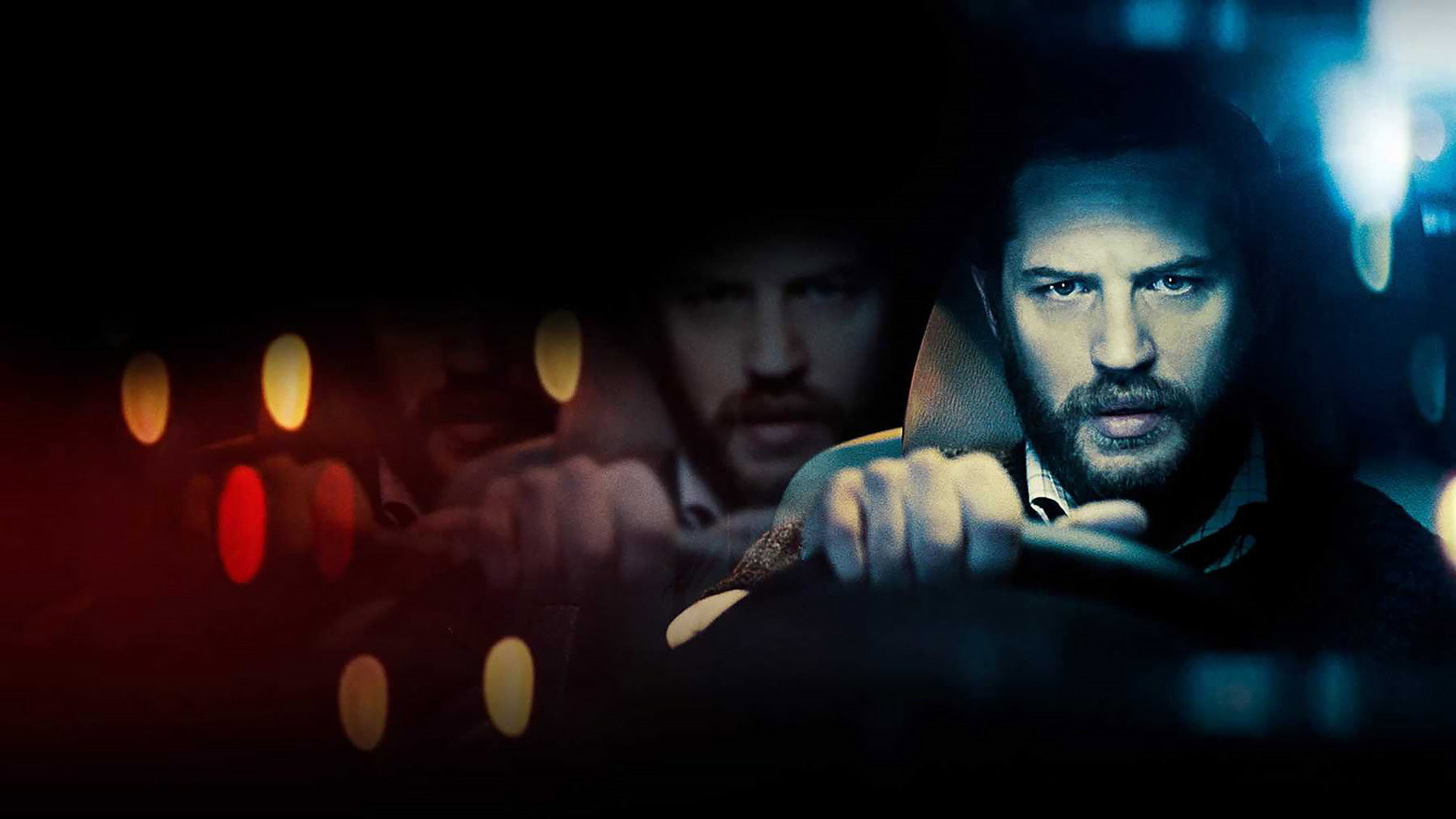
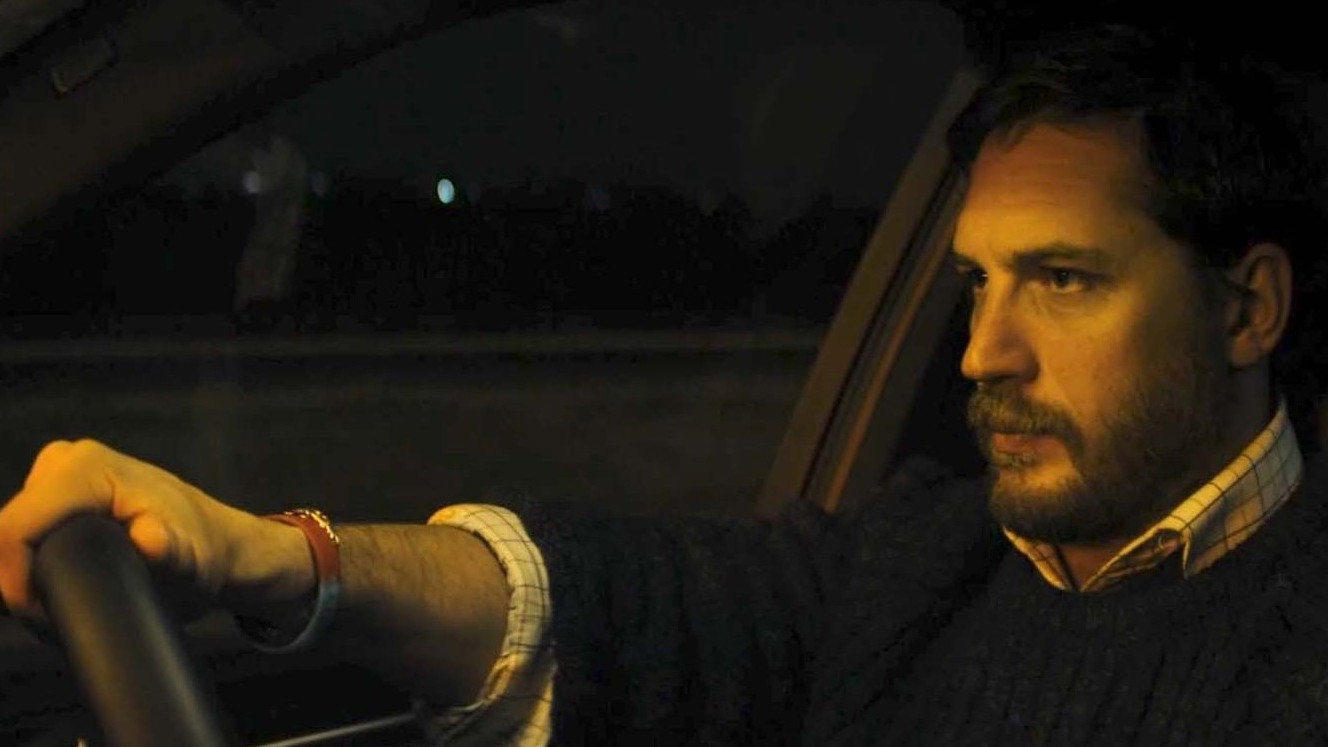
Steven Knight’s Locke is a gripping drama built around a restriction that could easily have become a nuisance: we stay with a man driving at night while his problems arrive by telephone. It works because Tom Hardy makes listening worth watching. Ivan Locke is a construction foreman trying to deal with crises at work and within his family, and his attempts at calm look increasingly difficult to sustain. We recommend it, with a reservation about how neatly the screenplay arranges the trouble.
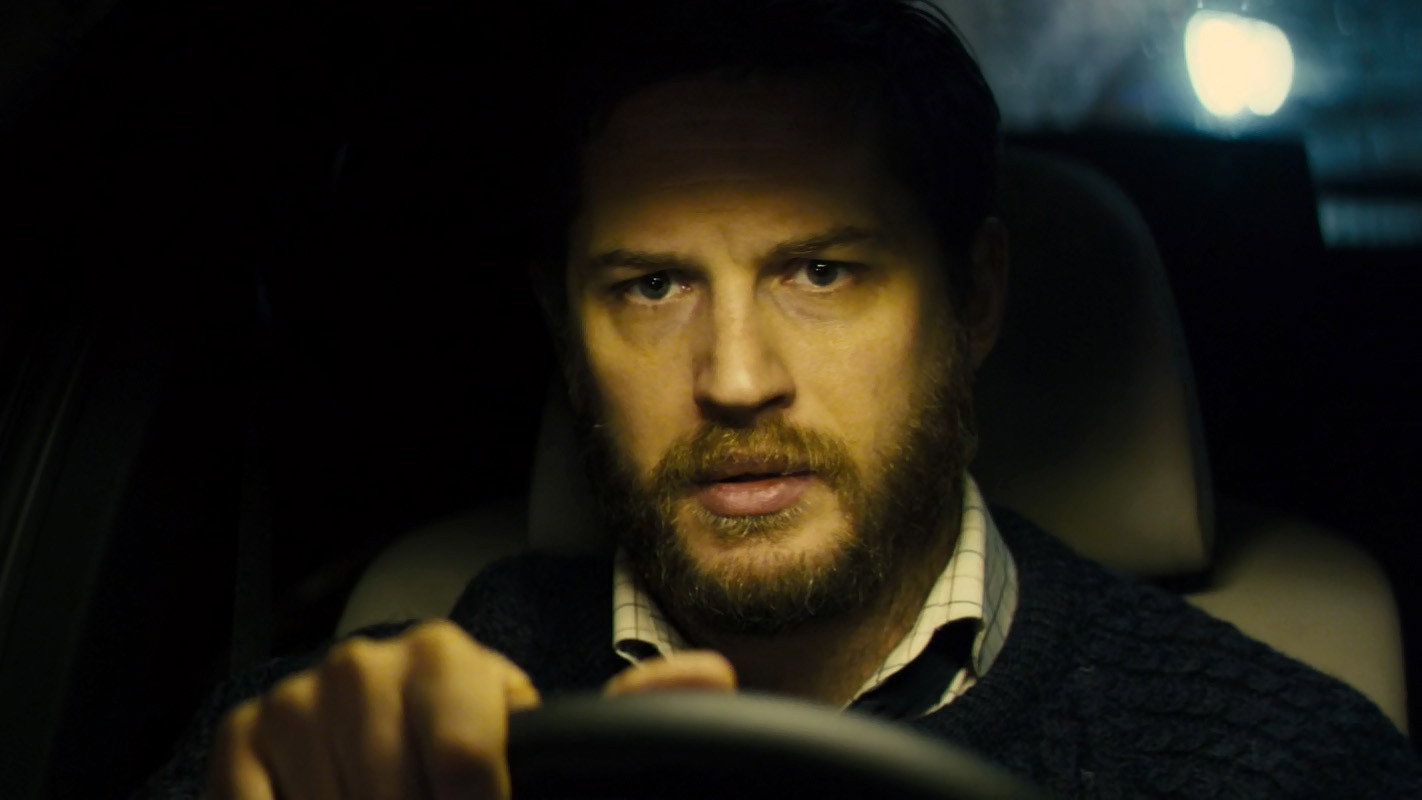
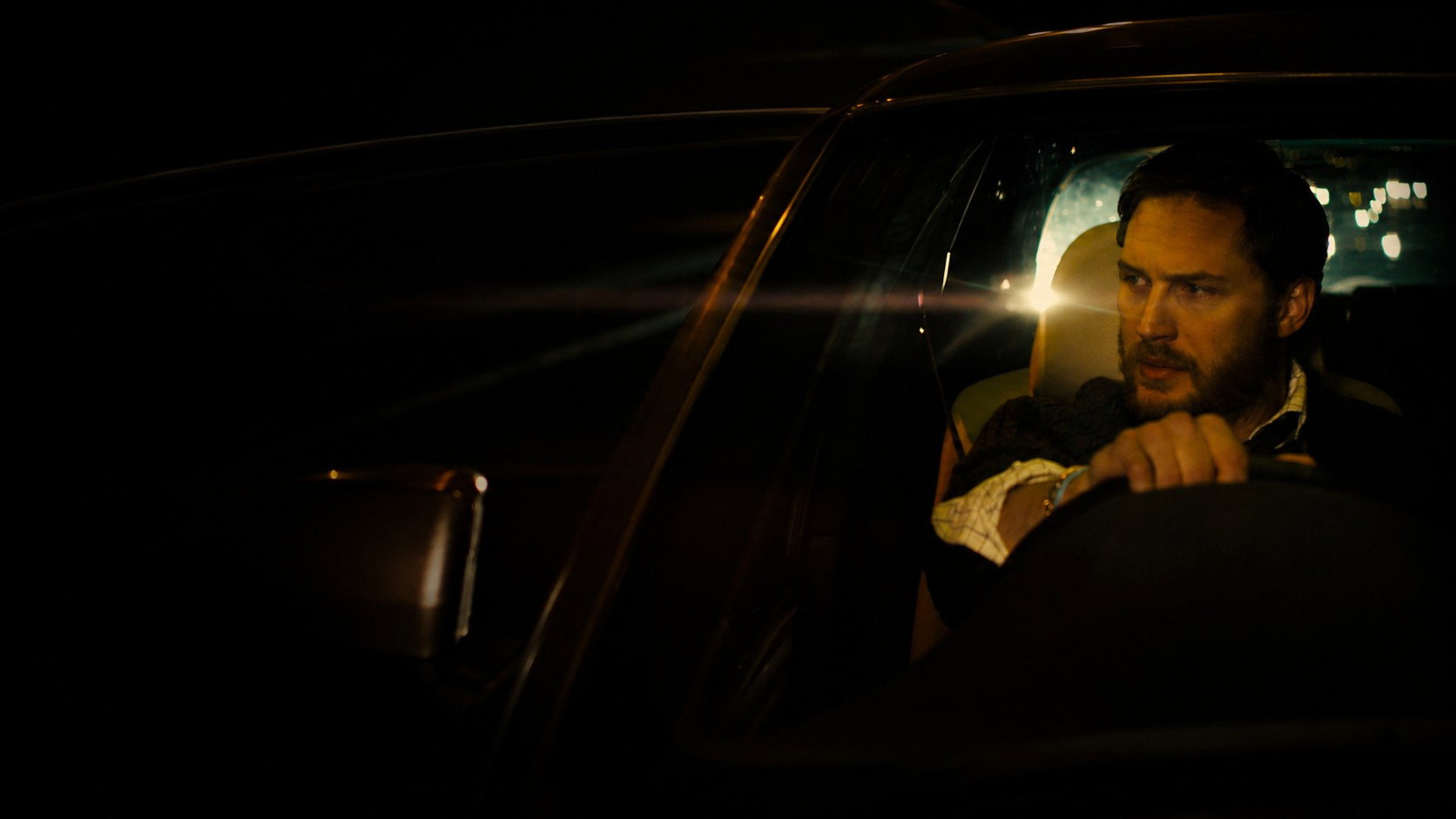
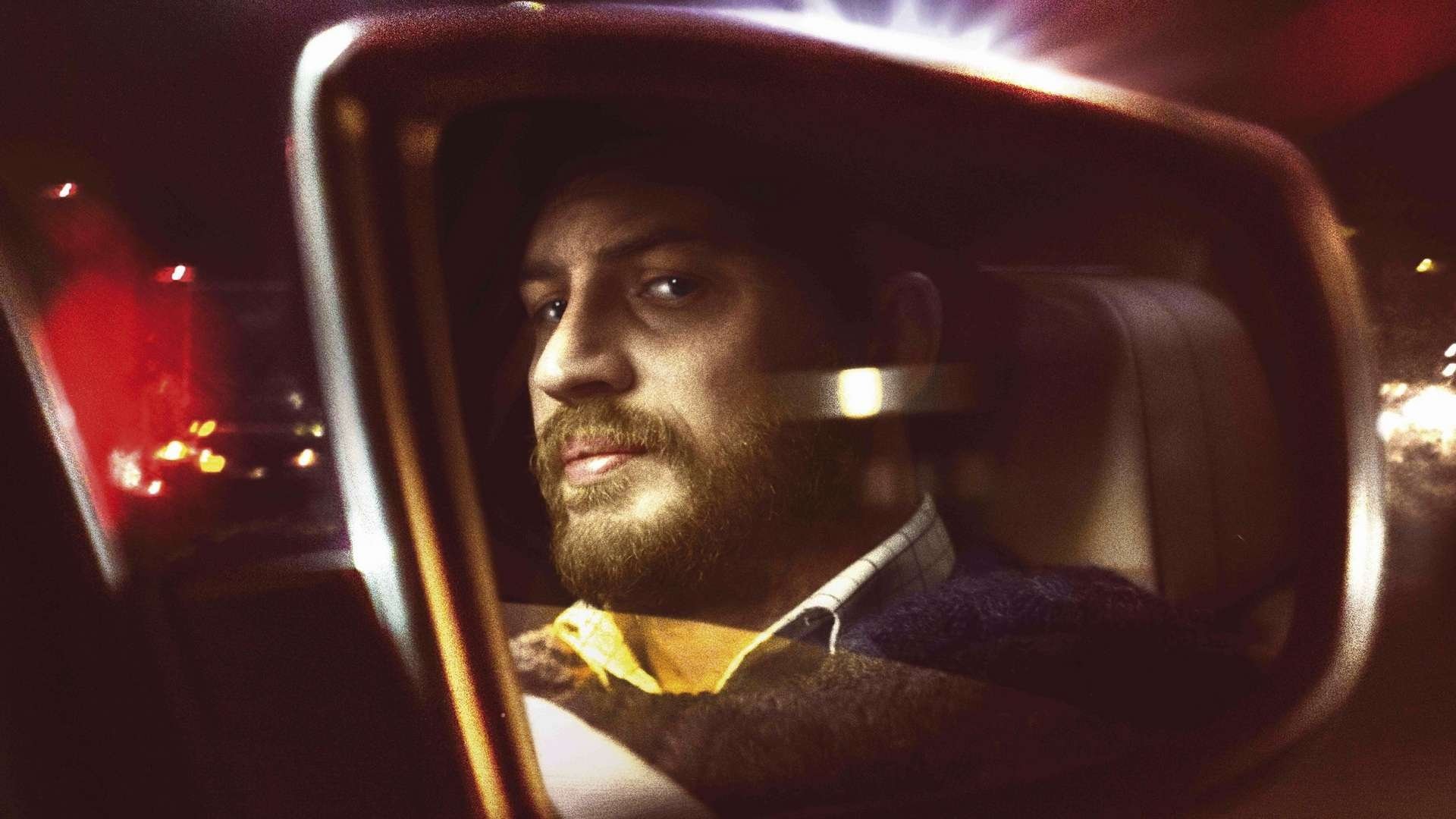
The performance is controlled without being blank. His careful delivery suggests a man who believes the right words, spoken in the right order, will allow him to take charge of whatever comes next. We felt anxious watching him listen, because the close-ups leave us waiting with him for a voice to finish and for an answer he can bear to give. The tension survives the absence of anyone else in the frame; there is enough to follow in his face.
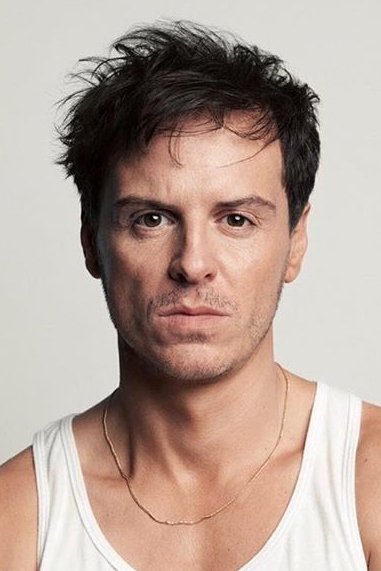
The unseen cast matters to this more than the description of a one-man film allows. Ruth Wilson, Andrew Scott and Olivia Colman supply voices that the driver must respond to, and those exchanges keep the people beyond the car from becoming mere subjects of his concern. We cannot look away from him to check another expression or decide who deserves our sympathy. That makes the telephone an effective restriction, although it also gives him rather more of our attention than anyone else can claim.
Haris Zambarloukos photographs him in close quarters, using the reflections in the car to keep the image shifting around him. The moving light gives the eye something to register without distracting from a change in expression. It is enough variation for this story, even if the car cannot remain visually surprising for the whole journey. The close-ups justify the decision to make this a film: hearing the same dialogue without seeing his face would lose much of what makes it troubling.
Justine Wright’s editing keeps the succession of calls moving without making the pauses feel like delays to be eliminated. At 85 minutes, the film gives us time to study its driver without stretching our patience with the confined setting. Dickon Hinchliffe’s score supports the unease without becoming the main reason for it. The most affecting sounds remain the voices, because they make demands that the man behind the wheel has to answer.
Steven Knight’s writing is less convincing when the calls seem arranged to present Ivan Locke with a complete examination of his character. The personal and professional demands fit together a little too conveniently, and the insistence on his wish to act decently can feel like special pleading. Tom Hardy allows more uncertainty than that: his calm can seem considerate, stubborn or simply inadequate to the person addressing him. We would have preferred the screenplay to leave more of that judgement to the performances.
As a thriller, Locke understands how uncomfortable it can be to wait for someone to answer a question. Its confinement gives that familiar experience unusual force, and it rarely needs to pretend that a car journey is anything more exciting than a car journey. What matters is the man having to keep speaking. Give it a quiet evening; the small changes in Tom Hardy’s delivery are worth being able to hear.