Film review

Days of Heaven

1978 · Directed by Terrence Malick · 1h 34m · MPA PG

In a sentenceNobody should make romantic decisions in lighting this flattering

DramaRomance

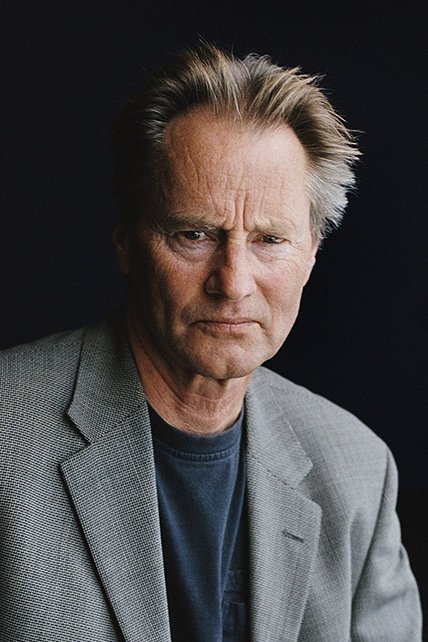
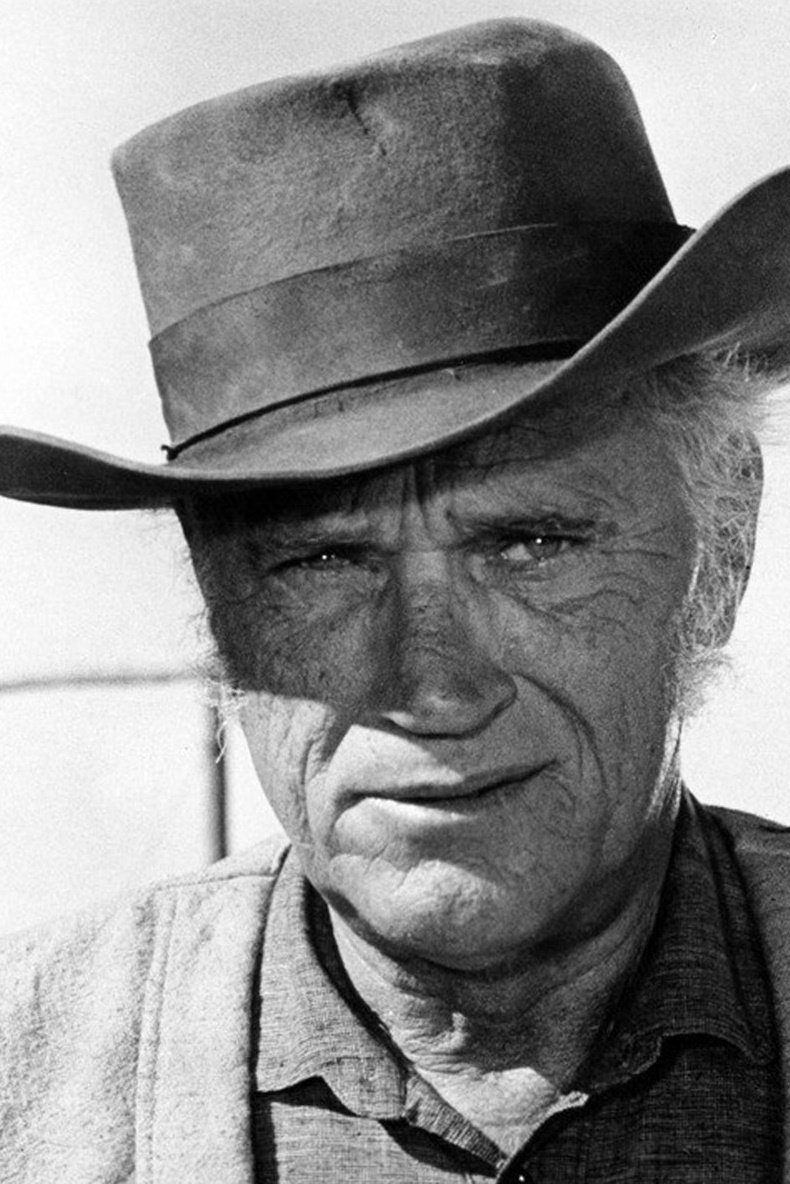
In the Texas Panhandle before the First World War, Bill (Richard Gere) and Abby (Brooke Adams) are lovers among the wheat fields. Linda (Linda Manz), a child, observes the adults and supplies her own account of their lives. The Farmer (Sam Shepard) becomes entangled with the lovers, who try to deceive him without giving each other up. Bill wants to hold on to Abby, but the farmer has a place in her life too. With harvest hands working around them, the three adults pursue a romance they cannot all have on their own terms.

Plays from YouTube when you press play; nothing loads from them until then.

Fi1m review

Terrence Malick’s wheat-field romance is beautiful, uneasy and worth your patience. Its lovers can seem remote, but Linda Manz’s dry narration keeps the light and music from making their troubles seem too grand.

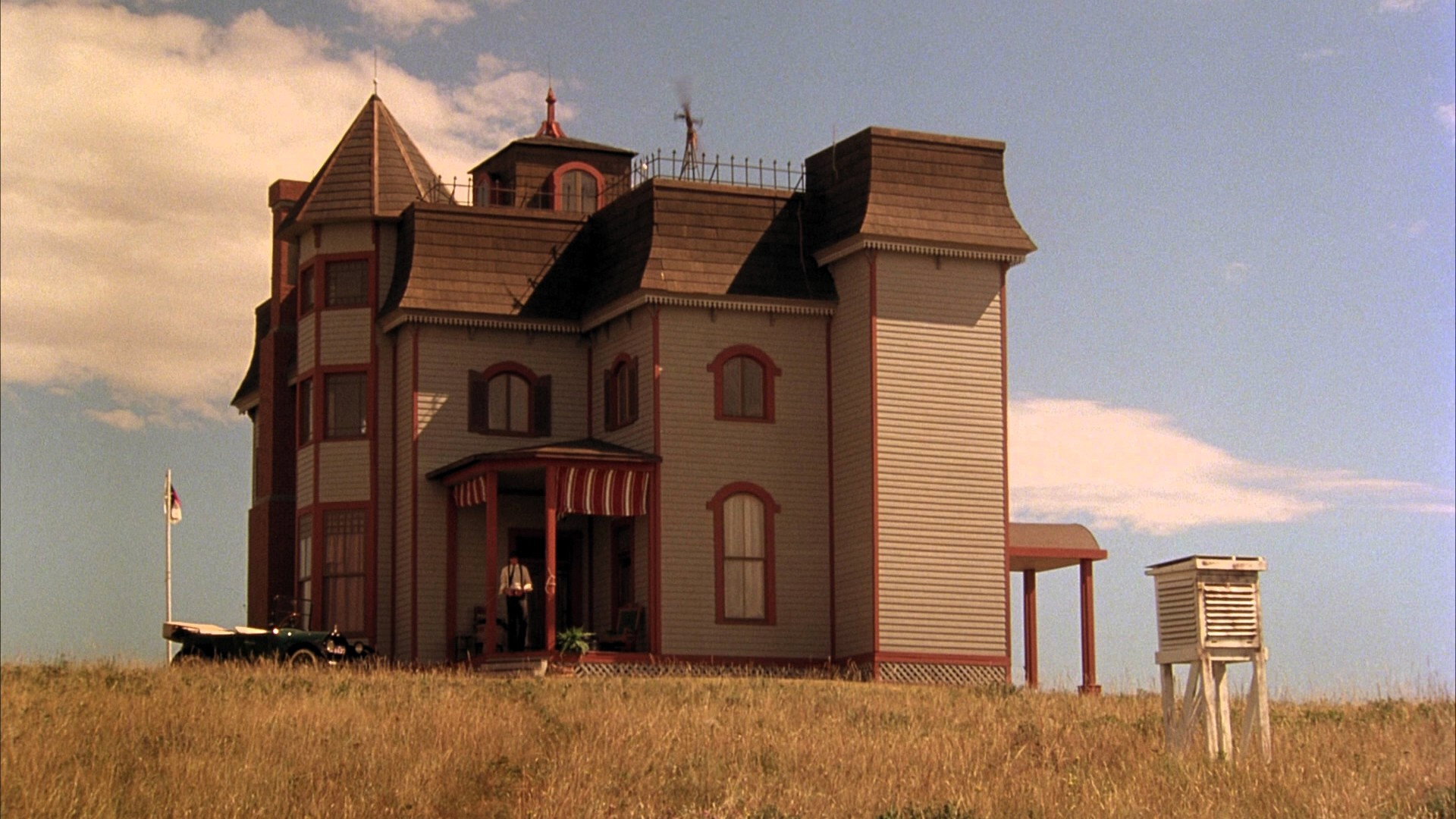
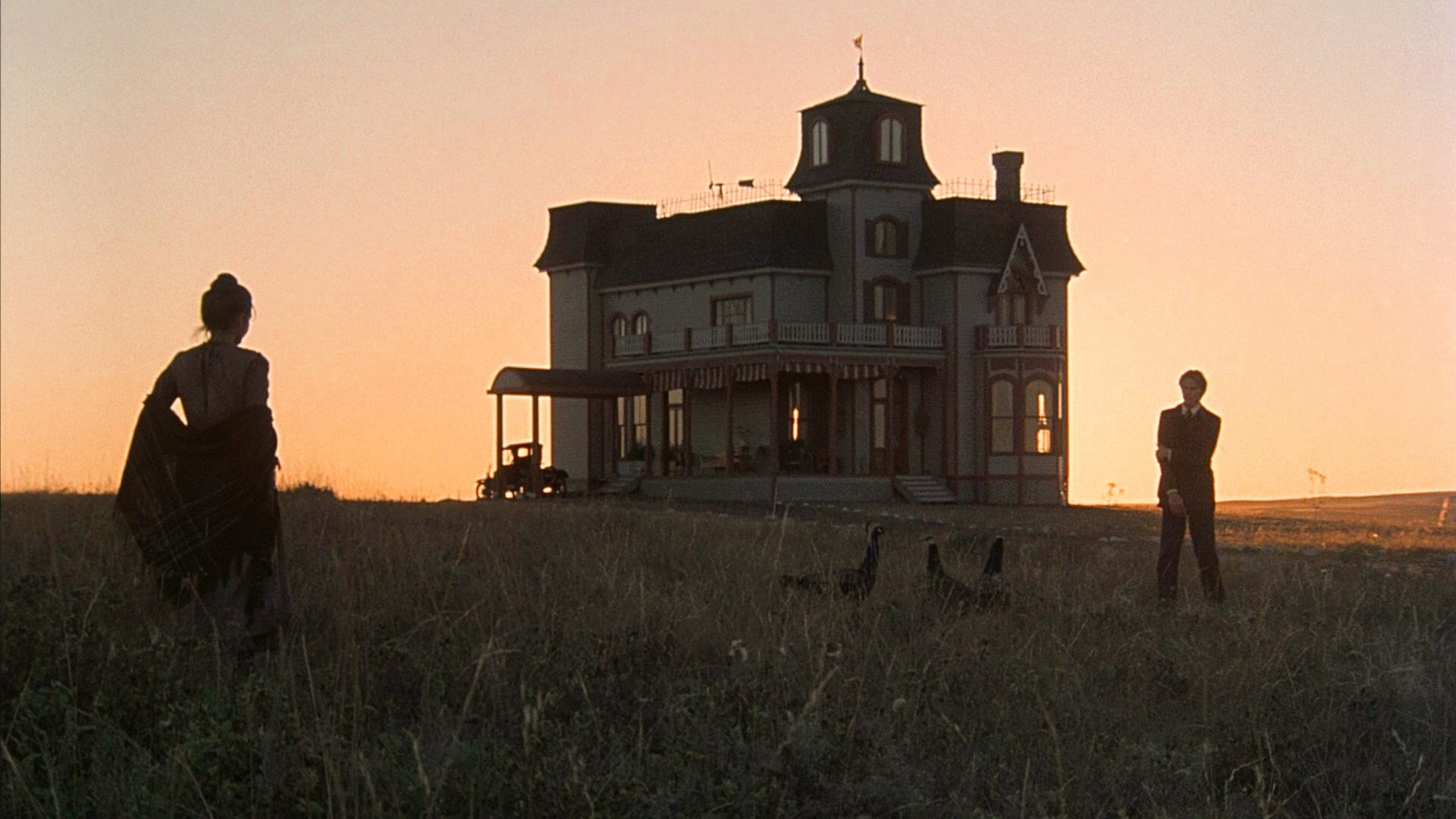
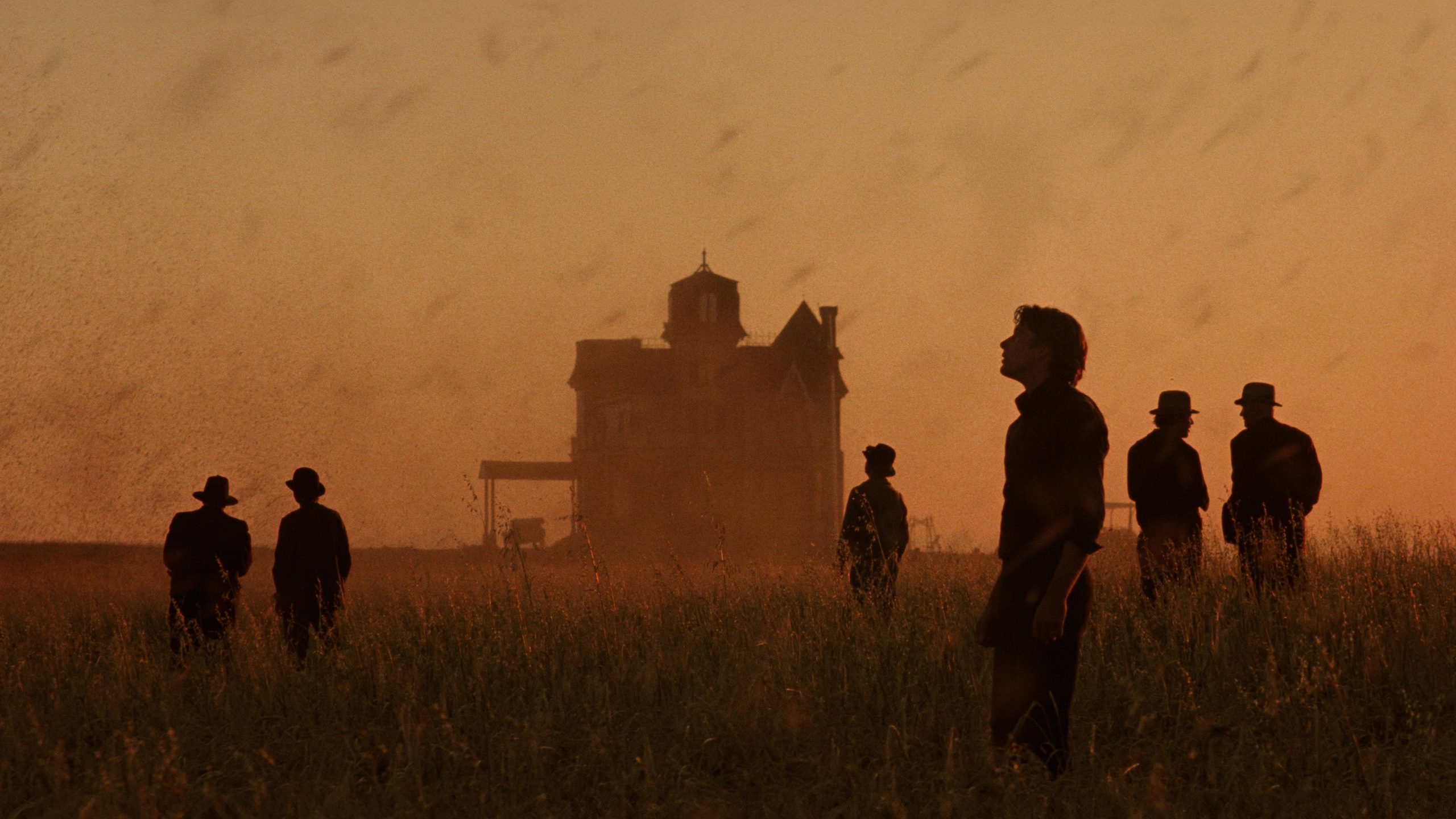
Days of Heaven is a romance in which we spend an unusual amount of time looking at wheat. That could become precious quickly, but Terrence Malick makes the fields matter: the lovers’ happiness belongs to a place where work and money still govern what happens. We recommend it for the force of its images and for the child’s voice that keeps interrupting their splendour. There is a reservation, and it matters: at times the adults seem remote enough to weaken the romance.

The story gives Bill and Abby a deception to maintain and a farmer to deceive, which is enough machinery for a tense romantic drama. Richard Gere gives Bill an impatience that helps explain why desire becomes a practical problem so quickly. Brooke Adams makes Abby’s feelings seem less easily settled, while Sam Shepard’s farmer brings a useful stillness to the triangle. The restrained performances ask us to read small gestures, and for much of the film that works; we are watching people who cannot afford to say everything.

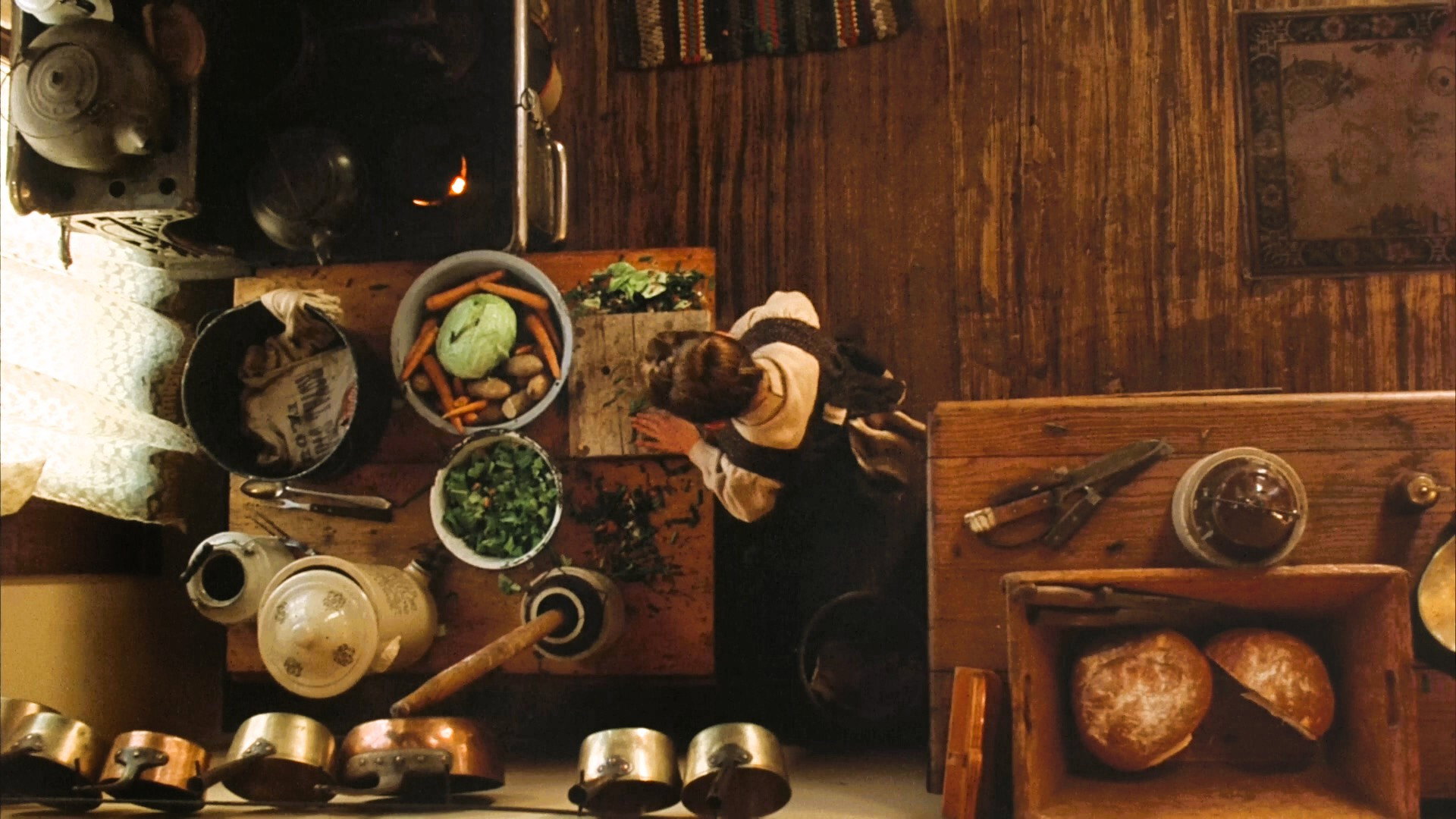
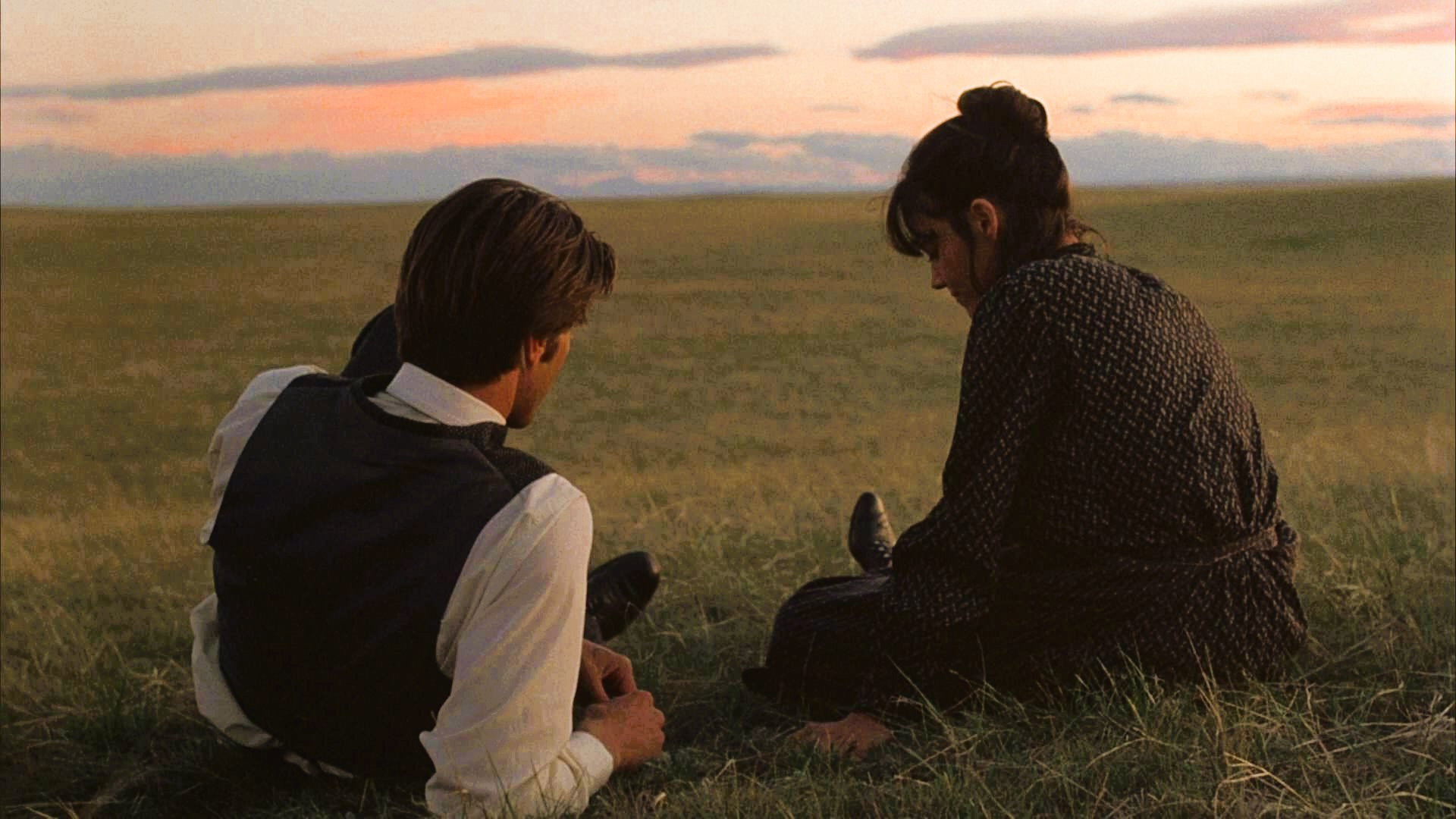
Néstor Almendros’s cinematography gives the wheat its gold without making the fields look safe. The natural light near the end of the day has a short-lived warmth, so even a calm image can make us aware that there is little time to enjoy it. We can understand the lovers wanting to stay inside these pictures. The light gives their deception a troubling ease, making it apparent why nobody would want to disturb the arrangement while it seems to be working.

Linda Manz is the reason the film seldom becomes too pleased with how it looks. As Linda, the child narrator, she speaks with a bluntness that gives no special status to the adults’ romantic troubles. We were moved by her flat, resigned delivery, because she sounds accustomed to disappointments a child should not have to take for granted. Her voice can also be funny without setting up a joke, and it makes the quiet between the adults feel less solemn.

Billy Weber’s editing moves through the story elliptically, leaving us to connect feelings that a more conventional romance would explain in conversation. The approach suits the furtive gestures, though some transitions leave the characters’ motives thinner than they need to be. Ennio Morricone’s music sustains the feeling across those gaps, giving the restrained exchanges an ache the performances do not always convey. It is effective scoring, although we occasionally want the lovers to make as strong an impression as the music surrounding them.

As a romantic melodrama, the film takes a risk by saying so little about what its lovers feel. That usually pays off when a glance or Linda’s voice tells us enough, but there are stretches when reserve starts to resemble vagueness. Abby, in particular, can feel too distant for the strain placed on her relationships to register fully. We do not need a speech spelling everything out; a little more time with her would have helped.

At 94 minutes, it is short enough to invite another viewing without much imposition. We would go back for Linda, whose voice is easy to undervalue while the wheat occupies our eyes. A large screen helps, but the narration deserves just as much attention as the fields. Choose it for an evening when nobody needs the lovers to explain themselves.

Critical consensus AI synthesised

88
Positive
14
Mixed
0
Negative
1

Most critics respond warmly to Days of Heaven, with praise concentrated on its natural light, wheat-field landscapes and the way images and sound carry the romantic drama. Nestor Almendros’s cinematography and Morricone’s score receive repeated attention. Linda Manz’s deadpan voice-over is another point of agreement, valued for bringing loss, resilience and an unusual perspective to the adults’ tangled relationships. The reviews largely find emotional force in Malick’s unhurried observation of people and nature.

The disagreement concerns how much those images compensate for sparse storytelling and muted characterisation. Den of Geek admires the painterly photography but finds the narrative elliptical and the characters wooden, locating most of the feeling in the narration and music. That is the sole negative assessment among fourteen positive reviews, making the numerical spread wide but the dissent isolated. Most critics treat the indirect storytelling as a strength rather than an obstacle.

Little White Lies
1 September 2011 · 5/5/5 · Sophie Brown
100

The critic hails the restored classic for its mesmerizing cinematography capturing magic hour and natural beauty, along with Morricone's majestic score. It notes Malick's sensitive observation of calm and chaos in human lives and the perilous course of the tangled relationships in the wheat fields.

Read the full review →
RogerEbert.com
7 December 1997 · ★★★★/4 · Roger Ebert
100

The critic praises the film's painterly beauty, evocative Morricone score and magic-hour cinematography as one of the most beautiful ever made. He singles out the child's flat, resigned voice-over narration for conveying loss and resilience amid the muted adult passions of the love triangle.

Read the full review →
The Times
2 February 2024 · ★★★★★ · Kevin Maher
100

This glorious rescue job after a chaotic production is a masterpiece of magic-hour lighting and focused storytelling about lovers hoodwinking a farmer. The locusts scene and overall visual beauty stand out as knockout achievements.

Read the full review →
Time Out
30 August 2011 · ★★★★★ · David Jenkins
100

The critic celebrates the film's sublime sensuous poetry and biblical profundity in its depiction of a furtive love blooming momentarily in a glowing golden paradise in the Texas Panhandle before commerce and violence intervene. It calls the film one of the most beautiful ever made, visually and thematically.

Read the full review →
Evening Standard
10 April 2012
90*

The restored print reveals the film as one of the most ravishing ever made, with sublime, clearer light and colour that enhances its Biblical narrative of a love triangle and pastoral idyll ending in ruin, delivered through images, music and an off-kilter voiceover.

Read the full review →
Sight and Sound
2 September 2011 · Tom Milne
90*

The critic praises Malick's poetic vision of a fleeting utopia among four souls in the pre-WWI Texan wheatfields, distilling a vision of paradise lost. It highlights the film's exploration of mankind's interaction with the earth and its self-destructive follies amid industrial change and human frailty.

Read the full review →

Cast

Stills

Awards

Academy Awards, 1979

Nominated
Best Costume Design
Nominated
Best Original Score
Nominated
Best Sound
Won
Best Cinematography

If you liked this, try…

The River poster

The River

1951 · For another romance whose setting deserves as much attention as its lovers.

The Spirit of the Beehive poster

The Spirit of the Beehive

1973 · Another child’s watchful presence makes adult troubles feel stranger and more troubling.

The Tree of Wooden Clogs poster

The Tree of Wooden Clogs

1978 · A slower account of rural labour, attentive to duties the scenery cannot soften.

The Piano poster88

The Piano

1993 · For desire expressed through music, guarded performances and a landscape that offers little comfort.

The New World poster

The New World

2005 · Terrence Malick gives another troubled romance the space to watch and listen.