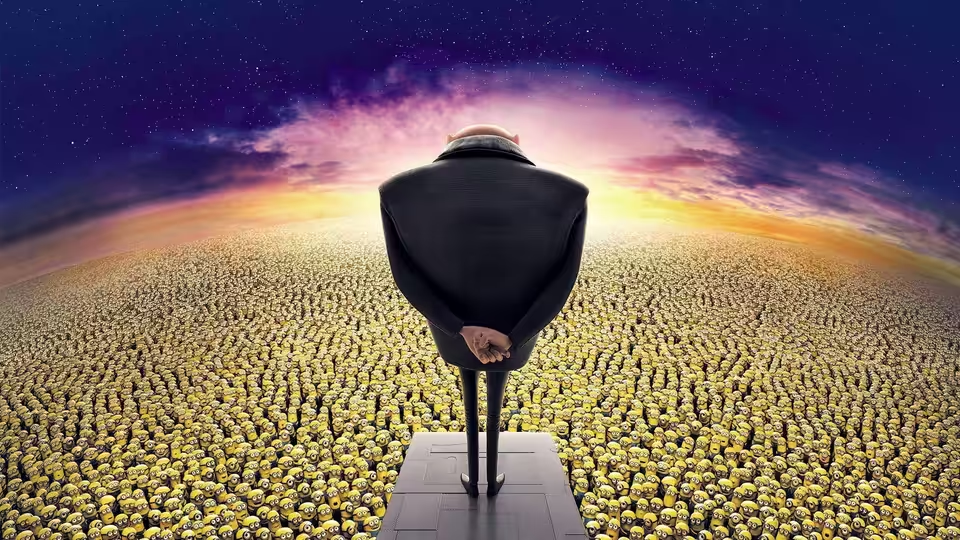
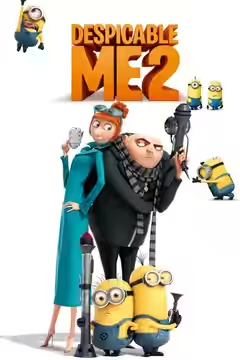
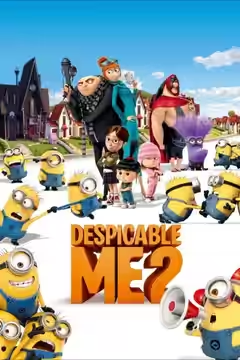
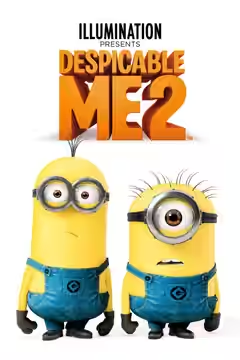
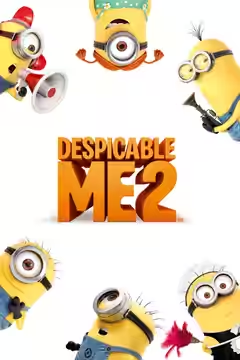
Despicable Me 2 is a likable family comedy with better jokes than storytelling. Steve Carell keeps Gru worth following, while the Minions supply the biggest laughs and the crowded plot supplies the main reservation.
Despicable Me 2 is a good-natured family comedy whose jokes are more dependable than its story. Directors Chris Renaud and Pierre Coffin give the Minions plenty of room, and their silliness usually warrants the diversion. The difficulty is keeping Gru interesting while so many comic distractions compete for attention. At 98 minutes it is hardly an endurance test, but there are stretches when we would happily trade another subplot for a better reason to care about him.
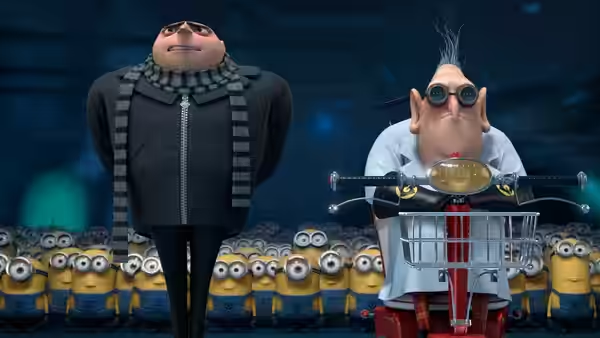
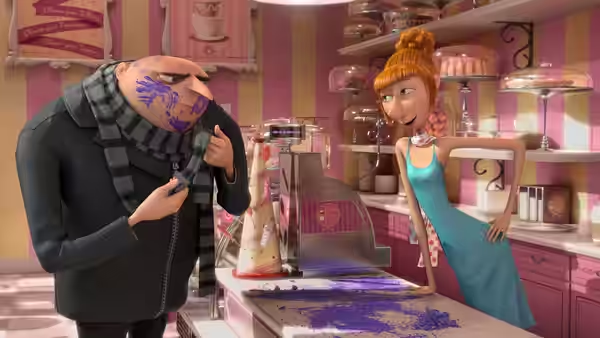
Steve Carell gives Gru a voice we can enjoy listening to before a joke has properly arrived. His unease about family life and dating is funny without making him seem incapable of affection. Kristen Wiig brings welcome briskness to Lucy, helping the comedy along without having to compete with every burst of nonsense around her. The performances make the domestic material agreeable, even when the situations themselves feel familiar.
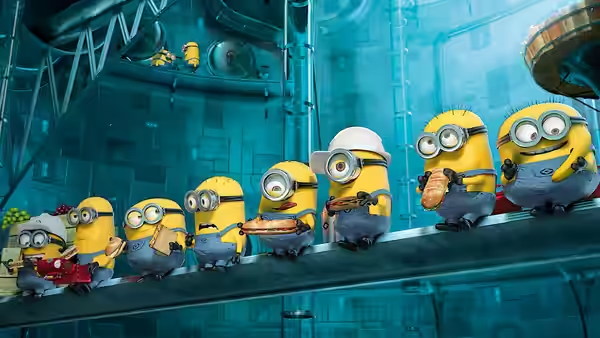
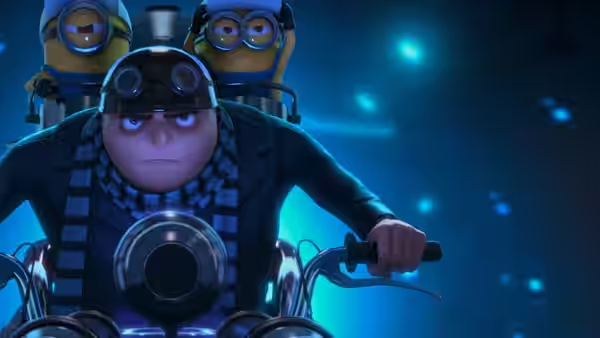
We laughed at the Minions’ gibberish, particularly the conviction with which they deliver it. Their noises have enough expression to make explanations unnecessary, and the animation lets an emotion register before the next bit of nonsense arrives. Their increased prominence makes sense because they can get a laugh without requiring much preparation. There is a limit to this, though: whenever they interrupt a less successful passage, the business waiting for us afterwards becomes that little bit less enticing.
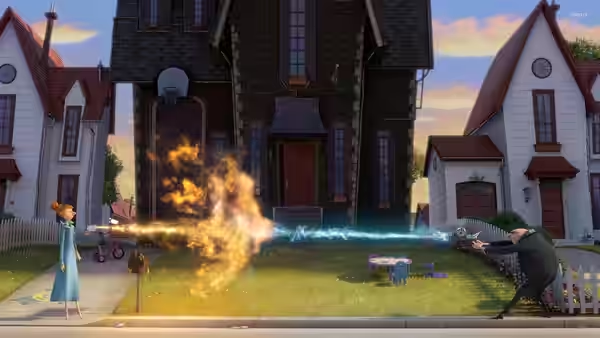
Production designers Eric Guillon and Yarrow Cheney give the playful gadgetry a solid-looking world to inhabit. The objects have the appeal of toys that might actually do something, and the surroundings feel substantial enough for the slapstick to register. That apparent weight matters when so much of the pleasure depends on physical absurdity. The animation is carefully judged in ways that remain enjoyable even when the storytelling gets busy.
Writers Ken Daurio and Cinco Paul have enough promising material in Gru’s family and romantic concerns without needing quite so many competing strands. The crowded script keeps finding reasons to move elsewhere before a situation has developed much comic pressure. Through the middle, this begins to feel restless rather than lively, and Gru gets too little space to hold our interest between diversions. The warmth is welcome, but the sweeter passages sometimes ask us to feel affection that the writing has not quite earned.
Gregory Perler cuts individual jokes with a pleasing snap, allowing the comic energy to survive some awkward changes of direction. The shifts between the various strands have a less certain rhythm, particularly when the domestic material has to regain our attention. Heitor Pereira’s music helps sustain the cheerful tone, although the sentimental passages could do with less encouragement. Neither contribution can quite disguise the script’s tendency to abandon one promising situation for the next, but both help keep it moving.
Within the familiar limits of a family sequel, there is enough comic invention here to justify another visit. The appeal is strongest for anyone happy to follow a collection of funny characters without insisting that their adventure fit neatly together. Choose it for a shared evening of slapstick; a tightly worked story will have to be another night’s requirement.