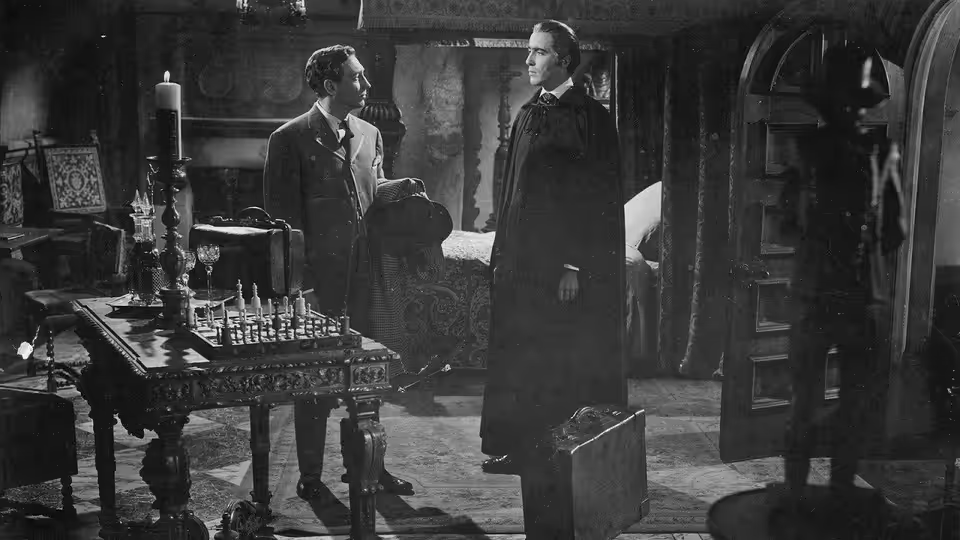
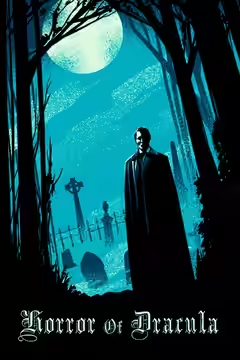
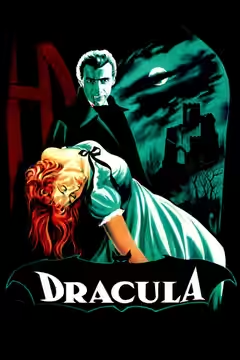
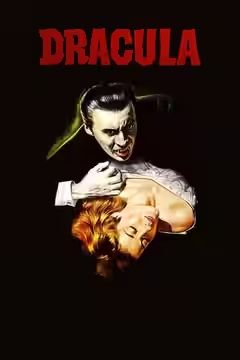
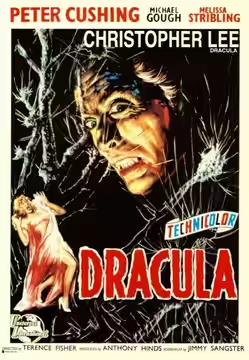
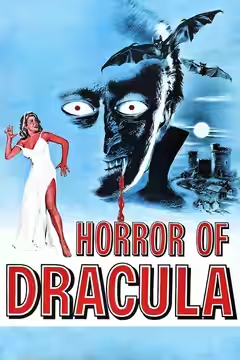
Terence Fisher’s Dracula still unsettles, chiefly because Christopher Lee makes the Count’s attraction credible. Peter Cushing supplies the conviction; some creaky plotting is the price of an otherwise forceful evening’s horror.
Dracula is still an effective horror film, with performances strong enough to carry some stiff storytelling. Terence Fisher understands that the Count needs to be attractive if the fear is to become personal. He gives that attraction room to disturb us, without treating it as an awkward extra in a monster story. The film runs 82 minutes, though a few stretches feel longer than they should.
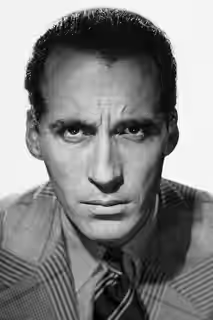
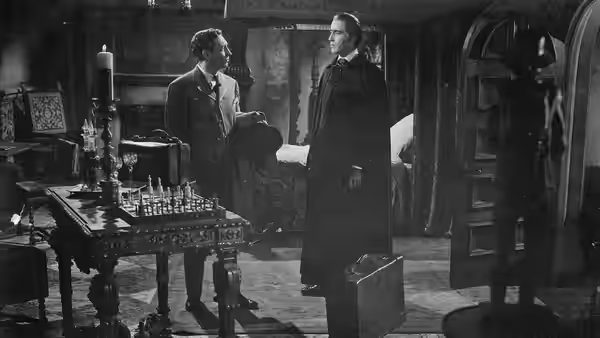
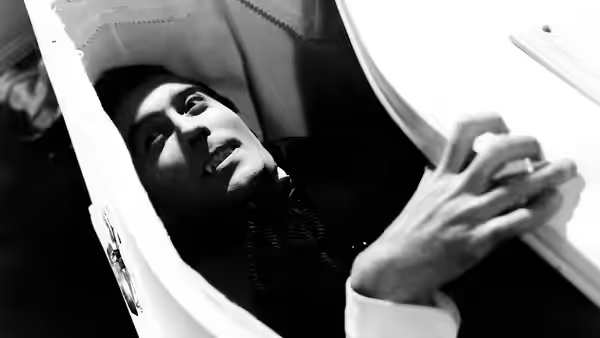
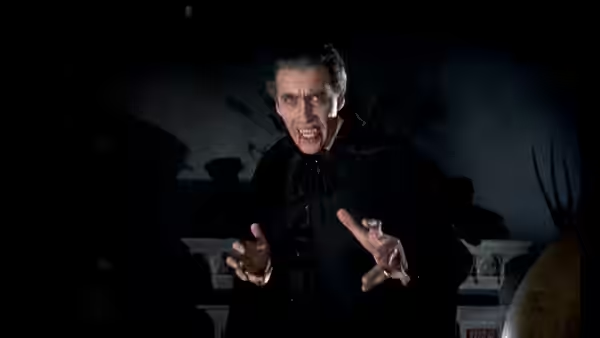
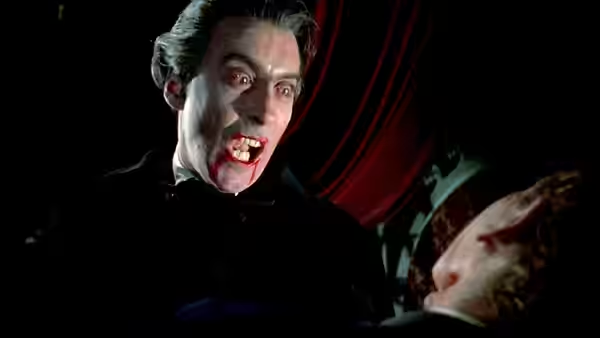
Christopher Lee makes Count Dracula’s appeal credible without softening his menace. There is something unpleasant about finding such a gruesome figure seductive, and the performance allows both responses at once. We were unsettled by him, specifically by how little his attractiveness reassured us. His presence gives the horror an intimacy that survives familiarity with the vampire story: we can understand the attraction without ever feeling comfortable about it. The performance needs no allowance for the film’s age.
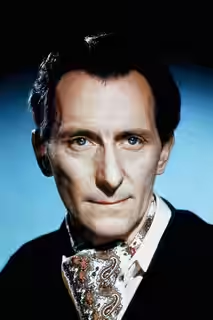
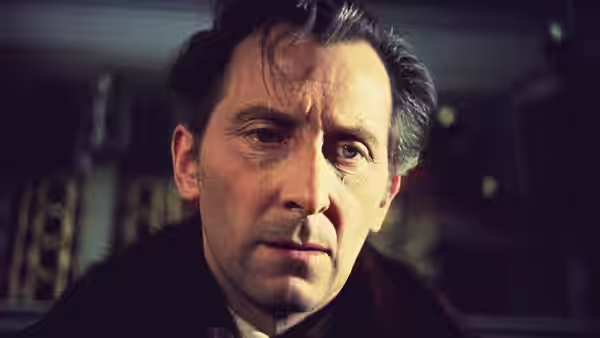
Peter Cushing brings the necessary conviction to Doctor Van Helsing. There is no hint of an actor asking indulgence for appearing in a vampire film; he takes the danger seriously and expects us to do the same. His firmness gives the horror something to press against, and his performance makes even the less persuasive storytelling worth following. We particularly value the lack of condescension towards the material, which allows the character’s seriousness to become our own.
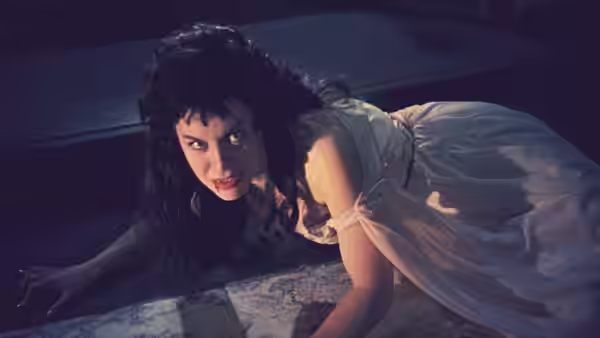
Jack Asher’s cinematography and Bernard Robinson’s production design make the period setting feel persistently uneasy. There is nothing retiring about the visual style, and its richness can become garish. We like that forcefulness here: subdued good taste would not necessarily improve a film so concerned with dangerous attraction. The setting feels artificial without becoming reassuring, and Terence Fisher keeps the performances sufficiently assured that the actors are never merely decorative figures within it.
James Bernard’s music works for us more often than not, although we occasionally want it to leave the performers alone. Its insistence feels appropriate beside these performances, even when a little less emphasis might have helped. The editing by Bill Lenny and James Needs feels economical, giving the film substance without making it cumbersome. Across the three-part narrative, however, the tension sometimes needs gathering again, and the passage between sections is less assured than the atmosphere within them.
Jimmy Sangster’s screenplay is where our reservations lie. The plotting can feel creaky, and there are stretches when we become conscious of the story needing to get somewhere before we believe in the characters’ reasons for going there. We are not asking a vampire film to behave like a police report. We do want its people to seem less constrained by what the next section requires, and that is where the writing occasionally disappoints.
Some of the immediate shock has faded, but there is enough here beyond shock to justify another evening with the Count. Terence Fisher gives the Gothic atmosphere weight, and the two leading performances remain persuasive without needing their historical reputation to do the work. We recommend it with a little patience for the plotting. Christopher Lee and Peter Cushing deserve to be watched without anyone apologising for the age of the film.