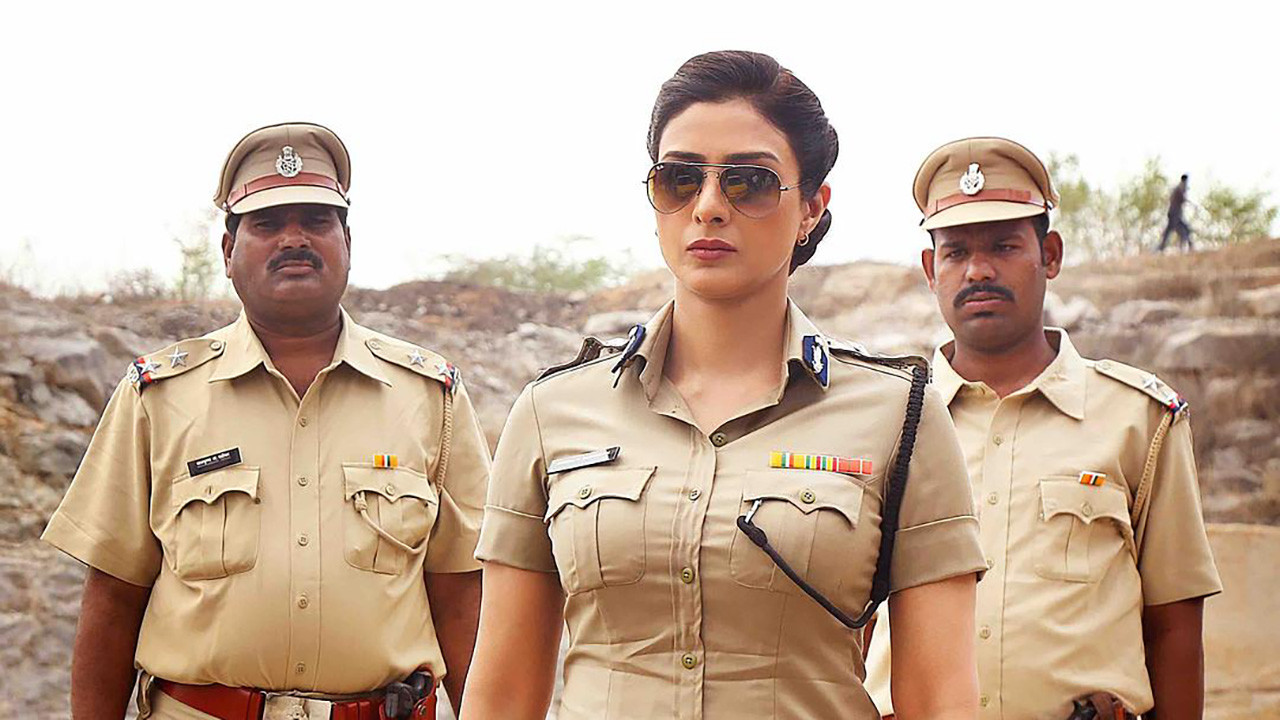
Ajay Devgn and Tabu keep Drishyam tense even when its careful plotting takes too long. We recommend this family thriller for the alibi-building and the uncomfortable business of finding ourselves on the side of a cover-up.
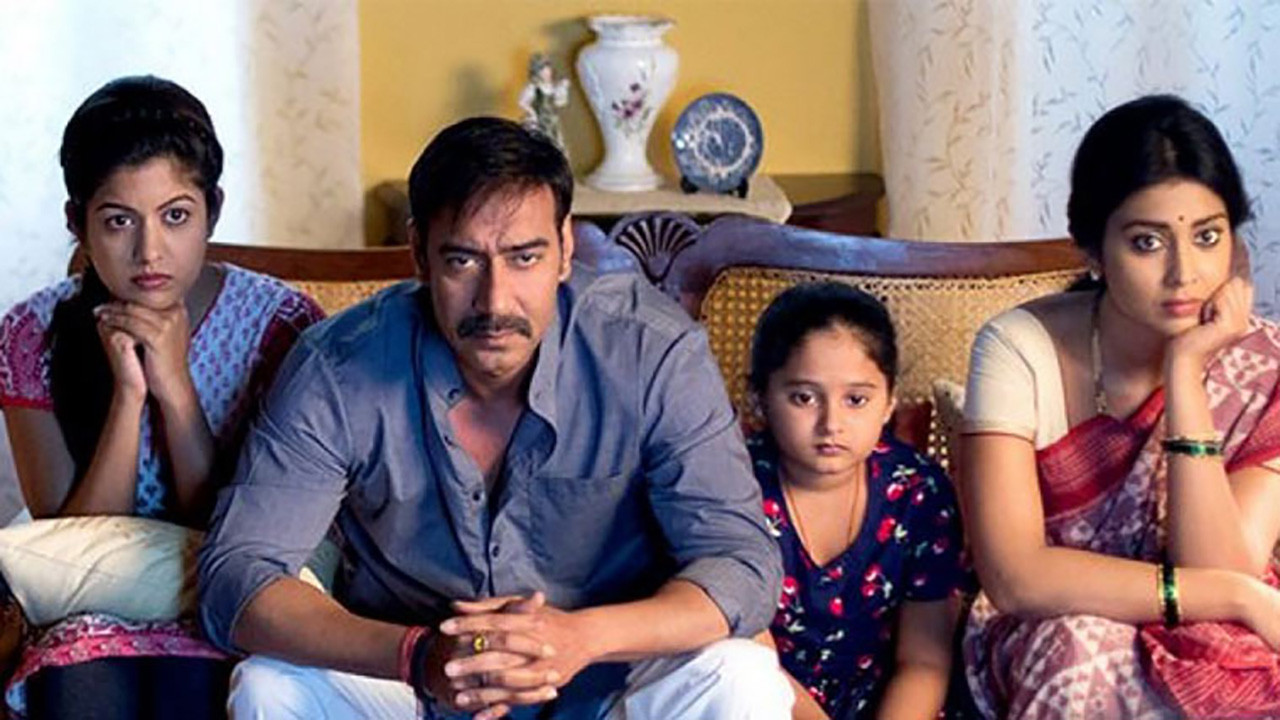
Nishikant Kamat’s Drishyam is a good thriller with more patience than it needs. Its appeal lies in watching a family try to keep a cover-up intact while the police press for answers, and in discovering how readily we want that family to succeed. Kamat takes the mechanics of an alibi seriously, giving the planning enough weight to make us follow it. At 163 minutes, he also gives us more time than we need to appreciate the care involved.
Working from a story by Jeethu Joseph, screenwriter Upendra Sidhaye makes the construction of an alibi absorbing in itself. Vijay’s problem requires practical thought, and the film lets that thought become the source of suspense. We were tense watching him work out his account, because every careful decision made us more invested in the cover-up. That response gives the questions about justice some force: we are already hoping the investigation will fail.
Ajay Devgn’s restraint is important here. As Vijay Salgaonkar, he makes the effort of keeping control worth watching without asking us to applaud every calculation. A more showy performance would make the plotting feel like a demonstration by someone who already knows all the answers. Devgn keeps enough uncertainty in the work to make the family’s predicament matter alongside our curiosity about how the scheme operates.
Tabu gives IG Meera Deshmukh enough determination to make that uncertainty credible. Her investigation supplies pressure that the film needs whenever Vijay’s ingenuity threatens to make the contest too comfortable. The interrogation scenes are compelling because a carefully prepared account still has to survive another person’s questions. Tabu helps the police remain a serious obstacle, though the writing sometimes makes its points about justice and corruption too simply.
Avinash Arun’s cinematography makes the alibi-building easy to follow, leaving us free to consider what Vijay is doing. Sukant Panigrahy’s production design gives the middle-class family a convincing everyday setting. That ordinariness helps: these people need to seem capable of having a life outside the investigation if their predicament is to concern us. The craft supports the sober treatment without making the surroundings a competing attraction.
The pace is harder to defend. Editor Aarif Sheikh allows the plotting room to register, but too much of that room becomes waiting, and Kamat does not always distinguish useful preparation from delay. The music credited to Sameer Phaterpekar and Vishal Bhardwaj supplies tension that the alibi scenes scarcely need. We would have welcomed less prompting and a firmer cut, particularly when the mechanics are already clear.
As a crime thriller, Drishyam earns its interest in guilt by making us take sides. Its weaker passages treat the moral questions more simply than the plotting, as if getting us worried about the family were enough to settle the wider concerns about policing. It isn’t, and the strong performances cannot quite disguise that shortcut. The film is more persuasive when it trusts us to worry about the next question.
The length is a real qualification to our recommendation, especially for anyone who prefers a brisk police procedural. There is enough ingenuity here to reward sustained attention, and Devgn and Tabu make the central contest worth following. We would choose it for an evening when we want to puzzle over other people’s decisions. Allow time afterwards to ask why we were so keen for them to get away with it.