Film review

Eternal Sunshine of the Spotless Mind

2004 · Directed by Michel Gondry · 1h 48m · MPA R

In a sentenceHaving an ex erase your entire relationship makes being asked for a jumper back seem positively affectionate

Science FictionDramaRomance

When Joel Barish (Jim Carrey) discovers that Clementine Kruczynski (Kate Winslet) has erased him from her memory, their relationship becomes a question of what can be forgotten and what cannot. Michel Gondry’s science-fiction romance moves through the couple’s memories of their time together, examining the attraction and hurt that accompany them. Charlie Kaufman writes the screenplay, with a supporting cast including Kirsten Dunst as Mary, Mark Ruffalo as Stan, Elijah Wood as Patrick and Tom Wilkinson as Dr. Mierzwiak. At its centre are two people and the possibility of removing a former lover from the mind.

Fi1m review

Michel Gondry’s memory-erasing romance is inventive, funny and painfully convincing about why people hurt one another. Jim Carrey and Kate Winslet make its complications worth following, though the visual tricks occasionally crowd them out.

Michel Gondry’s Eternal Sunshine of the Spotless Mind makes a convincing romance out of the wish to forget one. Charlie Kaufman’s screenplay takes memory erasure seriously enough to ask what it would feel like, without getting bogged down in how the machinery might work. We recommend it warmly, with a warning that the storytelling sometimes makes an already painful relationship needlessly difficult to follow. Its strongest reason for existing is Jim Carrey and Kate Winslet, who give the cleverness two people worth caring about.

Carrey plays Joel Barish with a reserve that makes rejection seem almost physically embarrassing. When Joel learns that Winslet’s Clementine Kruczynski has erased him from her memory, the science-fiction premise becomes a particularly cruel version of being told to go away. We were hurt by that discovery, because Carrey lets Joel seem small and unprepared rather than grandly tragic. There is no need to share his circumstances to recognise the humiliation of finding that someone has finished with us more thoroughly than we imagined.

Their meeting on a train is a useful measure of what Winslet contributes: the attraction has to work before any complicated account of memory can matter. She gives Clementine enough confidence to make Joel’s reserve interesting, drawing our attention to what he struggles to express. We can understand why these two people would want to know one another, while still wondering how comfortable they would be together. Kaufman’s writing lets affection and irritation belong to the same relationship, and neither actor tries to tidy that up.

Ellen Kuras’s cinematography makes the meeting on the train feel intimate, giving us a reason to care before the visual complications take over. Dan Leigh’s production design gives the couple a world that feels comfortably ordinary, which helps the memory-erasure imagery unsettle us. Gondry’s effects work best when they make us worry about what Joel is losing. The familiarity matters: we need to believe these people have spent time together before the prospect of forgetting it can hurt.

Valdís Óskarsdóttir’s editing has the difficult job of making disorientation bearable, and mostly succeeds. Even when we cannot immediately place a moment, the feeling between Joel and Clementine is clear, while Jon Brion’s score supplies tenderness without making every hurt feel momentous. The trouble comes when another visual disruption arrives before the previous one has had time to register. Gondry can seem reluctant to leave a clever idea alone, and there are stretches where we would gladly trade another flourish for a little breathing space.

Kaufman also questions the familiar romantic promise that finding the right person will settle everything. Joel and Clementine make a less reassuring prospect, because their attraction does not make either of them easier company. This gives Carrey and Winslet something more interesting to play than a contest over who deserves our sympathy. Across its 108 minutes, the film allows us to care about both of them without requiring us to excuse everything they do.

Choose it for a night when both of you are willing to pay attention. A distracted viewing will make the structural fuss more irritating and the performances easier to miss. Leave the argument about which of them is being unreasonable until afterwards.


Critical consensus AI synthesised

82
Positive
7
Mixed
0
Negative
0

Most critics respond warmly to Eternal Sunshine of the Spotless Mind, praising the emotional depth beneath its complicated account of memory and love. Praise centres on Charlie Kaufman’s screenplay and Michel Gondry’s inventive handling of the shifting memories, with several reviews finding that the visual ingenuity serves the characters rather than distracting from them. Jim Carrey and Kate Winslet also draw strong notices for performances that make the central relationship credible amid the disorientation.

The reservations concern how much complication that relationship can bear, and the reviews differ sharply on whether the film connects emotionally. Slant Magazine admires the humane writing and visual choreography but finds that the premise loses momentum. The Guardian regards the technique as overworked, with repetition weakening its effects. Screen Daily offers the clearest dissent, finding the screenplay too cerebral and overwrought to deliver the emotional connection that most critics describe.

The AV Club
16 March 2004 · Scott Tobias
90*

Kaufman and Gondry create a disorienting yet deeply felt exploration of memory and love inside the protagonist's mind. The radical narrative and visual strategy delivers poignant insights on relationships.

Read the full review →
The Hollywood Reporter
12 March 2004 · Kirk Honeycutt
85*

Kaufman finally delivers a complete, accessible romantic screenplay with a strong third act. Gondry orchestrates the memory-erasure visuals and performances from Carrey and Winslet effectively.

Read the full review →
Radio Times
★★★★ · Brian Pendreigh
80

The review calls the film wonderfully intriguing, often touching and typically convoluted, praising its inventive collaboration and Kaufman's oddball imagination.

Read the full review →
Time Out
10 July 2014 · JWin
80*

The critic highlights the hilarious, love-stricken and endlessly inventive collaboration between Gondry and Kaufman, noting its surreal thrills and emotional vulnerability.

Read the full review →
Slant Magazine
23 January 2004 · Jeremiah Kipp
70*

Gondry hits his stride with inventive visuals and choreography that match Kaufman's humane script, though the premise runs out of steam and the film is too muddled for masterpiece status.

Read the full review →
Empire
· William Thomas

The critic praises Charlie Kaufman's script as his most satisfying yet, highlighting its emotional depth and innovative structure that captures the full arc of a relationship. Jim Carrey and Kate Winslet deliver strong performances against type, supported by Michel Gondry's inventive visuals and direction.

Read the full review →

Cast

Stills

Awards

Academy Awards, 2005

Nominated
Best Actress
Won
Best Writing, Original Screenplay

Saturn Awards, 2005

Won
Best Science Fiction Film

European Film Award for Best Non-European Film, 2004

Nominated
European Film Award for Best Non-European Film

If you liked this, try…

Hiroshima mon amour poster

Hiroshima mon amour

1959 · Another romance in which remembering a lover brings pain that will not stay buried.

After Life poster

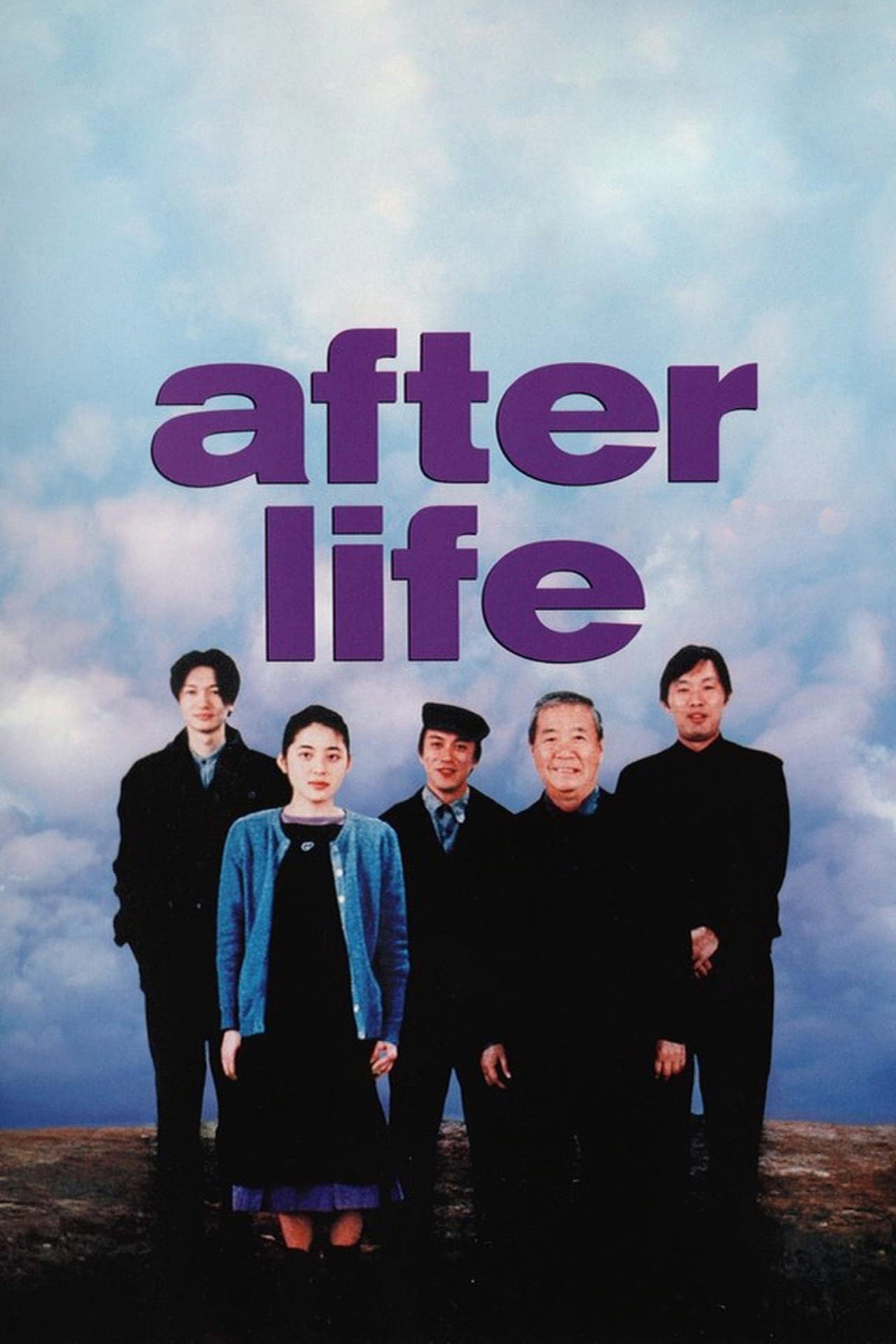
After Life

1998 · A quieter fantasy about choosing memories, with equal care for ordinary lives.

Brief Encounter poster90

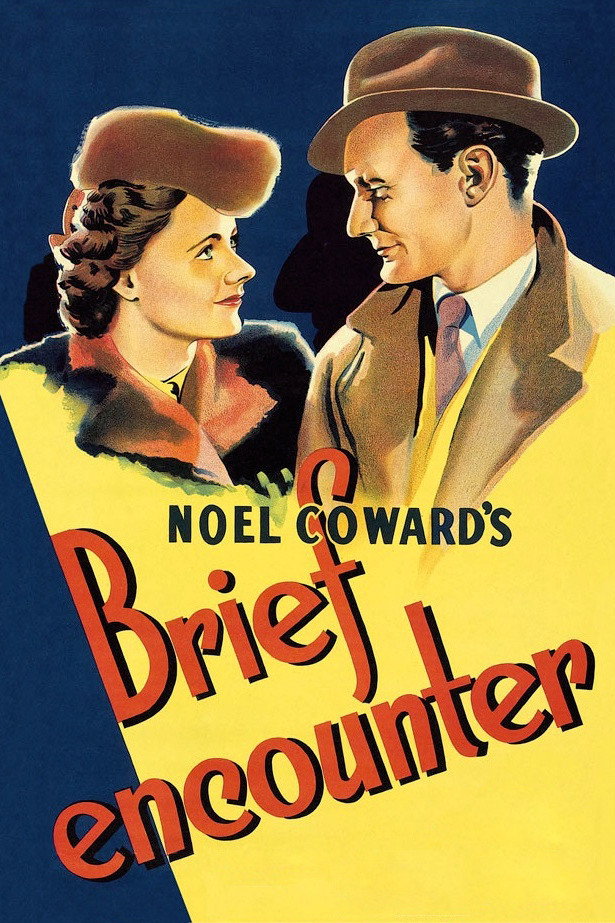
Brief Encounter

1945 · For another pair whose feelings make considerably more sense than their decisions.

The Science of Sleep poster

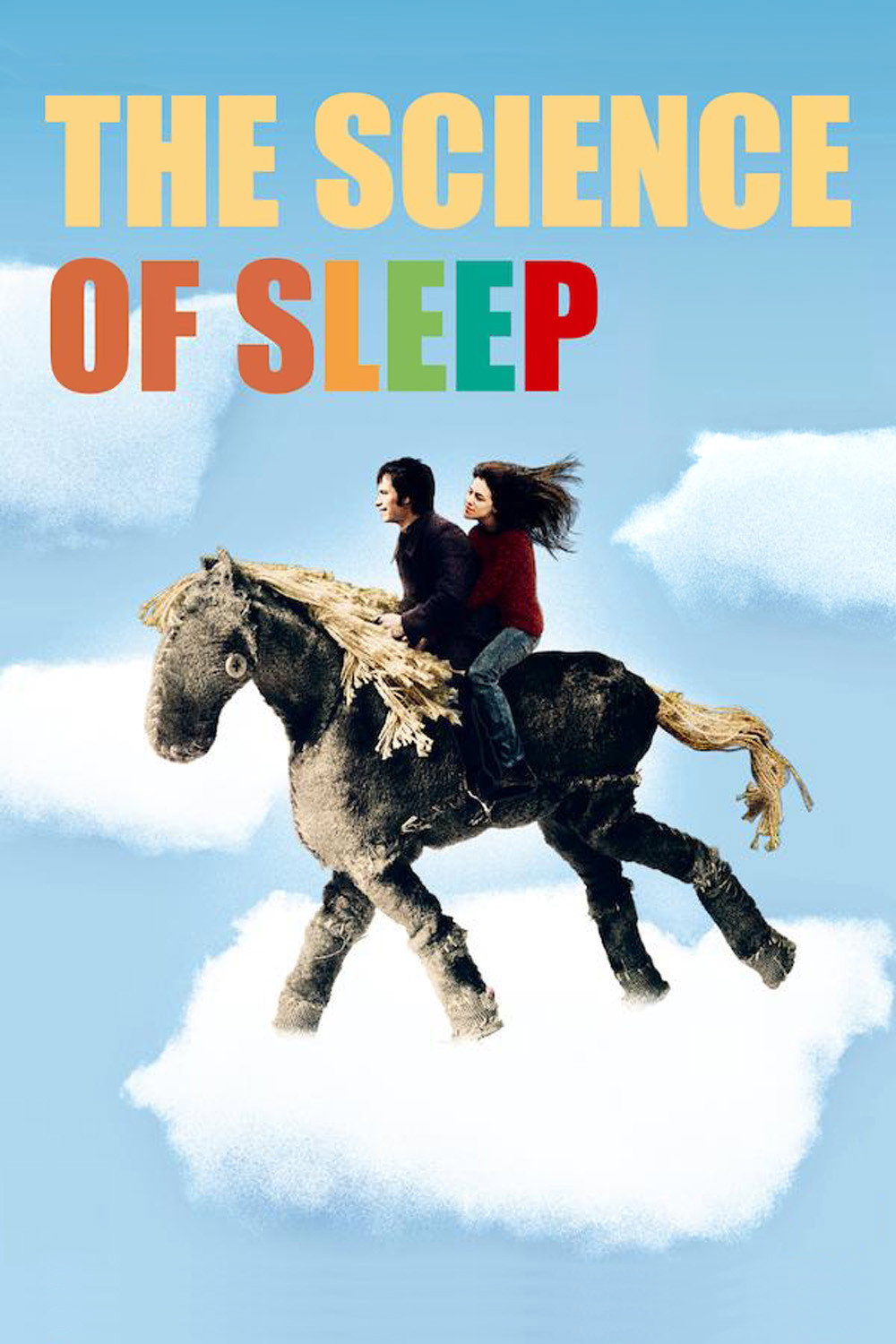
The Science of Sleep

2006 · Gondry lets handmade fantasy complicate another awkward attempt at being close.

Her poster

Her

2013 · Another lonely man finds that technology cannot make loving somebody simple.