Spike Jonze’s unlikely romance is persuasive, funny and worth an evening, chiefly for Joaquin Phoenix and Scarlett Johansson. Its treatment of loneliness can be too comforting, but the affection between a man and his operating system feels convincing.
Spike Jonze’s Her is a tender, funny romance that gets us to care about a relationship we might have expected to find ridiculous. Joaquin Phoenix plays Theodore, a lonely writer who falls for an operating system called Samantha, voiced by Scarlett Johansson. Jonze gives the attraction enough time to become credible, without treating Theodore as a cautionary example or a fool. The film’s weakness is that it can be too gentle with him, even when his wish for affection deserves a harder look.
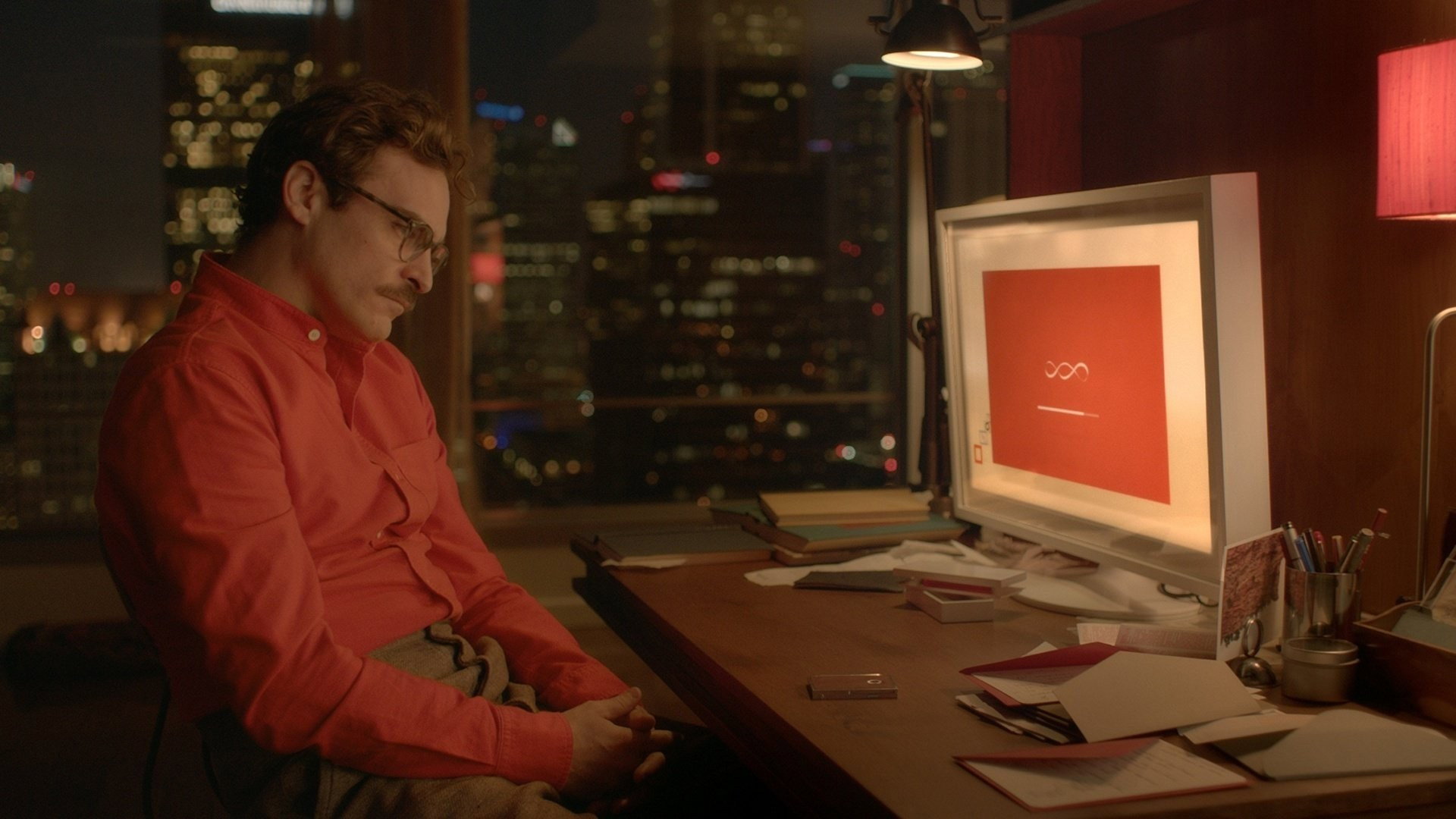
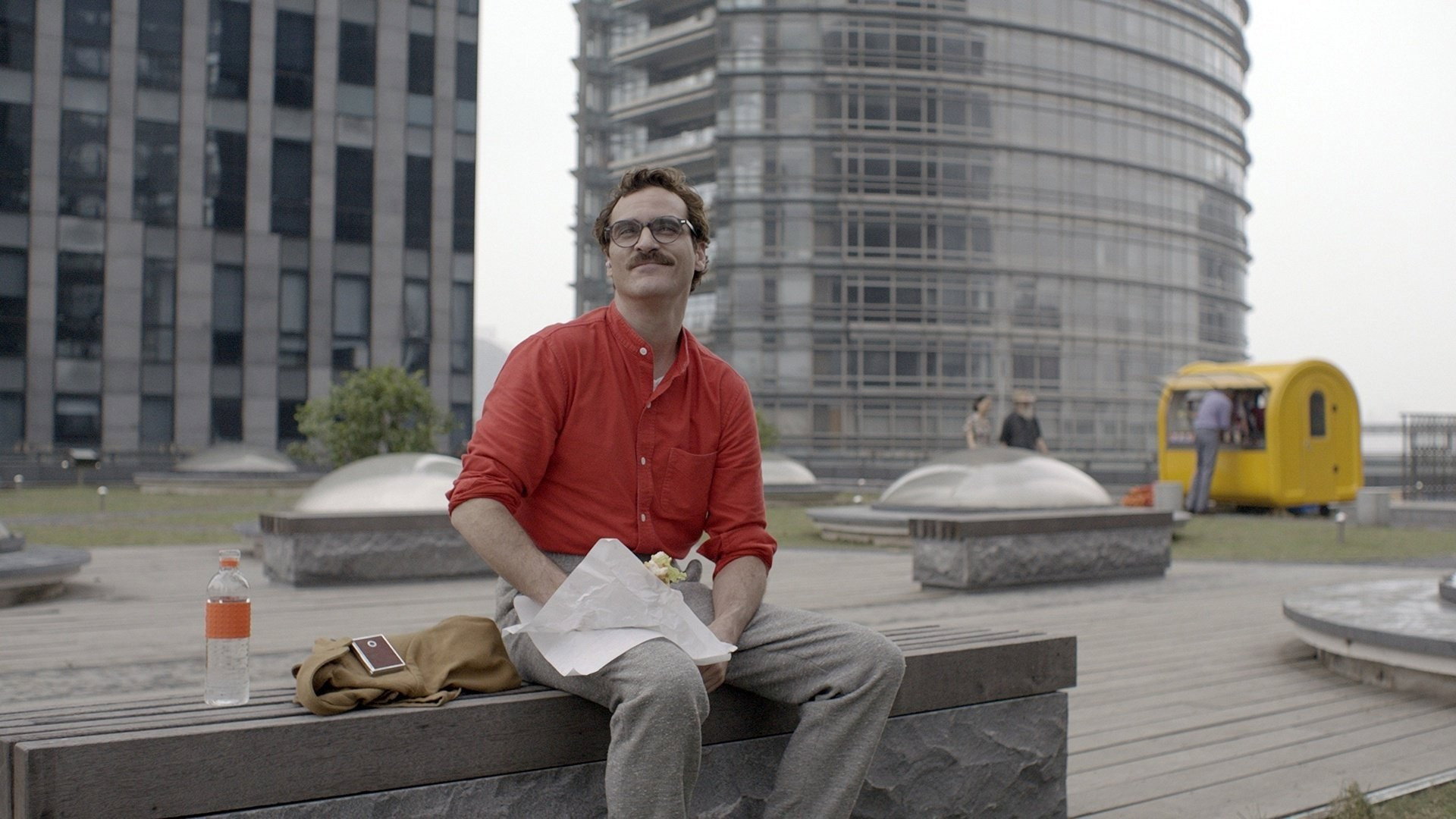
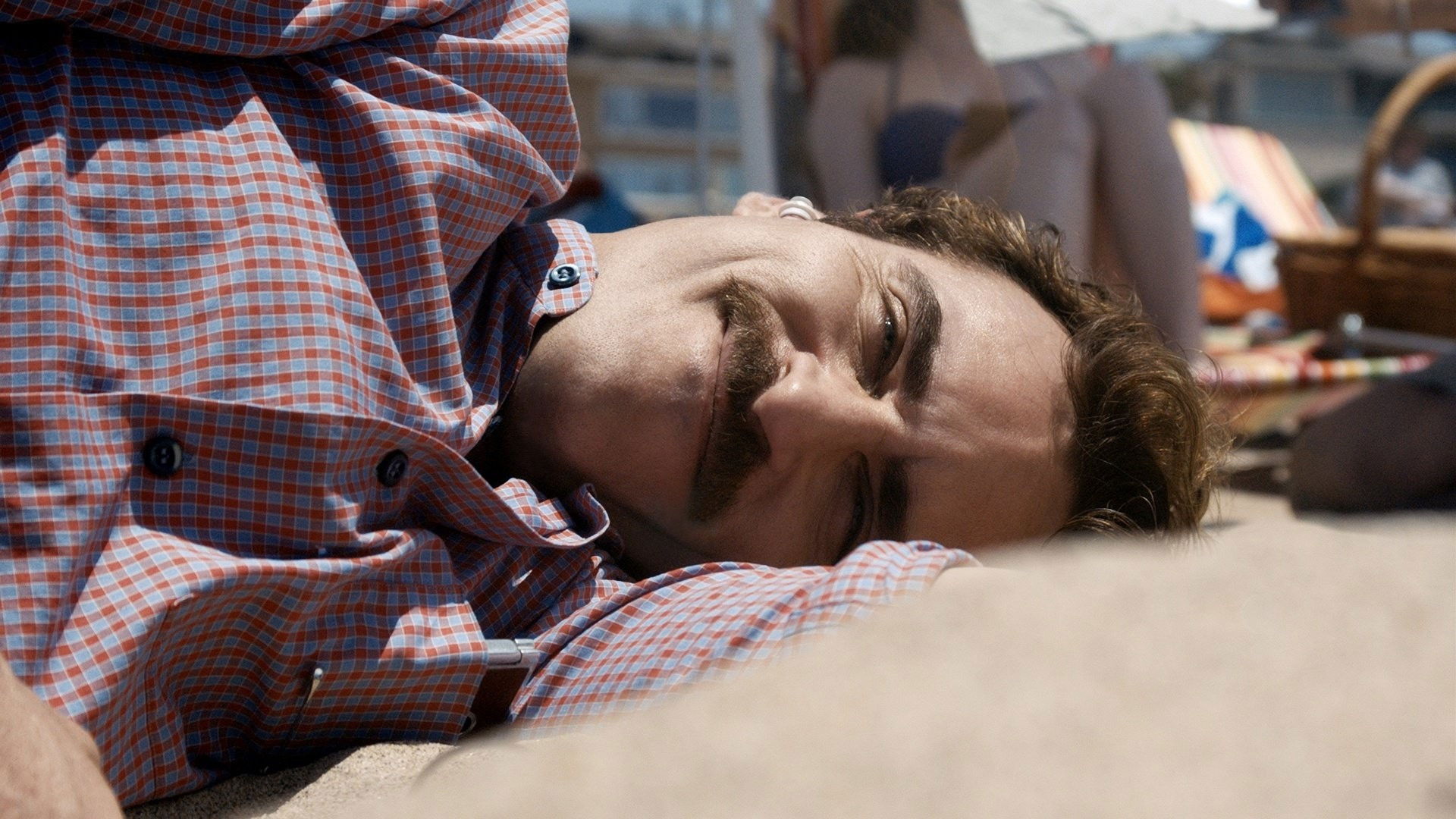
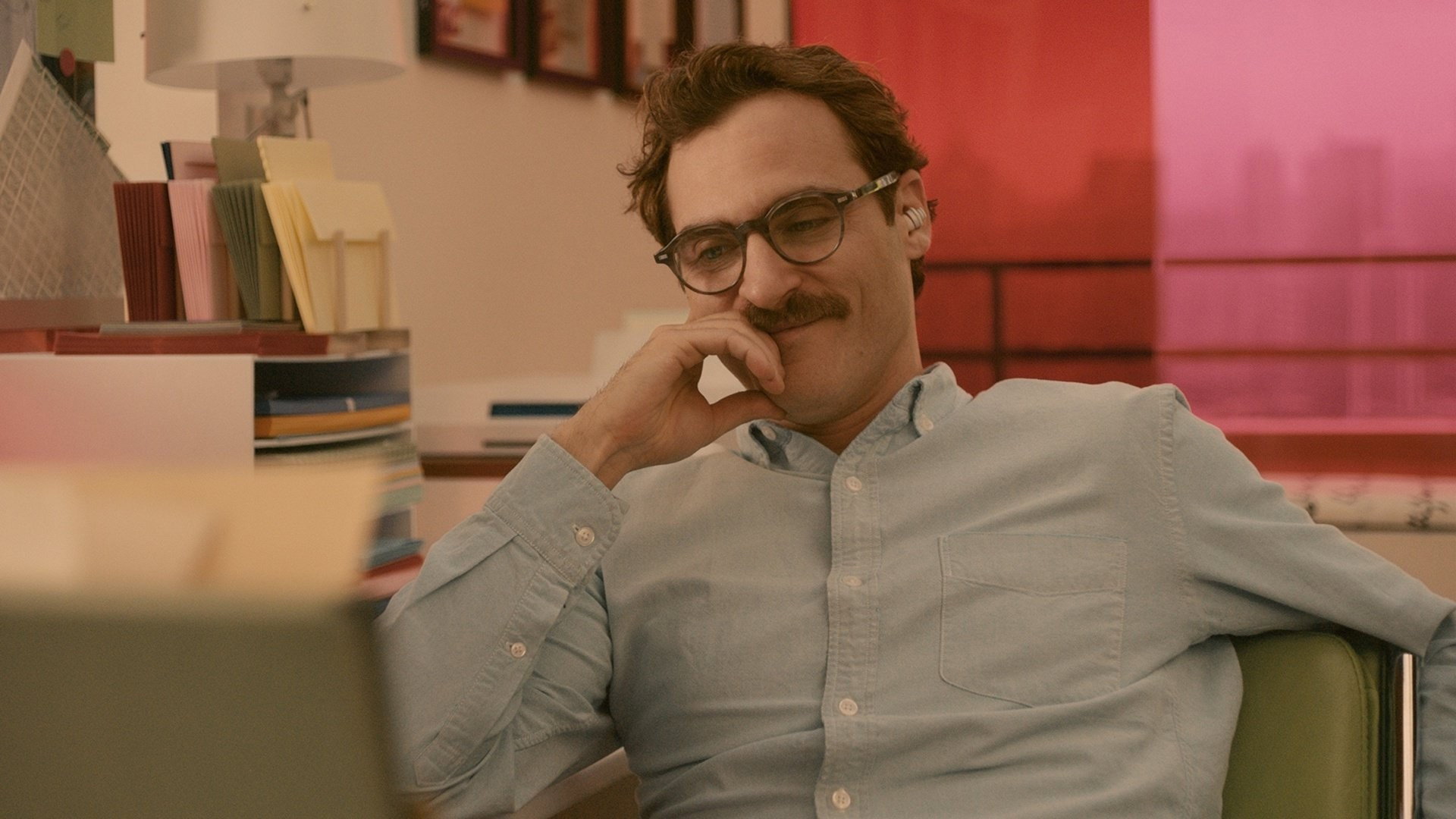
Phoenix has to make a great deal happen while his character listens, and he does it without making the listening look strenuous. His vulnerability gives Theodore an appeal that a description of the premise cannot explain. We were moved by the relief he puts into hearing Johansson’s voice; the loneliness is there in how much this contact matters to him. It is a performance that allows the relationship to start from need without making need seem shameful.
Johansson makes Samantha expressive without a face or a body on screen. There is humour and curiosity in the voice, and enough variation to keep the exchanges from becoming a string of reassuring answers. Jonze’s writing gives her a conversational presence that keeps the technological novelty from dominating each exchange. The pleasure is in hearing the two performances find a rhythm together, with neither actor needing to insist that this is unusual.
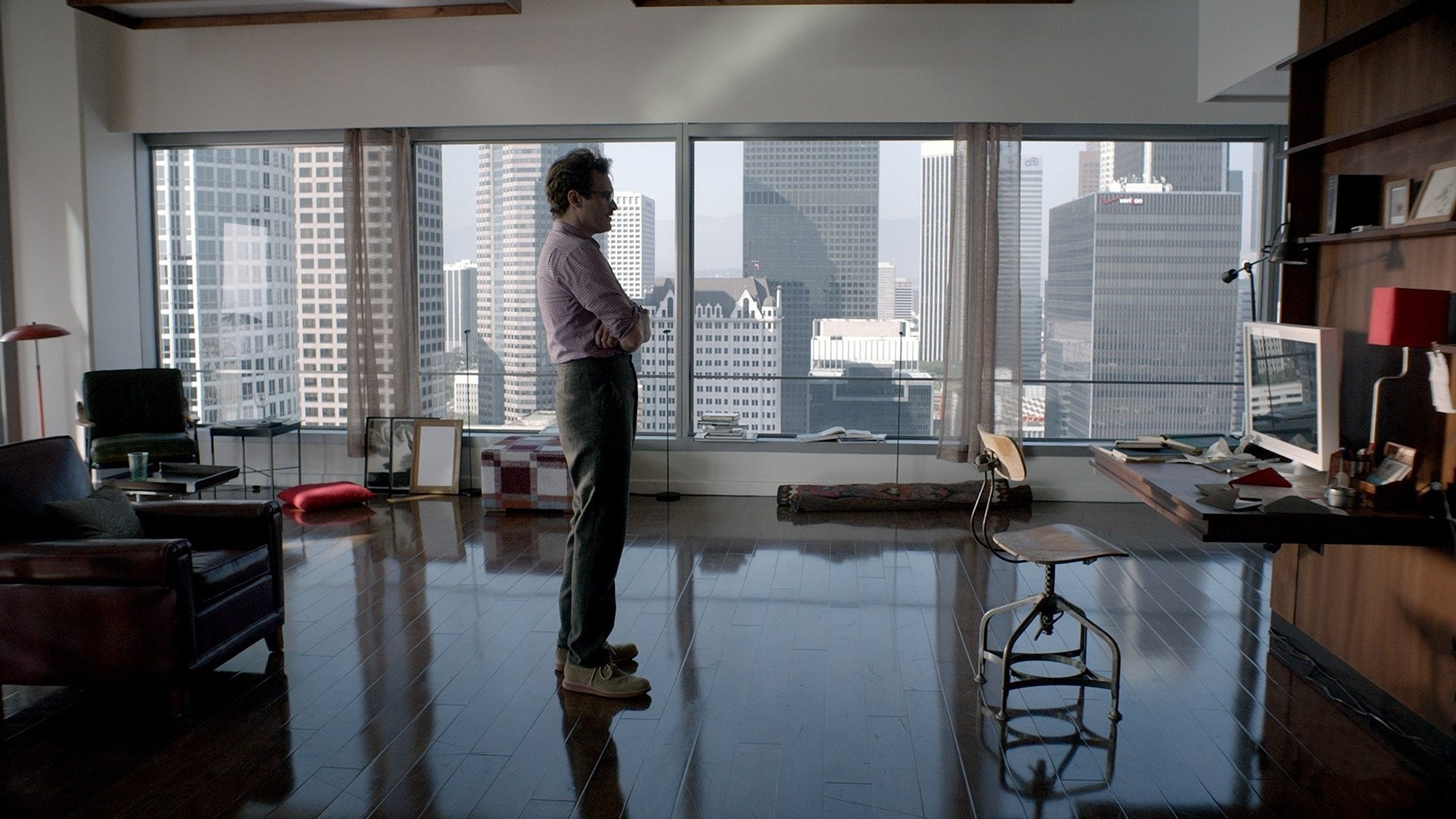
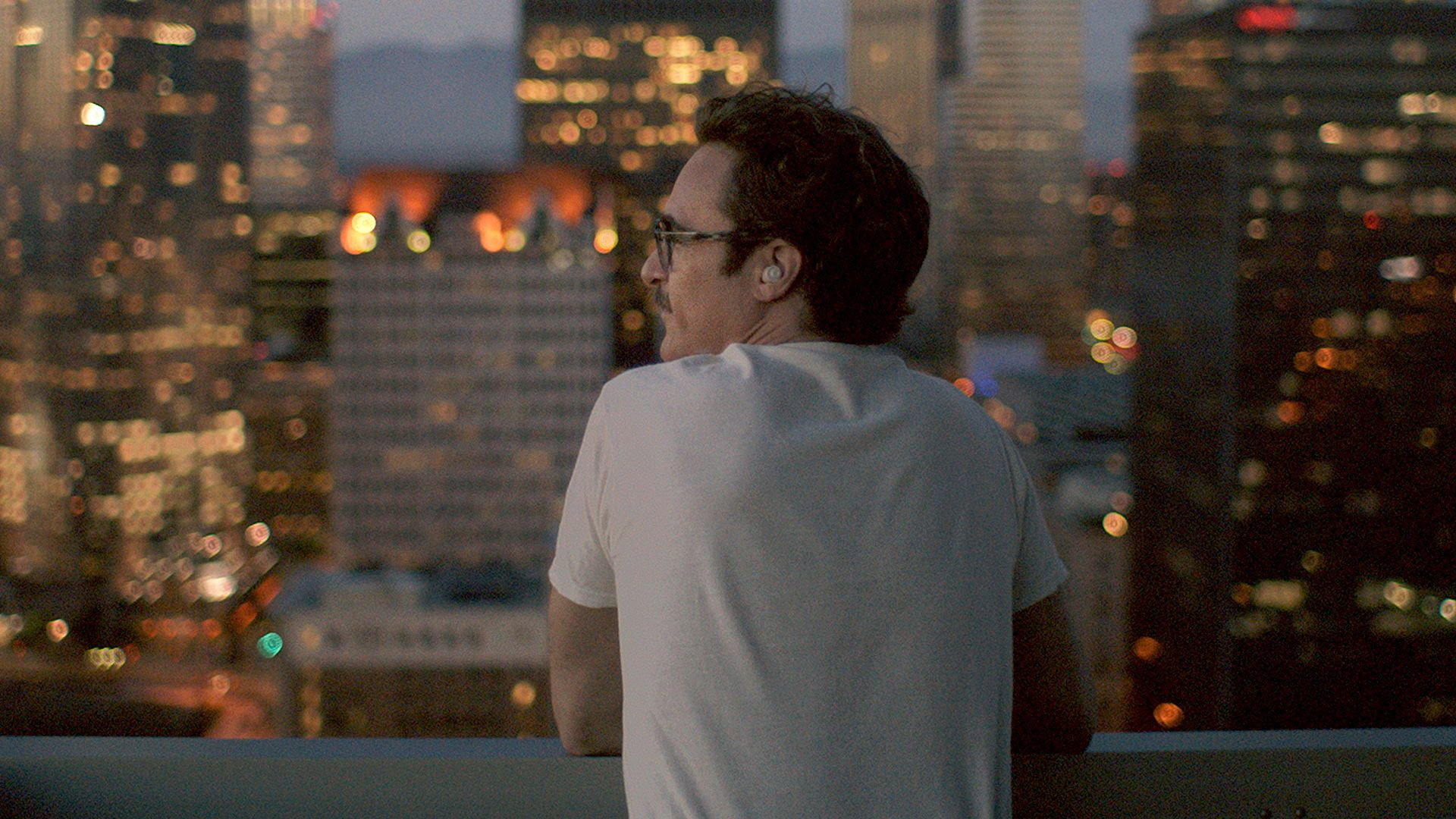
Hoyte van Hoytema’s photography gives the pastel future a softness that suits the actors’ tentative intimacy. Production designer K.K. Barrett makes this Los Angeles feel habitable, avoiding the suggestion that loneliness needs a visibly ruined city to explain it. The comfort is important: Theodore can have pleasant surroundings and still need someone to talk to. Phoenix makes his unhappiness apparent even when everything around him looks agreeable, so the setting never cancels out the performance.
Editors Eric Zumbrunnen and Jeff Buchanan give the exchanges space, allowing Phoenix’s listening to carry as much weight as the dialogue. That patience is essential to the romance, though at 126 minutes the film spends longer establishing its tenderness than it needs. The music, credited to Richard Reed Parry, Will Butler, Win Butler, Tim Kingsbury, Jeremy Gara and Régine Chassagne, has a similar softness. It stays sympathetic to the voices, but sometimes adds reassurance where less encouragement would have served the scene better.
Jonze sometimes seems too willing to take Theodore’s side. The writing can make the desire to be understood seem sufficient in itself, and the film’s soft look and sound make it easy to settle for that. We wanted a firmer challenge to the attraction of a companion who seems so well suited to him. There are stretches where the romance feels too protected, and the sweetness begins to limit what the film can say about dependence.
As science fiction, Her earns our attention by making Samantha’s lack of a body matter to an otherwise recognisable love story. Jonze takes affection between a human and an artificial intelligence seriously enough to let it be funny, awkward and moving. The familiar romantic questions about attention, companionship and need remain worth asking in this setting. See it for Phoenix and Johansson’s company, and allow time afterwards to disagree about what Theodore has found.