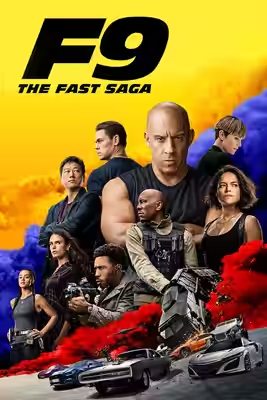
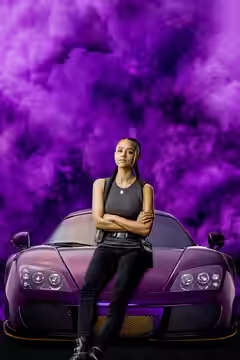
Justin Lin gives F9 enough inventive action and affection for its crew to reward the faithful. The family drama is laboured, though, and 143 minutes gives it more room than it deserves.
F9 is an intermittently enjoyable action film that makes its family business harder work than its car chases. Director Justin Lin wants the crew’s loyalties to matter even when the stunts have gone beyond anything we might reasonably believe. That is a sound enough ambition, and the affection between these people keeps the film from feeling entirely mechanical. The trouble is the amount of explanation required to sustain it: at 143 minutes, this is a long evening for anyone who came mainly for the driving.
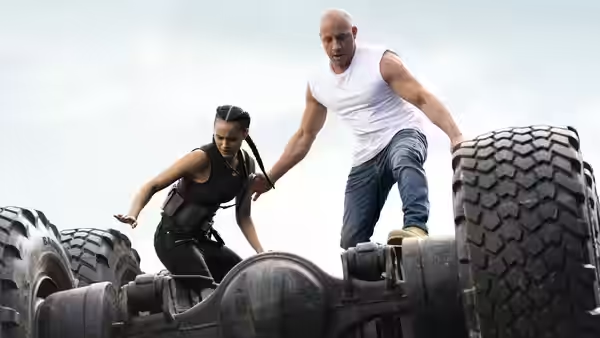
The minefield and bridge sequence gives a useful indication of the bargain being offered. Justin Lin keeps escalating the trouble, asking us to accept each improbable manoeuvre quickly enough that we have no time to examine it. Stephen F. Windon’s cinematography helps us follow the cars through the chaos, which matters more here than making any of it plausible. We can enjoy the invention while still wishing the vehicles felt heavier; when the effects lose their weight, danger becomes difficult to feel.
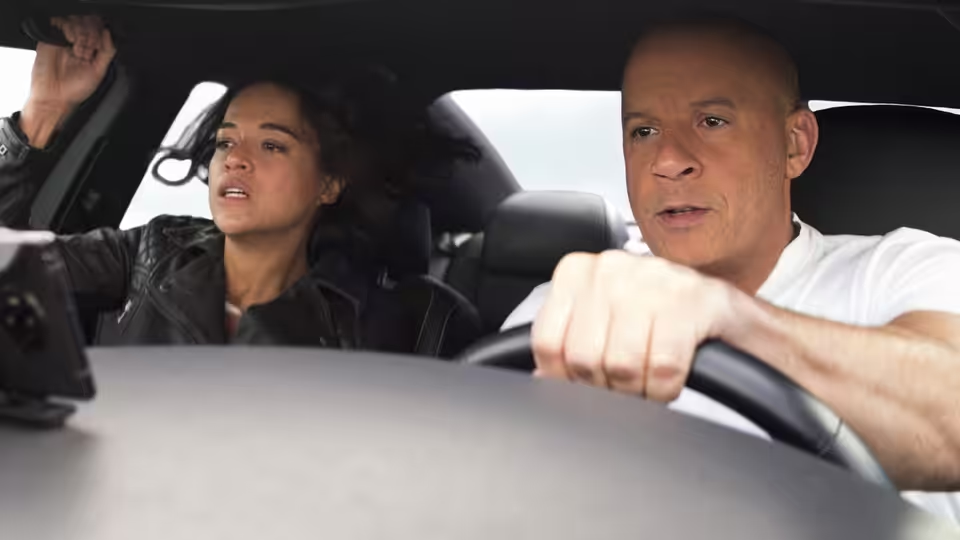
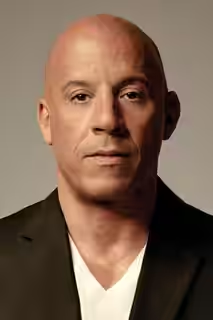
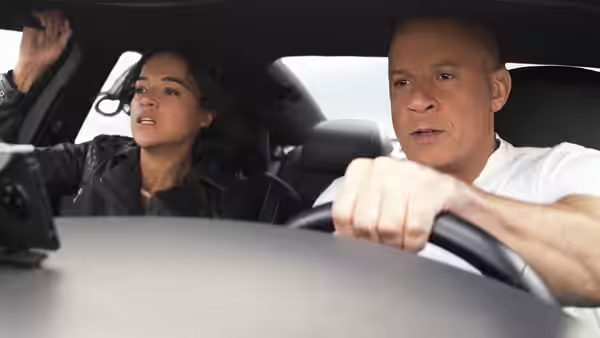
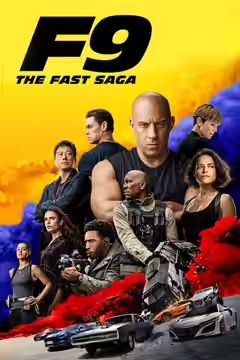
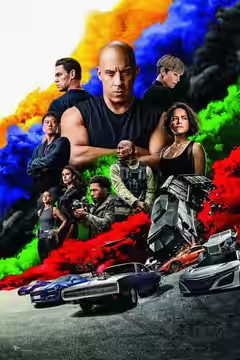
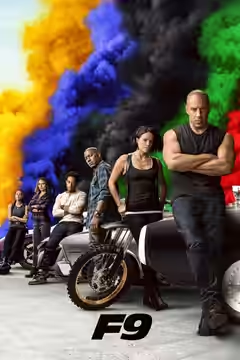
Vin Diesel carries Dominic Toretto’s family burdens with a gravity that the writing by Justin Lin and Daniel Casey does not always earn. There is warmth here, and a welcome willingness to let Dominic seem vulnerable, but too much of the drama asks familiarity to do the work of persuasion. Family history needs explaining, loyalties need restating, and the next burst of action has to wait. Michelle Rodriguez gives Letty Ortiz enough feeling to make us wish the dialogue would leave her more room.
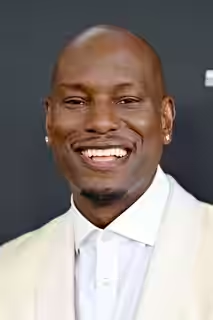
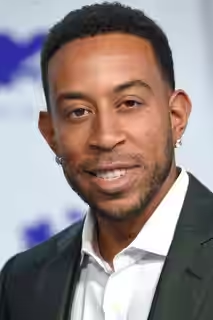
Tyrese Gibson and Ludacris are more immediately rewarding as Roman Pearce and Tej Parker. We laughed at their exchanges; they give the crew the ease of people who enjoy each other’s company. Their comic partnership also gives the film permission to recognise how absurd its action has become. A little of that self-awareness goes a long way, though it cannot make every implausibility funny or every repetition welcome.
Editors Kelly Matsumoto, Greg D’Auria and Dylan Highsmith keep the car sequences clear enough to enjoy, but the longer stretches of explanation are allowed too much space. Individual passages have pace; the whole film still feels overfilled. Jan Roelfs’s production design does its job as a setting for vehicular destruction, though it leaves little to hold our attention once the cars have passed. Brian Tyler’s music adds urgency, but its efforts to lend the family drama weight cannot fix the writing.
Realism would be a peculiar demand to make of this kind of action film. What we want is a clear view of the stunt, some sense of danger and enough pleasure in the company to forgive the engineering. Justin Lin often supplies the first and third, but the effects make the second unreliable. When almost any impact looks survivable, the film has to keep finding bigger things to do, and sheer escalation is not always exciting.
There is enough wit and invention in the better chases to give committed followers something worth their evening. The weaker effects and laborious drama make this harder to recommend to anyone coming fresh to the crew. Choose it for the car destruction, and be prepared to wait while the family finishes talking.