George Miller’s Mad Max: Fury Road is an exhilarating action film whose desert chase stays clear even at its most frantic. Charlize Theron gives it purpose, though several supporting characters deserve more attention.
We recommend Mad Max: Fury Road for the rare pleasure of an action film that stays intelligible while behaving so extravagantly. George Miller makes a desert pursuit carry most of the story, and the decision suits a film about people fighting to control their own lives. Across 121 minutes, the action gives us enough to understand without stopping to explain every custom or grievance. Its limitations become obvious when we want to know more about the people.
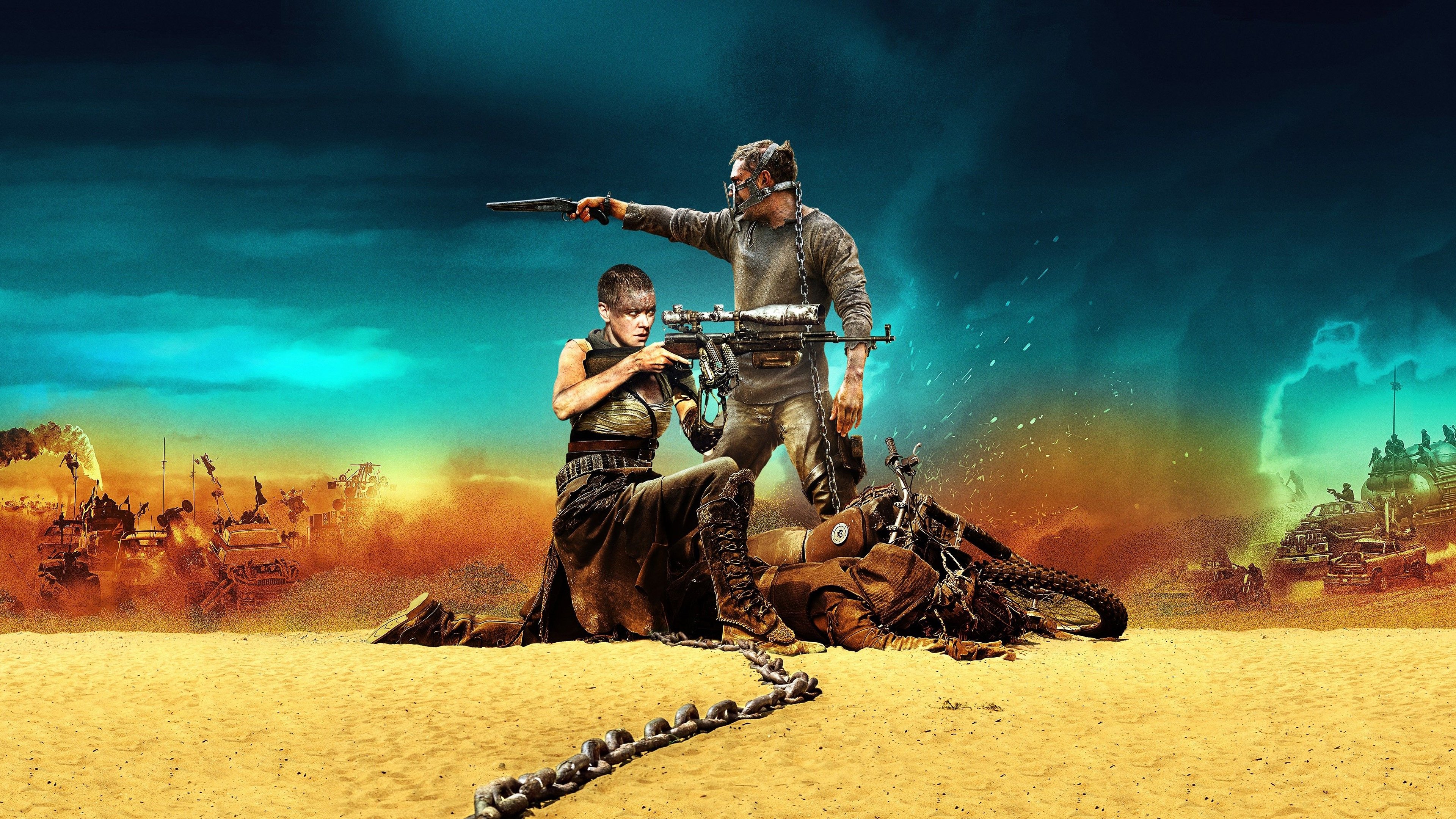
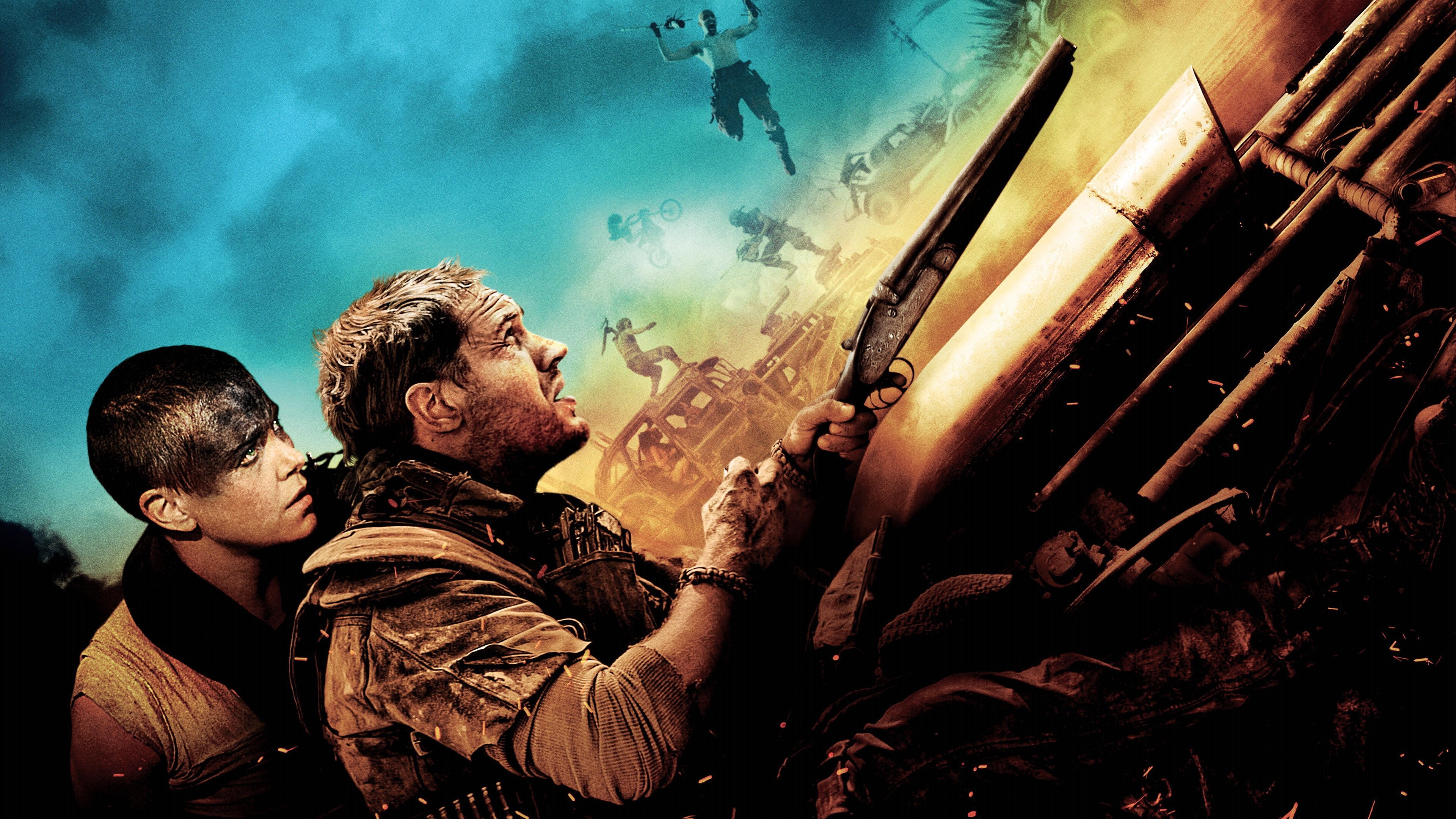
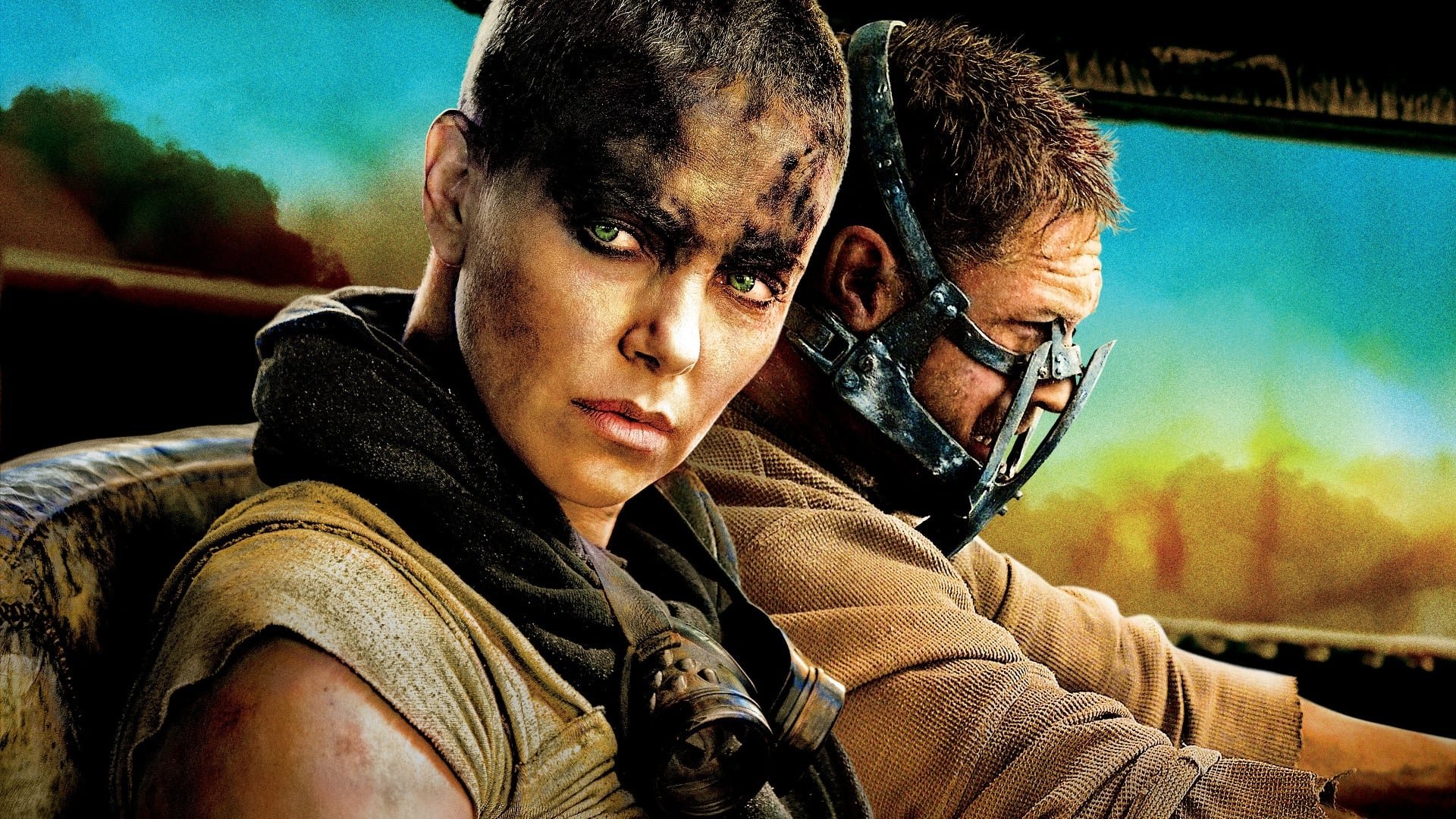
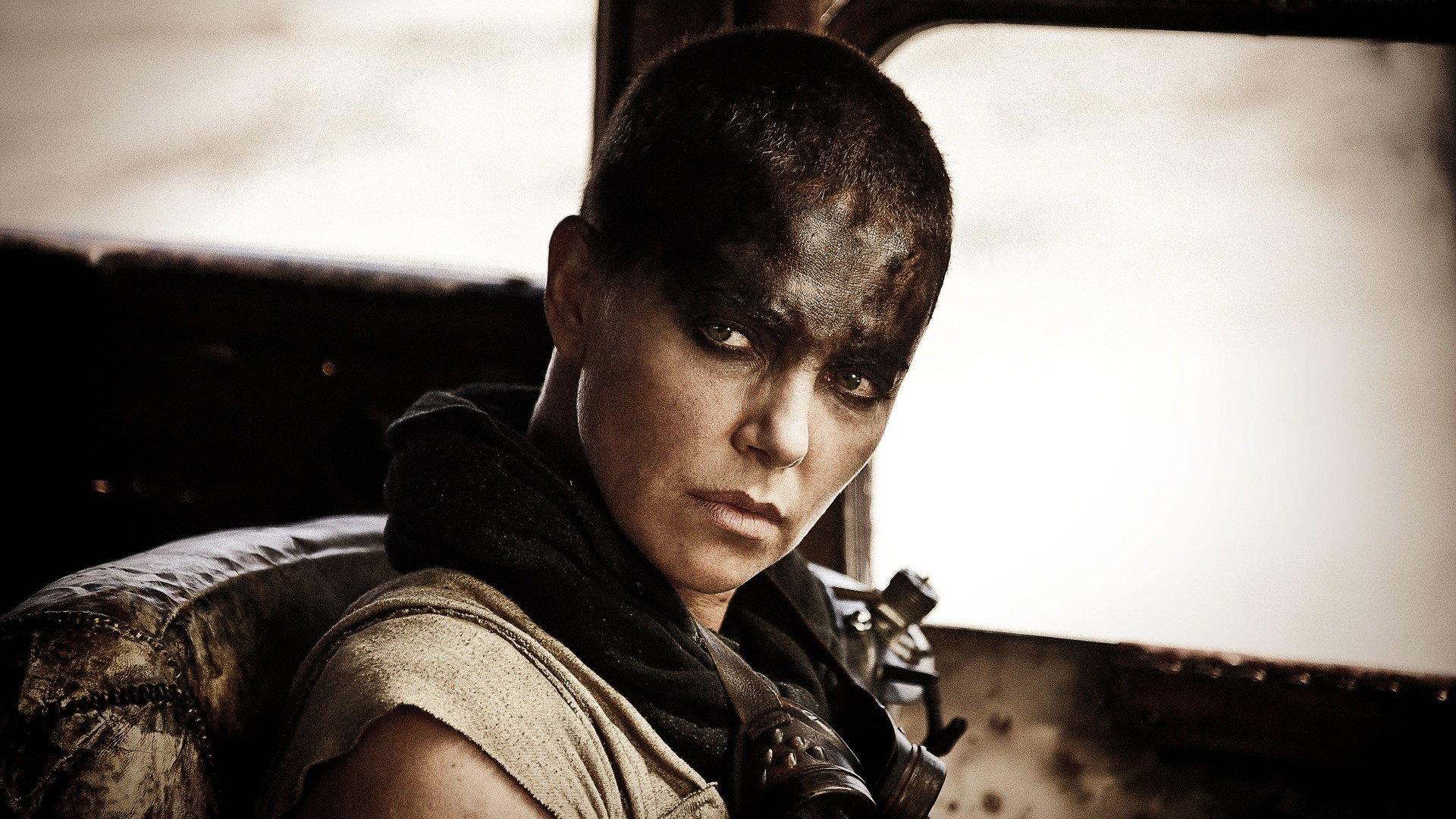
Charlize Theron’s Furiosa gives the pursuit someone to follow with more interest than the usual concern about who will survive the next crash. She is forceful without making every moment a demonstration of strength, and her determination makes the film’s emphasis on women’s freedom convincing. Tom Hardy shares the action without demanding to be its only attraction. We found Theron the more compelling presence, though Hardy’s physical performance contributes to the sense that these people have to keep working to stay alive.
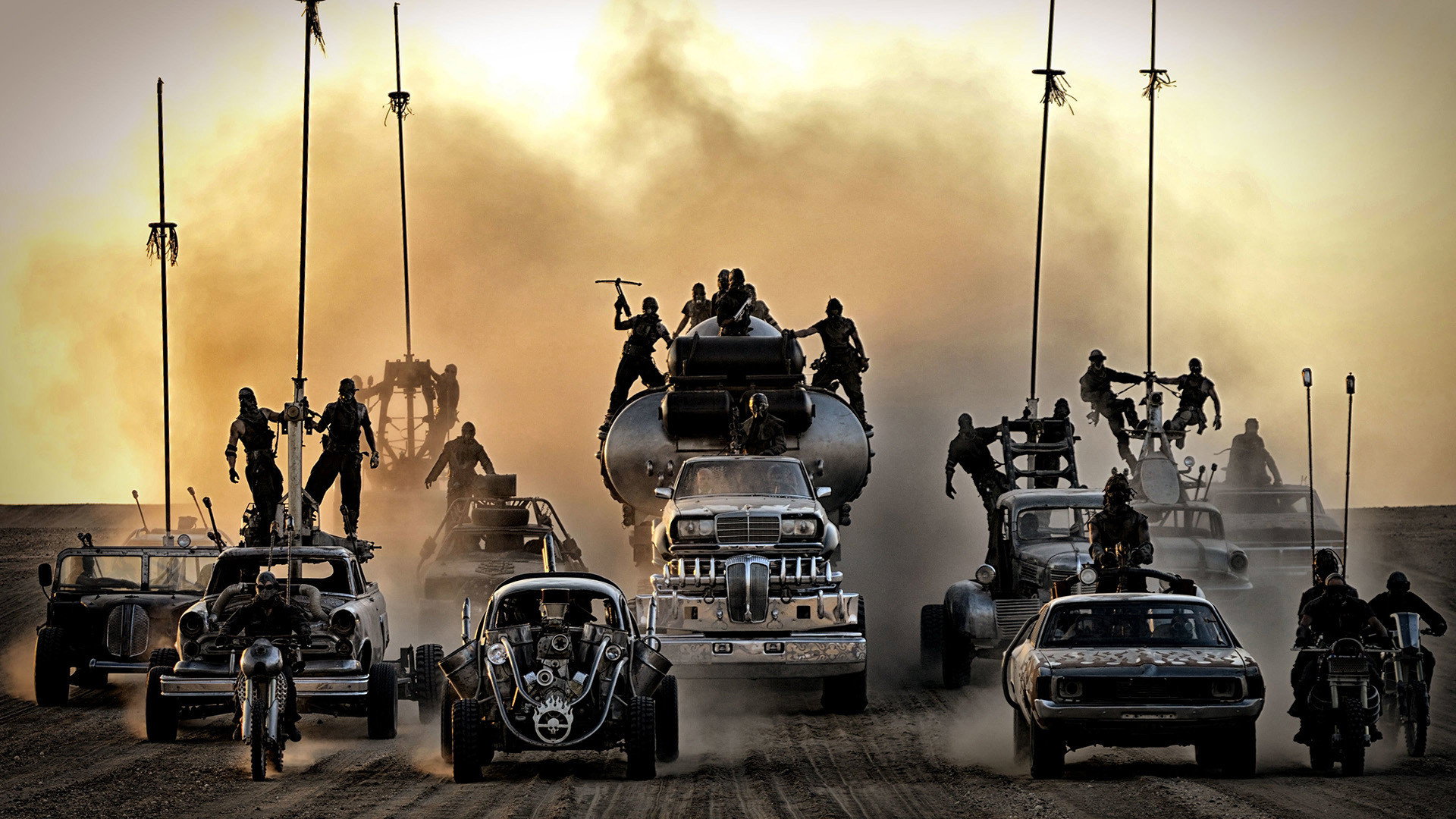
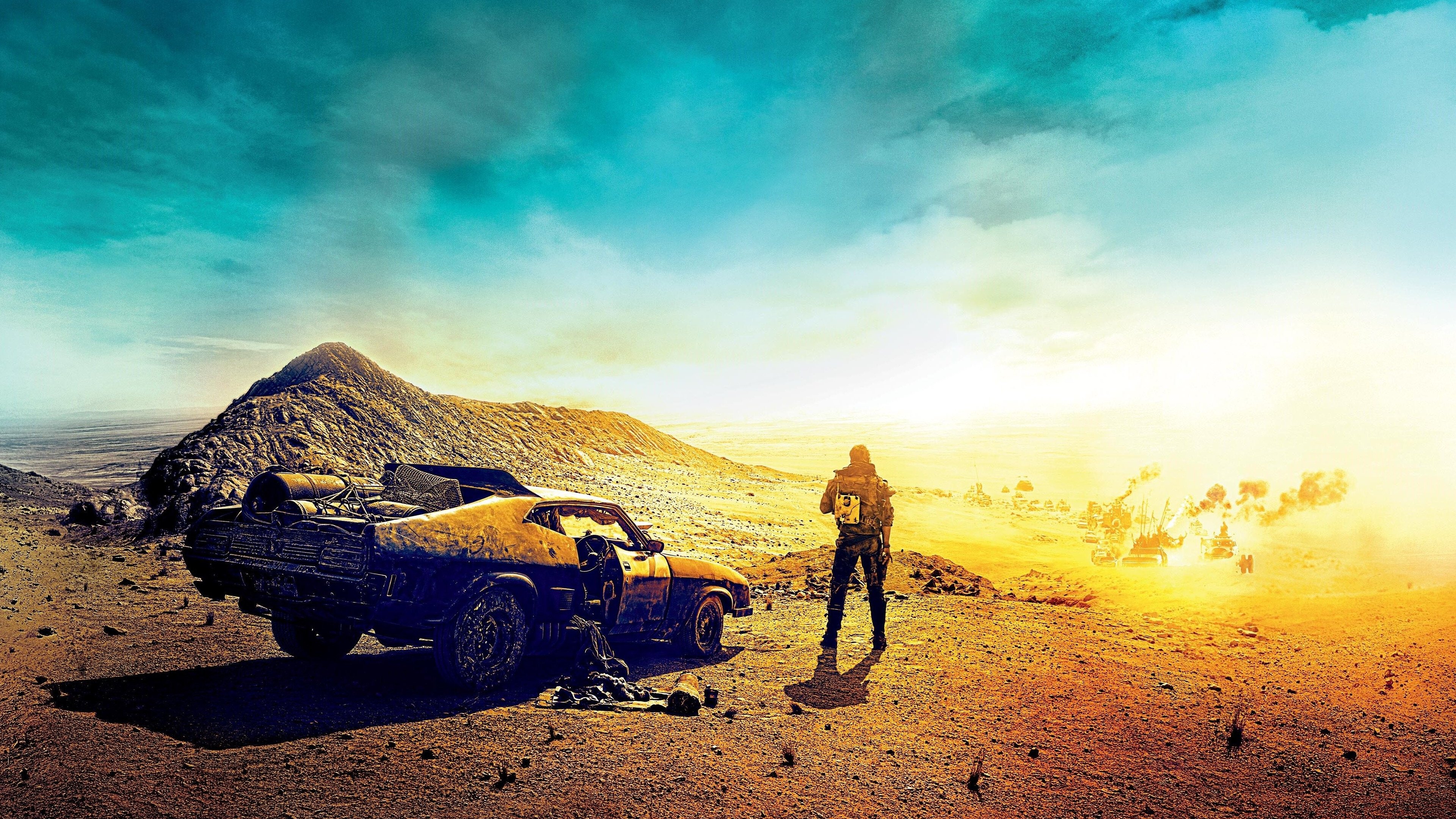
John Seale’s wide desert views leave room to see the convoy as well as the individual vehicle in danger. Margaret Sixel’s editing preserves that clarity through the chases. We can follow the threat, register a response and understand the next problem without mentally reconstructing the sequence afterwards. This makes the suspense stronger, because the danger is comprehensible. The editing gives the vehicles enough room to register as separate threats.
We flinched at the vehicle collisions. The practical stunt work makes the impacts feel heavy, and the surrounding action gives us time to understand what is at risk. Part of the pleasure comes from recognising how carefully someone has worked out the sequence of movements, even when everything appears to be going wrong. For all the frenzy, Miller keeps finding another physical complication to hold our attention.
Colin Gibson’s production design gives the vehicles a grotesque extravagance that helps explain the people around them. The machines tell us about power and vanity before the script needs to, and their strangeness keeps the desert from becoming anonymous scenery. Tom Holkenborg’s score applies its own pressure to the chases, with enough force to make the music part of their momentum. Occasionally that insistence is tiring; the action is already doing plenty to keep us alert.
The screenplay by Miller, Brendan McCarthy and Nico Lathouris is less successful with the women around Furiosa. The Wives matter to what the film is saying, but they receive too little individual attention for the group to become equally engaging as people. The simple politics are easy enough to accept; the scant characterisation is harder to forgive. More room for their differences would have helped without requiring a long pause for explanation.
Against the action genre’s habit of making destruction bigger than we can take in, Miller’s care over what we see feels refreshing. The film earns its excitement by keeping us oriented, and we share most critics’ enthusiasm for that discipline. We are less persuaded that its ideas are as fully worked out as its chases. Give it an evening when sustained action sounds like a pleasure, with no expectation that everyone will get a proper introduction.