Mad Max 2 is a superb action film, with George Miller making a thin story hurtle through precisely staged vehicle combat. The people get less attention, and the brutality will put some off.
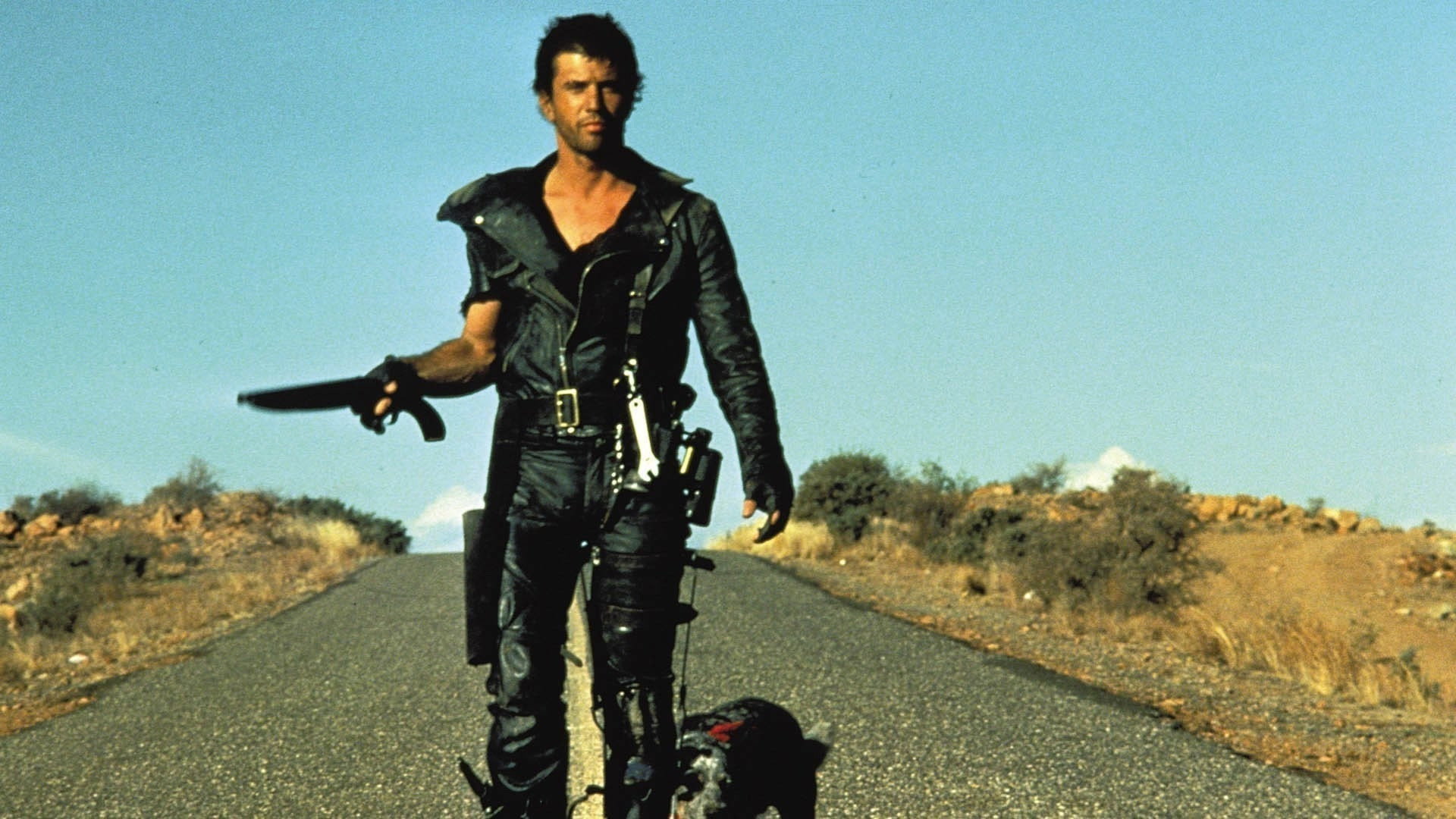
This is a superb action film with a thin story, and George Miller understands how much that story can carry. Fuel is scarce, motorised gangs fight over it, and Rockatansky encounters an oil fortress under siege. The premise puts vehicles at the centre of the struggle without requiring much explanation whenever somebody starts an engine. Miller makes the pursuit of petrol clear enough that we can concentrate on the more pressing business of who is about to hit whom.
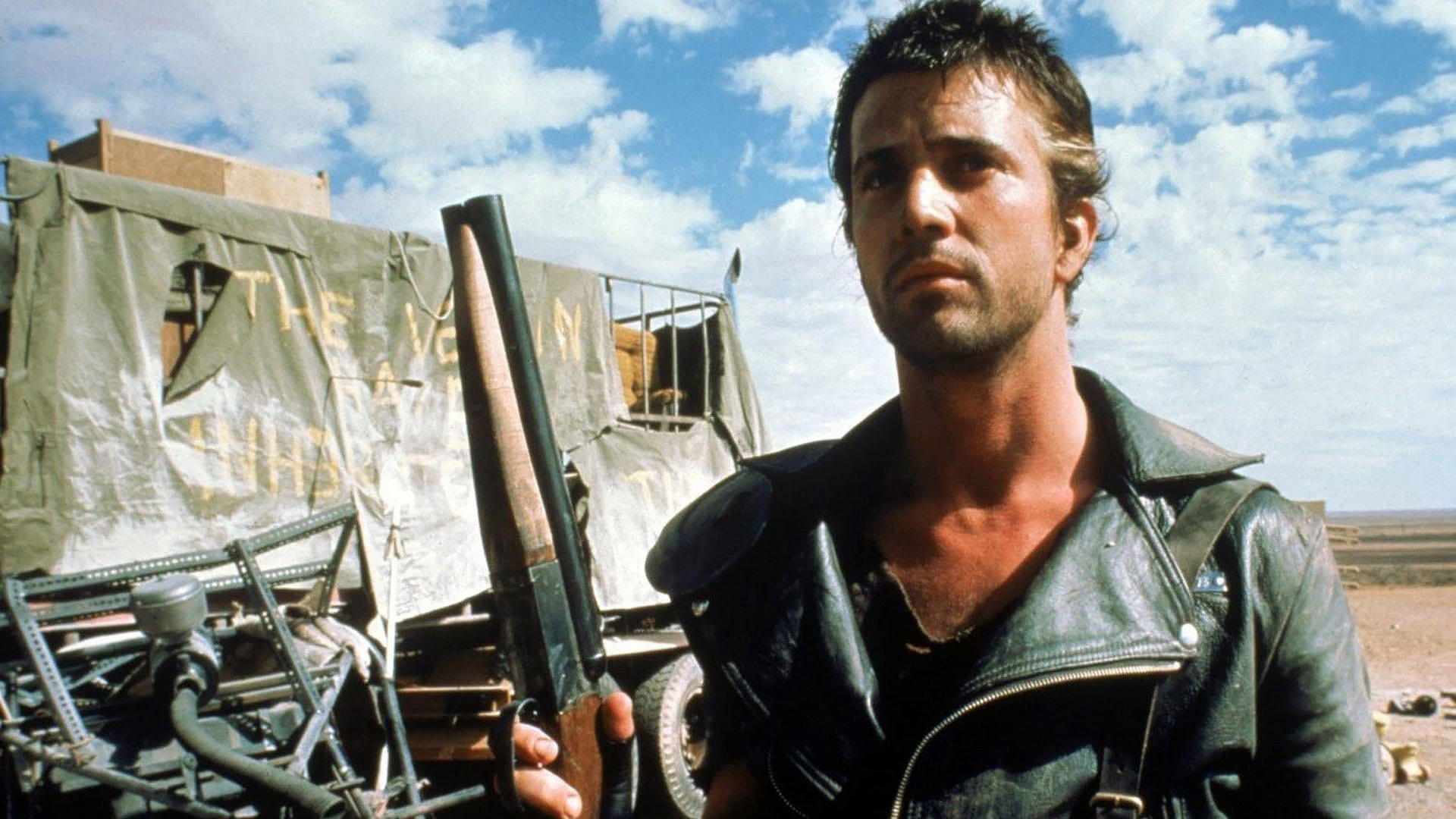
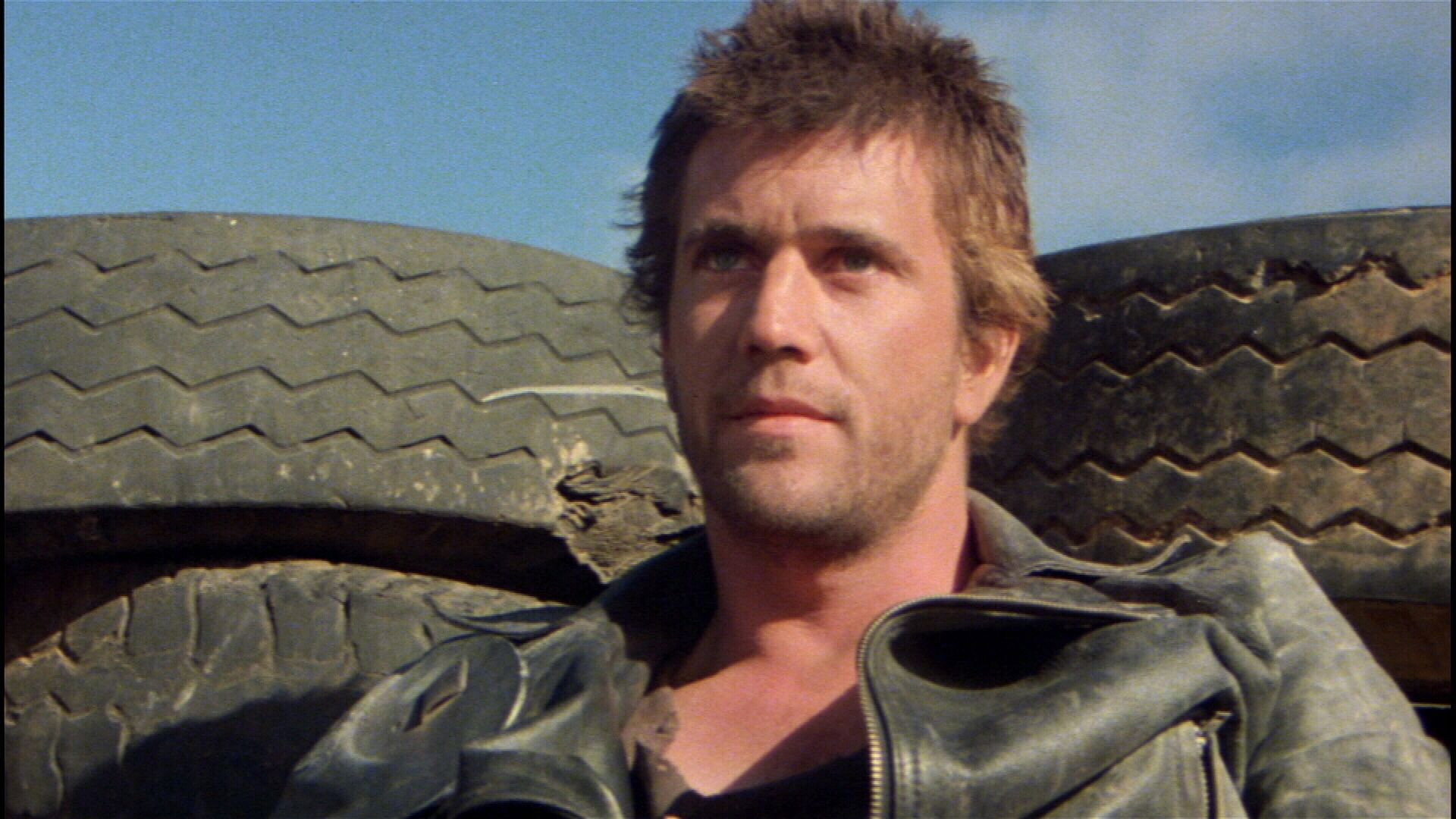
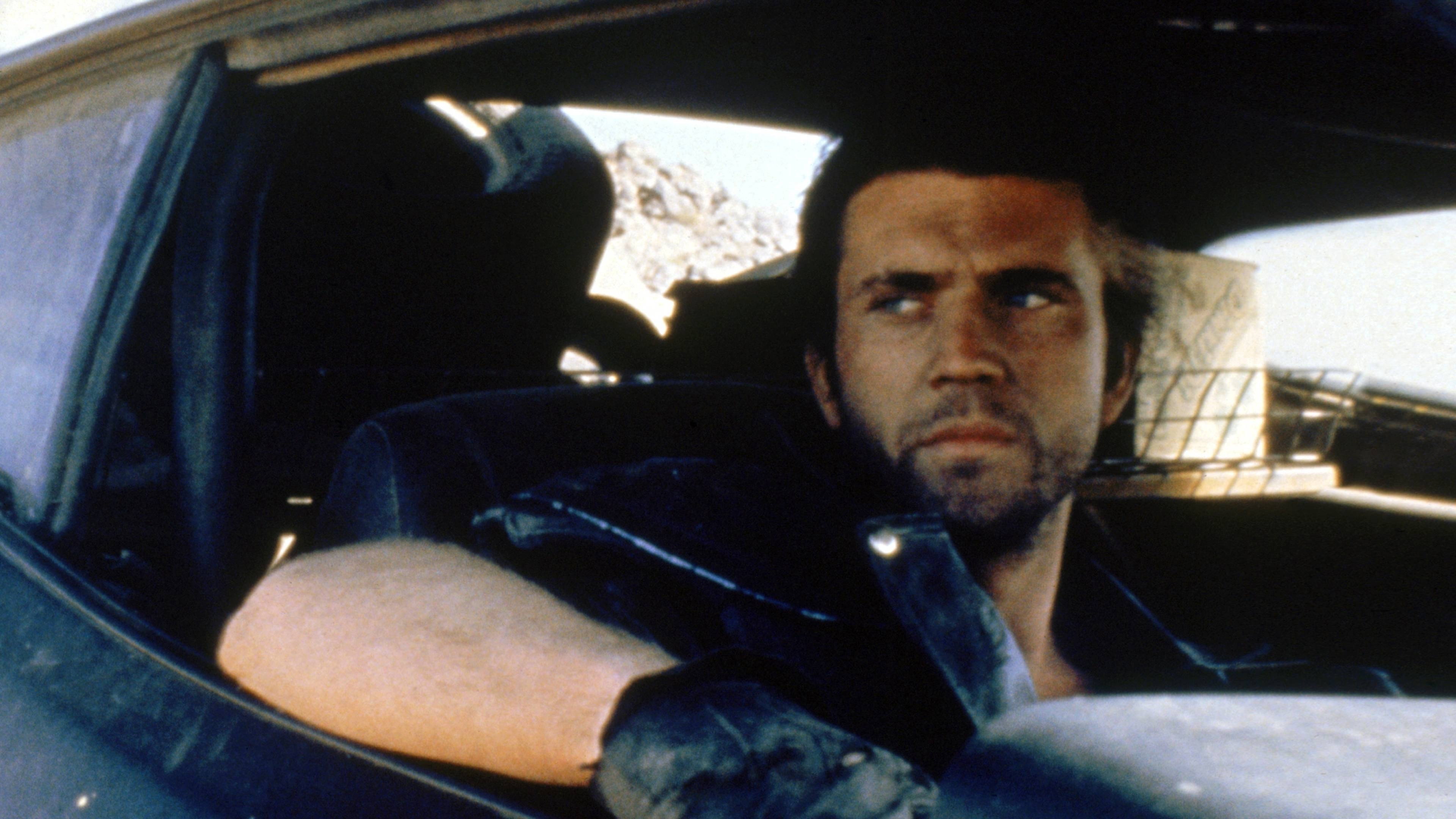
The screenplay by Miller, Brian Hannant and Terry Hayes keeps motives basic, which serves the action better than it serves the people. Rockatansky is played by Mel Gibson, whose reserve gives the film a useful centre without making him especially rewarding company. We do not need a speech whenever he enters a dangerous situation, but a little more feeling would be welcome. The script is at its most useful when it gives an immediate practical reason for the next confrontation.
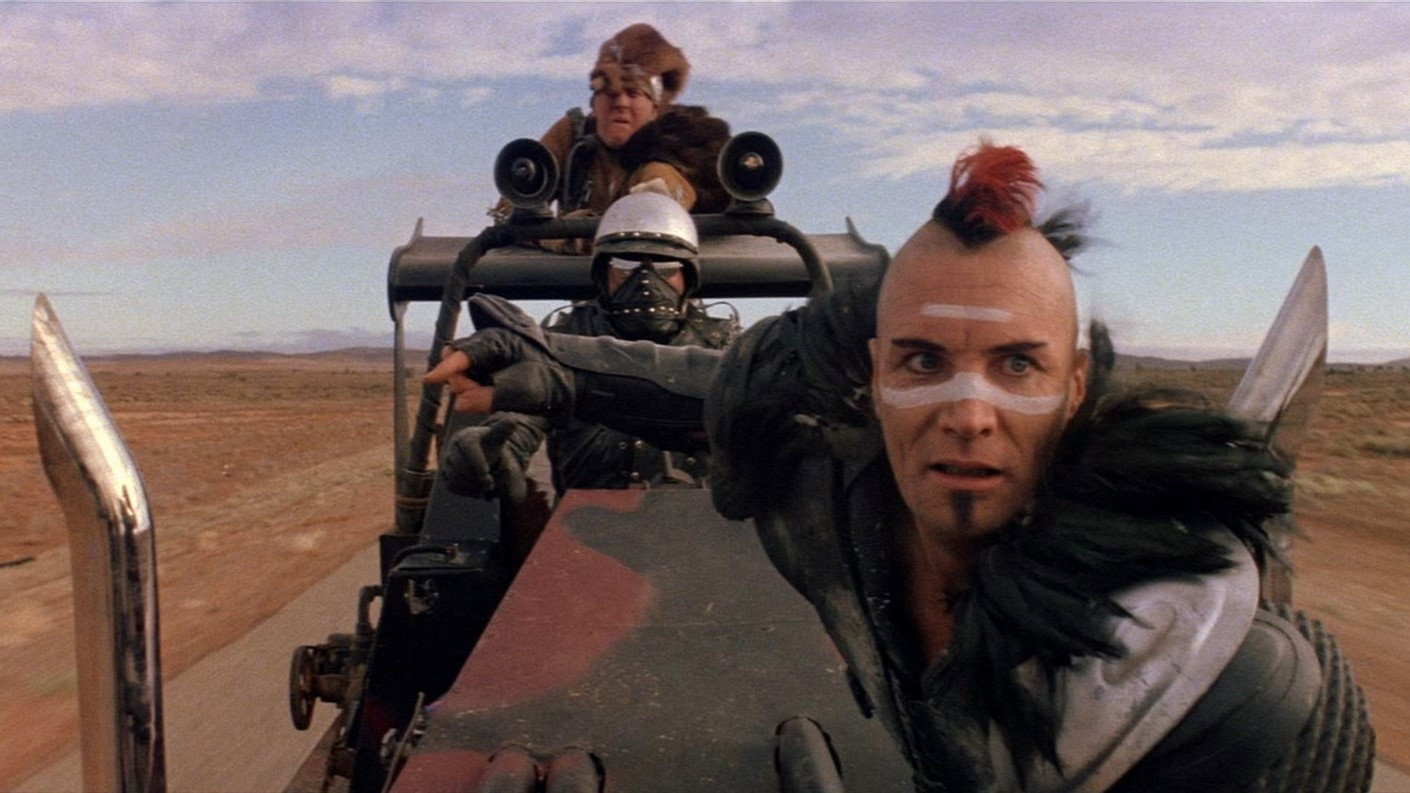
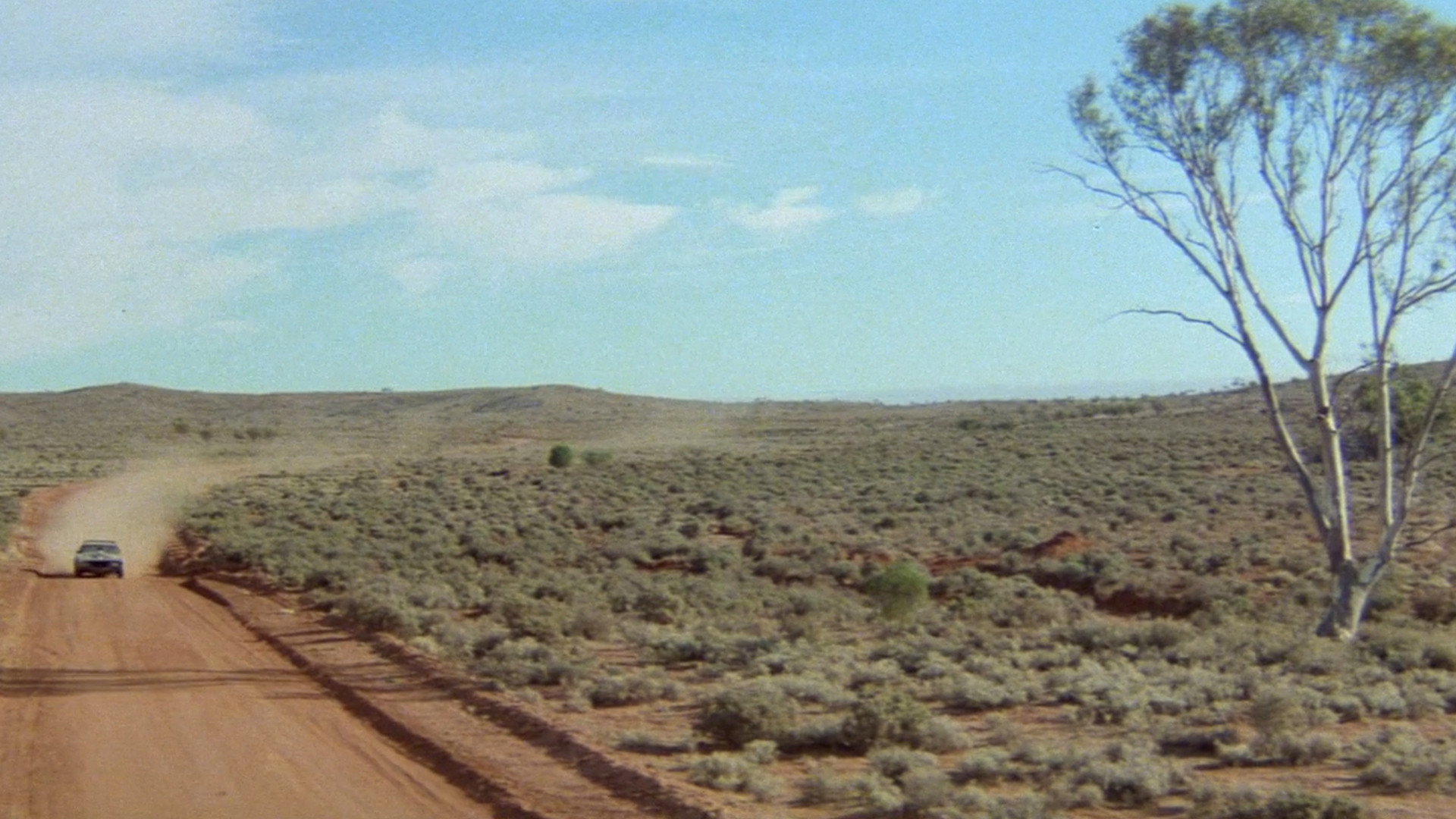
Dean Semler’s photography is crucial to why the fighting remains absorbing. The vehicles are allowed enough space for us to follow their movement, and the image gives the stunt work a scale that frantic cutting alone could not supply. We were exhilarated by the vehicle combat: being able to judge how close the machines come to one another makes the danger register before the impact. There is pleasure in seeing a complicated piece of action made comprehensible, even when what is happening is thoroughly unpleasant.
Editors David Stiven, Tim Wellburn and Michael Balson deserve as much credit as the stunt work. The cutting keeps the action moving without reducing it to an unrelated succession of crashes; one movement prepares us for the next, so the speed has something we can follow. Brian May’s music supplies a further push, treating the struggle with a seriousness that suits the film’s relentless aggression. At 96 minutes, it has little time to spare, and the briskness is welcome.
There is humour here, although Miller makes no effort to keep things comfortable. The sheer excess of the vehicle combat can be funny, even while the people taking part appear entirely committed to it. That helps, but the ugliness of the violence is a real qualification to our enthusiasm. Some action films encourage us to enjoy destruction without considering bodies at all; this one is harder to settle into, and anyone put off by its brutality is not missing the point.
The Western influence gives the siege a familiar shape, with Rockatansky arriving at a conflict that already has its own momentum. Miller is good at the part of the genre that involves deciding who controls a patch of ground and who can move across it. He is less interested in giving the people on that ground much of a life beyond their immediate predicament. If you need much human warmth from an action film, this is not the evening for it. Otherwise, turn the sound up and leave any conversation until the engines stop.