Film review

Mad Max

1979 · Directed by George Miller · 1h 31m · MPA R

In a sentenceThe cars are heavy, the dialogue is crude, and we would rather walk home

ActionThrillerScience Fiction

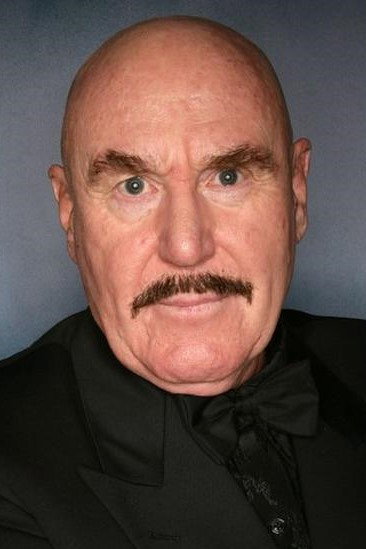
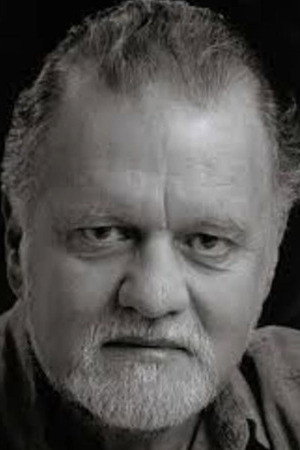
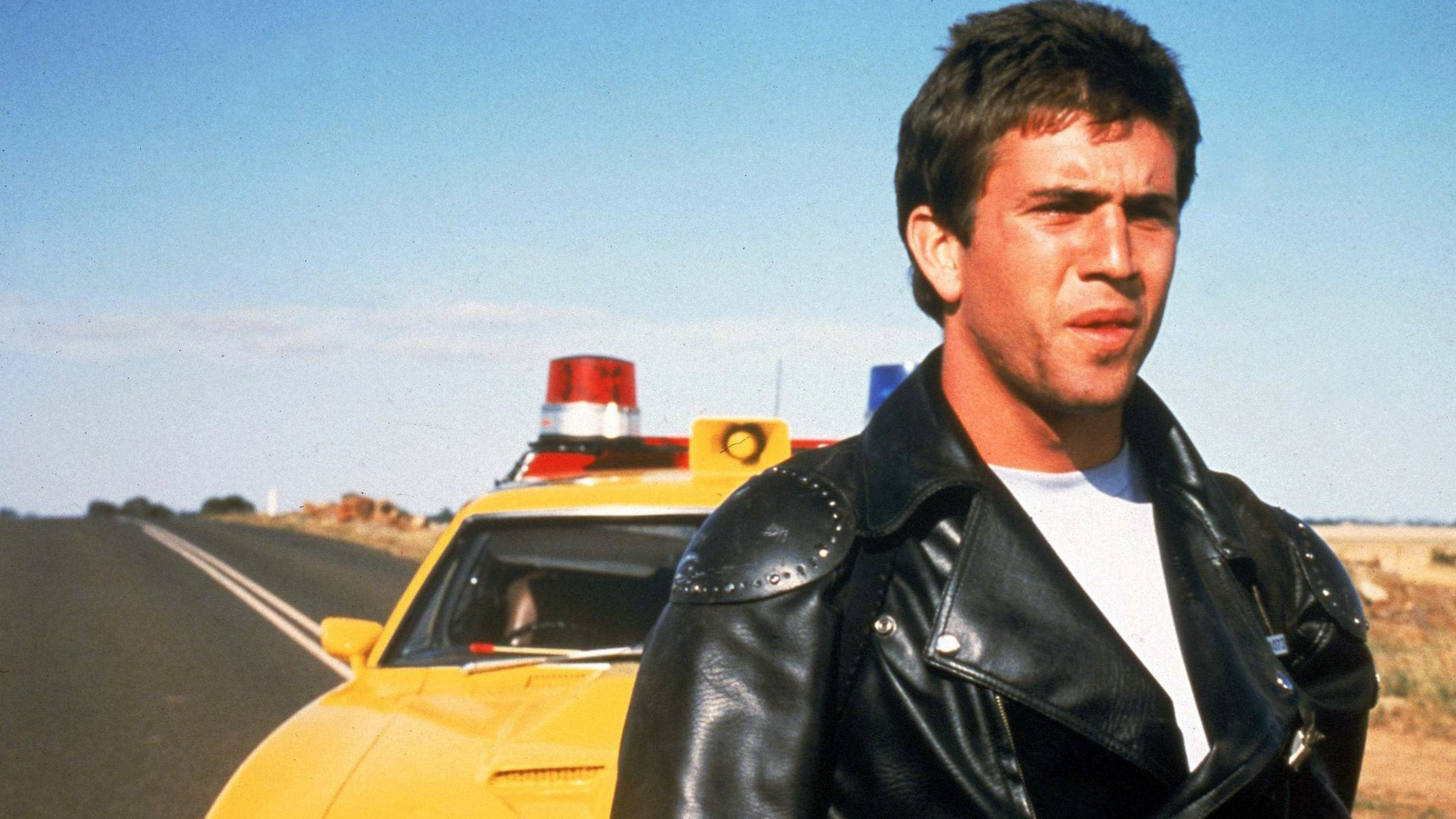
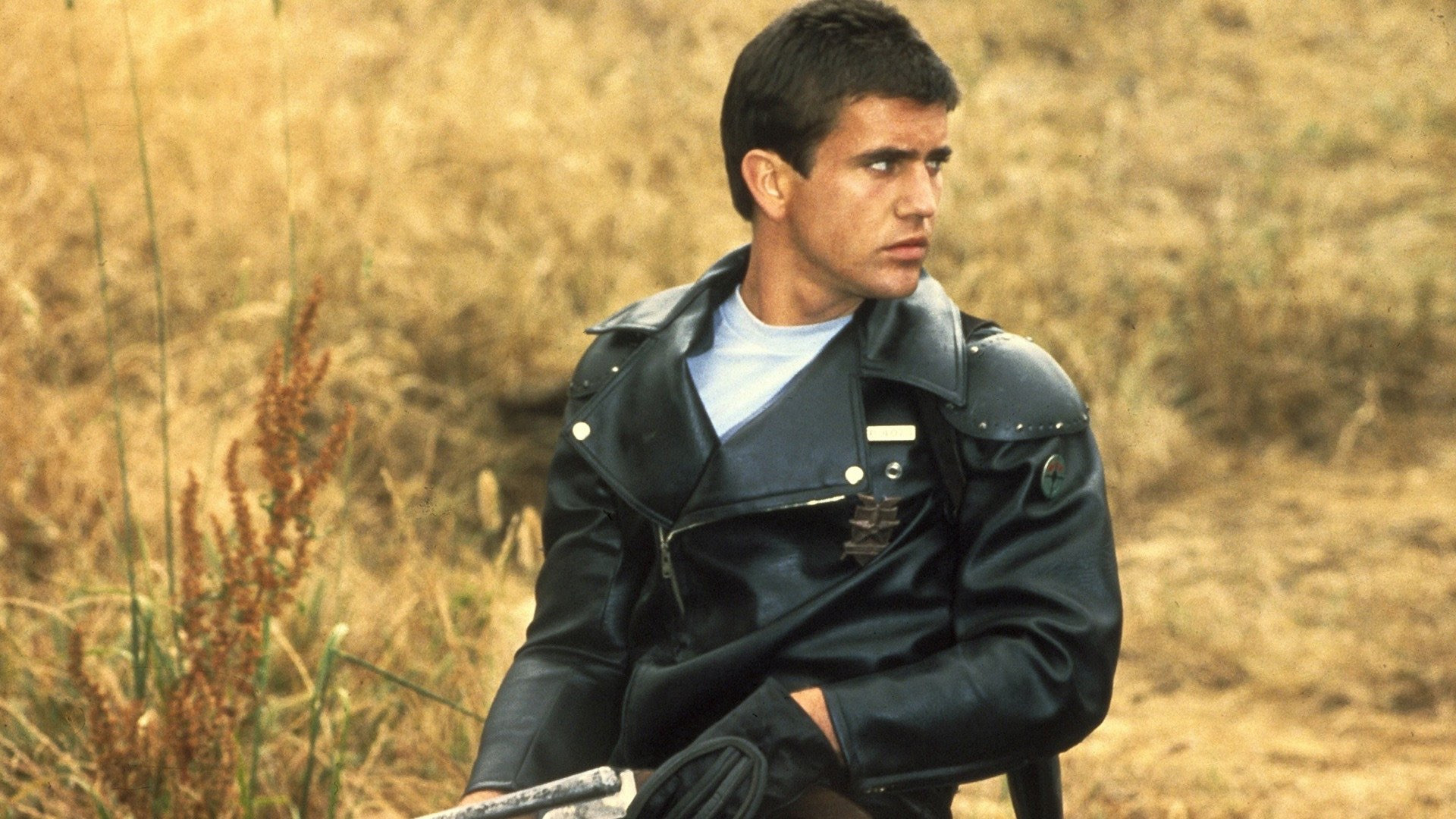
On Australia’s open roads, a highway patrol officer (Mel Gibson) joins the pursuit of Nightrider (Vincent Gil), who has stolen a police car. His colleague Jim Goose (Steve Bisley) belongs to a force struggling to contain increasingly brazen violence. The officer wants to do the job and return to his family, including Jessie Rockatansky (Joanne Samuel). Around them, ordinary life continues while the protection of the law grows less certain. The arrival of Toecutter (Hugh Keays-Byrne) and his motorcycle gang brings a threat that cannot be settled by winning a single chase.

Plays from YouTube when you press play; nothing loads from them until then.

Fi1m review

George Miller’s road thriller is worth an evening for its frightening chases and Mel Gibson’s presence. The dialogue is crude and the acting uneven, but the cars feel heavy enough to do lasting damage.

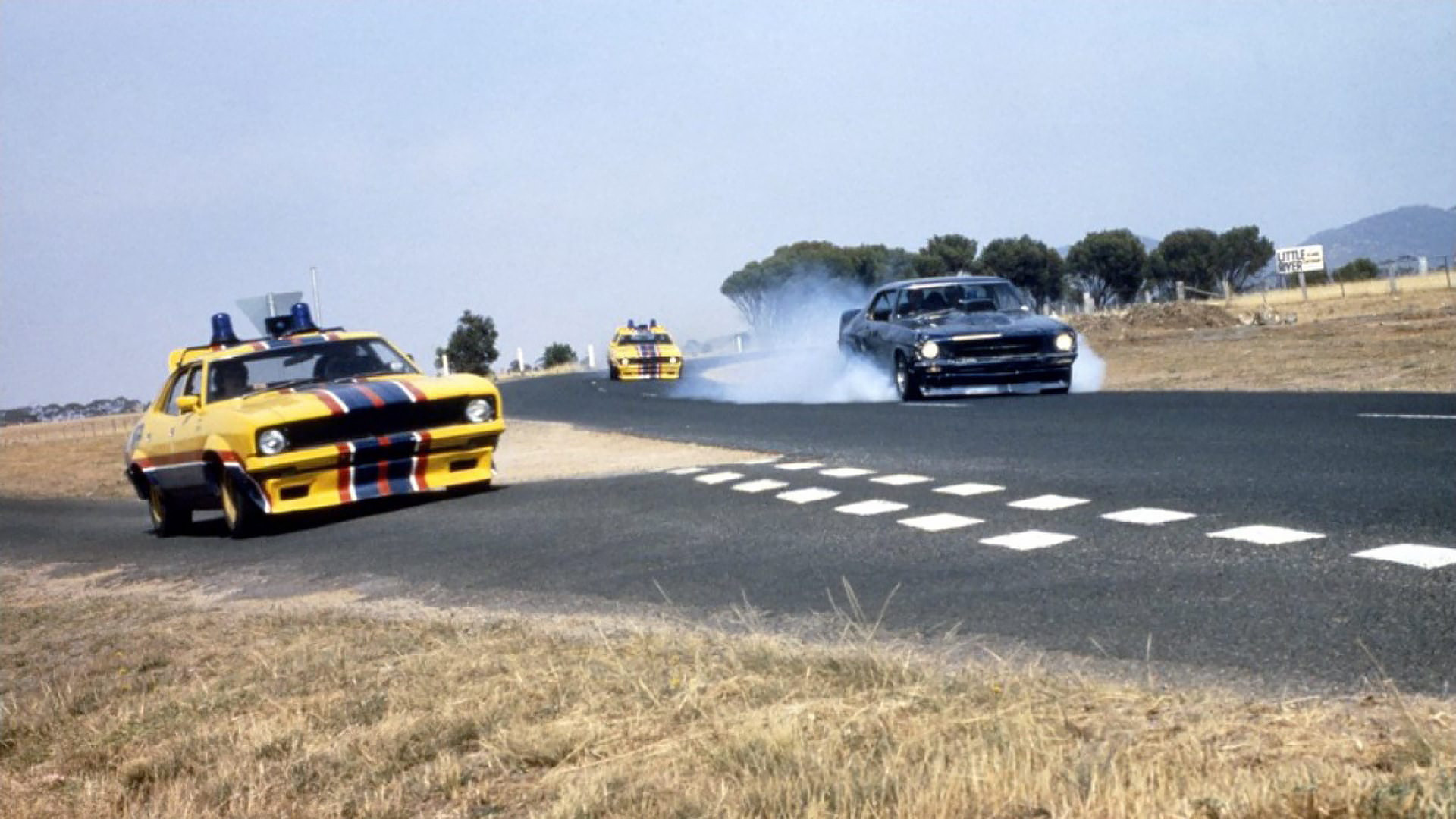
This is a good, bruising road thriller whose chases are better handled than its dialogue. George Miller wants speed to frighten us, and keeps the violence close enough to ordinary life for that to happen. The open Australian landscape gives the cars room to accelerate without making anyone seem safe. At 91 minutes, the film has little interest in explaining how everything got this bad. That economy suits it, though several characters could have used a little more writing.

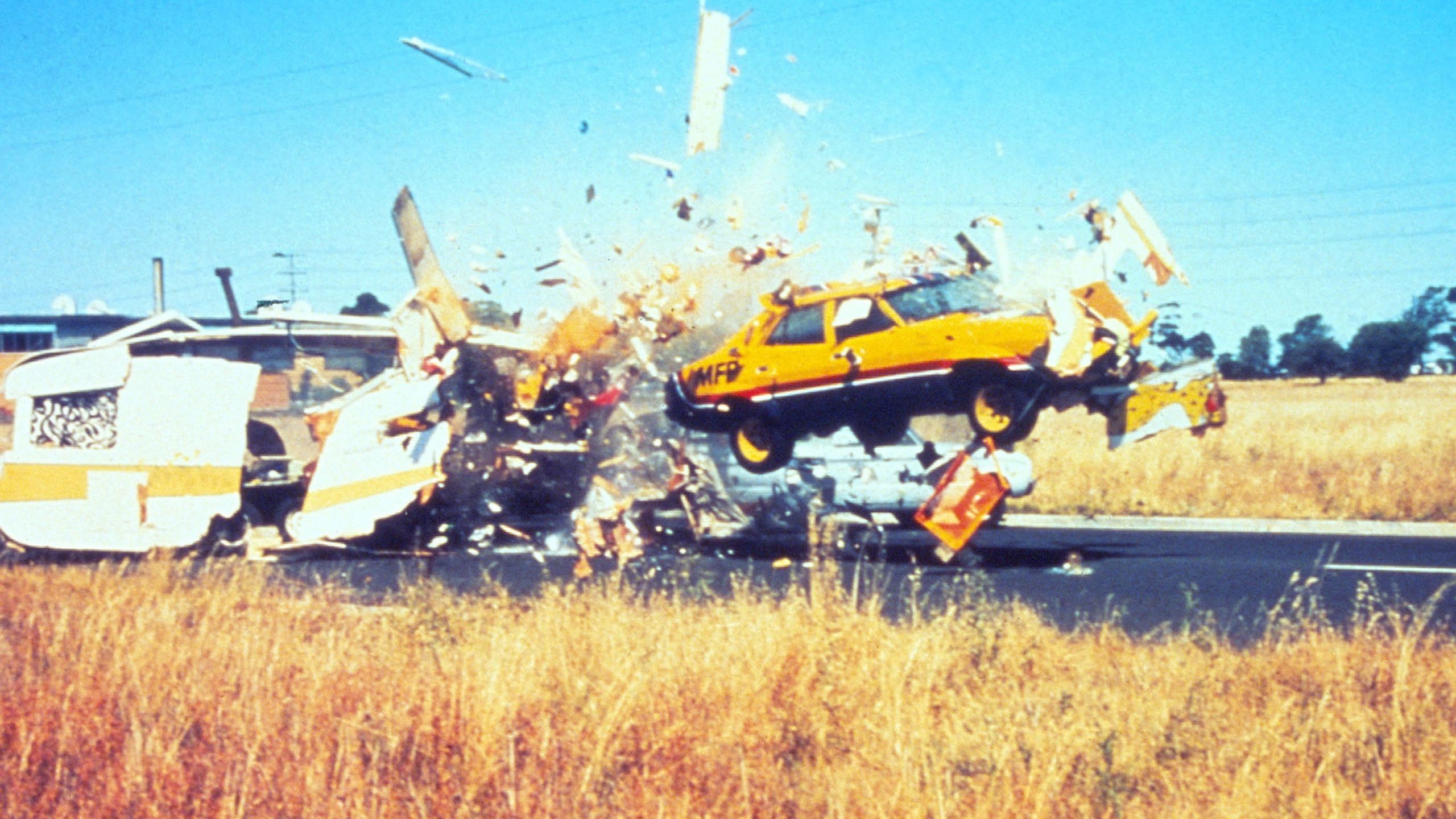
Cinematographer David Eggby keeps the camera low in the chases, making the passing road difficult to look away from. We feel too close to the tarmac to enjoy the view. Editors Cliff Hayes and Tony Paterson make the movement readable without letting it become comfortable. We flinched at the crashes. The vehicles feel heavy, and George Miller lets their weight and momentum make a collision frightening before it happens.

The action also has a streak of physical comedy, which makes its ugliness more disconcerting. George Miller understands the brief pleasure of watching a vehicle go out of control, then makes the consequences hurt. The timing is often funny enough to catch us off guard. This is where the film does more than a routine chase thriller: its violence seems capable of changing the people left to live with it. The rough surroundings help, since nothing looks safely set aside for a stunt.

Mel Gibson has enough presence to hold our attention without much help from the dialogue. The performance is most persuasive when it does least, leaving us to study a face rather than wait for another crude line. That restraint matters in a film so fond of noisy behaviour. Joanne Samuel, as Jessie Rockatansky, also helps keep the scenes of family life from feeling merely dutiful. The female characters have more spirit than the surrounding brutality might lead us to expect, although the writing remains thin.

George Miller and James McCausland’s screenplay is the weak point. Too often, a line insists on how dangerous somebody is when the action has already made it clear. Some performances push just as hard, and the result can feel coarser than the scene requires. The spare story does not need elaborate explanations, but it does need convincing people between the pursuits. When the dialogue takes over, the tension slackens.

Brian May’s music shares that tendency to press the point. It can make the threat feel overannounced when the sight of a fast-moving car is doing quite enough. The film’s rudimentary finish is easier to forgive, because the exposed roads and hard landscape are such effective places to stage danger. George Miller does not need a grand display of ruin to suggest that normal life is becoming untenable. The small scale keeps the trouble close to recognisable experience.

Against the road thriller’s usual pleasures, the film is unusually willing to make speed repellent. We still feel the pull of the chase, but the collisions prevent it from becoming a harmless game. Its roughness can be wearing, particularly when the actors have to carry a scene without an engine running. We recommend it for the force and precision of its action, with patience required for what happens between the driving. Leave time afterwards for something quieter.
Critical consensus AI synthesised

77
Positive
9
Mixed
0
Negative
0
Slant Magazine
25 November 2020
80*

The critic praises Mad Max as a miracle of economic filmmaking that builds tension from scaled-back action sequences and superb car chases on a tiny budget. They highlight the Australian landscape's effectiveness and Mel Gibson's charismatic presence in the role.

Read the full review →
The Guardian
13 February 2020
80*

The piece presents the 1979 original as a high-adrenaline masterwork and landmark achievement that fuses Ozsploitation with the sophistication of the Australian New Wave. It singles out the film's kinetic action language and low-to-the-ground chase camerawork, already evident despite the low budget and rudimentary production values.

Read the full review →
The New York Times
11 February 2000 · Elvis Mitchell
80*

The review finds the original Australian version a punk western with comic-book volatility and strong visual intensity that holds up as a riveting classic. It singles out Mel Gibson's early presence and Miller's kinetic reflexes for particular praise while noting some dated elements.

Read the full review →
Empire
1 January 2000 · William Thomas
70*

The review notes that director George Miller cast unknown Mel Gibson in the lead of this low-budget Australian film, setting both on the path to success. It describes the plot briefly and concludes that the film, now with original accents restored, is simple but effective.

Read the full review →
Variety
31 December 1978 · ** · Variety Staff
70*

The review calls it a fast-moving exploitation picture with a simple revenge plot but praises its kinetic energy and filmmaking craft. It singles out George Miller's direction, the camerawork, and the stunt work as what makes the film stand out beyond its genre trappings.

Read the full review →
The Ringer
25 August 2022 · Adam Nayman
85*

The original Mad Max stands as a triumph of less-is-more ingenuity and lean, hungry B-movie aesthetics that aligned perfectly with its era. It singles out the propulsive silent-movie slapstick tradition and the stripped-down apocalyptic authenticity for praise.

Read the full review →

Cast

Stills

Awards

AACTA Award for Best Actor in a Supporting Role, 1979

Nominated
AACTA Award for Best Actor in a Supporting Role

AACTA Award for Best Cinematography, 1979

Nominated
AACTA Award for Best Cinematography

AACTA Award for Best Costume Design, 1979

Nominated
AACTA Award for Best Costume Design

AACTA Award for Best Editing, 1979

Won
AACTA Award for Best Editing

AACTA Award for Best Film, 1979

Nominated
AACTA Award for Best Film

AACTA Award for Best Original Music Score, 1979

Won
AACTA Award for Best Original Music Score

AACTA Award for Best Original Screenplay, 1979

Nominated
AACTA Award for Best Original Screenplay

If you liked this, try…

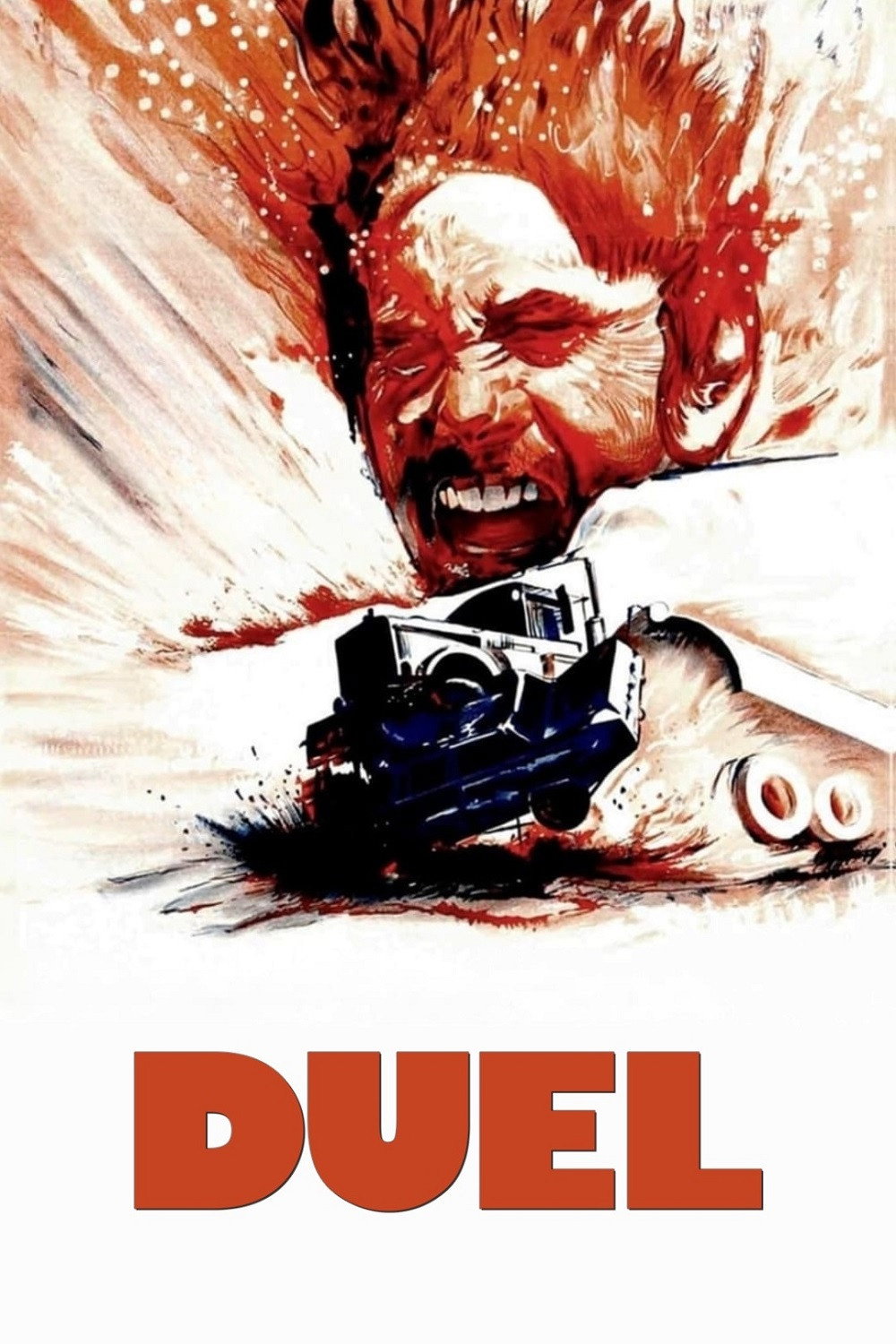
Duel poster

Duel

1971 · A road, a lorry and enough sustained menace to make overtaking unthinkable.

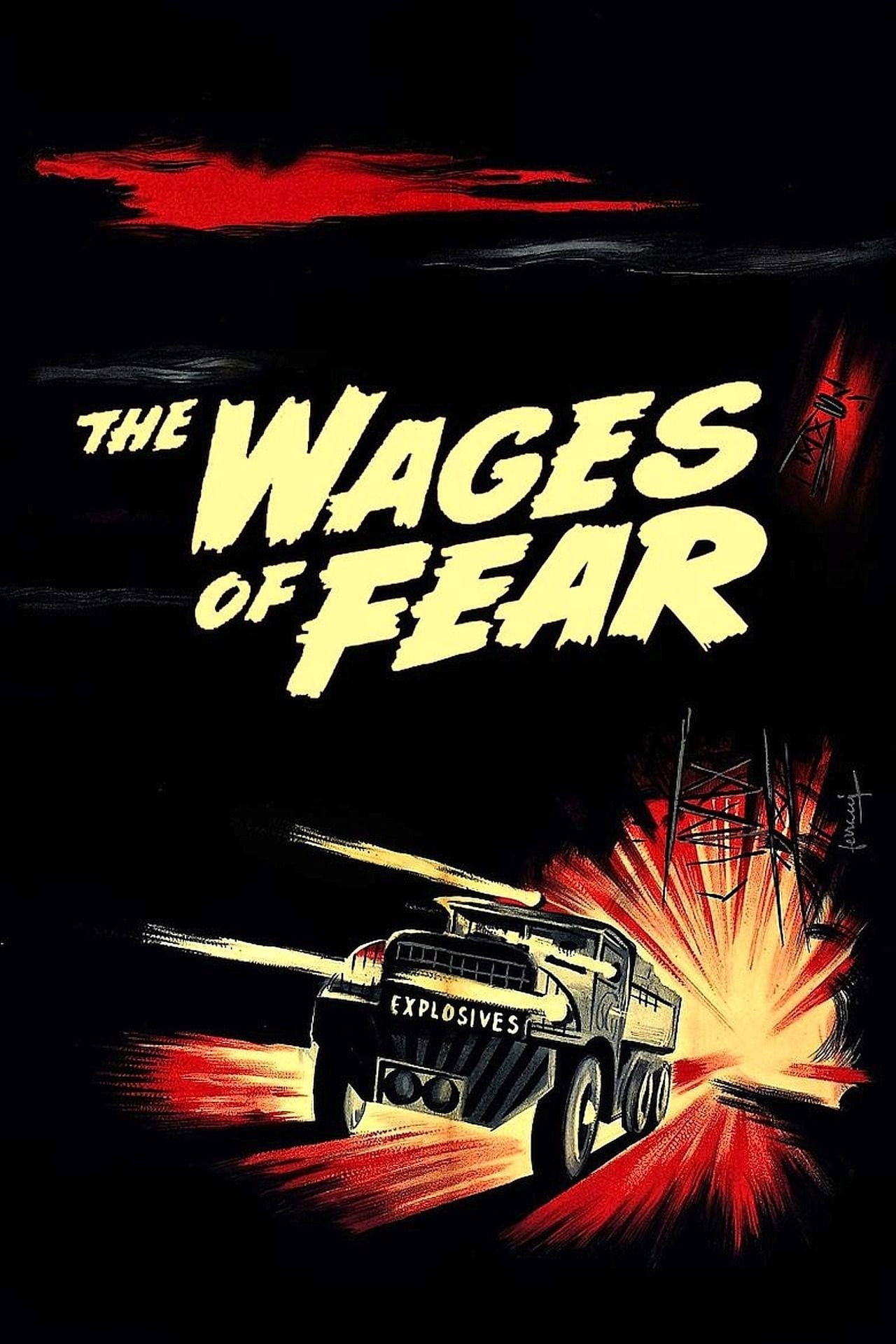
The Wages of Fear poster

The Wages of Fear

1953 · Heavy vehicles turn every bend into a calculation with appalling consequences.

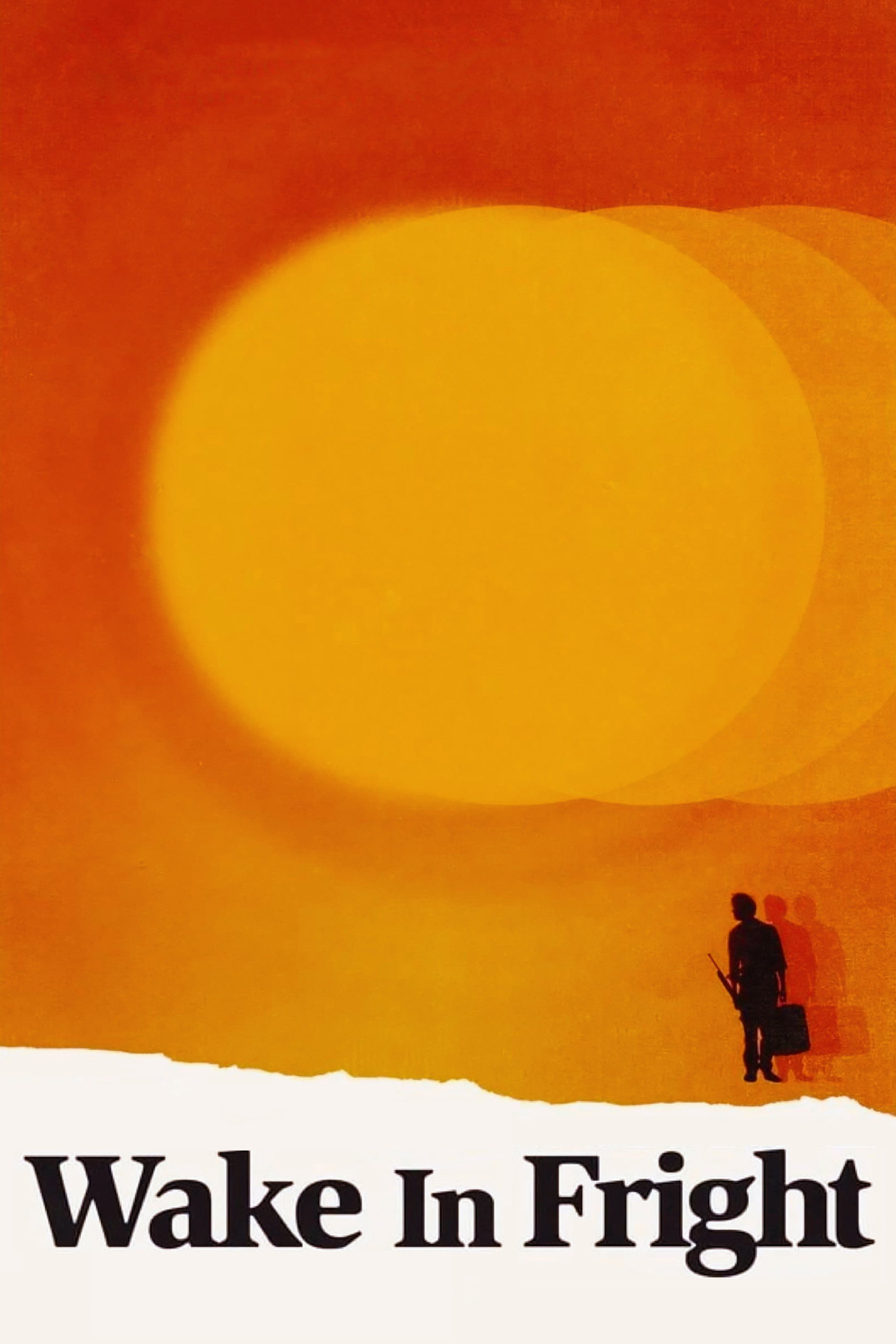
Wake in Fright poster86

Wake in Fright

1971 · Australian isolation and male aggression become frightening without needing a car chase.

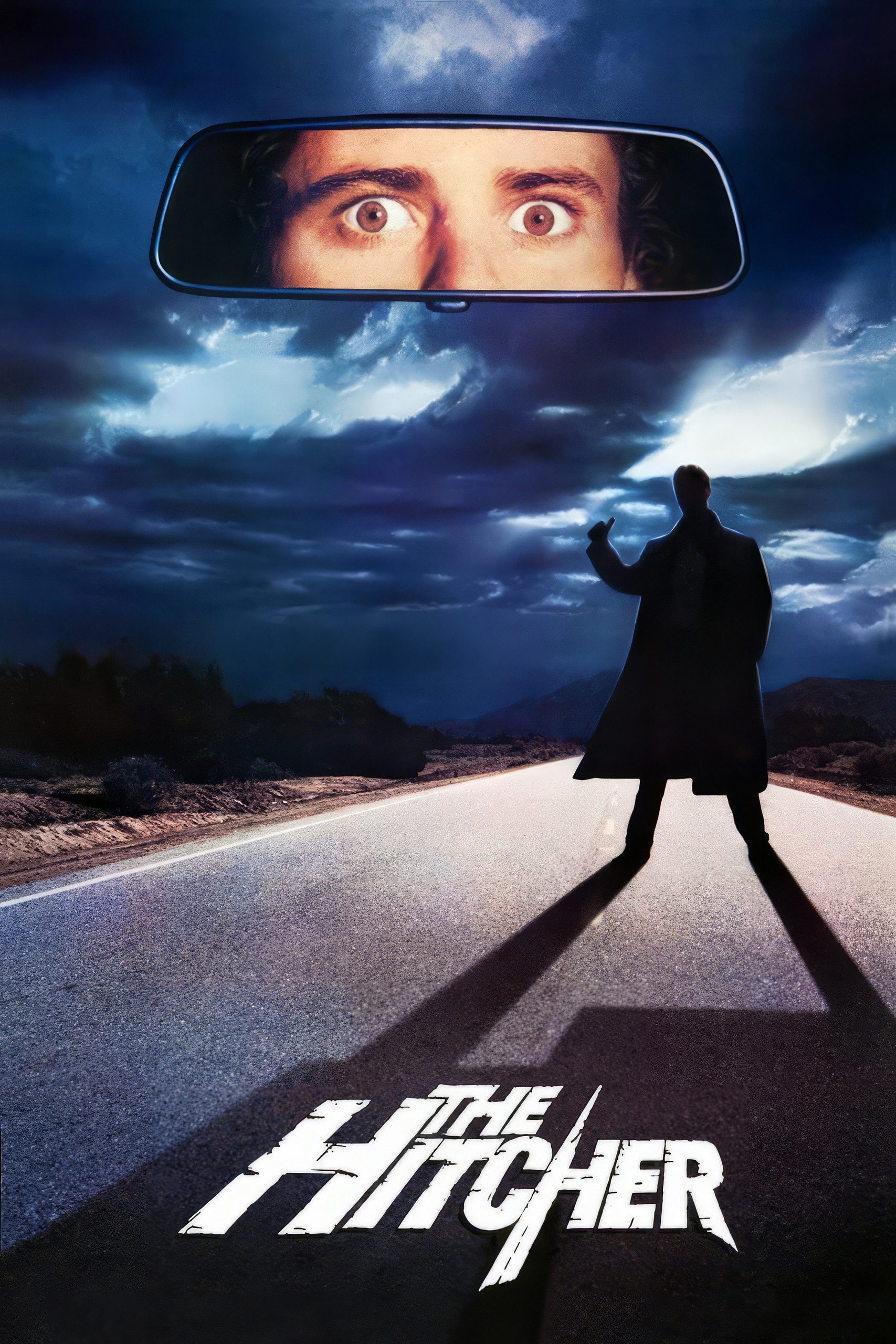
The Hitcher poster

The Hitcher

1986 · Another open road where distance offers no protection from a determined pursuer.

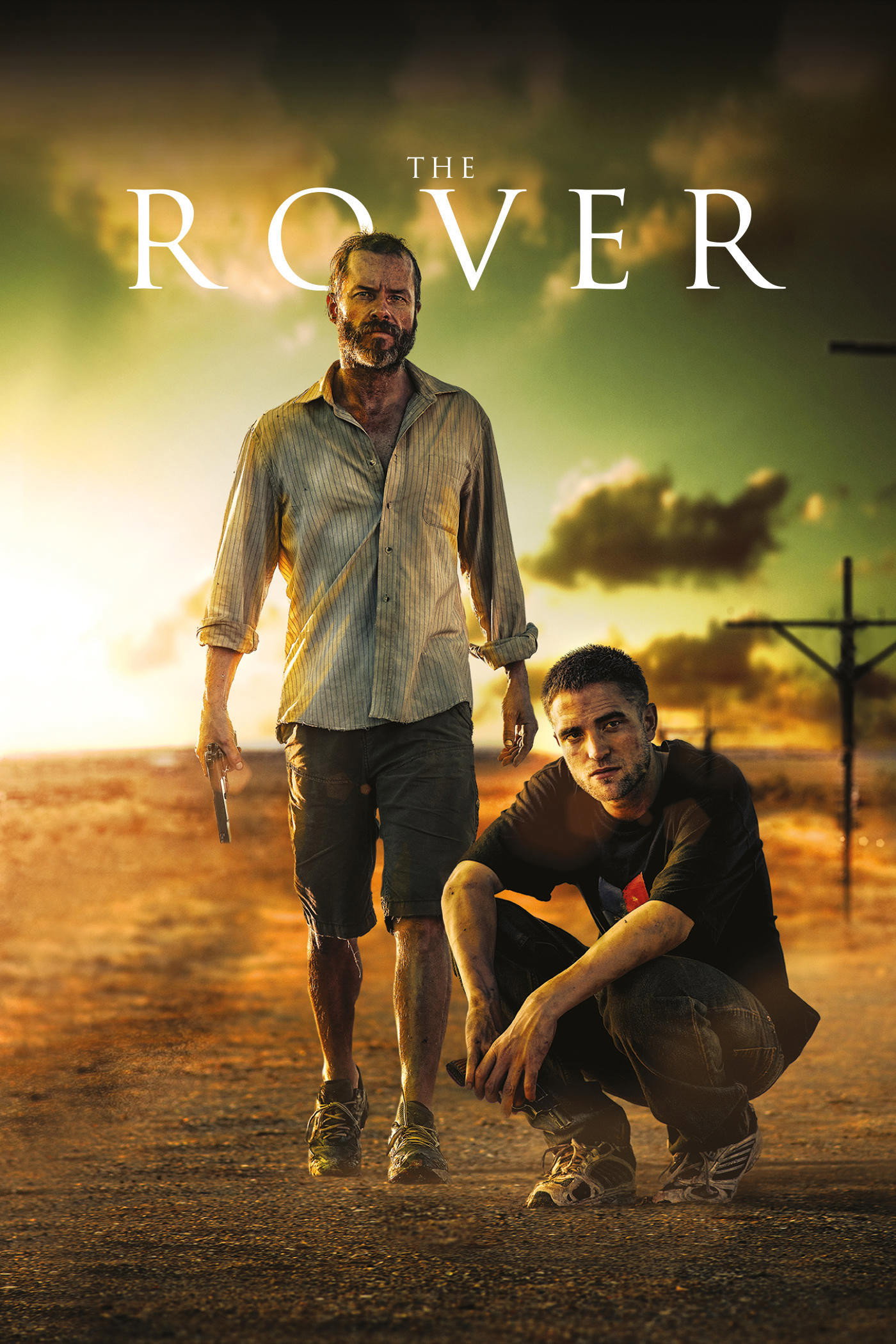
The Rover poster

The Rover

2014 · A harsher Australian road story, with social collapse pressing into every encounter.