Josh Trank’s Fantastic Four gives its cast a serious origin story, then leaves them with explanations instead of relationships. There is promise in the quieter scenes, but the film is tedious and the action poorly assembled.
Josh Trank’s Fantastic Four wants to spend time with its young people before asking them to carry a superhero film. The more appealing early scenes concern ambition, awkward relationships and the older generation’s determination to remain in charge. Miles Teller, Michael B. Jordan, Kate Mara and Jamie Bell are good reasons to give that approach a chance. But the film keeps explaining its science while neglecting its people, and the result is poor.
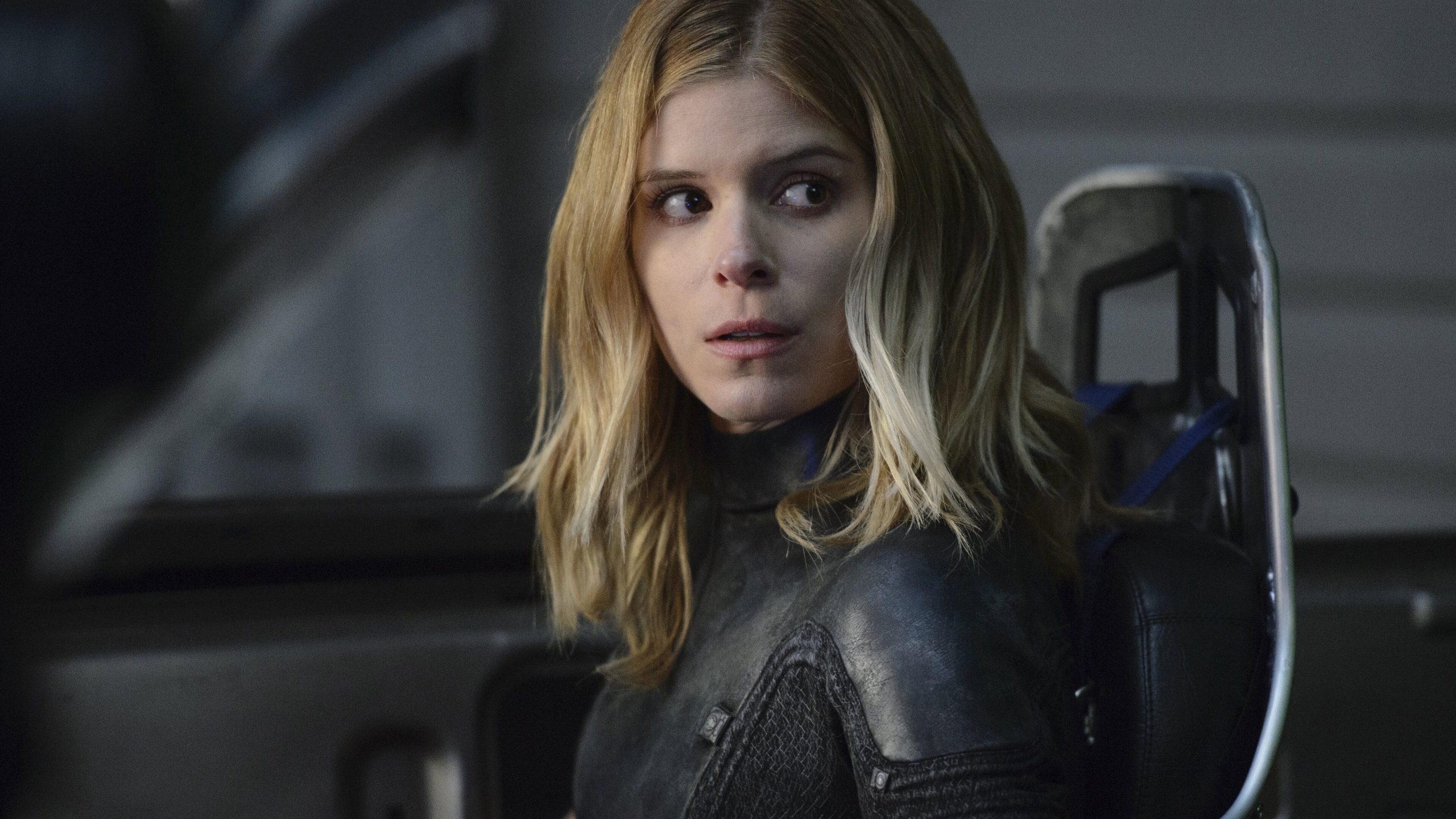
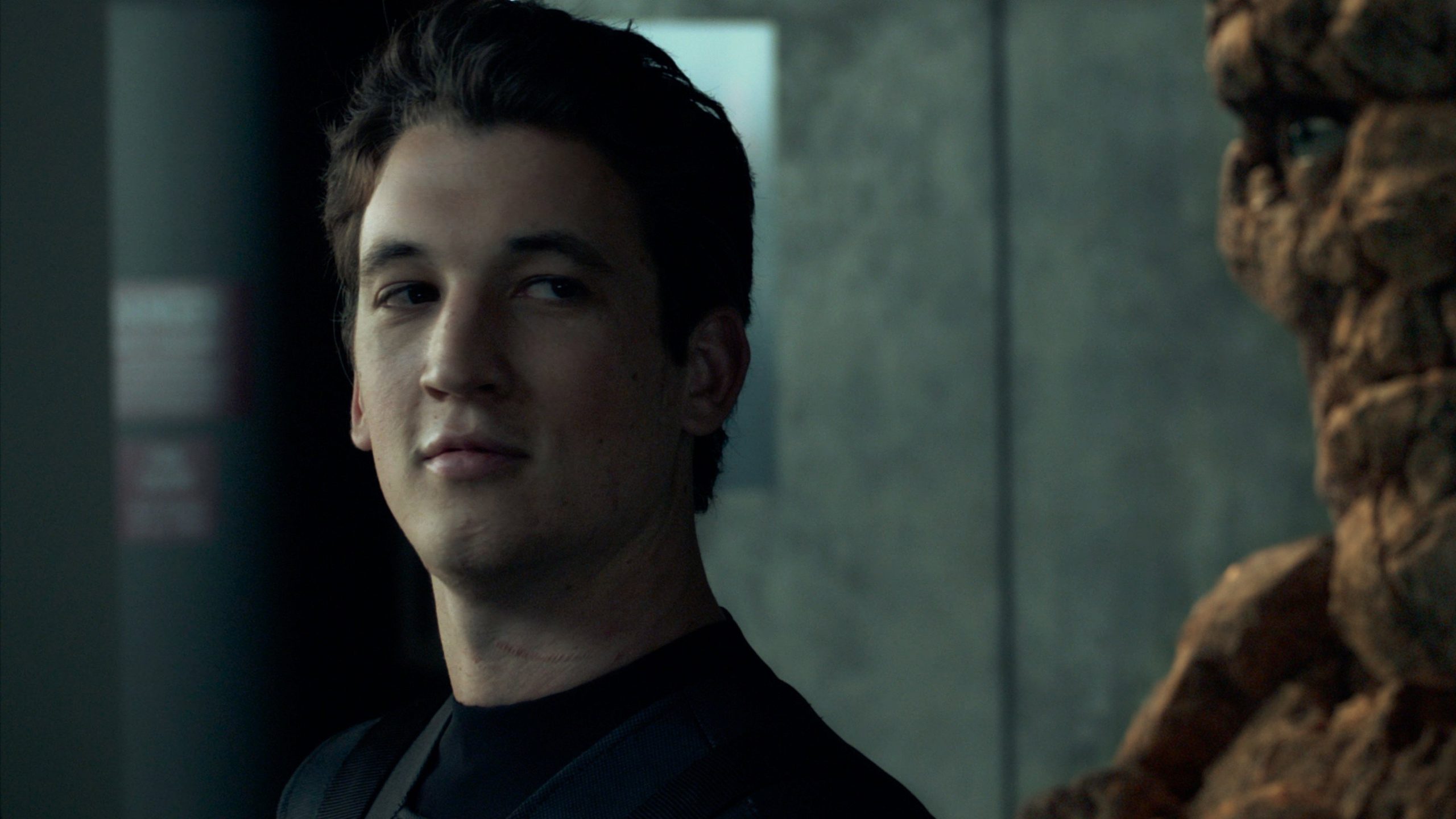
Miles Teller’s Reed Richards has to give the scientific talk a human purpose, and he cannot do that on his own. Michael B. Jordan brings welcome energy to Johnny Storm, though the surrounding film does little with it. Kate Mara’s Sue Storm and Jamie Bell’s Ben Grimm need more room to establish what they mean to the others. Toby Kebbell gives Victor von Doom an edge that briefly cuts through the general solemnity. These are useful individual contributions, but the group seldom convinces as people who would choose to spend time together.
The screenplay, credited to Josh Trank, Jeremy Slater and Simon Kinberg, spends too much time explaining how things work. Technical dialogue can be pleasurable if someone speaking it wants something we understand, or if the exchange changes a relationship. Here it too often stops the scene while information is delivered. We were bored by the scientific explanations, then irritated by how little the quartet had been allowed to say to one another beyond them. The occasional small character detail makes that neglect harder to excuse.
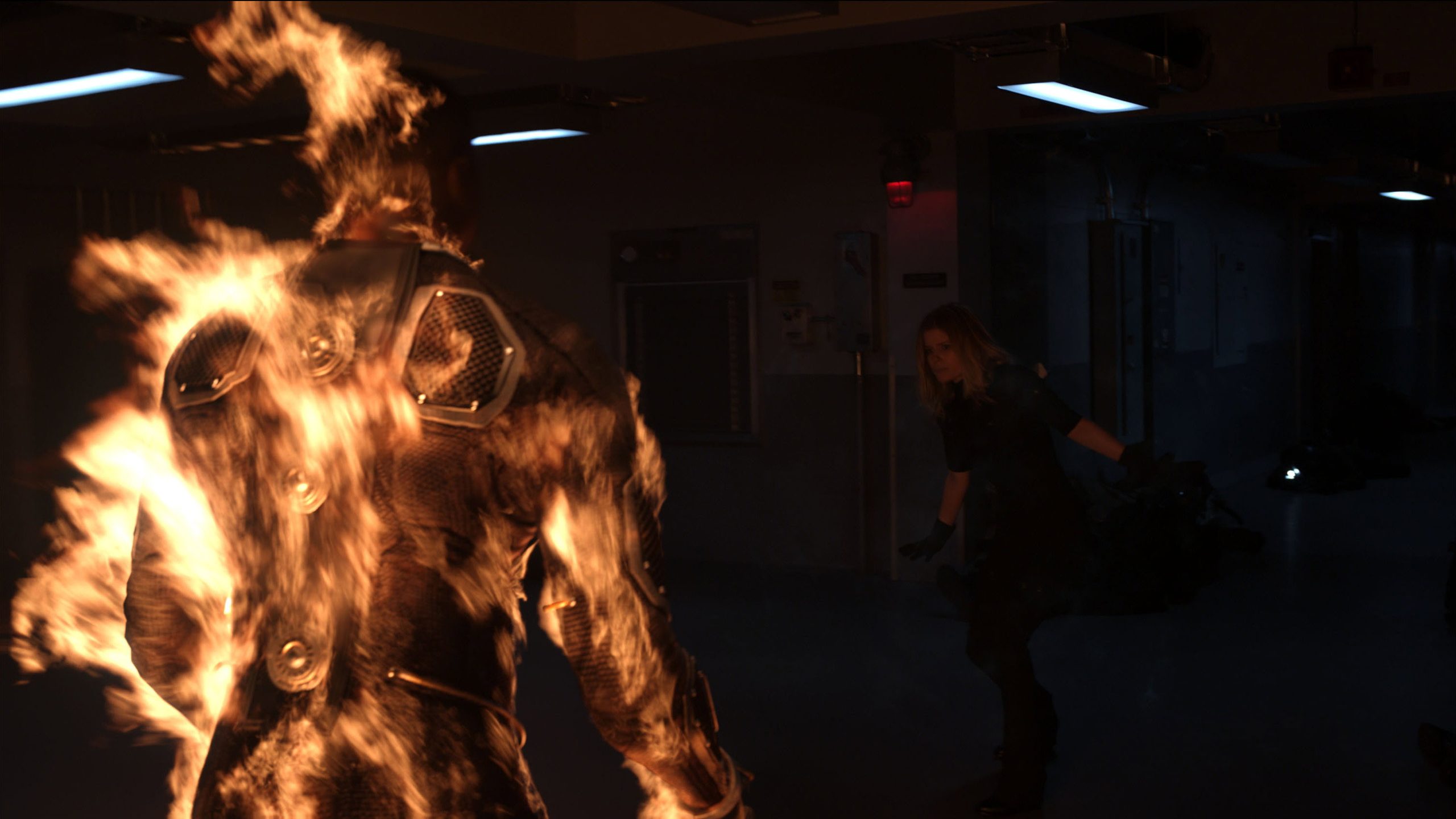
Matthew Jensen’s cinematography suits the early, low-key approach, giving the quieter performances a chance to hold our attention. Chris Seagers’s production design likewise helps make the scientific work credible, even when the explanations have become wearying. The effects are less convincing, and their obvious artificiality makes the growing emphasis on action a poor bargain. Philip Glass and Marco Beltrami’s music takes the material seriously, but it cannot supply the feeling missing from the dialogue.
Stephen E. Rivkin and Elliot Greenberg’s editing leaves a persistent sense of scenes being shortened before anything between the characters has been settled. For a film running 100 minutes, it finds a remarkable amount of time for exposition and surprisingly little for its cast to respond. When the action takes over, the cutting becomes choppy without making the film exciting. The shift is so abrupt that the earlier care with tone begins to look wasted. Even the action offers little relief from the sluggish pace.
A superhero origin story does not have to be cheerful, and taking young characters seriously is no offence against the genre. Nor does a film owe us a joke whenever someone looks unhappy. It does need curiosity about what makes its central group stay together, especially when it spends so long establishing them. Josh Trank occasionally finds that curiosity in a small emotional exchange, then returns to explanation. Most critics have found the film tedious and muddled; we agree, though its early restraint and committed cast make the disappointment sharper.
If this particular cast is enough to make the evening, there are scattered moments worth staying for. We would not sit through the rest merely to collect them. This is one to leave to the completists.