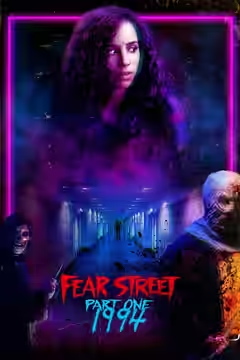
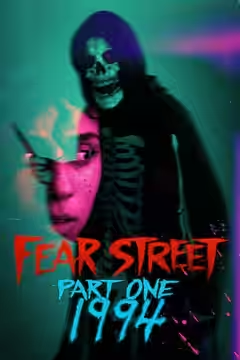
Leigh Janiak makes the teenagers worth caring about and the violence unpleasant enough to matter. The lengthy setup holds back an otherwise lively slasher, best suited to viewers already fond of the genre.
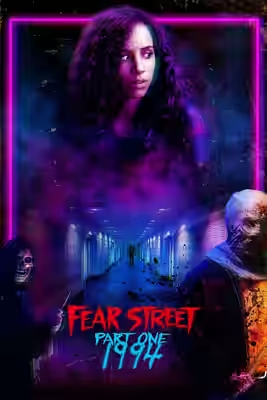
Leigh Janiak’s Fear Street: 1994 is a good evening’s horror for anyone who likes slashers and can tolerate some laborious explanation. It aims to revive the pleasures of 1990s teen horror while taking its young people seriously, including the romance at its centre. That concern for the characters helps the violence land, because we care who gets hurt when an attack starts. The film is less successful at making all the groundwork for a trilogy feel necessary to the evening we are spending with it.
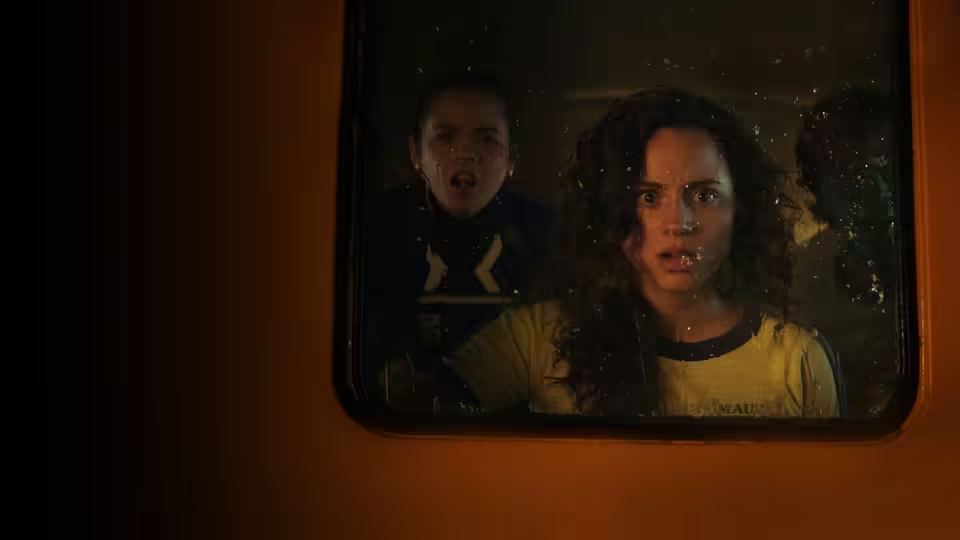
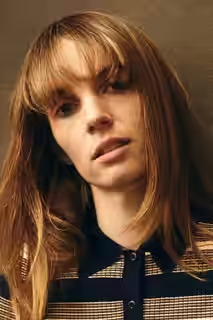
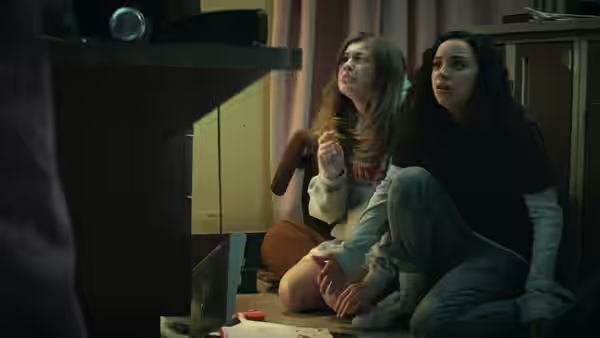
Kiana Madeira is the main reason to stay with it. Her Deena has enough confidence to lead the film and enough vulnerability to prevent that confidence becoming tiresome; the hurt feels close even when she is being difficult. The central romance gives the teenagers something to care about beyond immediate survival, though the writing could allow it more depth. The performers make the relationship worth following, but there are moments when we need more time with them before the next piece of explanation arrives.
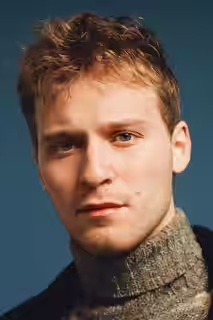
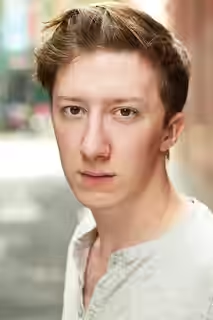
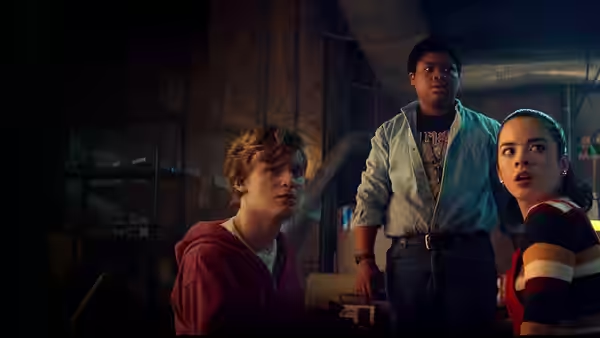
Julia Rehwald’s Kate and Fred Hechinger’s Simon also help make the ensemble agreeable company. There is a welcome willingness to let these teenagers cooperate and treat one another with some respect, without draining the energy from their encounters. Their concern for each other makes the attacks uncomfortable, which is a useful quality in a slasher. The characters could be more fully drawn, but the cast supplies enough personality to keep us interested through the slower passages.
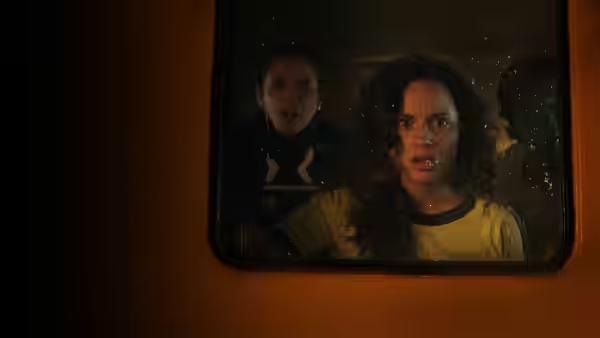
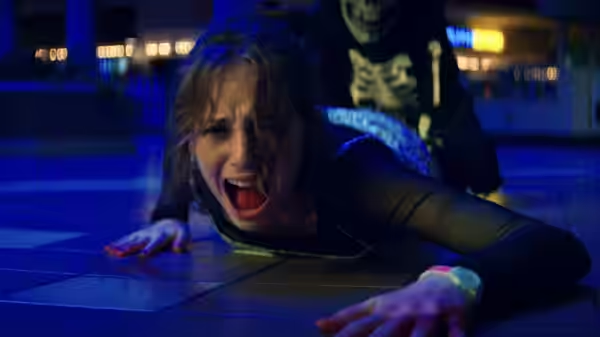
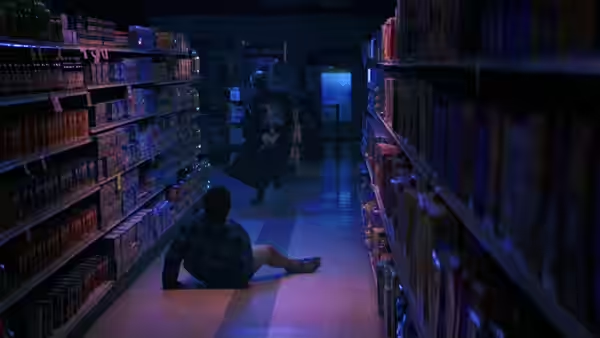
We were properly tense during the neon-lit opening, where the bright artificial colour makes the threat feel unpleasantly close. Cinematographer Caleb Heymann gives that sequence enough atmosphere to hold our attention before we have much reason to care about anybody. Scott Kuzio’s production design supports a recognisable 1990s setting without making the period decoration the main event. The visual polish can sometimes feel too comfortable for this material, but the opening demonstrates how effectively Leigh Janiak can make an attractive setting feel dangerous.
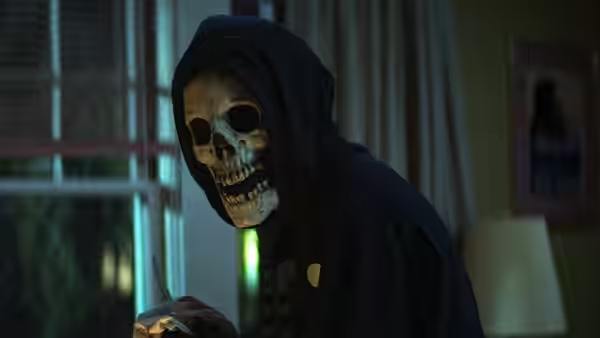
Rachel Goodlett Katz’s editing is most effective when the attacks are under way, giving the violence a directness the surrounding explanation lacks. Between those passages, the film can seem to be waiting for permission to get on with frightening us. The music by Marco Beltrami and Marcus Trumpp keeps us expecting another attack while the dialogue catches us up, although that help can only carry a scene so far. At 108 minutes, the film is not especially long; the stretches devoted to setting things up still make us notice the time.
The screenplay by Leigh Janiak and Phil Graziadei has more material to introduce than it can comfortably accommodate. The mystery interests us, but preparing a larger story interrupts the scares and leaves some relationships needing another scene. Those are substantial reservations in a film whose appeal depends on caring about who is in danger. Yet the cast and the handling of the violence keep bringing us back, and affection for familiar horror is hardly a fault when the attacks work. Go for the teenagers and the blood, provided a first chapter is enough for tonight.