Takeshi Kitano’s crime drama is moving, funny and frightening, with abrupt violence that keeps its tenderness from becoming cosy. Its treatment of the wife is thinner than it should be, but the performances and patient visual storytelling make this an easy recommendation.
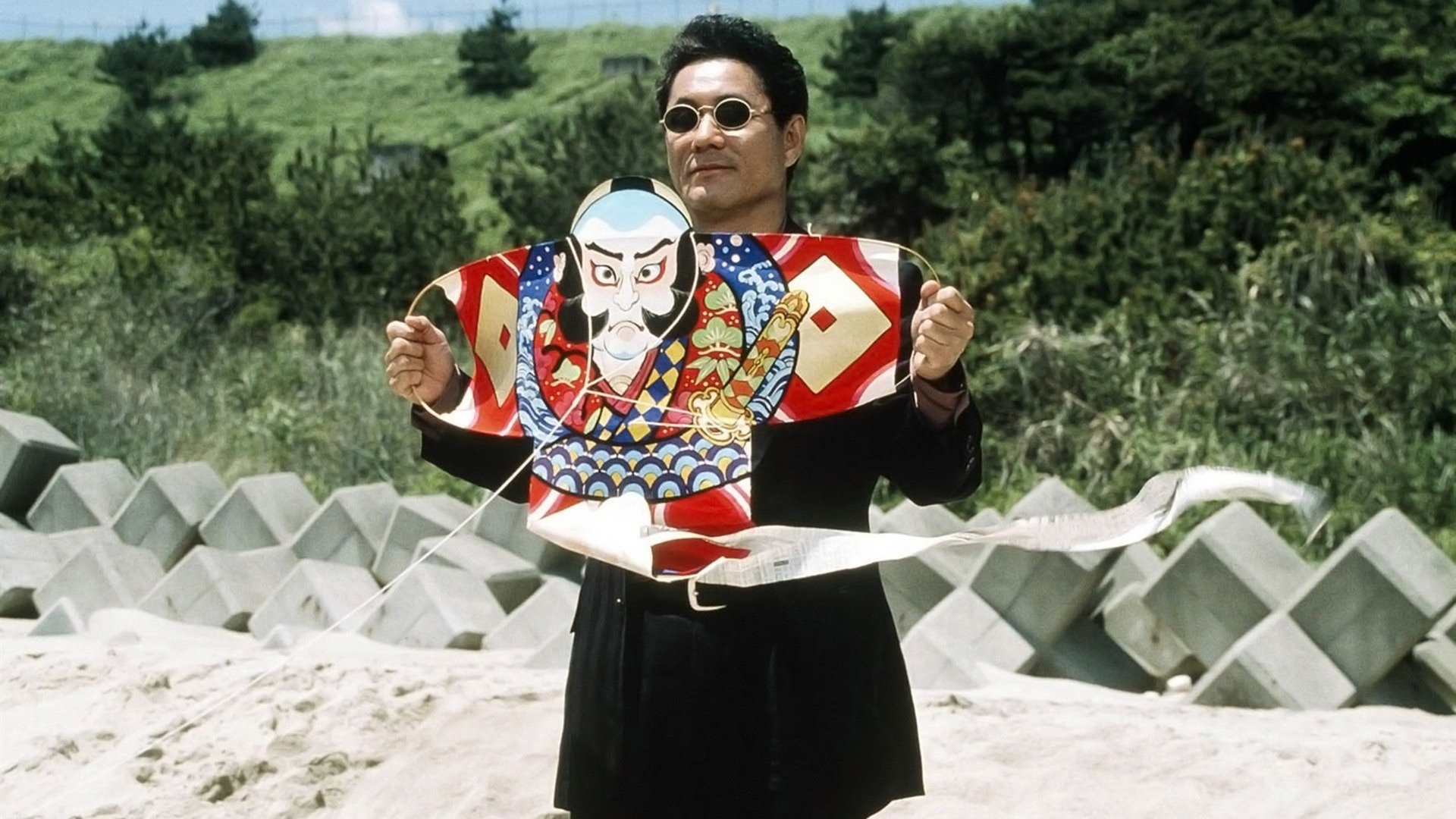
The violence in Fireworks is frightening because it comes from a man we have also watched caring for his wife. Takeshi Kitano writes, directs and plays Yoshitaka Nishi, a retired police officer who turns to crime while facing yakuza debts, his wife’s terminal illness and a colleague’s disabling injury. It is a moving, disquieting film, with enough deadpan humour to stop its grief becoming oppressive. Kitano is interested in how this man behaves when professional habits no longer solve the problems in front of him.
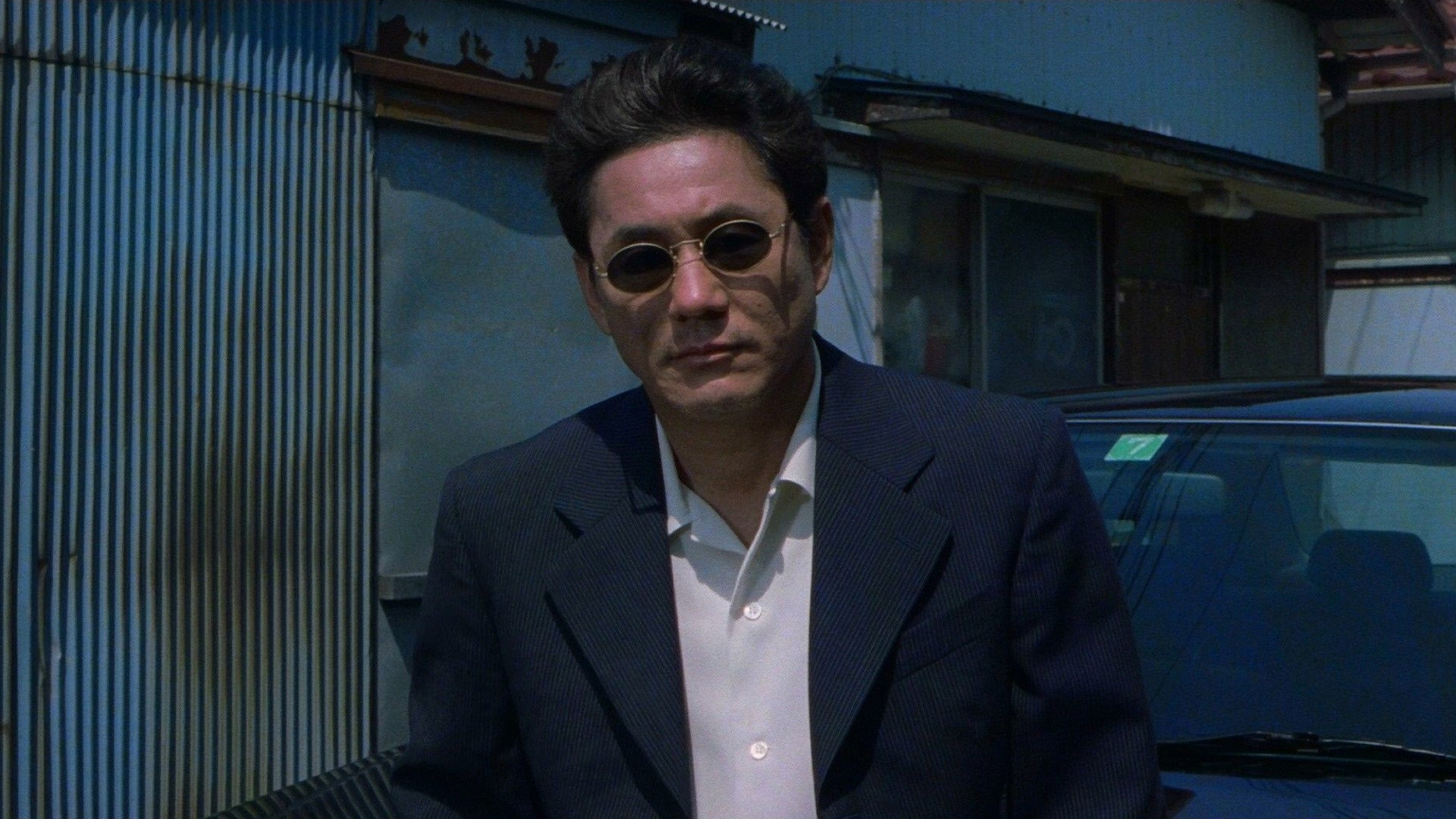
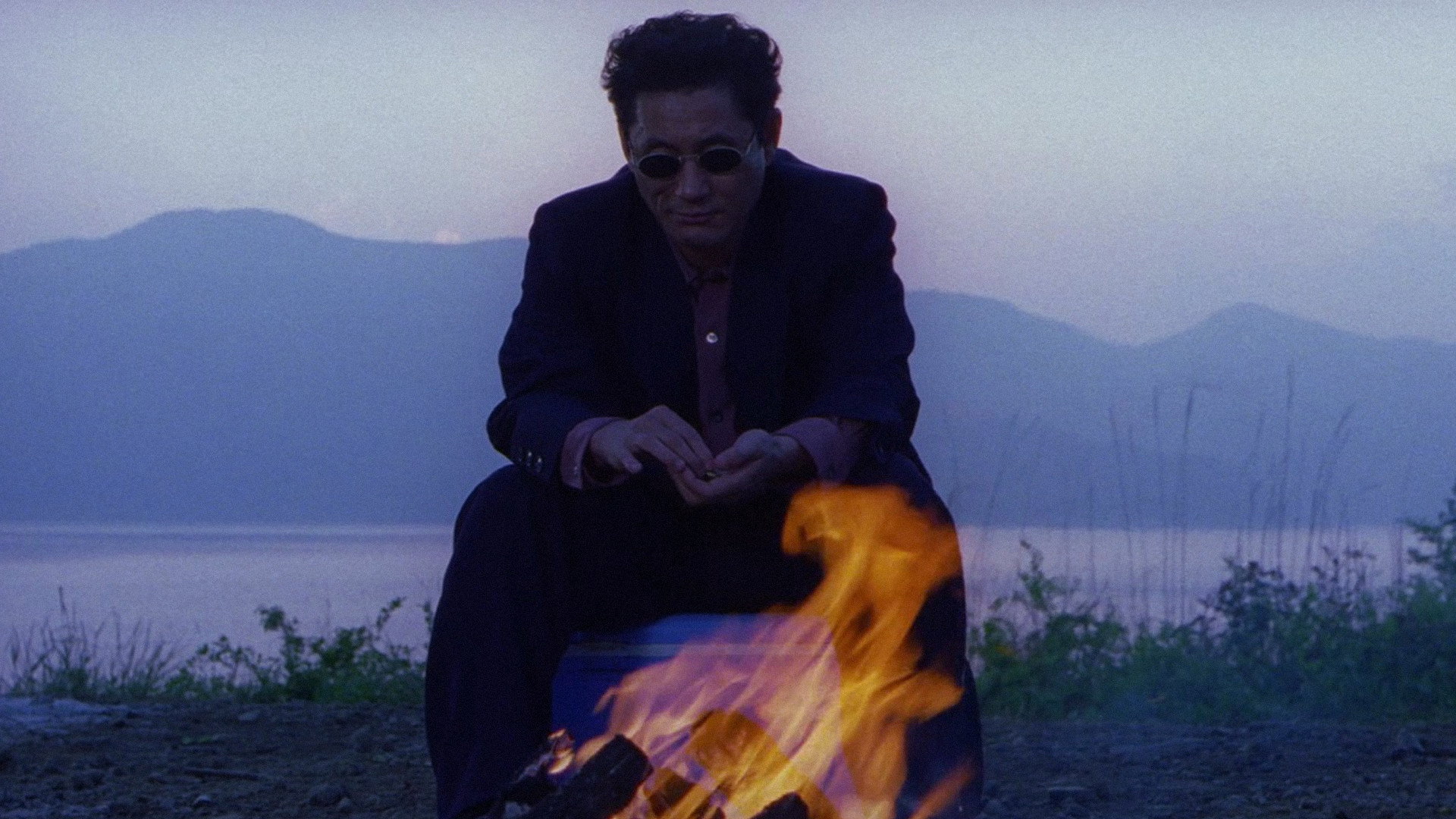
Kitano gives Nishi little outward expression, and that makes the small changes worth watching. His stillness can be funny, threatening or simply exhausted; the performance asks us to keep reassessing the same face. We were moved by Nishi’s quiet attention to his dying wife. Kitano makes us feel how helpless this man is beside her, without changing his performance into something softer. He does not need a speech explaining his distress.
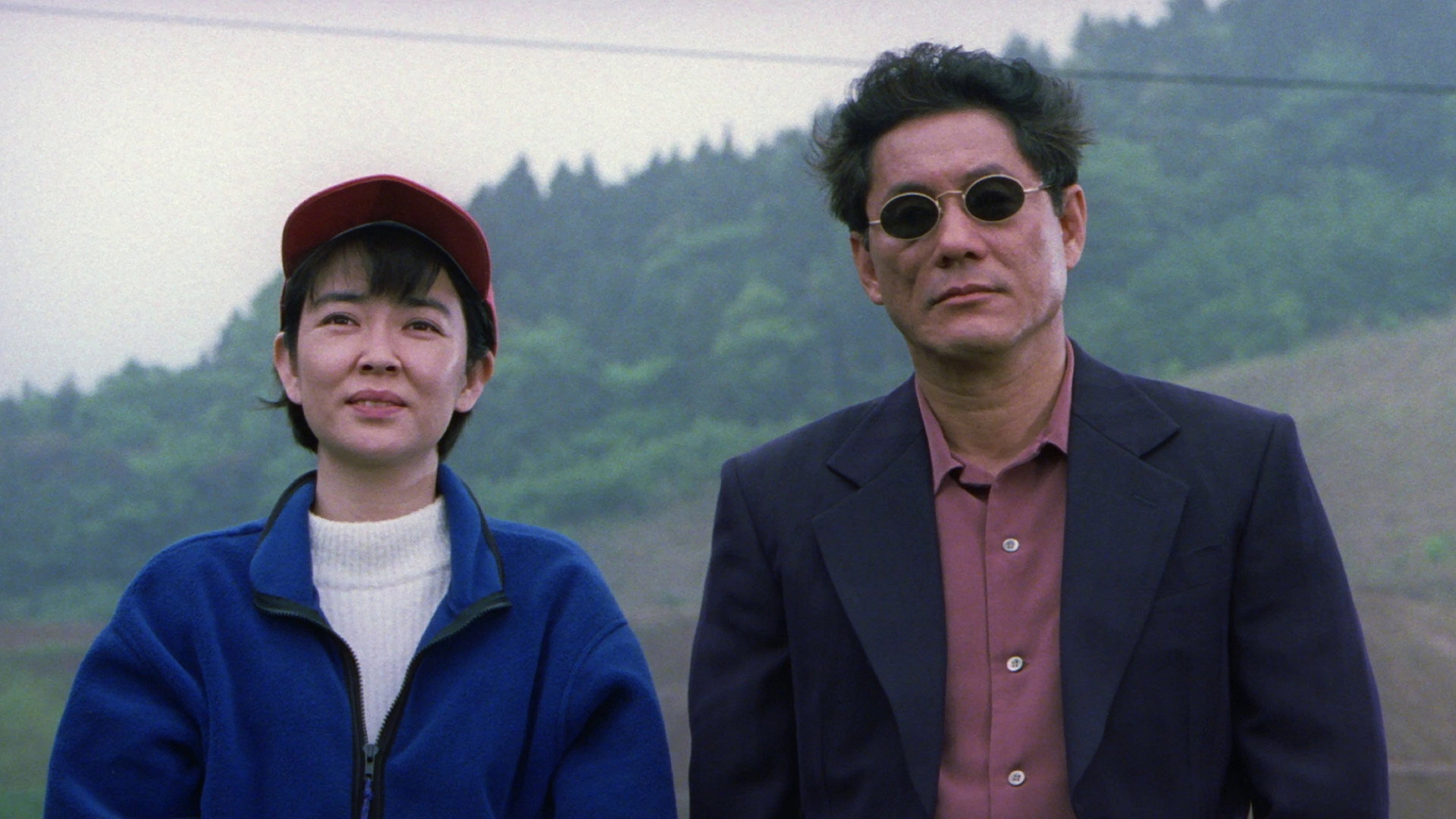
Kayoko Kishimoto gives the wife a presence that the screenplay does not always match. There is tenderness in their scenes together, and she helps make the marriage seem worth caring about without much explanation. But we wanted more sense of what she wants for herself. Too often, the illness explains Nishi’s actions while her own thoughts remain difficult to reach. Kitano’s reticence serves his leading performance better than it serves hers.
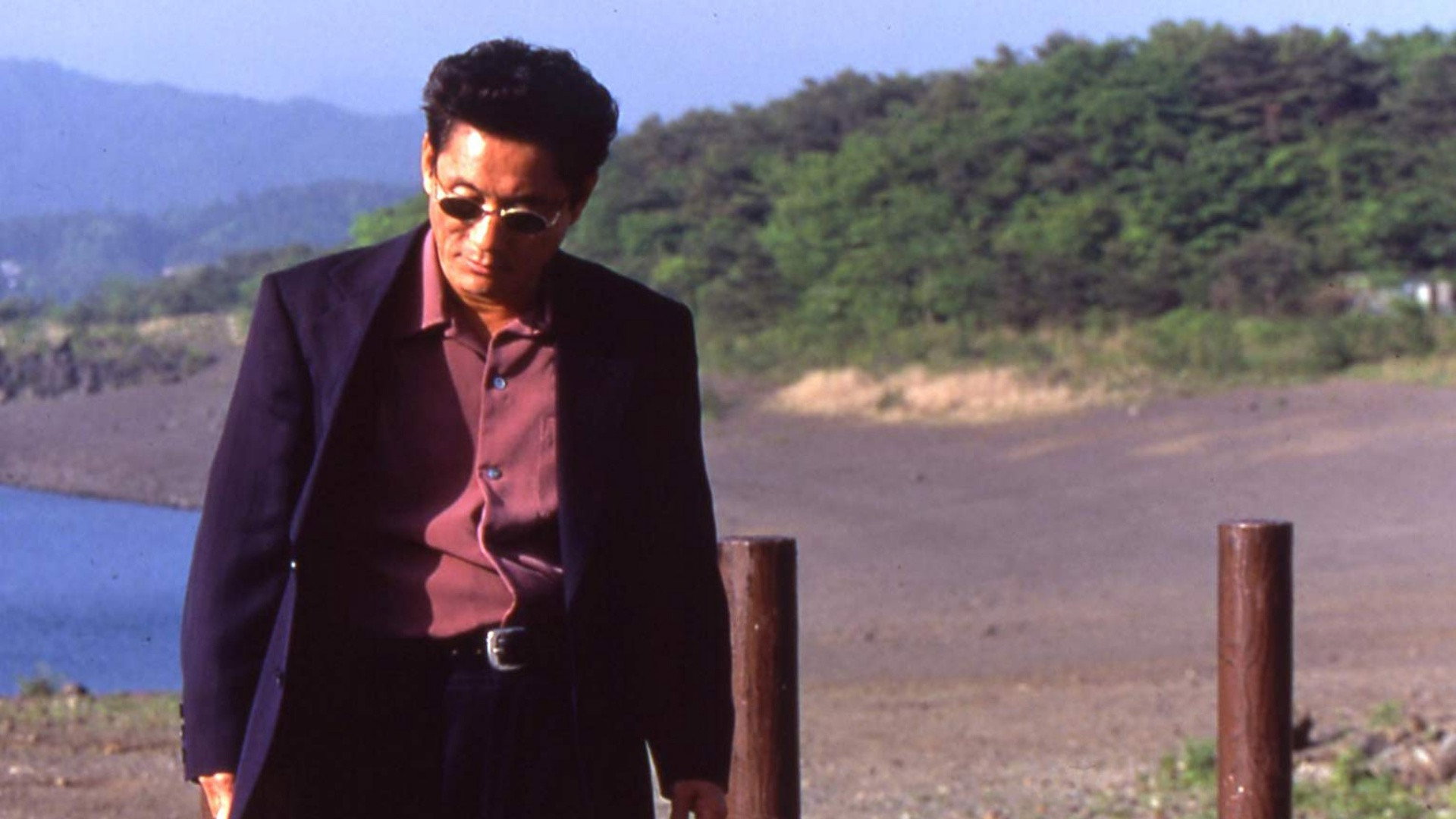
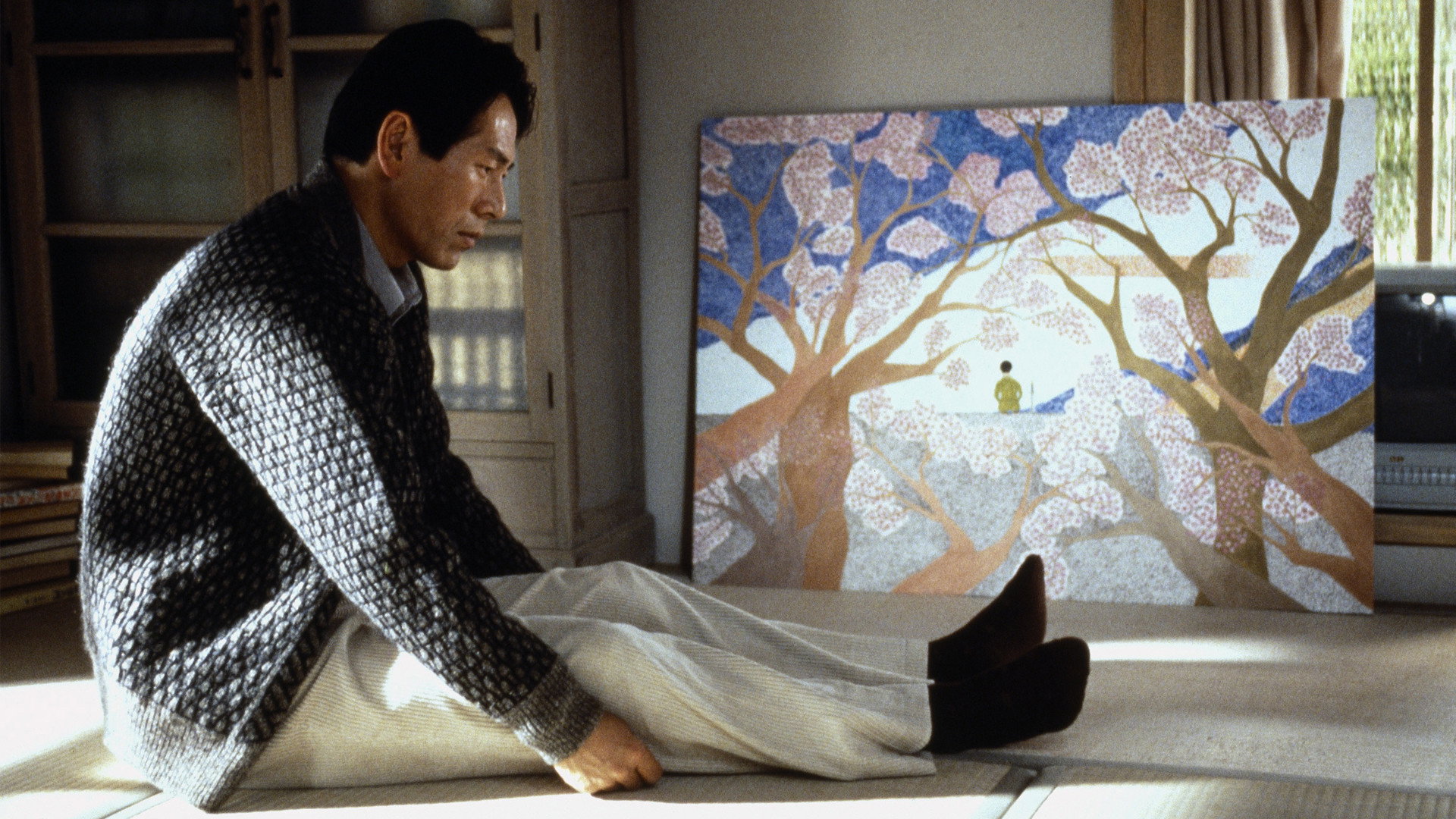
Hideo Yamamoto’s cinematography gives the figures space and allows a still composition to hold our attention. It works because we have time to study how people occupy the frame, without a restless camera supplying interest for them. Norihiro Isoda’s production design is similarly restrained, keeping the surroundings from competing with the people. The paintings, made by Kitano himself, become things we want to examine rather than decoration passed on the way to the next confrontation.
The cutting is less soothing. Editors Yoshinori Ota and Kitano break the stretches of stillness with violence so abrupt that there is little opportunity to prepare for it. The impact comes from being denied the usual warning; we have barely adjusted before someone is hurt. The gaps in the storytelling also work, asking us to make connections without turning Nishi’s troubles into a puzzle to be solved.
Joe Hisaishi’s melancholy score lets us hear some of the sadness that Nishi will not discuss. For the most part, that is welcome, particularly when Kitano’s face threatens to tell us nothing at all. Occasionally the music presses too firmly, and a face we were already watching with concern hardly needs further assistance. Those passages are the nearest the film comes to insisting on a response, and they make Kitano’s quieter choices seem wiser.
Part of the pleasure of a crime film is watching someone who seems to know exactly what to do. Here, Nishi’s ability to act decisively gives us little confidence that he knows how to help. The humour matters because it lets foolishness and awkwardness into a story that could easily become solemn about male suffering. Kitano allows us to laugh without making the next violent encounter feel harmless.
At 103 minutes, Fireworks has room for its pauses without feeling padded. It is worth watching in one sitting, with as little interruption as possible. Just do not mistake the quiet for a promise that you will be allowed to relax.