George Clooney gives this grubby crime-and-horror mixture enough authority to keep us watching through its excesses. Robert Rodriguez makes the violence inventive, but the second half is less compelling than the hostage-taking that gets us there.
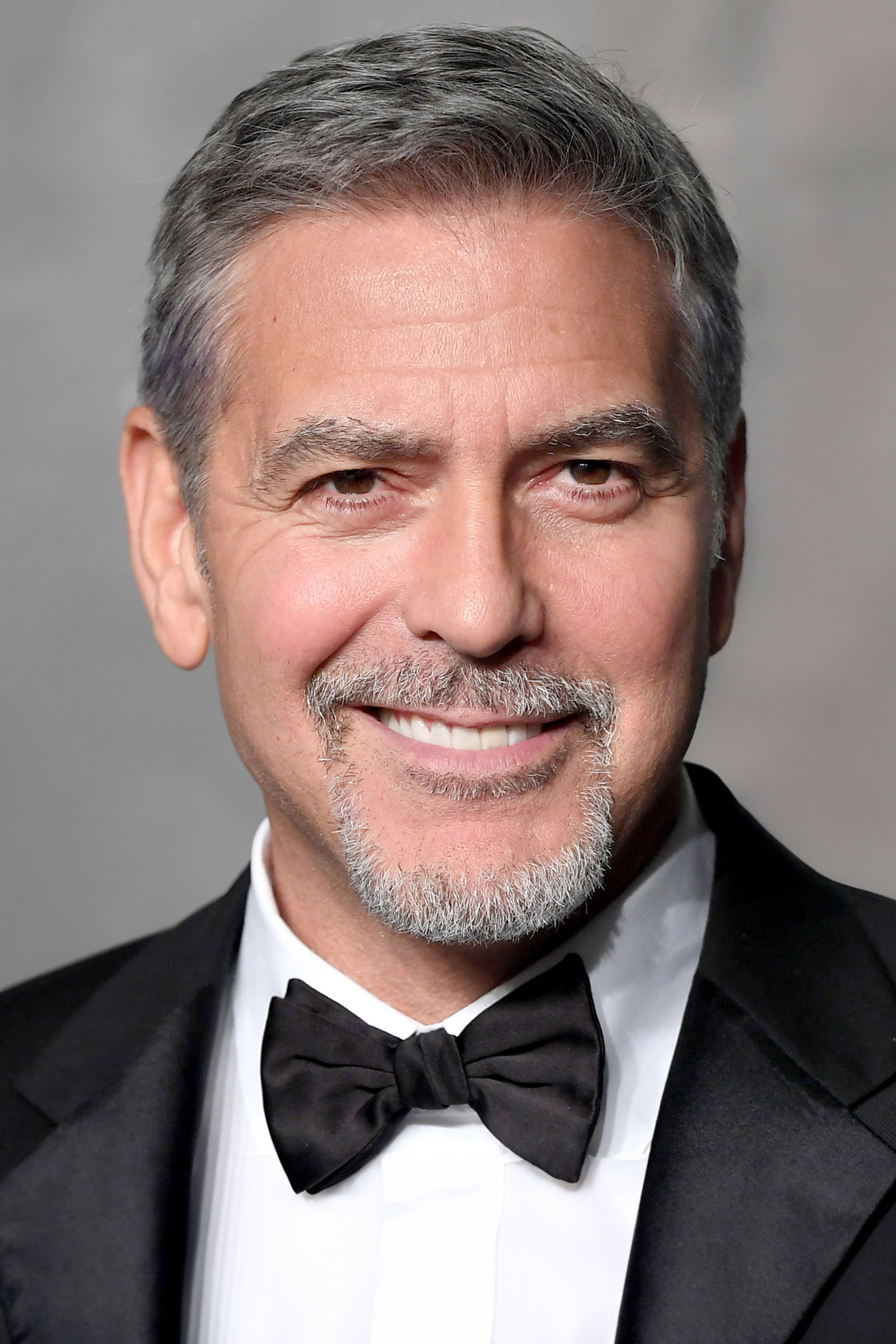
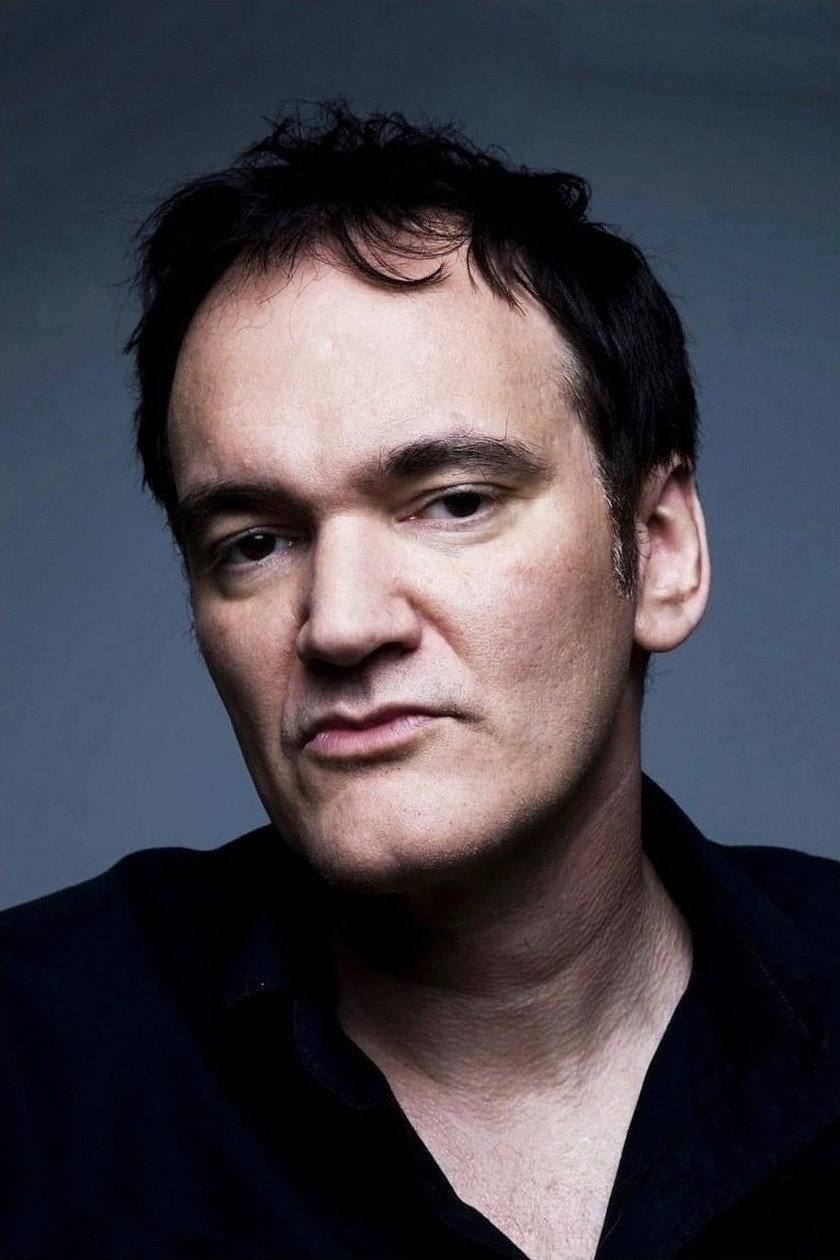
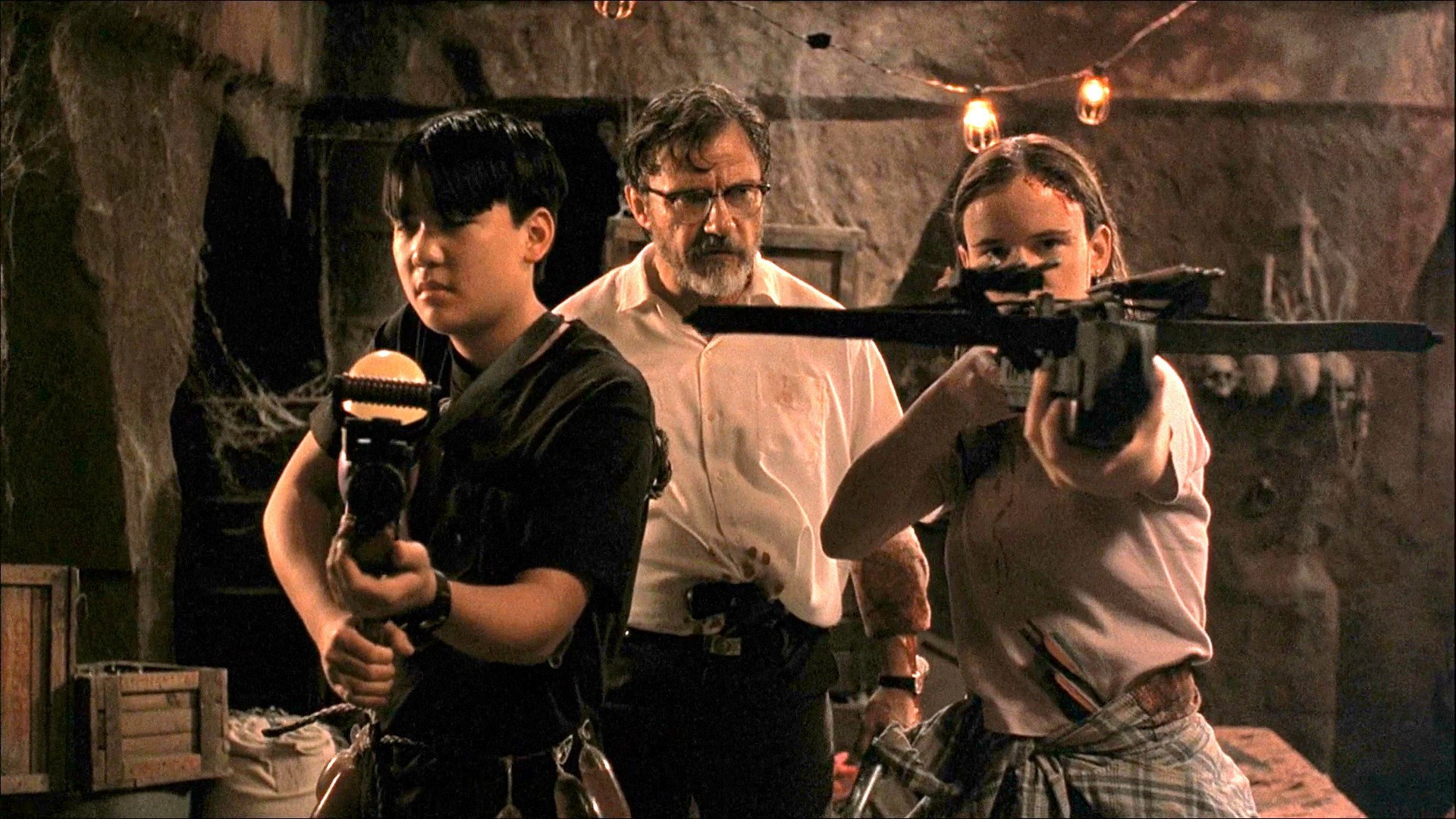
From Dusk Till Dawn is good, grubby entertainment, though its appetite for mayhem eventually gets ahead of its ability to hold our interest. Robert Rodriguez directs Quentin Tarantino’s screenplay as if giving this material respectable manners would be a serious waste of everyone’s time. That confidence carries a great deal of it, especially while the film stays close to its criminals and their hostages. George Clooney plays Seth Gecko, with Tarantino alongside him as his brother Richard.
The brothers are bank robbers heading for Mexico, and taking hostages is part of their route there. Tarantino gives their exchanges enough bite to make spending time with them disturbingly enjoyable, even while other people are being threatened. We caught ourselves liking their company, and it made us uncomfortable. The early crime scenes sustain that awkward feeling because the dialogue is funny without making the men delivering it seem harmless.
Clooney is the main reason this works. He gives Seth authority without asking us to mistake him for a decent man, and makes the dialogue sound like something a person might actually say under pressure. Tarantino is less assured, but Richard’s unpleasantness gives his performance a useful place to put its awkwardness. Clooney also provides some welcome steadiness in a film where the urge to be outrageous can make almost everything feel overemphasised.
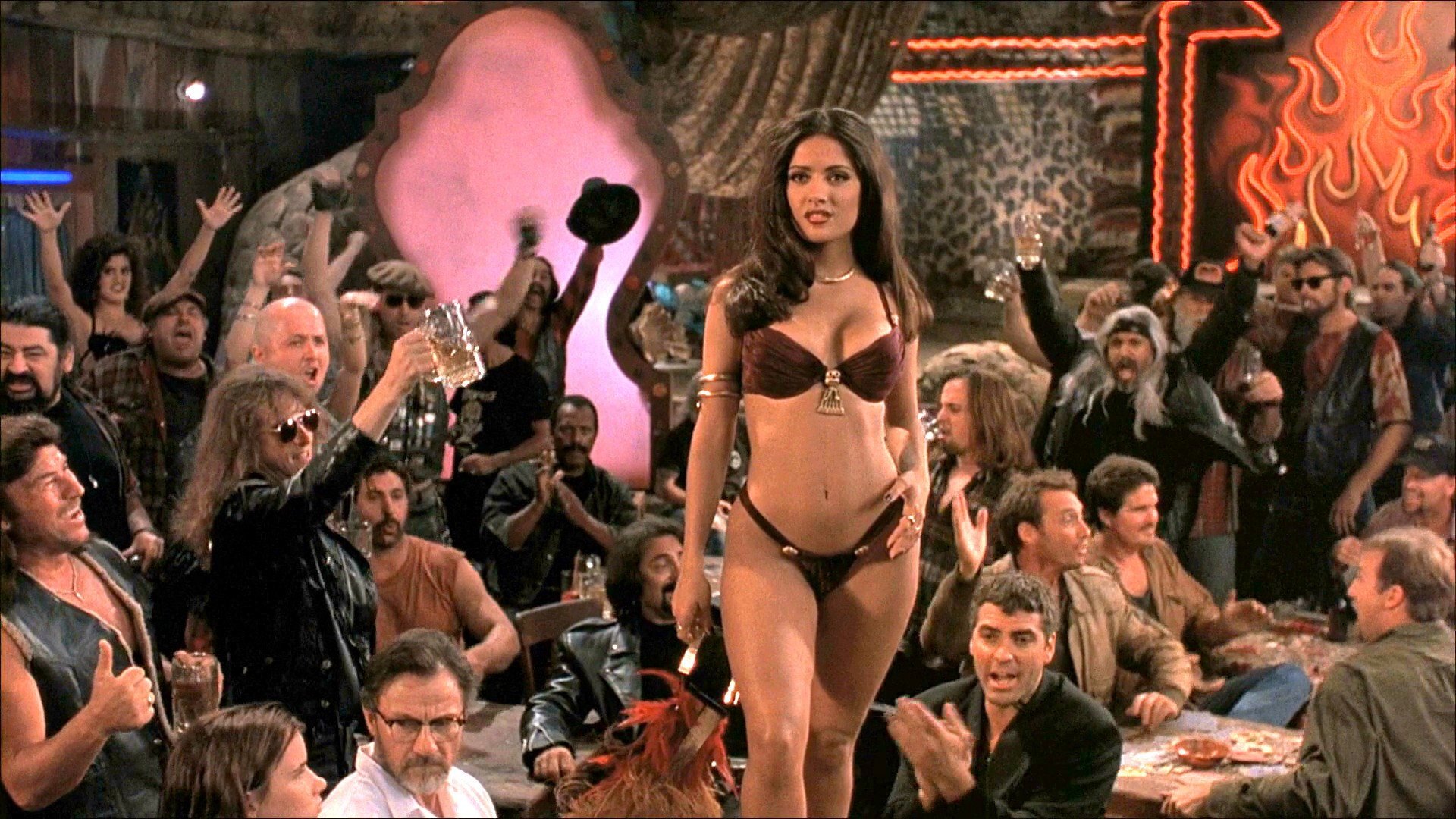
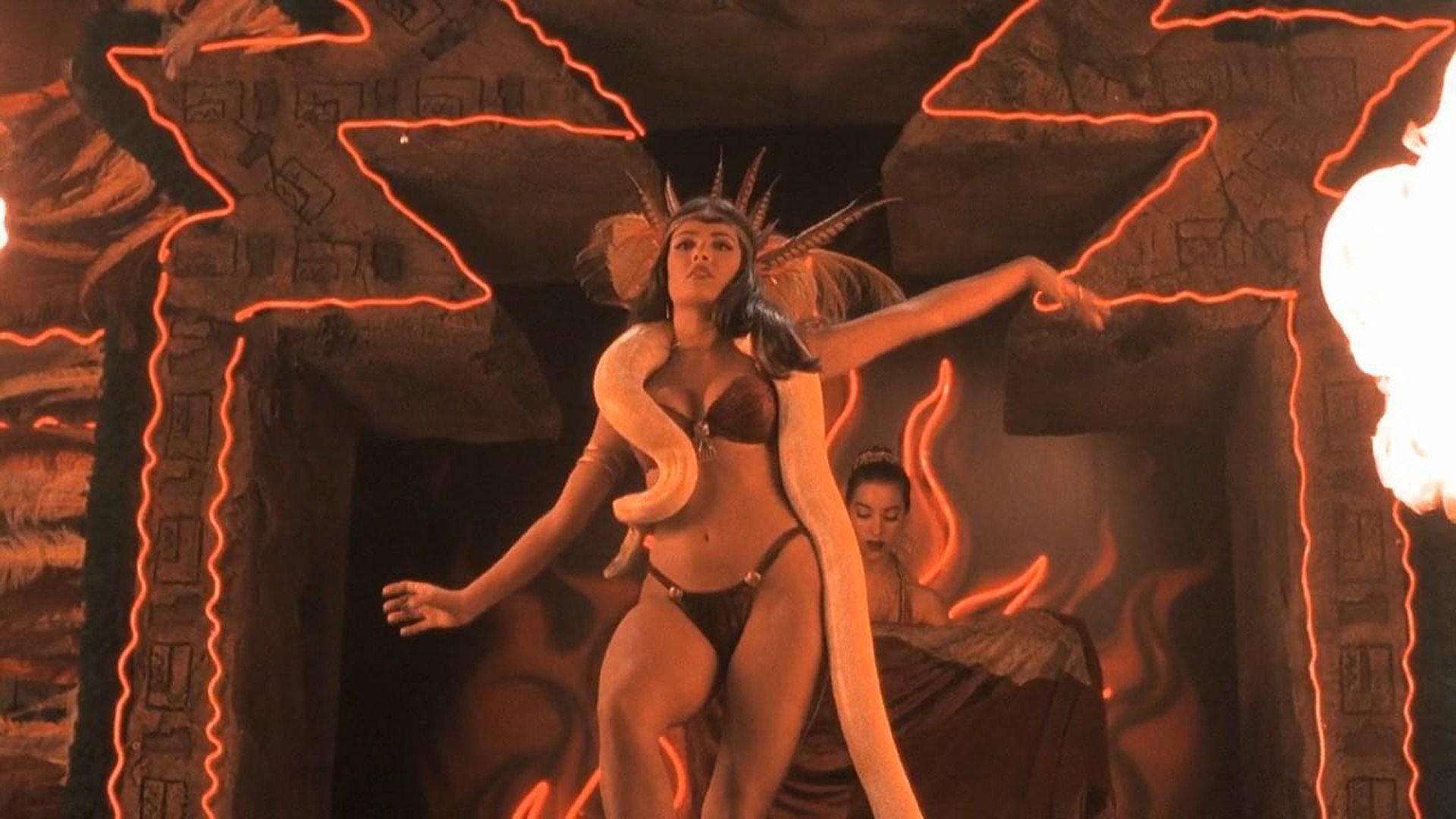
Guillermo Navarro photographs the sleaze with enough polish to make its appeal faintly troubling. Cecilia Montiel’s production design helps make this a convincing place for people with no intention of behaving themselves. Those choices work because the early hostage scenes need an ugly atmosphere as well as clever dialogue. The visual pleasure never quite lets us forget what sort of men we are following, which gives the crime material more weight than its jokes might suggest.
The second half takes a turn we will not describe, and Rodriguez handles the change with more assurance than the script quite earns. As his own editor, he gives the action a force and speed that suit the material, keeping the violence inventive long after it has ceased to surprise. Individual sequences offer the pleasure of watching someone solve a complicated practical problem at speed. Graeme Revell’s music helps to sell the mayhem as entertainment, although it adds less personality than the actors do.
The difficulty is that the film grows less interesting as it grows more frantic. Tarantino’s script gives up too much of the early crime drama’s tension, and the later excess cannot entirely replace the pleasure of listening to these people. Some of the gross-out humour feels aimed at an audience still delighted to discover that adults can be offended. Rodriguez’s skill keeps the action watchable, but there are stretches when another burst of violence offers little reason to pay closer attention.
For an exploitation film, giving the audience something to wince at is part of the job, and Rodriguez takes that obligation seriously. The mixture of crime, action and horror is handled with a confidence that makes its unevenness forgivable if these are already genres we enjoy. At 108 minutes, though, it has time to exhaust some of its own jokes. Watch it for Clooney if the genre appeals; he will not make it suitable for the squeamish.