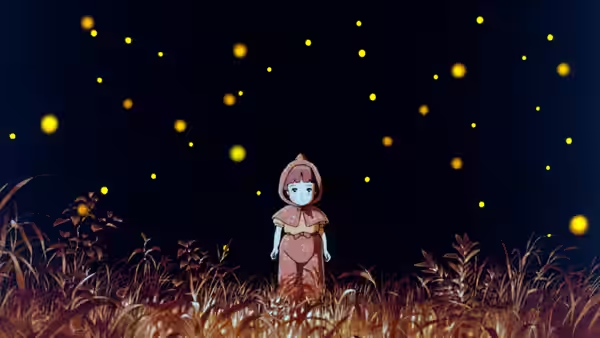
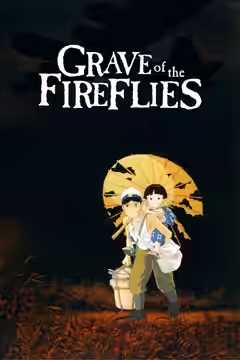
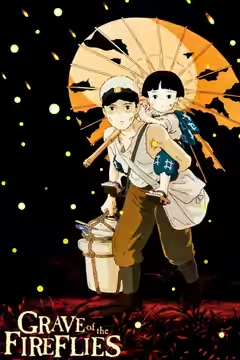
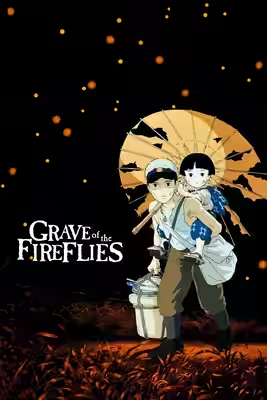
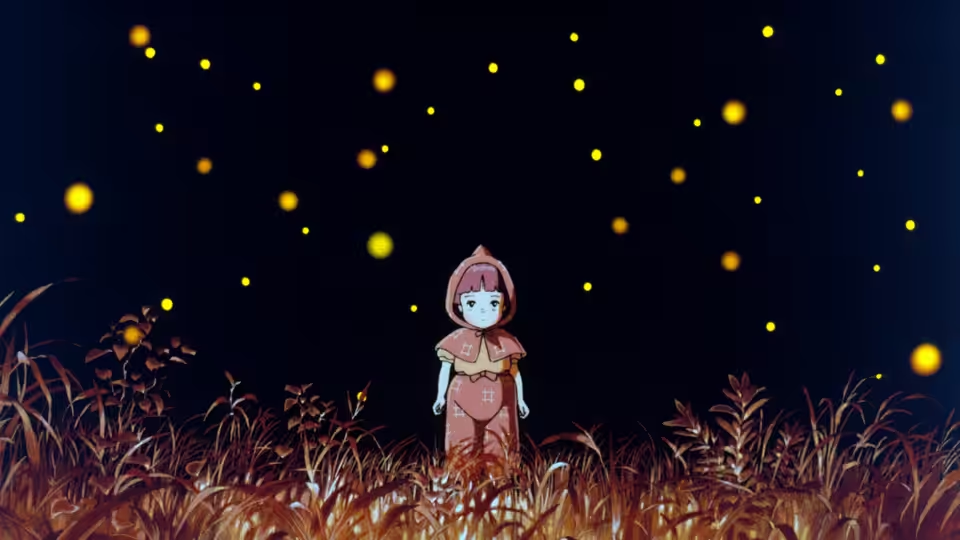
Setsuko (Ayano Shiraishi) standing among tall grass under glowing fireflies
Film review

Grave of the Fireflies

1988 · Directed by Isao Takahata · 1h 29m

In a sentenceWe have rarely been so grateful to see children distracted by a few insects

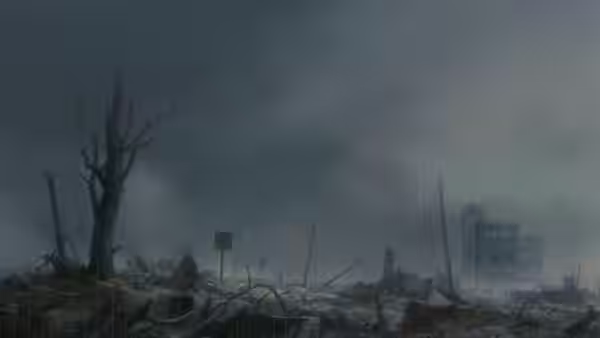
In Japan during the final months of the Second World War, Seita (voiced by Tsutomu Tatsumi) and his sister Setsuko (Ayano Shiraishi) struggle to survive amid the destruction of war. The firebombing of Kobe leaves the children facing needs they cannot meet by themselves. Food and care become harder to secure as the adults around them contend with scarcity. Their days revolve around getting by, staying together and finding moments of play. Written and directed by Isao Takahata, this animated drama follows the siblings through a civilian experience of wartime Japan.

Plays from YouTube when you press play; nothing loads from them until then.

Fi1m review

Isao Takahata’s animated war drama is harrowing because its children remain recognisably children. We recommend it strongly, with fair warning that their small moments of happiness make the suffering harder to bear.

Isao Takahata’s Grave of the Fireflies is an exceptional war film, and we recommend it strongly. Seita and Setsuko are children trying to survive in Japan during the final months of the Second World War. Takahata, who also writes the screenplay, keeps the practical business of that survival close: how to get through the day when resources are scarce and adults have their own needs. The children’s relationship gives us a reason to keep watching when the suffering becomes difficult to bear.

Tsutomu Tatsumi voices Seita, and Ayano Shiraishi voices Setsuko. Their performances help make the children convincing company, with room for pleasure and distraction even as their circumstances worsen. The drawing gives their ordinary responses the same care as their distress. That matters: children who existed only to be pitied would soon become unbearable for the wrong reason. Takahata allows them interests beyond the disaster, so we come to care about how they spend an ordinary hour.

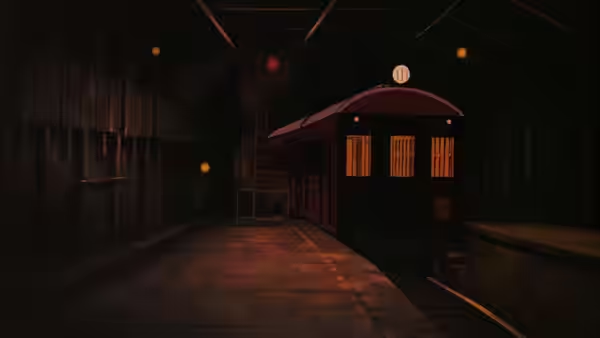
Nobuo Koyama’s cinematography finds its most affecting subject in the nocturnal fireflies. Their light is small against the darkness, and the children’s pleasure in them needs no explanation. We were moved more than we expected by that brief delight. After so much attention to hardship, seeing them absorbed in something with no practical use felt like a relief. The animation is precise enough to make the insects worth watching, without turning the surroundings into a comforting escape.

Takeshi Seyama’s editing gives the daily routines enough time to matter, which is essential to a story about having to keep going. The accumulation can be exhausting, but there is little sense of a scene being prolonged merely to extract another tear. Michio Mamiya’s music occasionally pushes harder than it needs to. The children’s faces have already made the distress clear, and the extra prompting feels unnecessary. It is a small reservation, though we would have preferred more confidence in those drawings.

Takahata is also exact about the failures of the people around the children. Scarcity encourages selfishness; pride makes decent behaviour harder, and nobody needs to become a theatrical villain for the consequences to be grave. The screenplay lets us recognise those failings without making excuses for them. The film is most disturbing when it shows how people cease to look after one another through small, recognisable decisions. The pressure of war gives those decisions consequences that cannot be shrugged off.

A war film can make a plan, a mission or a capable officer reassuring even when the danger is clear. Takahata gives us children with immediate needs and few ways of meeting them. The drawn figures carry a physical vulnerability that never feels softened by the medium. The moments of natural beauty belong here too: children can still be interested in their surroundings when adults would expect only fear.

We would leave the rest of the evening clear after its 89 minutes. The animation is no reason to mistake this for an easy family choice, and a 12A certificate cannot tell us how a particular child will respond. Choose it for an evening when nobody needs cheering up.

Critical consensus AI synthesised

84
Positive
8
Mixed
0
Negative
0

The reviews are consistently positive, with praise centred on the film’s intimate account of two children struggling through wartime hardship. Critics repeatedly single out the believable siblings, the care of the hand-drawn animation and the contrast between everyday childhood pleasures and surrounding suffering. The consensus treats animation as essential to the drama’s emotional realism, allowing moments of natural beauty to sit beside horror without softening it.

Differences are chiefly matters of emphasis rather than substantial dissent: the film’s bleakness is widely acknowledged, but rarely treated as a failing. Radio Times stresses how pride and selfishness overtake decent people, while finding some relief in the melancholy beauty of the fireflies sequence. The Evening Standard is more measured in its praise, emphasising the agonising contrast between cute animation and realistic suffering, though it too admires the depiction of people failing under extreme hardship.

Time Out
21 May 2013 · ★★★★★ · Tom Huddleston
100

The review opens with a janitor discarding a boy's ashes that spark into the spirits of Seita and Setsuko amid the firebombing of Kobe. It presents the film as a devastating account of the siblings' anguish during the final months of the Second World War.

Read the full review →
Empire
1 January 2010 · Dan Jolin
80*

The film is a sobering adult tale of impoverished children struggling to survive in wartime Japan, not a cute family story. It is a devastating but beautifully constructed animated drama.

Read the full review →
Radio Times
★★★★ · David Parkinson
80

The film is hailed as one of Japanimation's undisputed masterpieces and a study of pride and selfishness overtaking decent people in crisis. The hopelessness of the children's plight makes for harrowing viewing, offset by the indelible melancholic beauty of the nocturnal fireflies sequence.

Read the full review →
Total Film
14 May 2013 · Jamie Russell
80*

This is a powerful anti-war drama and the dark adult flipside to Totoro, made all the more harrowing by the care invested in its beautifully drawn child characters. It chills like few other animated films.

Read the full review →
Evening Standard
7 July 2015 · Charlotte O'Sullivan
70*

The film is agonizing to watch because of its bleak, realistic story of wartime suffering told through cute animation. The director excels at showing how the human spirit can fail under extreme hardship.

Read the full review →
RogerEbert.com
19 March 2000 · Roger Ebert

The critic calls the film a powerful dramatic work that forces a rethinking of animation, praising its neorealist storytelling of two children surviving wartime hardship and its poetic visuals that heighten emotional realism over literal representation.

Read the full review →

Straight answers AI written, from our review

Is Grave of the Fireflies worth watching?
Grave of the Fireflies is worth watching, and we scored it 94, one of the highest marks we give. Isao Takahata's animated war drama follows two children trying to survive in Japan in the last months of the Second World War, and it is harrowing because they stay recognisably children throughout. Choose it for an evening when nobody needs cheering up.

How long is Grave of the Fireflies, and what is it rated?
Grave of the Fireflies runs 1h 29m. It is an animation and drama film.
Where can I watch Grave of the Fireflies in Slovenia?
Grave of the Fireflies is streaming on Netflix in Slovenia. Availability is checked daily; the links above go straight to each service.
How violent or frightening is Grave of the Fireflies, and is it suitable for children?
Grave of the Fireflies carries a 12A certificate in the UK, and the animation is no reason to treat it as an easy family choice. The film shows the firebombing of Kobe and its aftermath, and the suffering of two small children is drawn plainly and dwelt on at length. We would not pick it for young children, and a 12A cannot tell you how a particular child will respond.
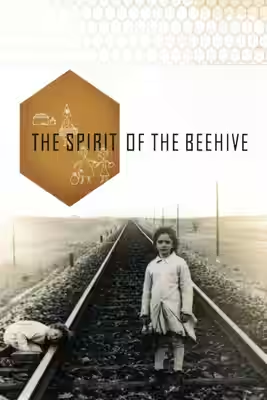
How does Grave of the Fireflies compare to The Spirit of the Beehive?
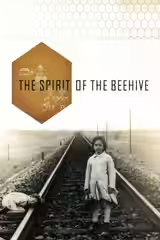
Grave of the Fireflies is the more harrowing of the two films and the one we recommend more strongly, while The Spirit of the Beehive is the quieter and more distant. Both follow a child confronting adult cruelty, but Víctor Erice works through images that occasionally hold us at arm's length, where Takahata keeps the children's daily survival close and immediate. Choose Erice for patient, unsettling beauty; choose Takahata if you are prepared to be moved.
What should I watch after Grave of the Fireflies?
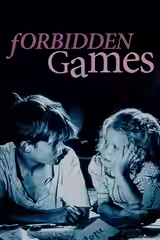
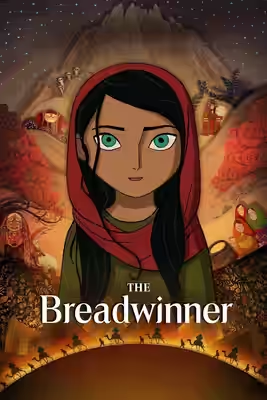
After Grave of the Fireflies, try Forbidden Games (1952, Fi1m 86): Children invent private rituals while war leaves the adults little to offer. Then The Spirit of the Beehive (1973, Fi1m 87): Another child tries to understand adult cruelty through images she cannot forget; and The Breadwinner (2017, Fi1m 84): Animation attends closely to a child’s resourcefulness under rules designed by adults.

Cast

If you liked this, try…

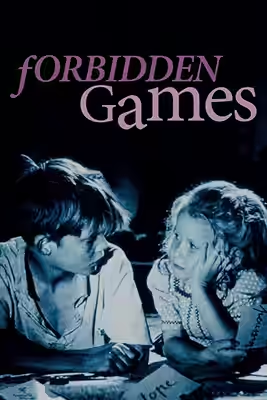
  1. Forbidden Games (1952, Fi1m 86)Children invent private rituals while war leaves the adults little to offer.

  2. The Spirit of the Beehive (1973, Fi1m 87)Another child tries to understand adult cruelty through images she cannot forget.

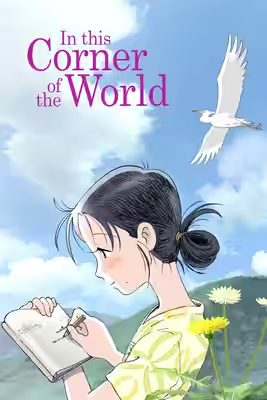
  3. In This Corner of the World (2016) · not reviewed yetWartime scarcity measured through household routines, with more room for stubborn humour.

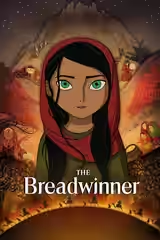
  4. The Breadwinner (2017, Fi1m 84)Animation attends closely to a child’s resourcefulness under rules designed by adults.

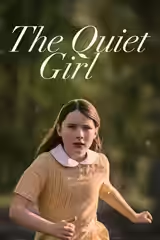
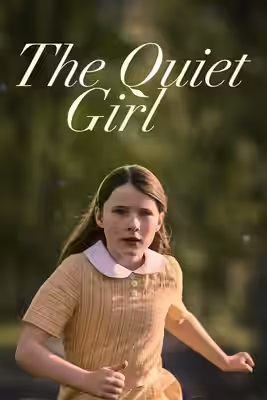
  5. The Quiet Girl (2022, Fi1m 84)A quieter study of childhood, where small acts of care carry enormous weight.

Free account

Know what to watch tonight

Two lists that know where things are streaming, collections you can share, your own score beside ours, and Discover that remembers what you have seen.

  • Want to see, sorted by what is streaming now
  • Seen, with your score out of ten
  • No adverts, ever