Film review

Hell or High Water

2016 · Directed by David Mackenzie · 1h 42m · MPA R

In a sentenceEven the bank robbers in West Texas think the banks have taken things too far

WesternCrimeDrama

In contemporary West Texas, Toby Howard (Chris Pine) and his brother Tanner Howard (Ben Foster) rob banks with a score to settle. Texas Ranger Marcus Hamilton (Jeff Bridges) takes up the pursuit with fellow ranger Alberto Parker (Gil Birmingham). The brothers need to keep their plan moving while the rangers try to understand it well enough to stop them. Around the bank jobs, towns marked by poverty carry on with their business, and civilians offer opinions of their own. Each pair has to manage its differences while trying to stay ahead of the men on the other side.

Plays from YouTube when you press play; nothing loads from them until then.

Fi1m review

David Mackenzie’s Hell or High Water is a tense, funny crime film with unusually good company. Its four central performances make the familiar pursuit matter, though Taylor Sheridan’s script occasionally explains the hardship that the faces and places have already made clear.

Hell or High Water is a fine crime film that takes an interest in what people do between crimes. David Mackenzie gives the bank robberies their urgency, then allows conversations to last long enough for irritation, affection and worry to emerge. The contemporary West Texas setting matters because getting by is already difficult here, even before anyone starts breaking the law. The pursuit is familiar, but the people involved are good enough company to make us happy to follow it.

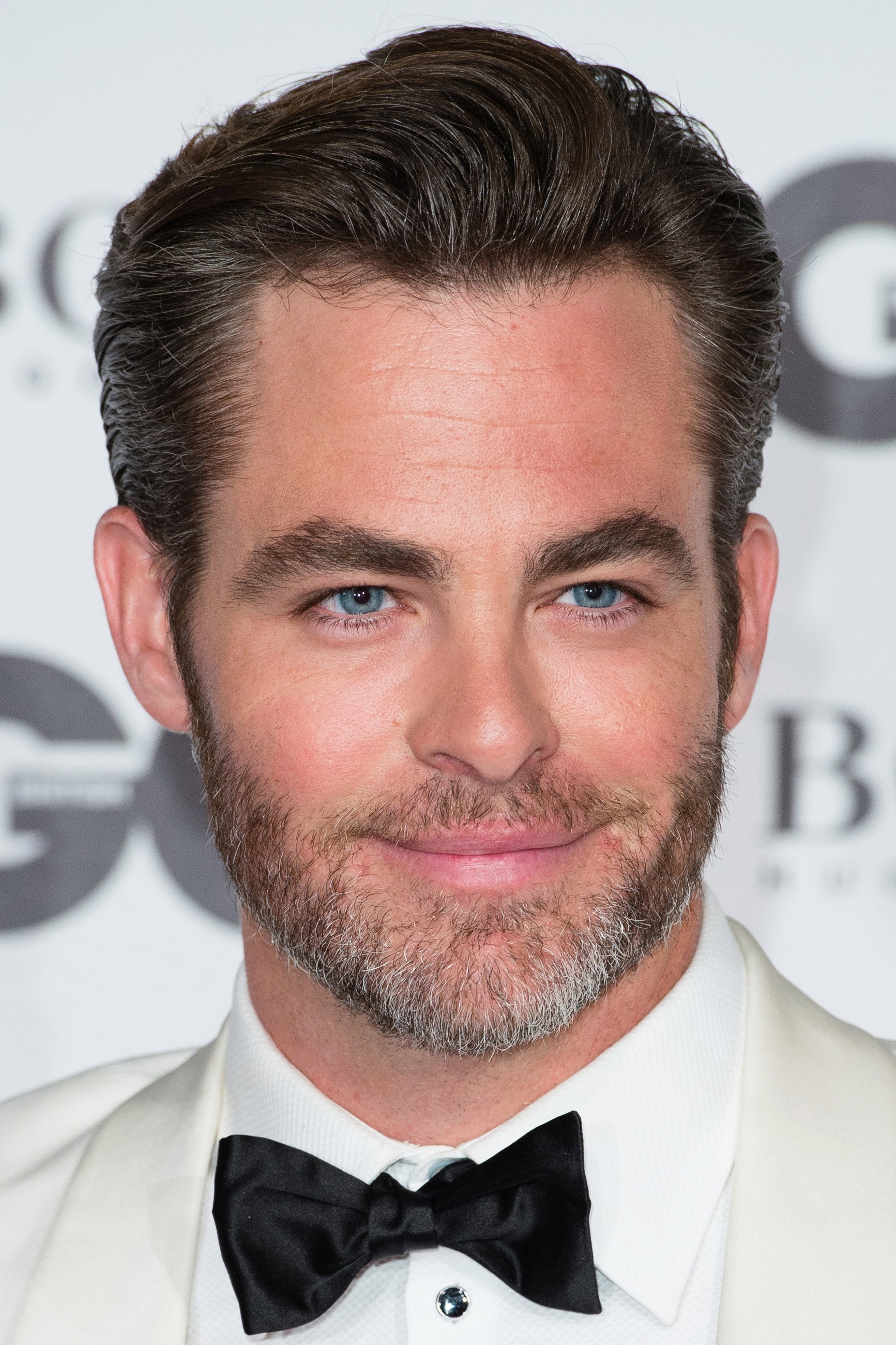
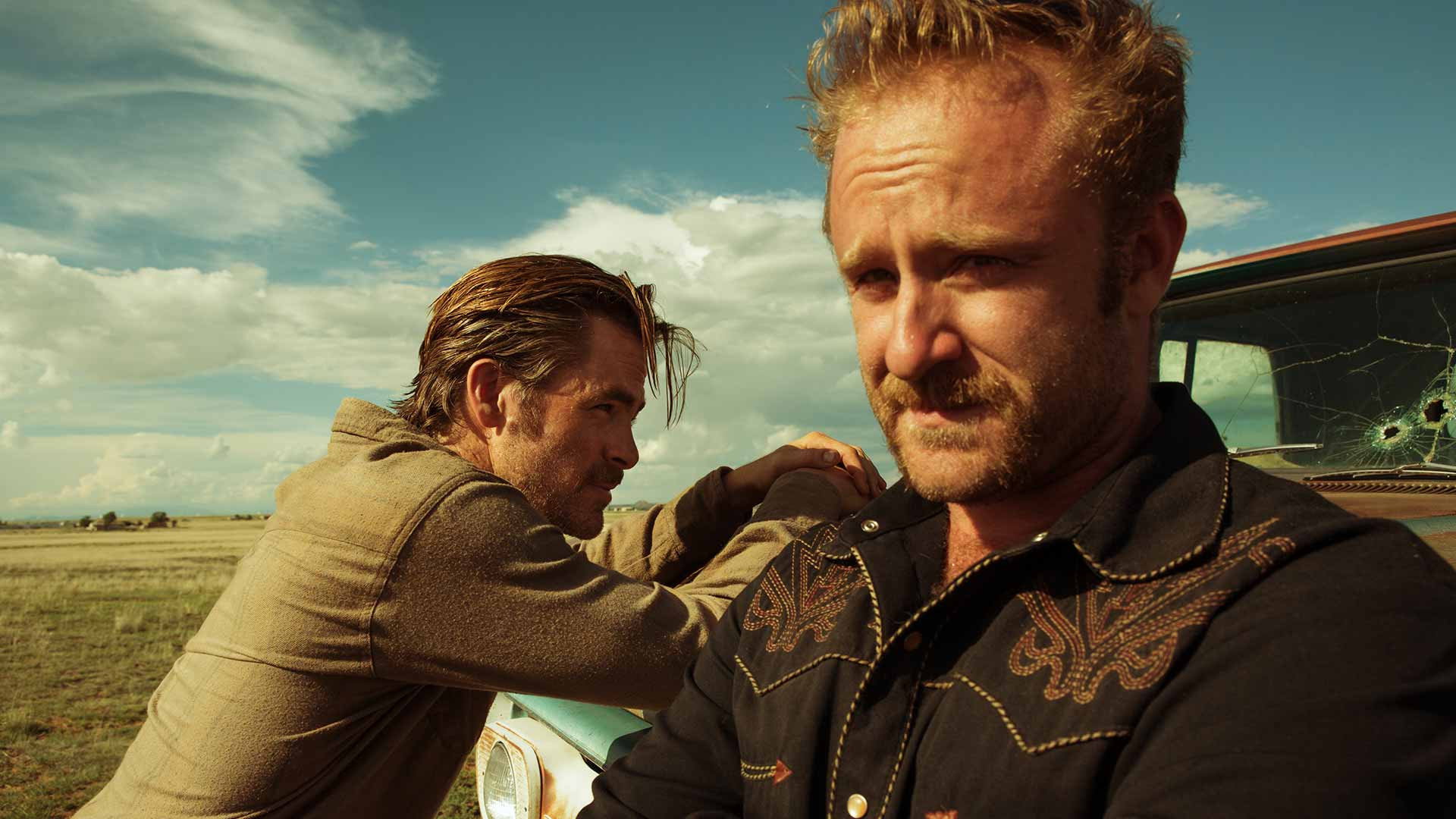
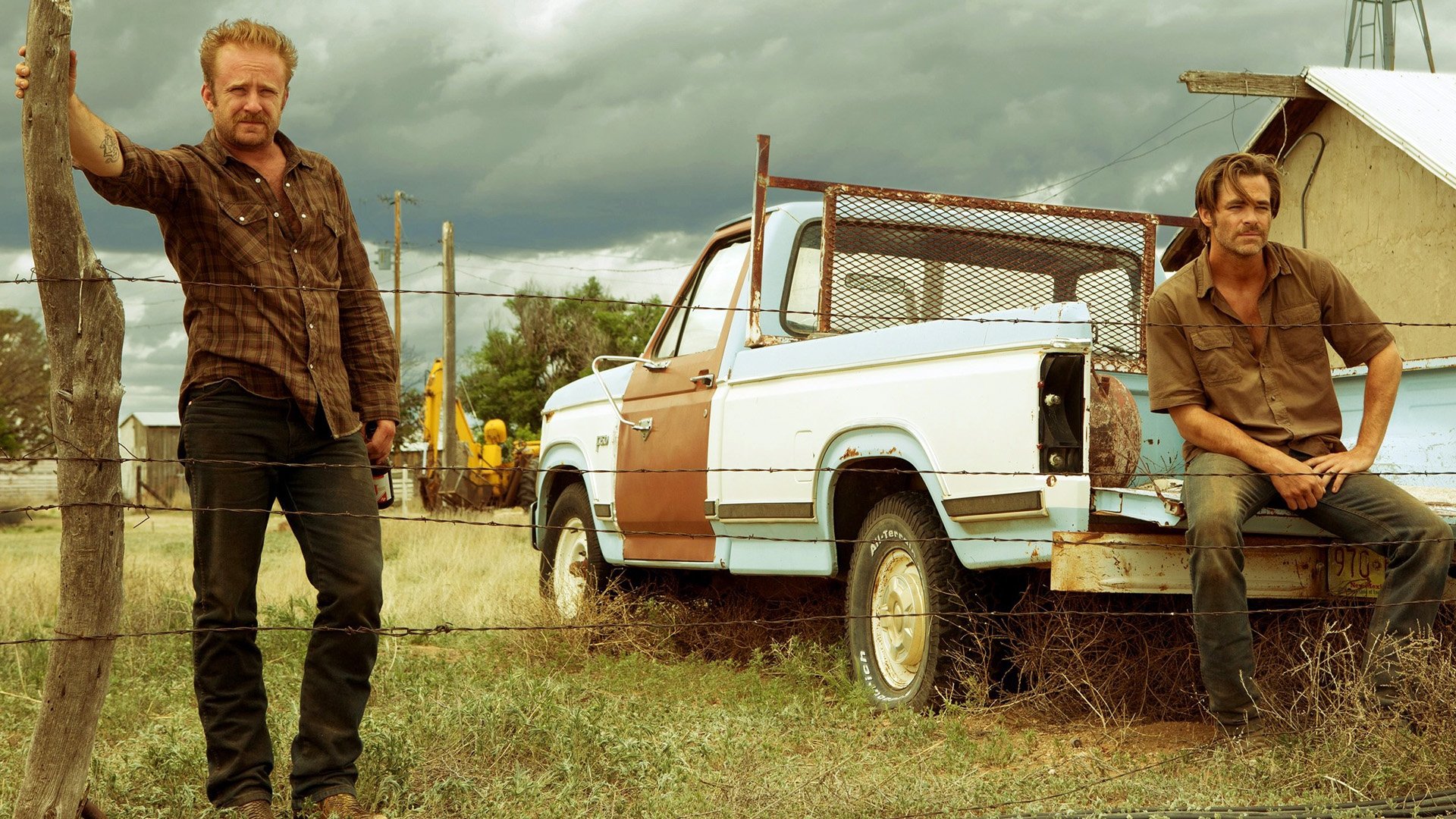
Toby Howard and Tanner Howard are brothers, and the film trusts that this brings obligations without making either man especially easy company. Chris Pine makes Toby Howard’s stake in the robberies feel personal before the plan is fully explained. Ben Foster supplies the friction, making their shared purpose feel liable to come apart in conversation. The affection survives disagreements that neither actor hurries to smooth over. We believe these men have been dealing with each other for years.

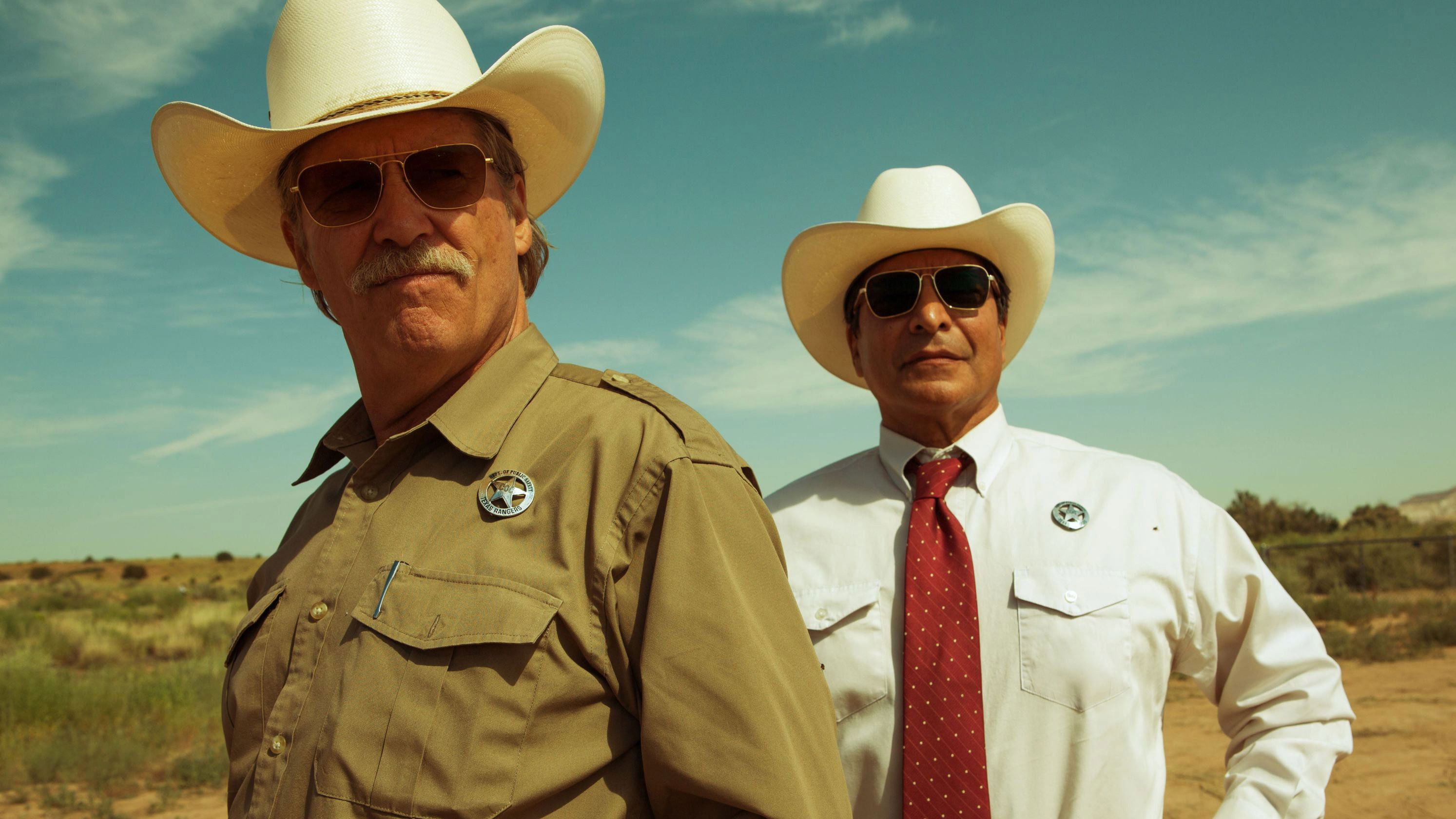
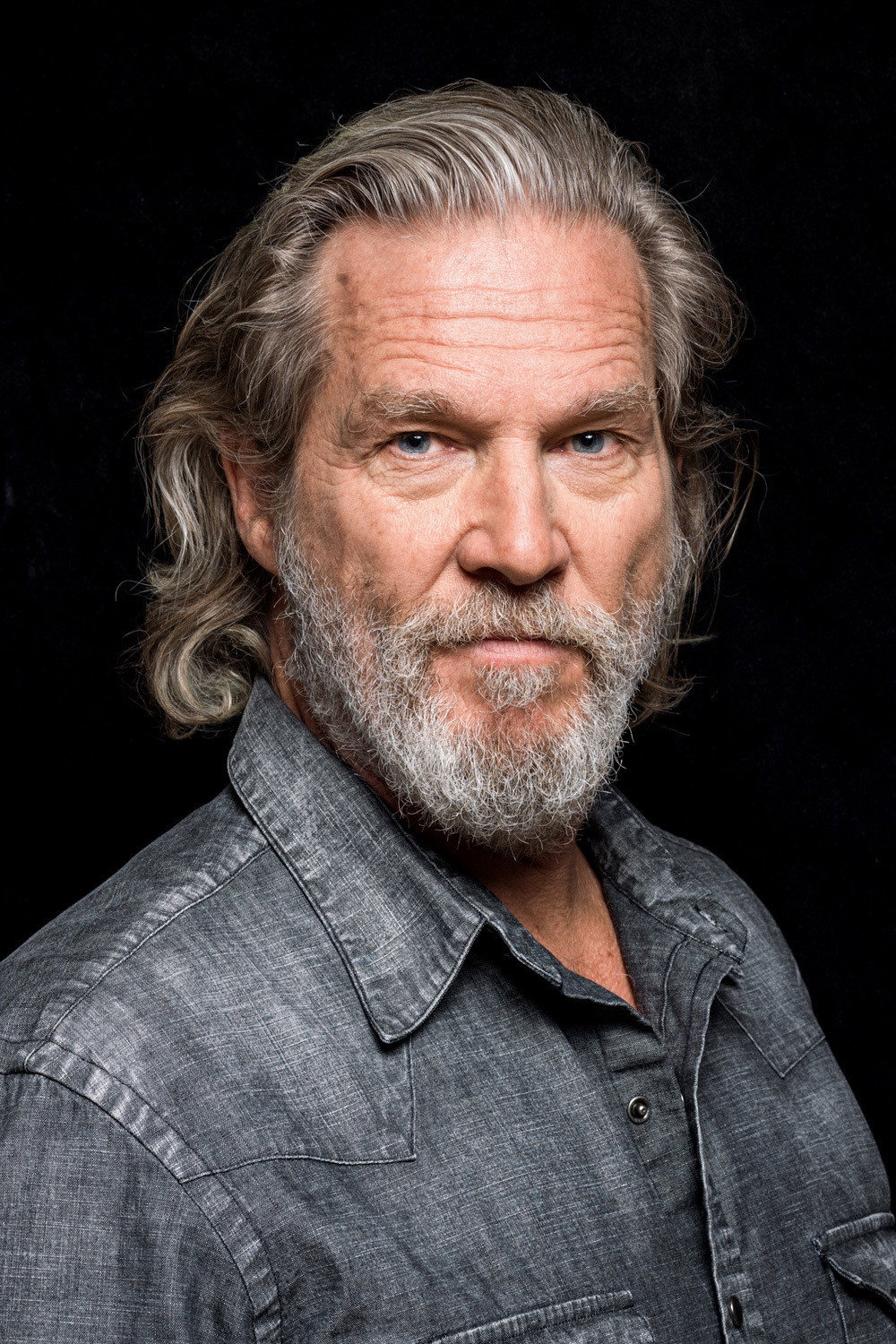
The pursuing rangers get as much attention, with Jeff Bridges playing Marcus Hamilton and Gil Birmingham playing Alberto Parker. We laughed at the insults, then felt a little sorry for the man delivering them. Jeff Bridges allows enough weariness into the performance to suggest someone who needs company but has forgotten how to ask for it. Gil Birmingham makes Alberto Parker’s patience feel finite, which keeps their exchanges from becoming a solo comedy routine.

Giles Nuttgens gives the bare West Texas landscape room to look uninviting, and the open country makes the people crossing it seem exposed. Tom Duffield’s production design gives the towns a worn, underfunded appearance that fits the resentment in the dialogue. The film notices that people still have business to conduct here, however little money there seems to be in it. Those surroundings help explain the anger at the banks without making the robberies seem harmless.

Jake Roberts keeps the pursuit moving while allowing room for the talk that makes it worth following. At 102 minutes, the film feels comfortably paced, with little sense of padding or a rush towards the next incident. Nick Cave and Warren Ellis supply music that strengthens the loneliness of the setting and makes the quieter stretches uneasy. The score helps the film stay tense even when nobody is doing much.

Taylor Sheridan occasionally pushes too hard to make sure the social point gets across, and the dialogue starts to sound rehearsed. Poverty and resentment are already visible in the towns and in the way these men treat each other; a further explanation can feel unnecessary. Some of the family history is a little too neatly fitted to the needs of the chase. These are noticeable faults, but the actors usually make the lines sound like something they have just thought to say.

As a modern Western, it finds plenty to do with a familiar pursuit, divided loyalties and men reluctant to admit how much they depend on one another. The danger has weight because David Mackenzie has given us time to enjoy their company, including the parts of it we would find tiresome across a table. There is little romance in its idea of the West, which suits people so short of choices. Choose it for an evening when the talk matters as much as the gunfire.
Critical consensus AI synthesised

78
Positive
19
Mixed
1
Negative
1

Most critics welcome Hell or High Water as a tense, dryly funny crime film whose familiar bank robberies and pursuit gain weight from the poverty of its West Texas setting. Praise centres on Taylor Sheridan’s dialogue, David Mackenzie’s assured pacing and a cast that makes the family loyalties and professional partnerships convincing. Jeff Bridges draws the most consistent attention for his weary, expressive Ranger, while Chris Pine earns praise for giving the brothers’ story emotional weight.

The disagreement concerns how much the film adds to its familiar material. Most reviews find its economic pressures persuasive and its characters nuanced; a small minority find the social commentary thin or the plotting too arranged. Time Out enjoys the old-fashioned pleasures but hears little new. The New Yorker is the sharp dissenter, finding the writing contrived and lifeless, though it shares the broader admiration for Bridges. The spread is wide, but approval predominates.

The AV Club
11 August 2016 · A- · A.A. Dowd
90

The film makes one fall in love again with dialogue through its plainspoken wit and flavorful conversation. It delivers a skillful, offbeat neo-Western heist with relaxed yet urgent execution and strong character work.

Read the full review →
Vulture
11 August 2016
90*

It is a rare humanist Western where finality is the true villain, offering broad scale and deep feeling in a haunting neo-Western with a terrible clarity and one of the greatest final scenes of any Western.

Read the full review →
Empire
5 September 2016 · Jimi Famurewa
80*

The critic praises the film as a taut, tense neo-Western that effectively blends old and new elements in its depiction of Texan cops and robbers. Bridges' performance is highlighted as a standout, bringing weary vulnerability to his role.

Read the full review →
Financial Times
29 December 2016 · Raphael Abraham
80*

David Mackenzie’s powerful neo-Western paints a vivid portrait of disenfranchised America. The script is sharply sardonic and the overall mood is sober and elegiac.

Read the full review →
Little White Lies
7 September 2016 · 3/4/4 · Manuela Lazic
80

Jeff Bridges gives his best performance in years in this timely crime caper from David Mackenzie. The critic praises the realistic modern Texas setting marked by poverty, the sarcastic humour from civilians and authorities, and the subversion of heist conventions in favour of a broader critique of capitalism.

Read the full review →
Radio Times
★★★★ · Damon Wise
80

British director David Mackenzie masters modern Americana like a native with this rustic noir that invokes the spirit of the Coen brothers. The critic praises the familiar story being very well told, with snappy dialogue, three top-notch performances and a great dustbowl soundtrack.

Read the full review →

Cast

Stills

Awards

Academy Awards, 2017

Nominated
Best Film Editing
Nominated
Best Picture
Nominated
Best Supporting Actor
Nominated
Best Writing, Original Screenplay

If you liked this, try…

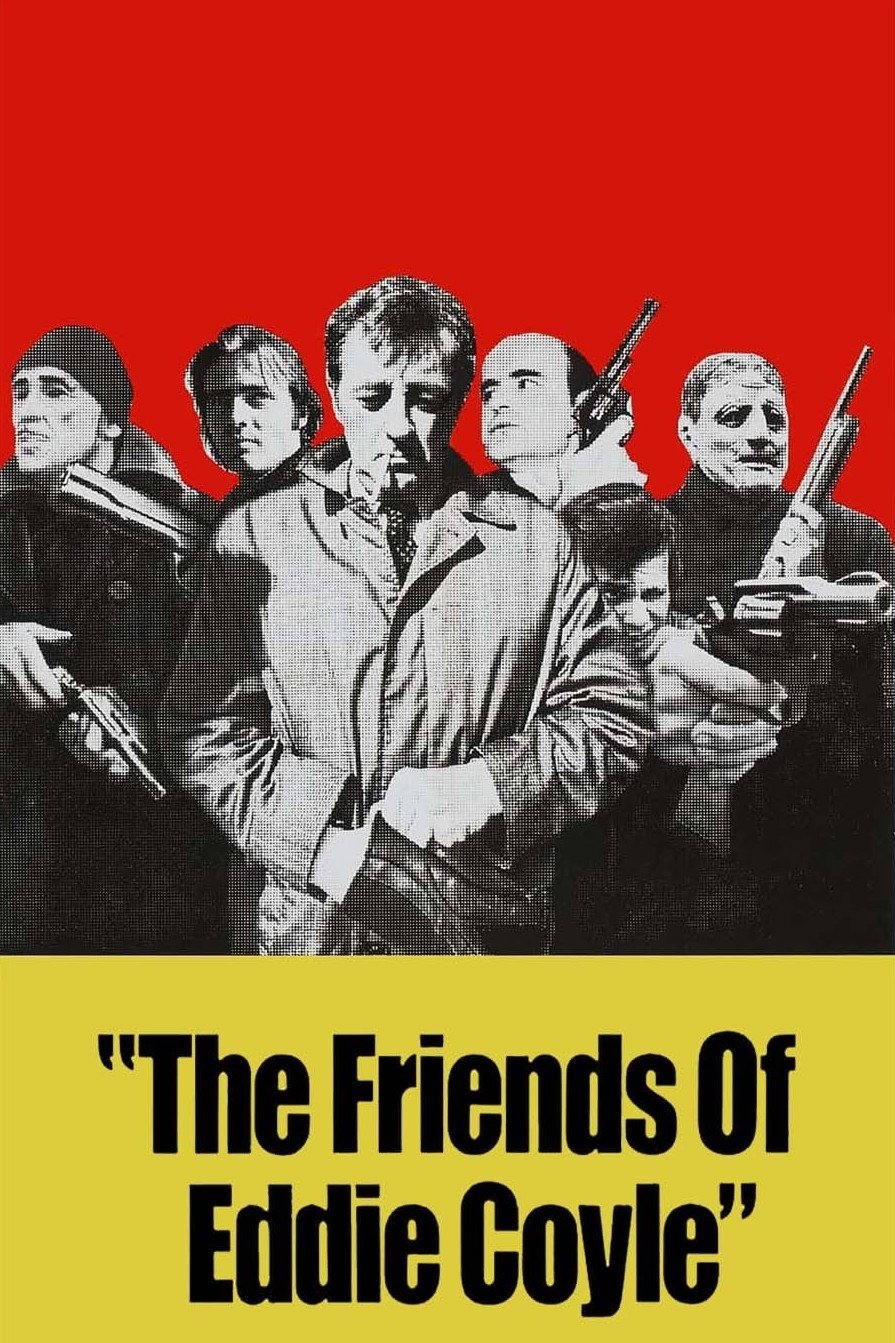
The Friends of Eddie Coyle poster

The Friends of Eddie Coyle

1973 · Another patient crime story about men whose working lives leave them few choices.

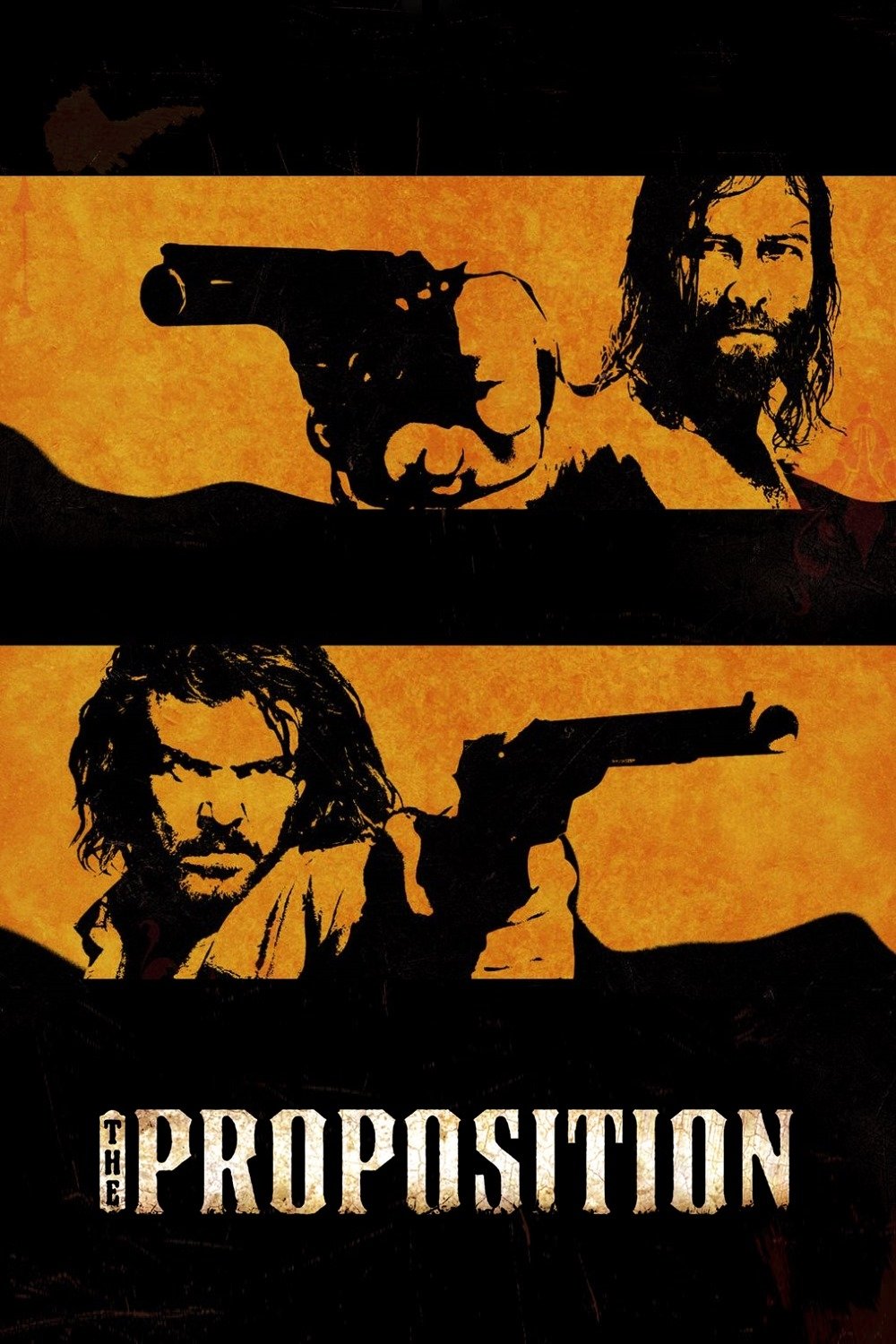
The Proposition poster

The Proposition

2005 · A harsher Western where family loyalty makes an already brutal landscape worse.

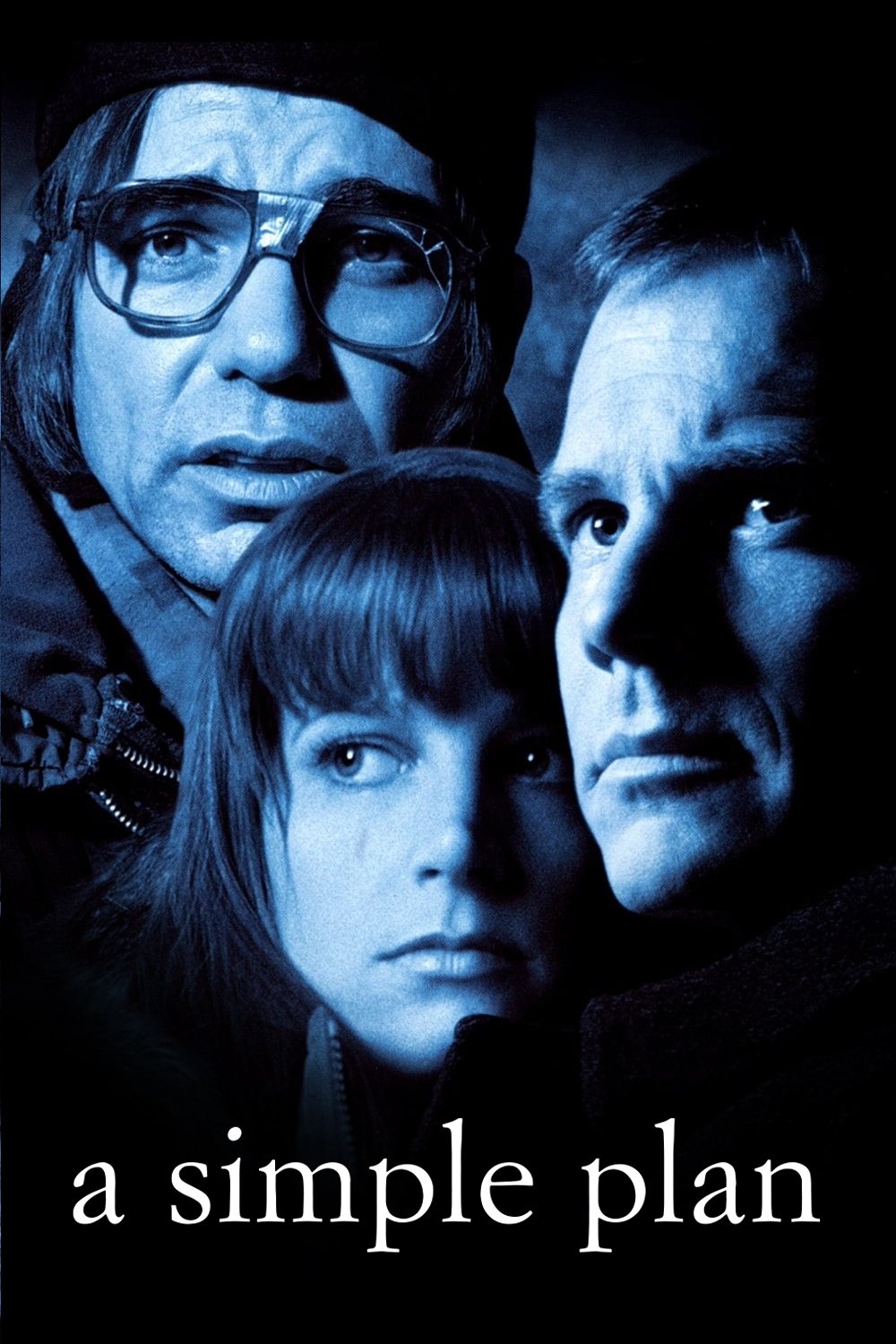
A Simple Plan poster86

A Simple Plan

1998 · Money offers an escape, then makes every family argument harder to settle.

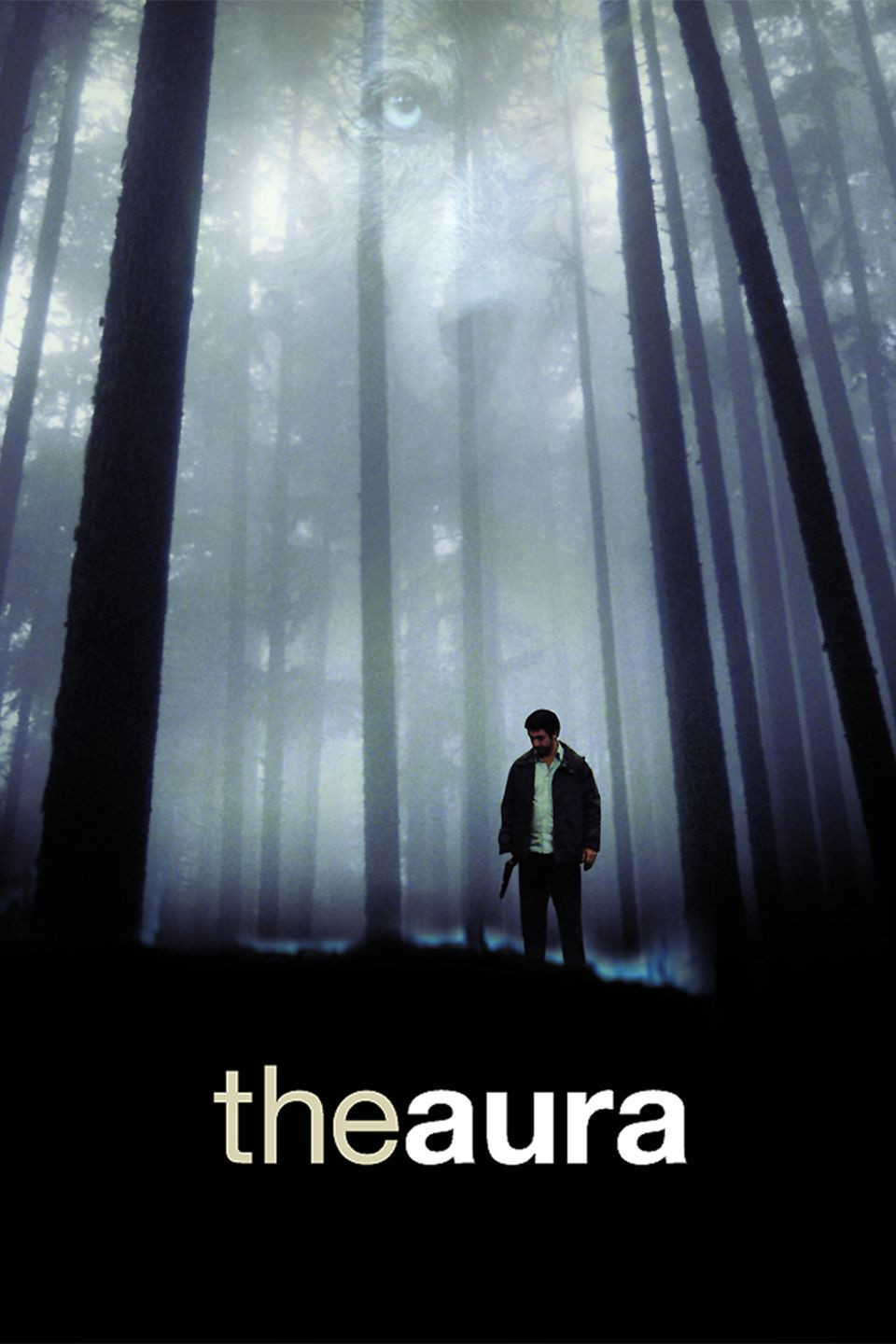
The Aura poster

The Aura

2005 · An Argentinian crime film with patient observation and an increasingly uncomfortable robbery scheme.

Le Cercle Rouge poster

Le Cercle Rouge

1970 · For the careful pursuit, the professional routines and the suspicion that escape is temporary.