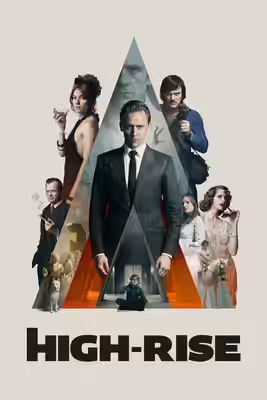
Ben Wheatley’s High-Rise has an unsettling building, an assured Tom Hiddleston and too little dramatic momentum. The production design keeps rewarding attention long after the class satire starts repeating itself.
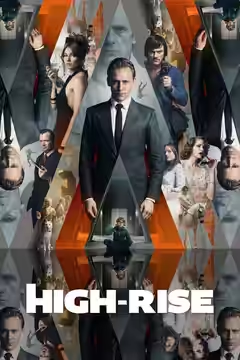
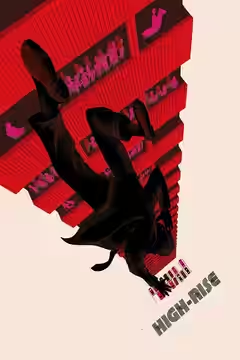
Ben Wheatley makes the building the main attraction in High-Rise, his adaptation of the novel by J.G. Ballard. That is an effective way into a story about class resentment, but it becomes a problem when the residents need to hold our attention. This is a sharply designed, intermittently funny film whose descent into disorder is too abrupt to carry much dramatic force. It establishes an unpleasant society, then spends too long showing us how unpleasant it can become.
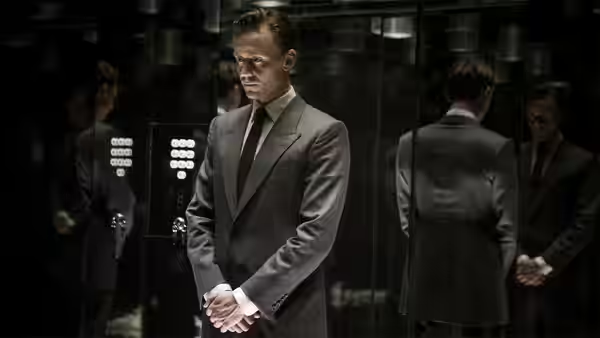
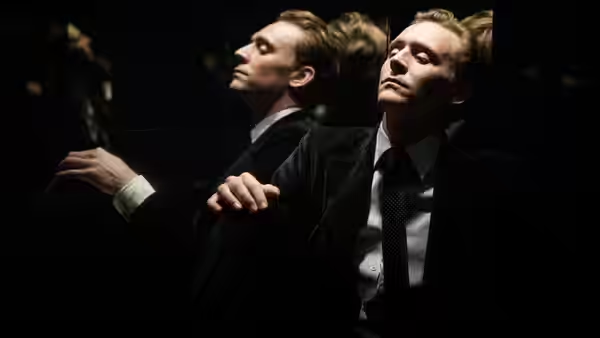
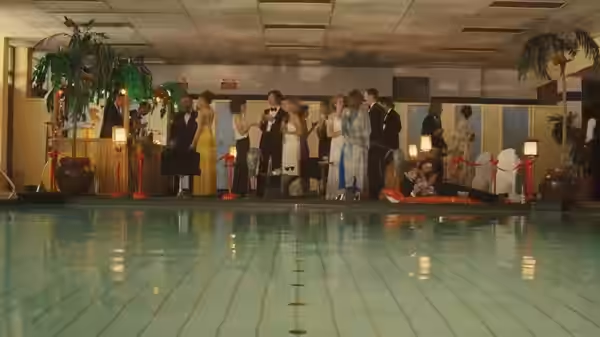
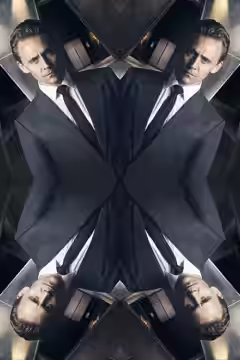
Production designer Mark Tildesley gives that society an immediately legible home, with interiors that make differences in status visible before anyone has to explain them. The mirrored lifts are especially effective, making a communal space feel like somewhere to inspect both yourself and the competition. We felt uneasy there, because the reflections make even standing beside another person seem uncomfortable. The building earns the attention it receives; the difficulty is getting equally interested in the people occupying it.
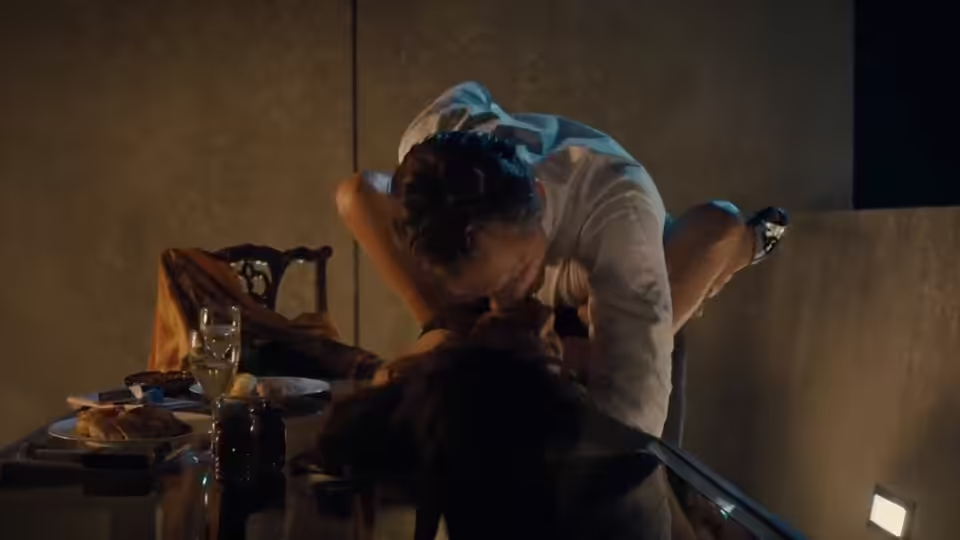
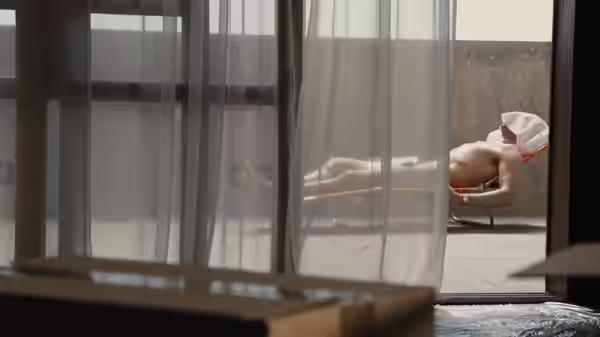
Laurie Rose’s cinematography gives the class divisions distinct colours and keeps the images restless enough to suggest that the apparent order will not last. The individual compositions remain arresting even when the story starts to drift. Clint Mansell’s score sustains a sense of unease, although music cannot supply the missing steps between social friction and collective chaos. These are strong contributions, and the film gives us plenty of time to notice them as its dramatic momentum falters.
Tom Hiddleston is well suited to Dr. Robert Laing, maintaining a composed presence amid the confusion without making the performance seem effortful. His restraint gives us someone to watch when the film becomes difficult to follow. Luke Evans, as Richard Wilder, has a more immediate force, and the scenes around him briefly make the conflict feel urgent again. But there is a limit to what either performance can do when the relationships keep getting overtaken by the next disturbance.
Amy Jump’s screenplay has a dry, nasty sense of humour, particularly when social distinctions become excuses for cruelty. As editors, Amy Jump and Ben Wheatley push the film into disorder before the residents’ behaviour has prepared us for it. The montage passages make the escalation brisk, but they also leave too little time for one change in the community to register before the next arrives. We grew impatient because the film kept increasing the commotion without making the people caught in it more interesting.
Class satire need not provide sympathetic characters, and there is no reason this one should reassure us about human nature. It does, however, need to make the differences between its people matter beyond the decor. Here the visual distinctions are clearer than the competing interests, and we lose track of what the residents want from one another. The black comedy offers occasional relief, but repetition reduces its bite and leaves the cast too little room to surprise us.
At 119 minutes, High-Rise gives its disorder more room than it needs. There is enough craft here for viewers with a particular interest in abrasive satire, but not enough drama for us to recommend it more broadly. The early unease promises a more troubling evening than the film delivers. If sustained tension matters more than the decor, choose something else.