Pete Docter makes a funny, affecting adventure out of a child’s difficulty with change. The explanations sometimes slow it down, but the cast and the contrast between Riley’s inner and outer worlds earn its warmth.
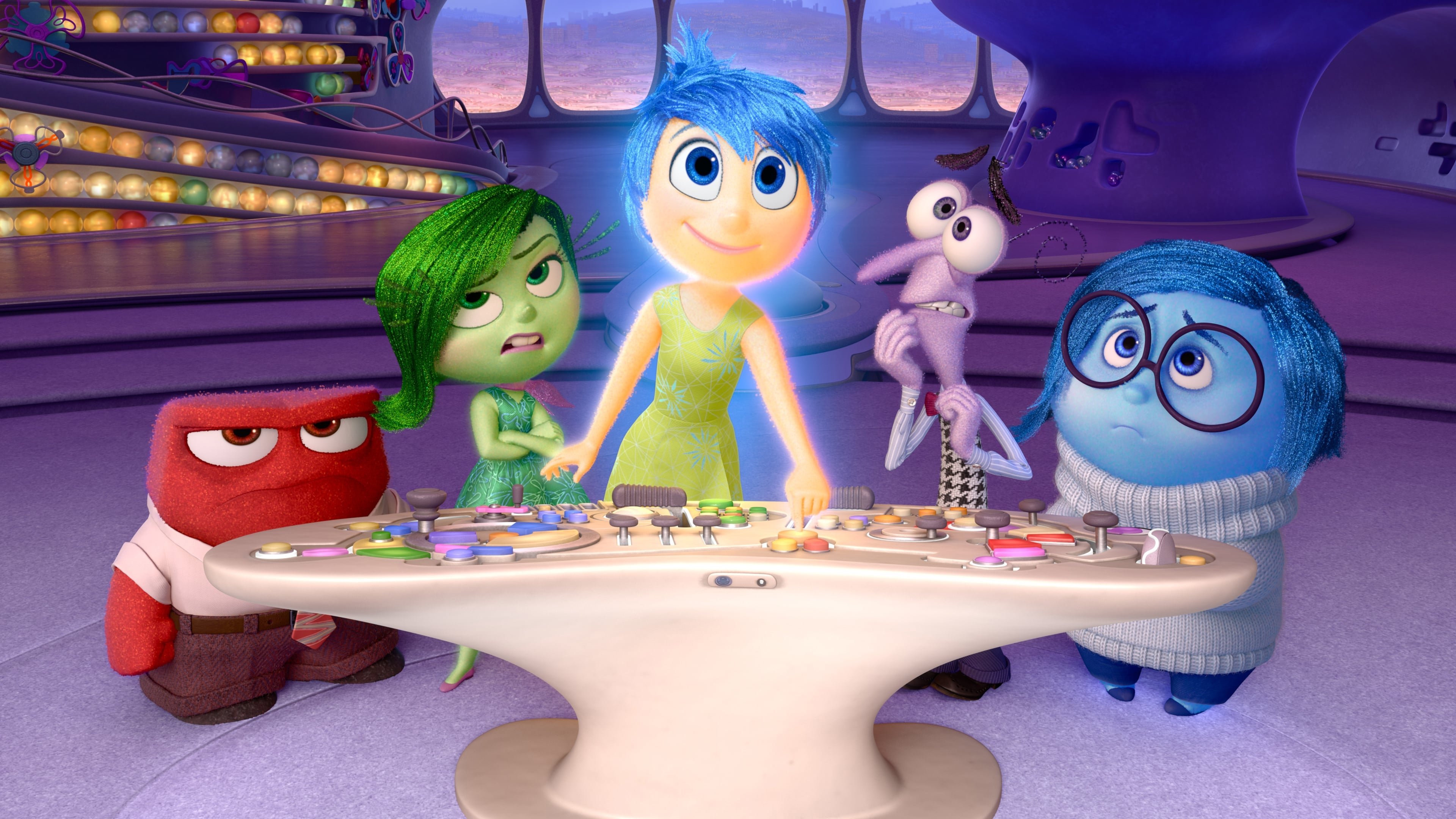
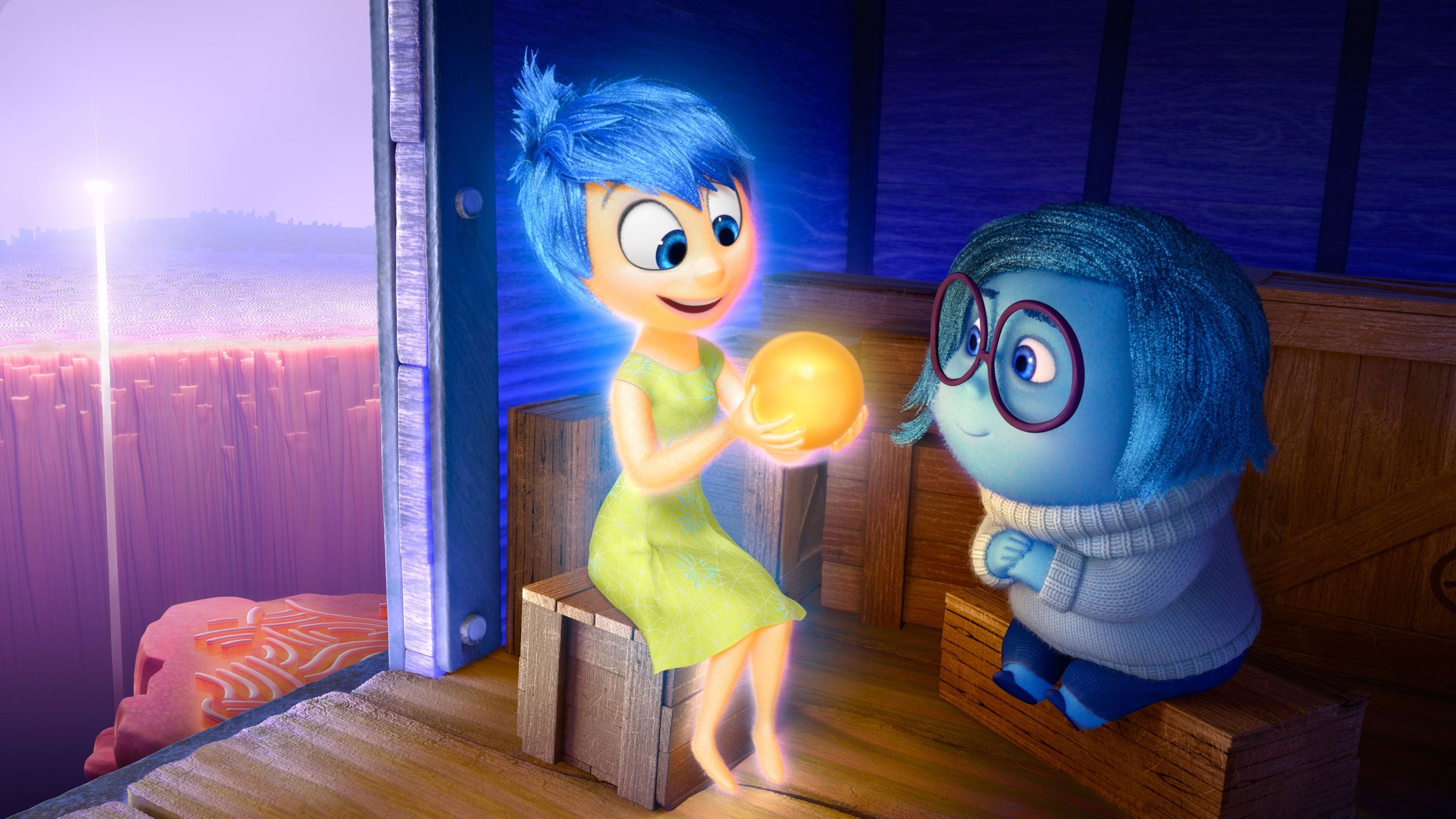
Pete Docter’s Inside Out is a funny, moving family adventure with a minor weakness for explaining itself. Its starting point is an eleven-year-old girl struggling with a family move, a disruption that hardly needs embellishing to matter. Docter gives her five emotions a control room and lets them dispute the management of her daily life. That could make Riley sound like a demonstration model, but the film keeps returning to the child whose distress has set everybody to work.
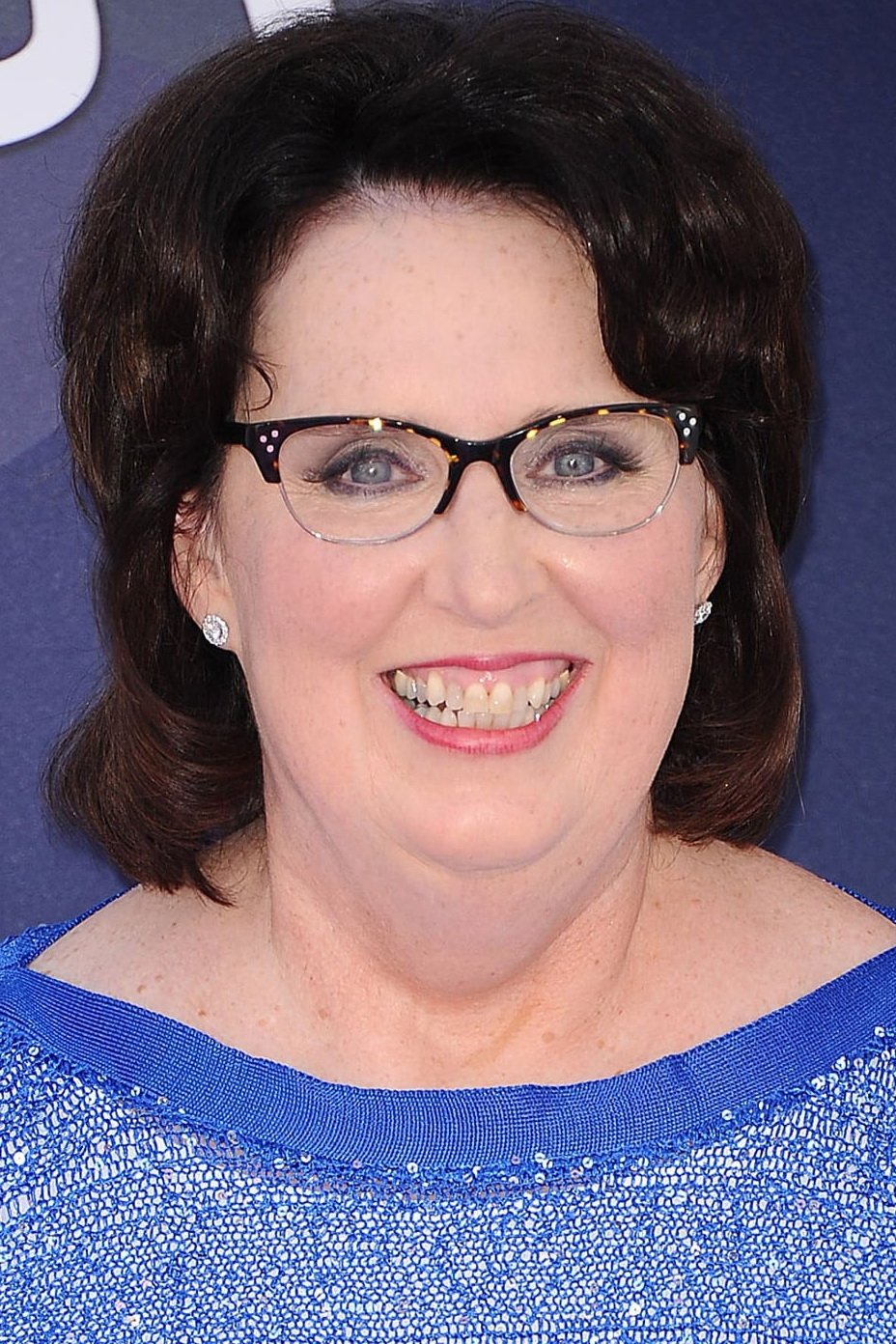
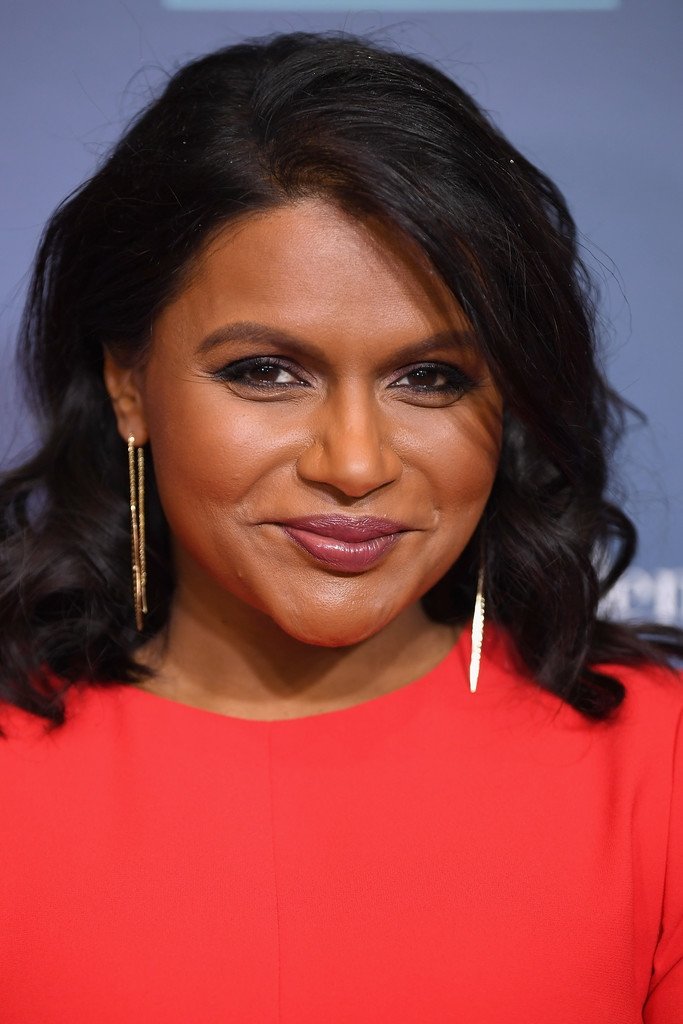
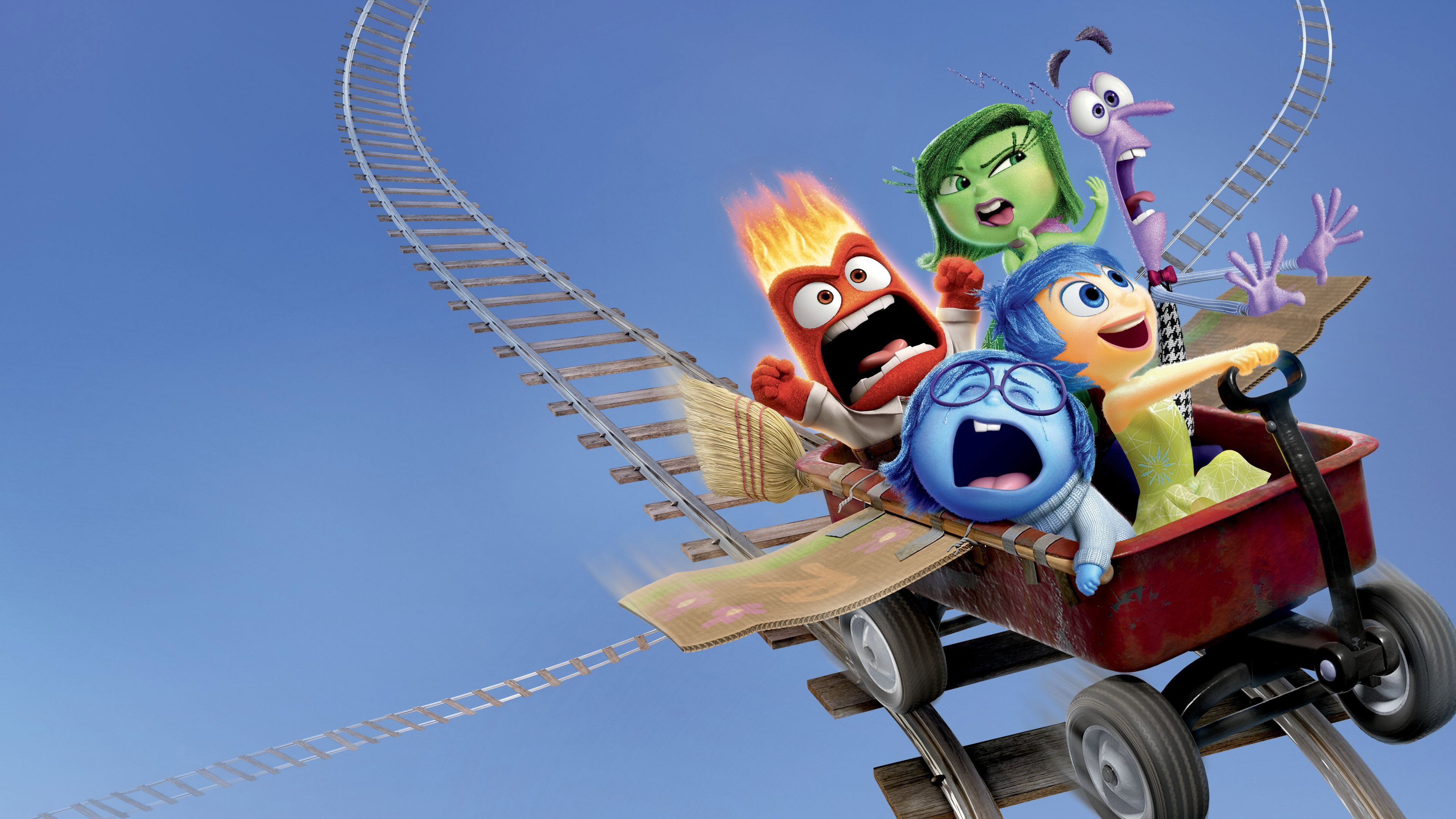
Amy Poehler voices Joy with a brightness that can become exhausting, and that is a useful edge to give the character. Her determination to keep things pleasant makes the quieter Phyllis Smith, as Sadness, particularly welcome. Smith’s hesitant delivery is funny without asking us to regard the feeling she represents as ridiculous. Bill Hader’s Fear, Lewis Black’s Anger and Mindy Kaling’s Disgust give the control room enough competing temperaments to make its discussions feel like family business.
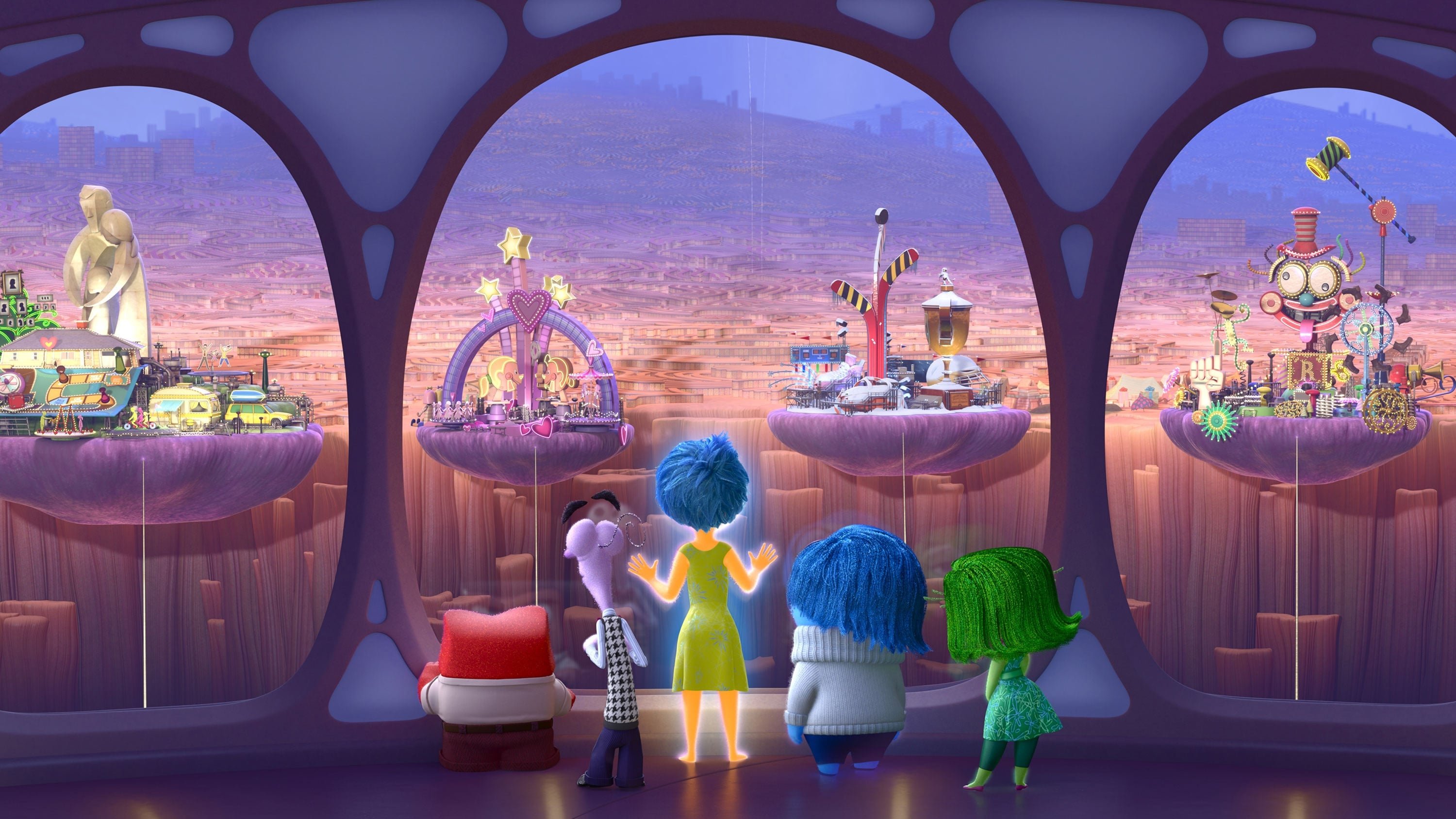
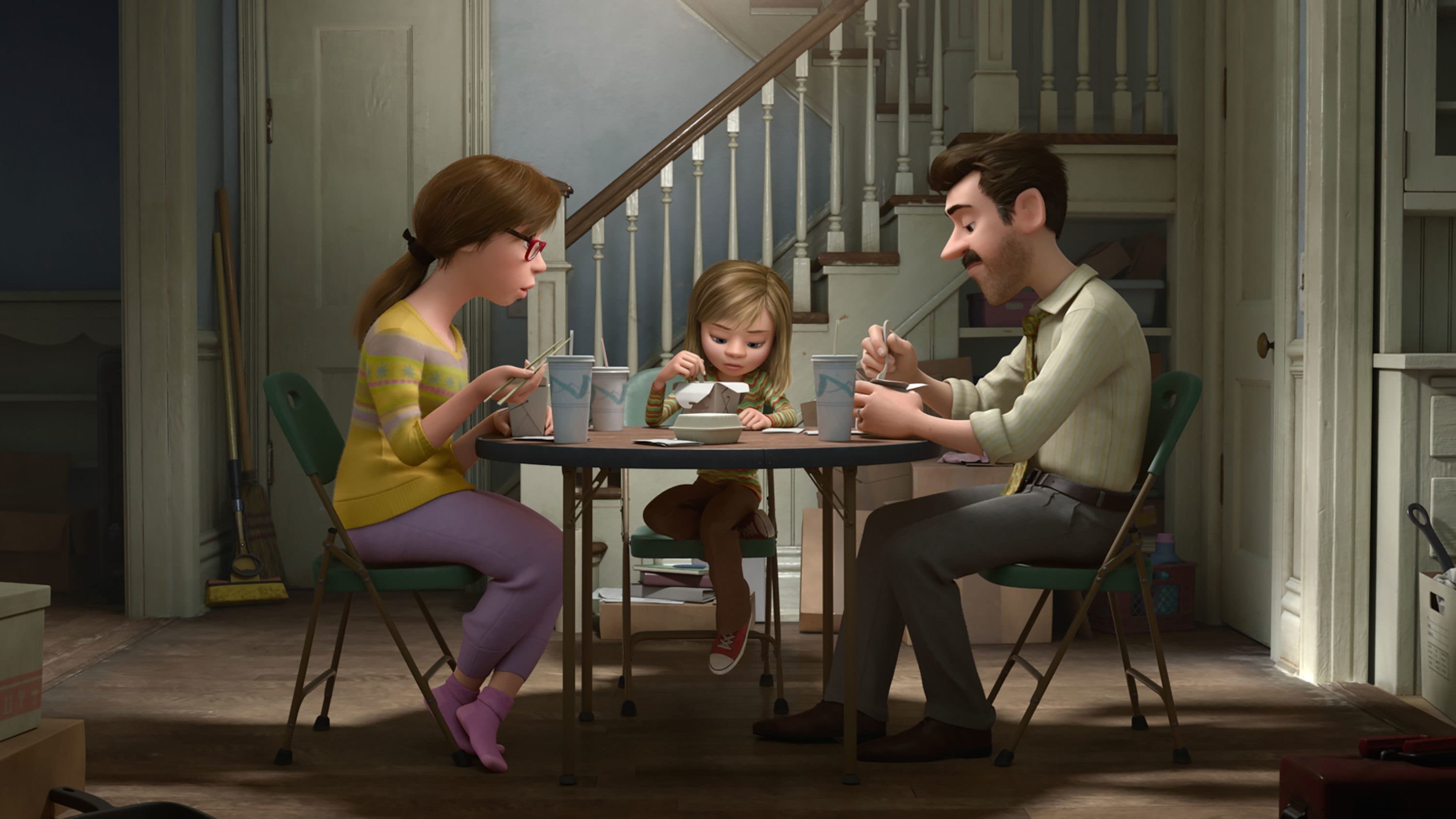
Ralph Eggleston’s production design makes the mind a place full of bright colour, with enough visual distinction between its workings to keep the premise readable. Patrick Lin’s cinematography helps separate that bustle from Riley’s more muted surroundings. We found that contrast unexpectedly upsetting. The inner world is so busy that the comparatively subdued child outside it seems more vulnerable each time we return to her. Kaitlyn Dias’s voice performance keeps Riley recognisable as a child having a difficult time.
The tour through memory and imagination supplies plenty to look at, though the film is sometimes too eager to explain how each part operates. Early on, screenwriters Docter, Meg LeFauve and Josh Cooley seem concerned that nobody should leave without having understood the rules. A little less instruction would let the jokes breathe, and would credit children with following more than the dialogue spells out. The basic sight of these feelings trying to run a person already tells us plenty.
Kevin Nolting’s editing has the awkward job of keeping Riley’s difficulties present while the adventure inside her head gathers speed. For the most part, the movement between the two holds our attention, although the more conventional adventure business can feel like a detour from the child. Michael Giacchino’s music is tender enough to suit her vulnerability without making every passage feel solemn. We appreciated the space it leaves for the comedy.
Docter is particularly good at taking Riley’s unhappiness seriously without making her ordeal seem exceptional. Moving house is enough to upset her, and the film never suggests she ought simply to get over it. That is a welcome choice for a family adventure, and the humour keeps it from becoming a solemn lesson in being considerate. At 95 minutes, the film has room for difficult feelings without exhausting the people watching it.
We recommend it warmly, with patience for the early explanations. There is no need to understand every detail of the control room to recognise Riley’s difficulty. Leave a little time afterwards for anyone who wants to talk.