Spike Jonze’s fantasy understands the anger and loneliness of childhood, with its young lead giving it a difficult, believable centre. The creatures talk too much, but their hurt feelings make this a moving choice for older children and adults.
Spike Jonze takes a child’s bad moods seriously in Where the Wild Things Are, and that is the reason to see it. This is a moving, carefully made fantasy, carried by a child actor who never begs us to find him charming. Working with co-writer Dave Eggers, Jonze gives the boy imaginary companions whose hurts and resentments are recognisably human. Several of the creatures’ conversations could have been shorter.
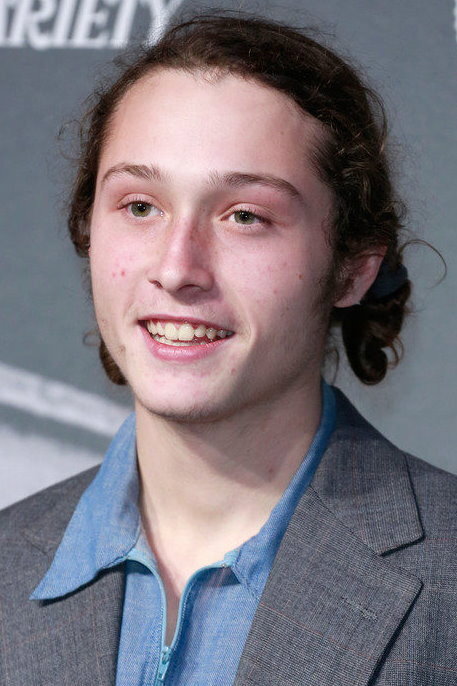
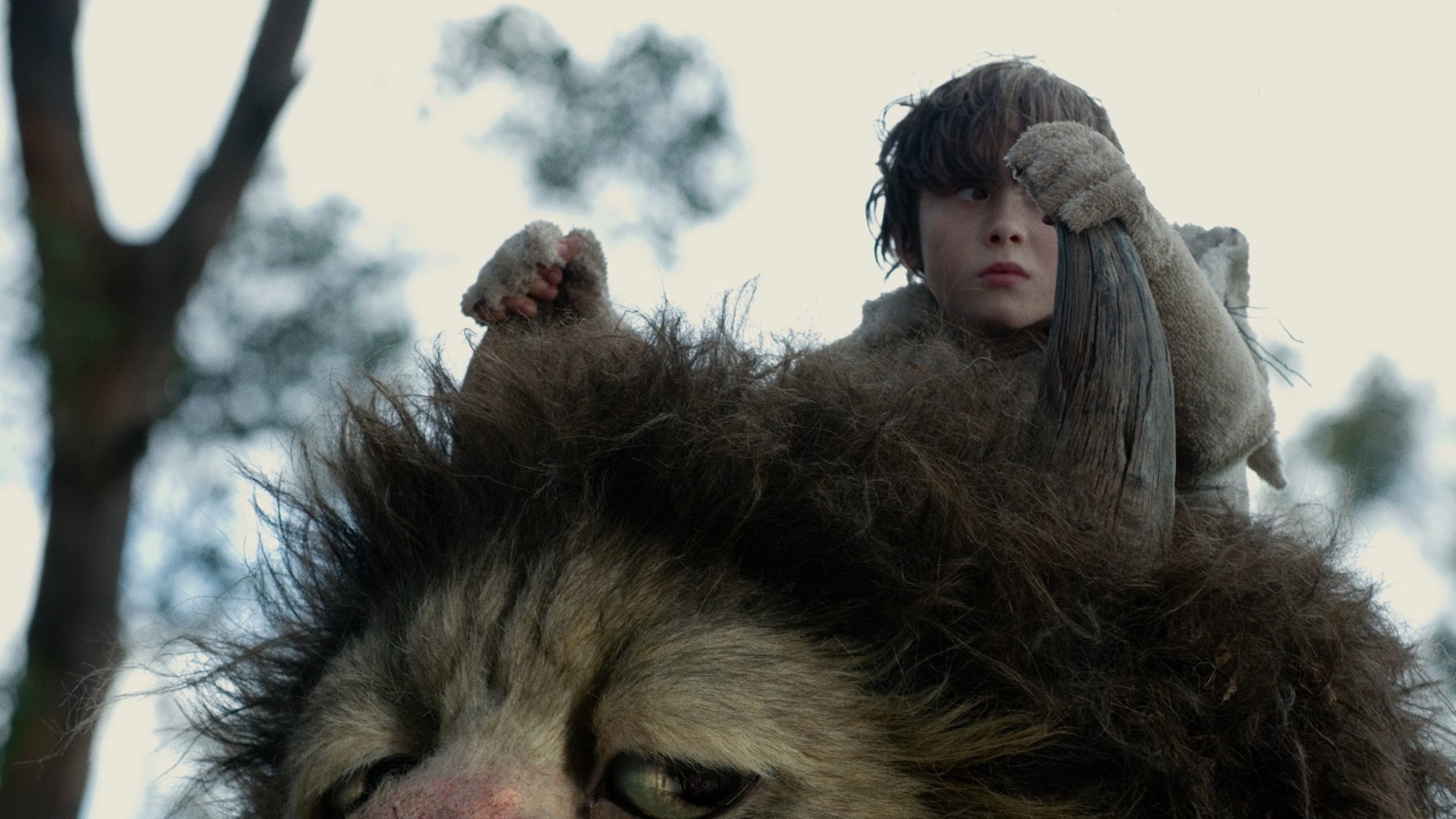
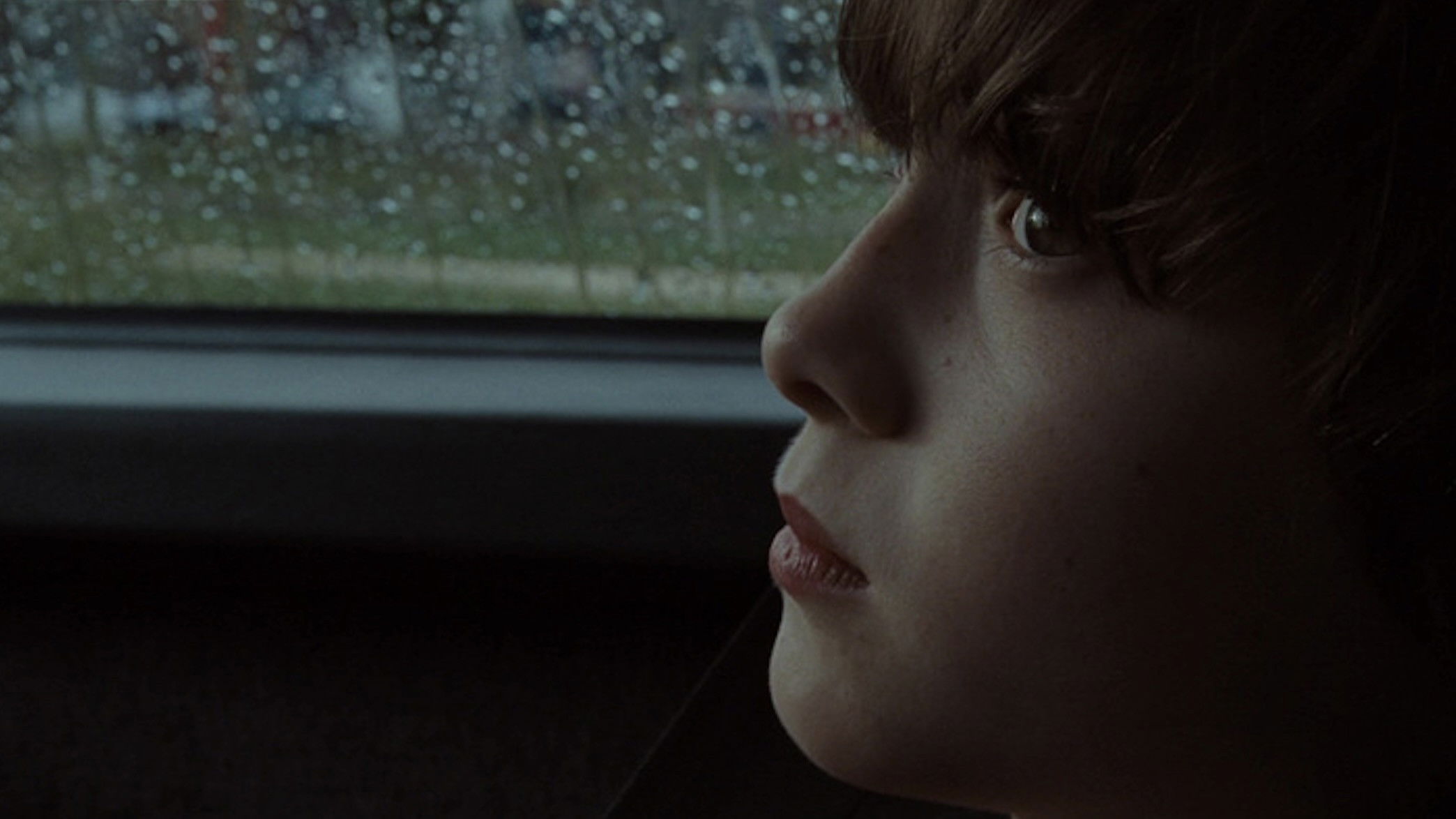
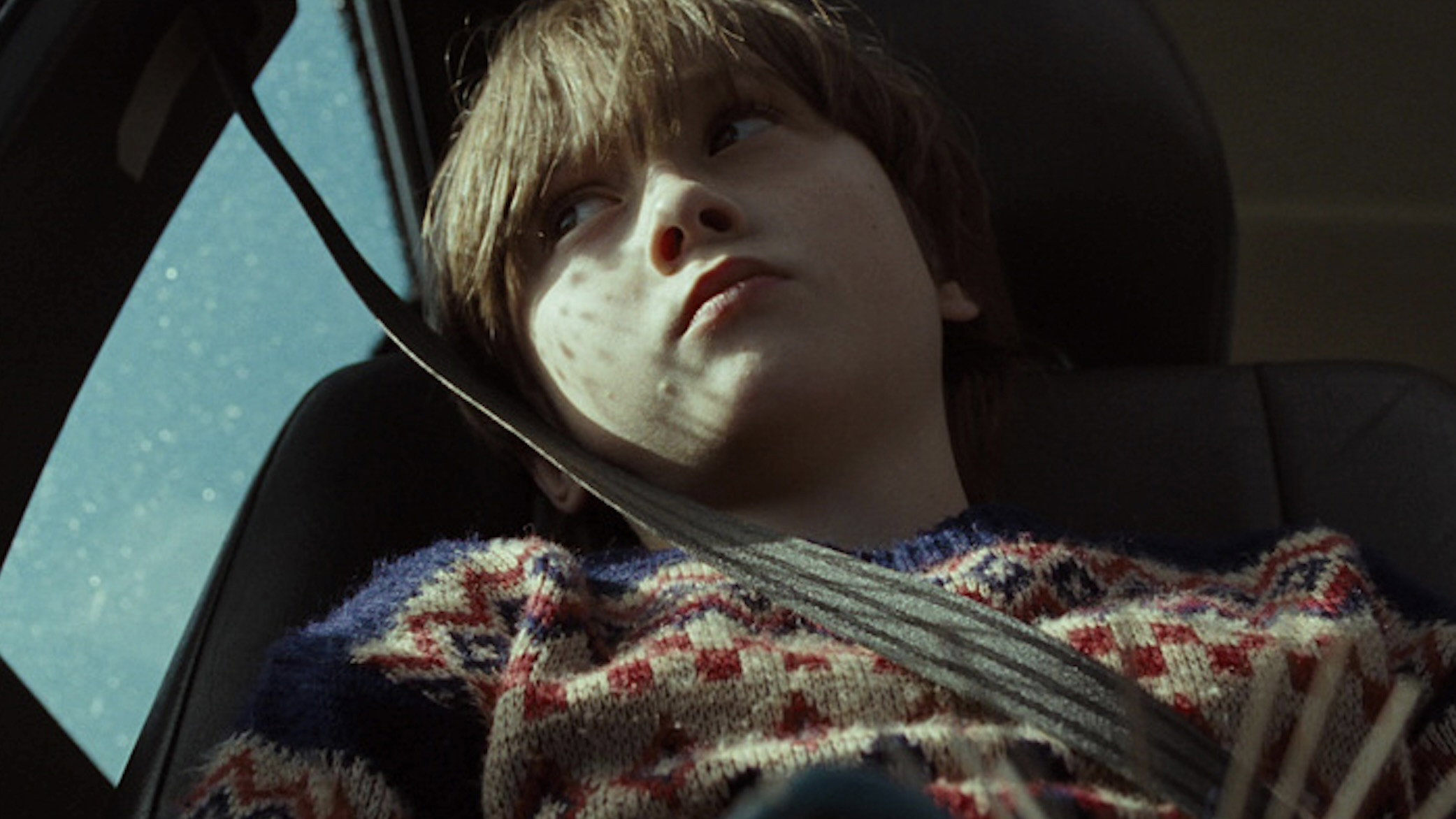
Records gives us a boy who can be selfish, furious and lonely without pausing to ask which response would make him more likeable. We were upset by his early bursts of anger, because Records makes the need for attention painfully clear beneath the bad behaviour. Jonze allows the opening scenes to be unruly, and the performance has the abrupt changes of mood that make childhood difficult to live through and difficult to supervise.
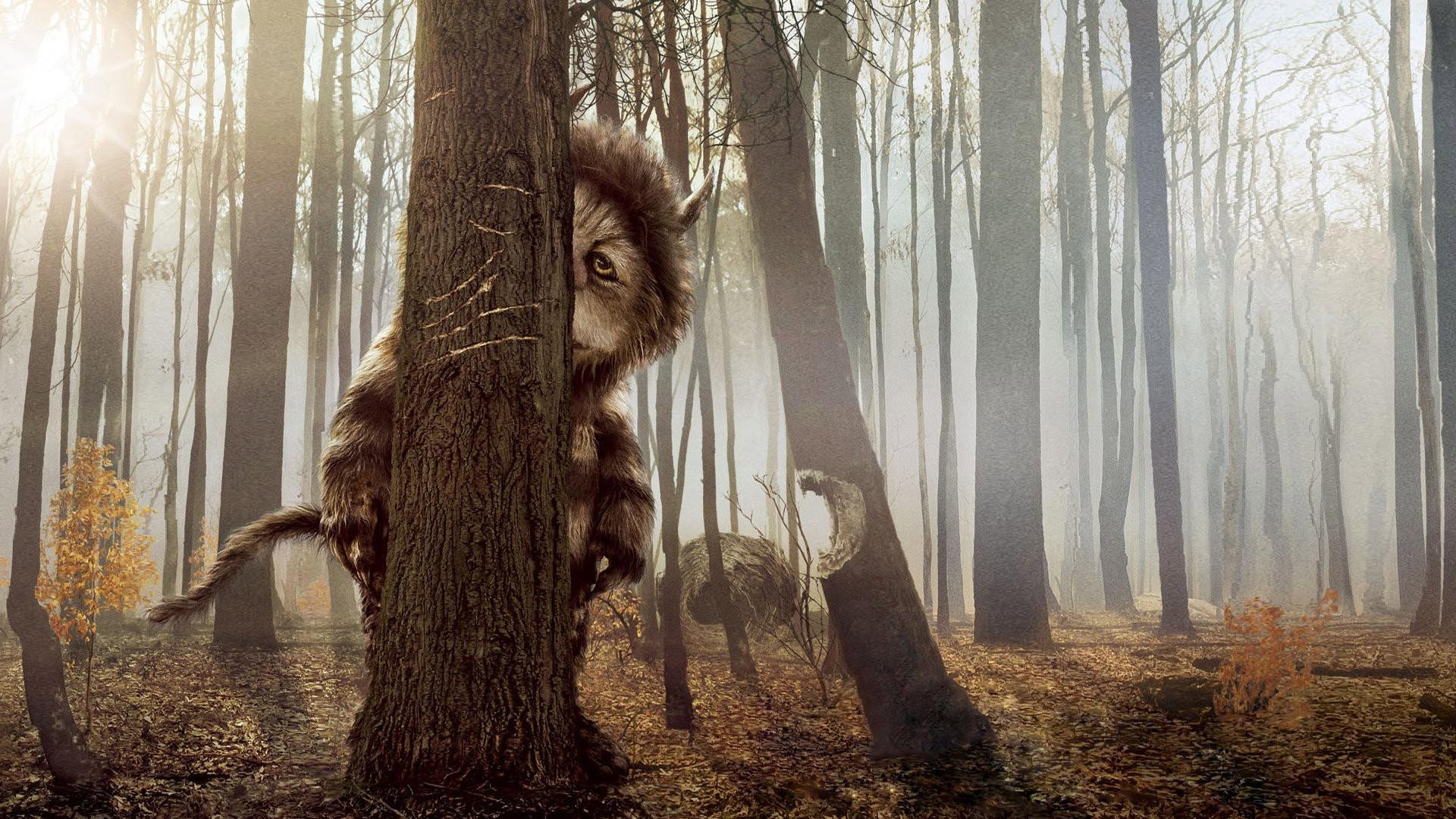
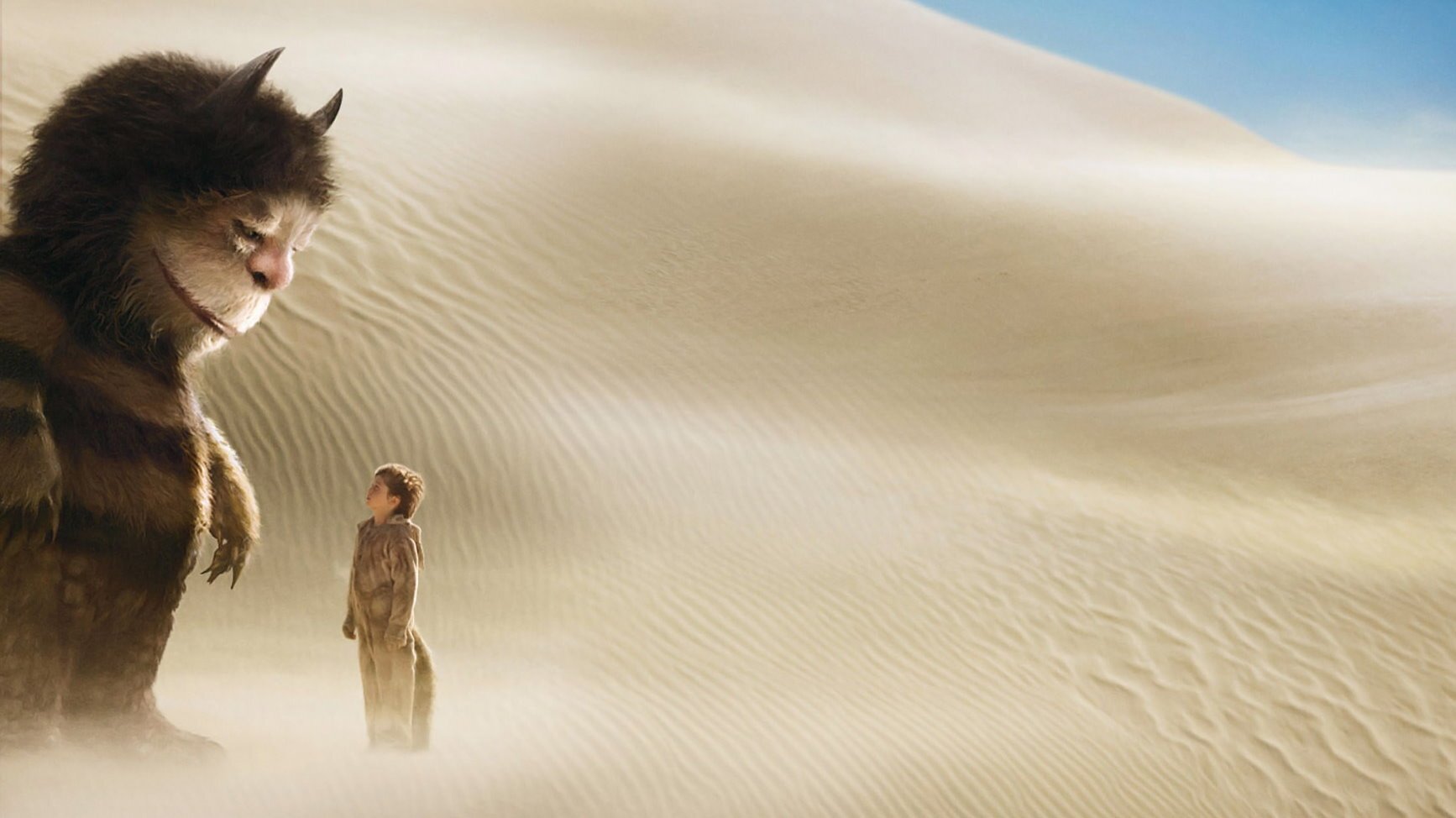
K.K. Barrett’s production design and Lance Acord’s cinematography make the Wild Things’ surroundings feel solid enough to explore. The creatures have weight, and the landscapes do not look as though they have been arranged for anyone’s comfort. That matters in the rough play, when pleasure and the possibility of being hurt remain close together. The mixture of puppetry and animation lets the beasts stay odd without distancing us from their moods.
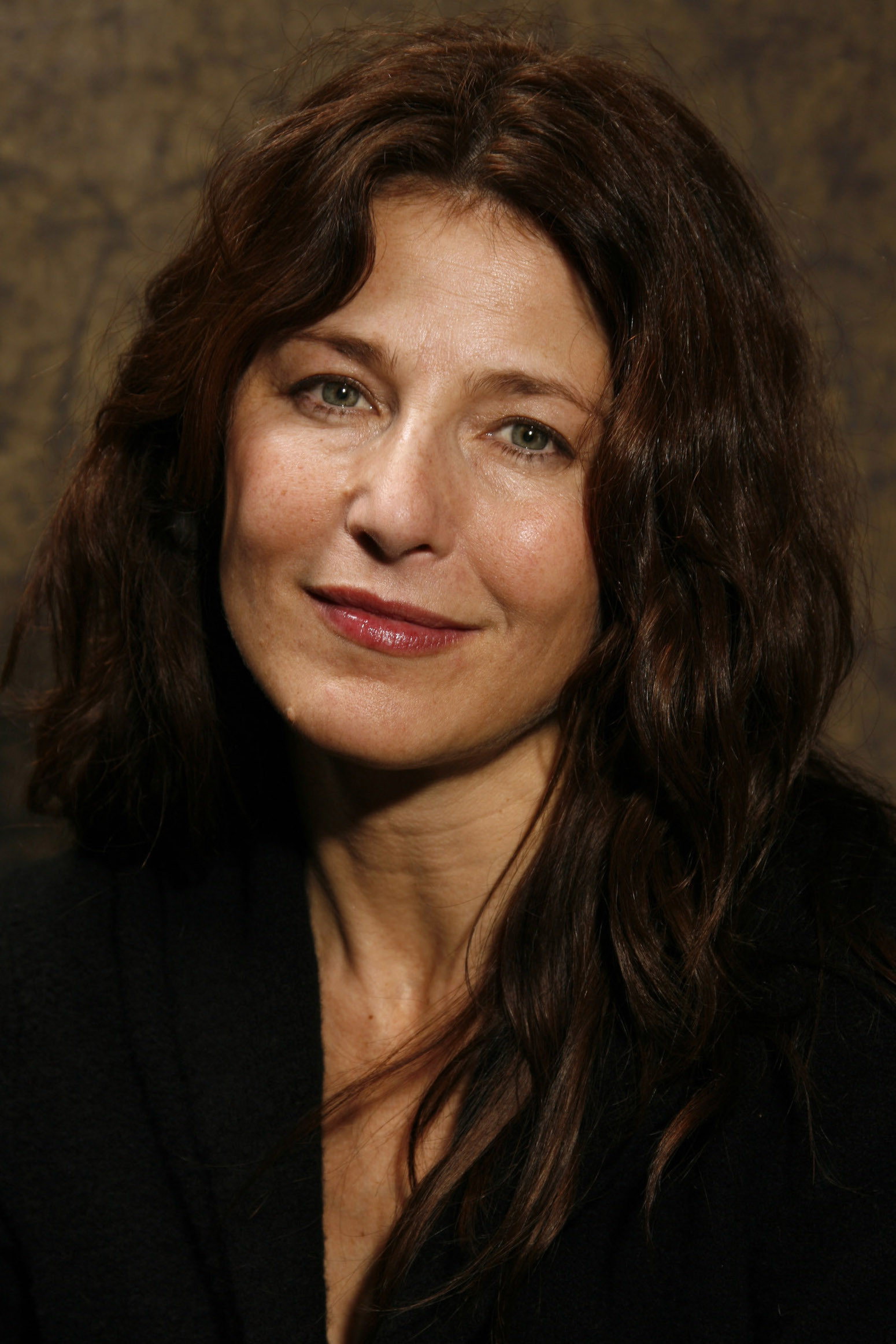
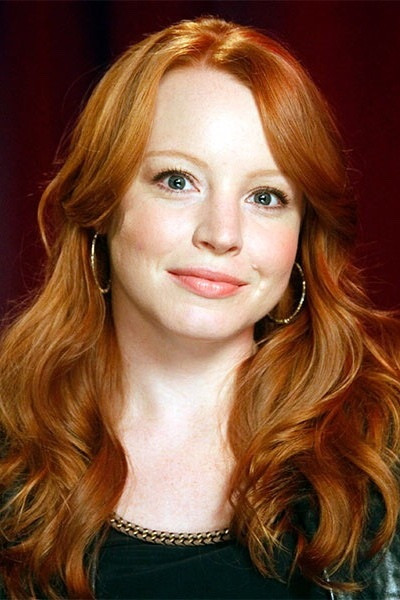
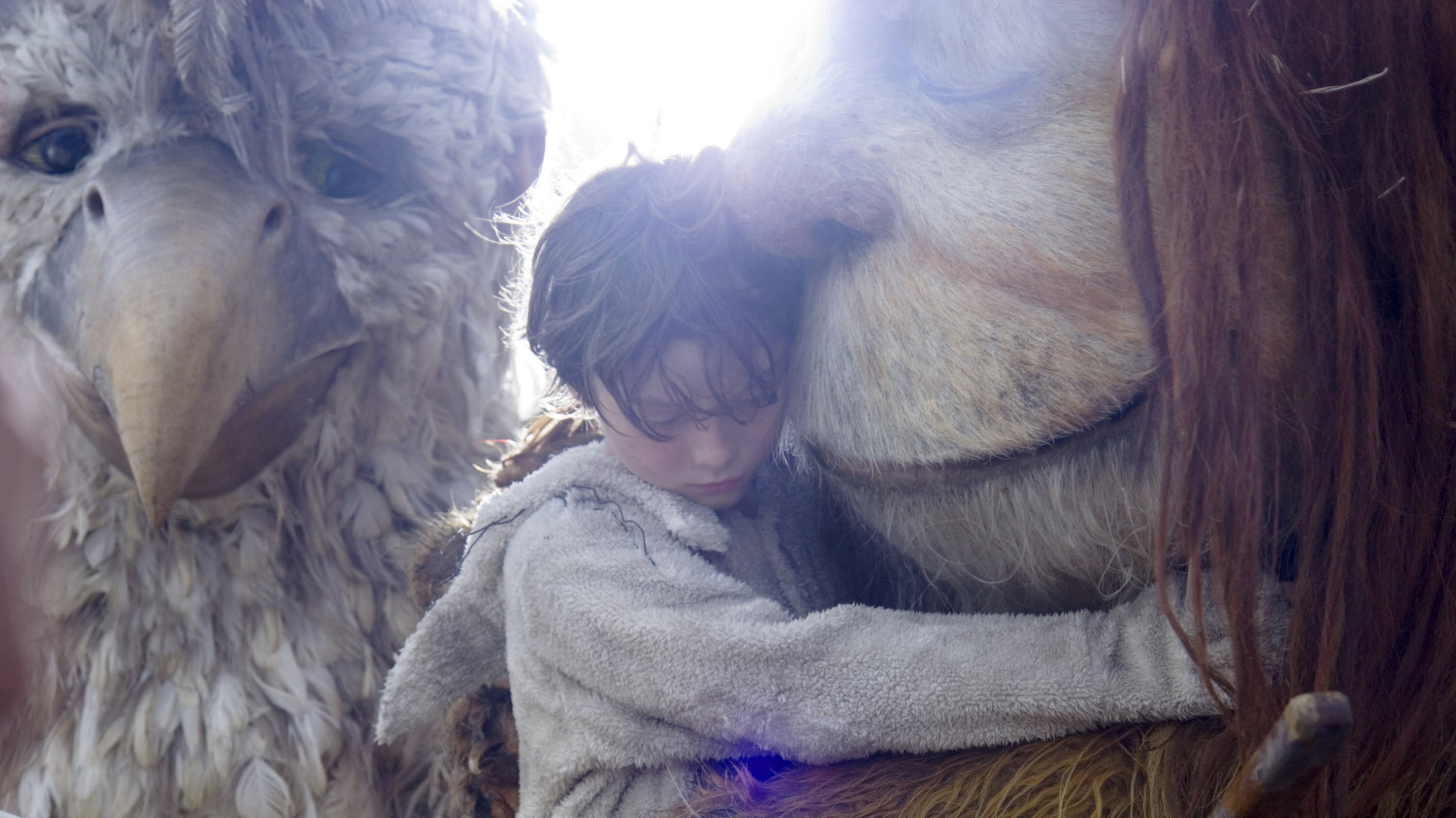
James Gandolfini’s voice gives Carol a vulnerability that makes the creature’s size less reassuring. Lauren Ambrose as KW and Catherine O’Hara as Judith help keep the beasts from sounding like variations on one unhappy person. Their voices are distinct, and each makes the need to be heard feel pressing. The combination of an imposing creature and a wounded voice makes ordinary sulking unsettling, and Jonze lets that discomfort persist without asking the actors to turn every complaint into a joke.
The slackness comes when the same emotional problems keep returning without much changing between them. Editors James Haygood and Eric Zumbrunnen preserve the freedom of the play sequences, but the longer conversations leave the middle of the film feeling padded. Karen O and Carter Burwell provide the music; the songs sometimes push for a response that the actors have already earned. At 101 minutes, this is hardly an endurance test, though a few passages give us too much time to understand feelings that were clear when a creature first opened its mouth.
For a family fantasy, it is unusually willing to let make-believe become awkward. A child can imagine creatures to play with and still find it difficult to get along with them; Jonze understands how quickly the wish for company can become a demand that everyone behave exactly as we want. Some of the parallels between the boy and the monsters are too obvious, but the performers give their unhappiness enough conviction to hold our attention. The roughness of the play is especially welcome.
Despite the PG certificate, the sadness and darker passages may trouble younger children more than the fantasy setting suggests. We recommend it most readily to older children and adults who remember being angry without knowing what to do about it. Allow for the talkative middle, and do not choose it simply because everybody is in the mood for something cuddly.