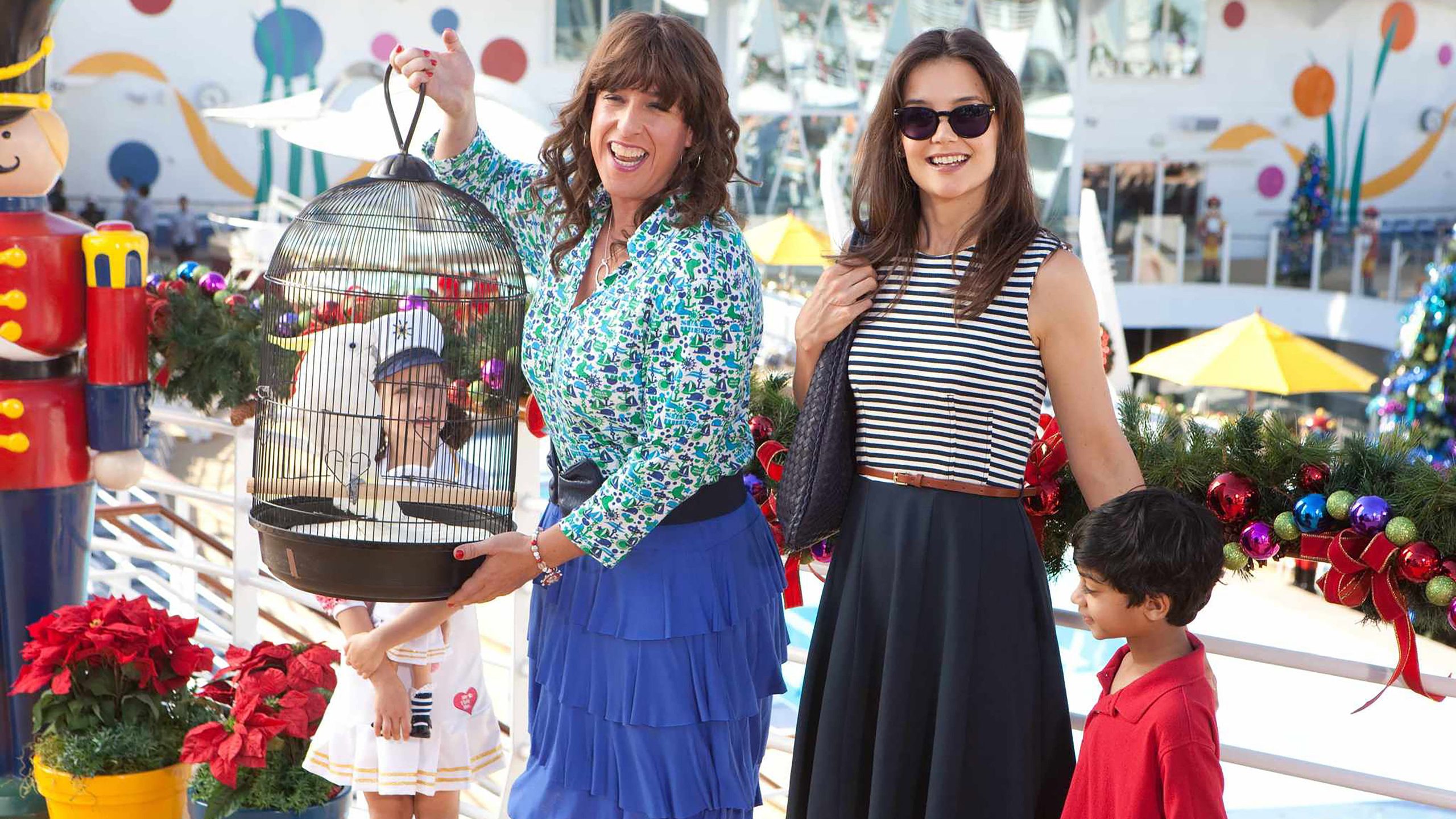
Adam Sandler’s holiday comedy finds two roles for its star and scarcely enough jokes for either. Al Pacino supplies some welcome foolishness, but the crude humour and persistent bullying make this a wearying 91 minutes.
Dennis Dugan’s Jack and Jill is a poor family comedy whose few laughs mostly belong to Al Pacino. Adam Sandler plays both siblings, and the premise gives him ample opportunity to make each equally difficult company. Instead, Jack’s impatience keeps being treated as reasonable and Jill’s loudness as a joke that needs no further work. The holiday visit supplies an excuse to put them together, but the film struggles to find anything fresh for them to do across its 91 minutes.
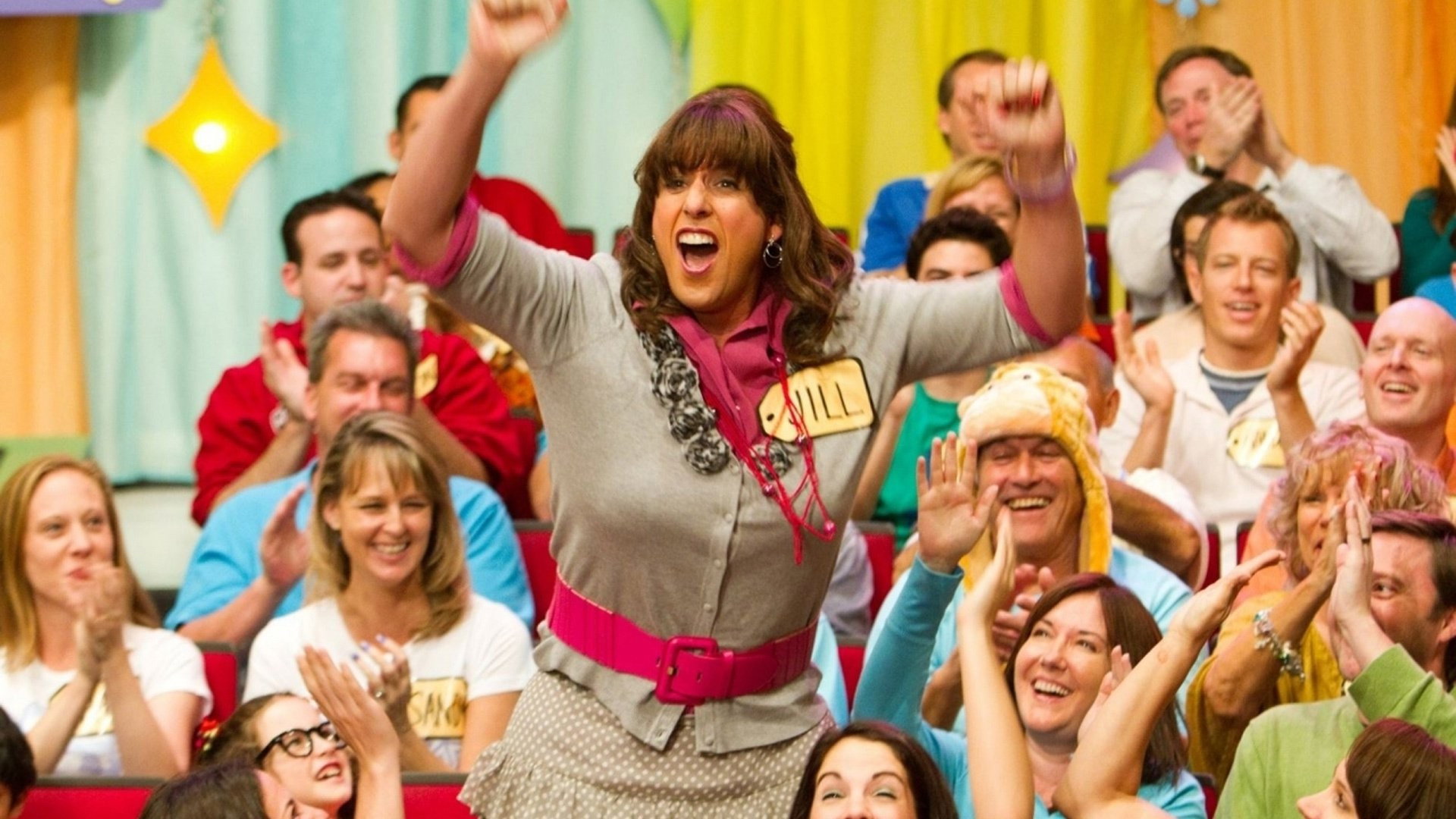
The screenplay, credited to Adam Sandler and Steve Koren, keeps returning to Jill’s neediness and Jack’s irritation, without giving either response much variation. We were bored, then irritated, by the repeated invitation to find her loudness funny. There is something wearing about a comedy that expects sympathy for a man simply because his sister wants his attention. Adam Sandler finds flickers of affection for Jill, but too often the performance relies on making her more conspicuous rather than giving her something interesting to say.
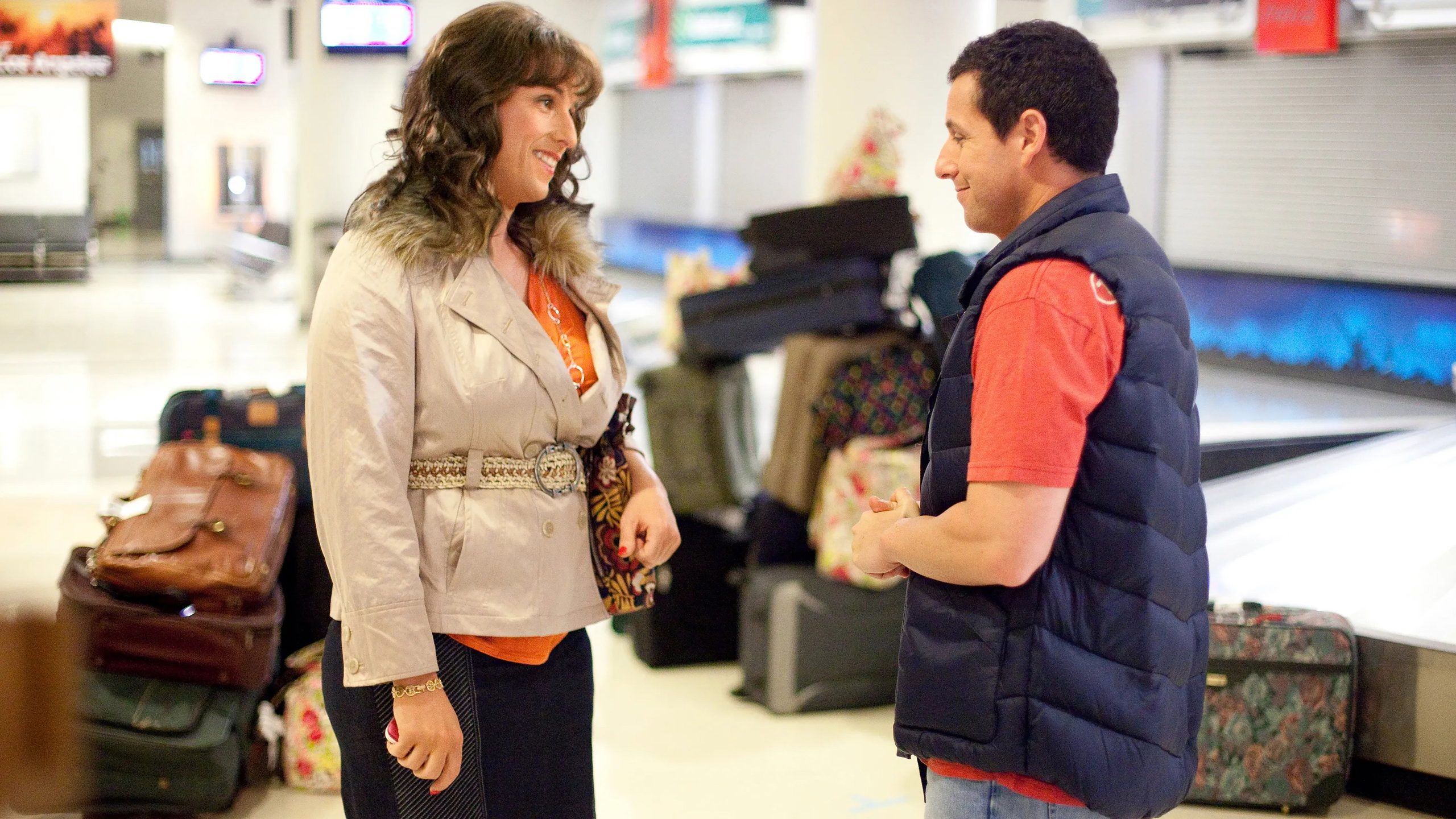
The double performance is technically tidy, which deserves saying even when the jokes fail. Dean Cundey’s cinematography and Tom Costain’s editing help the twins occupy the same film without the joins becoming a distraction. The trouble is that the ease of putting two Adam Sandler performances together does not give their exchanges much pace. The slapstick has a similar problem: clear presentation, but too little surprise in what happens.
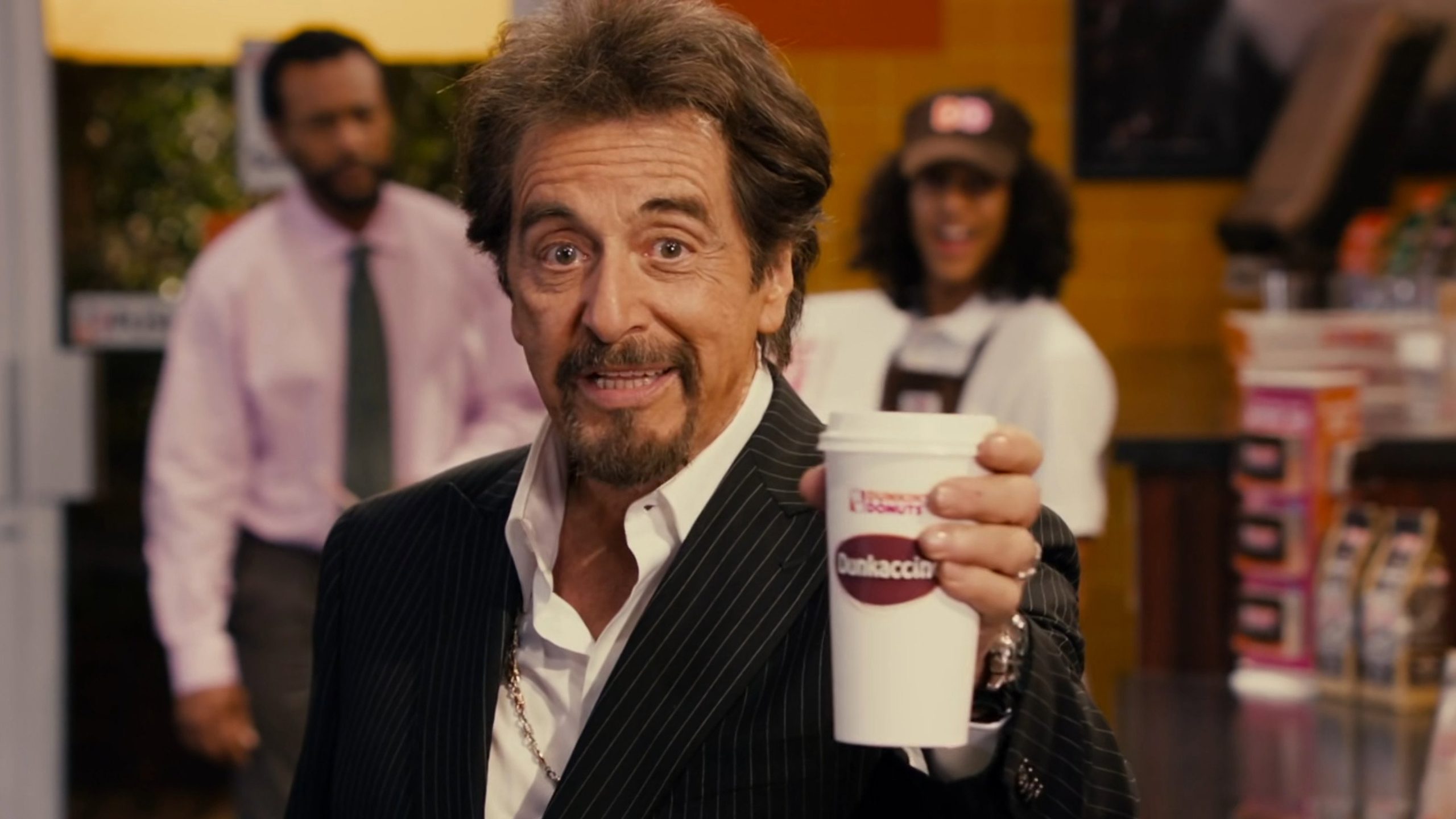
Jack’s job in advertising also provides cover for product placement so persistent that it competes with the comedy for our attention. Perry Andelin Blake’s production design leaves less of an impression than the commercial material it accommodates. That is a dispiriting result for a film which might have used its surroundings to tell us something about this family. Music by Waddy Wachtel and Rupert Gregson-Williams does little to change the predictable rhythm of the gags.
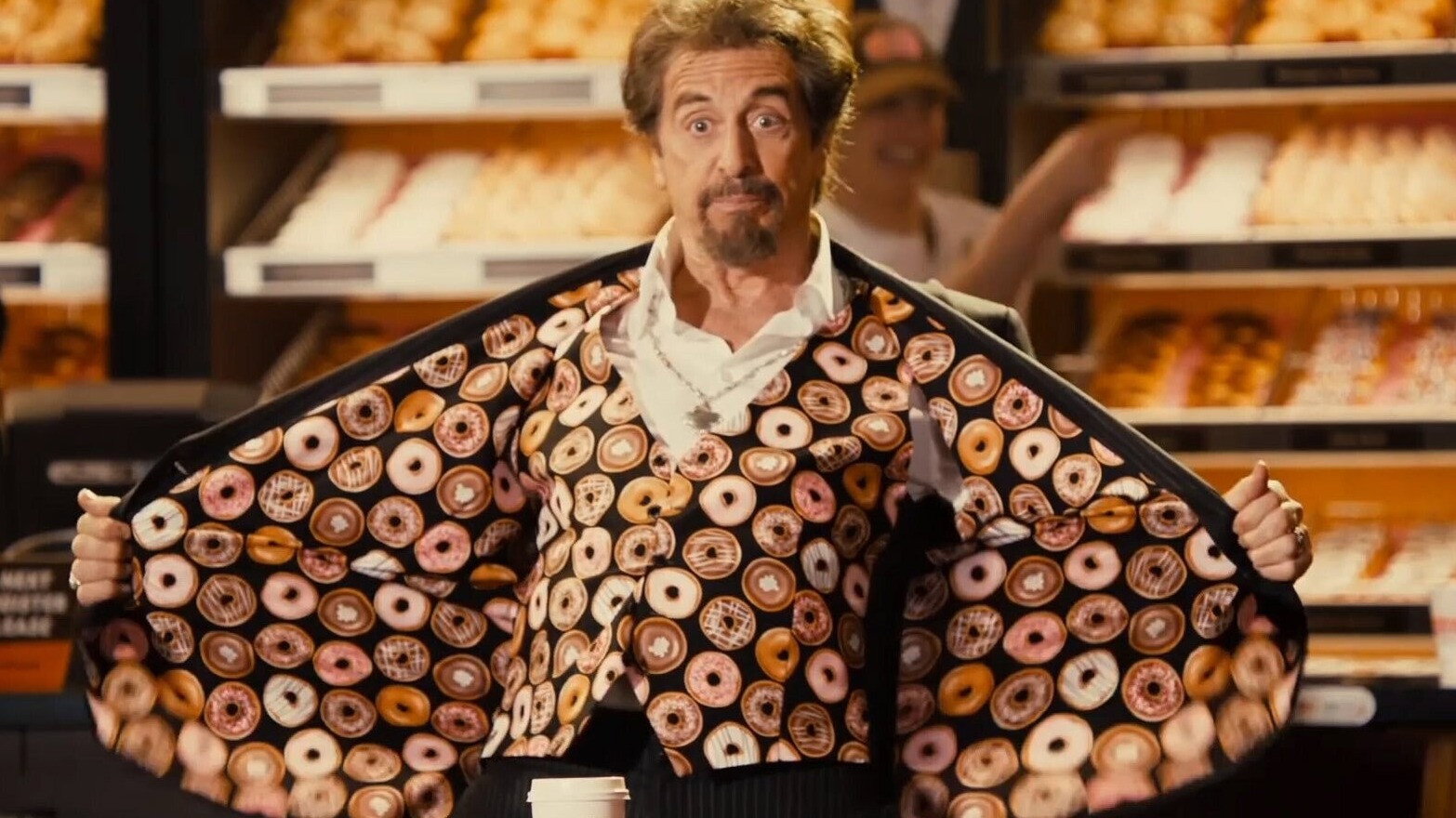
Al Pacino, playing Al Pacino, is the welcome interruption. He commits to looking ridiculous with an energy missing from much of the surrounding film, and the exaggeration makes his appearances harder to predict. We laughed at his willingness to make himself the fool, after so much time spent being asked to laugh at Jill. Some of it is strained, and the celebrity novelty does part of the work. Still, there is pleasure in a performer taking a foolish assignment seriously enough to try.
Against the modest requirements of a broad family comedy, the film’s chief failure is how quickly its small supply of jokes becomes familiar. Toilet humour and physical mishaps can be funny, but here they too often feel like substitutes for deciding how these siblings might actually behave. There are signs of warmth towards Jill, enough to make the harsher treatment seem careless rather than entirely deliberate. Those moments never last long enough to make the family worth spending time with.
Dedicated admirers of Adam Sandler’s broad humour may be more forgiving of the repetition, and there is nothing wrong with wanting something undemanding. The difficulty is finding enough laughter to justify even that small request. Nor would we suggest approaching this as an entertaining disaster; stretches of it are simply dull. For a family evening, we would choose something else.