Film review

Mrs. Doubtfire

1993 · Directed by Chris Columbus · 2h 05m · MPA PG-13

In a sentenceRobin Williams makes childcare fraud look like a reasonable response to a difficult week

ComedyDramaFamily

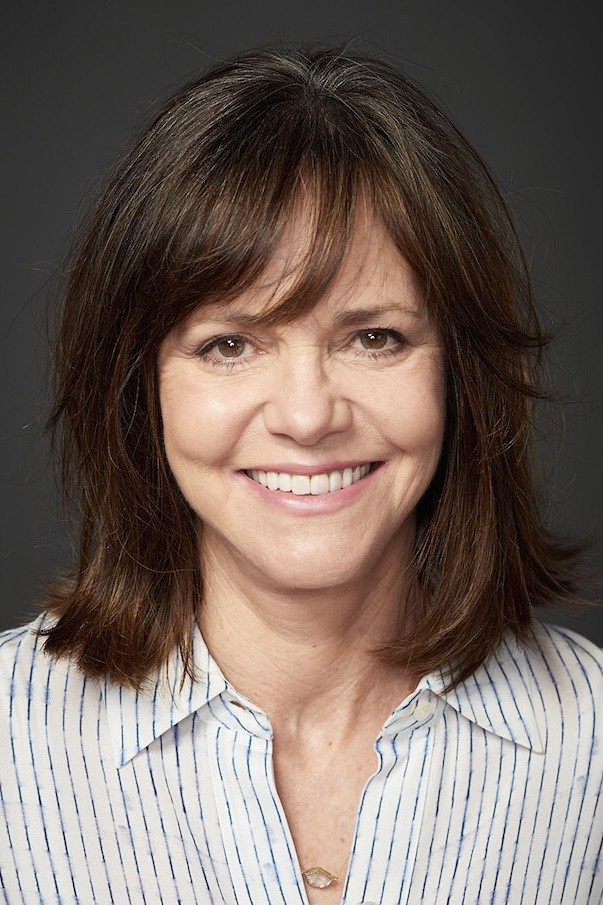
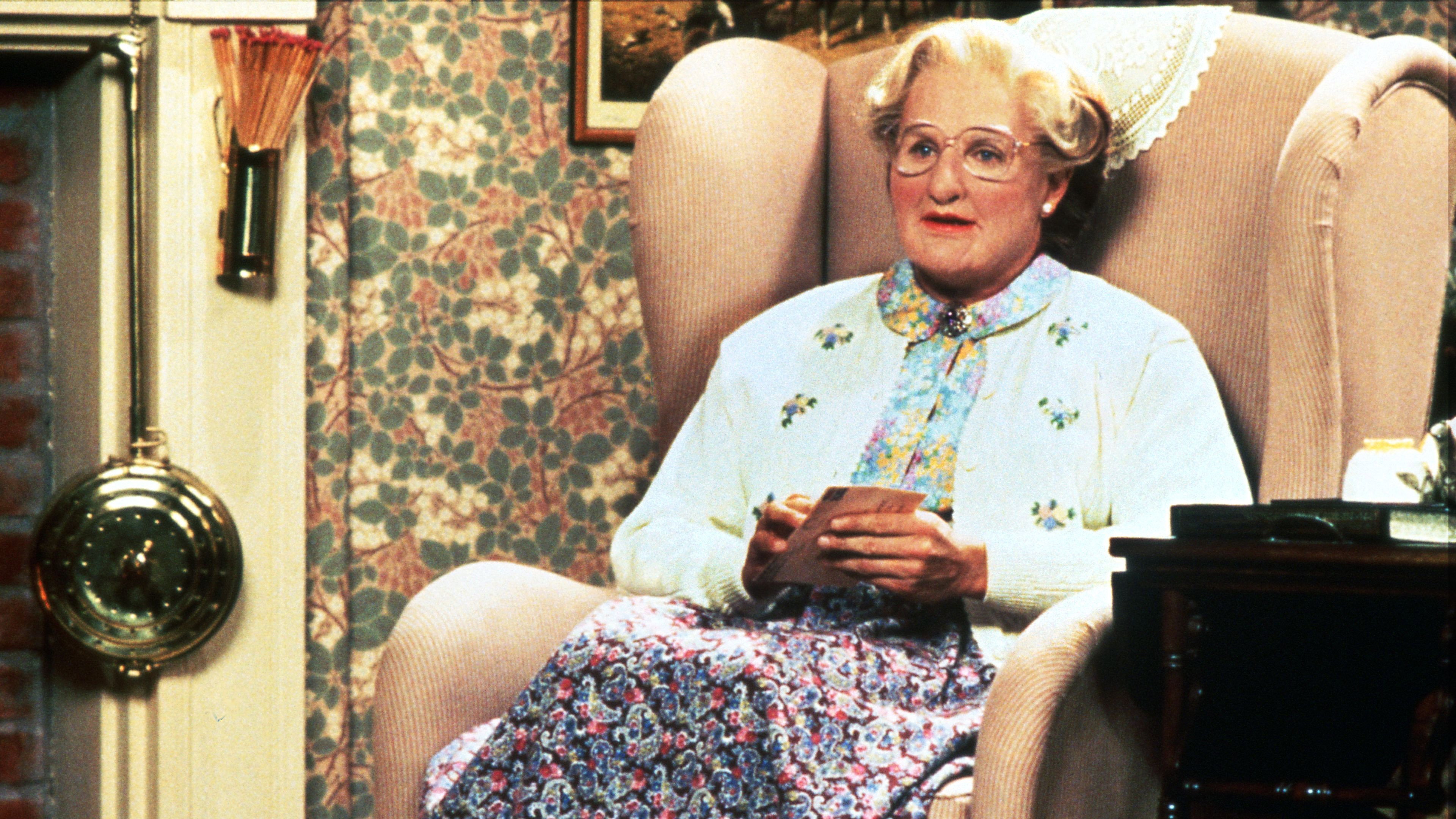
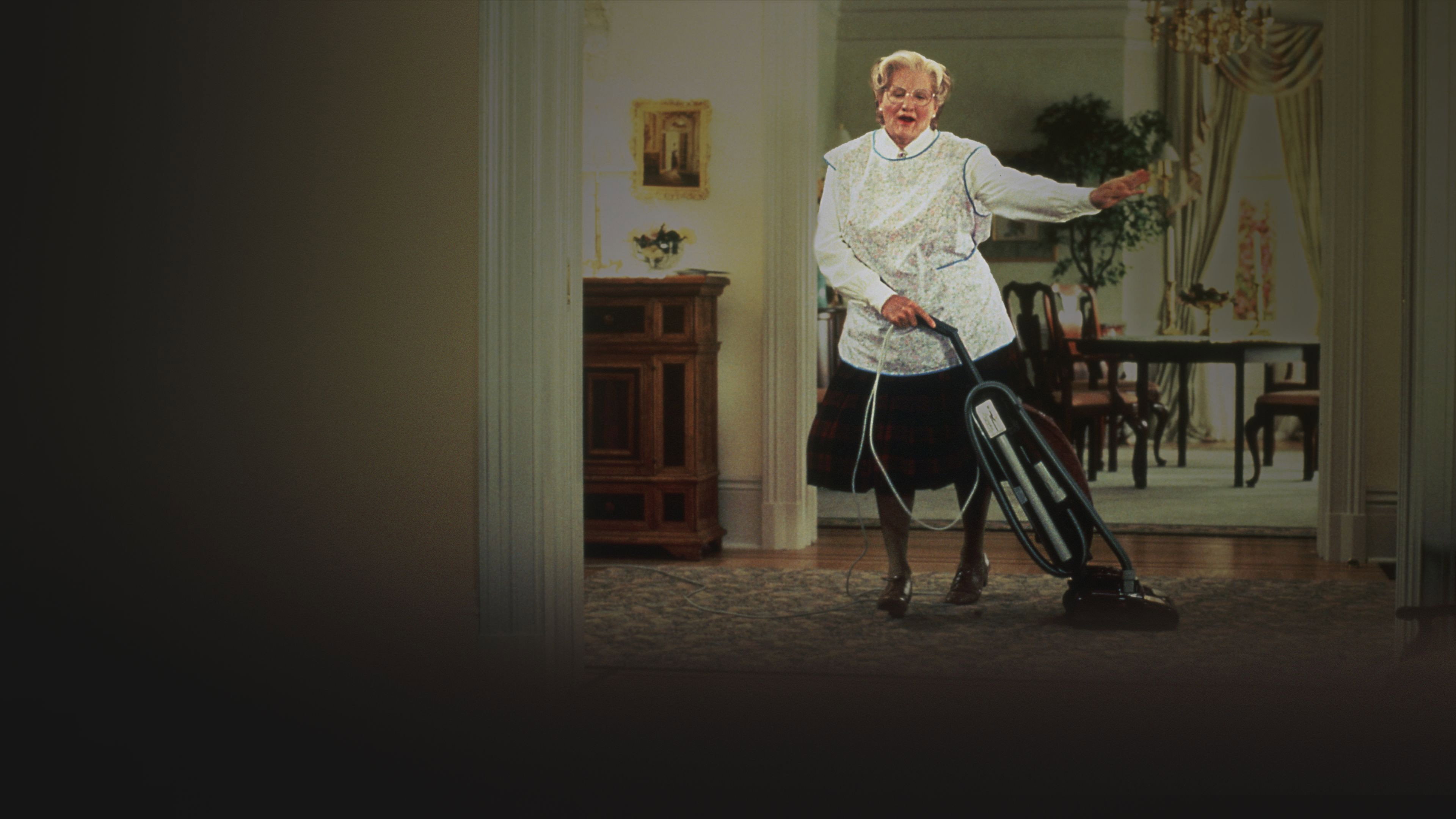
Daniel Hillard (Robin Williams) is a father facing divorce and a change in his relationship with his children. His response is to disguise himself as Mrs. Doubtfire, a nanny, and remain involved in family life without revealing who he is. Sally Field plays Miranda Hillard, with Lisa Jakub, Matthew Lawrence and Mara Wilson as Lydia, Chris and Natalie. Childcare and domestic work become part of Daniel’s attempt to stay close to his family. Directed by Chris Columbus, the film follows a father trying to maintain two identities among the people who know him.

Fi1m review

Robin Williams carries a funny, uneven family comedy that takes divorce seriously without examining its father’s deception closely enough. Chris Columbus makes the family pain convincing, but the sentiment and the 125-minute running time need firmer handling.

Mrs. Doubtfire asks us to accept a father’s elaborate deception because he cannot bear to be separated from his children. Chris Columbus makes that an effective basis for a family comedy, with enough pain beneath Robin Williams’s performance to stop the disguise becoming the whole joke. We recommend it, with reservations about how readily it excuses Daniel and how long it takes to do so. At 125 minutes, it allows a nimble comic idea rather too much time to settle down.

Williams is the reason the arrangement holds. His abrupt verbal detours give Daniel an unruliness that the film’s reassuring view of family life cannot quite contain. We laughed hardest at the nanny’s unkind remarks, where Williams gives the disguise a welcome streak of bad temper. Mrs. Doubtfire becomes entertaining company in her own right, with more bite than the father’s plea for sympathy. The performance is also persuasive about Daniel’s distress, which matters when the plot asks us to overlook so much.

Sally Field’s Miranda provides a necessary check on that charm. Field makes it possible to recognise how tiring a funny man can be when somebody else must take responsibility, and the film improves when her frustration is allowed to count. We should be able to care about Daniel’s separation from his children without assuming that his wishes settle the matter. The screenplay, credited to Leslie Dixon and Randi Mayem Singer, is less convincing whenever it expects affection to excuse dishonesty.

Donald McAlpine’s cinematography keeps the performances easy to read, giving us room to appreciate Williams without making Field’s quieter contribution seem incidental. Angelo P. Graham’s production design makes the domestic setting feel worth Daniel’s efforts to return to it, which helps us understand the deception without approving of it. Marit Allen’s costume design helps Mrs. Doubtfire register as someone with an existence beyond the immediate joke. The disguise invites scrutiny, and the visual work sensibly keeps our attention on the person wearing it.

The indulgence is more apparent in Raja Gosnell’s editing, which lets the comic turns interrupt the story often enough for the pauses to show. Individually, a good many of those turns earn their place; together, they make a long evening out of a straightforward predicament. Howard Shore’s score encourages tenderness where the performances have already given us sufficient reason to feel it. The extra prompting is tiresome, particularly when Columbus moves from broad comedy into passages that insist on how much everybody is hurting.

By the standards of family farce, Mrs. Doubtfire is unusually willing to admit that parents can love their children and still make each other miserable. That gives the silliness some consequence, even when the writing takes shortcuts around responsibility. Its warmth is persuasive enough for an evening’s entertainment, provided the father’s distress is not mistaken for permission to do whatever he likes. There is plenty to argue about once the laughter has stopped. Choose it for Williams, and allow for a generous helping of reassurance between the laughs.

Critical consensus AI synthesised

65
Positive
5
Mixed
4
Negative
1

The reviews lean towards approval, with Robin Williams providing the clearest point of agreement. Critics repeatedly praise his quick-fire jokes and the flashes of hurt beneath the nanny disguise, even when they find the surrounding film ordinary. The warmer notices credit Chris Columbus with keeping the performance in check and combining slapstick with a sympathetic treatment of divorce. For these critics, the family feeling gives the comedy weight rather than merely softening it.

The divide is over how much sentiment the comedy can bear. Several reviews find the film too long, its farce laboured and its lessons about responsibility too heavily stated. Others question whether the father’s deception makes emotional sense or whether the central character has enough depth. The spread runs from warm approval to firm disappointment: Eye for Film values the honesty about family pain, while the Los Angeles Times argues that the reassuring tone dilutes Williams’s unruly comic talent.

Radio Times
★★★★ · David Parkinson
80

This is family entertainment par excellence, a knowing blend of comedy and common sense aided by Robin Williams's Oscar-winning make-up transformation. Director Chris Columbus reins in Williams's exuberance while retaining enough quick-fire gags, though some scenes misfire and it is a little long.

Read the full review →
The Hollywood Reporter
22 November 1993 · Duane Byrge
80*

The critic predicts the film will be a major holiday hit thanks to its warm, uplifting take on family dysfunction and divorce. Williams' energetic performance in the title role, showing both comedy and underlying pain, along with Columbus' smooth handling of slapstick and drama, are highlighted as strengths.

Read the full review →
Variety
29 November 1993 · Brian Lowry
75*

The critic calls it a slick showcase for Williams' machine-gun wit within a story of broad family appeal that should do strong business, though overly sappy in places and 20 minutes too long. It mixes broad comedic strokes with heavy-handed messages about family, delivering expected broad strokes alongside occasional sharp dialogue and well-choreographed slapstick.

Read the full review →
Empire
1 January 2000 · Caroline Westbrook
70*

The review praises the film's hit-making appeal and Robin Williams' comic performance in the nanny disguise as a laugh riot. It criticises the shift from broad comedy into uncalled-for sentimentality in the second half.

Read the full review →
The New York Times
24 November 1993 · Janet Maslin
65*

The critic notes the film's challenge in selling the father's deception as an act of love, which it does not fully meet, while praising Robin Williams' genius for wicked jokes and brilliant non sequiturs that give the movie its best showcase short of 'Aladdin.' The story is deemed too simple-minded, spending too much time making nice instead of making sense.

Read the full review →
Time Out
10 September 2012 · TCh
60*

The film is sit-com stuff with laboured farcical interludes and a mushy post-feminist sensibility, but remains funny. It highlights Robin Williams's performance as the disguised father learning lessons about responsibility.

Read the full review →

Cast

Stills

Awards

Academy Awards, 1994

Won
Best Makeup and Hairstyling

If you liked this, try…

Tootsie poster

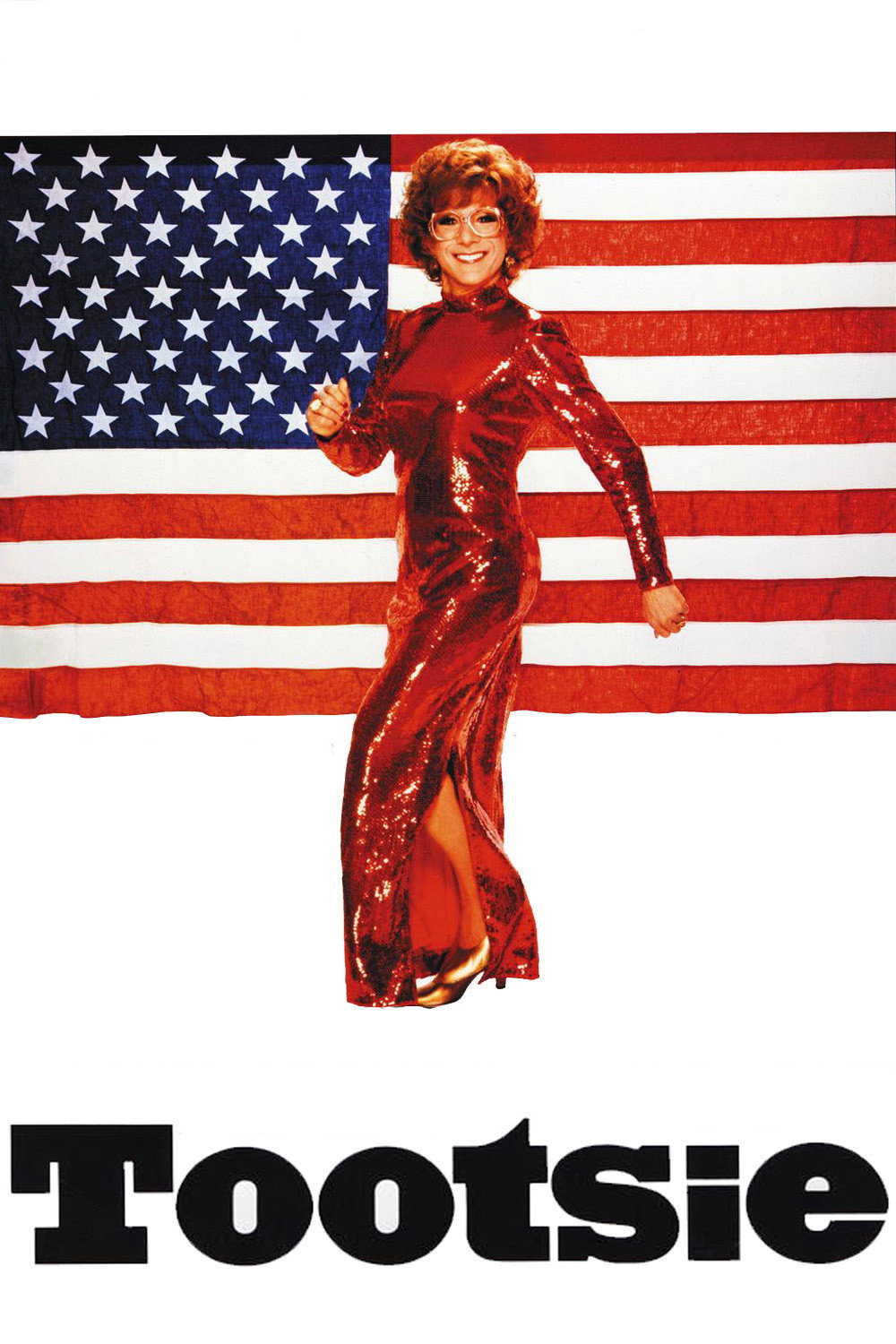
Tootsie

1982 · Another elaborate disguise comedy, with a sterner view of its difficult leading man.

The Birdcage poster81

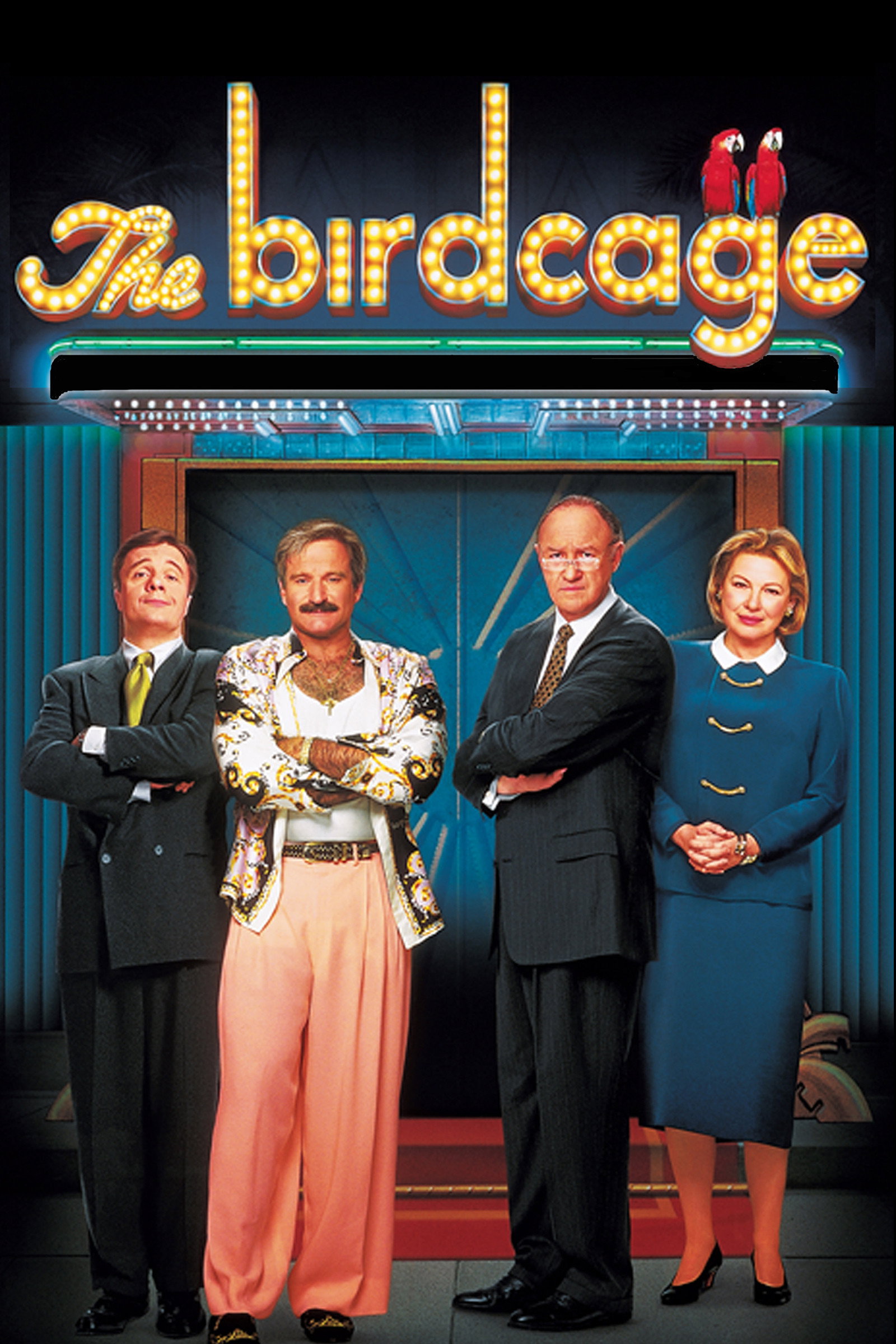
The Birdcage

1996 · The comic household arrangements are complicated, and Williams knows when to step back.

Good Morning poster

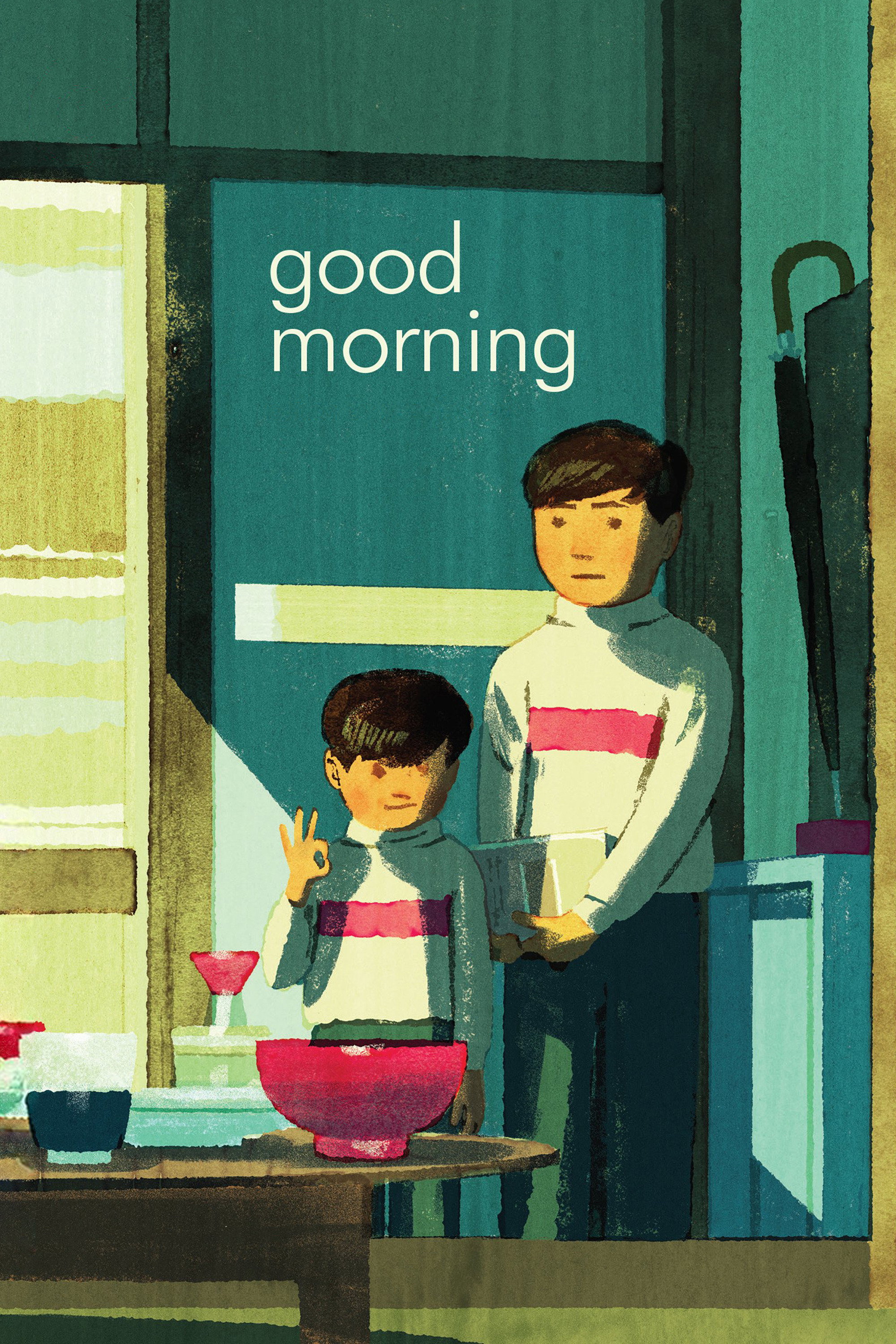
Good Morning

1959 · Small domestic disputes become absorbing comedy through close attention to children and parents.

Boy poster

Boy

2010 · A father’s charm meets a child’s growing awareness of his shortcomings.

Paddington 2 poster

Paddington 2

2017 · A gentler family comedy whose elaborate farce leaves room for ordinary kindness.