Sydney Pollack’s Tootsie is a funny, humane farce led by Dustin Hoffman and an alert supporting cast. It deserves a little scepticism when it starts teaching lessons about women, but we recommend it warmly.
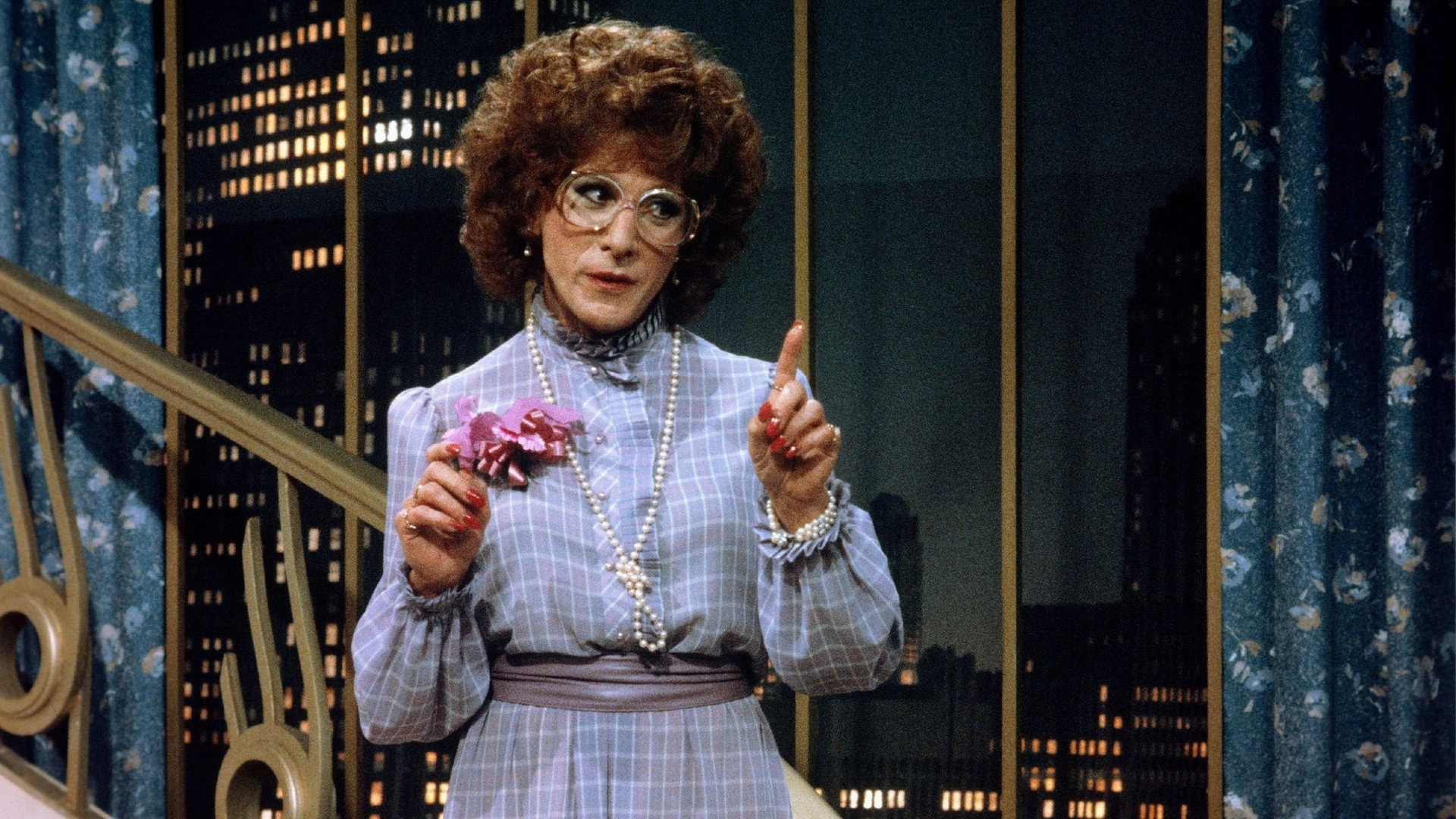
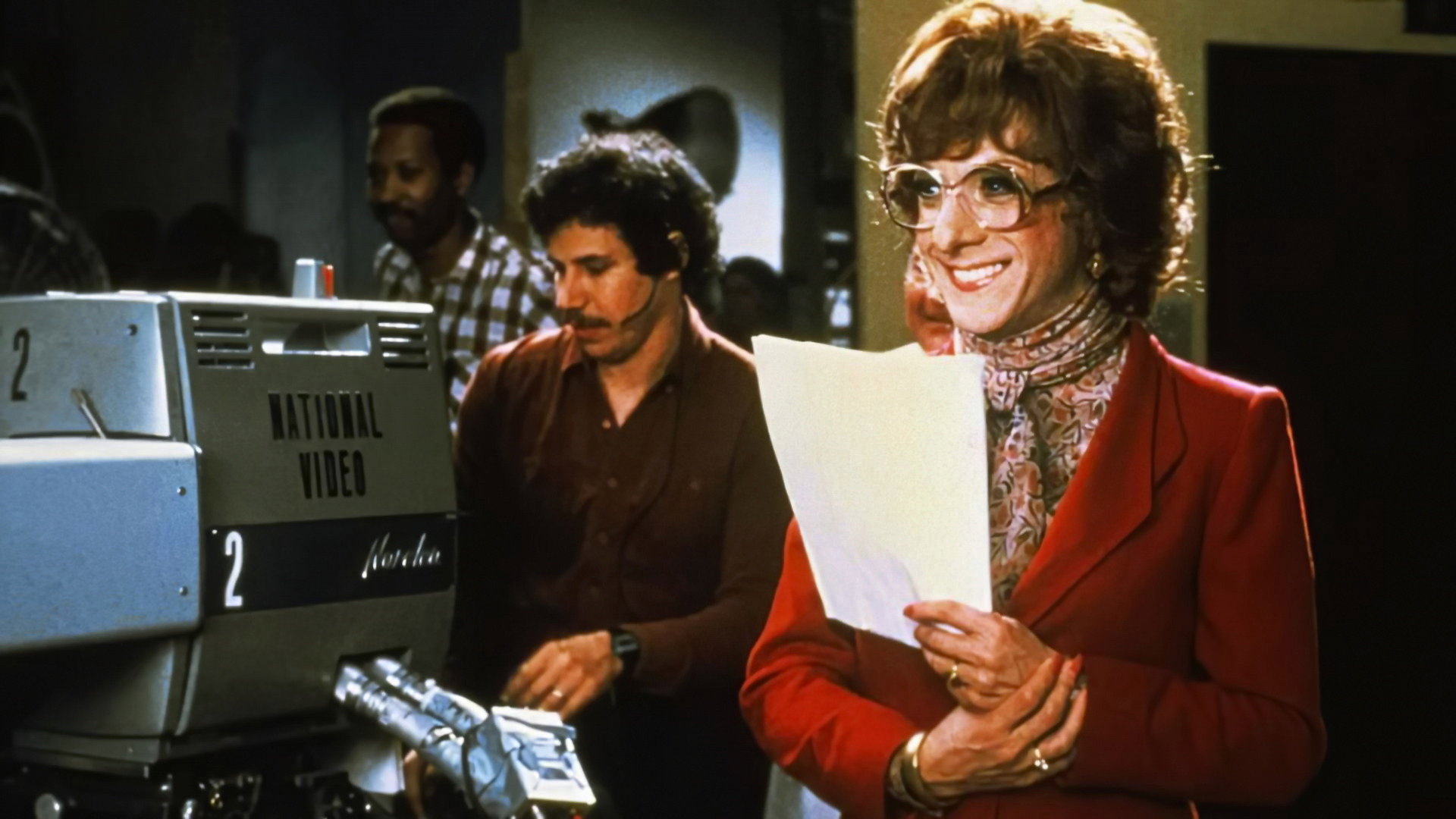
Sydney Pollack understands how much comedy can come from an actor who regards being out of work as an administrative error. In Tootsie, Dustin Hoffman’s Michael Dorsey dresses as Dorothy Michaels to secure a soap-opera role, taking his considerable talent and difficult temperament into the disguise. It is an excellent farce, because Pollack lets the people take their predicament seriously without asking us to examine its plausibility too closely. Larry Gelbart and Murray Schisgal’s screenplay keeps finding fresh trouble in Michael’s confidence that he knows what he is doing.
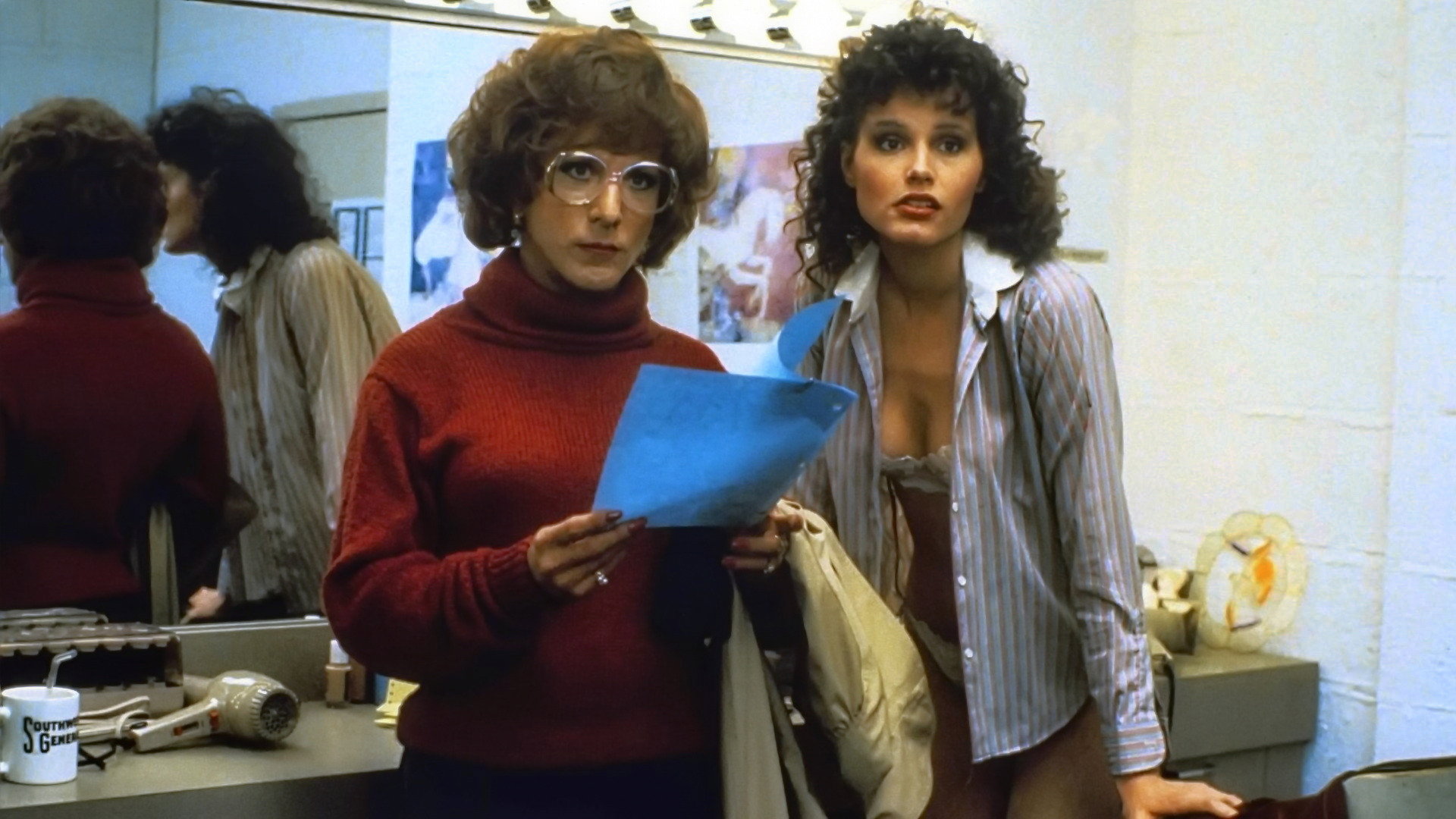
Hoffman makes Dorothy sufficiently convincing that we can stop inspecting the disguise and start watching the person. The vanity does not disappear beneath the clothes, nor does the impatience of someone certain that he knows his profession better than everyone else. We laughed at how little his tetchiness changes when he becomes Dorothy. That continuity makes the performance funny, while the vulnerability Hoffman allows through keeps Michael from becoming an exhausting companion.
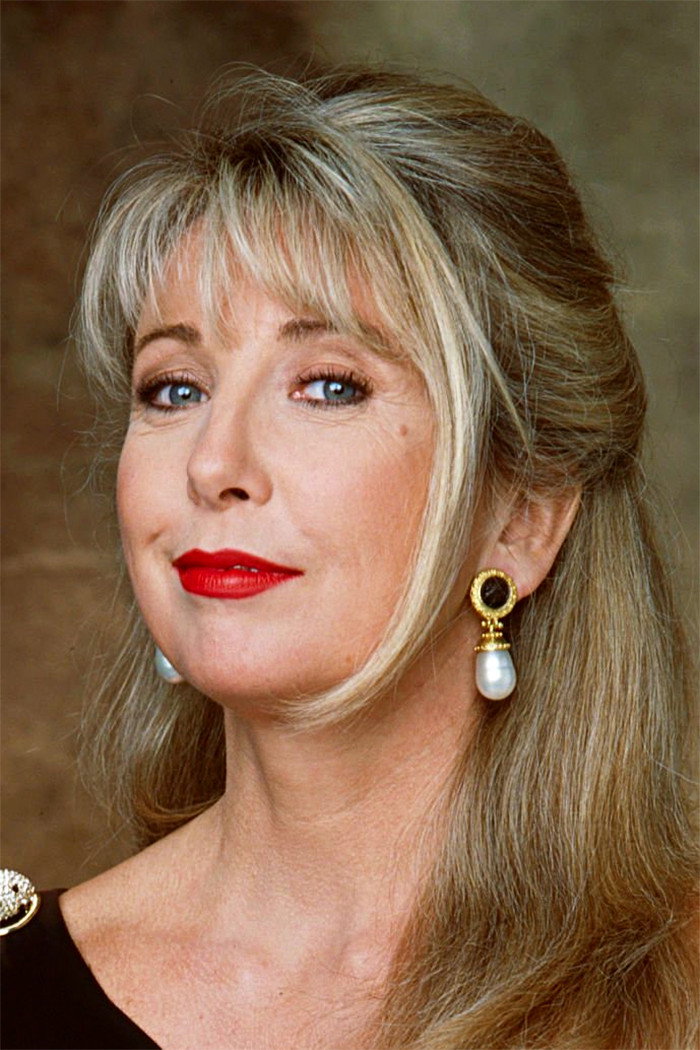
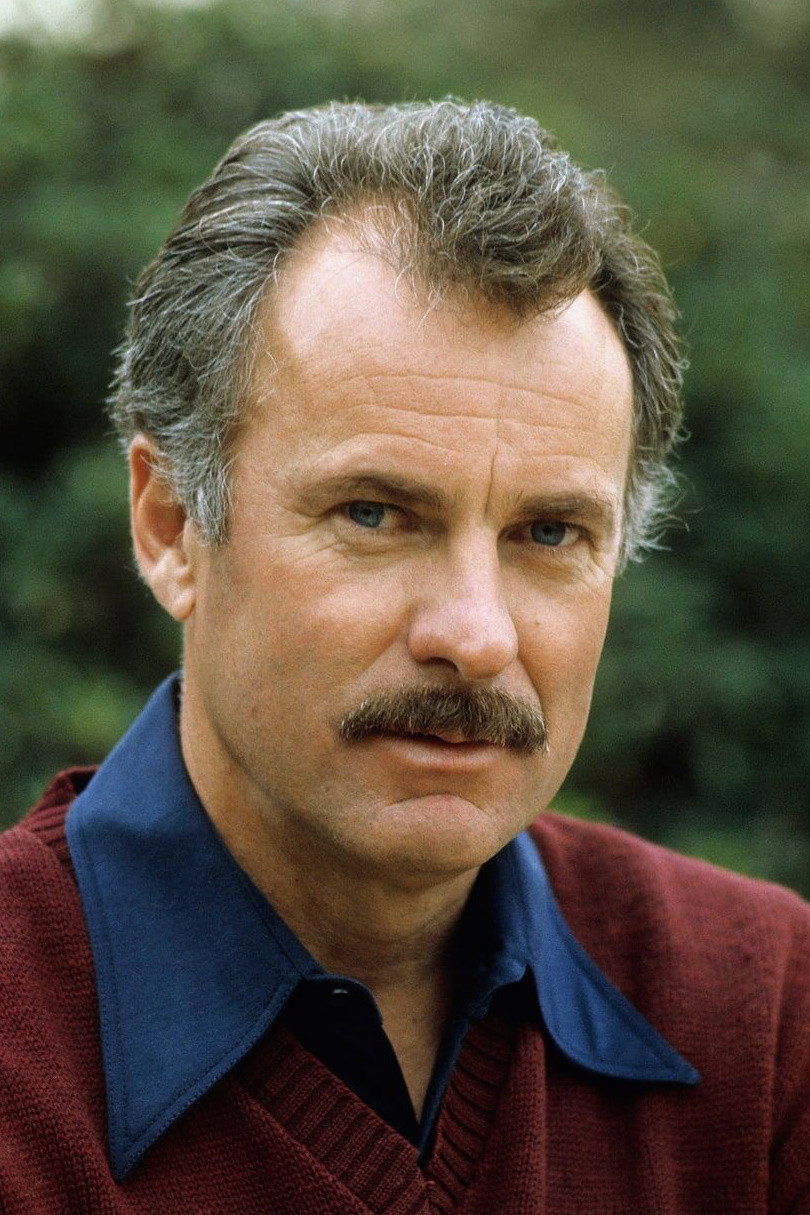
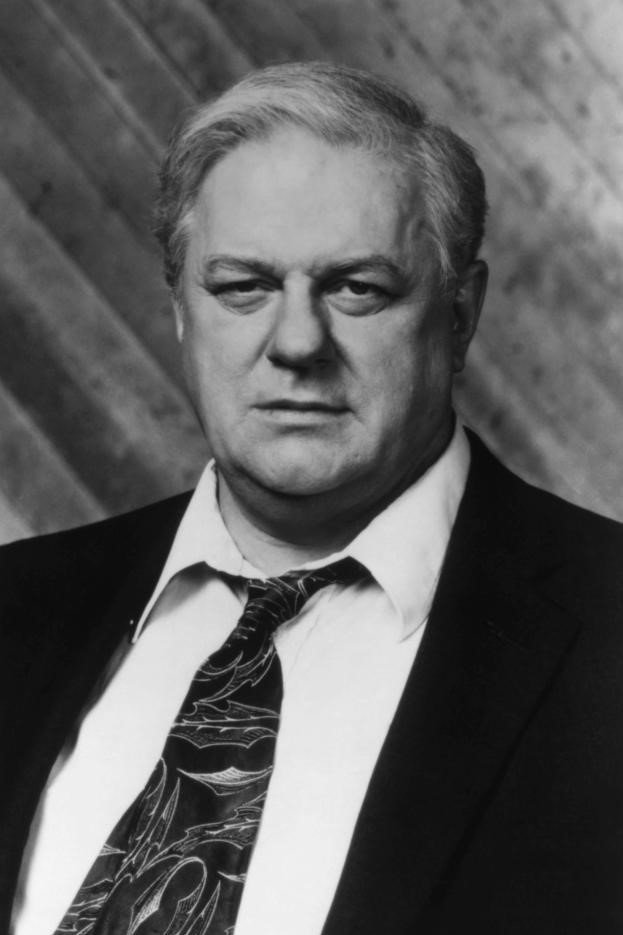
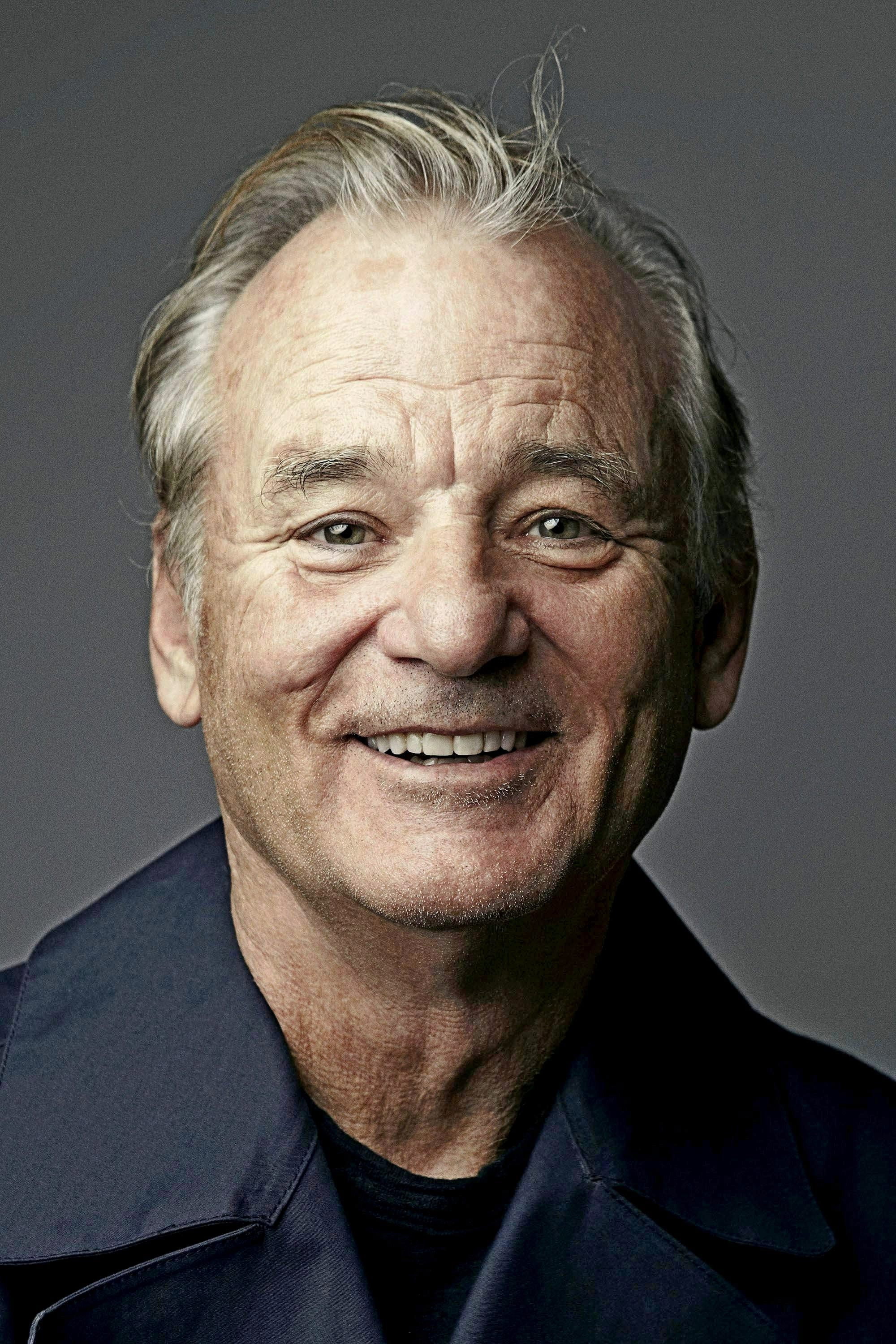
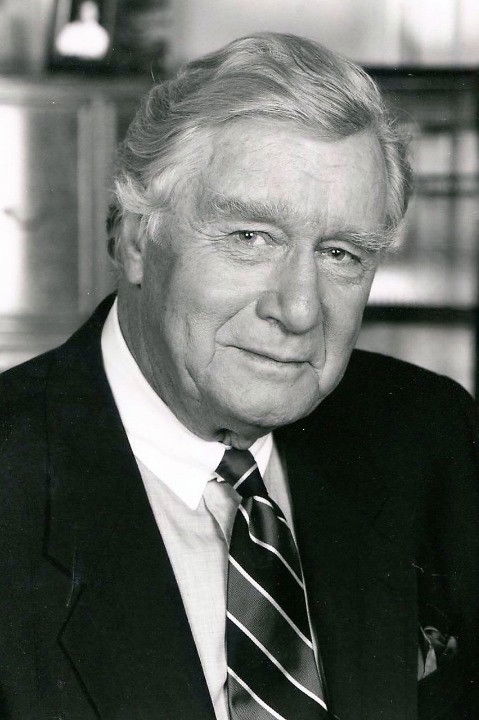
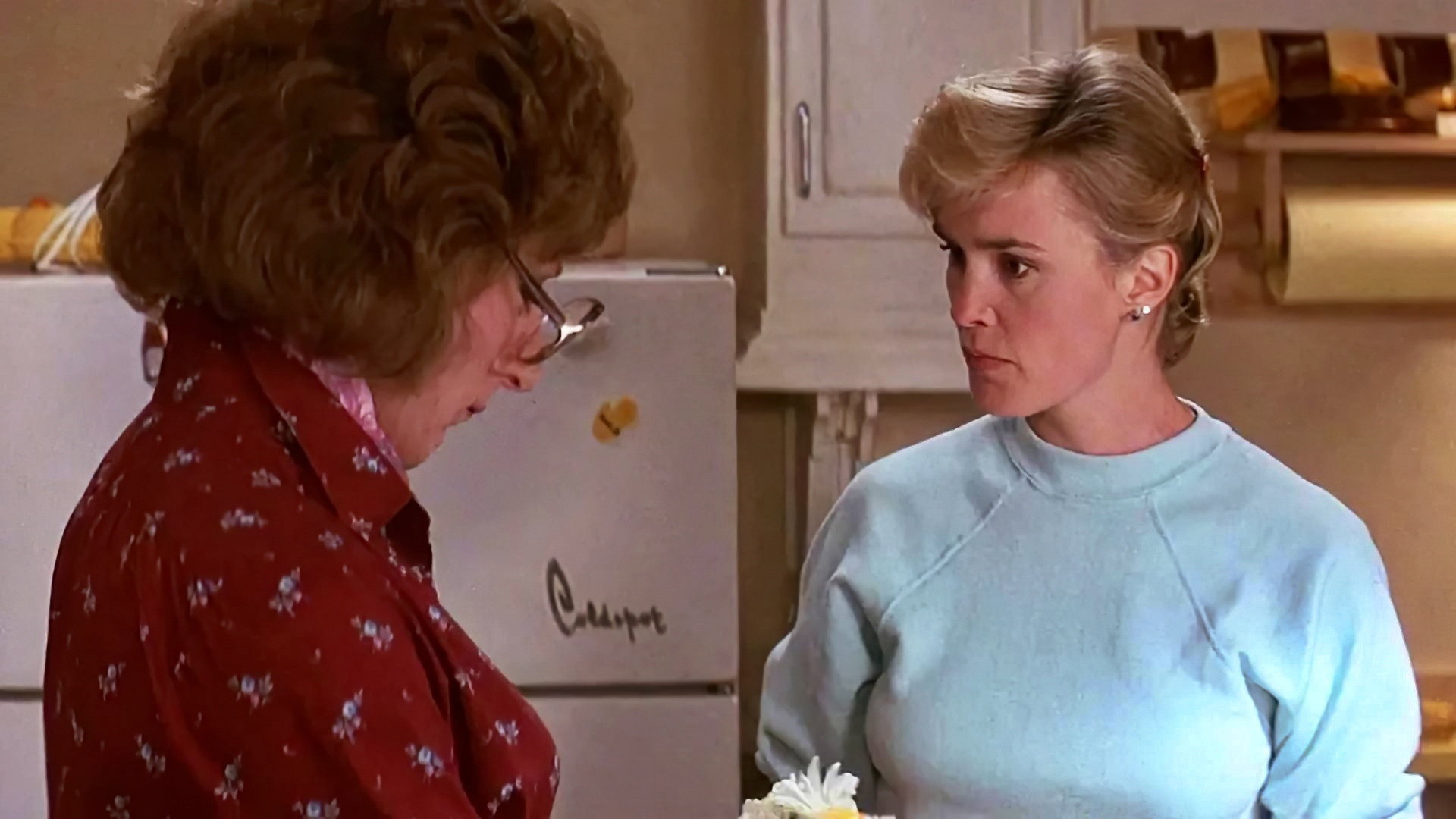
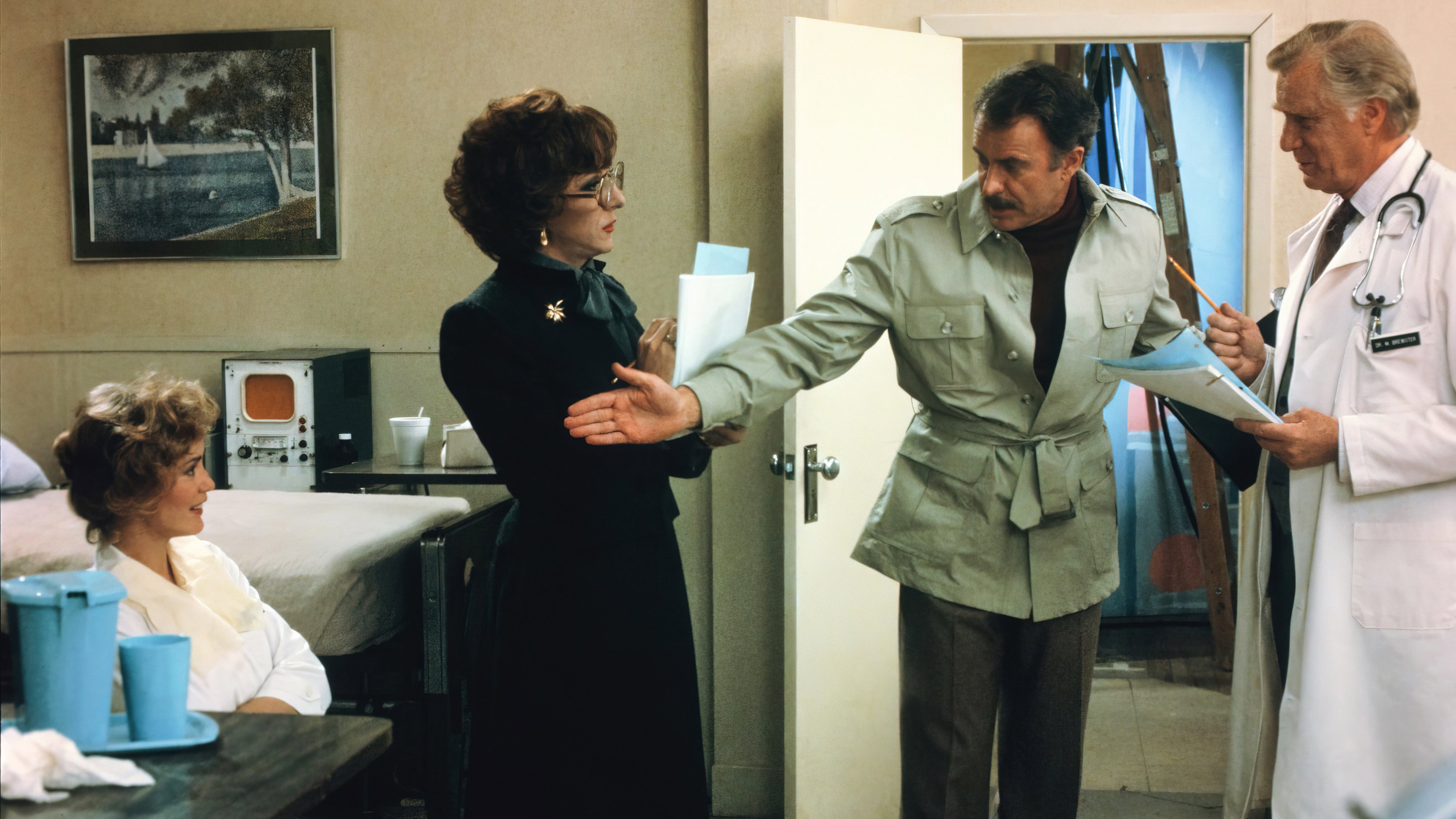
Jessica Lange’s Julie Nichols is essential here: Lange gives the comedy someone whose feelings we have reason to take seriously. Teri Garr brings an anxious precision to Sandy Lester that deserves as much attention as Hoffman’s more conspicuous work. Bill Murray’s Jeff Slater is a welcome, quieter comic presence, and Pollack, appearing as George Fields, knows how to make resistance to Hoffman funny. Their different rhythms stop the film becoming a succession of opportunities to applaud its leading man.
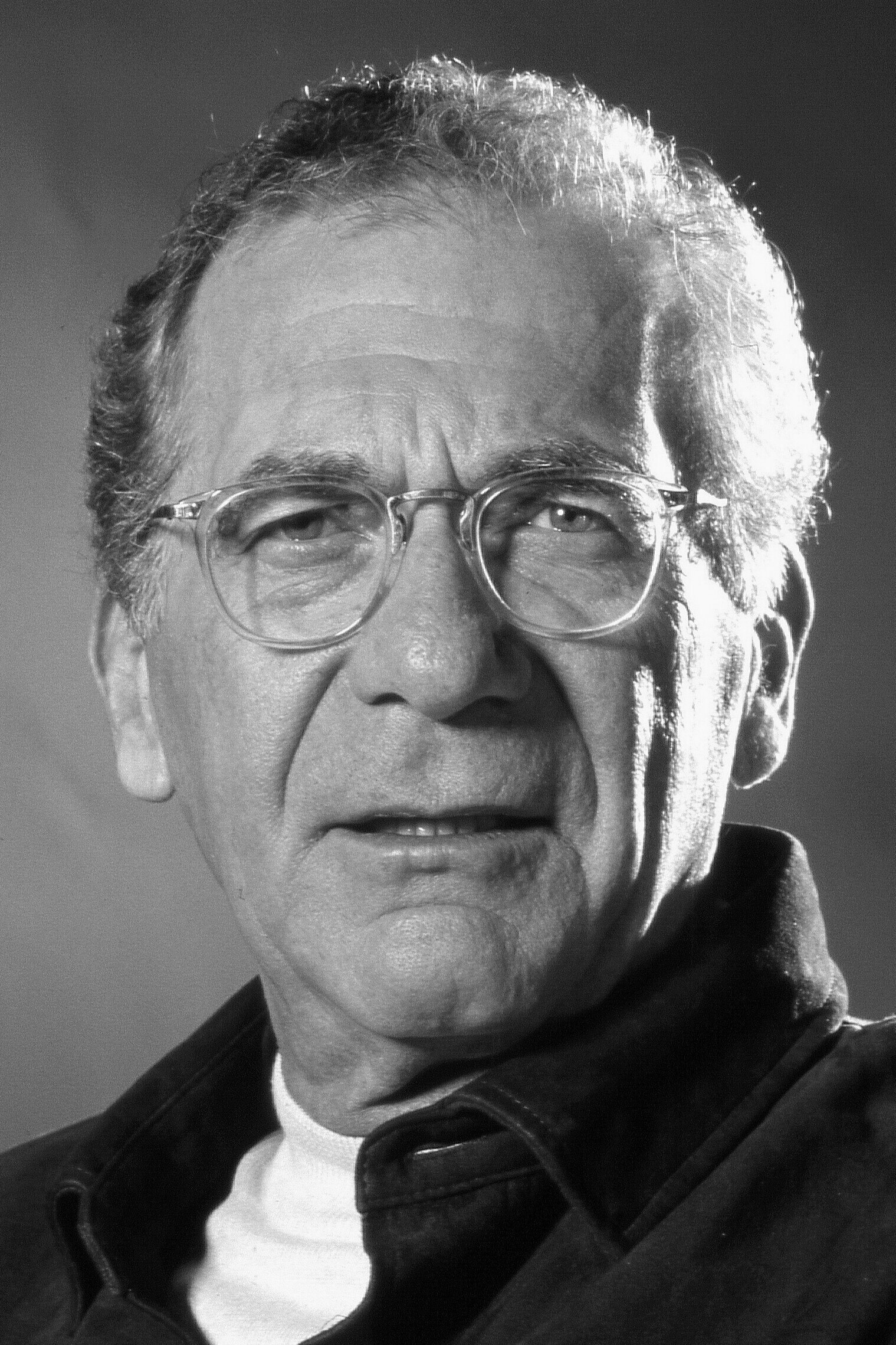
Owen Roizman’s cinematography is pleasingly unshowy, keeping our attention on the performers without treating Dorothy as a sight gag. Peter S. Larkin’s production design makes the soap-opera setting convincing enough to support all this professional anxiety. The workplace needs to seem worth getting into, however absurd the means of entry, and Larkin supplies that credibility. Ruth Morley’s costume design helps us accept Dorothy as a person with an idea of how she wishes to look.
Editors Fredric Steinkamp and William Steinkamp understand that an ensemble comedy needs room for someone other than the loudest person to register. The exchanges feel quick without becoming a blur, and the pauses rarely seem like invitations to admire a joke. At 116 minutes, the film is generous without feeling laborious. Dave Grusin’s music is our smaller reservation: its encouragement towards tenderness can feel unnecessary when Lange and Hoffman are already making the feelings clear.
The larger reservation concerns what Michael’s experience is supposed to teach us about women. There is something limiting about giving a man so much of the authority to explain how they are treated, however sincerely the screenplay wants him to learn. Gelbart and Schisgal scrutinise his vanity closely, but leave some comfortable assumptions about men and women alone. Lange and Garr make their characters interesting enough that the script could afford to let them complicate its lessons more often.
Within the disguise farce, though, Tootsie earns the affection that a lesser film would demand simply for putting its star in unfamiliar clothes. Pollack trusts recognisable irritation, ambition and embarrassment to carry an improbable story. That makes the comedy welcoming even when its thinking could be sharper. Watch it for the ensemble, and allow Lange and Garr at least as much of the conversation afterwards as Hoffman.